

Free Red River Valley Travel Guide & Mobile App
Explore Red River Valley with free travel guides. Discover regional history, expert tips, proposed trips, and audio guides on web or mobile app.


Explore Texas's Red River Valley for borderland history, open prairie, Lake Texoma recreation, small-town heritage and wide North Texas landscapes.
Read more about Red River Valley
Getting to and around Red River Valley
How to get there
Transportation
Best attractions in Red River Valley
The Red River Valley's attractions are dispersed across a broad border corridor rather than concentrated in one resort town. Lake Texoma is the largest recreational draw in the eastern section, offering boating, fishing, swimming, camping and birdwatching from the Texas shore. Denison adds the Eisenhower Birthplace State Historic Site and a historic downtown shaped by nineteenth-century railway expansion. Farther west, Copper Breaks State Park near Quanah provides trails, geological formations, stargazing and views across semi-arid ranch country. Wichita Falls, south of the Red River, works as a gateway to western North Texas, with museums, parks and cultural facilities. Paris, Bonham and Clarksville provide courthouse-square architecture, local museums and small-town heritage, while rural routes reveal farms, pasture and river tributaries. Outdoor visitors should distinguish public parks from private ranchland, since much of the river corridor is not developed for casual access.
-
 Historical place
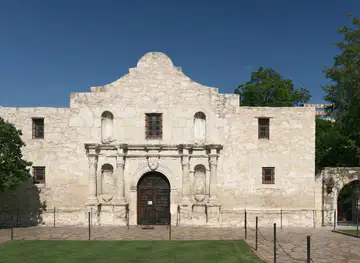
The Alamo
Discover the rich history of The Alamo, a historic landmark in San Antonio, Texas, and a symbol of Texas independence and pride.
-
Nature preserve
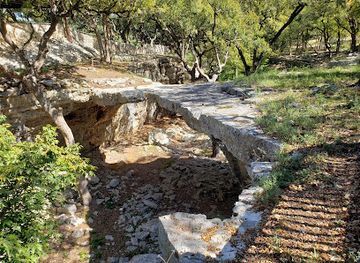
Natural Bridge Caverns
Explore the stunning Natural Bridge Caverns in Texas, a breathtaking underground marvel with guided tours, rich history, and unique geological formations.
-
Sculpture
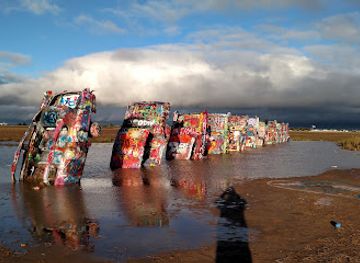
Cadillac Ranch
Discover Cadillac Ranch in Amarillo, Texas – a quirky outdoor art installation featuring classic Cadillacs buried nose-first, inviting creativity and exploration.
-
State park
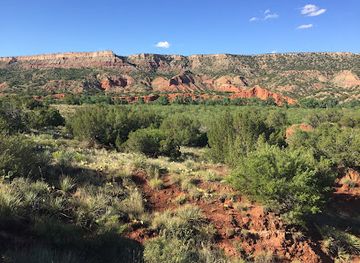
Palo Duro Canyon State Park
Experience the stunning landscapes and rich wildlife of Palo Duro Canyon State Park, Texas's magnificent natural treasure.
Best landmarks in Red River Valley
The Red River itself is the region's defining geographical landmark, forming a shifting natural boundary between Texas and Oklahoma and giving the valley its borderland character. Denison Dam and the broad waters of Lake Texoma represent the major twentieth-century transformation of the river, combining flood-control infrastructure with a large recreational landscape. In Denison, the Eisenhower Birthplace State Historic Site is a modest but nationally significant landmark associated with the former president's early life. Copper Breaks State Park, near Quanah, provides a contrasting natural landmark of red and ochre eroded formations, ravines and open prairie. The historic courthouse squares of Paris, Bonham and Clarksville express the civic architecture of settled North Texas, with brick commercial blocks and county-government buildings shaped by the railway and agricultural era. These places are distinct from the valley's broader attractions because they embody its physical boundary, political history, engineered landscape and town-building traditions.
-
State park
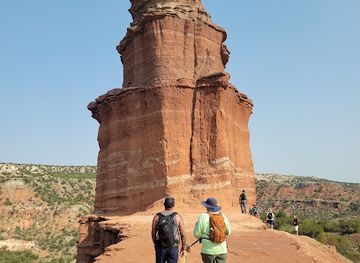
Palo Duro Canyon State Park
Experience the stunning landscapes and outdoor adventures at Palo Duro Canyon State Park, a true gem in the heart of Texas.
-
State park
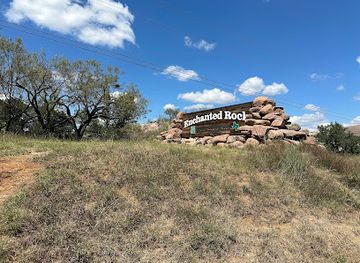
Enchanted Rock State Natural Area
Explore Enchanted Rock State Natural Area, a stunning Texas gem perfect for hiking, picnicking, and enjoying breathtaking views of nature's beauty.
-
Historical place
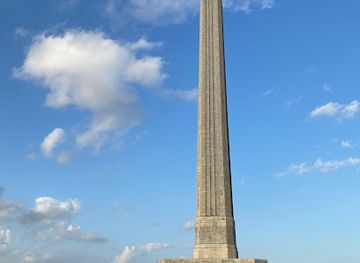
San Jacinto Battleground State Historic Site
Discover the historic San Jacinto Battleground, a pivotal site of the Texas Revolution, featuring monuments, a museum, and stunning landscapes.
-
State park
Brazos Bend State Park
Explore the beauty of Brazos Bend State Park, Texas - a natural haven for wildlife, hiking trails, and spectacular night skies.
Explore Red River Valley on the map
Plan your trip on one map. See where the top cities, national parks and sights are, and book hotels and experiences in a few clicks.
Best hotels in Red River Valley
Best restaurants in Red River Valley
Dining in the Red River Valley reflects North Texas's agricultural and borderland character. Barbecue, burgers, chicken-fried steak, Tex-Mex and traditional Southern cooking are common in town cafés, family restaurants and roadside establishments, while lake communities add casual venues suited to boating and holiday traffic. Denison, Sherman, Wichita Falls, Paris and Texarkana provide the broadest choice of restaurants, including contemporary American cooking, Mexican food, bakeries and coffee shops. In smaller settlements, courthouse-square diners and independent cafés often serve as important social and commercial centres. Local farmers' markets and farm shops may offer seasonal fruit, vegetables, preserves, baked goods and ranch products, although their schedules vary. Texas craft beer and regional spirits appear in some urban and lakeside venues, but the culinary identity here is more strongly associated with practical, generous regional cooking than with a single signature dish.
-
Grill
Moonshine Grill
Experience Southern charm at Moonshine Grill in Downtown Austin—where every bite tells a story of culinary excellence.
-
Steak
Y.O. Ranch Steakhouse
Experience top-tier steak dining in Dallas at Y.O. Ranch Steakhouse - where quality meets Texas tradition.
-
Seafood
McAdoo's Seafood Company
Experience fresh seafood and authentic Cajun cuisine at McAdoo's Seafood Company in New Braunfels - a culinary gem for every food lover.
-
Beer Garden
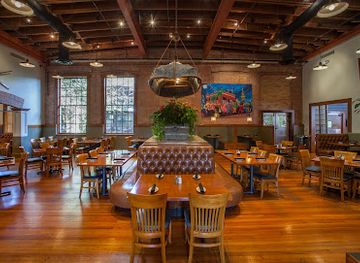
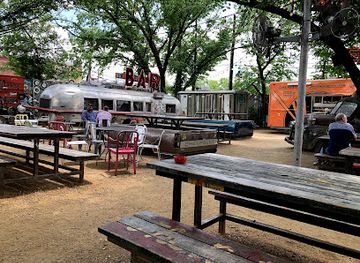
Truck Yard
Experience the vibrant ambiance at Truck Yard in Dallas—a must-visit beer garden offering great food, drinks, and live entertainment.

Best bars in Red River Valley
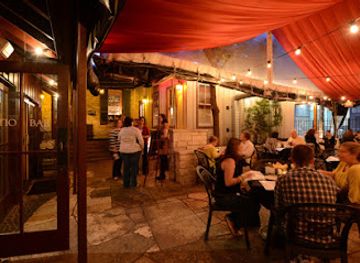
Evening life is centred on restaurants, traditional bars, breweries, live-music rooms and social venues in Denison, Sherman, Wichita Falls, Paris and Texarkana, rather than on a continuous nightclub district. Lake Texoma communities can be busier during warm weekends and holiday periods, with casual waterfront drinking and entertainment, although facilities vary by shore and season. Historic downtowns contain restored buildings used for bars, cafés and occasional performances, while smaller towns generally offer a modest pub and dining scene that winds down earlier. Wichita Falls and Texarkana provide the broadest choice of late-evening venues in their respective parts of the corridor. Visitors should check current opening arrangements locally, arrange a designated driver for rural journeys and avoid treating alcohol as a substitute for exploring the region's music, food and community events.
-
Barbecue
Stubb's Bar-B-Q
Experience authentic Texas barbecue and live music at Stubb's Bar-B-Q in Austin, a cultural icon serving up flavor and fun.
-
New American
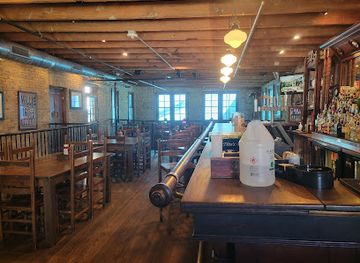
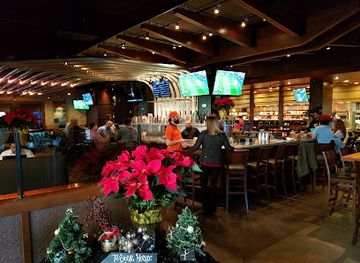
Yard House
Discover Yard House in Houston, where delicious New American cuisine meets an extensive beer selection in a lively atmosphere.
-
Dance hall
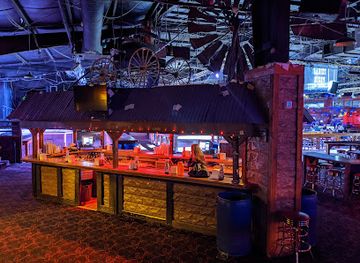
Cowboys Red River | Dancehall & Saloon
Discover the lively atmosphere of Cowboys Red River, Dallas's premier dancehall & saloon, where music, dancing, and Texan spirit come alive!
-
Bar
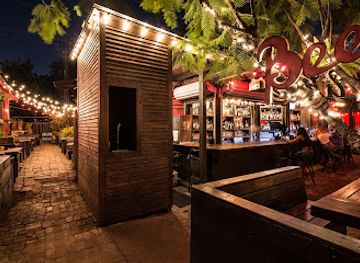
Boheme
Discover Boheme, a vibrant bar and cocktail lounge in Montrose, Houston, offering delicious drinks and a lively atmosphere perfect for relaxation and socializing.
Best nightclubs in Red River Valley
Evening life is centred on restaurants, traditional bars, breweries, live-music rooms and social venues in Denison, Sherman, Wichita Falls, Paris and Texarkana, rather than on a continuous nightclub district. Lake Texoma communities can be busier during warm weekends and holiday periods, with casual waterfront drinking and entertainment, although facilities vary by shore and season. Historic downtowns contain restored buildings used for bars, cafés and occasional performances, while smaller towns generally offer a modest pub and dining scene that winds down earlier. Wichita Falls and Texarkana provide the broadest choice of late-evening venues in their respective parts of the corridor. Visitors should check current opening arrangements locally, arrange a designated driver for rural journeys and avoid treating alcohol as a substitute for exploring the region's music, food and community events.
-
Night club
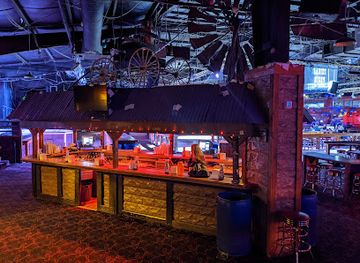
Cowboys Red River | Dancehall & Saloon
Dive into the lively nightlife of Dallas at Cowboys Red River, where country music and dancing create unforgettable memories.
-
Night club
It'll Do Club
Dive into the electrifying nightlife at It'll Do Club in Dallas, where great music and energetic vibes create unforgettable nights.
-
Night club
Whiskey River West
Discover the lively nightlife of Whiskey River West in Richmond, Texas, featuring great music, delicious drinks, and a vibrant atmosphere.
-
Night club
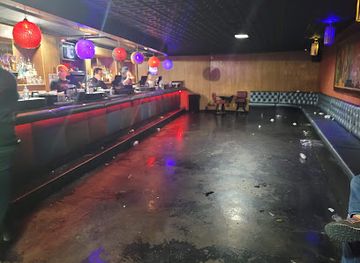
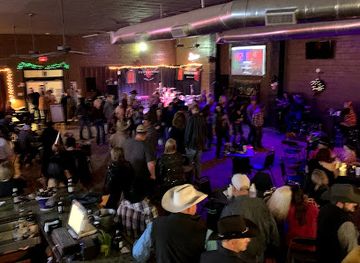
RedRock Saloon
Discover the lively atmosphere and great music at RedRock Saloon, Denison's favorite night club for unforgettable nightlife experiences.

Best shops in Red River Valley
Shopping in the Red River Valley is concentrated in the historic downtowns and regional commercial centres rather than in a single destination shopping district. Denison, Sherman, Wichita Falls, Paris, Bonham and Texarkana offer independent boutiques, antique shops, bookshops, galleries, cafés and practical high-street services, with each town reflecting its local trading history. Courthouse-square areas are particularly useful for browsing restored commercial buildings and locally owned businesses. Farmers' markets and seasonal community markets may provide Texas produce, preserves, baked goods, handmade crafts and ranch-related goods, but dates and locations vary. Lake Texoma communities stock boating supplies, outdoor equipment and casual holiday merchandise, while western towns are better suited to practical outdoor and Western-style goods. Regional souvenirs are more likely to be food products, local art, pottery, textiles or heritage-themed items than mass-produced Red River memorabilia.
-
Gift shop
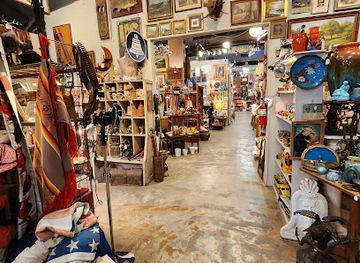
Uncommon Objects
Uncommon Objects: A treasure-filled gift shop and antique store in Austin, Texas, offering unique finds and curated collectibles.
-
Western apparel store
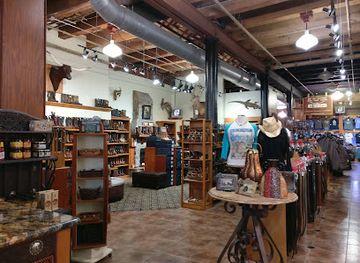
Wild Bill's Western Store
Discover authentic western apparel and unique souvenirs at Wild Bill's Western Store in Dallas, Texas—a must-visit for every traveler.
-
Gift shop
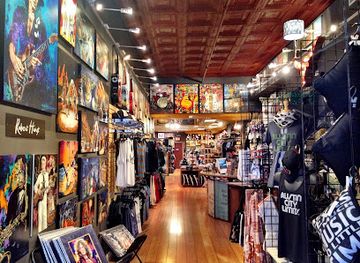
Wild About Music
Explore the eclectic charm of Wild About Music, where every item tells a story and celebrates Austin's vibrant music scene.
-
Gift shop
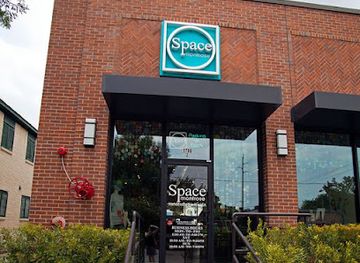
Space Montrose
Explore Space Montrose: A vibrant gift shop in Houston featuring unique local art, handcrafted gifts, and quirky treasures that celebrate creativity.
Get your free copy of our complete guide to Red River Valley, delivered straight to you.
Everything on this page, from attractions and restaurants to essentials and local phrases, in one PDF you can read offline, print or share.
Already have an account? Sign in
Your Red River Valley guide is ready.
We'll send it to · Not you? Sign out

Getting your guide ready…
We are putting together a fresh copy of the Red River Valley guide. This can take up to a minute.
This can take a few moments. If your browser asks, choose Allow so the download can start. You'll find the guide in your Downloads folder.
Nothing happened? Download it again
Sorry, the guide is taking longer than usual. Please try again in a minute, or get it by email instead.
Red River Valley essentials
Currency and Payment
Safety
Emergency Situations
Do's and Don'ts
Local Tips
From Eve
Local phrases worth knowing
You don't need to get them perfect. A few words go a long way, and locals appreciate the effort.
Basics
| English | Local | Say it |
|---|---|---|
| Hello | Howdy | [haʊdi] |
| Goodbye | See ya | [si jə] |
| Yes | Yep | [jɛp] |
| No | Nope | [noʊp] |
| Please/You're welcome | Please / No problem | [pliz / noʊ ˈprɑbləm] |
| Thank you | Thanks | [θæŋks] |
| Excuse me/Sorry | Excuse me / My bad | [ɪkˈskjuːz mi / maɪ bæd] |
| How are you? | How ya doin'? | [haʊ jə ˈduɪn] |
| Fine. And you? | Good. And you? | [ɡʊd. ənd ju] |
| Do you speak English? | You speakin' English? | [ju ˈspiːkɪŋ ˈɪŋɡlɪʃ] |
| I don't understand | I ain't gettin' it | [aɪ eɪnt ˈɡɛtɪn ɪt] |
Eating & Drinking
| English | Local | Say it |
|---|---|---|
| I'd like to see the menu, please | Can I see the menu, please? | [kæn aɪ si ðə ˈmɛnjuː pliz] |
| I don't eat meat | I don't do meat | [aɪ doʊnt du miːt] |
| Cheers! | Cheers! | [ʧɪrz] |
| I would like to pay, please | Can I pay, please? | [kæn aɪ peɪ pliz] |
Emergencies
| English | Local | Say it |
|---|---|---|
| Help! | Help! | [hɛlp] |
| Go away! | Get lost! | [ɡɛt lɔst] |
| Call the Police! | Call the cops! | [kɔl ðə kɑps] |
| Call a doctor! | Get a doctor! | [ɡɛt ə ˈdɑktər] |
| I'm lost | I'm turned around | [aɪm tɜrnd əˈraʊnd] |
| I'm ill | I'm feelin' sick | [aɪm ˈfiːlɪn sɪk] |
Shopping
| English | Local | Say it |
|---|---|---|
| I'd like to buy... | I wanna buy... | [aɪ ˈwɑnə baɪ] |
| I'm just looking | Just browsin' | [dʒʌst ˈbraʊzɪn] |
| How much is it? | What's the price? | [wɑts ðə praɪs] |
| That's too expensive | That costs too much | [ðæt kɔsts tu mʌʧ] |
| Can you lower the price? | Can ya bring down the price? | [kæn jə brɪŋ daʊn ðə praɪs] |
Time & Numbers
| English | Local | Say it |
|---|---|---|
| What time is it? | What time is it? | [wɑt taɪm ɪz ɪt] |
| It's one o'clock | It's one o'clock | [ɪts wʌn əˈklɑk] |
| Half past (10) | Half past ten | [hæf pæst tɛn] |
| Morning | Mornin' | [ˈmɔrnɪn] |
| Afternoon | Afternoon | [ˌæftərˈnun] |
| Evening | Evenin' | [ˈivnɪn] |
| Yesterday | Yesterday | [ˈjɛstərdeɪ] |
| Today | Today | [təˈdeɪ] |
| Tomorrow | Tomorrow | [təˈmɔroʊ] |
| 1 | One | [wʌn] |
| 2 | Two | [tu] |
| 3 | Three | [θri] |
| 4 | Four | [fɔr] |
| 5 | Five | [faɪv] |
| 6 | Six | [sɪks] |
| 7 | Seven | [ˈsɛvən] |
| 8 | Eight | [eɪt] |
| 9 | Nine | [naɪn] |
| 10 | Ten | [tɛn] |
Transport & Directions
| English | Local | Say it |
|---|---|---|
| Where's a/the...? | Where's the...? | [wɛrz ðə] |
| What's the address? | What's the address? | [wɑts ði ˈædrɛs] |
| Can you show me (on the map)? | Can ya show me (on the map)? | [kæn jə ʃoʊ mi (ɑn ðə mæp)] |
| When's the next (bus)? | When's the next bus? | [wɛn z ðə nɛkst bʌs] |
| A ticket (to ....) | A ticket (to ...) | [ə ˈtɪkɪt (tu ...)] |
History of Red River Valley
Indigenous Riverlands Before European Settlement
The Red River and its tributaries supported Indigenous communities for centuries before the arrival of Europeans and Americans. Caddo peoples were particularly important in the eastern part of the wider river basin, while Wichita communities and related groups occupied and travelled through the southern Plains. Hunting, farming, seasonal movement and trade connected the river corridor with neighbouring grasslands. The region's later political boundaries do not reflect these earlier cultural landscapes, which extended well beyond the modern Texas-Oklahoma line.
Spanish and French Borderland Claims
During the colonial period, Spain claimed Texas while France's Louisiana territory reached westwards towards the Red River. The river became a zone of competing imperial claims rather than a clearly settled frontier. Spanish missions and military expeditions were concentrated elsewhere in Texas, but the northern plains remained important for diplomacy, trade and the movement of Indigenous peoples. This history helps explain why the Red River corridor developed as a borderland with shifting political meanings.
The Red River and the Texas-Oklahoma Boundary
After Texas became an independent republic in 1836, its northern boundary was associated with the Red River. The wording of boundary agreements and the river's changing channels created prolonged disputes, especially around the area later known as Greer County. When Texas joined the United States in 1845, federal surveys and court decisions continued to clarify the line. The modern border follows the river in broad terms, but its history remains visible in the region's identity as a divided yet interconnected landscape.
Frontier Forts and Military Movement
During the nineteenth century, the United States established military posts across North Texas and the southern plains as settlement expanded and conflict intensified. Fort Richardson, south of the Red River corridor near Jacksboro, is one of the best-preserved reminders of this period, although it is not directly on the river. The campaigns, negotiations and forced removals associated with frontier expansion profoundly affected Indigenous nations. Military roads and supply routes also helped prepare the region for later civilian settlement.
Cattle, Farming and the Railways
After the Civil War, ranching, cotton farming and mixed agriculture became central to the economies of communities along the Texas side of the valley. Railways connected market towns such as Denison, Paris, Clarksville and Wichita Falls with larger commercial centres, allowing livestock, grain and cotton to move more efficiently. Town squares, depots, grain facilities and nineteenth-century commercial buildings preserve aspects of this transition. The pattern of dispersed farms and service towns still shapes travel through the region.
Denison, Eisenhower and Modern National Connections
Denison, founded as a railway town in the 1870s, became an important transport and trading centre in North Texas. Dwight D. Eisenhower was born there in 1890 before pursuing a military and political career that led to the US presidency. His birthplace is now preserved as a historic site. The story illustrates how railway communities along the Red River corridor were connected to national developments, even while remaining rooted in regional agriculture and commerce.
Denison Dam and the Creation of Lake Texoma
Completed in the 1940s, Denison Dam created Lake Texoma on the Red River at the Texas-Oklahoma border. The reservoir was built for flood control, water supply and power generation, and it subsequently became one of the region's major recreation areas. Its construction altered the river landscape and displaced some earlier uses of the valley, while creating marinas, beaches, campgrounds and wildlife habitat. Lake Texoma remains a defining modern feature of eastern Red River travel.
Red River Valley in Photos
Browse through our photo collection highlighting the charm and character of the destination.
Neighbouring regions of Red River Valley
The closest regions to Red River Valley, if you have time for more than one.
-

-

-

-

-


Swipe for more regions
Explore more
Explore more of Texas
Discover the diverse landscapes, rich history, vibrant cities, and culinary delights of Texas, the Lone Star State, where adventure and culture await at every turn.
Explore Texas