

Free North Texas Travel Guide & Mobile App
Explore North Texas with free travel guides. Discover regional history, expert tips, proposed trips, and audio guides on web or mobile app.




Explore North Texas for Dallas and Fort Worth museums, Western heritage, prairie landscapes, lakes, live music and a deep multicultural food scene.
Read more about North Texas
Getting to and around North Texas
How to get there
Transportation
Top city travel guides in North Texas
The cities of North Texas, and the easiest places to base yourself.
-

-

-

-

-

-


Swipe for more cities
Best attractions in North Texas
North Texas offers a varied mixture of major-city culture, Western heritage and accessible open landscapes. Dallas is the principal museum centre, with the Dallas Arts District, the Perot Museum of Nature and Science, the Dallas Museum of Art, the Nasher Sculpture Center and Fair Park's museums and Art Deco buildings. Dealey Plaza and the Sixth Floor Museum provide a focused historical experience. Fort Worth's Cultural District brings together the Kimbell Art Museum, Amon Carter Museum of American Art and Modern Art Museum of Fort Worth, while the Stockyards interpret the city's cattle and railway past through preserved buildings, museums and live demonstrations. Arlington adds major sporting and entertainment venues. Outside the central cities, Grapevine, Denton and McKinney offer historic streets, independent culture and local events. Cedar Hill State Park, Ray Roberts Lake State Park and the LBJ National Grasslands provide opportunities for hiking, cycling, boating, fishing and birdwatching. The attraction landscape is therefore less about one single scenic icon than about contrasts between metropolitan institutions, working landscapes, reservoirs, prairie and historic communities.
-
Stadium
AT&T Stadium
Experience the grandeur of AT&T Stadium, an architectural marvel and home to the Dallas Cowboys, where sports and entertainment come alive.
-
Theme park
Six Flags Over Texas
Experience the thrill of a lifetime at Six Flags Over Texas, featuring exhilarating rides, water attractions, and unforgettable entertainment for all ages.
-
Historical landmark
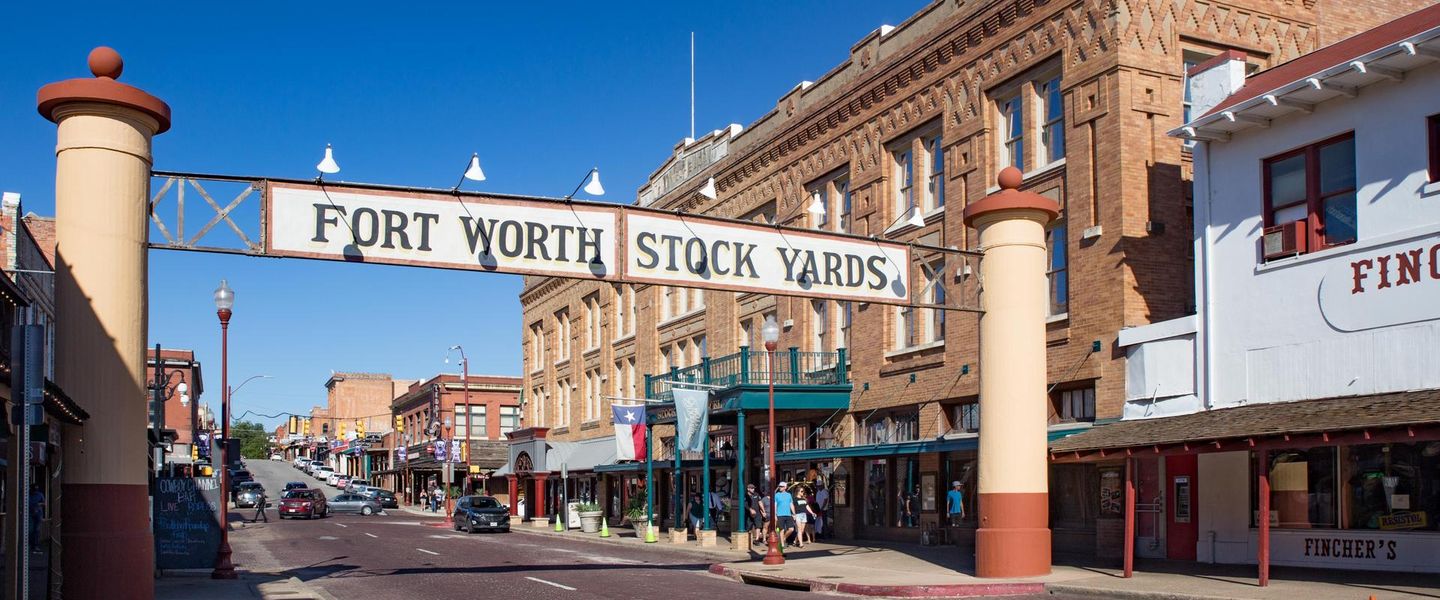
Fort Worth Stockyards
Explore the Fort Worth Stockyards, a historic district offering a taste of Texas cowboy culture with live rodeos, unique shopping, and delicious dining.
-
Aquarium
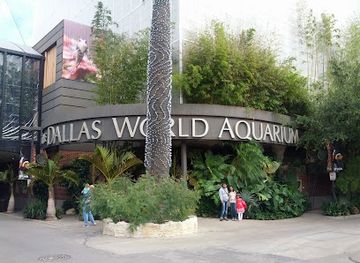
The Dallas World Aquarium
Explore the wonders of marine life and exotic ecosystems at The Dallas World Aquarium, a unique attraction blending education and entertainment in the heart of Dallas.


Best landmarks in North Texas
Dallas's skyline, dominated by the Reunion Tower observation structure and surrounded by modern commercial architecture, is one of North Texas's most recognisable urban views. Dealey Plaza and the former Texas School Book Depository are historically significant sites associated with President John F. Kennedy's assassination and its public interpretations. Fair Park is notable for its extensive Art Deco ensemble, created and expanded around the 1936 Texas Centennial Exposition. In Fort Worth, the Stockyards preserve the physical language of the cattle trade through brick streets, livestock-market buildings and railway-era structures. The city's Cultural District is distinguished by landmark museum architecture, including Louis Kahn's Kimbell Art Museum and the Modern Art Museum of Fort Worth. Historic courthouse squares in McKinney and Denton illustrate the civic planning of North Texas market towns, while the Fort Worth Water Gardens provide a striking example of modern public landscape design. Beyond the cities, the open grasslands and wooded lake shores of places such as the LBJ National Grasslands and Cedar Hill State Park serve as important landscape landmarks, showing the prairie and reservoir environments that surround the metropolitan corridor.
-
Live Music
Toyota Music Factory
Discover the Toyota Music Factory - a vibrant entertainment complex in Irving, TX, offering live music, diverse dining, and unforgettable experiences.
-
Historical place
San Jacinto Battleground State Historic Site
Explore the San Jacinto Battleground State Historic Site, a key landmark in Texas history, where independence was won and stories of resilience are celebrated.
-
Historical landmark
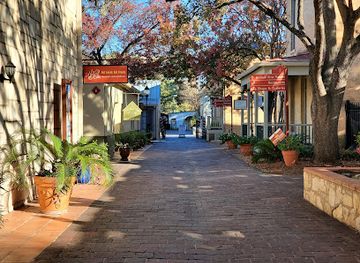
La Villita Historic Village
Explore La Villita Historic Village, a vibrant cultural hub in San Antonio with art, history, and delicious local cuisine.
-
 Monument
John F. Kennedy Memorial Plaza
Explore the John F. Kennedy Memorial Plaza in Dallas, a serene monument dedicated to the legacy of a great leader amidst the city's vibrant atmosphere.


Explore North Texas on the map
Plan your trip on one map. See where the top cities, national parks and sights are, and book hotels and experiences in a few clicks.
Best hotels in North Texas
Best restaurants in North Texas
North Texas dining combines cattle-country traditions with the international character of one of the United States' largest metropolitan areas. Barbecue, smoked brisket, sausages, Tex-Mex, chilli and steaks are enduring regional favourites, while fried chicken, burgers and Southern-influenced comfort food remain common in traditional restaurants and casual venues. Fort Worth's Stockyards and surrounding districts offer food strongly associated with ranching imagery, whereas Dallas and the northern suburbs provide a wide range of Mexican, Vietnamese, Korean, Indian, Ethiopian, Middle Eastern and other cuisines. Denton contributes an independent café and music-scene atmosphere, and historic towns often have bakeries, diners and farm-to-table restaurants. Farmers' markets can be useful for Texas produce, baked goods, preserves and prepared food, though schedules vary. Craft beer and contemporary cocktails are also part of the urban dining scene. Portions, sales tax and customary gratuity are normally added separately to menu prices.
-
Spanish
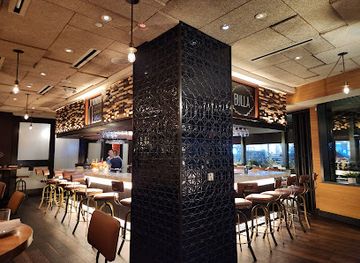
Bulla Gastrobar
Experience authentic Spanish cuisine at Bulla Gastrobar in Plano - where every dish tells a story of flavor.
-
Southwestern American
The Ranch at Las Colinas
Discover authentic Southwestern flavors at The Ranch at Las Colinas - where every meal tells a story.
-
American
Whiskey Cake Las Colinas
Discover delicious farm-to-table American cuisine at Whiskey Cake Las Colinas – where every bite tells a story.
-
Steak
Aspen Creek Grill
Discover irresistible steak and barbecue flavors at Aspen Creek Grill in Irving - where culinary excellence meets Texan hospitality.


Best bars in North Texas
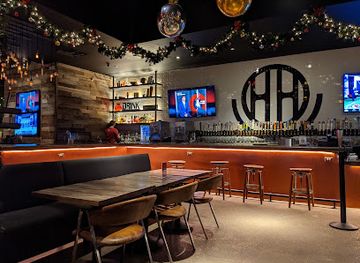
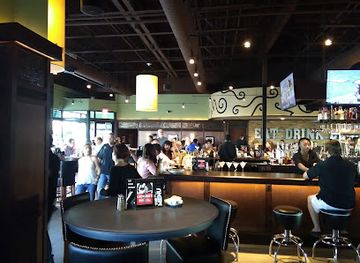
Evening life in North Texas is concentrated in Dallas, Fort Worth, Denton and selected suburban centres rather than spread evenly across the region. Dallas offers cocktail bars, live music, breweries, restaurants and late-night venues in districts including Deep Ellum, Lower Greenville, Uptown and Bishop Arts, although individual streets and businesses change over time. Fort Worth combines traditional pubs and restaurants with music venues and nightlife around Sundance Square, the Near Southside and the Stockyards. Denton's university population supports a long-established live-music and bar scene. Outside these centres, evenings are more likely to revolve around neighbourhood restaurants, brewpubs, historic inns or seasonal events than large clubs. North Texas also has a substantial arts programme, with theatre, concerts and sports providing alternatives to bar culture. Check age requirements, transport options and current venue arrangements before going out.
-
Sports bar
Twin Peaks
Discover Twin Peaks, where sports, delicious American cuisine, and a vibrant atmosphere converge for an unforgettable experience in Irving, Texas.
-
Bar
Happiest Hour
Discover Happiest Hour, Dallas's lively bar with amazing drinks and an inviting atmosphere, ideal for memorable nights out and social gatherings.
-
Bar
Yard House
Experience the vibrant flavors and lively atmosphere of Yard House in Las Colinas, where craft beer meets New American cuisine.
-
Restaurant
Thirsty Lion Gastropub & Grill
Discover the vibrant flavors of Thirsty Lion Gastropub & Grill, a must-visit dining destination in Las Colinas, Texas, blending pub classics with global cuisines.



Best nightclubs in North Texas
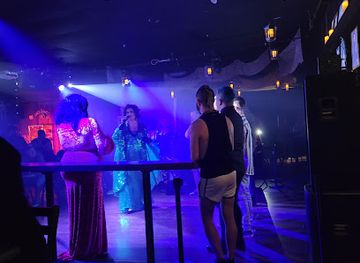
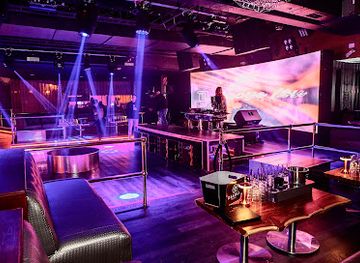
Evening life in North Texas is concentrated in Dallas, Fort Worth, Denton and selected suburban centres rather than spread evenly across the region. Dallas offers cocktail bars, live music, breweries, restaurants and late-night venues in districts including Deep Ellum, Lower Greenville, Uptown and Bishop Arts, although individual streets and businesses change over time. Fort Worth combines traditional pubs and restaurants with music venues and nightlife around Sundance Square, the Near Southside and the Stockyards. Denton's university population supports a long-established live-music and bar scene. Outside these centres, evenings are more likely to revolve around neighbourhood restaurants, brewpubs, historic inns or seasonal events than large clubs. North Texas also has a substantial arts programme, with theatre, concerts and sports providing alternatives to bar culture. Check age requirements, transport options and current venue arrangements before going out.
-
Grill
Bar Louie - Music Factory
Experience the vibrant nightlife and diverse American cuisine at Bar Louie - Music Factory in Irving, Texas, a must-visit for food and music lovers.
-
Night club
1851 Club
Discover the lively atmosphere and unique cocktails at 1851 Club, Arlington's premier gay night club for an unforgettable nightlife experience.
-
Night club
It'll Do Club
Discover the pulse of Dallas nightlife at It'll Do Club, where vibrant energy and fantastic music create unforgettable nights.
-
Night club
Escena Latin Nightclub
Discover the pulse of Latin nightlife at Escena Latin Nightclub in Dallas, where music, dance, and cocktails create an unforgettable experience.

Best shops in North Texas
Shopping in North Texas ranges from large urban retail districts and indoor centres to courthouse-square boutiques, farmers' markets and specialist food shops. Dallas's Bishop Arts District, Deep Ellum and neighbouring independent areas are associated with clothing, design, books, galleries, gifts and locally owned businesses, while the broader metropolitan area contains extensive mainstream retail. Fort Worth's Sundance Square and the Stockyards offer different atmospheres: the former is an urban dining and shopping district, while the latter focuses more on Western clothing, boots, leather goods, souvenirs and ranch-inspired products. McKinney's historic centre and Grapevine's preserved downtown provide boutiques, antiques, galleries and craft-oriented shops. Visitors seeking regional purchases can look for Texas-made sauces, spice blends, coffee, sweets, ceramics, leatherwork and Western wear, although authenticity and origin vary by seller. Farmers' markets are useful for seasonal produce and prepared foods, but operating days and locations should be checked in advance. Sales tax is normally added at the till rather than included in displayed prices.
-
Shopping mall
Grapevine Mills
Discover Grapevine Mills, Texas' premier shopping destination featuring over 180 stores, diverse dining options, and family-friendly entertainment.
-
Shopping mall
Galleria Dallas
Discover luxury shopping and dining at Galleria Dallas, featuring over 400 stores and a vibrant atmosphere in the heart of Texas.
-
Shopping mall
NorthPark Center
Explore NorthPark Center: A Luxurious Shopping Haven Merging Retail, Art, and Culinary Delights in Dallas.
-
Outlet mall
Grand Prairie Premium Outlets
Experience unbeatable shopping at Grand Prairie Premium Outlets, Texas's top destination for discounted designer and brand-name fashion.

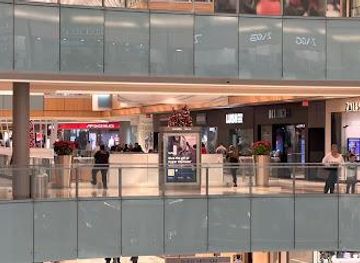


Get your free copy of our complete guide to North Texas, delivered straight to you.
Everything on this page, from attractions and restaurants to essentials and local phrases, in one PDF you can read offline, print or share.
Already have an account? Sign in
Your North Texas guide is ready.
We'll send it to · Not you? Sign out

Getting your guide ready…
We are putting together a fresh copy of the North Texas guide. This can take up to a minute.
This can take a few moments. If your browser asks, choose Allow so the download can start. You'll find the guide in your Downloads folder.
Nothing happened? Download it again
Sorry, the guide is taking longer than usual. Please try again in a minute, or get it by email instead.
North Texas essentials
Currency and Payment
Safety
Emergency Situations
Do's and Don'ts
Local Tips
From Eve
Local phrases worth knowing
You don't need to get them perfect. A few words go a long way, and locals appreciate the effort.
Basics
| English | Local | Say it |
|---|---|---|
| Hello | Howdy | [Ha-oo-dee] |
| Goodbye | See ya | [See yah] |
| Yes | Yep | [Yep] |
| No | Nope | [Nope] |
| Please/You're welcome | Please/No problem | [Please/No prob-lum] |
| Thank you | Thanks | [Thanks] |
| Excuse me/Sorry | Excuse me/Sorry | [Ex-cuse me/Sor-ree] |
| How are you? | How ya doin'? | [How yah doin'?] |
| Fine. And you? | I'm good. And you? | [I'm good. An' you?] |
| Do you speak English? | You speakin' English? | [You speakin' English?] |
| I don't understand | I don't get it | [I don't get it] |
Eating & Drinking
| English | Local | Say it |
|---|---|---|
| I'd like to see the menu, please | Can I see the menu, please? | [Can I see the menu, please?] |
| I don't eat meat | I don't eat meat | [I don't eat meat] |
| Cheers! | Cheers! | [Cheers!] |
| I would like to pay, please | Can I get the check, please? | [Can I get the check, please?] |
Emergencies
| English | Local | Say it |
|---|---|---|
| Help! | Help! | [Help!] |
| Go away! | Get outta here! | [Get outta here!] |
| Call the Police! | Call the cops! | [Call the cops!] |
| Call a doctor! | Get a doctor! | [Get a doctor!] |
| I'm lost | I'm lost | [I'm lost] |
| I'm ill | I'm not feelin' good | [I'm not feelin' good] |
Shopping
| English | Local | Say it |
|---|---|---|
| I'd like to buy... | I wanna buy... | [I wanna buy...] |
| I'm just looking | Just lookin' | [Just lookin'] |
| How much is it? | How much's this? | [How much's this?] |
| That's too expensive | That's too pricey | [That's too pricey] |
| Can you lower the price? | Can ya lower the price? | [Can ya lower the price?] |
Time & Numbers
| English | Local | Say it |
|---|---|---|
| What time is it? | What time is it? | [What time is it?] |
| It's one o'clock | It's one o'clock | [It's one o'clock] |
| Half past (10) | Half past 10 | [Half past 10] |
| Morning | Morning | [Morning] |
| Afternoon | Afternoon | [Afternoon] |
| Evening | Evenin' | [Evenin'] |
| Yesterday | Yesterday | [Yesterday] |
| Today | Today | [Today] |
| Tomorrow | Tomorrow | [Tomorrow] |
| 1 | One | [One] |
| 2 | Two | [Two] |
| 3 | Three | [Three] |
| 4 | Four | [Four] |
| 5 | Five | [Five] |
| 6 | Six | [Six] |
| 7 | Seven | [Seven] |
| 8 | Eight | [Eight] |
| 9 | Nine | [Nine] |
| 10 | Ten | [Ten] |
Transport & Directions
| English | Local | Say it |
|---|---|---|
| Where's a/the...? | Where's a ...? | [Where's a ...?] |
| What's the address? | What's the address? | [What's the address?] |
| Can you show me (on the map)? | Can you show me on the map? | [Can you show me on the map?] |
| When's the next (bus)? | When's the next bus? | [When's the next bus?] |
| A ticket (to ....) | A ticket to ... | [A ticket to ...] |
History of North Texas
Caddo and Indigenous North Texas
Long before European-American settlement, North Texas was occupied and travelled by Indigenous peoples, including Caddoan communities in the eastern part of the region and Wichita and other peoples across the southern plains. Their economies combined farming, hunting, trade and seasonal movement, while river valleys and prairie resources shaped settlement patterns. Later Comanche influence was significant across the wider North Texas plains. Archaeological evidence, place names and museum collections provide reminders that the region's history did not begin with the arrival of Anglo-American settlers.
Spanish and Mexican Frontier
North Texas lay on the northern edge of Spanish and later Mexican influence, although permanent colonial settlement was limited compared with areas farther south. Explorers, missionaries, traders and military expeditions travelled through the Red River and Trinity River country, mapping routes and establishing shifting claims. After Mexican independence in 1821, the region formed part of the wider frontier environment of Mexican Texas, where Indigenous power, trade and competing governmental ambitions continued to shape daily life.
Republic of Texas and Anglo-American Settlement
Following the Texas Revolution and the creation of the Republic of Texas in 1836, Anglo-American settlement expanded rapidly into North Texas. Communities grew around river crossings, land grants, ferries and fortified trading points, while relations between settlers and Indigenous nations became increasingly violent and unequal. Dallas was founded in the 1840s and Fort Worth in 1849 as a military post on the western edge of settlement. The arrival of statehood in 1845 and later federal policies transformed the region's political and demographic landscape.
Railways, Cattle and the Fort Worth Stockyards
Railway construction after the Civil War connected North Texas with national markets and accelerated the growth of Dallas and Fort Worth. Fort Worth became a major cattle-shipping and livestock-trading centre, positioned at the meeting point of rail transport and the open range. Dallas developed as a commercial and distribution hub, handling cotton, agricultural goods and finance. The Stockyards, railway corridors and historic commercial buildings that survive today reflect this period, although the region's economic life soon moved well beyond ranching.
Oil, Aviation and Industrial Expansion
The twentieth century brought major changes through petroleum, manufacturing, aviation and defence. Oil discoveries in North Texas, including the Burkburnett field north-west of the Dallas-Fort Worth area, strengthened regional investment and employment. Dallas became an important corporate and financial centre, while aircraft production and military activity expanded at places such as Grand Prairie, Fort Worth and the wider metropolitan area. Highways, airports and suburban development then reshaped the region, linking formerly separate communities into a large urban economy.
Civil Rights and a Diversifying Metropolis
North Texas participated in the national civil-rights struggle, including campaigns against segregation in schools, businesses and public facilities. African-American communities established churches, businesses, newspapers and cultural institutions that remain central to the region's history. The post-war decades also brought large-scale migration from across the United States and, later, from Latin America, Asia, Africa and the Middle East. This transformation is visible today in neighbourhoods, religious communities, languages, restaurants, festivals and the region's international business connections.
Metropolitan Growth in the Twenty-First Century
North Texas has experienced sustained population and economic growth since the late twentieth century, driven by corporate relocation, technology, logistics, education, health care and aviation. Dallas-Fort Worth International Airport and extensive motorway networks have reinforced the region's role as a national transport hub. Rapid suburban expansion has brought new arts venues, sports facilities, universities and housing, while also creating pressures involving water, traffic, land use and prairie conservation. Contemporary North Texas is therefore both a historic urban region and one of the United States' most dynamic metropolitan areas.
North Texas in Photos
Browse through our photo collection highlighting the charm and character of the destination.
Neighbouring regions of North Texas
The closest regions to North Texas, if you have time for more than one.
-

-

-

-

-


Swipe for more regions
Explore more
Explore more of Texas
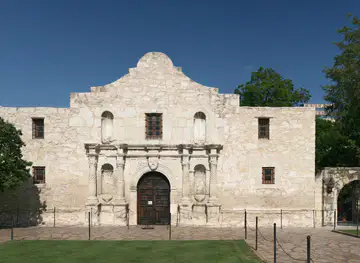
Discover the diverse landscapes, rich history, vibrant cities, and culinary delights of Texas, the Lone Star State, where adventure and culture await at every turn.
Explore Texas