

Free Central Texas Travel Guide & Mobile App
Explore Central Texas with free travel guides. Discover regional history, expert tips, proposed trips, and audio guides on web or mobile app.


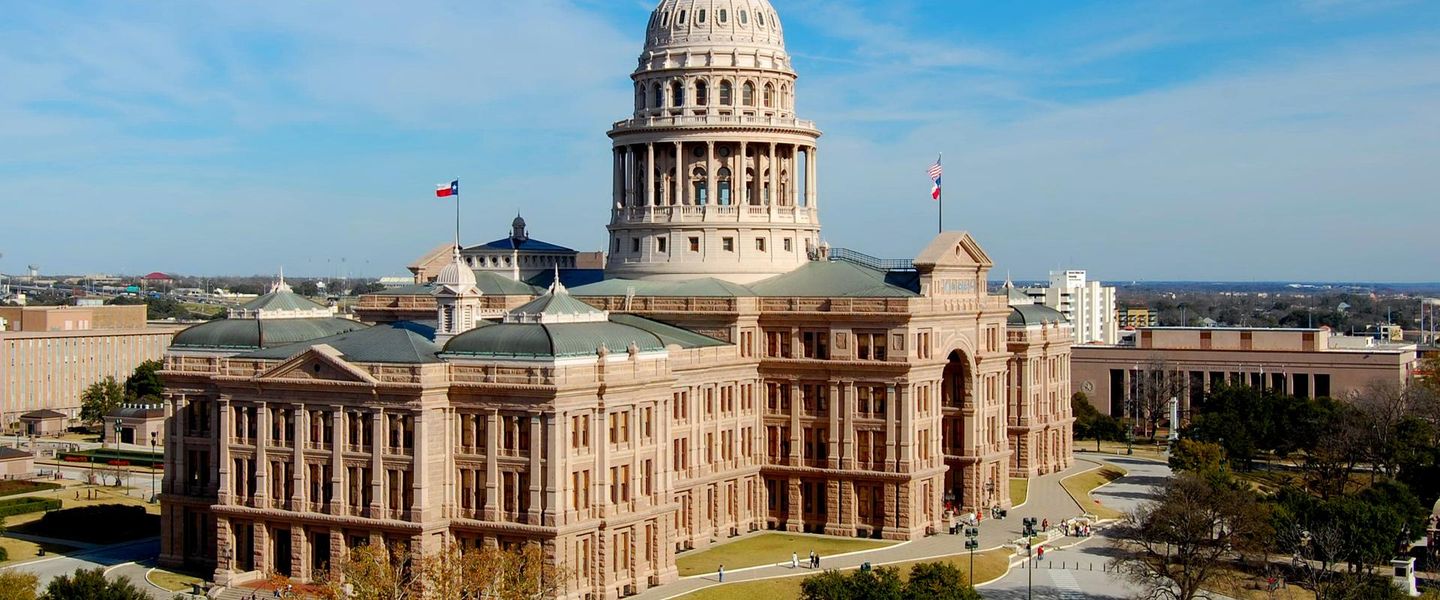


Central Texas combines Austin's music and food scene with San Antonio missions, Hill Country landscapes, rivers, vineyards and distinctive Texan heritage.
Read more about Central Texas
Getting to and around Central Texas
How to get there
Transportation
Top city travel guides in Central Texas
The cities of Central Texas, and the easiest places to base yourself.
-
-

-

-

-

-


Swipe for more cities
Destinations in Central Texas
Resorts, valleys and scenic spots worth a trip of their own.
-

-
-


Swipe for more destinations
Best attractions in Central Texas
Central Texas offers an unusually wide range of attractions across a large but coherent travel corridor. Austin combines the Texas State Capitol, music venues, museums, galleries, food culture and outdoor recreation around Lady Bird Lake, Barton Springs and the Colorado River. San Antonio's missions, riverfront paths, historic streets and museums provide a deeper historical and cultural focus, while Waco has museums, university institutions and family-oriented attractions around the Brazos. In the Hill Country, Enchanted Rock State Natural Area, Pedernales Falls State Park and the countryside around Fredericksburg, Johnson City and Wimberley bring hiking, swimming, climbing, scenic driving and vineyard visits. New Braunfels and San Marcos are associated with spring-fed rivers and water activities, although conditions and access vary. Historic towns, ranch landscapes, galleries, craft producers and seasonal wildflowers broaden the experience beyond the main cities.
-
Historical place
The Alamo
Discover The Alamo, a historic landmark in San Antonio, Texas, where the fight for freedom and independence echoes through time.
-
Car racing track
Circuit of the Americas
Experience the thrill of motorsports and the excitement of live music at Circuit of the Americas, Texas's premier racetrack and entertainment venue.
-
Escape room center
The Escape Game Austin
Experience the thrill of puzzle-solving adventure at The Escape Game Austin, where teamwork and fun await in the heart of Downtown Austin.
-
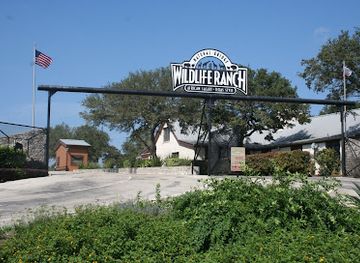
Wildlife and safari park
Natural Bridge Wildlife Ranch
Explore the Natural Bridge Wildlife Ranch, a captivating safari park in Texas, where adventure and wildlife conservation come together for an unforgettable experience.


Best landmarks in Central Texas
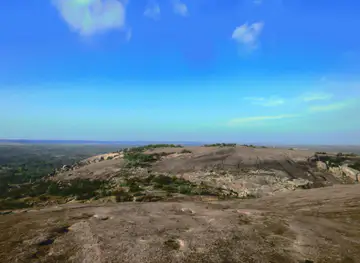
The Texas State Capitol in Austin is one of Central Texas's most recognisable civic buildings, set within a government district that expresses the political importance of the state capital. In San Antonio, the Alamo and the four other surviving Spanish colonial missions form the region's most significant historic landmark group; their churches, courtyards, walls and irrigation works embody the meeting of Indigenous and Spanish colonial histories. Enchanted Rock, a vast pink-granite dome north of Fredericksburg, is both a geological landmark and a defining Hill Country presence. The old German-Texan streetscapes of Fredericksburg and New Braunfels preserve another layer of regional history, while the Lyndon B. Johnson National Historical Park near Stonewall includes the former president's ranch and the landscape of the Pedernales River. Waco's suspension bridge and historic city centre reflect its position on the Brazos and its role in regional commerce.
-
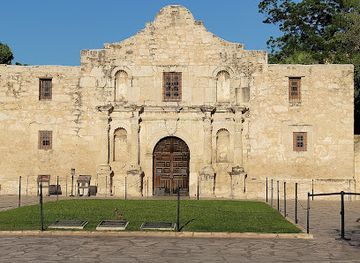
Historical place
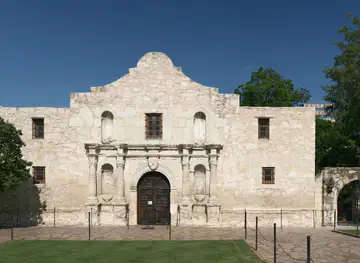
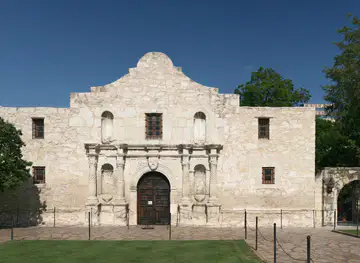
The Alamo
Discover The Alamo, a historical landmark in San Antonio, where Texas' fight for independence unfolds through captivating stories and stunning architecture.
-
History museum
Bullock Texas State History Museum
Discover the rich heritage of Texas at the Bullock Texas State History Museum, where history comes alive through engaging exhibits and interactive displays.
-
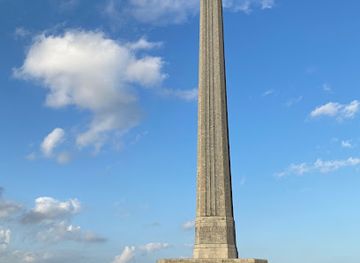
Historical place
San Jacinto Battleground State Historic Site
Explore the San Jacinto Battleground State Historic Site, where Texas's fight for independence comes alive in a stunning historical setting.
-
State government office
Texas Capitol
Explore the Texas Capitol: A majestic historical landmark in Austin showcasing stunning architecture, rich history, and vibrant grounds.


Explore Central Texas on the map
Plan your trip on one map. See where the top cities, national parks and sights are, and book hotels and experiences in a few clicks.
Best hotels in Central Texas
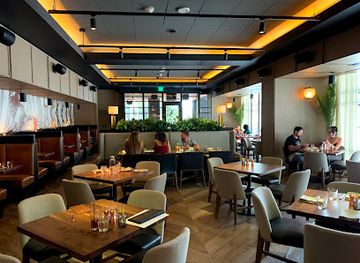
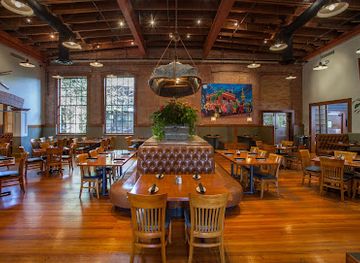
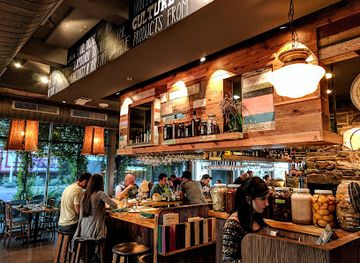
Best restaurants in Central Texas
Central Texas dining is defined by both smoke and spice: slow-cooked brisket, pork ribs, smoked sausage and peppery sides are central to the region's barbecue culture, while breakfast tacos, enchiladas, fajitas and other Tex-Mex dishes reflect the area's Mexican-American heritage. Austin has a broad restaurant scene spanning food trucks, modern Texas cooking, bakeries and international cuisines, while San Antonio adds long-established Mexican, German-Texan and contemporary influences. Hill Country towns offer barbecue joints, cafés, bakeries, farm shops, wineries and rural restaurants, with Fredericksburg particularly known for German-influenced food traditions alongside newer dining. Local produce, pecans, peaches, craft beer and regional wine appear widely, though the character of individual dining scenes varies greatly between urban neighbourhoods, historic squares and remote countryside.
-
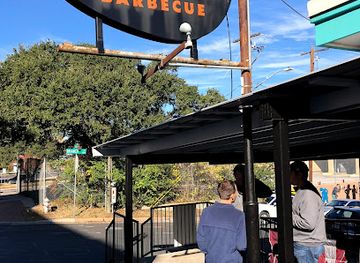
Barbecue
Franklin Barbecue
Discover why Franklin Barbecue is hailed as one of Austin's top destinations for authentic Texas barbecue experiences.
-
Restaurant
Corinne Austin
Experience modern American cuisine at Corinne Austin in downtown; where culinary creativity meets local flavors for an unforgettable dining adventure.
-
Seafood
McAdoo's Seafood Company
Experience fresh seafood with a Cajun twist at McAdoo's Seafood Company in New Braunfels - where flavor meets hospitality.
-
New American
Odd Duck
Discover seasonal flavors and innovative dishes at Odd Duck, a premier New American restaurant in Austin's vibrant Zilker neighborhood.
Best bars in Central Texas
Nightlife in Central Texas ranges from Austin's exceptionally strong live-music culture to San Antonio's riverfront bars, neighbourhood pubs, cocktail lounges and late-night entertainment. Austin's evening scene is spread across areas such as downtown, East Austin, South Congress and Red River, with music ranging from country and blues to rock, hip-hop and electronic styles; venue arrangements and programmes change frequently. San Antonio offers bars, live music, cultural performances and restaurants concentrated around downtown and established neighbourhoods, while Waco and San Marcos have smaller scenes influenced by universities and local communities. In the Hill Country, evenings generally centre on pubs, breweries, wine tasting rooms, restaurants and occasional live music rather than large nightclubs. Rural venues may close early, so transport planning is important.
-
 Sports bar
Twin Peaks
Experience the ultimate sports bar vibe at Twin Peaks in Austin, where great food meets an exciting atmosphere and unforgettable game days.
-
Bar
Edge Rooftop
Discover Edge Rooftop, Austin's premier bar and lounge, where stunning skyline views meet exquisite cocktails and vibrant nightlife.
-
Bar
The Buzz Mill
Discover The Buzz Mill in Austin, a unique haven for coffee lovers and nightlife seekers offering delicious brews and a vibrant community atmosphere.
-
Bar
Moontower Saloon
Discover the lively ambiance of Moontower Saloon, a quintessential Austin bar with great drinks, outdoor seating, and live music.


Best nightclubs in Central Texas
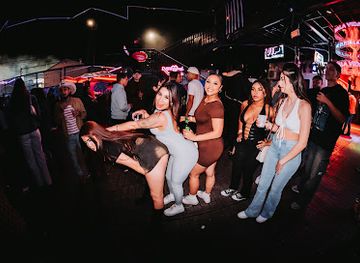
Nightlife in Central Texas ranges from Austin's exceptionally strong live-music culture to San Antonio's riverfront bars, neighbourhood pubs, cocktail lounges and late-night entertainment. Austin's evening scene is spread across areas such as downtown, East Austin, South Congress and Red River, with music ranging from country and blues to rock, hip-hop and electronic styles; venue arrangements and programmes change frequently. San Antonio offers bars, live music, cultural performances and restaurants concentrated around downtown and established neighbourhoods, while Waco and San Marcos have smaller scenes influenced by universities and local communities. In the Hill Country, evenings generally centre on pubs, breweries, wine tasting rooms, restaurants and occasional live music rather than large nightclubs. Rural venues may close early, so transport planning is important.
-
Live Music
Antone's Nightclub
Discover the heart of Austin's nightlife at Antone's Nightclub, where live blues music and vibrant crowds create an unforgettable experience.
-
Night club
Barbarella Austin
Experience the vibrant nightlife of Austin at Barbarella, where eclectic music and dancing create unforgettable nights in the heart of the city.
-
Night club
Riley's Tavern
Experience the vibrant nightlife of New Braunfels at Riley's Tavern, where live music, dancing, and great drinks create unforgettable memories.
-
Night club
Mala Vida
Experience the vibrant nightlife of Austin at Mala Vida, a premier night club and live music venue in the heart of downtown.


Best shops in Central Texas
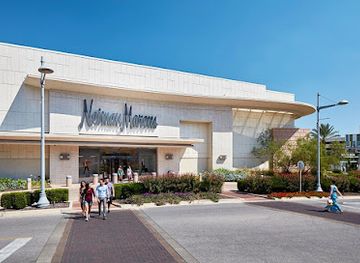
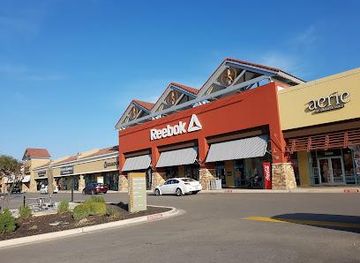
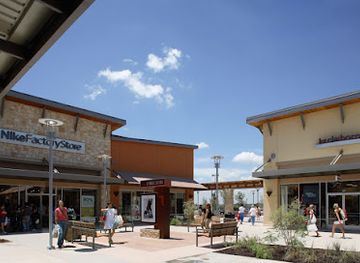
Shopping in Central Texas ranges from major city retail districts to courthouse-square boutiques, farm shops and craft studios. Austin is strongest for independent fashion, books, records, design, vintage clothing, galleries and locally made food products, with different neighbourhoods offering distinct styles. San Antonio combines mainstream retail with Mexican-influenced crafts, art, clothing and food shopping around established central districts, while Waco has independent shops, antiques, homewares and market-oriented retail. Fredericksburg is known for small businesses selling German-Texan foods, wine, gifts, antiques and regional crafts, and towns such as Wimberley, Johnson City and Marble Falls offer galleries, handmade goods and produce. Farmers' markets and orchard stands are useful places to look for pecans, preserves, baked goods, local honey and seasonal fruit, but opening days and seasonal availability vary.
-
Outlet mall
San Marcos Premium Outlets
Discover incredible savings and a variety of brands at San Marcos Premium Outlets, Texas' premier shopping destination.
-
Shopping mall
The Domain
Discover The Domain in Austin, Texas - a luxurious shopping mall featuring high-end stores, exquisite dining, and vibrant entertainment in a unique outdoor setting.
-
Outlet mall
Tanger Outlets San Marcos
Discover amazing deals and a vibrant shopping experience at Tanger Outlets San Marcos, Texas' premier outlet mall for fashion and more.
-
Outlet mall
Round Rock Premium Outlets
Discover unbeatable deals at Round Rock Premium Outlets, Texas' premier destination for brand-name shopping and family-friendly fun.

Get your free copy of our complete guide to Central Texas, delivered straight to you.
Everything on this page, from attractions and restaurants to essentials and local phrases, in one PDF you can read offline, print or share.
Already have an account? Sign in
Your Central Texas guide is ready.
We'll send it to · Not you? Sign out

Getting your guide ready…
We are putting together a fresh copy of the Central Texas guide. This can take up to a minute.
This can take a few moments. If your browser asks, choose Allow so the download can start. You'll find the guide in your Downloads folder.
Nothing happened? Download it again
Sorry, the guide is taking longer than usual. Please try again in a minute, or get it by email instead.
Central Texas essentials
Currency and Payment
Safety
Emergency Situations
Do's and Don'ts
Local Tips
From Eve
Local phrases worth knowing
You don't need to get them perfect. A few words go a long way, and locals appreciate the effort.
Basics
| English | Local | Say it |
|---|---|---|
| Hello | Howdy | [Haudi] |
| Goodbye | See ya later | [See yah lay-ter] |
| Yes | Yep | [Yep] |
| No | Nah | [Nah] |
| Please/You're welcome | Please/No problem | [Please/No prob-lum] |
| Thank you | Thank ya | [Thank yah] |
| Excuse me/Sorry | Excuse me/Sorry 'bout that | [Ex-cuse me/Sor-ry bout that] |
| How are you? | How ya doin'? | [How yah doin'?] |
| Fine. And you? | I’m doin’ fine. And you? | [I’m doin' fine. And you?] |
| Do you speak English? | Y'all speakin' English? | [Y'all speakin' English?] |
| I don't understand | I don’t follow | [I don’t fol-low] |
Eating & Drinking
| English | Local | Say it |
|---|---|---|
| I'd like to see the menu, please | Can I see the menu, please? | [Can I see the men-oo, please?] |
| I don't eat meat | I ain't eatin' meat | [I ain't eatin' meat] |
| Cheers! | Cheers! | [Cheers!] |
| I would like to pay, please | Can I get the check, please? | [Can I get the check, please?] |
Emergencies
| English | Local | Say it |
|---|---|---|
| Help! | Help! | [Help!] |
| Go away! | Get outta here! | [Get outta here!] |
| Call the Police! | Call the cops! | [Call the cops!] |
| Call a doctor! | Call a doc! | [Call a doc!] |
| I'm lost | I’m lost | [I’m lost] |
| I'm ill | I’m feelin' sick | [I’m feelin' sick] |
Shopping
| English | Local | Say it |
|---|---|---|
| I'd like to buy... | I wanna buy... | [I wanna buy...] |
| I'm just looking | Just lookin' around | [Just lookin' a-round] |
| How much is it? | How much is this? | [How much is this?] |
| That's too expensive | That’s too pricey | [That’s too pri-cy] |
| Can you lower the price? | Can ya bring down the price? | [Can ya bring down the price?] |
Time & Numbers
| English | Local | Say it |
|---|---|---|
| What time is it? | What time is it? | [What time is it?] |
| It's one o'clock | It's one o'clock | [It's one o'clock] |
| Half past (10) | Half past ten | [Half past ten] |
| Morning | Mornin' | [Mornin'] |
| Afternoon | Afternoon | [Afternoon] |
| Evening | Evenin' | [Evenin'] |
| Yesterday | Yesterday | [Yesterday] |
| Today | Today | [Today] |
| Tomorrow | Tomorrow | [Tomorrow] |
| 1 | One | [One] |
| 2 | Two | [Two] |
| 3 | Three | [Three] |
| 4 | Four | [Four] |
| 5 | Five | [Five] |
| 6 | Six | [Six] |
| 7 | Seven | [Seven] |
| 8 | Eight | [Eight] |
| 9 | Nine | [Nine] |
| 10 | Ten | [Ten] |
Transport & Directions
| English | Local | Say it |
|---|---|---|
| Where's a/the...? | Where's the...? | [Where's the...?] |
| What's the address? | What’s the address? | [What’s the address?] |
| Can you show me (on the map)? | Can ya show me (on the map)? | [Can ya show me (on the map)?] |
| When's the next (bus)? | When's the next bus? | [When's the next bus?] |
| A ticket (to ....) | A ticket to... | [A ticket to...] |
History of Central Texas
Indigenous Texas and Early Encounters
Central Texas has long been home to Indigenous peoples, including Tonkawa, Coahuiltecan and Comanche communities, among others whose territories and histories extended across changing boundaries. Rivers, springs, grasslands and the Balcones Escarpment shaped movement, hunting and trade. Spanish expeditions entered the region from the late seventeenth century, beginning a period of mission building, mapping and conflict as colonial authorities sought to establish influence beyond the settled areas of New Spain. Indigenous communities continued to shape the region's history despite the disruptions caused by disease, displacement, warfare and later colonisation.
Spanish Missions and Colonial Settlement
Spanish missions were established along the San Antonio River in the eighteenth century to promote Christianity and consolidate Spanish power. The surviving San Antonio Missions, including Mission San José, Mission Concepción, Mission San Juan and Mission Espada, preserve churches, defensive walls, irrigation works and traces of Indigenous mission communities. San Antonio de Valero, better known as the Alamo, began as a mission before becoming a military site. These buildings and landscapes reveal that colonial Texas was shaped not only by Spanish officials and missionaries but also by Indigenous residents whose labour and cultural traditions sustained the settlements.
Anglo-American Colonisation and the Republic of Texas
In the early nineteenth century, Mexican authorities authorised Anglo-American settlement in parts of Texas, including land associated with Stephen F. Austin's colony east of the present Central Texas region. Tensions over governance, immigration and slavery contributed to the Texas Revolution of 1835–36. The Alamo became a powerful symbol after the 1836 battle, while the decisive Texan victory at San Jacinto led to the creation of the Republic of Texas. Austin was selected as the republic's capital in 1839, establishing the political role it retains as the capital of the modern state.
German Immigration and Hill Country Communities
From the 1840s, German immigrants established communities across the Hill Country and the central corridor. Fredericksburg, New Braunfels and other settlements developed distinctive building traditions, agricultural practices, social institutions and foodways. German was spoken widely in some communities for generations, and elements of that heritage remain visible in historic town centres, churches, music, sausages, breads and local festivals. Settlement also brought severe conflict and dispossession for Indigenous peoples, as expanding farms, ranches and towns occupied land previously used by Native communities. The region's cultural identity therefore reflects both immigrant adaptation and a difficult colonial history.
Railways, Ranching and Commercial Growth
Railway expansion in the nineteenth century connected Central Texas towns to wider markets and encouraged the growth of ranching, cotton farming, milling, commerce and population centres. Austin's government institutions helped anchor the city, while San Antonio grew as a military, trading and transportation centre. River crossings and railway stations stimulated places such as San Marcos, New Braunfels and Waco. Cattle culture became especially influential in the Hill Country, although the region's economy also depended on agriculture, stone quarrying, education and small-scale manufacturing. Many courthouse squares, depots and commercial buildings date from this period of rapid development.
Civil Rights, Education and Social Change
Central Texas participated in the wider United States struggle over segregation, voting rights and equal access to education. African-American communities built churches, schools, businesses and cultural institutions despite discriminatory laws, while Mexican-American residents organised for educational, labour and civic rights. Universities in Austin, San Marcos, Waco and San Antonio became important settings for social and political change during the twentieth century. The region's museums, historic districts and community institutions help document achievements as well as the exclusions that shaped public life before and after the civil-rights era.
Technology, Population Growth and Cultural Reinvention
After the Second World War, Central Texas experienced major growth through state government, higher education, military activity, manufacturing and technology. Austin developed into a prominent centre for computing, film, festivals and live music, while San Antonio expanded its role in tourism, healthcare, education and military employment. Suburban development and new arrivals have transformed the Austin–San Antonio corridor, placing pressure on roads, housing, water supplies and historic landscapes. At the same time, long-established Hispanic, African-American, German-Texan and rural communities continue to shape the region's cultural life.
Central Texas in Photos
Browse through our photo collection highlighting the charm and character of the destination.
Neighbouring regions of Central Texas
The closest regions to Central Texas, if you have time for more than one.
-

-

-
-

-


Swipe for more regions
Explore more
Explore more of Texas
Discover the diverse landscapes, rich history, vibrant cities, and culinary delights of Texas, the Lone Star State, where adventure and culture await at every turn.
Explore Texas