

Thonglor (Bangkok) Travel Guide - Free
Explore Thonglor in Bangkok with Evendo's free guide. Find the best shops, historic streets, restaurants, and gems on web or mobile.


Thonglor, Bangkok’s Sukhumvit 55, pairs Thai food, Japanese dining, creative cafés, stylish bars and lively sois with easy BTS access and local character.
A Sukhumvit Neighbourhood with Its Own Rhythm
Thonglor, commonly written as Thong Lo and centred on Sukhumvit Soi 55, is one of Bangkok’s most recognisable contemporary neighbourhoods. Extending north from Sukhumvit Road through Watthana district, the area combines busy main-road traffic with a network of smaller sois, condominium towers, low-rise residences, cafés and creative venues. The BTS Skytrain’s Thong Lo station sits at the southern end, while the neighbourhood stretches into a quieter, more residential landscape farther north.Read more about Thonglor
From Orchard Land to Urban Lifestyle District
Eating, Browsing and Meeting After Dark
Best attractions in Thonglor
Thonglor’s attractions are primarily urban and experiential rather than monumental. The long route of Sukhumvit Soi 55 offers a changing sequence of shophouses, condominium architecture, independent cafés, restaurants and small creative spaces, while the side sois reveal a quieter mixture of residences, local businesses and temple compounds. The Commons is a prominent open-sided lifestyle complex where visitors can browse contemporary food and design-led spaces in a relaxed communal setting, and J Avenue provides another compact concentration of dining and retail. Art and cultural programming appears in galleries and creative venues scattered through the neighbourhood rather than in one large museum district. Visitors interested in everyday Bangkok can also observe street-food preparation, delivery traffic and the contrast between polished interiors and older roadside commerce. Nearby Sukhumvit attractions are easily reached by BTS but should not be confused with attractions within Thonglor itself.
-
Tourist attraction
Wat That Thong
Experience the peace and beauty of Wat That Thong, a captivating Buddhist temple offering spiritual insights and cultural richness in Bangkok.
18 min walk · 1.5 km from neighbourhood centre
-
Tourist attraction
Quartier Water Garden
Discover tranquility at Quartier Water Garden, a lush oasis in Bangkok's EmQuartier, perfect for relaxation and a scenic escape.
5 min drive · 1.7 km from neighbourhood centre
-
Tourist attraction
Bangkok Hangover Tour
Experience the vibrant nightlife of Bangkok on the unforgettable Hangover Tour, where bars, culture, and fun collide for a memorable adventure.
7 min drive · 2.5 km from neighbourhood centre
-
Tourist attraction
Musical Fountains Show
Discover the enchanting Musical Fountains Show in Bangkok, where mesmerizing water dances to the rhythm of captivating music and vibrant lights.
5 min drive · 1.8 km from neighbourhood centre


Best landmarks in Thonglor
Thonglor’s most recognisable landmark is the road itself: Sukhumvit Soi 55, a long urban corridor whose traffic, signage, shophouses and high-rise buildings express the neighbourhood’s development from peripheral land into a sought-after Sukhumvit district. The BTS Thong Lo station is an important transport landmark and marks the area’s connection to the wider city, although it stands at the southern edge rather than defining the whole neighbourhood. The Commons and J Avenue are contemporary commercial landmarks, representing the district’s shift towards design-conscious dining and social spaces. Elsewhere, older shopfronts, residential compounds and local religious buildings provide reminders that Thonglor is not simply a collection of new towers. Its architectural significance is therefore cumulative: the interest lies in the juxtaposition of older low-rise plots, modern condominiums, roadside commerce and carefully designed lifestyle developments.
-
Shopping mall
Eight Thong Lo
Discover Eight Thong Lo, Bangkok's trendiest shopping mall featuring luxury brands, diverse dining options, and a vibrant cultural atmosphere.
4 min walk · 0.4 km from neighbourhood centre
-
Shopping mall
Marché Thonglor
Explore the essence of modern Bangkok at Marché Thonglor, a vibrant shopping mall offering a unique fusion of local and international shopping and dining experiences.
8 min walk · 0.6 km from neighbourhood centre
-
Condominium complex
Thong Lo Tower
Experience the dynamic lifestyle of Bangkok at Thong Lo Tower, where luxury living meets vibrant urban culture in the heart of the city.
4 min walk · 0.3 km from neighbourhood centre
-
Shopping mall
The Taste Thong Lo
Discover the vibrant shopping and dining experience at The Taste Thong Lo in Bangkok, where culture meets contemporary flair.
4 min walk · 0.3 km from neighbourhood centre


Explore Thonglor on the map
A handpicked selection of must-see spots in Thonglor, mapped for you.
Best hotels in Thonglor
Best restaurants in Thonglor
Thonglor is one of Bangkok’s strongest neighbourhoods for eating out, with a dining scene that ranges from roadside Thai food and noodle shops to Japanese restaurants, bakeries, cafés, contemporary Thai kitchens and international dining rooms. Sukhumvit Soi 55 and its numbered side lanes are particularly associated with Japanese restaurants and businesses, reflecting the area’s long-established Japanese commercial and residential presence. Food-focused lifestyle complexes such as The Commons gather several independent-style counters and restaurants in one setting, while shophouses and street-facing premises provide a more informal experience. The district is also useful for dessert cafés, coffee and late-evening meals, although individual venues change frequently and traffic can make short distances surprisingly slow. Rather than a single signature dish or market, Thonglor’s culinary identity lies in its broad choice and the close coexistence of local Thai eating habits with Bangkok’s international dining culture.
-
Thai
Supanniga Eating Room by Khun Yai
Discover exquisite Thai flavors at Supanniga Eating Room in Bangkok's trendy Thonglor district.
5 min walk · 0.4 km from neighbourhood centre
-
Thai
Hoi Tod Chaw Lae - Thong lor
Discover authentic Thai flavors at Hoi Tod Chaw Lae - Thong Lor, known for its crispy oyster omelettes and vibrant atmosphere in Bangkok.
13 min walk · 1.1 km from neighbourhood centre
-
Mexican
The Missing Burro
Experience authentic Mexican flavors at The Missing Burro in Bangkok - where every dish tells a story.
6 min walk · 0.5 km from neighbourhood centre
-
Restaurant
Krua Jiang Mai
Savor authentic Thai flavors at Krua Jiang Mai in Bangkok - a must-visit culinary destination for every food lover.
6 min walk · 0.5 km from neighbourhood centre


Best bars in Thonglor
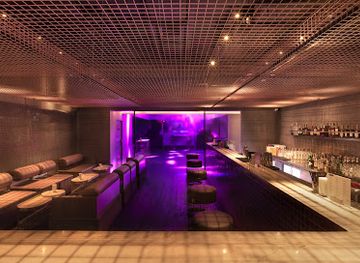
Thonglor’s evening character is shaped by bars, lounges, live-music rooms and late-night dining spread along the main soi and its branches. The area is associated with Bangkok’s polished nightlife economy, including cocktail-led venues, Japanese-style bars, rooftop or upper-floor drinking spaces and clubs aimed at a mixture of local residents and international visitors. The Commons and J Avenue are useful early-evening meeting points, while deeper side sois contain more specialised venues and entertainment spaces. Nightlife is not uniform: some lanes become lively after dinner, whereas nearby residential streets remain quiet and should be treated with consideration. Venue names, formats and opening arrangements change regularly, so checking current information is sensible. Taxis and motorbike taxis are widely used after dark, but traffic, pedestrian safety and responsible drinking deserve attention on the journey between venues.
-
Cocktail bar
Rabbit Hole
Discover Bangkok's Rabbit Hole, a sophisticated cocktail bar in Thong Lo offering unique drinks and a chic atmosphere for unforgettable nights.
6 min walk · 0.5 km from neighbourhood centre
-
Cocktail bar
#FindTheLockerRoom
Discover the creative cocktail scene at #FindTheLockerRoom, a vibrant bar in Khlong Tan Nuea, Bangkok, where flavors and fun come together.
3 min walk · 0.2 km from neighbourhood centre
-
Wine bar
Wine Republic Bangkok
Discover the best of Bangkok's wine scene at Wine Republic, where exquisite wines and delicious cuisine come together in a vibrant atmosphere.
3 min walk · 0.3 km from neighbourhood centre
-
Bar
J.Boroski
Discover bespoke cocktails and an intimate atmosphere at J.Boroski, Bangkok's premier cocktail bar in the heart of Thong Lo.
6 min walk · 0.5 km from neighbourhood centre


Best nightclubs in Thonglor
Thonglor’s evening character is shaped by bars, lounges, live-music rooms and late-night dining spread along the main soi and its branches. The area is associated with Bangkok’s polished nightlife economy, including cocktail-led venues, Japanese-style bars, rooftop or upper-floor drinking spaces and clubs aimed at a mixture of local residents and international visitors. The Commons and J Avenue are useful early-evening meeting points, while deeper side sois contain more specialised venues and entertainment spaces. Nightlife is not uniform: some lanes become lively after dinner, whereas nearby residential streets remain quiet and should be treated with consideration. Venue names, formats and opening arrangements change regularly, so checking current information is sensible. Taxis and motorbike taxis are widely used after dark, but traffic, pedestrian safety and responsible drinking deserve attention on the journey between venues.
-
Night club
Echelon Bangkok
Experience the vibrant nightlife of Bangkok at Echelon, where elegance meets excitement in a premier night club setting.
8 min walk · 0.6 km from neighbourhood centre
-
Disco club
SWAY Thonglor 10
Immerse yourself in the electrifying atmosphere of SWAY Thonglor 10, Bangkok's premier disco club, where vibrant nightlife and unforgettable memories await.
3 min walk · 0.2 km from neighbourhood centre
-
Night club
BEAM
Experience the electrifying nightlife of Bangkok at BEAM, where vibrant music, stunning lights, and an upscale atmosphere await.
4 min walk · 0.3 km from neighbourhood centre
-
Night club
MAX CLUB BANGKOK
Dive into the vibrant nightlife of Bangkok at MAX CLUB, where mesmerizing music and an electric atmosphere make every night unforgettable.
13 min walk · 1.0 km from neighbourhood centre



Best shops in Thonglor
Shopping in Thonglor is concentrated in small contemporary complexes, specialist businesses and the retail edges of cafés and restaurants rather than a traditional bazaar. The Commons and J Avenue offer convenient clusters of food, lifestyle goods and services, while the main soi and side streets contain salons, convenience shops, boutiques, homeware businesses and specialist retailers serving local residents. The area’s Japanese influence is visible in parts of its food, grocery and service economy, although it is not a formally bounded Japan Town. Visitors interested in design and contemporary Bangkok can browse the independent-style shops and creative businesses found in renovated shophouses, but should expect stock and tenants to change. Thonglor is not primarily a souvenir-shopping district, and those seeking large markets or extensive traditional crafts will find a broader selection elsewhere in Bangkok; its retail character is urban, convenience-led and closely tied to dining and nightlife.
-
Shopping mall
DONKI Mall Thong Lo
Explore the eclectic offerings of DONKI Mall Thong Lo, a vibrant shopping destination in Bangkok with Japanese goods, delicious food, and entertainment.
3 min walk · 0.2 km from neighbourhood centre
-
Shopping mall
J Avenue Thonglor
Explore J Avenue Thonglor, a stylish shopping destination in Bangkok, featuring trendy boutiques, diverse dining, and a lively atmosphere.
4 min walk · 0.3 km from neighbourhood centre
-
Shopping mall
Eight Thong Lo
Explore Eight Thong Lo: Bangkok's premier shopping destination for luxury brands, exquisite dining, and a vibrant lifestyle experience.
4 min walk · 0.4 km from neighbourhood centre
-
Shopping mall
Marché Thonglor
Discover the eclectic charm of Marché Thonglor, Bangkok's vibrant shopping and dining destination, blending modern flair with local culture.
8 min walk · 0.6 km from neighbourhood centre


Thonglor essentials
Getting There
Getting Around
Safety
Emergency Situations
Do's and Don'ts
Local Tips

From Eve
Local phrases worth knowing
You don't need to get them perfect. A few words go a long way, and locals appreciate the effort.
Basics
| English | Local | Say it |
|---|---|---|
| Hello | สวัสดี | [sawasdee] |
| Goodbye | ลาก่อน | [laa kon] |
| Yes | ใช่ | [chai] |
| No | ไม่ | [mai] |
| Please/You're welcome | โปรด/ยินดีต้อนรับ | [proht/yin dee dton rap] |
| Thank you | ขอบคุณ | [kop khun] |
| Excuse me/Sorry | ขอโทษ | [kor toht] |
| How are you? | สบายดีไหม | [sabai dee mai] |
| Fine. And you? | สบายดีค่ะ คุณล่ะ | [sabai dee ka khun la] |
| Do you speak English? | คุณพูดภาษาอังกฤษได้ไหม | [khun poot paa saa ang grit dai mai] |
| I don't understand | ฉันไม่เข้าใจ | [chan mai khao jai] |
Eating & Drinking
| English | Local | Say it |
|---|---|---|
| I'd like to see the menu, please | ฉันอยากดูเมนู ของหน่อย | [chan yahk duu menu kong noi] |
| I don't eat meat | ฉันไม่กินเนื้อ | [chan mai gin neuua] |
| Cheers! | ชัยโย | [chai yo] |
| I would like to pay, please | ฉันต้องการจ่ายเงิน ด้วย | [chan tong gaan jaai ngern duay] |
Emergencies
| English | Local | Say it |
|---|---|---|
| Help! | ช่วยด้วย | [chuay duay] |
| Go away! | ไปข้างหลัง | [bpai kang lang] |
| Call the Police! | โทรตำรวจ | [toh tamruat] |
| Call a doctor! | โทรหมอ | [toh mor] |
| I'm lost | ฉันหลงทาง | [chan long tang] |
| I'm ill | ฉันไม่สบาย | [chan mai sabai] |
Shopping
| English | Local | Say it |
|---|---|---|
| I'd like to buy... | ฉันอยากซื้อ... | [chan yahk seuu...] |
| I'm just looking | ฉันแค่ดู | [chan kae duu] |
| How much is it? | ราคาเท่าไหร่ | [ra kah thao rai] |
| That's too expensive | แพงเกินไป | [paeng geen bpai] |
| Can you lower the price? | ลดราคาได้ไหม | [lot ra kah dai mai] |
Time & Numbers
| English | Local | Say it |
|---|---|---|
| What time is it? | กี่โมงแล้ว | [gee mong laeo] |
| It's one o'clock | เป็นโมงหนึ่ง | [pen mong neung] |
| Half past (10) | ครึ่งหลัง(10) | [kreung lang sip] |
| Morning | เช้า | [chao] |
| Afternoon | บ่าย | [bai] |
| Evening | เย็น | [yen] |
| Yesterday | เมื่อวาน | [meua waan] |
| Today | วันนี้ | [wan nee] |
| Tomorrow | พรุ่งนี้ | [proong nee] |
| 1 | หนึ่ง | [neung] |
| 2 | สอง | [song] |
| 3 | สาม | [sam] |
| 4 | สี่ | [see] |
| 5 | ห้า | [ha] |
| 6 | หก | [hok] |
| 7 | เจ็ด | [jet] |
| 8 | แปด | [bpaaet] |
| 9 | เก้า | [gao] |
| 10 | สิบ | [sip] |
Transport & Directions
| English | Local | Say it |
|---|---|---|
| Where's a/the...? | ...อยู่ที่ไหน | [... yu tee nai] |
| What's the address? | ที่อยู่อยู่ไหน | [tee yu yu nai] |
| Can you show me (on the map)? | แสดงให้ดู (บนแผนที่) ได้ไหม | [sadeung hai duu (bon paaen tee) dai mai] |
| When's the next (bus)? | รถบัสตามอันไหนถัดไป | [roht bus dtam an nai tat bpai] |
| A ticket (to ....) | ตั๋ว (ไป...) | [dtua (bpai...)] |
History of Thonglor
Orchards Beyond Old Bangkok
Before Thonglor became a dense Sukhumvit neighbourhood, the area formed part of the low-lying agricultural landscape east of Bangkok’s historic core. Gardens, orchards, waterways and scattered settlements shaped land use around the routes that later became Sukhumvit and its sois. The name Thonglor is generally connected with Luang Thong Lo, a military figure associated with the area, although local explanations of the name and its early history are not entirely uniform. What is clear is that the district was once far less urban than it is today, with its relationship to the wider city defined by cultivation and small local communities rather than high-rise development.
Sukhumvit Opens the Eastern City
The construction and improvement of Sukhumvit Road helped draw Bangkok’s eastern fringe into the city’s expanding transport network during the twentieth century. Side roads such as Sukhumvit Soi 55 gradually changed from rural access routes into neighbourhood streets serving homes, workshops, shops and small businesses. The sois retained an informal, locally scaled pattern even as Bangkok’s population and economy grew. This mixture of narrow lanes and a major arterial road remains central to Thonglor’s physical character: the main road carries heavy traffic and commercial activity, while the side streets reveal older plot divisions and a more residential urban grain.
From Residential Soi to Lifestyle District
Late twentieth- and early twenty-first-century development brought more condominiums, serviced residences, offices and commercial projects into Thonglor. Its accessibility from the Sukhumvit corridor, together with demand for modern housing and dining, encouraged a steady shift from a primarily residential area towards a mixed lifestyle district. Restaurants, cafés, bars and boutique retail began occupying renovated shophouses and newly built complexes, while long-established street vendors and local services continued alongside them. The resulting landscape was not a complete replacement of the earlier neighbourhood, but an uneven layering of new investment over older homes, businesses and community spaces.
Thonglor in Contemporary Bangkok
The opening of BTS Thong Lo station in 1999 strengthened the neighbourhood’s connection with central Bangkok and helped make the Sukhumvit 55 area easier to reach without a car. Since then, Thonglor has become associated with Bangkok’s restaurant, café, design and nightlife economy, including a substantial Japanese commercial presence and a growing audience of international residents and visitors. Rising land values and redevelopment have altered parts of the district, while congestion and pressure on local space remain visible concerns. Its contemporary significance lies in this tension between a highly marketable urban identity and the everyday residential, religious and small-business life that still occupies the sois.
Thonglor in Photos
Browse through our photo collection highlighting the charm and character of the destination.
Neighbourhoods near Thonglor
The closest neighbourhoods to Thonglor, if you have time for more than one stop.
-

-
-
-

-


Swipe for more neighbourhoods
Explore more

Explore more of Bangkok
Discover the vibrant heart of Thailand in Bangkok, a city where ancient temples meet modern skyscrapers, and bustling markets offer a taste of local life.
Explore Bangkok