

Free Khorat Plateau Travel Guide & Mobile App
Explore Khorat Plateau with free travel guides. Discover regional history, expert tips, proposed trips, and audio guides on web or mobile app.


Explore Thailand’s Khorat Plateau for Khmer temples, prehistoric heritage, Isan food, forest parks and Mekong-border landscapes.
Read more about Khorat Plateau
When is the best time to visit Khorat Plateau?
Best: November–January · 29–31°C| Month | High (°C) | Rainfall (mm) |
|---|---|---|
| January (best) | 30 | 5 |
| February | 33 | 10 |
| March | 35 | 20 |
| April | 37 | 40 |
| May | 35 | 100 |
| June | 35 | 120 |
| July | 34 | 130 |
| August | 34 | 140 |
| September | 33 | 120 |
| October | 32 | 80 |
| November (best) | 31 | 20 |
| December (best) | 29 | 5 |
Getting to and around Khorat Plateau
How to get there
Transportation
Top city travel guides in Khorat Plateau
The cities of Khorat Plateau, and the easiest places to base yourself.
-
-

-

-

-

-


Swipe for more cities
Destinations in Khorat Plateau
Resorts, valleys and scenic spots worth a trip of their own.
-

-

-

-


Swipe for more destinations
Best attractions in Khorat Plateau
The Khorat Plateau offers a broad mixture of archaeological, cultural and outdoor attractions spread across northeastern Thailand. Khmer heritage is central, with Phimai Historical Park, Phanom Rung Historical Park and Prasat Muang Tam presenting different settings and architectural forms from the Angkorian sphere. Ban Chiang Archaeological Site and its museum provide a more ancient perspective, interpreting prehistoric settlement, burial customs and metalworking. Provincial museums in cities such as Khon Kaen, Udon Thani, Nakhon Ratchasima and Ubon Ratchathani add regional context through art, archaeology and local history. Nature ranges from the forested mountains of Khao Yai and Phu Kradueng to river landscapes, reservoirs and Mekong viewpoints. Outdoor activities include hiking, birdwatching, cycling and visits to waterfalls, but access and seasonal conditions vary. Rural experiences may include silk weaving, rice-growing landscapes, salt production and village markets, while urban centres contribute food halls, universities, galleries and contemporary cultural events. The appeal lies in the contrast between large historic monuments, living Isan traditions and expansive landscapes rather than in a concentrated resort-style circuit.
-
Tourist attraction
Phimai Historical Park
Explore the captivating Phimai Historical Park, a treasure of ancient Khmer architecture and cultural heritage in Thailand's Nakhon Ratchasima province.
-
Tourist attraction
Suan Rak Park
Discover the serene beauty and cultural charm of Suan Rak Park, a tranquil escape in Nakhon Ratchasima, Thailand.
-
Tourist attraction
Wat Sala Loi
Discover the spiritual serenity of Wat Sala Loi, a beautiful Buddhist temple in Nakhon Ratchasima, where tranquility meets Thai cultural heritage.
-
City park
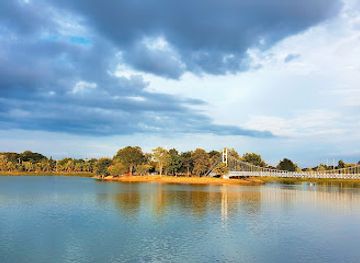
Bung Ta Lua Park
Explore the natural beauty and vibrant culture of Bung Ta Lua Park, a serene city park in Nakhon Ratchasima, Thailand, perfect for relaxation and recreation.
Best landmarks in Khorat Plateau
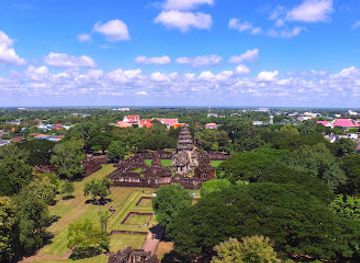
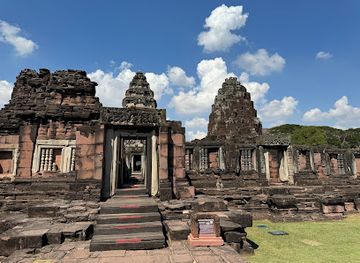
Phimai Historical Park is one of the plateau’s defining landmarks, with a major sandstone sanctuary aligned along an ancient route towards Angkor and incorporated into the historic town of Phimai. On the southern plateau, Phanom Rung rises on the rim of an extinct volcano, its grand processional approach and carved sanctuary creating a powerful architectural relationship with the surrounding landscape. Nearby Prasat Muang Tam is distinguished by its lowland setting, ponds and carefully ordered galleries. Ban Chiang’s archaeological importance is less visually monumental but equally significant, representing a prehistoric settlement landscape recognised for its evidence of early metalworking and burial traditions. In Nakhon Ratchasima, the Thao Suranari monument is a prominent civic symbol associated with local historical memory. The Mekong forms a natural landmark along the northern and eastern edge of the plateau, while the forested uplands of Khao Yai and Phu Kradueng provide a contrasting geographical identity. Together these places express the region’s layered relationship between ancient states, living cities, rivers and plateau ecology.
-
Historical landmark
Phimai Historical Park
Explore the majestic Phimai Historical Park, a treasure of ancient Khmer architecture and serene natural beauty in Thailand's cultural heart.
-
Zoo
Nakhon Ratchasima Zoo
Explore the beauty of wildlife at Nakhon Ratchasima Zoo, a family-friendly attraction filled with captivating animals and educational exhibits.
-
Museum
Korat Fossil Museum
Explore the fascinating world of prehistoric life at Korat Fossil Museum, where ancient fossils narrate the history of our planet.
-
Historical landmark
Prasat Hin Phanom Wan
Explore the majestic Prasat Hin Phanom Wan, a historical landmark that captures the essence of Khmer architecture and Thailand's rich cultural heritage.


Explore Khorat Plateau on the map
Plan your trip on one map. See where the top cities, national parks and sights are, and book hotels and experiences in a few clicks.
Best hotels in Khorat Plateau
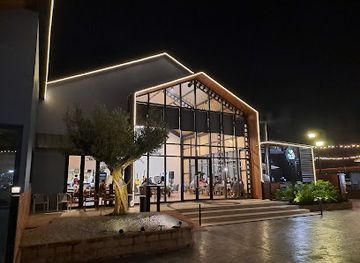
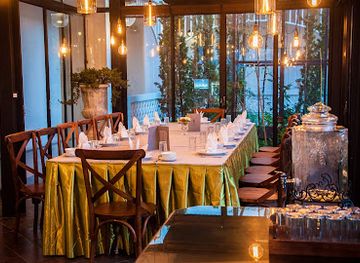
Best restaurants in Khorat Plateau
Dining across the Khorat Plateau is closely associated with Isan cuisine, whose bold flavours commonly combine chilli, lime, herbs, toasted rice, fermented fish and grilled or freshwater ingredients. Som tam, larb, sticky rice, grilled chicken and spicy soups are widely available, with recipes and levels of fermentation varying from one locality to another. Nakhon Ratchasima has its own well-known rice-noodle tradition, while provincial markets throughout the plateau offer regional snacks, sausages, grilled meats, seasonal fruit and sweets. Food stalls and morning markets are often the most direct way to sample local cooking, whereas larger towns also have cafés, modern Thai restaurants and dining rooms serving food from across the country. Mekong communities add river fish and border-influenced dishes, while rural areas may feature produce from nearby farms. Visitors who are sensitive to heat should specify a preferred chilli level and ask about fermented fish, which is an important ingredient but not suited to every palate.
-
Swiss
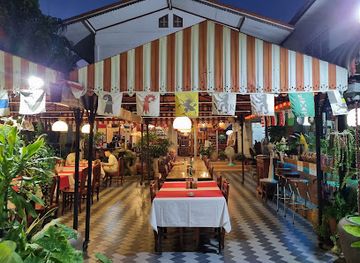
Chez Andy Swiss Restaurant & Steak House
Savor authentic Swiss and Italian cuisine at Chez Andy Swiss Restaurant & Steak House in Nakhon Ratchasima - a must-visit culinary delight.
-
Steak
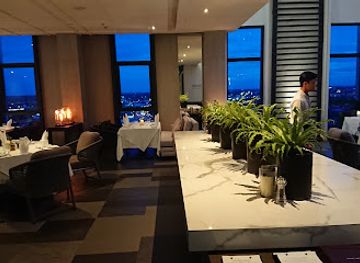
The Grill Room Korat
Experience fine dining at The Grill Room Korat, where premium steaks meet exquisite Thai-inspired cuisine in an elegant setting.
-
Italian
Bosco Italian restaurant
Experience authentic Italian flavors at Bosco Italian Restaurant in Nakhon Ratchasima – where tradition meets taste.
-
Thai
Le Intawaa Restaurant
Experience authentic Thai cuisine at Le Intawaa Restaurant in Nakhon Ratchasima—where flavor meets culture in every bite.
Best bars in Khorat Plateau
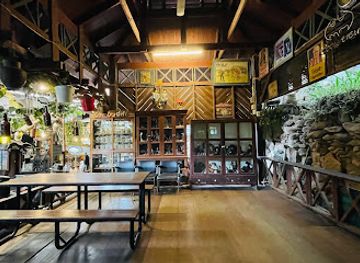
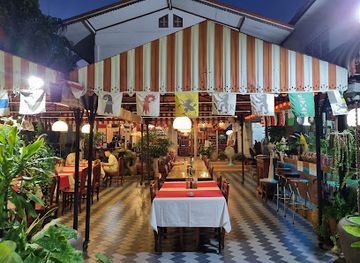
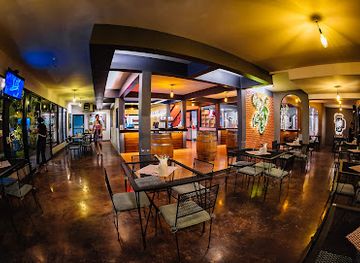
Evening life on the Khorat Plateau is concentrated in provincial capitals and university towns rather than spread through a single nightlife district. Khon Kaen, Udon Thani and Nakhon Ratchasima have the broadest choice of cafés, Thai restaurants, beer gardens, live-music venues and contemporary bars, with activity generally focused around commercial and student areas. Smaller towns tend to centre on traditional Thai pubs, karaoke rooms, market food and restaurants with acoustic or live bands. Nong Khai combines riverside dining with a relaxed evening scene, while tourist-oriented areas in larger cities may offer cocktail bars and international menus. Rural districts usually become quiet earlier, and some venues cater primarily to local regulars rather than international visitors. Night markets and evening temple or community events can provide a more representative way to experience local social life than seeking a club scene, whose availability and operating arrangements are subject to change.
-
Restaurant
Banmai Chaynam
Discover the flavors of traditional Thai cuisine at Banmai Chaynam, a charming restaurant and hotel in the heart of Pakchong.
-
Swiss
Chez Andy Swiss Restaurant & Steak House
Savor the flavors of Switzerland, Italy, and more at Chez Andy Swiss Restaurant & Steak House in Nakhon Ratchasima, where every meal is a celebration.
-
Restaurant
โฟล์คพระนคร Story@KORAT
Discover the vibrant culinary scene at โฟล์คพระนคร Story@KORAT, where delicious food meets enchanting live music in Nakhon Ratchasima.
-
Restaurant
Hop Beer House Korat
Discover the vibrant flavors of Thailand at Hop Beer House Korat, where craft beers and delicious dishes await every visitor.

Best nightclubs in Khorat Plateau
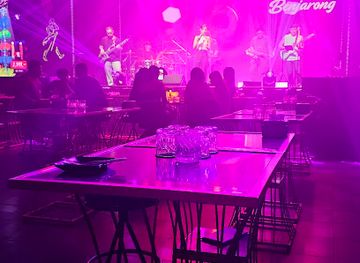
Evening life on the Khorat Plateau is concentrated in provincial capitals and university towns rather than spread through a single nightlife district. Khon Kaen, Udon Thani and Nakhon Ratchasima have the broadest choice of cafés, Thai restaurants, beer gardens, live-music venues and contemporary bars, with activity generally focused around commercial and student areas. Smaller towns tend to centre on traditional Thai pubs, karaoke rooms, market food and restaurants with acoustic or live bands. Nong Khai combines riverside dining with a relaxed evening scene, while tourist-oriented areas in larger cities may offer cocktail bars and international menus. Rural districts usually become quiet earlier, and some venues cater primarily to local regulars rather than international visitors. Night markets and evening temple or community events can provide a more representative way to experience local social life than seeking a club scene, whose availability and operating arrangements are subject to change.
-
Night club
Planet Korat
Discover the electrifying nightlife at Planet Korat, a premier night club in Nakhon Ratchasima, where unforgettable nights and vibrant entertainment await.
-
Night club
Nakhon Ratchasima Club
Unleash your spirit at Nakhon Ratchasima Club, where the night comes alive with music, dancing, and local flavors in Thailand's vibrant nightlife scene.
Best shops in Khorat Plateau
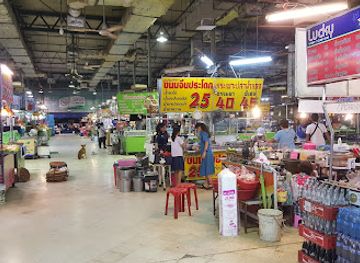
Shopping on the Khorat Plateau is rooted in provincial markets, everyday food culture and village production rather than a single luxury retail destination. Nakhon Ratchasima, Khon Kaen, Udon Thani and Ubon Ratchathani have the largest modern shopping centres and department stores, while older market areas are better for snacks, household goods, prepared food and regional ingredients. Silk is among the most distinctive purchases, with weaving communities and specialist shops offering patterned textiles, scarves and clothing; quality, provenance and fibre content should be checked carefully. Markets near archaeological sites may sell ceramics, replicas, local sweets and craft products, but visitors should avoid buying unverified antiquities. Other useful purchases include fermented foods, roasted rice products, dried fruit, herbal goods and locally made baskets. Weekend and morning markets differ by town and season, so accommodation staff or a local tourism office can clarify current locations. Pack textiles and food products securely, and check airline and customs rules before carrying produce across borders.
-
National park
Khao Yai National Park
Khao Yai National Park: A breathtaking UNESCO World Heritage site filled with stunning landscapes and diverse wildlife in Thailand.
-
Market
Saveone Market
Experience the lively atmosphere of Saveone Market in Nakhon Ratchasima, where shopping, food, and local culture come together in a vibrant night market.
-
 Shopping mall
The Mall Korat
Explore The Mall Korat: Nakhon Ratchasima's premier shopping destination offering diverse shops, dining, and entertainment for everyone.
-
Memorial
Thao Suranari (Ya Mo) Monument
Explore the Thao Suranari Monument, an iconic tribute to bravery and culture in Nakhon Ratchasima, Thailand, surrounded by lush gardens and local heritage.

Get your free copy of our complete guide to Khorat Plateau, delivered straight to you.
Everything on this page, from attractions and restaurants to essentials and local phrases, in one PDF you can read offline, print or share.
Already have an account? Sign in
Your Khorat Plateau guide is ready.
We'll send it to · Not you? Sign out

Getting your guide ready…
We are putting together a fresh copy of the Khorat Plateau guide. This can take up to a minute.
This can take a few moments. If your browser asks, choose Allow so the download can start. You'll find the guide in your Downloads folder.
Nothing happened? Download it again
Sorry, the guide is taking longer than usual. Please try again in a minute, or get it by email instead.
Khorat Plateau essentials
Currency and Payment
Safety
Emergency Situations
Do's and Don'ts
Local Tips
From Eve
Local phrases worth knowing
You don't need to get them perfect. A few words go a long way, and locals appreciate the effort.
Basics
| English | Local | Say it |
|---|---|---|
| Hello | สวัสดี | [sawasdee] |
| Goodbye | ลาก่อน | [laa-gorn] |
| Yes | ใช่ | [chai] |
| No | ไม่ | [mai] |
| Please/You're welcome | กรุณา/ยินดีต้อนรับ | [ka-ru-na/ yin-dee-ton-rap] |
| Thank you | ขอบคุณ | [khob-khun] |
| Excuse me/Sorry | ขอโทษ | [kho-thot] |
| How are you? | สบายดีไหม | [sa-bai-dee-mai] |
| Fine. And you? | สบายดี แล้วคุณล่ะ | [sa-bai-dee laeo khun-la] |
| Do you speak English? | คุณพูดภาษาอังกฤษได้ไหม | [khun-pood-paa-saa-ang-krit-dai-mai] |
| I don't understand | ฉันไม่เข้าใจ | [chan-mai-khao-jai] |
Eating & Drinking
| English | Local | Say it |
|---|---|---|
| I'd like to see the menu, please | ขอดูเมนูหน่อย | [kho-du-menu-noi] |
| I don't eat meat | ฉันไม่กินเนื้อ | [chan-mai-gin-nuea] |
| Cheers! | ชนแก้ว! | [chon-kaew] |
| I would like to pay, please | ฉันอยากจ่ายเงิน | [chan-yak-jaai-ngern] |
Emergencies
| English | Local | Say it |
|---|---|---|
| Help! | ช่วยด้วย! | [chuay-duay] |
| Go away! | ไปให้พ้น! | [bpai-hai-pon] |
| Call the Police! | เรียกตำรวจ! | [riak-dtam-ruat] |
| Call a doctor! | เรียกหมอ! | [riak-mor] |
| I'm lost | ฉันหลงทาง | [chan-long-thang] |
| I'm ill | ฉันป่วย | [chan-bpuai] |
Shopping
| English | Local | Say it |
|---|---|---|
| I'd like to buy... | ฉันอยากซื้อ... | [chan-yak-seu] |
| I'm just looking | ฉันแค่ดู | [chan-khae-du] |
| How much is it? | ราคาเท่าไหร่ | [raa-khaa-thao-rai] |
| That's too expensive | แพงเกินไป | [paeng-goen-pai] |
| Can you lower the price? | ลดราคาได้ไหม | [lot-raa-khaa-dai-mai] |
Time & Numbers
| English | Local | Say it |
|---|---|---|
| What time is it? | ตอนนี้กี่โมง? | [ton-nee-gee-mong] |
| It's one o'clock | ตอนนี้หนึ่งโมง | [ton-nee-neung-mong] |
| Half past (10) | สิบโมงครึ่ง | [sip-mong-khrung] |
| Morning | ตอนเช้า | [ton-chao] |
| Afternoon | ตอนบ่าย | [ton-bpai] |
| Evening | ตอนเย็น | [ton-yen] |
| Yesterday | เมื่อวาน | [meu-wan] |
| Today | วันนี้ | [wan-nee] |
| Tomorrow | พรุ่งนี้ | [prung-nee] |
| 1 | หนึ่ง | [neung] |
| 2 | สอง | [song] |
| 3 | สาม | [sarm] |
| 4 | สี่ | [si] |
| 5 | ห้า | [ha] |
| 6 | หก | [hok] |
| 7 | เจ็ด | [jet] |
| 8 | แปด | [bpaaet] |
| 9 | เก้า | [gao] |
| 10 | สิบ | [sip] |
Transport & Directions
| English | Local | Say it |
|---|---|---|
| Where's a/the...? | ที่ไหนมี...? | [tee-nai-mee] |
| What's the address? | ที่อยู่ไหน? | [tee-yu-nai] |
| Can you show me (on the map)? | ช่วยชี้ให้ดูหน่อยได้ไหม? | [chuay-chee-hai-du-noi-dai-mai] |
| When's the next (bus)? | รถบัสคันถัดไปเมื่อไหร่? | [rot-bat-khan-that-pai-meu-rai] |
| A ticket (to ....) | ตั๋วไป... | [tua-bpai] |
History of Khorat Plateau
Prehistoric Ban Chiang and Early Metalworking
Ban Chiang, in present-day Udon Thani Province, preserves evidence of a prehistoric settlement occupied over several millennia. Excavated burials, painted pottery, tools and metal objects have made the site important to the study of early farming and metallurgy in mainland Southeast Asia. The chronology and interpretation of its bronze-working tradition have been debated by archaeologists, but the settlement clearly demonstrates complex communities living on the Khorat Plateau long before the rise of historic kingdoms. The archaeological site and museum present this heritage within its local landscape, rather than as an isolated collection of artefacts.
Dvaravati and Early Buddhist Communities
From roughly the first millennium CE, communities across the plateau participated in regional networks associated with Dvaravati culture and the spread of Buddhism. Archaeological evidence includes moated settlements, boundary stones, religious sculptures and traces of planned habitation. Important remains are found in several northeastern provinces, reflecting connections along river routes and overland corridors rather than a single centralised state. These communities helped establish religious and artistic traditions later reshaped by Khmer, Lao and Thai political powers. Their legacy is especially visible in museum collections and archaeological mounds scattered across the Isan landscape.
Khmer Rule and the Angkorian Road Network
Between approximately the tenth and thirteenth centuries, Khmer power extended across much of the Khorat Plateau. Stone sanctuaries, reservoirs and roads connected the region with Angkor and served religious, administrative and strategic purposes. Phimai was one of the most important centres, while Phanom Rung and Muang Tam formed a significant group in the southern part of the plateau. The temples incorporated Hindu imagery and later Buddhist associations, with sandstone architecture adapted to local terrain. Their survival reflects both the strength of Angkorian influence and the plateau’s position between the Mun River basin and the wider Khmer heartland.
Lan Xang, Lao Influence and Mekong Connections
After Angkorian political power declined, the plateau became a zone of interaction among Lao kingdoms, emerging Thai states and local polities. Settlements along the Mekong and its tributaries maintained strong cultural and commercial links with the left bank, including the area now within Laos. Buddhism, language, music, textiles and foodways developed through these continuing connections. The modern national boundary does not erase this shared regional history, which remains particularly apparent in the traditions of northern and northeastern Isan. Towns such as Nong Khai reflect the enduring importance of the Mekong as both frontier and trading corridor.
Incorporation into Siam and the Formation of Isan
During the nineteenth century, Siam consolidated administrative control over the northeastern plateau in response to regional rivalries and growing pressure from French Indochina. Existing Lao-speaking communities were progressively drawn into provincial structures centred on Bangkok. Administrative reforms in the late nineteenth and early twentieth centuries strengthened taxation, official authority and transport links, while the region became increasingly identified within Siamese and later Thai national frameworks as Isan. This process did not erase local identities: Lao-related speech, Buddhist practice, music, food and village institutions continued to shape everyday life across the plateau.
Railways, Roads and Agricultural Change
Modern transport transformed the plateau by linking its provincial towns more closely with central Thailand. Railway construction reached northeastern centres in stages during the late nineteenth and early twentieth centuries, followed by roads, dams and expanded market networks. These changes supported the movement of rice, cassava, sugar cane, livestock and labour, but they also exposed farmers to drought, fluctuating prices and the environmental limits of sandy or saline soils. Urban growth around Nakhon Ratchasima, Khon Kaen and Udon Thani has since created new commercial and educational centres while leaving extensive rural districts dependent on seasonal agriculture.
The Cold War and Contemporary Regional Transformation
The Khorat Plateau acquired strategic importance during the Cold War, when roads, airfields and military infrastructure expanded across northeastern Thailand amid conflict in neighbouring Indochina. The period accelerated urbanisation and connected remote districts to national markets, although its benefits and social effects were uneven. Since the late twentieth century, the region has continued to change through industrial estates, universities, tourism, migration and overseas employment. Alongside these developments, provincial museums, community enterprises, silk production and renewed attention to Khmer and prehistoric heritage have helped articulate a distinctive contemporary Isan identity.
Khorat Plateau in Photos
Browse through our photo collection highlighting the charm and character of the destination.
Neighbouring regions of Khorat Plateau
The closest regions to Khorat Plateau, if you have time for more than one.
-

-

-

-

-


Swipe for more regions
Explore more
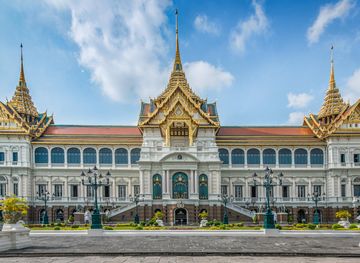
Explore more of Thailand
Discover Thailand: A land of diverse landscapes, rich culture, and warm hospitality, where ancient traditions blend seamlessly with modern attractions.
Explore Thailand