

Koh Lanta Travel Guide - Free Web & App
Your ultimate guide to Koh Lanta. Discover top landmarks, proposed trips, and local tips. Free on the web or via the Evendo companion app.


Koh Lanta, Thailand combines long Andaman beaches, island villages, mangrove coastlines, Mu Ko Lanta National Park, diving and relaxed local culture.
Island Landscapes and Coastal Life
Koh Lanta lies off Thailand’s Andaman coast in Krabi province, where a long, forested island meets clear bays, coral-rich waters and limestone islands on the horizon. The name is commonly used for Koh Lanta Yai, the principal visitor island, although the wider Koh Lanta archipelago includes smaller islands, neighbouring Koh Lanta Noi and the protected waters of Mu Ko Lanta National Park. Koh Lanta Yai is elongated rather than densely urbanised: its developed western shore faces the sunset, while the eastern side is shaped by mangroves, tidal flats, fishing communities and the historic settlement of Lanta Old Town.Read more about Koh Lanta
Beaches, Villages and Marine Environments
When is the best time to visit Koh Lanta?
Best: January–March · 31–32°C| Month | High (°C) | Rainfall (mm) |
|---|---|---|
| January (best) | 31 | 35 |
| February (best) | 32 | 35 |
| March (best) | 32 | 50 |
| April | 33 | 120 |
| May | 33 | 220 |
| June | 32 | 200 |
| July | 32 | 240 |
| August | 32 | 250 |
| September | 31 | 290 |
| October | 31 | 350 |
| November | 31 | 280 |
| December | 31 | 90 |
Getting to and around Koh Lanta
How to get there
Transportation
Best attractions in Koh Lanta
Koh Lanta’s attractions are spread across beaches, villages, forested hills and the surrounding sea. Khlong Dao is broad and accessible near the island’s northern accommodation area, while Long Beach offers a long sweep of sand and open sunset views. Khlong Nin and Kantiang Bay provide different stretches of coast farther south, with rocky edges and greener surroundings. Lanta Old Town on the east coast is the island’s principal heritage settlement, known for its old waterfront houses, local shops and views across mangrove-lined water. At the southern tip, Mu Ko Lanta National Park protects coastal forest and offshore islands, with a lighthouse area and headland scenery subject to park access conditions. Inland routes reveal rubber plantations and rural communities, while boat excursions connect visitors with the clear waters and snorkelling sites around Koh Rok and Koh Haa. The Emerald Cave on nearby Koh Mook is often reached on wider Andaman itineraries rather than being part of Koh Lanta itself.
-
Tourist attraction
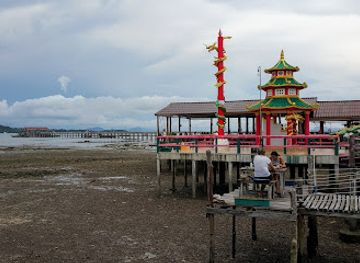
Lanta Old Town
Experience the rich cultural heritage and vibrant community of Lanta Old Town on Ko Lanta Yai, a serene destination perfect for exploration.
-
Animal protection organization
Lanta Animal Welfare
Experience compassion at Lanta Animal Welfare, where animal rescue and tourist engagement come together in beautiful Ko Lanta.
-
Animal protection organization
Following Giants Koh Lanta Ethical Elephant Sanctuary
Experience ethical elephant conservation at Following Giants Koh Lanta, a sanctuary dedicated to the care and protection of elephants in Thailand's beautiful landscapes.
-
Public beach
Phra Ae Beach
Experience the tranquil beauty of Phra Ae Beach, a stunning destination on Koh Lanta with pristine sands and vibrant sunsets, perfect for relaxation and adventure.


Best landmarks in Koh Lanta
Koh Lanta’s defining landmarks combine coastal geography with traces of maritime culture. The headland and lighthouse area at the southern end of Mu Ko Lanta National Park is one of the archipelago’s most recognisable viewpoints, set above rocky shoreline and forest, although access is governed by park conditions. Lanta Old Town’s timber-shuttered waterfront buildings are important cultural landmarks because they reflect the settlement’s former role in regional sea trade. The eastern coast’s mangroves and tidal channels contrast with the long sandy beaches of the west, showing how closely the island’s identity is tied to different marine environments. Offshore, the limestone and coral islands of Koh Haa and Koh Rok are prominent natural features within the wider Lanta seascape, valued for reefs, clear water and marine life rather than monumental construction. Chao Leh communities are cultural landmarks in a living sense, representing the sea-oriented heritage of the archipelago.
-
Tourist attraction
Lanta Old Town
Experience the historic charm and vibrant culture of Lanta Old Town on Ko Lanta Yai, a hidden gem in Thailand's stunning Andaman Sea.
-
National park
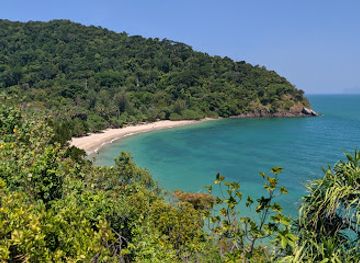
Mu Ko Lanta National Park
Explore the stunning landscapes, diverse wildlife, and pristine beaches of Mu Ko Lanta National Park, a must-visit destination in Thailand's Krabi Province.
-
Tourist attraction
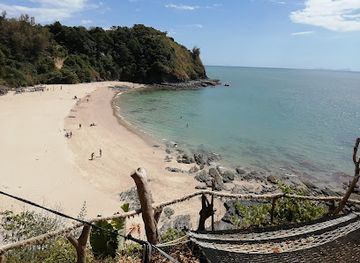
Nui Bay
Explore the tranquil beauty of Nui Bay in Ko Lanta, where crystal-clear waters and golden sands await every traveler.
-
Ferry service
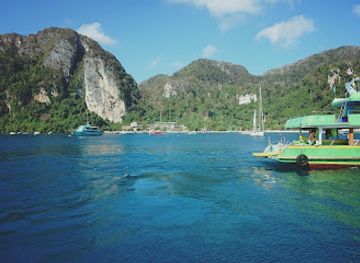
Sala Dan Pier
Experience the vibrant atmosphere of Sala Dan Pier, your gateway to the stunning islands of Ko Lanta and beyond.
Explore Koh Lanta on the map
Plan your trip on one map. See where the top attractions, landmarks, restaurants and hotels are, and book hotels and experiences in a few clicks.
Best hotels in Koh Lanta
Best restaurants in Koh Lanta
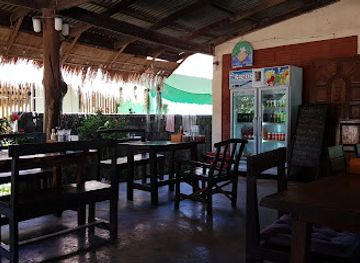
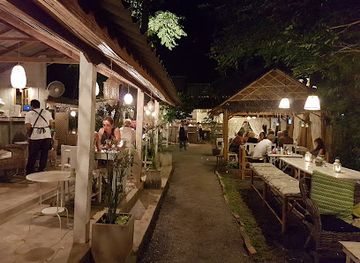
Koh Lanta’s food scene reflects southern Thai cooking, Muslim culinary traditions and the island’s fishing heritage. Restaurants and small eateries are concentrated along the western beach road, around Saladan in the north and in Lanta Old Town, with seafood, curries, stir-fries, noodle dishes and fresh fruit widely represented. Southern Thai flavours can be hot and aromatic, while Muslim-owned kitchens may offer roti, grilled meats and other dishes shaped by the region’s Malay connections. Seafood availability varies with season, weather and local supply, so menus are not uniform across the island. Beachfront restaurants often focus on relaxed evening meals and sunset views, whereas village establishments provide a more everyday setting. Saladan is the most practical area for comparing a broad range of dining choices, but visitors staying in quieter southern bays should expect fewer options and plan transport accordingly.
-
Restaurant
Yawee Restaurant
Experience authentic Thai cuisine at Yawee Restaurant in Ko Lanta – where flavor meets tradition in a vibrant setting.
-
Restaurant
Mays kitchen
Discover authentic Thai flavors at Mays Kitchen in Ko Lanta – where every dish tells a story of local tradition and fresh ingredients.
-
Restaurant
Yang Garden
Experience authentic Thai cuisine at Yang Garden in Koh Lanta - where fresh ingredients meet delightful flavors.
-
Coffee shop
Drunken Sailors
Experience exquisite flavors at Drunken Sailors in Koh Lanta - your go-to spot for coffee and Asian fusion cuisine with breathtaking bay views.
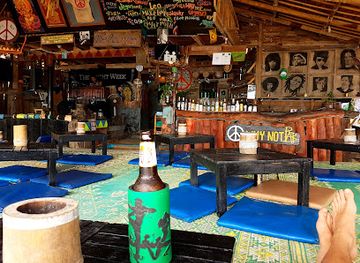
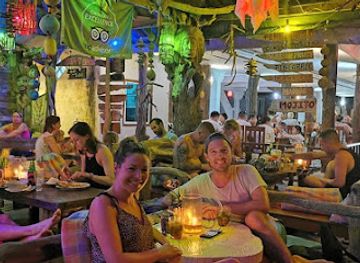
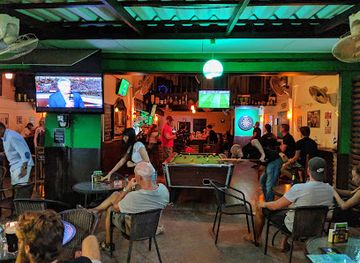
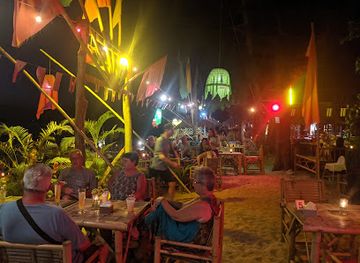
Best bars in Koh Lanta
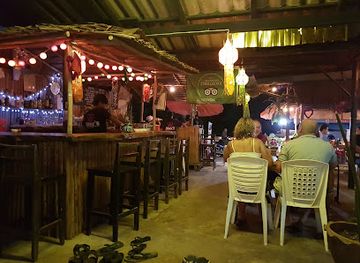
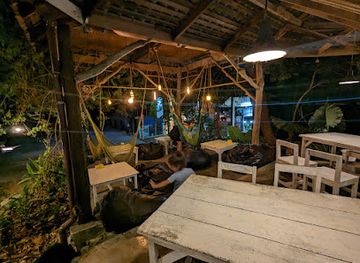
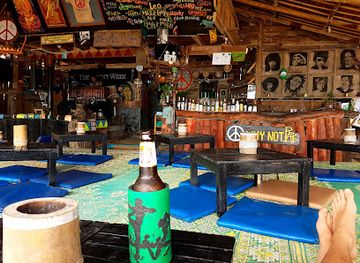
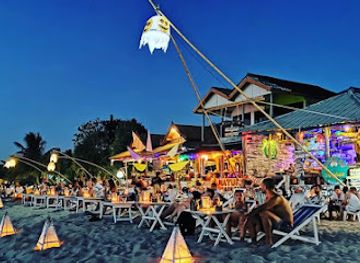
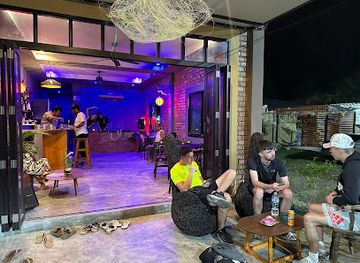
Koh Lanta’s evening life is generally low-key, centred on beach bars, resort restaurants and casual pubs rather than large nightclubs or dense entertainment districts. The northern and central west coast has the greatest concentration of places for a drink after sunset, with occasional live music or informal entertainment depending on the venue and season. Smaller bars near Long Beach, Khlong Nin and Kantiang Bay tend to emphasise sea views and relaxed conversation, while Saladan offers a more practical cluster of evening businesses. Lanta Old Town is quieter and more atmospheric, with dining and waterfront views rather than a late-night scene. Opening patterns and entertainment can change with the monsoon season, and the southern part of the island becomes particularly quiet after dark, making accommodation areas and established restaurants the realistic focus for evenings.
-
Bar
Why Not Bar
Experience the vibrant nightlife at Why Not Bar in Koh Lanta, where delicious cocktails and friendly vibes await every visitor.
-
Cocktail bar
Majestic Bar Koh Lanta
Discover the enchanting tropical vibes and exquisite cocktails at Majestic Bar Koh Lanta, the ultimate beachside retreat for travelers.
-
Pub
The Irish Embassy
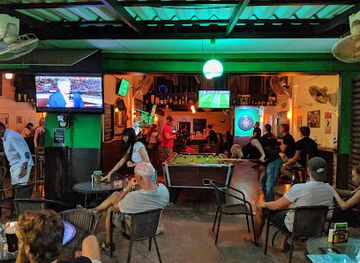
Experience the charm of an Irish pub in Ko Lanta, where local flavors and traditional cuisine come together in a vibrant setting.
-
Bar
San Sunset Bar
San Sunset Bar: A Relaxing Oasis in Ko Lanta with Stunning Views and Delicious Drinks.
Best nightclubs in Koh Lanta
Koh Lanta’s evening life is generally low-key, centred on beach bars, resort restaurants and casual pubs rather than large nightclubs or dense entertainment districts. The northern and central west coast has the greatest concentration of places for a drink after sunset, with occasional live music or informal entertainment depending on the venue and season. Smaller bars near Long Beach, Khlong Nin and Kantiang Bay tend to emphasise sea views and relaxed conversation, while Saladan offers a more practical cluster of evening businesses. Lanta Old Town is quieter and more atmospheric, with dining and waterfront views rather than a late-night scene. Opening patterns and entertainment can change with the monsoon season, and the southern part of the island becomes particularly quiet after dark, making accommodation areas and established restaurants the realistic focus for evenings.
-
Bar
Why Not Bar
Discover Koh Lanta's vibrant nightlife at Why Not Bar, where lively music, delicious drinks, and a welcoming atmosphere await.
-
Cocktail bar
Majestic Bar Koh Lanta
Discover the vibrant nightlife of Koh Lanta at Majestic Bar, a cocktail paradise on Klong Dao Beach, serving refreshing drinks and unforgettable views.
-
Pub
The Irish Embassy
Experience authentic Irish hospitality at The Irish Embassy in Koh Lanta, where great food, drinks, and lively atmosphere await you.
-
Bar
มัชรูม บาร์
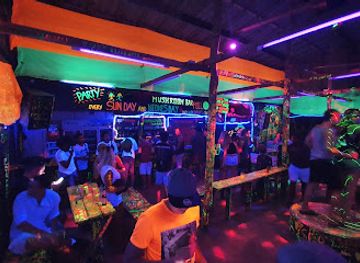
Dive into the lively nightlife at มัชรูม บาร์ in Ko Lanta, where great drinks meet unforgettable experiences under the stars.
Best shops in Koh Lanta
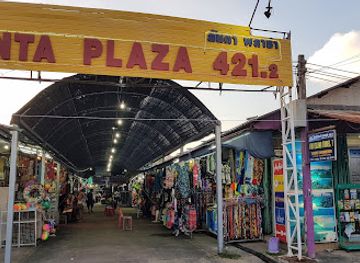
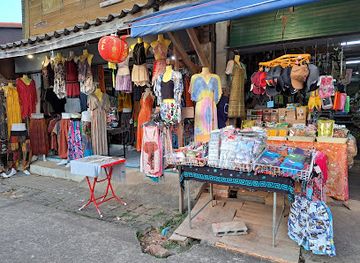
Shopping on Koh Lanta is modest and locally focused rather than built around large commercial centres. Saladan has the island’s broadest selection of small shops, convenience stores, pharmacies, travel businesses and stores selling beachwear, travel necessities and souvenirs. Along the western beach road, visitors may find locally made clothing, handicrafts, artwork and practical items, although stock and opening patterns vary. Lanta Old Town is a more meaningful place to browse independent shops and small businesses in a historic waterfront setting, with regional food products and craft goods sometimes available. Fresh produce, snacks and prepared food can be found through local markets and village sellers, while seafood reflects the island’s coastal economy. Visitors should not expect extensive retail facilities in the southern national-park area, where supplies and shopping are concentrated in the northern settlements and established beach communities.
-
Supermarket
Lanta Mart
Discover a vibrant supermarket in Ko Lanta, featuring local Thai products and international favorites for an authentic shopping experience.
-
Shopping mall
Old Town Lanta Street Market
Explore the lively Old Town Lanta Street Market for unique souvenirs, delicious street food, and a taste of local life in Ko Lanta.
-
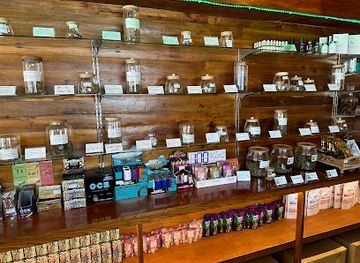
Cannabis store
High Season Koh Lanta
Discover the best cannabis shopping experience on Koh Lanta at High Season, where quality meets friendly service.
-
Cannabis store
FLY HOUSE Koh Lanta Cannabis weed store lanta coffee shop
Experience the vibrant culture of Koh Lanta at FLY HOUSE, a premier cannabis store and musical club, perfect for relaxation and socializing.
Get your free copy of our complete guide to Koh Lanta, delivered straight to you.
Everything on this page, from attractions and restaurants to essentials and local phrases, in one PDF you can read offline, print or share.
Already have an account? Sign in
Your Koh Lanta guide is ready.
We'll send it to · Not you? Sign out

Getting your guide ready…
We are putting together a fresh copy of the Koh Lanta guide. This can take up to a minute.
This can take a few moments. If your browser asks, choose Allow so the download can start. You'll find the guide in your Downloads folder.
Nothing happened? Download it again
Sorry, the guide is taking longer than usual. Please try again in a minute, or get it by email instead.
Koh Lanta essentials
Currency and Payment
Safety
Emergency Situations
Do's and Don'ts
Local Tips
From Eve
Local phrases worth knowing
You don't need to get them perfect. A few words go a long way, and locals appreciate the effort.
Basics
| English | Local | Say it |
|---|---|---|
| Hello | สวัสดี | [sawasdee] |
| Goodbye | ลาก่อน | [laa kon] |
| Yes | ใช่ | [chai] |
| No | ไม่ | [mai] |
| Please/You're welcome | โปรด/ยินดี | [proht/yin dee] |
| Thank you | ขอบคุณ | [kop khun] |
| Excuse me/Sorry | ขอโทษ | [kor toht] |
| How are you? | สบายดีไหม | [sabai dee mai] |
| Fine. And you? | สบายดีครับ/ค่ะ คุณล่ะ | [sabai dee khrap/kha kun la] |
| Do you speak English? | คุณพูดภาษาอังกฤษได้ไหม | [kun poot paa saa ang grit dai mai] |
| I don't understand | ฉันไม่เข้าใจ | [chan mai khao jai] |
Eating & Drinking
| English | Local | Say it |
|---|---|---|
| I'd like to see the menu, please | ขอดูเมนูหน่อย | [kor doo menu noi] |
| I don't eat meat | ฉันไม่กินเนื้อ | [chan mai gin neuua] |
| Cheers! | ชนสิ | [chon si] |
| I would like to pay, please | ขอจ่ายเงินหน่อย | [kor jai ngern noi] |
Emergencies
| English | Local | Say it |
|---|---|---|
| Help! | ช่วยด้วย | [chuay duay] |
| Go away! | ไปห่างๆ | [bpai yang yang] |
| Call the Police! | โทรตำรวจ | [tor tamruat] |
| Call a doctor! | โทรหมอ | [tor mor] |
| I'm lost | ฉันหลงทาง | [chan long tang] |
| I'm ill | ฉันไม่สบาย | [chan mai sabai] |
Shopping
| English | Local | Say it |
|---|---|---|
| I'd like to buy... | ฉันอยากซื้อ... | [chan yak seuu...] |
| I'm just looking | ฉันแค่ดู | [chan kae doo] |
| How much is it? | ราคาเท่าไหร่ | [ra kha thao rai] |
| That's too expensive | แพงเกินไป | [paeng gein bpai] |
| Can you lower the price? | ลดราคาได้ไหม | [lot ra kha dai mai] |
Time & Numbers
| English | Local | Say it |
|---|---|---|
| What time is it? | กี่โมงแล้ว | [gee mong laeo] |
| It's one o'clock | เป็นโมงเท่า | [bpen mong thao] |
| Half past (10) | ครึ่งหลัง (10) | [kreung lang sip] |
| Morning | เช้า | [chao] |
| Afternoon | บ่าย | [bai] |
| Evening | เย็น | [yen] |
| Yesterday | เมื่อวาน | [meua waan] |
| Today | วันนี้ | [wan nee] |
| Tomorrow | พรุ่งนี้ | [proong nee] |
| 1 | หนึ่ง | [neung] |
| 2 | สอง | [song] |
| 3 | สาม | [sam] |
| 4 | สี่ | [see] |
| 5 | ห้า | [haa] |
| 6 | หก | [hok] |
| 7 | เจ็ด | [jet] |
| 8 | แปด | [bpaaet] |
| 9 | เก้า | [gao] |
| 10 | สิบ | [sip] |
Transport & Directions
| English | Local | Say it |
|---|---|---|
| Where's a/the...? | ...อยู่ที่ไหน | [...yoo tee nai] |
| What's the address? | ที่อยู่คืออะไร | [tee yoo keu a-rai] |
| Can you show me (on the map)? | แสดงให้ฉันดูได้ไหม | [sa-dang hai chan doo dai mai] |
| When's the next (bus)? | รถต่อไปเมื่อไหร่ | [rot dtor bpai meu rai] |
| A ticket (to ....) | ตั๋ว (ไป...) | [dtua (bpai...)] |
History of Koh Lanta
An Andaman Island Landscape
Koh Lanta’s present form reflects the geological and coastal processes that shaped the islands and shallow waters of the Andaman Sea. Koh Lanta Yai is marked by a mountainous, forested interior and a western shoreline of beaches and rocky bays, while its eastern side contains mangrove-fringed waterways and tidal landscapes. The surrounding archipelago includes limestone islands and coral-bearing marine habitats. These natural conditions influenced where settlements developed, how people travelled and which parts of the coast were used for fishing, cultivation and later tourism.
Maritime Communities and Trade
For centuries, the Lanta islands were connected to the wider Andaman trading world rather than existing in isolation. Fishing communities, Muslim Thai families, Chinese traders and Chao Leh sea-nomad groups contributed to the area’s cultural mixture. Lanta Old Town grew on the sheltered eastern coast, where its waterfront location supported the movement of people and goods across the islands and mainland. Traditional wooden buildings and the settlement’s street pattern preserve evidence of this maritime past, although the local economy has changed substantially since the arrival of modern tourism.
Chao Leh Heritage
The Chao Leh, often translated as sea nomads, have long maintained a distinctive relationship with the Andaman Sea. Several Chao Leh communities are associated with Koh Lanta and nearby islands, and their knowledge of coastal waters, fishing grounds and marine conditions forms an important part of the region’s cultural heritage. Their traditions have faced pressure from changing coastal access, formal boundaries, tourism and economic change. Visitors should approach community areas with sensitivity, treating residents and ceremonies as living culture rather than staged attractions.
National Park and Tourism
Mu Ko Lanta National Park was established in 1990 to protect a group of islands and marine environments at the southern end of the archipelago. Its designation helped place beaches, coastal forest, coral habitats and offshore islands within a conservation framework, although access and facilities can vary by season and local conditions. Tourism on Koh Lanta Yai expanded later than on some of Thailand’s more intensively developed resort islands. Small-scale accommodation, diving and beach tourism gradually became central to the island economy while Lanta Old Town, fishing villages and the southern landscapes retained a different pace and character.
Koh Lanta in Photos
Browse through our photo collection highlighting the charm and character of the destination.
Neighbouring destination travel guides
The closest destinations to Koh Lanta, if you have time for more than one.
-

-

-

-
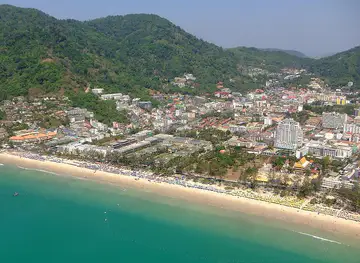
-


Swipe for more destinations
Explore more

Explore more of Andaman Coast
Discover the Andaman Coast in Thailand: An idyllic paradise with stunning beaches, crystal-clear waters, and rich cultural heritage, perfect for every traveler.
Explore Andaman Coast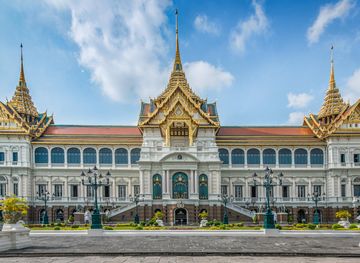
Explore more of Thailand
Discover Thailand: A land of diverse landscapes, rich culture, and warm hospitality, where ancient traditions blend seamlessly with modern attractions.
Explore Thailand