

Western Thailand, Thailand Travel Guide
Explore Western Thailand: Home to breathtaking landscapes, rich historical sites, and vibrant cultural experiences, making it an ideal destination for all types of travelers.
Western Thailand is a region that offers a blend of natural beauty, rich history, and vibrant culture. Nestled between the bustling city of Bangkok and the border with Myanmar, it is home to breathtaking landscapes, including lush jungles, majestic waterfalls, and serene rivers. The area is known for its national parks like Erawan and Sai Yok, where visitors can explore dense forests, spot exotic wildlife, and take refreshing dips in crystal-clear waters. History enthusiasts will find Western Thailand a treasure trove of fascinating sites. The town of Kanchanaburi is famous for the Bridge over the River Kwai and the Death Railway, which serve as poignant reminders of World War II. The Hellfire Pass Memorial Museum offers a deep dive into the harrowing history and the resilience of those who built the railway under extreme conditions. Cultural experiences abound, from visiting traditional Thai villages to exploring ancient temples like Wat Tham Sua, which offers stunning panoramic views from its hilltop location. The Mon Bridge in Sangkhlaburi is another highlight, connecting visitors to the unique Mon culture and providing picturesque views of the surrounding landscape. Western Thailand's culinary offerings are equally diverse, with local markets serving up delicious Thai delicacies that will tantalize your taste buds. Whether you're an adventure seeker, history buff, or culture lover, Western Thailand promises an unforgettable journey through one of Thailand's most captivating regions.

Know before you go
Hi, I'm Eve. Here are a few practical things to know before exploring Western Thailand.
- Visit Erawan National Park early in the morning to avoid crowds and enjoy the tranquility of the waterfalls.
- Wear comfortable shoes and bring water when exploring historical sites like the Hellfire Pass.
- Sample local dishes at night markets in Kanchanaburi for an authentic Thai culinary experience.
- Check the weather before planning your trip to national parks, as some trails can be challenging in the rainy season.
- Take a boat tour on the River Kwai to fully appreciate the scenic beauty and historical significance of the area.
Top City Travel Guides in Western Thailand
The cities of Western Thailand, and the easiest places to base yourself.



Destinations in Western Thailand
Resorts, valleys and scenic spots worth a trip of their own.


Explore Western Thailand: Things to Do, Places to Eat, Hotels & More
Handpicked recommendations for top attractions, local dining, accommodations, and more

Top Attractions & Sightseeing in Western Thailand
Top-rated picks
Best Attractions

Asiatique The Riverfront
Explore Asiatique The Riverfront, Bangkok's vibrant night market, offering shopping, dining, and entertainment along the scenic Chao Phraya River.

Lumphini Park
Explore the serene beauty of Lumphini Park, a lush urban escape in the heart of Bangkok, perfect for nature lovers and relaxation seekers.

Sanctuary of Truth
Explore the Sanctuary of Truth in Pattaya, a breathtaking wooden temple showcasing intricate carvings and rich Thai cultural heritage.

King Power Mahanakhon
Discover breathtaking views, vibrant bars, and unique shopping at King Power Mahanakhon, Bangkok's iconic skyscraper.

Best landmarks in Western Thailand
Top-rated picks
Best Landmarks
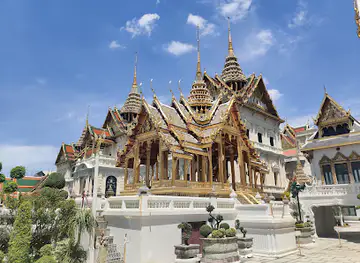
The Grand Palace
Explore the splendid Grand Palace in Bangkok, a cultural and historical landmark showcasing Thailand's royal heritage and exquisite Buddhist art.

Chatuchak Weekend Market
Explore the vibrant Chatuchak Weekend Market, a shopping haven in Bangkok with an array of goods, delicious food, and lively cultural experiences.

Wat Arun Ratchawararam Ratchawaramahawihan
Discover the breathtaking beauty and spiritual essence of Wat Arun, Bangkok's iconic Temple of Dawn, where stunning architecture meets serene riverside views.

Angkor Wat
Discover the breathtaking beauty and rich history of Angkor Wat, the largest religious monument in the world, set in the heart of Cambodia.

Best restaurants in Western Thailand
Top-rated picks
Best Restaurants

The Chocolate Factory Khao Yai
Experience the fusion of flavors at The Chocolate Factory Khao Yai, where every bite is a sweet adventure amidst stunning natural beauty.

Midwinter Khaoyai
Experience exquisite western cuisine with a Thai twist at Midwinter Khaoyai amid breathtaking natural beauty.

Prime 19 Khao Yai
Experience exquisite dining at Prime 19 Khao Yai with top-tier cuisine and an extensive wine selection in Thailand's stunning landscapes.

Monsoon (Soi 8)
Experience vibrant flavors at Monsoon (Soi 8), where Western and Asian cuisines blend harmoniously in the heart of Bangkok.

Best bars in Western Thailand
Top-rated picks
Best Bars

Vertigo & Moon Bar Rooftop
Discover the breathtaking views and exquisite cocktails of Vertigo & Moon Bar Rooftop, a premier nightlife destination in Bangkok.

Red Sky
Experience breathtaking views and gourmet cuisine at Red Sky, Bangkok's premier rooftop bar and restaurant, perfect for any occasion.

Jack's Bar
Experience the vibrant atmosphere and delightful drinks at Jack's Bar, the perfect spot for unwinding in Bangkok's nightlife scene.

TEP BAR - Cultural Bar of Thailand
Discover the cultural heartbeat of Thailand at TEP BAR, where cocktails meet tradition in a vibrant atmosphere.

Best nightclubs in Western Thailand
Top-rated picks
Best Nightclubs

The Club
Unleash your night at The Club, a premier nightlife destination on Khaosan Road, Bangkok. Dance to electrifying beats in a vibrant atmosphere.

Levels Club
Discover the electrifying nightlife of Bangkok at Levels Club, where stunning views and vibrant beats create an unforgettable party experience.

Lucy Club Bangkok
Discover the electric atmosphere of Lucy Club Bangkok, a premier nightlife destination blending eclectic music with unforgettable dance experiences.

Bang Bang Bangkok
Dive into Bangkok's vibrant nightlife at Bang Bang Bangkok, where music, dance, and energy come alive every night.

Best shops in Western Thailand
Top-rated picks
Best Shops

Siam Paragon
Explore the luxury of Siam Paragon, Bangkok's premier shopping mall offering high-end brands, exquisite dining, and entertainment for every traveler.

ICONSIAM
Experience the ultimate shopping and cultural destination at ICONSIAM, Bangkok's luxurious riverside haven.

MBK CENTER
Dive into the bustling shopping experience at MBK Center, Bangkok's iconic mall, where culture, cuisine, and commerce meet.

The Platinum Fashion Mall
Discover Bangkok's fashion haven at The Platinum Fashion Mall, where style meets affordability in a vibrant shopping experience.

Explore Western Thailand on the Map
A handpicked selection of must-see spots in Western Thailand, mapped for you.
Western Thailand Essentials
-
Western Thailand is accessible through various means. The most common entry point is via Bangkok, Thailand's capital, which is serviced by Suvarnabhumi Airport and Don Mueang International Airport. From Bangkok, you can reach Western Thailand by bus, train, or car. Buses depart regularly from Bangkok's Southern Bus Terminal to destinations like Kanchanaburi and Hua Hin. Trains are also available from Bangkok's Thonburi Railway Station to Kanchanaburi. For a more flexible option, renting a car allows you to explore the region at your own pace.
-
Western Thailand offers various transportation options. Local buses and songthaews (shared taxis) are commonly used for short distances within towns. For longer journeys, intercity buses and trains are reliable and affordable. Taxis and motorcycle taxis are available for more convenient travel. If you prefer driving, car rentals are available in major towns and cities. Be sure to check the road conditions, especially during the rainy season.
-
The official currency in Thailand is the Thai Baht (THB). Credit and debit cards are widely accepted in hotels, larger restaurants, and shops, but smaller establishments and rural areas often prefer cash. ATMs are plentiful in towns and cities, and currency exchange services are available at banks and exchange booths. It's advisable to carry some cash for convenience, especially when traveling to less touristy areas.
-
Western Thailand is generally safe for tourists, but it's important to take standard precautions. Petty theft, such as pickpocketing, can occur in crowded areas, so keep an eye on your belongings. Some areas in Kanchanaburi, particularly around the bus station and popular tourist spots, have higher instances of scams targeting tourists. Avoid accepting unsolicited offers for tours or services. Always use reputable operators and verify any offers before committing.
-
In case of emergency, dial 191 for police assistance and 1669 for medical emergencies. Hospitals and clinics are available in major towns like Kanchanaburi and Hua Hin. It's recommended to have travel insurance that covers medical emergencies. Pharmacies are common and can provide over-the-counter medications for minor health issues. For lost or stolen passports, contact your embassy or consulate in Bangkok.
-
Fashion: Do dress modestly, especially when visiting temples and religious sites. Avoid wearing revealing clothing.\nReligion: Do show respect in temples. Remove your shoes before entering and avoid touching religious objects.\nPublic Transport: Do be polite and offer seats to elderly passengers. Don't eat or drink on public transport.\nGreetings: Do greet people with a wai (a traditional Thai greeting with hands pressed together). A smile goes a long way.\nEating & Drinking: Do try local dishes and street food. Don't point your feet at people or religious objects, as it's considered disrespectful.
-
To experience Western Thailand like a local, visit the morning markets where fresh produce and local snacks are sold. Engage with local vendors and try traditional dishes like kanom jeen (fermented rice noodles) and khao lam (sticky rice in bamboo). Take a slow boat ride on the River Kwai for scenic views and a glimpse into local life. Participate in local festivals and events to immerse yourself in the culture. For a unique experience, stay in a floating bungalow on the River Kwai.
When is the best time to visit Western Thailand?
Useful Local Phrases for Western Thailand
You don't need to speak the language perfectly. Even learning a few simple words can make conversations warmer—and locals usually appreciate the effort.
— Eve

Here are the phrases I use most often in Western Thailand. Try a few—you'll be surprised how far they go! 😊
❤️
-
- HelloHowdy
[/haʊdi/] - GoodbyeSee ya later
[/si jə ˈleɪtər/] - YesYep
[/jɛp/] - NoNope
[/noʊp/] - Please/You're welcomeSure thing
[/ʃʊr θɪŋ/] - Thank youThanks a lot
[/θæŋks ə lɑt/] - Excuse me/SorryPardon me
[/ˈpɑrdən mi/] - How are you?How's it going?
[/haʊz ɪt ˈɡoʊɪŋ/] - Fine. And you?Good. You?
[/ɡʊd. ju/] - Do you speak English?Do ya speak English?
[/du jə spiːk ˈɪŋɡlɪʃ/] - I don't understandI don't get it
[/aɪ doʊnt ɡɛt ɪt/]
- HelloHowdy
-
- I'd like to see the menu, pleaseCan I see the menu?
[/kæn aɪ si ðə ˈmɛnju/] - I don't eat meatI’m a vegetarian
[/aɪm ə ˌvɛdʒəˈtɛriən/] - Cheers!Cheers!
[/ʧɪrz/] - I would like to pay, pleaseCan I get the check?
[/kæn aɪ ɡɛt ðə ʧɛk/]
- I'd like to see the menu, pleaseCan I see the menu?
-
- Help!Help!
[/hɛlp/] - Go away!Leave me alone!
[/liːv mi əˈloʊn/] - Call the Police!Call 911!
[/kɔl naɪn wʌn wʌn/] - Call a doctor!Get a doctor!
[/ɡɛt ə ˈdɒktər/] - I'm lostI can't find my way
[/aɪ kænt faɪnd maɪ weɪ/] - I'm illI don't feel well
[/aɪ doʊnt fil wɛl/]
- Help!Help!
-
- I'd like to buy...I wanna buy...
[/aɪ ˈwɒnə baɪ/] - I'm just lookingJust browsing
[/dʒʌst ˈbraʊzɪŋ/] - How much is it?What’s the price?
[/wʌts ðə praɪs/] - That's too expensiveThat costs too much
[/ðæt kɔsts tu mʌʧ/] - Can you lower the price?Can ya give me a discount?
[/kæn jə ɡɪv mi ə ˈdɪskaʊnt/]
- I'd like to buy...I wanna buy...
-
- What time is it?What’s the time?
[/wʌts ðə taɪm/] - It's one o'clockIt's one
[/ɪts wʌn/] - Half past (10)Half past ten
[/hæf pæst tɛn/] - MorningMorning
[/ˈmɔrnɪŋ/] - AfternoonAfternoon
[/ˌæftərˈnun/] - EveningEvening
[/ˈivnɪŋ/] - YesterdayYesterday
[/ˈjɛstərdeɪ/] - TodayToday
[/təˈdeɪ/] - TomorrowTomorrow
[/təˈmɔroʊ/] - 1One
[/wʌn/] - 2Two
[/tu/] - 3Three
[/θri/] - 4Four
[/fɔr/] - 5Five
[/faɪv/] - 6Six
[/sɪks/] - 7Seven
[/ˈsɛvən/] - 8Eight
[/eɪt/] - 9Nine
[/naɪn/] - 10Ten
[/tɛn/]
- What time is it?What’s the time?
-
- Where's a/the...?Where's the...?
[/wɛrz ðə.../] - What's the address?What’s the address?
[/wʌts ði əˈdrɛs/] - Can you show me (on the map)?Can you point it out?
[/kæn jə pɔɪnt ɪt aʊt/] - When's the next (bus)?When's the next bus?
[/wɛnəz ðə nɛkst bʌs/] - A ticket (to ....)A ticket to...
[/ə ˈtɪkɪt tə/]
- Where's a/the...?Where's the...?
History of Western Thailand
-
Western Thailand, particularly the Kanchanaburi province, is believed to have been part of the ancient kingdom of Suvarnabhumi. This ancient kingdom, whose name means 'Land of Gold,' was a significant trading hub and had connections with India, Persia, and the Roman Empire. Archaeological finds, such as relics and ancient tools, attest to the region's historical importance and its role in early Southeast Asian trade routes.
-
During the Sukhothai (1238-1438) and Ayutthaya (1351-1767) periods, Western Thailand was a strategic area for the Thai kingdoms. The region saw the construction of numerous temples and monuments that reflect the architectural styles and cultural influences of these eras. The historical park of Kamphaeng Phet, a UNESCO World Heritage Site, features ancient ruins from these periods and provides insight into the region's past.
-
Western Thailand has been a battleground for numerous conflicts, particularly between the Burmese and Siamese kingdoms. The town of Kanchanaburi is home to the famous Three Pagodas Pass, which served as a key route for invasions and troop movements. The region's dense forests and rugged terrain made it a challenging and critical area during these historical conflicts.
-
One of the most poignant chapters in Western Thailand's history is the construction of the Burma Railway, also known as the Death Railway, during World War II. The railway was built by the Empire of Japan using forced labor, including Allied prisoners of war and Asian laborers. The Bridge over the River Kwai in Kanchanaburi is a prominent reminder of this dark period. The Hellfire Pass Memorial Museum and the Kanchanaburi War Cemetery honor the thousands who suffered and died during the railway's construction.
-
Western Thailand is a melting pot of cultures and ethnic groups, including Thai, Mon, Karen, and Burmese communities. This cultural diversity is reflected in the region's festivals, traditions, and daily life. The Mon people, for example, have preserved their unique traditions and language. Visitors can explore Mon villages and experience their traditional way of life, crafts, and cuisine.
-
The region is renowned for its natural beauty, including national parks such as Erawan, Sai Yok, and Thong Pha Phum. These parks are home to stunning waterfalls, caves, and diverse wildlife. Erawan National Park, with its seven-tiered waterfall, is a major attraction. These natural wonders have played a significant role in shaping the local culture and way of life, emphasizing the deep connection between the people and their environment.
Neighbouring Regions of Western Thailand
The closest regions to Western Thailand, if you have time for more than one.



Your all‑in‑one travel companion app
Explore expert travel guides, compare and book tours, experiences, hotels, and more—all from the palm of your hand. Download now for seamless trip planning wherever your wanderlust takes you.


Explore More of Thailand
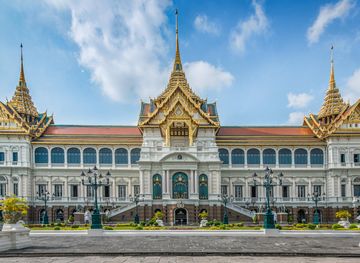
Looking beyond Western Thailand? Discover Thailand for broader travel guides, local hot-spots, and regional highlights.
Explore ThailandWestern Thailand in Photos
Browse through our photo collection highlighting the charm and character of the destination.


Western Thailand: A Gateway to Untamed Beauty and Rich Culture
Western Thailand is a region that offers a blend of natural beauty, rich history, and vibrant culture. Nestled between the bustling city of Bangkok and the border with Myanmar, it is home to breathtaking landscapes, including lush jungles, majestic waterfalls, and serene rivers. The area is known for its national parks like Erawan and Sai Yok, where visitors can explore dense forests, spot exotic wildlife, and take refreshing dips in crystal-clear waters. History enthusiasts will find Western Thailand a treasure trove of fascinating sites. The town of Kanchanaburi is famous for the Bridge over the River Kwai and the Death Railway, which serve as poignant reminders of World War II. The Hellfire Pass Memorial Museum offers a deep dive into the harrowing history and the resilience of those who built the railway under extreme conditions. Cultural experiences abound, from visiting traditional Thai villages to exploring ancient temples like Wat Tham Sua, which offers stunning panoramic views from its hilltop location. The Mon Bridge in Sangkhlaburi is another highlight, connecting visitors to the unique Mon culture and providing picturesque views of the surrounding landscape. Western Thailand's culinary offerings are equally diverse, with local markets serving up delicious Thai delicacies that will tantalize your taste buds. Whether you're an adventure seeker, history buff, or culture lover, Western Thailand promises an unforgettable journey through one of Thailand's most captivating regions.