

Free Acklins Travel Guide & Mobile App
Explore Acklins with free travel guides. Discover regional history, expert tips, proposed trips, and audio guides on web or mobile app.


Acklins in The Bahamas offers quiet beaches, bonefishing flats, salt ponds and remote island landscapes for travellers seeking a slower escape.
Read more about Acklins
When is the best time to visit Acklins?
Best: December–February · 26°C| Month | High (°C) | Rainfall (mm) |
|---|---|---|
| January (best) | 26 | 48 |
| February (best) | 26 | 50 |
| March | 27 | 48 |
| April | 28 | 61 |
| May | 30 | 112 |
| June | 31 | 157 |
| July | 32 | 154 |
| August | 32 | 192 |
| September | 32 | 192 |
| October | 30 | 159 |
| November | 28 | 84 |
| December (best) | 26 | 48 |
Getting to and around Acklins
How to get there
Transportation
Best landmarks in Acklins
Acklins' most recognisable landmarks are shaped by geography rather than monumental architecture. The broad salt ponds and low coastal flats around the island express both its natural character and its historical association with salt production. Spring Point serves as the principal gateway and community reference, with its airport, harbour setting and local services providing a practical focal point for visitors. Across the island, small settlements and traditional waterfront landing places reveal the continuing importance of fishing and the sea. Scattered plantation-era ruins and altered sites are reminders of the Loyalist cotton economy, though they should be approached as fragile remnants rather than as a fully restored heritage attraction. The long beaches, mangrove creeks and open Atlantic shore also function as visual landmarks, especially where the flat terrain gives wide horizons. Their apparent emptiness is part of Acklins' identity, but visitors should obtain local permission and directions before entering tracks or historic sites on private land.
-
Historical landmark
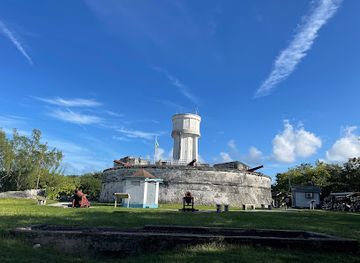
Fort Fincastle
Discover the rich history and stunning views at Fort Fincastle, a must-visit landmark in Nassau, Bahamas.
-
Historical landmark
Pompey Square
Discover Pompey Square, a vibrant historical landmark in Nassau offering rich culture, lively atmosphere, and a glimpse into the Bahamas' storied past.
-
Indoor lodging
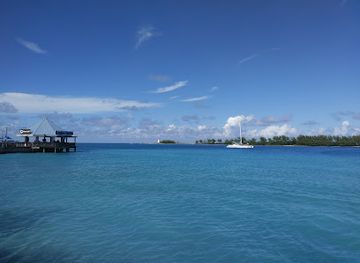
Crooked Island Marina and Lodge
Experience the natural beauty and tranquility of Crooked Island Marina and Lodge, your perfect Bahamian getaway for relaxation and adventure.
-
Hotel
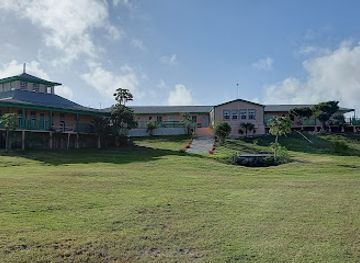
Grey's Point Bonefish Inn
Discover the serene beauty and warm hospitality of Grey's Point Bonefish Inn in Pinefield Settlement, a perfect retreat for relaxation and adventure.
Explore Acklins on the map
Plan your trip on one map. See where the top cities, national parks and sights are, and book hotels and experiences in a few clicks.
Best hotels in Acklins
Best restaurants in Acklins
Dining on Acklins is limited, informal and closely tied to what can be sourced locally or brought in from elsewhere in The Bahamas. Visitors are most likely to encounter home-style meals, small local eateries, guesthouse cooking and simple provisions rather than a broad restaurant circuit. Freshly caught fish and seafood may feature, alongside peas and rice, baked or boiled dishes, vegetables, fruit and other familiar Bahamian staples, although availability depends on weather, fishing conditions and deliveries. Conch is an important Bahamian food, but it should not be assumed to be available at every meal or in every settlement. Spring Point is the most practical place to ask about current food options, while accommodation hosts can often explain whether meals require advance notice. Carrying snacks, breakfast supplies and drinking water is sensible, particularly when travelling away from the airport and main communities. Dining here is generally about local hospitality and practicality rather than formal culinary presentation.
-
Seafood
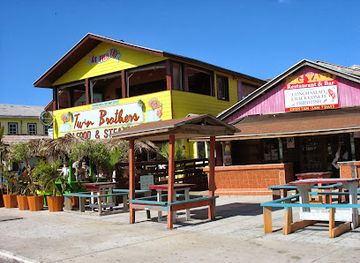
Twin Brothers
Experience authentic Bahamian seafood at Twin Brothers in Nassau—where every bite tells a story of island flavor and hospitality.
-
Restaurant
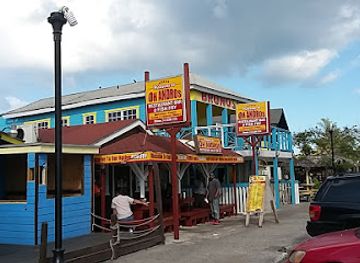
Oh Andros
Discover authentic Bahamian cuisine at Oh Andros in Nassau – where every dish tells a story.
-
Restaurant
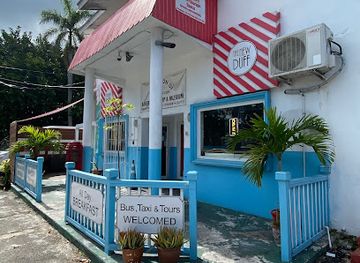
The New Duff
Experience the best of Bahamian breakfast at The New Duff, a charming restaurant offering delicious dishes and warm hospitality in Nassau.
-
Caribbean
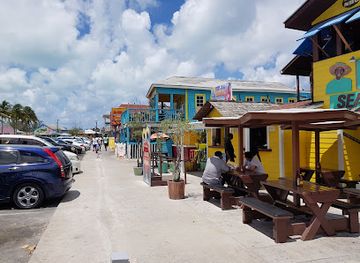
Curly's Restaurant and Bar
Experience authentic Caribbean cuisine at Curly's Restaurant and Bar in Nassau - where vibrant flavors meet stunning ocean views.
Best bars in Acklins
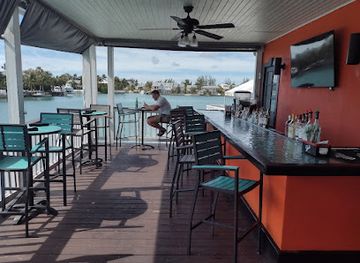
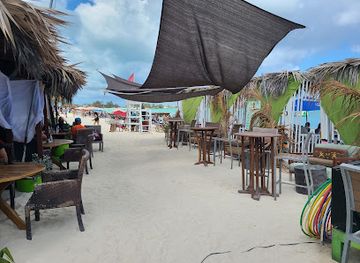
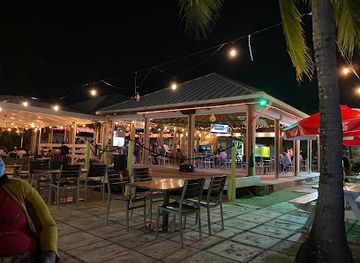
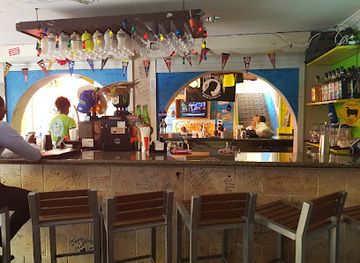
Acklins does not have a conventional nightclub circuit or a concentrated entertainment district. Evening life is centred on small local bars, informal gatherings, guesthouse spaces and occasional music or community events, with the greatest choice likely to be around the principal settlements rather than on remote stretches of coast. Visitors should not assume fixed opening hours, late-night transport or a wide range of cocktails and imported drinks. A quiet meal, conversation with residents, a sunset near the shore or an organised gathering is more representative of the island's evening culture than clubbing. Drink responsibly, arrange a safe way back to accommodation and respect the pace and privacy of local communities. Travellers staying in self-catering accommodation may find that bringing preferred drinks and provisions is more reliable than shopping after arrival.
-
Restaurant
Twisted Lime Sports Bar & Grill
Experience the ultimate sports bar atmosphere at Twisted Lime Sports Bar & Grill in Nassau, offering delicious cuisine and refreshing drinks.
-
Bar
Tiki Bikini Hut
Experience the vibrant atmosphere of Tiki Bikini Hut on Junkanoo Beach, where tropical drinks and lively entertainment await you.
-
Restaurant
The Green Parrot - Harbour Front
Experience vibrant Caribbean cuisine and stunning waterfront views at The Green Parrot, Nassau's favorite dining destination on the Harbour Front.
-
Restaurant
The Bearded Clam Sports Bar & Restaurant
Experience the vibrant flavors of Nassau at The Bearded Clam Sports Bar & Restaurant, where local cuisine meets lively sports entertainment.
Best nightclubs in Acklins
Acklins does not have a conventional nightclub circuit or a concentrated entertainment district. Evening life is centred on small local bars, informal gatherings, guesthouse spaces and occasional music or community events, with the greatest choice likely to be around the principal settlements rather than on remote stretches of coast. Visitors should not assume fixed opening hours, late-night transport or a wide range of cocktails and imported drinks. A quiet meal, conversation with residents, a sunset near the shore or an organised gathering is more representative of the island's evening culture than clubbing. Drink responsibly, arrange a safe way back to accommodation and respect the pace and privacy of local communities. Travellers staying in self-catering accommodation may find that bringing preferred drinks and provisions is more reliable than shopping after arrival.
-
Night club
Xscape Lounge & Nightclub
Discover the vibrant nightlife of Nassau at Xscape Lounge & Nightclub, where music, dancing, and excitement come together in the heart of the Bahamas.
-
Night club
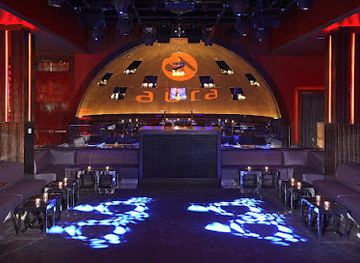
Aura
Experience the vibrant nightlife at Aura Nightclub in Paradise Island, where electrifying music and exquisite cocktails create unforgettable memories.
-
Restaurant
Club Rolle-X Restaurant & Bar
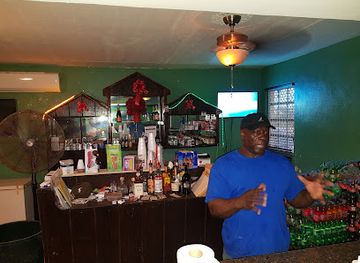
Discover the flavors of the Bahamas at Club Rolle-X Restaurant & Bar, where authentic cuisine meets warm hospitality in Goodwill Settlement.
-
Night club
Waterloo
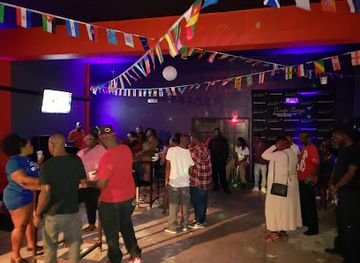
Discover the vibrant nightlife at Club Waterloo in Nassau, a premier destination for dancing, cocktails, and delightful dining experiences.
Best shops in Acklins
Shopping on Acklins is functional and limited rather than oriented towards retail tourism. Small stores and local service points around Spring Point provide basic provisions when available, but stock, delivery timing and payment facilities can vary. Visitors should bring specialist equipment, medicines, personal toiletries and preferred snacks from Nassau or their international departure point. Local purchases may include fish, conch or other food products when seasonally available and legally sold, as well as occasional handmade items or small souvenirs offered through community contacts. There are no major shopping centres or extensive high-street districts, and remote settlements have fewer options still. Ask before photographing or purchasing locally made objects, and never buy shells, coral, archaeological material or wildlife products whose collection may be prohibited. The most appropriate souvenirs are usually responsibly sourced crafts, locally produced food where permitted, or photographs and memories of the island's landscapes.
-
Flea market
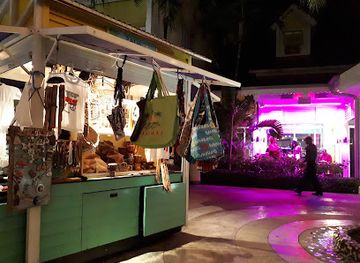
Nassau Straw Market
Discover the heart of Bahamian culture at Nassau Straw Market, where handmade crafts and vibrant local life come together in a unique shopping experience.
-
Shopping mall
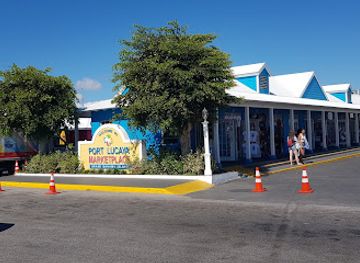
Port Lucaya Marketplace
Explore Port Lucaya Marketplace in Freeport, Bahamas - a lively shopping and dining destination with unique finds and exquisite cuisine.
-
Distillery
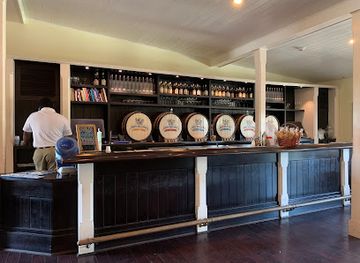
John Watling's Distillery
Discover the artistry of rum-making and indulge in authentic Bahamian flavors at John Watling's Distillery, a historical gem in Nassau.
-
Shopping mall
Crystal Court Shops
Explore luxury shopping and local treasures at the Crystal Court Shops on Paradise Island, where retail meets tropical charm.
Get your free copy of our complete guide to Acklins, delivered straight to you.
Everything on this page, from attractions and restaurants to essentials and local phrases, in one PDF you can read offline, print or share.
Already have an account? Sign in
Your Acklins guide is ready.
We'll send it to · Not you? Sign out

Getting your guide ready…
We are putting together a fresh copy of the Acklins guide. This can take up to a minute.
This can take a few moments. If your browser asks, choose Allow so the download can start. You'll find the guide in your Downloads folder.
Nothing happened? Download it again
Sorry, the guide is taking longer than usual. Please try again in a minute, or get it by email instead.
Acklins essentials
Currency and Payment
Safety
Emergency Situations
Do's and Don'ts
Local Tips
From Eve
Local phrases worth knowing
You don't need to get them perfect. A few words go a long way, and locals appreciate the effort.
Basics
| English | Local | Say it |
|---|---|---|
| Hello | Hey | [Hey] |
| Goodbye | Later | [Ley-tuh] |
| Yes | Yeah | [Yeh] |
| No | Nah | [Nah] |
| Please/You're welcome | No problem | [No prob-lum] |
| Thank you | Thanks | [Thanks] |
| Excuse me/Sorry | Sorry | [Soh-ree] |
| How are you? | How ya doin'? | [How ya doin'?] |
| Fine. And you? | Good. An' you? | [Good. An' you?] |
| Do you speak English? | You speak English? | [You speak English?] |
| I don't understand | I ain't gettin' it | [I ain't gettin' it] |
Eating & Drinking
| English | Local | Say it |
|---|---|---|
| I'd like to see the menu, please | Can I see the menu? | [Can I see the menu?] |
| I don't eat meat | I don't eat meat | [I don't eat meat] |
| Cheers! | Cheers! | [Cheers!] |
| I would like to pay, please | Can I pay, please? | [Can I pay, please?] |
Emergencies
| English | Local | Say it |
|---|---|---|
| Help! | Help! | [Help!] |
| Go away! | Move from here! | [Move from here!] |
| Call the Police! | Call the cops! | [Call the cops!] |
| Call a doctor! | Call a doctor! | [Call a doctor!] |
| I'm lost | I lost | [I lost] |
| I'm ill | I ain't feelin' good | [I ain't feelin' good] |
Shopping
| English | Local | Say it |
|---|---|---|
| I'd like to buy... | I wanna buy... | [I wanna buy...] |
| I'm just looking | I just lookin' | [I just lookin'] |
| How much is it? | How much? | [How much?] |
| That's too expensive | Dat too pricey | [Dat too pricey] |
| Can you lower the price? | Can you drop the price? | [Can you drop the price?] |
Time & Numbers
| English | Local | Say it |
|---|---|---|
| What time is it? | Wha time it is? | [Wha time it is?] |
| It's one o'clock | It one o'clock | [It one o'clock] |
| Half past (10) | Half past ten | [Half past ten] |
| Morning | Mornin' | [Mornin'] |
| Afternoon | Afternoon | [Afternoon] |
| Evening | Evenin' | [Evenin'] |
| Yesterday | Yesterday | [Yesterday] |
| Today | Today | [Today] |
| Tomorrow | Tomorrow | [Tomorrow] |
| 1 | One | [One] |
| 2 | Two | [Two] |
| 3 | Three | [Three] |
| 4 | Four | [Four] |
| 5 | Five | [Five] |
| 6 | Six | [Six] |
| 7 | Seven | [Seven] |
| 8 | Eight | [Eight] |
| 9 | Nine | [Nine] |
| 10 | Ten | [Ten] |
Transport & Directions
| English | Local | Say it |
|---|---|---|
| Where's a/the...? | Where de...? | [Where de...?] |
| What's the address? | Wha de address? | [Wha de address?] |
| Can you show me (on the map)? | Can you show me on de map? | [Can you show me on de map?] |
| When's the next (bus)? | When de next bus? | [When de next bus?] |
| A ticket (to ....) | A ticket to... | [A ticket to...] |
History of Acklins
Lucayan Settlement Before European Colonisation
The Lucayan people inhabited islands throughout the Bahamian archipelago before European arrival, using the sea, reefs and coastal resources for food, travel and exchange. Archaeological evidence from The Bahamas shows a culture adapted to low limestone islands and shallow marine environments, although Acklins has not developed the extensive visitor-facing archaeological sites found elsewhere in the country. European colonisation in the late fifteenth and early sixteenth centuries brought disease, enslavement and population collapse across the archipelago, ending Lucayan society as an independent way of life.
British Rule and the Southern Islands
Acklins became part of the British-controlled Bahamian world as settlement expanded beyond the principal islands. Its position in the southern archipelago placed it within maritime routes connecting the islands with the wider Caribbean, Florida and the Atlantic. The island's shallow waters and sheltered inlets supported small-scale coastal activity, while its remoteness limited large urban development. British administration established the political framework that eventually shaped the modern islands, but local life remained dependent on marine resources and dispersed settlements.
Loyalist Settlement and Plantation Agriculture
After the American War of Independence, British Loyalists and enslaved Africans moved to parts of The Bahamas, including the southern islands, during the late eighteenth century. On Acklins, settlers attempted plantation agriculture, particularly cotton, in an environment whose thin soils, drought risk and exposure made sustained production difficult. The plantation economy left traces in scattered ruins and landscape names rather than a surviving grand estate tradition. Its history also reflects the forced labour and racial hierarchy on which British colonial plantations depended.
Salt Making and Maritime Livelihoods
Salt production became important in several Bahamian islands where shallow ponds could be concentrated by sun and wind. Acklins' ponds and saline flats supported this wider southern-island economy, although production never created a large industrial town. Fishing, small-scale farming, boatbuilding, wreck salvage and inter-island trade also shaped local livelihoods. These activities connected communities to the sea and explain why settlements developed around sheltered bays and landing places rather than around a single dense commercial centre.
Emancipation and the Transformation of Island Society
The abolition of slavery in the British Empire took effect in 1834, with the apprenticeship system ending in 1838. Emancipation transformed labour and community life throughout The Bahamas, including remote islands such as Acklins. Formerly enslaved people built livelihoods through fishing, farming, craft work and maritime trade, while plantation agriculture declined. The small settlements and family-based communities that characterise Acklins today are part of this longer transition from colonial plantation society to locally organised island life.
Modern Out Island Life
During the twentieth century, improved air travel, changing maritime industries and migration reshaped Acklins without turning it into a mass-tourism destination. Many Bahamians from the Family Islands sought education and employment in Nassau or overseas, while fishing and small-scale services remained important at home. Since independence from Britain in 1973, Acklins has formed part of the independent Commonwealth of The Bahamas. Its contemporary identity combines national Bahamian citizenship with a distinctly small-island economy and strong dependence on the surrounding marine environment.
Acklins in Photos
Browse through our photo collection highlighting the charm and character of the destination.
Neighbouring regions of Acklins
The closest regions to Acklins, if you have time for more than one.
-

-

-

-

-


Swipe for more regions

