

Free Crooked Island Travel Guide & Mobile App
Explore Crooked Island with free travel guides. Discover regional history, expert tips, proposed trips, and audio guides on web or mobile app.


Crooked Island, The Bahamas, offers quiet beaches, bonefishing flats, historic settlements, birdlife and an authentically remote island atmosphere.
Read more about Crooked Island
When is the best time to visit Crooked Island?
Best: December–February · 26–27°C| Month | High (°C) | Rainfall (mm) |
|---|---|---|
| January (best) | 26 | 43 |
| February (best) | 26 | 37 |
| March | 28 | 48 |
| April | 29 | 61 |
| May | 30 | 112 |
| June | 31 | 191 |
| July | 32 | 220 |
| August | 32 | 199 |
| September | 31 | 237 |
| October | 30 | 151 |
| November | 28 | 86 |
| December (best) | 27 | 55 |
Getting to and around Crooked Island
How to get there
Transportation
Best attractions in Crooked Island
Crooked Island’s attractions are primarily environmental, historical and locally guided rather than heavily developed. Quiet beaches, mangrove creeks, tidal flats and low limestone landscapes provide opportunities for swimming, shore fishing, kayaking, birdwatching and beachcombing, with bonefishing among the island’s best-known outdoor pursuits. The changing light over the shallow banks is as important to the experience as any formal viewpoint. Historic exploration centres on Colonel Hill and the island’s smaller settlements, where old churches, cemeteries, wells, plantation remains and weathered buildings reveal the layers of Lucayan, colonial and post-emancipation history. Bird Rock Lighthouse is a significant maritime feature, although access and condition should be checked locally before setting out. Anglers and boaters can arrange excursions with people who understand the flats, channels and offshore waters, while independent visitors may prefer quiet drives between coastal communities and inland tracks. Facilities are sparse, so Crooked Island rewards preparation: many beaches have no lifeguards, toilets or refreshment outlets, and remote roads may be difficult after heavy rain. The island is best approached as a place for unstructured outdoor time, close observation and conversations with residents rather than as a destination of conventional ticketed attractions.
-
Tourist attraction
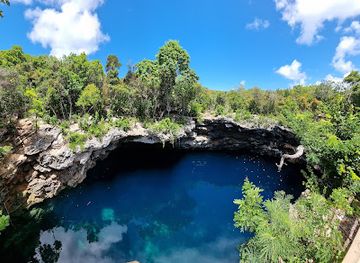
Sapphire Blue Hole
Explore the breathtaking Sapphire Blue Hole in Eleuthera, Bahamas – a stunning natural sinkhole perfect for swimming, snorkeling, and relaxation.
-
Park
Salina Point public park
Explore the tranquil beauty of Salina Point Public Park, a serene oasis in the Bahamas perfect for relaxation, picnics, and stunning sunset views.
-
Historical landmark
Castle Island Lighthouse
Explore the captivating Castle Island Lighthouse, a historical landmark in the Bahamas offering stunning ocean views and rich maritime history.
-
Park
Acklins Public Dock and Park
Discover the tranquil beauty of Acklins Public Dock and Park, a serene escape in Delecatable Bay Settlement, perfect for relaxation and scenic views.


Best landmarks in Crooked Island
Bird Rock Lighthouse is Crooked Island’s most recognisable maritime landmark, standing as a reminder of the navigational dangers presented by reefs, shoals and the busy sea routes of the nineteenth-century Bahamas. Its remote setting and access conditions make local advice important. Colonel Hill, the principal settlement, is the island’s main historic and civic reference point, with churches, older houses and community buildings that illustrate the continuity of settlement on elevated ground. Across the island, plantation remnants, old wells, cemeteries and weathered stonework are less monumental but historically valuable, preserving evidence of agriculture, enslavement, emancipation and later rural life. The Crooked Island Passage itself is a geographical landmark: its shallow, open waters helped shape trade, fishing and communication between Crooked Island, Acklins and neighbouring islands. Coastal flats, mangrove edges and broad Atlantic beaches provide the island’s natural landmarks, changing character with tide, wind and light. Rather than a dense collection of grand architecture, Crooked Island offers a dispersed historic landscape in which small structures, navigational features and coastal geography explain how people lived and travelled here.
-
Tourist attraction
Bird Rock Lighthouse
Discover the enchanting Bird Rock Lighthouse, a coastal treasure offering breathtaking views, rich history, and a serene beach experience.

Explore Crooked Island on the map
Plan your trip on one map. See where the top cities, national parks and sights are, and book hotels and experiences in a few clicks.
Best hotels in Crooked Island
Best restaurants in Crooked Island
Dining on Crooked Island is modest, local and closely tied to advance arrangements. Visitors are most likely to eat at accommodation properties, small informal establishments or private kitchens rather than a concentrated restaurant district. Seafood, fish, conch, peas and rice, fresh vegetables, fried dishes and simple grilled meals reflect the broader Bahamian table, while daily availability depends on catches, deliveries and weather. Conch salad or cracked conch may appear where supplies allow, but menus should not be assumed in advance. Local fish, including seasonally available reef or pelagic varieties, is often a more realistic speciality than an elaborate restaurant menu. Breakfast provisions, packed lunches and drinks are useful for exploring the island, particularly beyond Colonel Hill. Ask hosts where food can be obtained and whether a meal needs ordering ahead; a small community may not be able to serve unexpected diners. US dollars and Bahamian dollars are commonly used, but payment methods vary, so cash remains practical. The emphasis is on fresh, uncomplicated food and the social experience of eating within a small island community.
-
Seafood
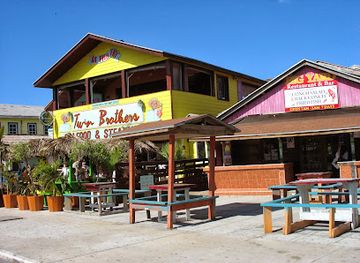
Twin Brothers
Experience authentic Bahamian seafood at Twin Brothers in Nassau—where fresh flavors meet island hospitality.
-
Restaurant
Twisted Lime Sports Bar & Grill
Experience the ultimate dining adventure at Twisted Lime Sports Bar & Grill in Nassau—where great food meets sports excitement!
-
Restaurant
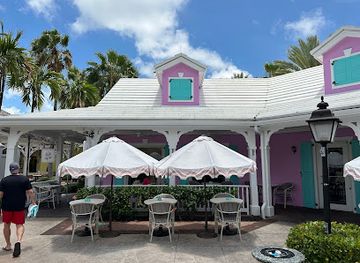
The Green Parrot - Harbour Front
Discover the vibrant flavors of Nassau at The Green Parrot - your ultimate dining destination by the harbour.
-
Caribbean
Curly's Restaurant and Bar
Experience authentic Caribbean flavors at Curly's Restaurant and Bar in Nassau – where delicious cuisine meets vibrant island culture.


Best bars in Crooked Island
Crooked Island does not have a major nightclub scene or a concentrated late-night entertainment district. Evening social life is more likely to centre on a local bar, a small restaurant, a guesthouse, community occasions or informal gatherings arranged through residents. The atmosphere is generally quiet, and opening arrangements can be irregular, particularly outside Colonel Hill. Some visitors prefer sunset beside the coast, an early dinner or conversation with hosts to a formal night out. Local music and celebrations may occur, but dates and venues should be confirmed locally rather than assumed from general Bahamas event listings. Drink responsibly, arrange a safe way back to accommodation and remember that roads may be dark, poorly lit or uneven. Travellers seeking extensive clubs, live-music programming or late-night dining should plan those activities in Nassau or another larger Bahamian centre rather than expecting them on Crooked Island.
-
Restaurant
Twisted Lime Sports Bar & Grill
Experience the vibrant flavors and energetic atmosphere of Twisted Lime Sports Bar & Grill in Nassau, where delicious food meets sports excitement.
-
Bar
Tiki Bikini Hut
Experience the vibrant atmosphere of Tiki Bikini Hut on Junkanoo Beach, where tropical drinks and lively entertainment await you.
-
Restaurant
The Green Parrot - Harbour Front
Experience vibrant dining and stunning harbor views at The Green Parrot in Nassau, where Bahamian flavors come alive.
-
Restaurant
Cricket Club Restaurant & Pub
Discover the flavors of the Bahamas at Cricket Club Restaurant & Pub, a vibrant spot for authentic cuisine and sports entertainment in Nassau.


Best nightclubs in Crooked Island
Crooked Island does not have a major nightclub scene or a concentrated late-night entertainment district. Evening social life is more likely to centre on a local bar, a small restaurant, a guesthouse, community occasions or informal gatherings arranged through residents. The atmosphere is generally quiet, and opening arrangements can be irregular, particularly outside Colonel Hill. Some visitors prefer sunset beside the coast, an early dinner or conversation with hosts to a formal night out. Local music and celebrations may occur, but dates and venues should be confirmed locally rather than assumed from general Bahamas event listings. Drink responsibly, arrange a safe way back to accommodation and remember that roads may be dark, poorly lit or uneven. Travellers seeking extensive clubs, live-music programming or late-night dining should plan those activities in Nassau or another larger Bahamian centre rather than expecting them on Crooked Island.
-
Night club
Xscape Lounge & Nightclub
Discover the nightlife of Nassau at Xscape Lounge & Nightclub, where vibrant energy meets unforgettable entertainment in the heart of the Bahamas.
-
Bar
The Dilly Club
Experience the vibrant atmosphere and tropical flavors at The Dilly Club in Paradise Island, the ultimate bar destination for travelers.
-
Bar
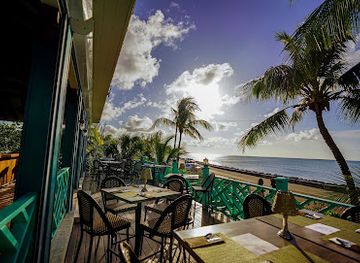
Sunset Beach Club
Discover the vibrant Sunset Beach Club in Nassau, where refreshing cocktails meet breathtaking sunset views along the beautiful Caribbean coastline.
-
Night club
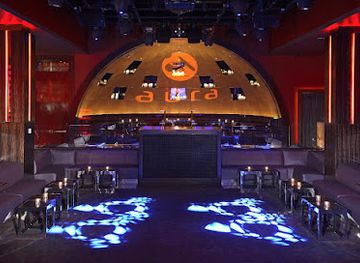
Aura
Discover the vibrant nightlife of Aura Nightclub on Paradise Island, where music, dance, and cocktails create unforgettable experiences.

Best shops in Crooked Island
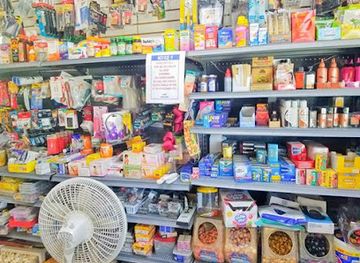
Shopping on Crooked Island is limited and practical, with no large retail centre or extensive souvenir district. Colonel Hill is the most useful place to ask about everyday provisions, locally made goods and available services, while smaller communities may have only occasional supplies. Visitors may find fresh fish, conch or other local produce through informal arrangements, subject to season and availability, but should not remove marine life or buy shells and archaeological material. Locally made craft items, artwork or small island souvenirs may be available from residents or accommodation providers, although stock is not guaranteed. Bring specialist equipment, toiletries and preferred snacks from Nassau or another larger Bahamian centre, since deliveries and retail choice are constrained by the island’s remote position. A useful local purchase is often an arranged meal, fishing trip or guided excursion rather than a manufactured souvenir. Confirm prices and payment methods beforehand, carry cash and remember that quiet communities may not operate on fixed shop hours. Shopping here is best understood as supporting local services and producers while acquiring only what the island can sustainably provide.
-
Restaurant
Gibson’s Restaurant #2
Experience the flavors of Landrail Point Settlement at Gibson’s Restaurant #2, where local ingredients meet culinary excellence in a warm, inviting atmosphere.
-
Grocery store
Green Valley Foodstore
Discover the rich flavors of the Bahamas at Green Valley Foodstore, your one-stop shop for local produce and unique culinary treasures.
-
 Cell phone store
BTC
Discover BTC, the top cell phone store in Landrail Point Settlement, offering the latest devices and exceptional service for tourists and locals.
-
Grocery store
Scavela's Convience Store
Experience local flavors and essentials at Scavela's Convenience Store in Landrail Point Settlement, your go-to grocery stop for the ultimate island experience.


Get your free copy of our complete guide to Crooked Island, delivered straight to you.
Everything on this page, from attractions and restaurants to essentials and local phrases, in one PDF you can read offline, print or share.
Already have an account? Sign in
Your Crooked Island guide is ready.
We'll send it to · Not you? Sign out

Getting your guide ready…
We are putting together a fresh copy of the Crooked Island guide. This can take up to a minute.
This can take a few moments. If your browser asks, choose Allow so the download can start. You'll find the guide in your Downloads folder.
Nothing happened? Download it again
Sorry, the guide is taking longer than usual. Please try again in a minute, or get it by email instead.
Crooked Island essentials
Currency and Payment
Safety
Emergency Situations
Do's and Don'ts
Local Tips
From Eve
Local phrases worth knowing
You don't need to get them perfect. A few words go a long way, and locals appreciate the effort.
Basics
| English | Local | Say it |
|---|---|---|
| Hello | Wah gwan | [Wah gwahn] |
| Goodbye | Lata | [Lah-tah] |
| Yes | Yea | [Yea] |
| No | Nah | [Nah] |
| Please/You’re welcome | No problem | [Noh prob-lem] |
| Thank you | Tank you | [Tahnk yuh] |
| Excuse me/Sorry | Sorry | [Soh-ree] |
| How are you? | How yuh doin'? | [How yuh doin'?] |
| Fine. And you? | I good, an yuh? | [I good, an yuh?] |
| Do you speak English? | Yuh speak English? | [Yuh speak English?] |
| I don't understand | I noh understand | [I noh un-der-stand] |
Eating & Drinking
| English | Local | Say it |
|---|---|---|
| I'd like to see the menu, please | Can I see di menu, please? | [Can I see dee men-u, please?] |
| I don't eat meat | I noh eat meat | [I noh eet meat] |
| Cheers! | Cheers! | [Cheers!] |
| I would like to pay, please | I would like to pay, please | [I wood like to pay, please] |
Emergencies
| English | Local | Say it |
|---|---|---|
| Help! | Help! | [Help!] |
| Go away! | Guh way! | [Guh way!] |
| Call the Police! | Call di Police! | [Call dee Po-leese!] |
| Call a doctor! | Call a doctor! | [Call a doc-tor!] |
| I'm lost | I lost | [I lost] |
| I'm ill | I sick | [I sick] |
Shopping
| English | Local | Say it |
|---|---|---|
| I'd like to buy... | I want to buy... | [I want to buy...] |
| I'm just looking | I just lookin' | [I just look-in'] |
| How much is it? | How much dis? | [How much dis?] |
| That's too expensive | Dat too pricey | [Dat too pry-see] |
| Can you lower the price? | Can yuh lower di price? | [Can yuh low-er dee pryce?] |
Time & Numbers
| English | Local | Say it |
|---|---|---|
| What time is it? | Wah time it? | [Wah time it?] |
| It's one o'clock | It's one o'clock | [It's one o'clock] |
| Half past (10) | Half past ten | [Half past ten] |
| Morning | Mornin' | [Morn-in'] |
| Afternoon | Afternoon | [Af-ter-noon] |
| Evening | Evenin' | [Eve-nin'] |
| Yesterday | Yestiday | [Yes-ti-day] |
| Today | Today | [To-day] |
| Tomorrow | Tomorrow | [To-mor-row] |
| 1 | One | [One] |
| 2 | Two | [Two] |
| 3 | Three | [Three] |
| 4 | Four | [Four] |
| 5 | Five | [Five] |
| 6 | Six | [Six] |
| 7 | Seven | [Seven] |
| 8 | Eight | [Eight] |
| 9 | Nine | [Nine] |
| 10 | Ten | [Ten] |
Transport & Directions
| English | Local | Say it |
|---|---|---|
| Where's a/the...? | Where di...? | [Where dee...?] |
| What's the address? | Wah di address? | [Wah dee ad-dress?] |
| Can you show me (on the map)? | Can yuh show me (pon di map)? | [Can yuh show me (pon dee map)?] |
| When's the next (bus)? | When di next (bus)? | [When dee next (bus)?] |
| A ticket (to ....) | A ticket (to...)? | [A tick-et (to...)?] |
History of Crooked Island
Lucayan Settlement before European Colonisation
Before European arrival, Lucayan communities occupied Crooked Island and the surrounding islands of the Bahamian archipelago. They used the rich marine environment for fishing, gathering and travel between islands, while living within a wider network connected by shallow waters and coastal routes. European colonisation brought disease, enslavement and forced removal, causing the rapid destruction of Lucayan society in the early sixteenth century. Archaeological traces across the southern Bahamas remain important evidence of this earlier human landscape.
Spanish Rule and the Early Colonial Era
Following Christopher Columbus’s 1492 voyage through the Bahamas, the islands were drawn into Spanish imperial routes, although permanent settlement on Crooked Island remained limited. The removal of Lucayan people and the dangers of the surrounding reefs shaped the island’s early colonial history. For much of the seventeenth century, the Bahamas were only lightly governed by European powers, leaving the islands exposed to privateering, wrecking and changing maritime traffic through the passages between them.
British Settlement and Plantation Agriculture
British influence became decisive in the eighteenth century, when settlers and Loyalists established communities across the southern Bahamas. Crooked Island supported plantations producing cotton and other crops, using enslaved labour within the colonial economy. Estate landscapes, wells, walls and scattered ruins reflect this period, although many structures have been reclaimed by vegetation or weather. The plantation economy declined after the abolition of slavery in the British Empire and the loss of cotton markets, prompting a shift towards fishing, farming and maritime livelihoods.
Salt Production and Maritime Trade
Salt making was an important activity in several Bahamian islands, including the shallow ponds and flats of the southern island districts. Crooked Island’s position beside a navigable passage also connected it with inter-island trade, fishing and shipping. Salt, agricultural goods and marine products moved through small settlements and coastal landings, while boats were essential for communication. This maritime orientation helps explain why the island’s history is recorded not only in buildings but also in landing places, ponds and navigational features.
Lighthouses and Safer Navigation
The growth of regional shipping increased the need for dependable coastal navigation. Bird Rock Lighthouse, on Crooked Island, belongs to the nineteenth-century system of lights created to guide vessels through the Bahamas’ reefs, banks and passages. Its presence reflects the hazards faced by ships and the strategic importance of the southern islands. Even where the surrounding communities remained small, lighthouse infrastructure linked Crooked Island to the wider commercial and administrative development of the British Bahamas.
Modern Bahamian Island Life
After the decline of plantations and the gradual transformation of the colonial economy, Crooked Island’s population remained comparatively small and its livelihoods centred on fishing, small-scale agriculture, boat work, public services and connections with neighbouring islands. The Bahamas became an independent country in 1973, while Crooked Island continued as part of the southern island districts. Modern life has brought air links, communications and improved roads, but the island retains a dispersed settlement pattern and a strong dependence on local knowledge and imported supplies.
Crooked Island in Photos
Browse through our photo collection highlighting the charm and character of the destination.
Neighbouring regions of Crooked Island
The closest regions to Crooked Island, if you have time for more than one.
-

-

-

-

-


Swipe for more regions
Explore more

Explore more of The Bahamas
Discover The Bahamas: A Caribbean getaway with stunning beaches, vibrant culture, and endless adventures. Perfect for relaxation, exploration, and unforgettable memories.
Explore The Bahamas