

Free Ragged Island Travel Guide & Mobile App
Explore Ragged Island with free travel guides. Discover regional history, expert tips, proposed trips, and audio guides on web or mobile app.


Ragged Island in The Bahamas offers quiet out-island landscapes, historic salt ponds, fishing culture and a remote Atlantic escape.
Read more about Ragged Island
When is the best time to visit Ragged Island?
Best: January–March · 25–27°C| Month | High (°C) | Rainfall (mm) |
|---|---|---|
| January (best) | 25 | 50 |
| February (best) | 25 | 45 |
| March (best) | 27 | 40 |
| April | 28 | 50 |
| May | 30 | 60 |
| June | 32 | 70 |
| July | 32 | 80 |
| August | 32 | 90 |
| September | 32 | 100 |
| October | 30 | 90 |
| November | 28 | 80 |
| December | 26 | 70 |
Getting to and around Ragged Island
How to get there
Transportation
Best attractions in Ragged Island
Ragged Island’s attractions are primarily landscapes, community life and maritime experiences rather than ticketed sights. The salt ponds near Duncan Town provide the clearest link with the island’s historic economy, with broad, open views that change according to light, water levels and weather. Walks around the settlement reveal churches, homes, boats and practical buildings that together explain how a small out-island functions. Angling, boating, swimming in suitable conditions and shoreline observation can be arranged locally, although every activity depends on weather, tides and available equipment. The surrounding waters are important for fishing and may offer opportunities to see seabirds and marine life without the infrastructure of a commercial excursion centre. Visitors interested in photography will find strong contrasts between pale limestone, scrub, reflective ponds and deep blue water, but should respect private land and working areas. Ragged Island is also attractive as a place to observe Bahamian out-island resilience, including the continuing adaptation of the community after major storms and the use of renewable-energy infrastructure. There are few conventional family attractions, museums or landscaped gardens, so the island rewards travellers who value quiet observation, local conversation and an unhurried relationship with its natural surroundings.
-
Flea market
Nassau Straw Market
Explore Nassau Straw Market, a vibrant hub for authentic Bahamian crafts, souvenirs, and local culture, perfect for every traveler.
-
Tourist attraction
Sandy Toes, Bahamas
Experience the serene beauty of Sandy Toes in the Bahamas, where pristine beaches and vibrant marine life await your exploration.
-
Beach
Tropic of Cancer Beach
Experience the tranquility of Tropic of Cancer Beach, a captivating paradise in the Exuma Cays with stunning sands and crystal-clear waters.
-
Botanical garden
Garden of the Groves
Explore the Garden of the Groves, a lush oasis in Freeport, Bahamas, where vibrant flora and serene landscapes await your discovery.


Best landmarks in Ragged Island
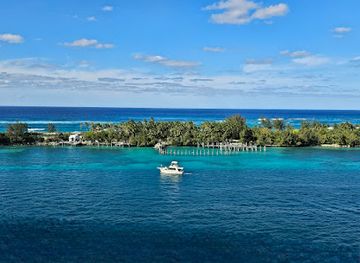
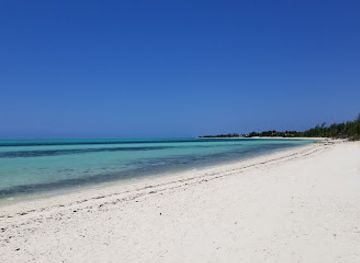
The most distinctive landmark landscape on Ragged Island is formed by the salt ponds associated with the island’s former commercial salt industry. Their geometric, shallow-water expanses contrast with low scrub, limestone ground and the surrounding blue sea, making them both geographical features and records of human labour. Duncan Town is the island’s principal built landmark in the broadest sense: its modest streets, churches, homes, boats and communal buildings express the continuity of a small settlement whose identity is tied to fishing, seafaring and mutual dependence. The shoreline and surrounding banks are also important natural reference points, although they are exposed environments rather than formal monuments. There are no large castles, cathedrals or monumental civic structures to dominate the island, and that absence is part of its character. Ragged Island’s landmarks are understated and dispersed, best understood through their relationship to salt, weather, transport and the sea. Visitors should seek local guidance before approaching working ponds, private property, boat berths or structures affected by storm damage.
-
Island
Little Ragged Island
Experience the pristine beauty and serenity of Little Ragged Island, an untouched paradise in the Bahamas, perfect for relaxation and adventure.
-
 Island
Flamingo Cay
Explore the untouched beauty of Flamingo Cay, a serene island paradise perfect for snorkeling and relaxation in the heart of the Bahamas.

Explore Ragged Island on the map
Plan your trip on one map. See where the top cities, national parks and sights are, and book hotels and experiences in a few clicks.
Best hotels in Ragged Island
Best restaurants in Ragged Island
Dining on Ragged Island is shaped by availability, local hospitality and the practical realities of an isolated community rather than by a large restaurant industry. Meals may need to be arranged through accommodation providers or local contacts, and visitors should confirm provisions before arrival. Bahamian cooking commonly draws on fresh or locally caught fish, conch where legally and sustainably available, peas and rice, vegetables, johnnycake and other home-style staples; what is served on a particular day depends on weather, fishing conditions and supplies brought from elsewhere. Informal meals and community-based hospitality can offer a more useful introduction to island life than expecting a choice of cafés or formal dining rooms. Carrying a modest reserve of snacks and drinking water is sensible, while food waste should be minimised because disposal and resupply are difficult. The strongest culinary impression is likely to come from the relationship between seafood, seafaring and self-reliance, rather than from a branded dining scene.
-
Seafood
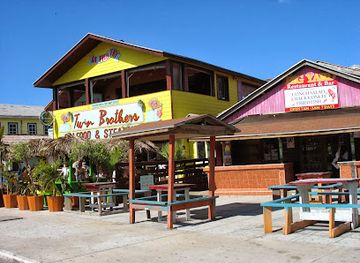
Twin Brothers
Experience authentic Bahamian seafood at Twin Brothers in Nassau – where every meal is a celebration of flavor and hospitality.
-
Restaurant
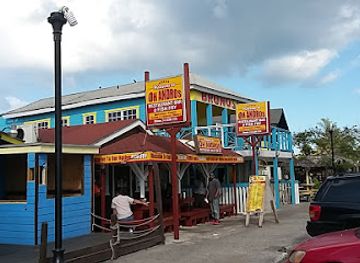
Oh Andros
Experience authentic Bahamian cuisine at Oh Andros in Nassau – where flavor meets island hospitality.
-
Seafood
Poop Deck
Discover delicious seafood at The Poop Deck in Nassau, where fresh flavors meet stunning ocean views for an unforgettable dining experience.
-
Restaurant
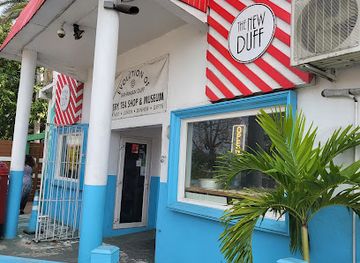
The New Duff
Experience the best of Bahamian cuisine at The New Duff, where delightful breakfasts meet a cozy tea store atmosphere.

Best bars in Ragged Island
Ragged Island has no substantial nightclub or late-night entertainment district. Evening life is more likely to centre on private gatherings, locally arranged meals, community occasions and quiet conversation than on a commercial bar circuit. Any available drinking venue or informal social space may operate on a limited or changing basis, so visitors should ask locally rather than assume fixed opening hours or a broad selection of drinks. The island’s small scale makes respectful behaviour especially important: keep noise low near homes, follow local guidance and do not treat community spaces as resort facilities. After dark, the absence of urban lighting can make the night sky and open horizon part of the experience, although visitors should carry a torch and avoid walking unfamiliar shorelines at night. Those seeking concerts, clubs or a wide choice of bars will need to look to larger Bahamian population centres rather than Ragged Island.
-
Bar
Tiki Bikini Hut
Experience the vibrant ambiance of Tiki Bikini Hut on Junkanoo Beach, where tropical drinks and live music meet stunning views.
-
Grill
Chat 'N' Chill Beach Bar & Grill
Experience the vibrant flavors and laid-back vibes of Chat 'N' Chill Beach Bar & Grill on Stocking Island, where every meal is a seaside celebration.
-
Bar
Da Daiquiri Shack
Discover the refreshing daiquiris of Da Daiquiri Shack in Nassau, where tropical flavors and a vibrant atmosphere await every visitor.
-
Restaurant
Santanna's Bar & Grill
Experience the vibrant flavors and stunning views at Santanna's Bar & Grill in William's Town, the perfect dining destination in the Bahamas.


Best nightclubs in Ragged Island
Ragged Island has no substantial nightclub or late-night entertainment district. Evening life is more likely to centre on private gatherings, locally arranged meals, community occasions and quiet conversation than on a commercial bar circuit. Any available drinking venue or informal social space may operate on a limited or changing basis, so visitors should ask locally rather than assume fixed opening hours or a broad selection of drinks. The island’s small scale makes respectful behaviour especially important: keep noise low near homes, follow local guidance and do not treat community spaces as resort facilities. After dark, the absence of urban lighting can make the night sky and open horizon part of the experience, although visitors should carry a torch and avoid walking unfamiliar shorelines at night. Those seeking concerts, clubs or a wide choice of bars will need to look to larger Bahamian population centres rather than Ragged Island.
-
Night club
Xscape Lounge & Nightclub
Discover Nassau's nightlife at Xscape Lounge & Nightclub, where music, dancing, and good vibes create unforgettable experiences.
-
Bar
The Dilly Club
Discover The Dilly Club in Paradise Island, where vibrant cocktails and a lively atmosphere create the perfect tropical escape for tourists.
-
Bar
Sunset Beach Club
Experience the vibrant atmosphere of Sunset Beach Club, a paradise bar in Nassau offering refreshing drinks and stunning ocean views.
-
Night club
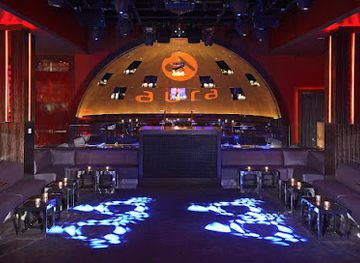
Aura
Discover the electrifying nightlife at Aura Nightclub in Paradise Island, where unforgettable nights await with top DJs and a vibrant atmosphere.


Best shops in Ragged Island
Shopping on Ragged Island is limited and practical rather than designed for souvenir tourism. Duncan Town may provide occasional access to basic provisions through local arrangements, but visitors should not expect a conventional high street, supermarket selection, craft market or reliable range of gifts. Bring essential personal items, specialist equipment, snacks and any preferred toiletries before travelling, particularly if your stay extends beyond a short visit. Local products or handmade items may sometimes be available through community contacts, but their availability is not guaranteed and should never be assumed. The most meaningful purchases, when offered, are likely to be small locally made crafts, artwork or food products connected with island life rather than mass-produced souvenirs. Ask permission before entering private premises or photographing items, and pay fairly for locally produced goods. Ragged Island’s historic salt landscape and fishing culture provide context for understanding the place, but visitors should not expect packaged salt or branded island merchandise to be consistently available.
-
Flea market
Nassau Straw Market
Discover the vibrant Nassau Straw Market, a treasure trove of handmade crafts and local culture in the heart of the Bahamas.
-
Shopping mall
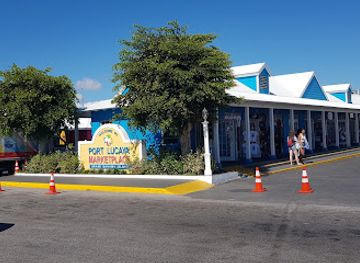
Port Lucaya Marketplace
Explore the vibrant Port Lucaya Marketplace for unique shopping, exquisite dining, and a taste of Bahamian culture in Freeport, Bahamas.
-
Jewelry store
Allure Jewels International
Discover exquisite jewelry and unique treasures at Allure Jewels International in Nassau, the perfect shopping destination for tourists seeking elegance.
-
Shopping mall
Crystal Court Shops
Discover a world of luxury shopping at Crystal Court Shops, where upscale brands meet the beauty of Paradise Island.



Get your free copy of our complete guide to Ragged Island, delivered straight to you.
Everything on this page, from attractions and restaurants to essentials and local phrases, in one PDF you can read offline, print or share.
Already have an account? Sign in
Your Ragged Island guide is ready.
We'll send it to · Not you? Sign out

Getting your guide ready…
We are putting together a fresh copy of the Ragged Island guide. This can take up to a minute.
This can take a few moments. If your browser asks, choose Allow so the download can start. You'll find the guide in your Downloads folder.
Nothing happened? Download it again
Sorry, the guide is taking longer than usual. Please try again in a minute, or get it by email instead.
Ragged Island essentials
Currency and Payment
Safety
Emergency Situations
Do's and Don'ts
Local Tips
From Eve
Local phrases worth knowing
You don't need to get them perfect. A few words go a long way, and locals appreciate the effort.
Basics
| English | Local | Say it |
|---|---|---|
| Hello | Wah gwan | [Wah gwan] |
| Goodbye | Lata | [Lata] |
| Yes | Yea | [Yea] |
| No | Naw | [Naw] |
| Please/You're welcome | Pleez | [Pleez] |
| Thank you | Tank yuh | [Tank yuh] |
| Excuse me/Sorry | Scuse me | [Scuse me] |
| How are you? | How yuh doin’? | [How yuh doin’?] |
| Fine. And you? | I’m good. An yuh? | [I’m good. An yuh?] |
| Do you speak English? | Yuh speak English? | [Yuh speak English?] |
| I don't understand | I no understand | [I no understand] |
Eating & Drinking
| English | Local | Say it |
|---|---|---|
| I'd like to see the menu, please | Can I see di menu, please? | [Can I see di menu, please?] |
| I don't eat meat | I no eat meat | [I no eat meat] |
| Cheers! | Cheers! | [Cheers!] |
| I would like to pay, please | I wan pay, please | [I wan pay, please] |
Emergencies
| English | Local | Say it |
|---|---|---|
| Help! | Help! | [Help!] |
| Go away! | Go way! | [Go way!] |
| Call the Police! | Call di police! | [Call di police!] |
| Call a doctor! | Call a doctor! | [Call a doctor!] |
| I'm lost | I lost | [I lost] |
| I'm ill | I sick | [I sick] |
Shopping
| English | Local | Say it |
|---|---|---|
| I'd like to buy... | I wan buy... | [I wan buy...] |
| I'm just looking | I jus lookin’ | [I jus lookin’] |
| How much is it? | How much dat? | [How much dat?] |
| That's too expensive | Dat too high | [Dat too high] |
| Can you lower the price? | Can yuh drop di price? | [Can yuh drop di price?] |
Time & Numbers
| English | Local | Say it |
|---|---|---|
| What time is it? | Wah time it? | [Wah time it?] |
| It's one o'clock | It one o'clock | [It one o'clock] |
| Half past (10) | Half past ten | [Half past ten] |
| Morning | Mornin’ | [Mornin’] |
| Afternoon | Afternoon | [Afternoon] |
| Evening | Evenin’ | [Evenin’] |
| Yesterday | Yesterday | [Yesterday] |
| Today | Today | [Today] |
| Tomorrow | Tomorrow | [Tomorrow] |
| 1 | One | [One] |
| 2 | Two | [Two] |
| 3 | Three | [Three] |
| 4 | Four | [Four] |
| 5 | Five | [Five] |
| 6 | Six | [Six] |
| 7 | Seven | [Seven] |
| 8 | Eight | [Eight] |
| 9 | Nine | [Nine] |
| 10 | Ten | [Ten] |
Transport & Directions
| English | Local | Say it |
|---|---|---|
| Where's a/the...? | Whey di...? | [Whey di...?] |
| What's the address? | Wah di address? | [Wah di address?] |
| Can you show me (on the map)? | Can yuh show me (pon di map)? | [Can yuh show me (pon di map)?] |
| When's the next (bus)? | When di next (bus)? | [When di next (bus)?] |
| A ticket (to ....) | A ticket (to ...) | [A ticket (to ...)] |
History of Ragged Island
Lucayan and Early European Context
Before European colonisation, the wider Bahamian archipelago was inhabited by Lucayan communities who travelled between islands and made extensive use of marine resources. European arrival brought disease, enslavement and profound disruption, and the Indigenous population was largely destroyed or displaced during the early colonial period. Ragged Island’s later history is therefore principally associated with the resettlement and development of the island under British rule, rather than with a surviving pre-colonial community or a large archaeological record visible to ordinary visitors.
British Settlement and Out-Island Development
Ragged Island developed within the British colonial Bahamas, whose scattered settlements depended on maritime skill, small-scale agriculture, fishing and trade. Duncan Town became the island’s principal community, providing a social and practical centre for residents working across the island and its surrounding waters. As on other Bahamian out-islands, distance from Nassau shaped daily life: supplies arrived by sea or limited air connections, and local residents relied heavily on cooperation, boat knowledge and adaptation to changing weather.
The Salt Industry in the Nineteenth Century
Salt production became the defining historical industry of Ragged Island. Shallow ponds could be managed so that seawater evaporated under the Bahamian sun, leaving salt for collection and shipment. The work was labour-intensive and closely tied to tides, rainfall, seasonal weather and maritime transport. Although commercial salt production no longer structures the island’s economy as it once did, the ponds and associated open landscapes remain important reminders of the period when Ragged Island was connected to regional trade through a specialised export industry.
Fishing, Seafaring and Community Life
As the importance of salt declined, fishing and other maritime activities continued to support Ragged Island’s residents. The surrounding banks and channels have encouraged a practical culture of boat handling, angling and marine knowledge, while household life has remained centred on Duncan Town and its community institutions. This history is expressed less through large museums or monumental buildings than through boats, local stories, working shorelines, churches, roads and the continuing importance of dependable connections with other Bahamian islands.
Storms and the Vulnerability of a Low-Lying Island
Ragged Island’s position in the southern Bahamas has exposed it to hurricanes and tropical storms, events that can damage homes, utilities, transport links and communications simultaneously. Hurricane Joaquin in 2015 caused serious disruption across parts of the southern Bahamas, while later storms and recovery efforts reinforced the challenges faced by small, remote communities. Storm damage has also encouraged attention to stronger infrastructure, renewable energy and more resilient services, although the island remains highly dependent on weather and external logistics.
Modern Renewal and Sustainable Infrastructure
Recent efforts to strengthen Ragged Island have included improvements to essential infrastructure and interest in renewable energy suited to an isolated settlement. Solar power and more resilient public services are especially significant where fuel, repairs and replacement equipment must travel long distances. These developments form part of a broader Bahamian conversation about sustaining out-island communities while protecting marine and coastal environments. For visitors, the result is a destination where contemporary resilience sits alongside the older landscape of salt ponds, fishing and small-scale island settlement.
Ragged Island in Photos
Browse through our photo collection highlighting the charm and character of the destination.
Neighbouring regions of Ragged Island
The closest regions to Ragged Island, if you have time for more than one.
-

-

-

-

-


Swipe for more regions
Explore more

Explore more of The Bahamas
Discover The Bahamas: A Caribbean getaway with stunning beaches, vibrant culture, and endless adventures. Perfect for relaxation, exploration, and unforgettable memories.
Explore The Bahamas