

Free Mayaguana Travel Guide & Mobile App
Explore Mayaguana with free travel guides. Discover regional history, expert tips, proposed trips, and audio guides on web or mobile app.


Mayaguana in The Bahamas offers quiet beaches, clear waters, scattered settlements and remote island travel for independent, well-prepared visitors.
Read more about Mayaguana
When is the best time to visit Mayaguana?
Best: January–March · 26–27°C| Month | High (°C) | Rainfall (mm) |
|---|---|---|
| January (best) | 26 | 60 |
| February (best) | 26 | 50 |
| March (best) | 27 | 40 |
| April | 28 | 50 |
| May | 29 | 60 |
| June | 30 | 70 |
| July | 31 | 80 |
| August | 32 | 90 |
| September | 31 | 100 |
| October | 30 | 90 |
| November | 28 | 80 |
| December | 27 | 70 |
Getting to and around Mayaguana
How to get there
Transportation
Explore Mayaguana on the map
Plan your trip on one map. See where the top cities, national parks and sights are, and book hotels and experiences in a few clicks.
Best hotels in Mayaguana
Best restaurants in Mayaguana
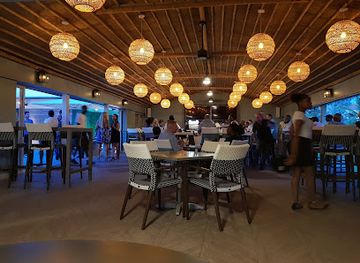
Dining on Mayaguana is intimate and limited in range, with meals usually found through accommodation providers, small local establishments or arrangements made in the settlements rather than a concentrated restaurant scene. Bahamian cooking commonly draws on fresh fish, conch, peas and rice, seafood soups, fried dishes, baked goods and locally available produce, although menus and supplies depend on fishing, deliveries and weather. Conch salad, cracked conch and grilled or stewed fish may be available when ingredients are fresh, but visitors should not expect every dish every day. Small shops can provide basic provisions, yet self-catering guests should bring specialist foods, snacks and dietary supplies from a larger island. Ask before arriving about meal arrangements, advance notice and payment methods. Local dining is less about formal choice than about seasonal ingredients, practical hospitality and the rhythms of a remote community.
-
 Restaurant
TNT Bar
Discover TNT Bar: A lively restaurant in Upper Pirate Well offering delicious food and an energetic atmosphere perfect for unwinding after exploring.
Best bars in Mayaguana
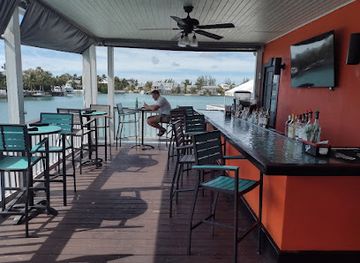
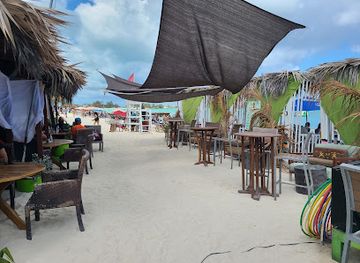
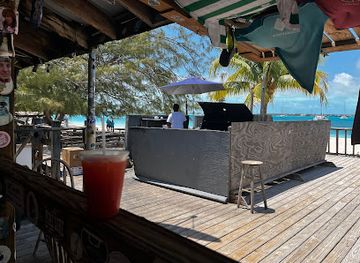
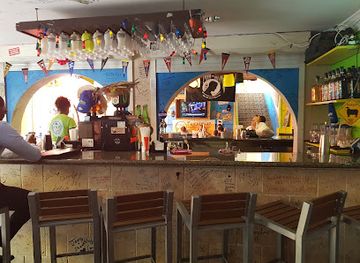
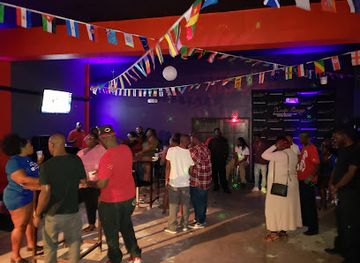
Mayaguana does not have a developed nightclub district or a resort-style evening economy. Nightlife is generally centred on small bars, informal gatherings, restaurants and community occasions in or near the settlements, with evenings often shaped by conversation, music and the pace of island life rather than late closing times. Abraham's Bay is the likeliest place to find social activity, while Betsy Bay and Pirate's Well are quieter and more dependent on local arrangements. Visitors should not assume that venues operate every night or accept cards. Respect residential surroundings, arrange a safe way back to accommodation and avoid treating local bars as tourism performances. Clear skies, beach walks where permitted and relaxed evenings at a guesthouse can be more characteristic of Mayaguana than a conventional club scene.
-
Restaurant
Twisted Lime Sports Bar & Grill
Experience the vibrant atmosphere and delicious cuisine at Twisted Lime Sports Bar & Grill in Nassau, where sports and flavor meet.
-
Bar
Tiki Bikini Hut
Discover the vibrant atmosphere of Tiki Bikini Hut, a beachside bar in Nassau serving delightful cocktails and tasty bites with stunning ocean views.
-
Grill
Chat 'N' Chill Beach Bar & Grill
Experience the vibrant atmosphere and delicious cuisine at Chat 'N' Chill Beach Bar & Grill on stunning Volleyball Beach, Stocking Island.
-
Restaurant
The Bearded Clam Sports Bar & Restaurant
Discover the vibrant flavors and lively atmosphere at The Bearded Clam Sports Bar & Restaurant in Nassau, your perfect Bahamian dining destination.
Best nightclubs in Mayaguana
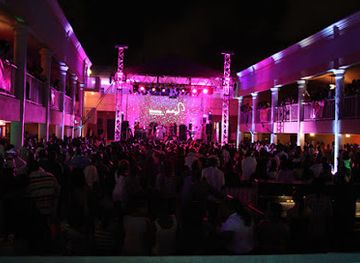
Mayaguana does not have a developed nightclub district or a resort-style evening economy. Nightlife is generally centred on small bars, informal gatherings, restaurants and community occasions in or near the settlements, with evenings often shaped by conversation, music and the pace of island life rather than late closing times. Abraham's Bay is the likeliest place to find social activity, while Betsy Bay and Pirate's Well are quieter and more dependent on local arrangements. Visitors should not assume that venues operate every night or accept cards. Respect residential surroundings, arrange a safe way back to accommodation and avoid treating local bars as tourism performances. Clear skies, beach walks where permitted and relaxed evenings at a guesthouse can be more characteristic of Mayaguana than a conventional club scene.
-
Night club
Xscape Lounge & Nightclub
Dive into the vibrant nightlife of Nassau at Xscape Lounge & Nightclub, where music, dance, and delicious cuisine create an unforgettable experience.
-
Night club
Waterloo
Discover the nightlife at Waterloo in Nassau, a captivating blend of dance, cocktails, and exquisite dining that embodies the spirit of the Bahamas.
-
Club
Club Luna
Dance the night away at Club Luna, Nassau’s premier nightlife destination, offering vibrant music and an array of delicious beverages.
-
Bar
Club Thunderstorm
Experience the vibrant nightlife at Club Thunderstorm in Abrahams Bay, where great drinks and a lively atmosphere await.
Best shops in Mayaguana
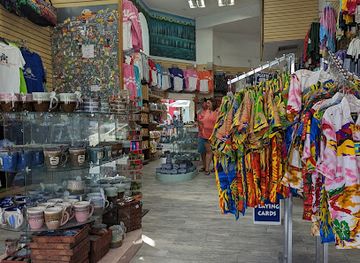
Shopping on Mayaguana is practical and small-scale rather than a major visitor activity. Abraham's Bay provides the best chance of finding everyday provisions, while smaller settlements have fewer supplies and more limited opening arrangements. Visitors may encounter locally made crafts, small artworks, shell-related souvenirs or handmade items through individual residents, but availability is informal and should never be assumed. The most useful purchases are often locally produced food, fish arranged through proper channels or small keepsakes bought directly from makers. Bring specialist toiletries, medicines, technical outdoor equipment and dietary products from Nassau or another larger gateway. Do not remove coral, archaeological material, protected shells or wildlife from the island, and choose souvenirs that do not place pressure on marine habitats. Cash in Bahamian or US dollars is useful for small transactions, since card facilities may be unavailable.
-
Flea market
Nassau Straw Market
Explore the colorful Nassau Straw Market for unique Bahamian crafts, local art, and an authentic shopping experience in the heart of Nassau.
-
Resort hotel
Baha Mar
Discover the luxurious Baha Mar resort in Nassau, Bahamas, where stunning beaches meet world-class amenities for an unforgettable getaway.
-
Shopping mall
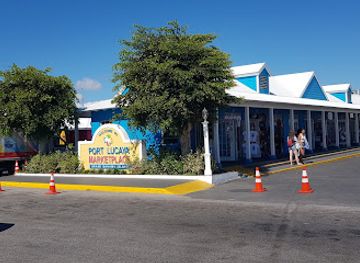
Port Lucaya Marketplace
Explore the Port Lucaya Marketplace, where shopping, dining, and Bahamian culture come together in a vibrant coastal paradise.
-
Resort hotel
Breezes Resort Bahamas All Inclusive
Discover the ultimate all-inclusive escape at Breezes Resort Bahamas, where stunning beaches and vibrant activities await every traveler.
Get your free copy of our complete guide to Mayaguana, delivered straight to you.
Everything on this page, from attractions and restaurants to essentials and local phrases, in one PDF you can read offline, print or share.
Already have an account? Sign in
Your Mayaguana guide is ready.
We'll send it to · Not you? Sign out

Getting your guide ready…
We are putting together a fresh copy of the Mayaguana guide. This can take up to a minute.
This can take a few moments. If your browser asks, choose Allow so the download can start. You'll find the guide in your Downloads folder.
Nothing happened? Download it again
Sorry, the guide is taking longer than usual. Please try again in a minute, or get it by email instead.
Mayaguana essentials
Currency and Payment
Safety
Emergency Situations
Do's and Don'ts
Local Tips
From Eve
Local phrases worth knowing
You don't need to get them perfect. A few words go a long way, and locals appreciate the effort.
Basics
| English | Local | Say it |
|---|---|---|
| Hello | Howdy | [Hau-dee] |
| Goodbye | See ya | [Si ya] |
| Yes | Yea | [Yea] |
| No | Nah | [Nah] |
| Please/You're welcome | No problem | [No prob-lem] |
| Thank you | Thanks | [Thangs] |
| Excuse me/Sorry | Sorry | [Sor-ree] |
| How are you? | How you doin'? | [Hau yu doin'?] |
| Fine. And you? | Good. And you? | [Gud. And yu?] |
| Do you speak English? | You speak English? | [Yu speek English?] |
| I don't understand | I no understand | [I no un-der-stand] |
Eating & Drinking
| English | Local | Say it |
|---|---|---|
| I'd like to see the menu, please | Can I see the menu? | [Kan I si the men-yu?] |
| I don't eat meat | I no eat meat | [I no eet meat] |
| Cheers! | Cheers! | [Cheers!] |
| I would like to pay, please | I wanna pay, please | [I wanna pay, pleez] |
Emergencies
| English | Local | Say it |
|---|---|---|
| Help! | Help! | [Help!] |
| Go away! | Get away! | [Get away!] |
| Call the Police! | Call the police! | [Kal the po-lees!] |
| Call a doctor! | Call a doctor! | [Kal a dok-ta!] |
| I'm lost | I lost | [I lost] |
| I'm ill | I sick | [I sik] |
Shopping
| English | Local | Say it |
|---|---|---|
| I'd like to buy... | I wanna buy... | [I wanna buy...] |
| I'm just looking | Just lookin' | [Just luk-in'] |
| How much is it? | How much dat? | [How much dat?] |
| That's too expensive | Dat too high | [Dat too hai] |
| Can you lower the price? | Can you drop the price? | [Kan yu drop the prais?] |
Time & Numbers
| English | Local | Say it |
|---|---|---|
| What time is it? | Wha time it be? | [Wha taim it bi?] |
| It's one o'clock | It one o'clock | [It wan o'clock] |
| Half past (10) | Half past ten | [Half past ten] |
| Morning | Mornin' | [Morn-in'] |
| Afternoon | Afternoon | [Af-ter-noon] |
| Evening | Evenin' | [Eve-nin'] |
| Yesterday | Yesterday | [Yes-ta-day] |
| Today | Today | [To-day] |
| Tomorrow | Tomorrow | [To-mor-row] |
| 1 | One | [Wan] |
| 2 | Two | [Tu] |
| 3 | Three | [Tree] |
| 4 | Four | [For] |
| 5 | Five | [Faiv] |
| 6 | Six | [Siks] |
| 7 | Seven | [Sev-en] |
| 8 | Eight | [Ait] |
| 9 | Nine | [Nain] |
| 10 | Ten | [Ten] |
Transport & Directions
| English | Local | Say it |
|---|---|---|
| Where's a/the...? | Wha's de...? | [Wha's de...?] |
| What's the address? | Wha's di address? | [Wha's di ad-dress?] |
| Can you show me (on the map)? | Can yu show me on di map? | [Kan yu sho me on di map?] |
| When's the next (bus)? | Wha time di next (bus)? | [Wha taim di next (bus)?] |
| A ticket (to ....) | A ticket to .... | [A tik-it to ....] |
History of Mayaguana
Lucayan settlement before European colonisation
Before European arrival, the Bahamas were inhabited by Lucayan communities, whose settlements and movement extended across the southern islands. Mayaguana's name is generally associated with the Lucayan world, although its precise linguistic interpretation is not certain. Archaeological traces across the archipelago show reliance on fishing, shellfish, farming and inter-island exchange. European contact brought disease, enslavement and forced removal, causing the rapid collapse of Lucayan society in the sixteenth century. The island's later history therefore developed on a landscape whose first inhabitants left a legacy that is often less visible than the colonial history encountered by visitors.
Spanish claims and the depopulation of the southern Bahamas
Following Columbus's voyages, Spain claimed the Bahamian archipelago, and Lucayan people were transported to work elsewhere in the Spanish Caribbean. By the early colonial period, many islands, including those in the south-east of The Bahamas, had been severely depopulated. Mayaguana's distance from the principal colonial centres meant that it remained lightly settled for long periods. This early phase shaped the island's later reputation as a remote outpost, while the wider Bahamas became a zone of competing imperial claims, maritime movement and intermittent settlement rather than a densely occupied colony.
British settlement and the Loyalist era
The Bahamas came under enduring British control during the eighteenth century, and migration from the American mainland increased after the American Revolutionary War. Loyalists and enslaved people arrived on several Bahamian islands, bringing new patterns of landholding, farming and coastal settlement. Mayaguana did not develop the large plantations associated with some other Caribbean colonies, but its communities were influenced by the same British legal, religious and economic framework. The island's settlements, churches and family networks reflect the gradual formation of a Bahamian society in which African heritage, maritime livelihoods and British colonial institutions were closely connected.
Fishing, farming and island self-reliance
For much of the nineteenth and twentieth centuries, Mayaguana's economy depended on activities suited to a small, dry island: fishing, subsistence agriculture, livestock keeping, boat work and the movement of goods between settlements and neighbouring islands. These livelihoods required detailed knowledge of reefs, weather, wells and seasonal conditions. Unlike Nassau and the more developed resort islands, Mayaguana experienced little large-scale urban or industrial growth. Its modest settlements and open landscape are therefore not signs of a recent retreat from tourism but evidence of a long pattern of local self-reliance and limited commercial development.
The modern Commonwealth of The Bahamas
The Bahamas became an internally self-governing colony in stages before achieving independence from the United Kingdom in 1973. Mayaguana entered the modern Bahamian state as a remote southern district with a small population and comparatively limited infrastructure. Government investment improved communications, aviation access and public services, but the island remained outside the main resort economy. This has preserved a quieter social and physical character while also making employment, transport, medical access and supplies more dependent on links with larger islands.
Conservation and the value of remoteness
In recent decades, attention has increasingly focused on protecting the marine and terrestrial environments of the southern Bahamas. Mayaguana's reefs, wetlands, beaches and sparsely settled interior support an important range of coastal and bird habitats, while surrounding waters remain significant for fishing and boating. Conservation is part of a wider national challenge: maintaining ecosystems and local livelihoods without imposing tourism infrastructure that overwhelms small communities. For visitors, this history is apparent in the island's limited development and makes responsible travel, careful waste management and respect for local access especially important.
Mayaguana in Photos
Browse through our photo collection highlighting the charm and character of the destination.
Neighbouring regions of Mayaguana
The closest regions to Mayaguana, if you have time for more than one.
-

-

-

-

-


Swipe for more regions
Explore more

Explore more of The Bahamas
Discover The Bahamas: A Caribbean getaway with stunning beaches, vibrant culture, and endless adventures. Perfect for relaxation, exploration, and unforgettable memories.
Explore The Bahamas