

Free Inagua Travel Guide & Mobile App
Explore Inagua with free travel guides. Discover regional history, expert tips, proposed trips, and audio guides on web or mobile app.


Discover Inagua in The Bahamas: A sanctuary for wildlife enthusiasts and nature lovers, boasting pristine beaches, vibrant birdlife, and stunning natural landscapes.
Read more about Inagua
When is the best time to visit Inagua?
Best: January–March · 28–29°C| Month | High (°C) | Rainfall (mm) |
|---|---|---|
| January (best) | 28 | 50 |
| February (best) | 29 | 40 |
| March (best) | 29 | 40 |
| April | 30 | 50 |
| May | 32 | 80 |
| June | 33 | 130 |
| July | 34 | 120 |
| August | 34 | 130 |
| September | 34 | 150 |
| October | 33 | 120 |
| November | 31 | 90 |
| December | 29 | 60 |
Getting to and around Inagua
How to get there
Transportation
Destinations in Inagua
Resorts, valleys and scenic spots worth a trip of their own.

Swipe for more destinations
Best attractions in Inagua
Nestled in the southernmost part of The Bahamas, Inagua is a hidden gem brimming with natural and historical wonders. Visitors can explore the Inagua National Park, home to over 80,000 West Indian flamingos, a captivating sight that turns the landscape into a sea of pink. The expansive salt flats, where the Morton Salt Factory operates, offer a unique industrial tour that delves into the island's rich salt production history. Eco-enthusiasts will relish the bird-watching opportunities, with over 140 species inhabiting the verdant wetlands. Adventurers can trek through the scenic trails of Union Creek Reserve, where endangered Bahama parrots and other wildlife thrive. The island's lighthouse, built in 1870, stands as a sentinel over the azure waters, providing panoramic views that are nothing short of breathtaking. For a touch of local culture, visitors can engage with the friendly Inaguan community and savor Bahamian cuisine at quaint island eateries. Inagua promises an immersive experience where nature and history seamlessly intertwine, offering a truly unforgettable escape.
-
Island
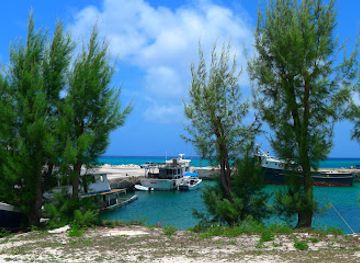
Inagua Islands
Explore the stunning natural beauty and rich wildlife of the Inagua Islands, a tranquil paradise in the heart of the Bahamas.
-
Historical landmark
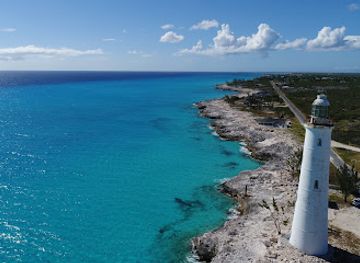
Great Inagua Lighthouse
Discover the Great Inagua Lighthouse, a historic gem offering breathtaking views and a glimpse into the Bahamas' maritime heritage.
-
Island
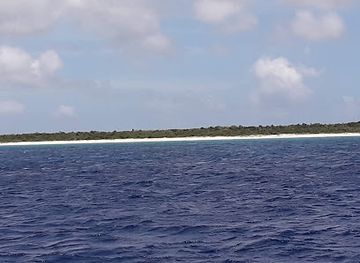
Little Inagua Island
Explore the untouched paradise of Little Inagua Island in the Bahamas, where pristine beaches and vibrant ecosystems await nature enthusiasts.
-
National park
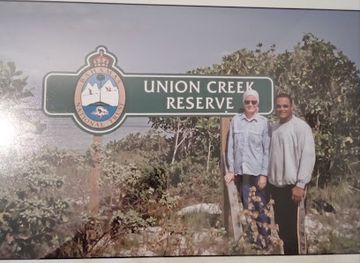
Bahamas National Trust Office
Explore conservation and biodiversity at the Bahamas National Trust Office in Matthew Town, your gateway to the islands' natural beauty.
Best landmarks in Inagua
Inagua, the southernmost district of The Bahamas, is a treasure trove for nature lovers and history buffs alike. Visitors can explore the stunning Inagua National Park, home to over 80,000 West Indian flamingos, a sight to behold during their nesting season. The park also shelters a variety of bird species, including the Bahama Parrot, making it a birdwatcher's paradise. History enthusiasts will be captivated by the remnants of the Union Creek Salt Company, which hint at the island's once-thriving salt industry. The picturesque Matthew Town, the island’s only settlement, offers a glimpse into the local culture and history, featuring the historic Great Inagua Lighthouse built in 1870, which still guides ships to this day. Whether you're hiking through the lush landscapes, exploring the old salt pans, or simply soaking up the serene coastal beauty, Inagua promises a rich and immersive experience.
-
Historical landmark
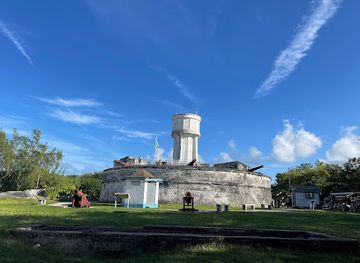
Fort Fincastle
Explore Fort Fincastle, an iconic historical landmark in Nassau, offering stunning views and a rich glimpse into Bahamian history.
-
Island
Inagua Islands
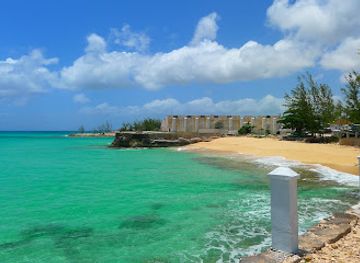
Explore the enchanting Inagua Islands, a hidden Bahamian paradise with breathtaking scenery, rich wildlife, and tranquil beaches for unforgettable experiences.
-
Hotel
Enrica's Inn
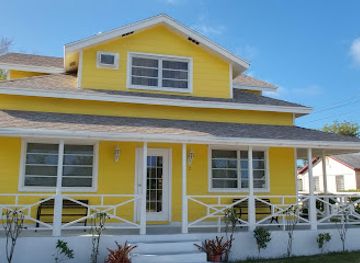
Discover the charming Enrica's Inn in Matthew Town, a perfect blend of comfort and local culture in the beautiful Bahamas.
-
Historical landmark
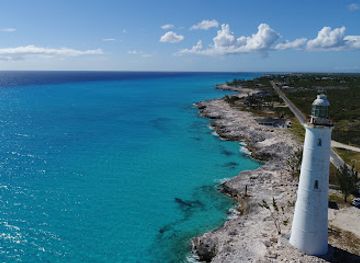
Great Inagua Lighthouse
Uncover the charm of the Great Inagua Lighthouse, a historical landmark with stunning coastal views and rich maritime heritage in the Bahamas.
Explore Inagua on the map
Plan your trip on one map. See where the top cities, national parks and sights are, and book hotels and experiences in a few clicks.
Best hotels in Inagua
Best restaurants in Inagua
Inagua's dining scene is a hidden gem that seamlessly blends the island's rich cultural tapestry with its bountiful natural resources, offering visitors an unforgettable culinary adventure. Expect to savor freshly caught seafood, from succulent conch fritters to grilled lobster, often served with a side of the island's staple, pigeon peas and rice. Local eateries, often family-run, provide a warm and intimate atmosphere where you can enjoy traditional Bahamian dishes like cracked conch and johnnycakes, all seasoned with the island's unique blend of spices. For those with a taste for the exotic, Inagua also offers a variety of tropical fruits and vegetables, often incorporated into vibrant salads and refreshing beverages. The dining experience here is not just about the food; it's an immersion into the island's way of life, where each meal tells a story of its maritime heritage and communal spirit.
-
Restaurant
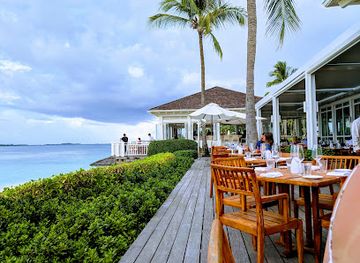
Dune
Experience culinary excellence at Dune on Paradise Island with fresh seafood and stunning ocean views in an elegant atmosphere.
-
Restaurant
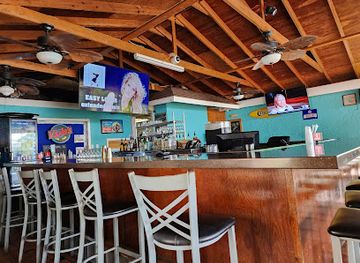
Viola's bar and grill
Discover authentic Bahamian cuisine at Viola's Bar and Grill on Paradise Island—where every meal is a taste of paradise.
-
Restaurant
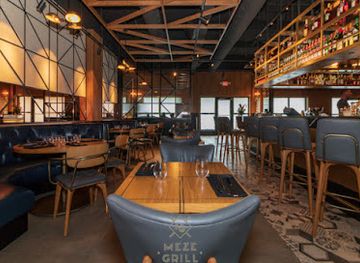
Meze Grill
Discover a delightful fusion of Greek and Mediterranean cuisine at Meze Grill in Nassau—where every meal is a flavorful journey.
-
Buffet
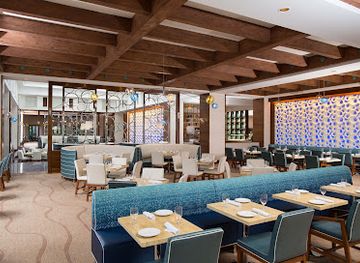
Poseidon’s Table
Indulge in an exquisite buffet experience at Poseidon’s Table on Paradise Island—where culinary artistry meets oceanic elegance.
Best bars in Inagua
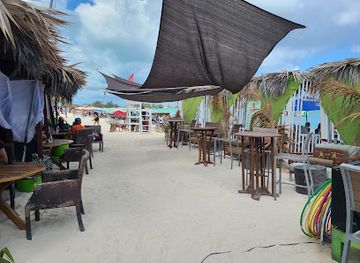
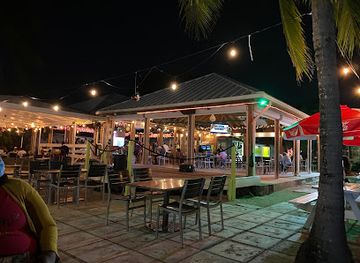
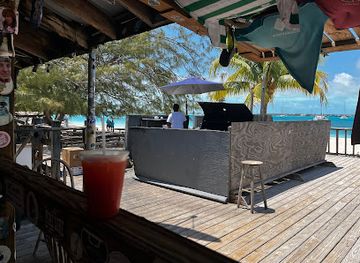
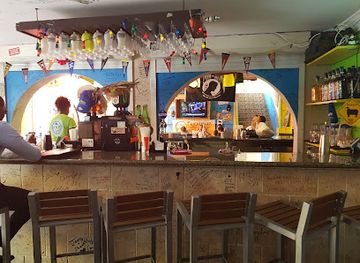
Inagua, while renowned for its natural beauty and wildlife, offers a unique and intimate nightlife experience that is perfect for those seeking a blend of tranquility and local charm. Visitors can enjoy evenings at cozy beachside bars where the sound of waves provides a soothing backdrop to live calypso and reggae music. The local watering holes often host impromptu dance sessions that invite guests to join in the spirited Bahamian rhythms. With a welcoming atmosphere, friendly locals, and the freshest seafood platters served under the stars, Inagua's nightlife promises a memorable escape from the hustle and bustle, allowing travelers to unwind and immerse themselves in the island's vibrant culture.
-
Bar
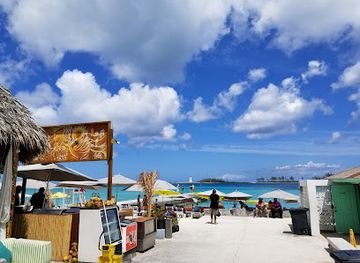
Tiki Bikini Hut
Discover Tiki Bikini Hut at Junkanoo Beach, Nassau - where vibrant cocktails and a lively atmosphere meet stunning ocean views.
-
Restaurant
The Green Parrot - Harbour Front
Experience the vibrant flavors of the Caribbean at The Green Parrot, a delightful restaurant on Nassau's stunning harbour front.
-
Grill
Chat 'N' Chill Beach Bar & Grill
Experience the vibrant atmosphere and delicious flavors at Chat 'N' Chill Beach Bar & Grill, your perfect beachside retreat in the Bahamas.
-
Restaurant
The Bearded Clam Sports Bar & Restaurant
Experience the vibrant flavors of Nassau at The Bearded Clam Sports Bar & Restaurant, where great food meets lively atmosphere.
Best nightclubs in Inagua
Inagua, while renowned for its natural beauty and wildlife, offers a unique and intimate nightlife experience that is perfect for those seeking a blend of tranquility and local charm. Visitors can enjoy evenings at cozy beachside bars where the sound of waves provides a soothing backdrop to live calypso and reggae music. The local watering holes often host impromptu dance sessions that invite guests to join in the spirited Bahamian rhythms. With a welcoming atmosphere, friendly locals, and the freshest seafood platters served under the stars, Inagua's nightlife promises a memorable escape from the hustle and bustle, allowing travelers to unwind and immerse themselves in the island's vibrant culture.
-
Bar
Tiki Bikini Hut
Discover the vibrant Tiki Bikini Hut at Junkanoo Beach in Nassau – your ultimate tropical bar escape in the Bahamas!
-
Bar
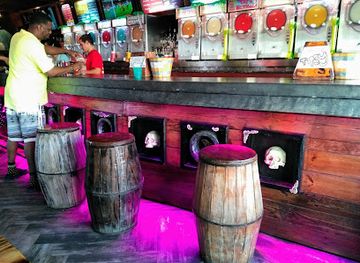
Da Daiquiri Shack
Discover Nassau's vibrant bar scene at Da Daiquiri Shack, where delicious daiquiris and a lively atmosphere await.
-
Night club
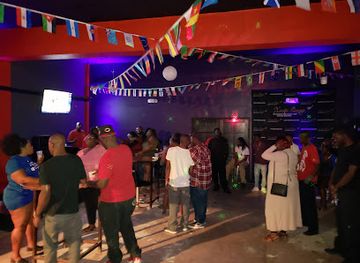
Xscape Lounge & Nightclub
Experience the vibrant nightlife at Xscape Lounge & Nightclub in Nassau, where unforgettable memories and electrifying entertainment await every visitor.
-
Night club
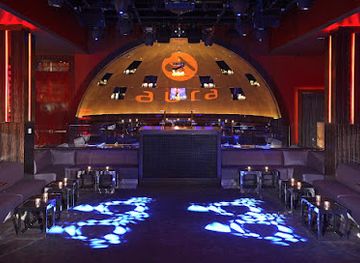
Aura
Experience the electrifying atmosphere of Aura, the premier nightclub in Paradise Island, where unforgettable nights and world-class entertainment await you.
Best shops in Inagua
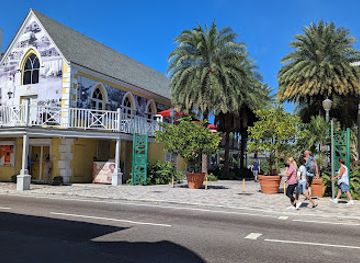
Inagua offers a charming and unique shopping experience that reflects its rich cultural heritage and natural beauty. Visitors can explore local markets brimming with handmade crafts, vibrant straw goods, and distinctive Bahamian souvenirs. Boutiques nestled in quaint corners of Matthew Town offer an array of local artwork, jewelry, and delicacies like Inagua’s famous sea salt. The island's laid-back atmosphere allows shoppers to leisurely browse while engaging with friendly artisans who eagerly share stories behind their creations. For those seeking a more off-the-beaten-path experience, hidden gems await in small shops selling rare finds and locally sourced natural products, making each purchase a memorable part of your Inagua adventure.
-
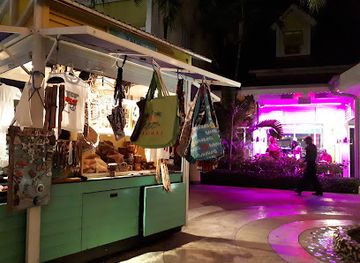
Flea market
Nassau Straw Market
Discover the vibrant Nassau Straw Market, where Bahamian culture meets unique handcrafted treasures in a lively shopping experience.
-
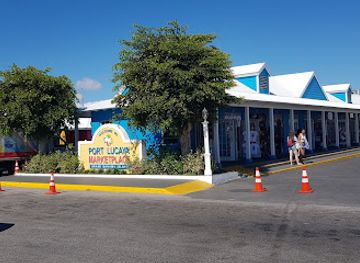
Shopping mall
Port Lucaya Marketplace
Discover the vibrant culture, shopping, and dining at Port Lucaya Marketplace in Freeport, a must-visit destination in the Bahamas.
-
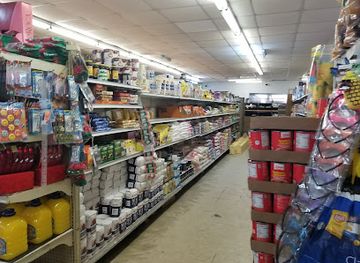
Grocery store
Exuma Markets
Discover Exuma Markets: Your one-stop grocery store in George Town for gourmet groceries and local delicacies.
-
Shopping mall
Crystal Court Shops
Experience luxury shopping and local treasures at the Crystal Court Shops, the premier shopping destination on Paradise Island, Bahamas.
Get your free copy of our complete guide to Inagua, delivered straight to you.
Everything on this page, from attractions and restaurants to essentials and local phrases, in one PDF you can read offline, print or share.
Already have an account? Sign in
Your Inagua guide is ready.
We'll send it to · Not you? Sign out

Getting your guide ready…
We are putting together a fresh copy of the Inagua guide. This can take up to a minute.
This can take a few moments. If your browser asks, choose Allow so the download can start. You'll find the guide in your Downloads folder.
Nothing happened? Download it again
Sorry, the guide is taking longer than usual. Please try again in a minute, or get it by email instead.
Inagua essentials
Currency and Payment
Safety
Emergency Situations
Do's and Don'ts
Local Tips
From Eve
Local phrases worth knowing
You don't need to get them perfect. A few words go a long way, and locals appreciate the effort.
Basics
| English | Local | Say it |
|---|---|---|
| Hello | Hey | [Hay] |
| Goodbye | Later | [Lay-ter] |
| Yes | Yeah | [Yea] |
| No | Nah | [Nah] |
| Please/You're welcome | No problem | [No prob-lem] |
| Thank you | Thanks | [Thanks] |
| Excuse me/Sorry | Sorry | [Sorry] |
| How are you? | How ya doin'? | [How ya do-in?] |
| Fine. And you? | Good. An' you? | [Good. An' you?] |
| Do you speak English? | Ya speak English? | [Ya speak Eng-lish?] |
| I don't understand | I ain't gettin' it | [I ain't get-tin' it] |
Eating & Drinking
| English | Local | Say it |
|---|---|---|
| I'd like to see the menu, please | Can I see the menu? | [Can I see the men-u?] |
| I don't eat meat | I don't eat no meat | [I don't eat no meat] |
| Cheers! | Cheers! | [Cheers!] |
| I would like to pay, please | Can I get the bill? | [Can I get the bill?] |
Emergencies
| English | Local | Say it |
|---|---|---|
| Help! | Help! | [Help!] |
| Go away! | Back off! | [Back off!] |
| Call the Police! | Call the cops! | [Call the cops!] |
| Call a doctor! | Get a doctor! | [Get a doc-tor!] |
| I'm lost | I lost myself | [I lost my-self] |
| I'm ill | I ain't feelin' well | [I ain't feel-in' well] |
Shopping
| English | Local | Say it |
|---|---|---|
| I'd like to buy... | I wanna buy... | [I wanna buy...] |
| I'm just looking | Just lookin' | [Just look-in'] |
| How much is it? | How much dat cost? | [How much dat cost?] |
| That's too expensive | Dat too high | [Dat too high] |
| Can you lower the price? | Can ya drop the price? | [Can ya drop the price?] |
Time & Numbers
| English | Local | Say it |
|---|---|---|
| What time is it? | Wha time it is? | [Wha time it is?] |
| It's one o'clock | It one o'clock | [It one o'clock] |
| Half past (10) | Half past ten | [Half past ten] |
| Morning | Mornin' | [Morn-in'] |
| Afternoon | Afternoon | [Afternoon] |
| Evening | Evenin' | [Even-in'] |
| Yesterday | Yestahday | [Yes-ta-day] |
| Today | Today | [Today] |
| Tomorrow | Tomorrah | [Tom-or-ra] |
| 1 | One | [One] |
| 2 | Two | [Two] |
| 3 | Three | [Three] |
| 4 | Four | [Four] |
| 5 | Five | [Five] |
| 6 | Six | [Six] |
| 7 | Seven | [Seven] |
| 8 | Eight | [Eight] |
| 9 | Nine | [Nine] |
| 10 | Ten | [Ten] |
Transport & Directions
| English | Local | Say it |
|---|---|---|
| Where's a/the...? | Wha de ...? | [Wha de ...?] |
| What's the address? | Wha di address? | [Wha di ad-dress?] |
| Can you show me (on the map)? | Can ya show me on di map? | [Can ya show me on di map?] |
| When's the next (bus)? | When di next bus? | [When di next bus?] |
| A ticket (to ....) | A ticket to ... | [A tick-et to ...] |
History of Inagua
Lucayan Civilization
Inagua's earliest known inhabitants were the Lucayan people, who settled the islands around 600 AD. These indigenous people lived in harmony with the land, practicing fishing, farming, and hunting. Evidence of their presence can still be found in archaeological sites across the islands.
The Age of Discovery
Inagua was first encountered by Europeans during Christopher Columbus's voyages in the late 15th century. Though not directly mentioned in his logs, the island group was part of the broader Bahamian archipelago that Columbus explored. The arrival of Europeans marked the beginning of significant changes for Inagua and its inhabitants.
Pirate Haven
In the late 17th and early 18th centuries, Inagua became a notorious haven for pirates. The island's strategic location and abundance of natural harbors made it an ideal base for buccaneers like Captain Kidd and Blackbeard. The pirates used Inagua to launch attacks on Spanish galleons laden with treasure from the New World.
The Salt Industry
By the 19th century, Inagua's economy was largely driven by the salt industry. The island's extensive salt ponds were developed by American Loyalists who fled to the Bahamas after the American Revolutionary War. These salt ponds still operate today, making Inagua one of the largest producers of salt in the Caribbean.
British Colonial Era
Inagua officially became part of the British Empire in the early 18th century and remained under British control until The Bahamas gained independence in 1973. During the colonial period, Inagua's strategic location made it an important outpost for the British Navy, and the island saw the construction of several forts and lighthouses.
World War II
During World War II, Inagua played a strategic role due to its location. The United States established a naval base on the island to monitor German U-boat activity in the Caribbean. The remnants of this base can still be seen today, serving as a poignant reminder of the island's military significance during the war.
Matthew Town
Founded in the 19th century, Matthew Town is the principal settlement on Great Inagua. Named after George Matthew, the then-Governor of The Bahamas, the town became the administrative and commercial hub of the island. It is home to historical buildings, including the 1870-built Inagua Lighthouse, which is still in operation.
Wildlife and Conservation
Inagua is renowned for its rich biodiversity, particularly its flamingo population. The island is home to the Inagua National Park, established in 1965, which protects the West Indian flamingo and other wildlife. The park covers nearly half of Great Inagua and represents a significant effort in conservation and eco-tourism.
Inagua in Photos
Browse through our photo collection highlighting the charm and character of the destination.
Neighbouring regions of Inagua
The closest regions to Inagua, if you have time for more than one.
-

-

-

-

-


Swipe for more regions

