

Free Foni Jarrol Travel Guide & Mobile App
Explore Foni Jarrol with free travel guides. Discover regional history, expert tips, proposed trips, and audio guides on web or mobile app.


Foni Jarrol offers rural Gambian scenery, village encounters, seasonal wetlands and an insight into life along the country’s southern roads.
Read more about Foni Jarrol
When is the best time to visit Foni Jarrol?
Best: November–January · 29–30°C| Month | High (°C) | Rainfall (mm) |
|---|---|---|
| January (best) | 29 | 0 |
| February | 31 | 0 |
| March | 32 | 0 |
| April | 34 | 1 |
| May | 36 | 10 |
| June | 34 | 50 |
| July | 32 | 200 |
| August | 32 | 300 |
| September | 32 | 250 |
| October | 32 | 100 |
| November (best) | 30 | 5 |
| December (best) | 29 | 0 |
Getting to and around Foni Jarrol
How to get there
Transportation
Best attractions in Foni Jarrol
Foni Jarrol’s attractions are primarily rural and community-based rather than built around large museums or monumental visitor sites. The district’s roads pass through cultivated land, woodland, palms and seasonal wet areas that become especially expressive during and shortly after the rains. Birdwatchers may find interest in the mixture of farmland, scrub and wetland habitat, although sightings depend on season, weather and local conditions. Village walks, arranged visits to farms, conversations about food production and observation of everyday trading provide a more meaningful introduction to the district than an independent tour of private compounds. The wider Foni landscape is also suitable for careful walking and photography, provided guides advise on paths, heat and permissions. Small roadside markets and local gathering points offer glimpses of produce, household goods and transport patterns, while the main south-bank route gives access to a broader itinerary through southern The Gambia. Visitors should not expect a dense programme of ticketed attractions: the value lies in landscape, human contact and the contrast between the greener wet season and the drier months. Activities should be arranged through trusted local contacts, with benefits and expectations agreed in advance.
-
Garden
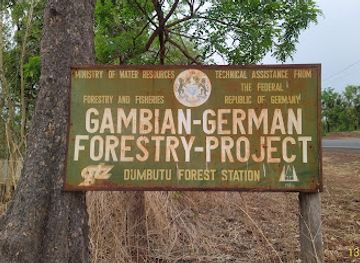
Dumbutu Forest station
Explore the lush beauty of Dumbutu Forest Station in Wubeda, a tranquil garden oasis perfect for nature lovers and serene getaways.
-

Jarju Kunda
Explore Jarju Kunda, a serene garden in Jifarong, Gambia, where lush greenery and vibrant flowers create a peaceful retreat for nature lovers.
-
Garden
Jungs Garden
Explore Jungs Garden in Jifarong, a tranquil oasis filled with lush greenery and vibrant blooms, perfect for relaxation and nature appreciation.
Explore Foni Jarrol on the map
Plan your trip on one map. See where the top cities, national parks and sights are, and book hotels and experiences in a few clicks.
Best hotels in Foni Jarrol
Best restaurants in Foni Jarrol
Dining in Foni Jarrol is generally informal and closely connected to household cooking, village hospitality and small local eateries rather than a formal restaurant scene. Meals may include rice with vegetable, fish or meat sauces, domoda with a groundnut-based sauce, benechin-style one-pot rice dishes and grilled or fried fish where available. Seasonal vegetables, groundnuts and locally produced grains are important components of rural food culture, while fresh ingredients and menu choice vary with supply and location. Small shops and roadside sellers may provide bread, fruit, bottled drinks and simple cooked food, but visitors should not assume that every settlement has a reliable public dining option. Larger towns outside the district offer more choice and are useful places to stock up. Carrying safe drinking water and modest snacks is sensible on excursions, and visitors should follow local advice on food hygiene. In village settings, meals may be shared as part of hospitality; ask about customs and dietary requirements respectfully rather than expecting a separate tourist menu.
-
Restaurant
Poco Loco Beachbar Gambia
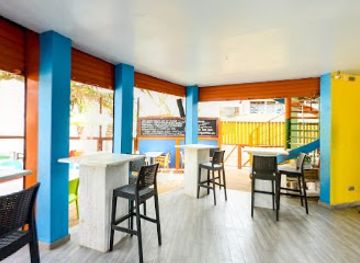
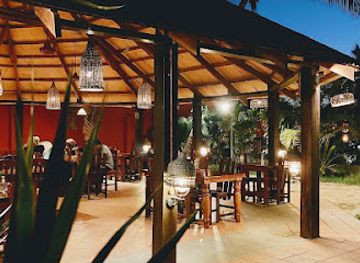
Discover culinary delights at Poco Loco Beachbar in Serrekunda - where local flavors meet stunning ocean views for an unforgettable dining experience.
-
Restaurant
John Raymond'S Beach Bar And Restaurant
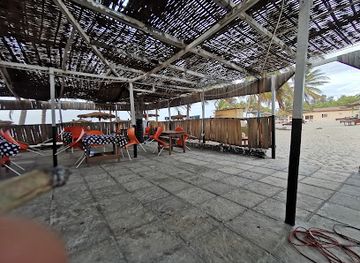
Experience authentic Gambian cuisine with stunning ocean views at John Raymond's Beach Bar and Restaurant in Serrekunda.
-
Restaurant
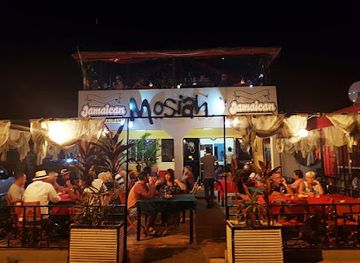
Mo2 Jamaican Bar & Restaurant Gambia (Mosiah's)
Discover authentic Jamaican cuisine at Mo2 Jamaican Bar & Restaurant in Gambia – where vibrant flavors meet lively ambiance.
-
Italian
Gusto Italian Resto &bar
Experience authentic Italian flavors at Gusto Italian Resto & Bar in Serrekunda – where every meal feels like a celebration.

Best bars in Foni Jarrol
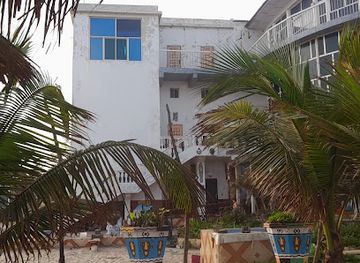
Foni Jarrol has little conventional nightlife, and evenings are more likely to centre on family compounds, community gatherings, small tea stalls or informal conversation than on clubs and late-opening bars. In settlements along the main road, basic local drinking places may operate, but opening arrangements and facilities are variable. Alcohol is not central to many Muslim communities’ public life, so visitors should avoid assuming that it will be available or appropriate everywhere. Evening entertainment is generally quiet, with darkness arriving quickly outside built-up areas and limited street lighting. Larger commercial and tourist venues are concentrated nearer the coastal zone and in urban parts of The Gambia, outside Foni Jarrol. Anyone travelling after dark should arrange transport in advance rather than relying on finding a taxi or shared vehicle locally. Community events, music and celebrations can be important, but they should be attended by invitation or with guidance from a local host.
-
Restaurant
John Raymond'S Beach Bar And Restaurant
Experience delightful dining at John Raymond's Beach Bar and Restaurant in Serrekunda, where fresh seafood meets stunning ocean views.
-
Restaurant
Mo2 Jamaican Bar & Restaurant Gambia (Mosiah's)
Discover authentic Jamaican flavors at Mo2 Jamaican Bar & Restaurant in Gambia, offering a lively atmosphere and delicious Caribbean cuisine.
-
Bar
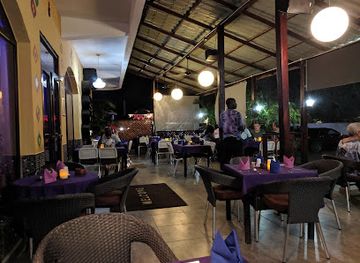
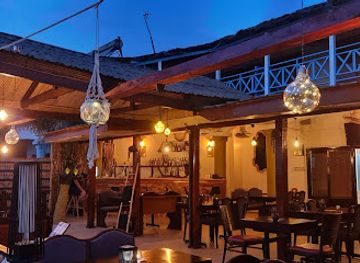
Reo's Bar and Restaurant
Experience the vibrant flavors and lively atmosphere at Reo's Bar and Restaurant in Serrekunda, a must-visit for every tourist.
-
Restaurant
Justice Bar & Restaurant
Discover authentic Gambian flavors at Justice Bar & Restaurant in Serrekunda, where vibrant dining meets local culinary traditions.

Best nightclubs in Foni Jarrol
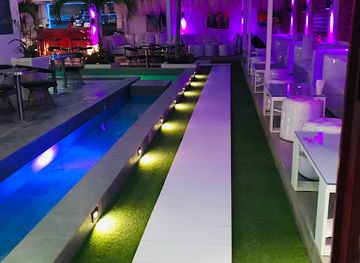
Foni Jarrol has little conventional nightlife, and evenings are more likely to centre on family compounds, community gatherings, small tea stalls or informal conversation than on clubs and late-opening bars. In settlements along the main road, basic local drinking places may operate, but opening arrangements and facilities are variable. Alcohol is not central to many Muslim communities’ public life, so visitors should avoid assuming that it will be available or appropriate everywhere. Evening entertainment is generally quiet, with darkness arriving quickly outside built-up areas and limited street lighting. Larger commercial and tourist venues are concentrated nearer the coastal zone and in urban parts of The Gambia, outside Foni Jarrol. Anyone travelling after dark should arrange transport in advance rather than relying on finding a taxi or shared vehicle locally. Community events, music and celebrations can be important, but they should be attended by invitation or with guidance from a local host.
-
Night club
Envy Night Club
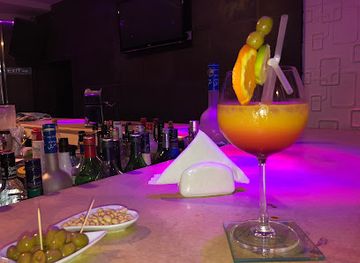
Discover the vibrant nightlife at Envy Night Club in Serrekunda, a stylish venue for unforgettable nights filled with music and dancing.
-
Night club
Aquarius Nightclub
Dive into the energetic nightlife at Aquarius Nightclub in Serrekunda, where music, dance, and culture come together for an unforgettable experience.
-
Night club
Ningki Nangka Bar & Night Club
Experience the heart of Serrekunda's nightlife at Ningki Nangka Bar & Night Club, where vibrant music and delicious drinks await every night.
-
Night club
ONYX
Discover the vibrant nightlife of Serrekunda at ONYX, a top night club offering a lively atmosphere and great drinks.

Best shops in Foni Jarrol
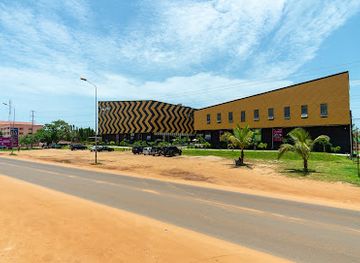
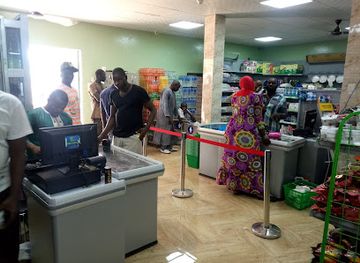
Shopping in Foni Jarrol is practical and local, with small village shops, roadside stalls and periodic markets providing everyday food, drinks, household goods and basic travel supplies. The selection is more limited than in Brikama or the coastal tourism area, so visitors should buy medicines, toiletries, cash and specialist equipment before travelling into the district. Seasonal produce, groundnuts and other locally grown foods may be available directly from traders or farmers, although availability and prices change. Small craft items and woven goods can sometimes be found through personal introductions rather than in a dedicated souvenir market; purchase respectfully and pay a fair price without treating household objects as automatic commodities. For a wider choice of fabrics, clothing, jewellery, art and packaged regional products, use larger commercial centres outside Foni Jarrol. Visitors should ask before photographing market sellers or their goods, and should avoid removing plants, shells, archaeological objects or other natural and cultural material from the landscape.
-
Shopping mall
Tropic Shopping Centre
Experience the vibrant shopping, dining, and entertainment at Tropic Shopping Centre in Serrekunda, Gambia's bustling retail paradise.
-
Souvenir store
TOP-SHOP
Explore the vibrant world of Gambian handicrafts and art at TOP-SHOP, your ultimate souvenir destination in Senegambia.
-
Grocery store
Halabaid Trading Enterprises paradise supermarket
Discover the vibrant local culture at Halabaid Trading Enterprises, your go-to grocery store in Farafenni, Gambia.
-
Grocery store
Costa road
Discover the authentic tastes of Bureng at Costa Road Grocery Store, where local flavors and friendly service await.

Get your free copy of our complete guide to Foni Jarrol, delivered straight to you.
Everything on this page, from attractions and restaurants to essentials and local phrases, in one PDF you can read offline, print or share.
Already have an account? Sign in
Your Foni Jarrol guide is ready.
We'll send it to · Not you? Sign out

Getting your guide ready…
We are putting together a fresh copy of the Foni Jarrol guide. This can take up to a minute.
This can take a few moments. If your browser asks, choose Allow so the download can start. You'll find the guide in your Downloads folder.
Nothing happened? Download it again
Sorry, the guide is taking longer than usual. Please try again in a minute, or get it by email instead.
Foni Jarrol essentials
Currency and Payment
Safety
Emergency Situations
Do's and Don'ts
Local Tips
From Eve
Local phrases worth knowing
You don't need to get them perfect. A few words go a long way, and locals appreciate the effort.
Basics
| English | Local | Say it |
|---|---|---|
| Hello | Naka | [Nah-kah] |
| Goodbye | Naka saama | [Nah-kah sah-mah] |
| Yes | Aye | [Eye] |
| No | Naa | [Nah] |
| Please/You're welcome | Jerejef | [Jeh-reh-jef] |
| Thank you | Jerejef | [Jeh-reh-jef] |
| Excuse me/Sorry | Maa jendoo | [Mah jen-doo] |
| How are you? | Naka la? | [Nah-kah lah] |
| Fine. And you? | Bula. Naka la? | [Boo-lah. Nah-kah lah] |
| Do you speak English? | Do you speak English? | [Do you speak English?] |
| I don't understand | Maa jindoo | [Mah jin-doo] |
Eating & Drinking
| English | Local | Say it |
|---|---|---|
| I'd like to see the menu, please | Maa faala menu, jerejef | [Mah fah-lah meh-noo, jeh-reh-jef] |
| I don't eat meat | Maa jindoo nyam | [Mah jin-doo nyam] |
| Cheers! | Nabbu! | [Nah-boo] |
| I would like to pay, please | Maa faala pay, jerejef | [Mah fah-lah pay, jeh-reh-jef] |
Emergencies
| English | Local | Say it |
|---|---|---|
| Help! | Bii! | [Bee!] |
| Go away! | Naka suuf! | [Nah-kah soo-f!] |
| Call the Police! | Naka ne jeng! | [Nah-kah neh jeng!] |
| Call a doctor! | Naka ne daktari! | [Nah-kah neh dahk-tah-ree!] |
| I'm lost | Maa jindoo buu | [Mah jin-doo boo] |
| I'm ill | Maa jindoo jek | [Mah jin-doo jehk] |
Shopping
| English | Local | Say it |
|---|---|---|
| I'd like to buy... | Maa faala buy... | [Mah fah-lah buy...] |
| I'm just looking | Maa jindoo suuf | [Mah jin-doo soo-f] |
| How much is it? | Naka kadi? | [Nah-kah kah-dee] |
| That's too expensive | Faalama kadi joo | [Fah-lah-mah kah-dee joo] |
| Can you lower the price? | Naka faala kadi joo? | [Nah-kah fah-lah kah-dee joo?] |
Time & Numbers
| English | Local | Say it |
|---|---|---|
| What time is it? | Naka fo? | [Nah-kah fo?] |
| It's one o'clock | Naka jeng jeng | [Nah-kah jeng jeng] |
| Half past (10) | Jeng kadi (10) | [Jeng kah-dee (10)] |
| Morning | Dawda | [Dah-w-dah] |
| Afternoon | Sankung | [Sahn-kung] |
| Evening | Pere | [Pe-reh] |
| Yesterday | Bii jeng | [Bee jeng] |
| Today | Naka jeng | [Nah-kah jeng] |
| Tomorrow | Naka jeng jeng | [Nah-kah jeng jeng] |
| 1 | Kuno | [Koo-no] |
| 2 | Duo | [Doo-oh] |
| 3 | Tati | [Tah-tee] |
| 4 | Nayi | [Nah-yee] |
| 5 | Jumo | [Joo-mo] |
| 6 | Sey | [Say] |
| 7 | Sannu | [Sahn-noo] |
| 8 | Jungo | [Joon-go] |
| 9 | Jai | [Jah-ee] |
| 10 | Jolo | [Joh-lo] |
Transport & Directions
| English | Local | Say it |
|---|---|---|
| Where's a/the...? | Naka where? | [Nah-kah where?] |
| What's the address? | Naka waad? | [Nah-kah wahd?] |
| Can you show me (on the map)? | Naka faala joo (on the map)? | [Nah-kah fah-lah joo (on the map)?] |
| When's the next (bus)? | Naka when next (bus)? | [Nah-kah when next (bus)?] |
| A ticket (to ....) | A ticket (to ....) | [A ticket (to ....)] |
History of Foni Jarrol
Early settlement and regional societies
The Foni area forms part of a wider Senegambian landscape inhabited for centuries by farming and trading communities. Archaeological evidence from the broader region points to long patterns of settlement, cultivation and movement along waterways and overland routes. Before modern borders, political and cultural connections extended across what is now southern The Gambia and Senegal. Mandinka and Jola communities, among others, developed local systems of authority, land use and exchange that continue to influence language and cultural life.
Mandinka states and Islamic influence
From the medieval period onwards, Mandinka political networks and the wider Mali and later Kaabu spheres influenced much of the southern Senegambian region. Trade, dynastic ties and Islamic scholarship gradually shaped local religious and political life, although older practices and diverse forms of belief also persisted. Foni’s inland position meant that its communities were connected to regional markets without developing the large urban centres associated with the River Gambia’s major trading points.
Nineteenth-century upheaval and colonial expansion
The nineteenth century brought political competition, warfare and changing commercial relationships across Senegambia. European powers increasingly sought control of river access and trade, while local rulers and communities negotiated, resisted or adapted to expanding colonial influence. The eventual Anglo-French boundary arrangements helped create the modern shape of The Gambia, leaving Foni close to an international border that divided communities and older regional connections.
British colonial administration
Under British rule, rural districts in southern The Gambia were governed through a system of chiefs, headmen and colonial officials. Agriculture and local taxation became more closely tied to the colonial economy, while roads and administrative routes linked villages to larger markets. Groundnut cultivation became especially important across the country, and its influence could be felt in rural household economies, seasonal labour patterns and the movement of produce towards commercial centres.
Independence and national integration
The Gambia became independent from Britain in 1965, and the rural south was increasingly incorporated into national systems of administration, education, transport and public services. District boundaries and local government arrangements changed over time, but communities retained strong ties to family networks and neighbouring Senegal. Improved roads gradually made the southern districts more accessible, although distance and seasonal conditions continue to affect services and travel.
Contemporary rural transformation
Foni Jarrol today reflects wider changes affecting rural The Gambia: farming remains important, but households also depend on trade, remittances, transport work, education and cross-regional connections. Mobile communications and improved road access have altered how communities interact with larger towns, while environmental pressures, irregular rainfall and seasonal migration influence livelihoods. Tourism remains limited, creating scope for carefully managed community visits rather than high-volume resort development.
Neighbouring regions of Foni Jarrol
The closest regions to Foni Jarrol, if you have time for more than one.
-
-

-

-

-


Swipe for more regions
Explore more

Explore more of The Gambia
Discover The Gambia: a treasure trove of cultural richness, stunning beaches, and diverse wildlife. An unforgettable journey awaits you in Africa's Smiling Coast.
Explore The Gambia