

Free Foni Kansala Travel Guide & Mobile App
Explore Foni Kansala with free travel guides. Discover regional history, expert tips, proposed trips, and audio guides on web or mobile app.


Foni Kansala reveals rural Gambia through forest landscapes, village communities, farming country and quiet south-western roads.
Read more about Foni Kansala
When is the best time to visit Foni Kansala?
Best: December–February · 30–31°C| Month | High (°C) | Rainfall (mm) |
|---|---|---|
| January (best) | 30 | 0 |
| February (best) | 31 | 0 |
| March | 33 | 0 |
| April | 35 | 1 |
| May | 36 | 3 |
| June | 33 | 10 |
| July | 31 | 20 |
| August | 31 | 25 |
| September | 32 | 20 |
| October | 34 | 10 |
| November | 32 | 1 |
| December (best) | 30 | 0 |
Getting to and around Foni Kansala
How to get there
Transportation
Best attractions in Foni Kansala
Foni Kansala’s attractions are primarily rural and landscape-based rather than concentrated in formal museums or major monuments. Visitors can explore village surroundings, cultivated fields, woodland edges and seasonal wetland areas, often with a local guide who can explain crops, medicinal plants, birdlife and the changing appearance of the countryside. The district forms part of the wider Foni landscape, where roads lead through settlements and agricultural country towards the Senegalese frontier. Birdwatching is a sensible interest because The Gambia’s varied habitats support abundant resident and migratory birdlife, although sightings depend on season, weather and local conditions. Short walks, community visits and observation of farming practices provide a more accurate experience than expecting a conventional sightseeing circuit. The main road journey itself offers insight into southern Gambian geography, with roadside markets, compounds, mosques and fields revealing how communities are organised. Travellers seeking national-park infrastructure or extensive guided wildlife facilities should research destinations elsewhere in The Gambia rather than assume they are available in Foni Kansala. Experiences here are best planned as part of a broader south-western itinerary and arranged with consent, patience and respect for private land.
-
National forest
Pirang-Bonto community forest park
Explore the natural beauty and cultural richness of Pirang-Bonto Community Forest Park, a tranquil escape for eco-tourists in Gambia.
-
 Park
ParkFONI BONDALI
Explore the lush landscapes and serene pathways of Foni Bondali Park, a tranquil escape in Nyantempo, Gambia, perfect for nature lovers and relaxation.
Best landmarks in Foni Kansala
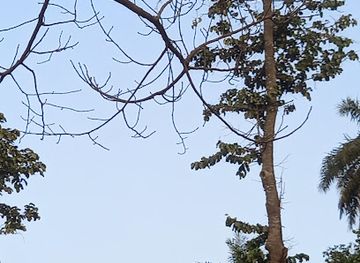
Foni Kansala’s most meaningful landmarks are woven into its rural settlement pattern rather than dominated by monumental architecture. Village mosques, compounds, wells, roadside meeting places and mature trees can have strong local importance, but they should be approached as living community spaces rather than as public monuments. The main south-western road is itself a defining feature, connecting the district with the wider Foni area and illustrating the importance of transport to farming, trade and access to services. Agricultural fields and woodland corridors form the district’s principal geographical landmarks, changing markedly between the green rainy season and the dry months. Nearer the Senegalese frontier, the border landscape also carries historical significance because modern boundaries divide communities and routes that long predate the colonial period. Foni Kansala is not known for a dense collection of castles, cathedrals or preserved colonial buildings, so visitors should avoid imposing an urban heritage itinerary on the district. Its landmarks are better understood through local explanation: a village’s mosque, market space, meeting tree or historic settlement may matter more to residents than any structure listed in a guidebook. Permission and sensitivity are essential when visiting or photographing such places.
-
Tourist attraction
Kachikally Crocodile Pool
Experience the magic of Kachikally Crocodile Pool in Bakau, Gambia – a captivating wildlife sanctuary steeped in culture and tradition.
-
National park
Bijilo National Park
Discover the mesmerizing wildlife and serene trails of Bijilo National Park, a must-visit destination for nature lovers in Gambia.
-
Market
Albert Market
Discover the vibrant culture and local flavors of Banjul at Albert Market, where shopping becomes an unforgettable experience.
-
Boat rental service
Lamin Lodge
Discover the charm of Lamin Lodge in The Gambia, where adventure meets relaxation in a stunning marina setting.
Explore Foni Kansala on the map
Plan your trip on one map. See where the top cities, national parks and sights are, and book hotels and experiences in a few clicks.
Best hotels in Foni Kansala
Best restaurants in Foni Kansala
Dining in Foni Kansala is predominantly home-style and informal, with meals built around rice, millet, vegetables, fish where available, chicken and locally grown groundnuts. Benachin, a one-pot rice dish commonly eaten across The Gambia, and domoda, a groundnut-based stew, may feature in local cooking, though recipes and availability vary between households. Roadside stalls and small village shops provide simple refreshments, while larger settlements outside the district offer a broader choice of cafés and provisions. Visitors staying with a community host may be able to arrange a traditional meal in advance, which is preferable to arriving without notice. Fresh produce can include seasonal mangoes, cassava, sweet potatoes and leafy vegetables, while tea prepared in the West African style is a familiar social drink. There is little formal restaurant infrastructure, so travellers should carry water and snacks and confirm meal arrangements before travelling into rural areas. Food should be kept covered, and visitors with dietary restrictions should explain them clearly before accepting a meal.
-
Restaurant
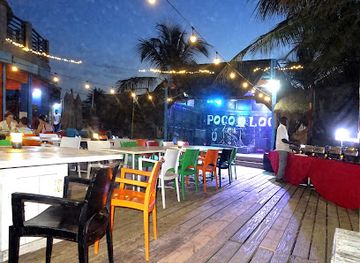
Poco Loco Beachbar Gambia
Discover the vibrant charm of Poco Loco Beachbar in Gambia - where delicious cuisine meets stunning ocean views.
-
Restaurant
John Raymond'S Beach Bar And Restaurant
Experience the flavors of The Gambia at John Raymond's Beach Bar and Restaurant – where delicious cuisine meets stunning ocean views.
-
Restaurant
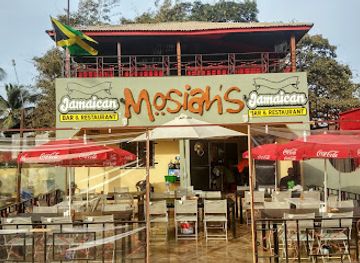
Mo2 Jamaican Bar & Restaurant Gambia (Mosiah's)
Discover authentic Jamaican cuisine at Mo2 Jamaican Bar & Restaurant in Gambia - a must-visit culinary destination for every tourist.
-
Restaurant
Villa Roula
Experience the vibrant flavors of Gambian cuisine at Villa Roula in Serrekunda – where every meal tells a story.
Best bars in Foni Kansala
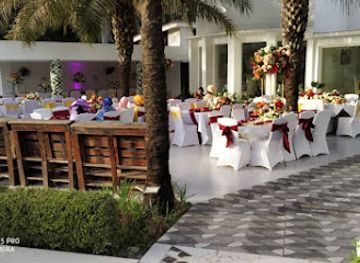
Foni Kansala does not have a significant nightclub scene, and evening entertainment is centred on family compounds, conversation, local gatherings and modest roadside refreshment spots rather than dedicated nightlife districts. In some settlements, small bars or informal drinking places may serve beer and soft drinks, but opening arrangements and atmosphere vary and should not be assumed. Music and social events may occur during community celebrations, yet these are local occasions rather than scheduled tourist performances. Visitors should dress and behave respectfully, particularly near mosques and residential compounds, and should ask before joining a gathering or recording music. Larger nightlife choices are found outside the district in the coastal tourism areas, but reaching them involves a long journey and should not be attempted after drinking or without dependable transport. For most travellers, Foni Kansala’s evenings are better suited to an early meal, conversation with hosts, preparation for the next day’s road journey and quiet observation of the rural surroundings.
-
Restaurant
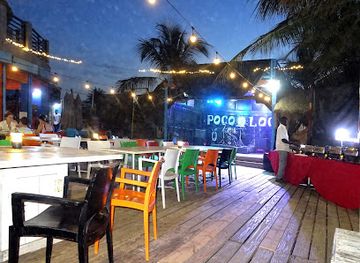
Poco Loco Beachbar Gambia
Discover the vibrant Poco Loco Beachbar in Gambia, where delicious local cuisine meets stunning ocean views in a lively beachfront atmosphere.
-
Restaurant
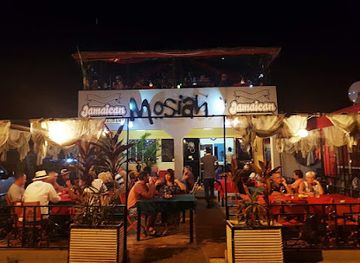
Mo2 Jamaican Bar & Restaurant Gambia (Mosiah's)
Delight in the rich flavors of Jamaica at Mo2 Jamaican Bar & Restaurant in Gambia, where every meal is a vibrant celebration.
-
Bar
Solomon’s Beach Bar & Restaurant
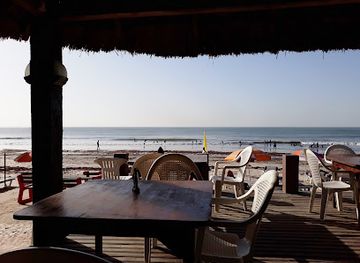
Enjoy a delightful dining experience at Solomon’s Beach Bar & Restaurant, where local flavors meet stunning ocean views in Serrekunda.
-
Bar
Calypso bar & restaurant
Discover the vibrant flavors of Gambian cuisine at Calypso Bar & Restaurant in Bakau, where every meal is a celebration of culture and taste.
Best nightclubs in Foni Kansala
Foni Kansala does not have a significant nightclub scene, and evening entertainment is centred on family compounds, conversation, local gatherings and modest roadside refreshment spots rather than dedicated nightlife districts. In some settlements, small bars or informal drinking places may serve beer and soft drinks, but opening arrangements and atmosphere vary and should not be assumed. Music and social events may occur during community celebrations, yet these are local occasions rather than scheduled tourist performances. Visitors should dress and behave respectfully, particularly near mosques and residential compounds, and should ask before joining a gathering or recording music. Larger nightlife choices are found outside the district in the coastal tourism areas, but reaching them involves a long journey and should not be attempted after drinking or without dependable transport. For most travellers, Foni Kansala’s evenings are better suited to an early meal, conversation with hosts, preparation for the next day’s road journey and quiet observation of the rural surroundings.
-
Night club
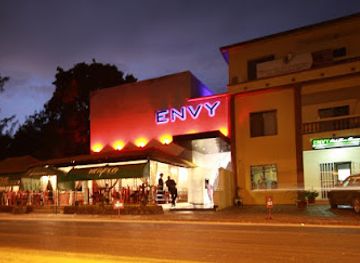
Envy Night Club
Dive into the energetic nightlife of Envy Night Club in Serrekunda, where music, dancing, and unforgettable experiences await every visitor.
-
Jamaican
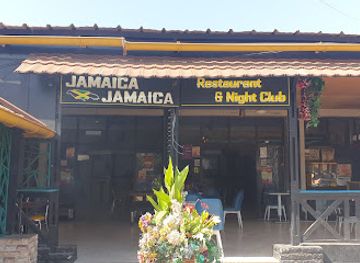
Jamaica Jamaica restaurant and night club
Experience authentic Jamaican flavors and vibrant nightlife at Jamaica Jamaica Restaurant and Night Club in Serrekunda.
-
Night club
Aquarius Nightclub
Dive into the heart of Gambian nightlife at Aquarius Nightclub in Serrekunda, where music, dance, and culture come alive.
-
Night club
Ningki Nangka Bar & Night Club
Experience the vibrant nightlife of Serrekunda at Ningki Nangka Bar & Night Club, where music, dance, and culture come alive!


Best shops in Foni Kansala
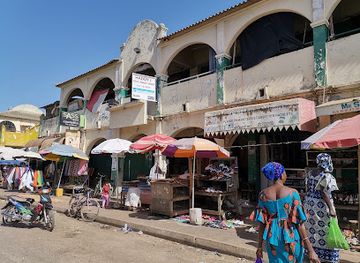
Shopping in Foni Kansala is practical and local, centred on village shops, roadside stalls and periodic trading activity rather than large retail centres. Visitors may find fruit, vegetables, groundnuts, basic provisions, drinks and locally made household goods, with availability changing according to season and transport links. Small craft items may be sold informally, but it is better to buy directly from makers or community sellers and to ask about prices without aggressive bargaining. The district is not a major destination for designer goods or established souvenir shopping; distinctive purchases are more likely to be agricultural products, woven items or small handmade objects encountered during a locally arranged visit. Larger supplies and a wider selection of Gambian crafts are easier to find in Brikama and the coastal towns outside the district. Carrying reusable bags helps reduce plastic waste, and visitors should not remove plants, agricultural produce or objects from private land without permission. Cash in small dalasi notes is the most useful way to pay for rural purchases.
-
Market
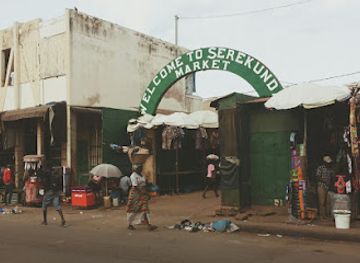
Serekunda Market
Explore Serekunda Market, the bustling heart of The Gambia, where vibrant culture, local crafts, and delicious foods come together in a lively atmosphere.
-
Market
Albert Market
Explore the lively Albert Market in Banjul, a vibrant cultural hub offering fresh produce, unique crafts, and authentic Gambian experiences.
-
Book store
Timbooktoo Bookstore
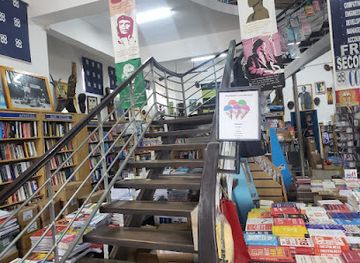
Explore the literary gem of Timbooktoo Bookstore in Serrekunda, where diverse literature meets cultural engagement in a cozy atmosphere.
-
Shopping mall
The Village Shopping and Dining Centre
Experience the vibrant culture of Serrekunda at The Village Shopping and Dining Centre, where shopping meets local flavors and entertainment.

Get your free copy of our complete guide to Foni Kansala, delivered straight to you.
Everything on this page, from attractions and restaurants to essentials and local phrases, in one PDF you can read offline, print or share.
Already have an account? Sign in
Your Foni Kansala guide is ready.
We'll send it to · Not you? Sign out

Getting your guide ready…
We are putting together a fresh copy of the Foni Kansala guide. This can take up to a minute.
This can take a few moments. If your browser asks, choose Allow so the download can start. You'll find the guide in your Downloads folder.
Nothing happened? Download it again
Sorry, the guide is taking longer than usual. Please try again in a minute, or get it by email instead.
Foni Kansala essentials
Currency and Payment
Safety
Emergency Situations
Do's and Don'ts
Local Tips
From Eve
Local phrases worth knowing
You don't need to get them perfect. A few words go a long way, and locals appreciate the effort.
Basics
| English | Local | Say it |
|---|---|---|
| Hello | Naka | [Nah-kah] |
| Goodbye | Bara | [Bah-rah] |
| Yes | Aye | [Ah-yeh] |
| No | Nda | [En-dah] |
| Please/You’re welcome | Jerejef | [Jeh-reh-jehf] |
| Thank you | Danjuma | [Dan-joo-mah] |
| Excuse me/Sorry | Ndo | [En-doh] |
| How are you? | Naka kono? | [Nah-kah koh-noh] |
| Fine. And you? | Naka, e kono? | [Nah-kah, eh koh-noh] |
| Do you speak English? | Aye, e do English? | [Ah-yeh, eh doh In-glish] |
| I don't understand | Nda komi | [En-dah koh-mee] |
Eating & Drinking
| English | Local | Say it |
|---|---|---|
| I’d like to see the menu, please | Nda yeng menu, jerejef | [En-dah yeng men-oo, jeh-reh-jehf] |
| I don't eat meat | Nda nda meat | [En-dah en-dah meat] |
| Cheers! | Sukuri! | [Soo-koo-ree] |
| I would like to pay, please | Nda yeng pay, jerejef | [En-dah yeng pay, jeh-reh-jehf] |
Emergencies
| English | Local | Say it |
|---|---|---|
| Help! | Nda yeng! | [En-dah yeng!] |
| Go away! | Nda yeng ndiyam! | [En-dah yeng n-dee-yahm!] |
| Call the Police! | Nda yeng Police! | [En-dah yeng Poh-lees!] |
| Call a doctor! | Nda yeng doctor! | [En-dah yeng Dok-tor!] |
| I’m lost | Nda yeng fow | [En-dah yeng foh] |
| I’m ill | Nda yeng ngaar | [En-dah yeng ngaar] |
Shopping
| English | Local | Say it |
|---|---|---|
| I’d like to buy... | Nda yeng buy... | [En-dah yeng buy...] |
| I’m just looking | Nda nda kadi | [En-dah en-dah kah-dee] |
| How much is it? | Nda wuli? | [En-dah woo-lee] |
| That’s too expensive | Nda wuli jabi | [En-dah woo-lee jah-bee] |
| Can you lower the price? | E yeng nafo price? | [Eh yeng nah-foh price] |
Time & Numbers
| English | Local | Say it |
|---|---|---|
| What time is it? | Naka kadi? | [Nah-kah kah-dee?] |
| It’s one o'clock | E kadi one | [Eh kah-dee one] |
| Half past (10) | Half past (10) | [Half past (10)] |
| Morning | Naka | [Nah-kah] |
| Afternoon | Seng | [Seng] |
| Evening | Dew | [Dew] |
| Yesterday | Nda yeng juma | [En-dah yeng joo-mah] |
| Today | Nda yeng | [En-dah yeng] |
| Tomorrow | Nda yeng lay | [En-dah yeng lay] |
| 1 | 1 | [1] |
| 2 | 2 | [2] |
| 3 | 3 | [3] |
| 4 | 4 | [4] |
| 5 | 5 | [5] |
| 6 | 6 | [6] |
| 7 | 7 | [7] |
| 8 | 8 | [8] |
| 9 | 9 | [9] |
| 10 | 10 | [10] |
Transport & Directions
| English | Local | Say it |
|---|---|---|
| Where's a/the...? | Foni ...? | [Foh-nee ...?] |
| What's the address? | Naka address? | [Nah-kah ad-dress?] |
| Can you show me (on the map)? | E yeng jeng (map)? | [Eh yeng jen-g (map)?] |
| When's the next (bus)? | Naka kadi next (bus)? | [Nah-kah kah-dee next (bus)?] |
| A ticket (to ....) | E ticket (to ....) | [Eh ticket (to ....)] |
History of Foni Kansala
Early settlement and regional trade
The area now known as Foni Kansala belongs to a wider landscape settled and cultivated for centuries by communities connected to the Casamance and the lower Gambia region. Farming, seasonal movement and exchange linked villages across what is now the Gambia-Senegal border, which did not originally divide local social and linguistic networks. Rice cultivation in suitable low-lying areas, dryland crops and the use of woodland resources formed important elements of rural life. Much of this history survives through oral traditions, family relationships, settlement patterns and local place names rather than through large archaeological monuments.
Mandinka and Jola cultural influences
Foni developed through interaction between Mandinka-speaking communities, Jola communities and other groups who moved through the region for trade, marriage, farming and religious learning. Islam became influential over several centuries, alongside older social institutions and local customs. This combination produced a varied cultural landscape rather than a single uniform identity. In contemporary Foni Kansala, differences in language, village history and religious practice can remain important, while shared agricultural activity and national institutions connect communities to the rest of The Gambia.
Colonial boundary-making and the Protectorate
British expansion along the Gambia River and the establishment of the Protectorate altered existing regional relationships during the nineteenth and early twentieth centuries. Colonial administration introduced new boundaries, taxation systems and forms of authority, while the frontier with French-controlled Senegal became more formally regulated. Foni communities remained primarily rural, but roads, administrative posts and commercial links gradually tied them more closely to the colonial economy. The modern district structure reflects later governmental organisation rather than the full extent of older cultural and trading networks.
Groundnuts and rural economic change
Groundnut cultivation became a major force in The Gambia’s colonial and post-colonial economy. Across rural districts including Foni, farming households adapted land use and labour patterns to grow groundnuts for domestic trade and export, alongside rice, millet, vegetables and subsistence crops. The crop economy encouraged greater movement of produce along roads and towards trading centres, but also left rural communities vulnerable to rainfall variation and changing commodity prices. Agriculture remains central to the character of Foni Kansala, even as livelihoods have become more diverse.
Independence and national integration
The Gambia became independent from Britain in 1965, and subsequent governments expanded national administration, education, roads and public services beyond the coastal urban core. Foni Kansala became part of the modern West Coast Region, with its own district administration within the national system. Improved road links have made the south-west easier to reach, although service provision and transport remain more limited than in the Greater Banjul and coastal areas. Independence also strengthened a shared Gambian political identity across communities with distinct local histories.
Contemporary rural transformation
In recent decades, Foni Kansala has experienced the pressures and opportunities affecting much of rural The Gambia: seasonal migration, changing agricultural practices, improved communications and growing interest in nature-based and community tourism. Roads and mobile connectivity have widened access to markets and services, while climate variability continues to influence farming and water availability. The district’s contemporary identity is therefore shaped by both continuity and change, with village-based livelihoods existing alongside stronger links to urban Gambia, Senegal and the international Gambian diaspora.
Neighbouring regions of Foni Kansala
The closest regions to Foni Kansala, if you have time for more than one.
-
-

-

-

-


Swipe for more regions
Explore more

Explore more of The Gambia
Discover The Gambia: a treasure trove of cultural richness, stunning beaches, and diverse wildlife. An unforgettable journey awaits you in Africa's Smiling Coast.
Explore The Gambia