

Free Lower River Region Travel Guide & Mobile App
Explore Lower River Region with free travel guides. Discover regional history, expert tips, proposed trips, and audio guides on web or mobile app.


Lower River Region offers river wetlands, wildlife, rural communities and a quieter Gambia experience centred on Tendaba, Soma and Kiang West.
Read more about Lower River Region
When is the best time to visit Lower River Region?
Best: December–February · 25–26°C| Month | High (°C) | Rainfall (mm) |
|---|---|---|
| January (best) | 25 | 0 |
| February (best) | 26 | 2 |
| March | 28 | 3 |
| April | 30 | 4 |
| May | 32 | 5 |
| June | 34 | 6 |
| July | 35 | 7 |
| August | 35 | 8 |
| September | 34 | 7 |
| October | 32 | 6 |
| November | 29 | 4 |
| December (best) | 26 | 2 |
Getting to and around Lower River Region
How to get there
Transportation
Top city travel guides in Lower River Region
The cities of Lower River Region, and the easiest places to base yourself.
-

-


Swipe for more cities
Destinations in Lower River Region
Resorts, valleys and scenic spots worth a trip of their own.
-

-

-


Swipe for more destinations
Best attractions in Lower River Region
-
Nature preserve
Abuko Nature Reserve
Discover the rich biodiversity and serene landscapes of Abuko Nature Reserve, a tranquil escape in The Gambia, perfect for nature lovers and explorers.
-
Historical landmark
Farafenni Round About
Experience the vibrant culture and rich history at Farafenni Round About, a key landmark on the Trans-Gambia Highway.
-
Tourist attraction
Fort Bullen
Discover the rich history and stunning views at Fort Bullen, a historical landmark in Barra, Gambia, perfect for history lovers and nature enthusiasts.
-
Tourist attraction
Bintang Bay
Experience the tranquil beauty and cultural richness of Bintang Bay, a hidden gem on the coast perfect for relaxation and adventure.


Best landmarks in Lower River Region
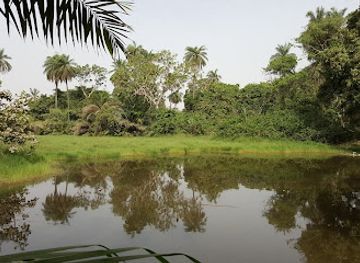
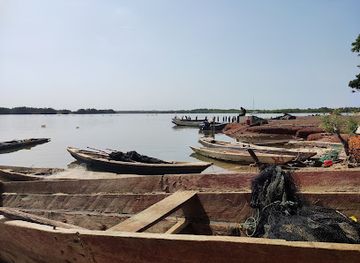
The River Gambia and the tidal creeks around Tendaba are the Lower River Region’s defining natural landmarks, their mangrove margins marking the boundary between open water, mudflats and low-lying woodland. Kiang West National Park is the region’s most significant protected landscape, representing the savannah and woodland environments that extend inland from the river. The town of Soma is an important modern landmark in a practical sense: its roads, market activity and transport links reflect the region’s role as a corridor between western and eastern Gambia. Mansa Konko, the regional capital, symbolises the administrative structure created in the post-independence period. Sankandi has particular historical importance because of the 1900 resistance to British colonial taxation, although the significance lies more in its place in regional memory than in a large surviving monument. Together, these places show how landscape, transport, conservation and colonial history have shaped the Lower River Region.
-
Tourist attraction
Kachikally Crocodile Pool
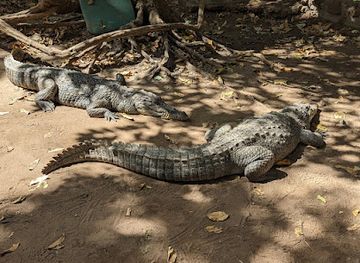
Immerse yourself in the captivating world of crocodiles at Kachikally Crocodile Pool, a unique attraction blending wildlife, culture, and tranquility in Gambia.
-
National park
Bijilo National Park
Explore Bijilo National Park: A haven of biodiversity, tranquil trails, and vibrant wildlife in the heart of The Gambia.
-
International airport
Banjul International Airport
Discover the charm of The Gambia at Banjul International Airport, your welcoming gateway to an unforgettable West African adventure.
-
Market
Albert Market
Explore the vibrant Albert Market in Banjul, Gambia, where local culture, fresh produce, and unique handicrafts come together in a colorful bazaar.


Explore Lower River Region on the map
Plan your trip on one map. See where the top cities, national parks and sights are, and book hotels and experiences in a few clicks.
Best hotels in Lower River Region
Best restaurants in Lower River Region
Dining in the Lower River Region is generally informal and locally oriented, with the strongest choice of cafés, small restaurants and provisions found in Soma and other larger settlements. Typical meals may include rice served with fish, chicken or a vegetable sauce, domoda with a groundnut-based sauce, benechin-style rice dishes and grilled or stewed local produce. Fresh fish is more readily associated with riverside communities, while availability varies according to season and supply. Roadside stalls and simple eateries provide inexpensive meals, though menus may be limited and preparation can take time. Guesthouses and lodges around Tendaba may offer meals for visitors, often with advance notice. Fruit, peanuts and other agricultural products reflect the wider Gambian food economy, while tea and sweet drinks are common refreshments. Travellers should carry water and snacks for longer excursions, and those with dietary requirements should explain them clearly before ordering.
-
Restaurant
Poco Loco Beachbar Gambia
Discover the perfect blend of relaxation and excitement at Poco Loco Beachbar in Serrekunda, Gambia—where every meal comes with breathtaking views.
-
Restaurant
John Raymond'S Beach Bar And Restaurant
Experience tropical dining bliss at John Raymond's Beach Bar and Restaurant in Serrekunda with stunning views and delicious local cuisine.
-
Restaurant
Scala Restaurant
Discover the rich flavors of Gambian cuisine at Scala Restaurant in Serrekunda—where every meal is a celebration of culture.
-
Restaurant
Mo2 Jamaican Bar & Restaurant Gambia (Mosiah's)
Discover authentic Jamaican flavors at Mo2 Jamaican Bar & Restaurant in Gambia—where every dish tells a story.


Best bars in Lower River Region
Nightlife in the Lower River Region is modest and concentrated around local cafés, guesthouses, restaurants and informal meeting places rather than dedicated clubs. Soma has the broadest evening choice because it is a busy transport and commercial centre, while Mansa Konko and smaller settlements are quieter. In the Tendaba area, evenings are more likely to involve a lodge meal, conversation and the sounds of the surrounding wetlands than late-night entertainment. Music may accompany community celebrations, weddings or other events, but these are local occasions rather than fixed tourist performances. Alcohol is available in some licensed hospitality settings, although social and religious attitudes vary, and visitors should behave discreetly. Anyone travelling between towns should arrange transport in advance, as rural services become limited after dark.
-
Restaurant
Poco Loco Beachbar Gambia
Discover the vibrant Poco Loco Beachbar in Gambia, where delicious cuisine meets a lively beach atmosphere for an unforgettable experience.
-
Hotel
Kunta Kinteh Beach Complex
Experience the perfect blend of relaxation and adventure at Kunta Kinteh Beach Complex in beautiful Serrekunda, Gambia.
-
Restaurant
Mo2 Jamaican Bar & Restaurant Gambia (Mosiah's)
Savor the vibrant and authentic Jamaican flavors at Mo2 Jamaican Bar & Restaurant in Gambia, where every meal is a celebration of culture and taste.
-
Bar
Solomon’s Beach Bar & Restaurant
Discover the lively atmosphere of Solomon’s Beach Bar & Restaurant in Serrekunda, where delicious local cuisine meets stunning ocean views.


Best nightclubs in Lower River Region
Nightlife in the Lower River Region is modest and concentrated around local cafés, guesthouses, restaurants and informal meeting places rather than dedicated clubs. Soma has the broadest evening choice because it is a busy transport and commercial centre, while Mansa Konko and smaller settlements are quieter. In the Tendaba area, evenings are more likely to involve a lodge meal, conversation and the sounds of the surrounding wetlands than late-night entertainment. Music may accompany community celebrations, weddings or other events, but these are local occasions rather than fixed tourist performances. Alcohol is available in some licensed hospitality settings, although social and religious attitudes vary, and visitors should behave discreetly. Anyone travelling between towns should arrange transport in advance, as rural services become limited after dark.
-
Night club
Envy Night Club
Discover the vibrant nightlife at Envy Night Club, where music, dancing, and exquisite cocktails await in the heart of Serrekunda.
-
Night club
Aquarius Nightclub
Discover the electric nightlife at Aquarius Nightclub in Serrekunda, where diverse music and vibrant atmosphere await every traveler.
-
Night club
Ningki Nangka Bar & Night Club
Discover the lively atmosphere and vibrant nightlife at Ningki Nangka Bar & Night Club in Serrekunda, Gambia.
-
Night club
Club Infinity
Dive into the vibrant nightlife at Club Infinity in Serrekunda, where music, dance, and unforgettable memories await every night.


Best shops in Lower River Region
Shopping in the Lower River Region is practical and market-based, with Soma offering the largest selection of everyday goods, foodstuffs, clothing and travel provisions. Mansa Konko and smaller settlements have modest local markets and roadside stalls rather than extensive retail districts. Visitors may find groundnuts, fruit, vegetables, woven items and other agricultural products, while availability changes with the season. Small craft purchases are best made through respectful, direct transactions with makers or established local outlets, rather than treating villages as open-air souvenir shops. The region is not primarily a destination for luxury retail, but it can be a useful place to buy snacks, locally produced foods, simple textiles and practical gifts. Carry cash in small dalasi denominations, inspect goods carefully and agree prices politely before completing a purchase.
-
Grocery store
Halabaid Trading Enterprises paradise supermarket
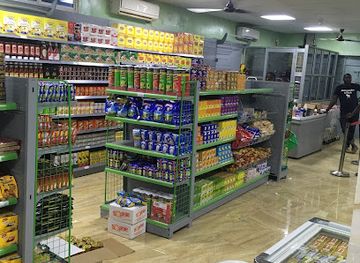
Explore the vibrant selection at Halabaid Trading Enterprises Paradise Supermarket, your gateway to Gambian flavors and culinary treasures.
-
Market
Farafenni market
Explore the heart of Gambian culture at Farafenni Market, a vibrant hub for local goods, crafts, and flavors that showcases the essence of The Gambia.
-
Grocery store
Costa road
Explore rich local flavors and vibrant community life at Costa Road Grocery Store in Bureng, a must-visit for any traveler.
-
General store
Soma Saremawdou Market
Experience the essence of Gambian culture at Soma Saremawdou Market, where vibrant stalls and friendly locals create a unique shopping adventure.


Get your free copy of our complete guide to Lower River Region, delivered straight to you.
Everything on this page, from attractions and restaurants to essentials and local phrases, in one PDF you can read offline, print or share.
Already have an account? Sign in
Your Lower River Region guide is ready.
We'll send it to · Not you? Sign out

Getting your guide ready…
We are putting together a fresh copy of the Lower River Region guide. This can take up to a minute.
This can take a few moments. If your browser asks, choose Allow so the download can start. You'll find the guide in your Downloads folder.
Nothing happened? Download it again
Sorry, the guide is taking longer than usual. Please try again in a minute, or get it by email instead.
Lower River Region essentials
Currency and Payment
Safety
Emergency Situations
Do's and Don'ts
Local Tips
From Eve
Local phrases worth knowing
You don't need to get them perfect. A few words go a long way, and locals appreciate the effort.
Basics
| English | Local | Say it |
|---|---|---|
| Hello | Naka | [nah-kah] |
| Goodbye | Naka saama | [nah-kah sah-mah] |
| Yes | Aye | [ah-yeh] |
| No | No | [noh] |
| Please/You're welcome | Nyaama | [nyah-mah] |
| Thank you | Jërëjëf | [jeh-reh-jehf] |
| Excuse me/Sorry | Maafo | [mah-foh] |
| How are you? | Naka la? | [nah-kah lah] |
| Fine. And you? | Njaay. Naka la? | [njah-yee nah-kah lah] |
| Do you speak English? | Aye, aji anglis? | [ah-yeh ah-jee ahn-glis] |
| I don't understand | Naa laa jamaa | [nah-lah jah-mah] |
Eating & Drinking
| English | Local | Say it |
|---|---|---|
| I'd like to see the menu, please | Nyaama, aji jekki menyu | [nyah-mah ah-jee jeh-kee men-yoo] |
| I don't eat meat | Naa laa njur | [nah-lah laj noor] |
| Cheers! | Nyaama! | [nyah-mah] |
| I would like to pay, please | Nyaama, aji faal | [nyah-mah ah-jee fah-l] |
Emergencies
| English | Local | Say it |
|---|---|---|
| Help! | Njaay! | [njah-yee] |
| Go away! | Jaa faala! | [jah fah-lah] |
| Call the Police! | Jëfandik police! | [jeh-fahn-dik poh-lees] |
| Call a doctor! | Jëfandik doktor! | [jeh-fahn-dik dok-tor] |
| I'm lost | Naa laa jekki | [nah-lah jeh-kee] |
| I'm ill | Naa laa jëfandik | [nah-lah jeh-fahn-dik] |
Shopping
| English | Local | Say it |
|---|---|---|
| I'd like to buy... | Nyaama, aji jekki... | [nyah-mah ah-jee jeh-kee] |
| I'm just looking | Naa jekki | [nah jeh-kee] |
| How much is it? | Naka laa fow? | [nah-kah lah foh] |
| That's too expensive | Daa laa boppu | [dah-lah bop-poo] |
| Can you lower the price? | Aji maafal fow? | [ah-jee mah-fahl foh] |
Time & Numbers
| English | Local | Say it |
|---|---|---|
| What time is it? | Naka laa wut? | [nah-kah lah woot] |
| It's one o'clock | Lekk one | [lek one] |
| Half past (10) | Half past 10 | [half past ten] |
| Morning | Bokk | [bohk] |
| Afternoon | Suw | [sooh] |
| Evening | Njaay | [njah-yee] |
| Yesterday | Jëfandik | [jeh-fahn-dik] |
| Today | Bokk la | [bohk lah] |
| Tomorrow | Njaay la | [njah-yee lah] |
| 1 | Bokk | [bohk] |
| 2 | Njaay | [njah-yee] |
| 3 | Tàbb | [tab] |
| 4 | Njaay | [njah-yee] |
| 5 | Jëfandik | [jeh-fahn-dik] |
| 6 | Bokk | [bohk] |
| 7 | Njaay | [njah-yee] |
| 8 | Tàbb | [tab] |
| 9 | Njaay | [njah-yee] |
| 10 | Jëfandik | [jeh-fahn-dik] |
Transport & Directions
| English | Local | Say it |
|---|---|---|
| Where's a/the...? | Naka laa ...? | [nah-kah lah] |
| What's the address? | Naka laa addres? | [nah-kah lah ah-dress] |
| Can you show me (on the map)? | Aji maafal laa (on the map)? | [ah-jee mah-fahl lah] |
| When's the next (bus)? | Naka laa next (bus)? | [nah-kah lah next] |
| A ticket (to ....) | Nyaama, aji jekki ticket (to ....) | [nyah-mah ah-jee jeh-kee ticket] |
History of Lower River Region
Early Riverine Settlement and Trade
The lower Gambia basin has long supported communities through farming, fishing and movement along the river and its tributaries. Its waterways connected inland settlements with wider trading networks in Senegambia, carrying agricultural produce, livestock and manufactured goods. Political authority changed over time and was shared among local states and communities rather than following the boundaries of the modern Lower River Region. The river’s navigable channels nevertheless helped shape settlement patterns and remain central to the region’s cultural geography.
Mandinka and Other Senegambian Political Traditions
Mandinka political and cultural influence became especially important across much of the Gambia basin, alongside the traditions of Fula, Wolof, Jola and other communities. Authority was expressed through village leadership, kinship networks, Islamic scholarship and relationships with larger regional states. These traditions were not confined to present administrative borders, but their legacy is visible in local languages, family histories, farming practices and patterns of religious life throughout the Lower River Region.
Islamic Scholarship and Community Life
Islam spread gradually through trade, teachers, clerics and local religious communities, becoming a major influence on social and cultural life in the lower river country. Islam was incorporated into existing forms of community organisation rather than erasing all earlier customs. Mosques, Quranic education, religious festivals and the authority of local scholars became important features of settlement life. Contemporary villages and towns in the region continue to reflect this long interaction between Islamic practice and older Senegambian traditions.
Colonial Expansion and the Sankandi Resistance of 1900
British colonial control expanded inland from the Gambia River during the nineteenth century, bringing new systems of taxation, administration and commercial regulation. Resistance emerged where these policies disrupted established authority or placed heavy demands on communities. The Sankandi uprising of 1900, associated with opposition to British taxation in the lower river area, became one of the important episodes of local resistance in colonial Gambia. Its memory forms part of the region’s historical understanding of imperial rule and local political autonomy.
Agriculture, Groundnuts and Colonial Commerce
During the colonial period, groundnut cultivation and trade became increasingly important across The Gambia. Produce moved from farming communities towards river landings and commercial centres, linking rural households to overseas markets. The agricultural economy also depended on rice, millet, livestock and fishing, with success shaped by rainfall and soil conditions. In the Lower River Region, these patterns strengthened the importance of market settlements and transport routes while leaving farming and seasonal environmental knowledge at the heart of local life.
Roads, Soma and the Modern Regional Economy
After independence in 1965, improved roads and public administration reshaped the relationship between Lower River communities and the rest of The Gambia. Soma developed into a prominent inland market and transport centre on the main route through the country, while Mansa Konko served as the regional administrative capital. Roads reduced dependence on river transport for many journeys, although waterways remain important for fishing, wetlands and tourism. The modern region combines these newer links with older village economies and river-based livelihoods.
Conservation at Kiang West and the Lower River Wetlands
Growing recognition of the ecological value of the region’s woodland, savannah, mangroves and tidal creeks led to stronger conservation efforts, including the protection of Kiang West National Park. The park and the wetlands around Tendaba support important bird habitats and retain areas of relatively undisturbed natural vegetation. Conservation has added a new dimension to the regional economy through guided wildlife and river tourism, while also highlighting the need to balance protected habitats with farming, fishing and local access.
Lower River Region in Photos
Browse through our photo collection highlighting the charm and character of the destination.
Neighbouring regions of Lower River Region
The closest regions to Lower River Region, if you have time for more than one.
-

-

-

-

-


Swipe for more regions
Explore more

Explore more of The Gambia
Discover The Gambia: a treasure trove of cultural richness, stunning beaches, and diverse wildlife. An unforgettable journey awaits you in Africa's Smiling Coast.
Explore The Gambia