

Free Kiang West Travel Guide & Mobile App
Explore Kiang West with free travel guides. Discover regional history, expert tips, proposed trips, and audio guides on web or mobile app.


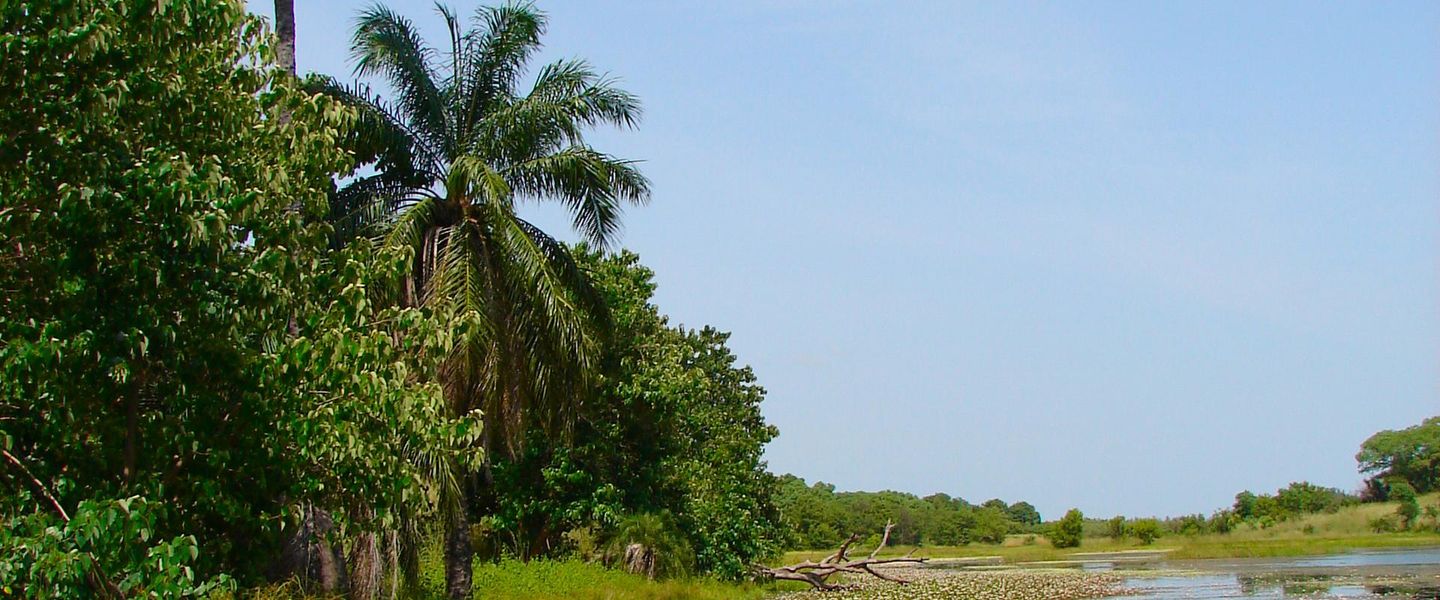


Explore Kiang West in The Gambia for river wetlands, bird-rich creeks, rural communities and wildlife landscapes beyond the coastal resorts.
Read more about Kiang West
When is the best time to visit Kiang West?
Best: December–February · 30–31°C| Month | High (°C) | Rainfall (mm) |
|---|---|---|
| January (best) | 30 | 0 |
| February (best) | 31 | 0 |
| March | 33 | 0 |
| April | 35 | 1 |
| May | 36 | 3 |
| June | 34 | 15 |
| July | 31 | 50 |
| August | 31 | 75 |
| September | 32 | 50 |
| October | 33 | 12 |
| November | 32 | 2 |
| December (best) | 30 | 0 |
Getting to and around Kiang West
How to get there
Transportation
Destinations in Kiang West
Resorts, valleys and scenic spots worth a trip of their own.
-

-

-


Swipe for more destinations
Best attractions in Kiang West
-
Nature preserve
Abuko Nature Reserve
Discover the rich biodiversity and serene landscapes of Abuko Nature Reserve, a tranquil escape in The Gambia, perfect for nature lovers and explorers.
-
Tourist attraction
Bintang Bay
Experience the tranquil beauty and cultural richness of Bintang Bay, a hidden gem on the coast perfect for relaxation and adventure.
-
Museum
Kiang West National Park headquarters
Explore the diverse ecosystems and wildlife at Kiang West National Park Headquarters, a key conservation area in The Gambia.
-
 Nature preserve
Pakala Forest Park
Experience the serene beauty of Pakala Forest Park, a nature preserve in Macca Farafenni, Gambia, perfect for relaxation and wildlife exploration.
Best landmarks in Kiang West
The River Gambia and its tidal bolongs are Kiang West's defining geographical landmarks, creating a shifting pattern of open water, mudflats, mangrove corridors and grassy banks. Tendaba is the district's most recognisable riverside point for visitors, notable less for monumental architecture than for its position beside the waterways and its long association with river-based tourism. Kiang West National Park is another significant landmark in the geographical sense: its protected mosaic of savanna, woodland and wetland represents an important part of the south-bank environment. The South Bank Road provides a useful linear reference through the district, linking settlements and agricultural landscapes rather than passing through a single historic centre. Village mosques, compounds, fields and riverside landing places are meaningful features of local settlement, but they are working community spaces rather than formal monuments. Their significance is best understood through local interpretation and respectful observation.
-
Historical landmark
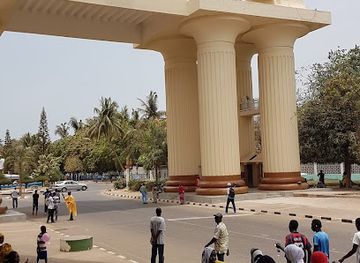
Arch 22
Discover the grandeur of Arch 22, a historical landmark in Banjul, symbolizing The Gambia's independence and rich cultural heritage.
-
Museum
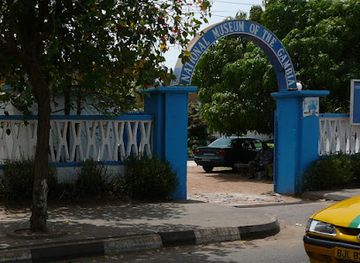
National Museum of the Gambia
Explore the National Museum of the Gambia: A deep dive into the rich history, culture, and art of The Gambia in the heart of Banjul.
-
History museum
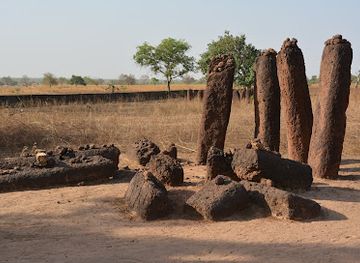
Stone Circles of Gambia
Explore the ancient mysteries of the Stone Circles of Gambia, a UNESCO World Heritage Site showcasing monumental structures and rich cultural heritage.
-
Historical landmark
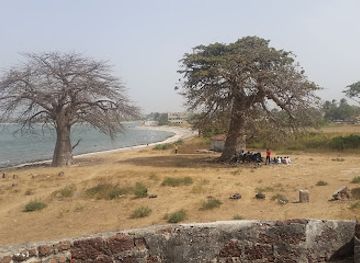
Fort Bullen
Explore the historical significance and stunning vistas of Fort Bullen, a captivating landmark on the coast of Barra, Gambia.
Explore Kiang West on the map
Plan your trip on one map. See where the top cities, national parks and sights are, and book hotels and experiences in a few clicks.
Best hotels in Kiang West
Best restaurants in Kiang West
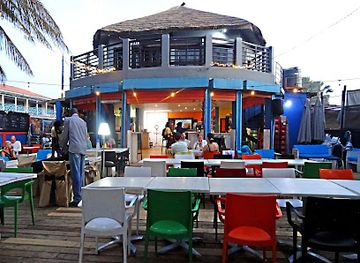
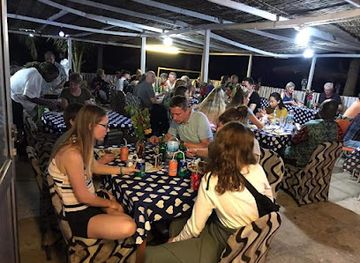
Dining in Kiang West is closely connected to lodge kitchens, village hospitality and the everyday food of The Gambia rather than a dense restaurant scene. Meals commonly draw on rice, fish, chicken, vegetables, groundnuts and local sauces, with dishes such as benachin, a rice-based one-pot meal, and domoda, a groundnut sauce often served with meat or vegetables, appearing according to the kitchen and available ingredients. Fresh or locally caught fish may feature near the river, while seasonal produce reflects the agricultural calendar. Breakfasts at accommodation often include bread, eggs, fruit and tea, and simple meals are usually the most dependable option in rural areas. Visitors should explain dietary requirements in advance, as supplies can be limited and menus may not be extensive. Bottled or treated water is advisable, and locally purchased food should be eaten from clean, well-managed sources. The most interesting culinary encounters are often arranged meals or market purchases made with a guide's help rather than formal fine dining.
-
Restaurant
Poco Loco Beachbar Gambia
Experience vibrant coastal dining at Poco Loco Beachbar in Serrekunda, Gambia - where flavors meet stunning ocean views.
-
Restaurant
John Raymond'S Beach Bar And Restaurant
Experience authentic Gambian cuisine with stunning ocean views at John Raymond's Beach Bar and Restaurant in Serrekunda.
-
Restaurant
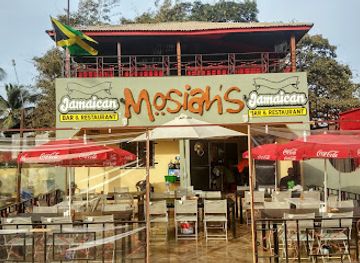
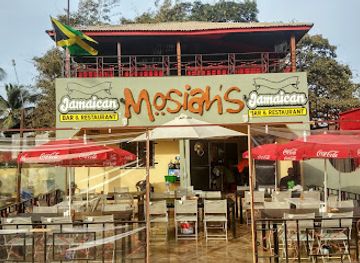
Mo2 Jamaican Bar & Restaurant Gambia (Mosiah's)
Discover authentic Jamaican cuisine at Mo2 Jamaican Bar & Restaurant in Gambia - a vibrant spot for flavorsome dishes and lively entertainment.
-
Restaurant
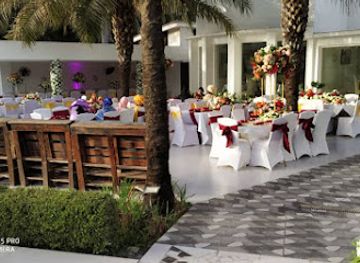
Villa Roula
Discover exquisite dining at Villa Roula in Serrekunda, where local Gambian flavors meet international cuisine in a warm atmosphere.
Best bars in Kiang West
Kiang West does not have a major nightclub circuit. Evening life centres on accommodation bars, small local drinking places, restaurants and informal socialising in larger settlements, with conversation, radio, music and community gatherings more significant than late-night entertainment. Tendaba and other riverside bases may offer drinks after a boat excursion, but opening arrangements and supplies can be limited, particularly outside the main tourist season. Alcohol is not central to every community's social life, and visitors should respect Muslim customs and local preferences around drinking. Night-time nature walks or independent wandering are not advisable without guidance because of uneven ground, limited lighting, insects and the possibility of encountering animals. Guests seeking a busier bar and club scene will find more choice in the coastal tourism areas, which are outside Kiang West and require a substantial journey.
-
Restaurant
Mo2 Jamaican Bar & Restaurant Gambia (Mosiah's)
Discover the taste of Jamaica at Mo2 Jamaican Bar & Restaurant in Serrekunda, Gambia, where vibrant flavors meet a warm Caribbean atmosphere.
-
Bar
Solomon’s Beach Bar & Restaurant
Discover the vibrant flavors and stunning views at Solomon's Beach Bar & Restaurant, a perfect blend of local cuisine and tropical cocktails.
-
Bar
Calypso bar & restaurant
Discover the flavors of Bakau at Calypso Bar & Restaurant, where the ocean meets exceptional cuisine in a vibrant atmosphere.
-
Bar
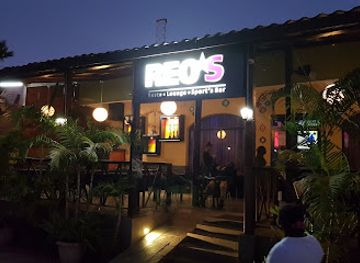
Reo's Bar and Restaurant
Experience the vibrant nightlife of Serrekunda at Reo's Bar and Restaurant, where delicious food and drinks meet a lively atmosphere.
Best nightclubs in Kiang West
Kiang West does not have a major nightclub circuit. Evening life centres on accommodation bars, small local drinking places, restaurants and informal socialising in larger settlements, with conversation, radio, music and community gatherings more significant than late-night entertainment. Tendaba and other riverside bases may offer drinks after a boat excursion, but opening arrangements and supplies can be limited, particularly outside the main tourist season. Alcohol is not central to every community's social life, and visitors should respect Muslim customs and local preferences around drinking. Night-time nature walks or independent wandering are not advisable without guidance because of uneven ground, limited lighting, insects and the possibility of encountering animals. Guests seeking a busier bar and club scene will find more choice in the coastal tourism areas, which are outside Kiang West and require a substantial journey.
-
Night club
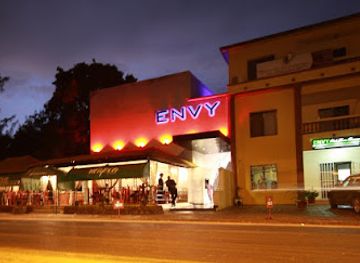
Envy Night Club
Experience the electrifying nightlife at Envy Night Club in Serrekunda, Gambia, where every night is a celebration of music and dance.
-
Night club
Aquarius Nightclub
Dive into the vibrant nightlife at Aquarius Nightclub in Serrekunda, where music and dance create unforgettable memories.
-
Night club
Ningki Nangka Bar & Night Club
Experience the vibrant nightlife at Ningki Nangka Bar & Night Club in Serrekunda, where music, dance, and unforgettable memories await.
-
Night club
ONYX
Discover the vibrant nightlife at ONYX in Serrekunda, where electrifying music, delicious cocktails, and unforgettable experiences await every night.


Best shops in Kiang West
Shopping in Kiang West is modest and practical, with small village shops and market activity supplying food, drinks, household goods and everyday travel needs. Visitors may find groundnuts, rice, fruit, vegetables, woven items or locally made goods through informal sellers, although availability varies by settlement and season. There is no large shopping district or dependable specialist craft market within the district, so distinctive souvenirs are more likely to be sourced through accommodation, a community visit or a guide who knows local producers. Gambian textiles, carved items, baskets and other crafts may be available, but buyers should ask about prices respectfully and avoid purchasing objects made from protected wildlife or natural materials. Carry dalasi in small notes, as rural sellers may not have change and card payments are uncommon. Larger selections of handicrafts, clothing and packaged food are available in the urban and coastal areas outside Kiang West, so visitors should purchase essential supplies before travelling into the district.
-
Market
Albert Market
Discover the vibrant atmosphere of Albert Market in Banjul, where local culture, crafts, and culinary delights come to life in a bustling marketplace.
-
Book store
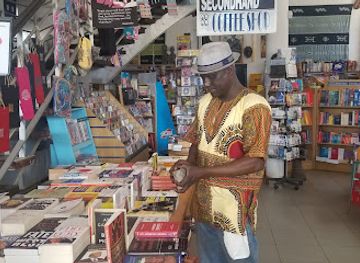
Timbooktoo Bookstore
Explore the rich literary landscape of Gambia at Timbooktoo Bookstore, a must-visit destination for book lovers and cultural enthusiasts.
-
Shopping mall
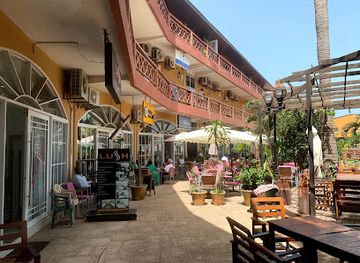
The Village Shopping and Dining Centre
Discover shopping and dining delights at The Village Shopping and Dining Centre in Serrekunda, where culture meets modern retail.
-
Souvenir store
TOP-SHOP
Explore a treasure trove of Gambian souvenirs, art, and handicrafts at TOP-SHOP, located in the heart of Serrekunda's vibrant shopping scene.

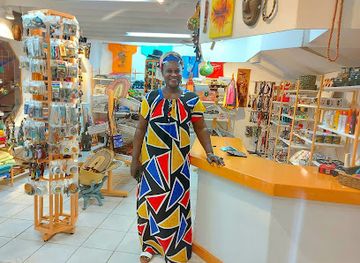
Get your free copy of our complete guide to Kiang West, delivered straight to you.
Everything on this page, from attractions and restaurants to essentials and local phrases, in one PDF you can read offline, print or share.
Already have an account? Sign in
Your Kiang West guide is ready.
We'll send it to · Not you? Sign out

Getting your guide ready…
We are putting together a fresh copy of the Kiang West guide. This can take up to a minute.
This can take a few moments. If your browser asks, choose Allow so the download can start. You'll find the guide in your Downloads folder.
Nothing happened? Download it again
Sorry, the guide is taking longer than usual. Please try again in a minute, or get it by email instead.
Kiang West essentials
Currency and Payment
Safety
Emergency Situations
Do's and Don'ts
Local Tips
From Eve
Local phrases worth knowing
You don't need to get them perfect. A few words go a long way, and locals appreciate the effort.
Basics
| English | Local | Say it |
|---|---|---|
| Hello | Naka | [nah-kah] |
| Goodbye | Naka sitan | [nah-kah see-tahn] |
| Yes | Aye | [ah-yeh] |
| No | No | [noh] |
| Please/You're welcome | Jor | [jor] |
| Thank you | Jerejef | [jeh-reh-jehf] |
| Excuse me/Sorry | Nyo | [n-yoh] |
| How are you? | Nanga def? | [nahn-gah dehf] |
| Fine. And you? | Maa def. Nanga? | [mah dehf. nahn-gah?] |
| Do you speak English? | Nanga faal English? | [nahn-gah fahl ehng-lish?] |
| I don't understand | Maa neexi | [mah neh-ehk-see] |
Eating & Drinking
| English | Local | Say it |
|---|---|---|
| I'd like to see the menu, please | Nangay jokk menu, jor | [nahn-gah yohk men-oo, jor] |
| I don't eat meat | Maa neexi nyam | [mah neh-ehk-see nyam] |
| Cheers! | Naka dhey! | [nah-kah dhey!] |
| I would like to pay, please | Nangay jokk pay, jor | [nahn-gah yohk pay, jor] |
Emergencies
| English | Local | Say it |
|---|---|---|
| Help! | Saa! | [sah!] |
| Go away! | Naka ganna! | [nah-kah gahn-nah!] |
| Call the Police! | Saa Police! | [sah poh-lees!] |
| Call a doctor! | Saa doctor! | [sah doh-ktohr!] |
| I'm lost | Maa lool | [mah lohl] |
| I'm ill | Maa jokk sante | [mah yohk sahn-teh] |
Shopping
| English | Local | Say it |
|---|---|---|
| I'd like to buy... | Nangay jokk buy... | [nahn-gah yohk buy...] |
| I'm just looking | Maa jokk ngir | [mah yohk ngeer] |
| How much is it? | Nanga yene? | [nahn-gah yeh-neh?] |
| That's too expensive | Yene yene, te | [yeh-neh yeh-neh, teh] |
| Can you lower the price? | Nanga jokk mboo? | [nahn-gah yohk mboo?] |
Time & Numbers
| English | Local | Say it |
|---|---|---|
| What time is it? | Nanga time? | [nahn-gah tahy-m?] |
| It's one o'clock | Dey one o'clock | [dey wuhn oh-klohck] |
| Half past (10) | Half past (10) | [half pahst (ten)] |
| Morning | Suba | [soo-bah] |
| Afternoon | Dimo | [dee-mo] |
| Evening | Nox | [nox] |
| Yesterday | Bokk | [bok] |
| Today | Leh | [leh] |
| Tomorrow | Taal | [tahl] |
| 1 | Benn | [ben] |
| 2 | Naar | [naahr] |
| 3 | Taat | [taht] |
| 4 | Jok | [johk] |
| 5 | Jeng | [jeng] |
| 6 | Jok | [johk] |
| 7 | Jang | [jang] |
| 8 | Jok | [johk] |
| 9 | Jok | [johk] |
| 10 | Jok | [johk] |
Transport & Directions
| English | Local | Say it |
|---|---|---|
| Where's a/the...? | Nanga a/the...? | [nahn-gah ah/the?] |
| What's the address? | Nanga address? | [nahn-gah ah-dress?] |
| Can you show me (on the map)? | Nanga jokk ma (on the map)? | [nahn-gah yohk mah (on the map)?] |
| When's the next (bus)? | Nanga when next (bus)? | [nahn-gah wehn next (bus)?] |
| A ticket (to ....) | A ticket (to ....) | [ah ti-ket (to ....)] |
History of Kiang West
Early settlement and Mandinka political traditions
The lands around Kiang West formed part of the wider cultural and commercial world of the River Gambia basin long before modern national borders were drawn. Mandinka-speaking communities established villages, cultivated the surrounding soils and participated in networks linking the river to inland settlements. Political authority was often organised through local rulers, family lineages and larger Manding states whose influence extended across parts of present-day Senegal and The Gambia. The river was a route for movement, communication and trade, while seasonal agriculture and access to wetlands shaped settlement patterns.
The River Gambia and the Atlantic trade
From the fifteenth century onwards, European merchants and navigators entered the River Gambia, joining trading systems that already connected the interior with the coast. European forts and trading posts were concentrated at strategic points along the river rather than in every rural district, but communities in the wider river basin were affected by the movement of goods, firearms, captives and later agricultural commodities. The Atlantic slave trade caused profound disruption across the region. Its consequences remained part of local memory and regional history even where no major surviving fort stands within Kiang West itself.
Colonial rule and the Protectorate
British influence gradually expanded along the River Gambia, while much of the interior was administered as the Gambia Protectorate rather than as a densely settled coastal colony. Colonial rule introduced new systems of taxation, courts and administration and relied heavily on existing village and chiefly structures. River transport connected inland communities with trading centres and the colonial capital, Bathurst, now Banjul. The boundaries and administrative terminology of the period do not correspond exactly to today's districts, so Kiang West is best understood as part of the broader south-bank landscape shaped by this transition.
Groundnuts and the rural economy
Groundnut cultivation became central to The Gambia's colonial and post-colonial economy, linking rural producers to export markets and river transport. In Kiang West, farming remained closely tied to seasonal rainfall, household labour and the availability of suitable soils, while rice cultivation and fishing complemented the agricultural calendar in some communities. The groundnut economy brought commercial opportunity but also vulnerability when harvests, prices or transport conditions changed. Its legacy is still visible in cultivated fields, rural trading patterns and the importance of seasonal work.
Independence and national development
The Gambia became independent from Britain in 1965, and the villages of the present Kiang West District became part of a new national administration. Roads, schools, health services and agricultural programmes gradually altered the relationship between rural communities and regional centres. The south-bank road improved over time, although distances and seasonal conditions continue to influence access. Development has taken place alongside strong local institutions, religious life and agricultural traditions rather than replacing them.
Protected wetlands and modern ecotourism
Late twentieth-century conservation efforts recognised the ecological importance of the River Gambia's mangroves, creeks and adjoining savanna. Kiang West National Park and the wetland areas around Tendaba helped establish the district as a destination for birdwatching, guided river trips and nature-based tourism. Conservation remains connected to local livelihoods, since fishing, farming, fuelwood use and access to natural resources affect the health of the landscape. Responsible tourism is therefore most valuable when it supports local guides and respects community use of the river and wetlands.
Kiang West in Photos
Browse through our photo collection highlighting the charm and character of the destination.
Neighbouring regions of Kiang West
The closest regions to Kiang West, if you have time for more than one.
-

-
-

-

-


Swipe for more regions

