

Free Foni Brefet Travel Guide & Mobile App
Explore Foni Brefet with free travel guides. Discover regional history, expert tips, proposed trips, and audio guides on web or mobile app.


Explore Foni Brefet in southern The Gambia for rural landscapes, village culture, seasonal wetlands and a slower journey beyond the resort coast.
Read more about Foni Brefet
When is the best time to visit Foni Brefet?
Best: December–February · 28–30°C| Month | High (°C) | Rainfall (mm) |
|---|---|---|
| January (best) | 28 | 0 |
| February (best) | 30 | 0 |
| March | 32 | 0 |
| April | 33 | 1 |
| May | 34 | 2 |
| June | 34 | 4 |
| July | 32 | 10 |
| August | 31 | 13 |
| September | 31 | 11 |
| October | 32 | 6 |
| November | 30 | 1 |
| December (best) | 28 | 0 |
Getting to and around Foni Brefet
How to get there
Transportation
Destinations in Foni Brefet
Resorts, valleys and scenic spots worth a trip of their own.

Swipe for more destinations
Best attractions in Foni Brefet
Foni Brefet’s attractions are primarily environmental and cultural rather than purpose-built. The district offers opportunities to observe southern Gambian farmland, woodland, palms and seasonal wet areas, particularly when accompanied by a local guide who can explain cultivation, medicinal plants and village history. Birdwatchers may find raptors, bee-eaters, kingfishers and other species around fields, trees and temporary water, although sightings depend on season and habitat. Short walks between settlements can reveal compound architecture, roadside commerce, wells, mosques and the everyday movement of farming communities. Visitors interested in cultural travel can arrange respectful conversations, craft demonstrations or introductions to local producers, provided these are organised through community contacts rather than imposed on households. The main road corridor is useful for understanding how rural Foni connects with the rest of The Gambia, while smaller tracks lead towards quieter agricultural landscapes. There are few formal museums, ticketed monuments or developed recreation sites within the district, so travellers should not expect a conventional attraction schedule. Foni Brefet works best as part of a carefully planned southern Gambian journey, with time for unhurried observation and realistic expectations about facilities, road conditions and independent access.
-
Island
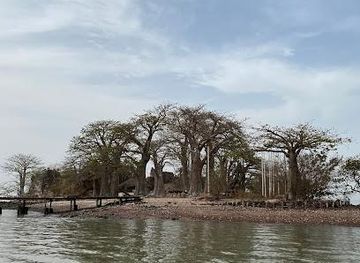
Kunta Kinteh Island
Explore Kunta Kinteh Island, a UNESCO site in The Gambia, rich in history, natural beauty, and a poignant reminder of the transatlantic slave trade.
-
Fish processing
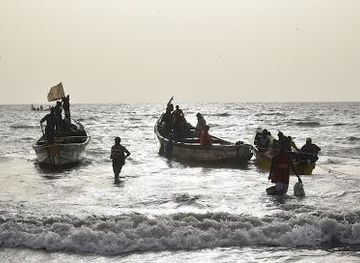
Tanji Fishing Center 🎣 bass
Experience the heart of Gambian culture at the Tanji Fishing Center, where vibrant fishing traditions meet stunning coastal beauty.
-
Tour operator
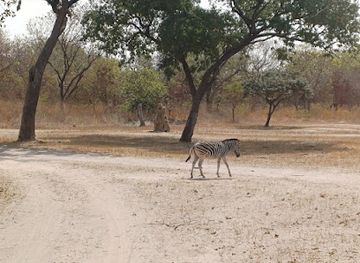
Black and White Safari
Explore Gambia's vibrant wildlife and culture with Black and White Safari, your gateway to unforgettable adventures in West Africa.
-
Historical landmark
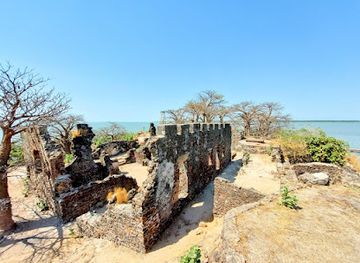
Kunta Kinteh island / St. James Fort
Explore the haunting beauty and historical significance of Kunta Kinteh Island and St. James Fort, a UNESCO World Heritage site in the Gambia.
Best landmarks in Foni Brefet
The most recognisable landmarks in Foni Brefet are tied to its rural road network and village architecture rather than to grand monuments. The South Bank road corridor provides the district’s principal visible line of connection, linking settlements, agricultural areas and local trading points within southern The Gambia. Village mosques, often modest in scale, are important focal points in communities where Islamic practice shapes the rhythm of daily life; they should be viewed from outside unless an invitation is extended. Family compounds, wells, shade trees and meeting spaces also express the organisation of rural settlement, although they are lived-in places rather than open-air museums. Seasonal wetlands and stretches of wooded farmland form natural landmarks whose appearance changes sharply between the dry and rainy seasons. The district’s significance lies in this combination of landscape, transport and community structures: together they show how Foni Brefet functions as a working rural district. Visitors should avoid photographing or entering private sites without permission, and should not expect a single flagship monument comparable to the major heritage attractions found elsewhere in The Gambia.
-
Tourist attraction
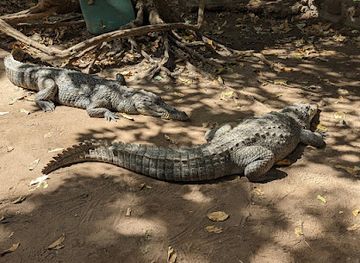
Kachikally Crocodile Pool
Experience the magic of Kachikally Crocodile Pool, where you can interact with Nile crocodiles and delve into Gambian culture amidst serene surroundings.
-
 Resort hotel
Coco Ocean Resort & Spa Hotel
Experience unparalleled luxury and relaxation at Coco Ocean Resort & Spa, where stunning coastal views meet exquisite amenities in The Gambia.
-
Tourist attraction
Senegambia Craft Market
Explore the colorful Senegambia Craft Market for unique handicrafts, vibrant textiles, and an authentic Gambian cultural experience.
-
National park
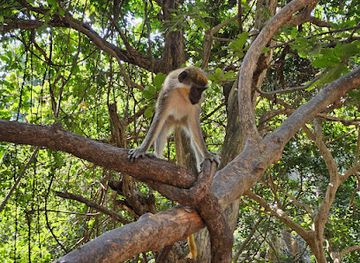
Bijilo National Park
Explore the lush landscapes and vibrant wildlife of Bijilo National Park, a must-visit destination for nature lovers in Gambia.

Explore Foni Brefet on the map
Plan your trip on one map. See where the top cities, national parks and sights are, and book hotels and experiences in a few clicks.
Best hotels in Foni Brefet
Best restaurants in Foni Brefet
Foni Brefet has a modest dining scene centred on homes, small local eateries, roadside stalls and simple provisions rather than destination restaurants. Meals commonly reflect Gambian cooking, with rice served alongside fish, chicken, meat or vegetable sauces, and ingredients varying according to season and household resources. Fresh fruit, groundnuts and locally grown vegetables may be available in villages or at roadside trading points, while attaya, the strong green tea traditionally prepared in rounds, is an important social drink across The Gambia. Visitors should not assume that every settlement has an extensive menu or reliable refrigeration; carrying water and a few suitable snacks is sensible. Larger towns and main-road stops offer more choice than isolated villages, but food availability can change with transport, harvests and local demand. When invited to eat with a family, accept respectfully if possible, wash hands according to local practice and follow the household’s lead. Any dietary restrictions should be explained clearly in advance, especially where meals are prepared communally.
-
Restaurant
Poco Loco Beachbar Gambia
Discover paradise at Poco Loco Beachbar Gambia - where stunning views meet exquisite flavors along Serrekunda's coastline.
-
Restaurant
John Raymond'S Beach Bar And Restaurant
Savor authentic Gambian cuisine while enjoying breathtaking ocean views at John Raymond's Beach Bar and Restaurant in Serrekunda.
-
Restaurant
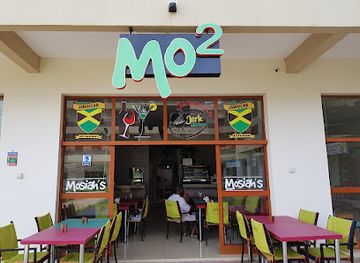
Mo2 Jamaican Bar & Restaurant Gambia (Mosiah's)
Experience authentic Jamaican cuisine at Mo2 Jamaican Bar & Restaurant in Gambia - where vibrant flavors meet warm hospitality.
-
Restaurant
Villa Roula
Experience authentic Gambian flavors blended with international cuisine at Villa Roula in Serrekunda.
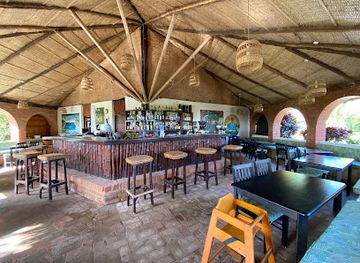
Best bars in Foni Brefet
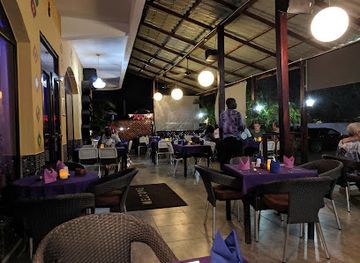
Foni Brefet does not have a concentrated nightclub or late-night entertainment district. Evening social life is more likely to centre on family compounds, small tea stalls, local eateries, conversation and community gatherings than on commercial bars. Attaya preparation can provide a relaxed opportunity for social exchange, but visitors should accept invitations with cultural awareness and avoid treating private gatherings as tourist entertainment. A few roadside businesses may serve drinks or simple food, particularly along busier routes, although opening arrangements and availability are not dependable. Alcohol is not central to public life in many communities, and Islamic customs should be respected. After dark, movement between villages is limited by road conditions, lighting and transport availability, so visitors should arrange their return journey in advance. Those seeking a broader choice of music venues, bars or nightlife will generally need to travel outside Foni Brefet towards The Gambia’s larger urban and coastal centres.
-
Restaurant
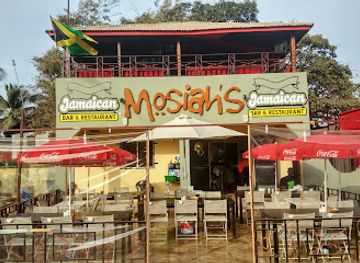
Mo2 Jamaican Bar & Restaurant Gambia (Mosiah's)
Experience the vibrant flavors of Jamaica at Mo2 Jamaican Bar & Restaurant in Gambia, where delightful cuisine meets a lively atmosphere.
-
Bar
Solomon’s Beach Bar & Restaurant
Discover the ultimate beachside dining experience at Solomon’s Beach Bar & Restaurant in Serrekunda, Gambia. Enjoy fresh seafood and stunning ocean views.
-
Bar
Calypso bar & restaurant
Discover the lively Calypso Bar & Restaurant in Bakau, where refreshing drinks and delicious local cuisine create an unforgettable dining experience.
-
Bar
Reo's Bar and Restaurant
Experience the vibrant nightlife and delectable local cuisine at Reo's Bar and Restaurant in Serrekunda, the heart of Gambian culture.
Best nightclubs in Foni Brefet
Foni Brefet does not have a concentrated nightclub or late-night entertainment district. Evening social life is more likely to centre on family compounds, small tea stalls, local eateries, conversation and community gatherings than on commercial bars. Attaya preparation can provide a relaxed opportunity for social exchange, but visitors should accept invitations with cultural awareness and avoid treating private gatherings as tourist entertainment. A few roadside businesses may serve drinks or simple food, particularly along busier routes, although opening arrangements and availability are not dependable. Alcohol is not central to public life in many communities, and Islamic customs should be respected. After dark, movement between villages is limited by road conditions, lighting and transport availability, so visitors should arrange their return journey in advance. Those seeking a broader choice of music venues, bars or nightlife will generally need to travel outside Foni Brefet towards The Gambia’s larger urban and coastal centres.
-
Island
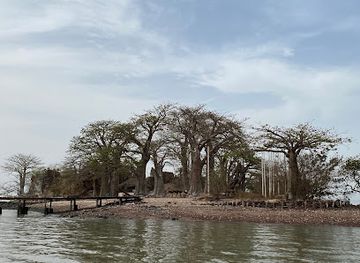
Kunta Kinteh Island
Explore Kunta Kinteh Island, a UNESCO World Heritage site, and uncover the profound history behind this pivotal location in the transatlantic slave trade.
-
Night club
Envy Night Club
Discover the electrifying nightlife of Serrekunda at Envy Night Club, where music, dance, and vibrant energy come together for an unforgettable experience.
-
Night club
Aquarius Nightclub
Dive into the exhilarating nightlife at Aquarius Nightclub, Serrekunda's top destination for music, dancing, and unforgettable memories.
-
Night club
Ningki Nangka Bar & Night Club
Experience the vibrant nightlife of Serrekunda at Ningki Nangka Bar & Night Club, where music, drinks, and fun come together in an unforgettable atmosphere.



Best shops in Foni Brefet
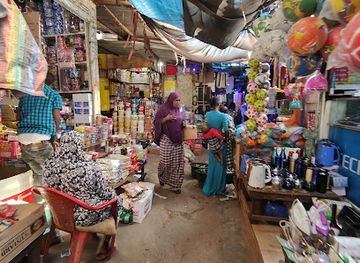
Shopping in Foni Brefet is practical and local, with small village shops, roadside sellers and periodic market activity providing basic food, household goods and seasonal produce. Groundnuts, fruit, vegetables and other agricultural products may be available directly from growers or traders, although supply varies by harvest and location. Visitors may also encounter woven items, simple craftwork or locally made household products, but these should be bought through fair, direct transactions rather than aggressive bargaining. The district is not a centre for department stores, designer retail or a large permanent craft market, so substantial purchases and specialist supplies are better handled in larger Gambian towns before travelling south. Carry sufficient cash in smaller denominations, as card payments are unlikely in rural shops. Useful, respectful souvenirs are modestly packaged foods or crafts purchased with the maker’s or seller’s consent; avoid removing plants, shells or other natural materials from the landscape. Shopping here is mainly an insight into everyday rural commerce rather than a dedicated retail experience.
-
Market
Serekunda Market
Explore Serekunda Market, the vibrant heart of Gambian culture, where fresh produce, local crafts, and authentic cuisine await every traveler.
-
Market
Albert Market
Discover the vibrant colors, sounds, and flavors of Gambian culture at Albert Market in Banjul, a must-visit for every traveler.
-
Shopping mall
The Village Shopping and Dining Centre
Discover a vibrant shopping and dining experience at The Village Shopping and Dining Centre in Serrekunda, where culture meets commerce.
-
Souvenir store
TOP-SHOP
Explore the best of Gambian craftsmanship at TOP-SHOP, your premier destination for unique souvenirs and local art in Serrekunda.



Get your free copy of our complete guide to Foni Brefet, delivered straight to you.
Everything on this page, from attractions and restaurants to essentials and local phrases, in one PDF you can read offline, print or share.
Already have an account? Sign in
Your Foni Brefet guide is ready.
We'll send it to · Not you? Sign out

Getting your guide ready…
We are putting together a fresh copy of the Foni Brefet guide. This can take up to a minute.
This can take a few moments. If your browser asks, choose Allow so the download can start. You'll find the guide in your Downloads folder.
Nothing happened? Download it again
Sorry, the guide is taking longer than usual. Please try again in a minute, or get it by email instead.
Foni Brefet essentials
Currency and Payment
Safety
Emergency Situations
Do's and Don'ts
Local Tips
From Eve
Local phrases worth knowing
You don't need to get them perfect. A few words go a long way, and locals appreciate the effort.
Basics
| English | Local | Say it |
|---|---|---|
| Hello | Naka | [nɑːkɑ] |
| Goodbye | Naka saama | [nɑːkɑ sɑːmɑ] |
| Yes | Eey | [eɪ] |
| No | Alaa | [ɑːlɑ] |
| Please/You're welcome | Faal | [fɑːl] |
| Thank you | Jerejef | [dʒɛrɛdʒɛf] |
| Excuse me/Sorry | Mafal | [mɑːfɑl] |
| How are you? | Nyaama? | [njɑːmɑ] |
| Fine. And you? | Nyaama, a ni? | [njɑːmɑ, ɑ nɪ] |
| Do you speak English? | A jango English? | [ɑ dʒɑŋɡo ɪŋɡlɪʃ] |
| I don't understand | Mbaa a jamaa | [mbɑː ɑ dʒɑːmɑ] |
Eating & Drinking
| English | Local | Say it |
|---|---|---|
| I'd like to see the menu, please | Mbaa jango menu, faal | [mbɑː dʒɑŋɡo mɛnuː, fɑːl] |
| I don't eat meat | Mbaa a janga nyam | [mbɑː ɑ dʒɑŋɡɑ njɑːm] |
| Cheers! | Faal! | [fɑːl] |
| I would like to pay, please | Mbaa jango pay, faal | [mbɑː dʒɑŋɡo peɪ, fɑːl] |
Emergencies
| English | Local | Say it |
|---|---|---|
| Help! | Maa! | [mɑː] |
| Go away! | Baal! | [bɑːl] |
| Call the Police! | Jango Police! | [dʒɑŋɡo pəˈliːs] |
| Call a doctor! | Jango doctor! | [dʒɑŋɡo dɒktə] |
| I'm lost | Mbaa a jamaa | [mbɑː ɑ dʒɑːmɑ] |
| I'm ill | Mbaa a jabi | [mbɑː ɑ dʒɑːbi] |
Shopping
| English | Local | Say it |
|---|---|---|
| I'd like to buy... | Mbaa jango fuuta... | [mbɑː dʒɑŋɡo fʊtɑ] |
| I'm just looking | Mbaa jango kafu | [mbɑː dʒɑŋɡo kɑːfu] |
| How much is it? | Nyaama sago? | [njɑːmɑ sɑːɡo] |
| That's too expensive | O sago bata | [o sɑːɡo bɑːtɑ] |
| Can you lower the price? | A tuma sago? | [ɑ tʊmɑ sɑːɡo] |
Time & Numbers
| English | Local | Say it |
|---|---|---|
| What time is it? | Nyaama saare? | [njɑːmɑ sɑːrɛ] |
| It's one o'clock | Nyaama kono saare | [njɑːmɑ kɔːnɔ sɑːrɛ] |
| Half past (10) | Sankung saare (10) | [sɑːnkuŋ sɑːrɛ (10)] |
| Morning | Bóó | [bɔːɔ] |
| Afternoon | Saal | [sɑːl] |
| Evening | Fula | [fʊlɑ] |
| Yesterday | Njaara | [ndʒɑːrɑ] |
| Today | Daal | [dɑːl] |
| Tomorrow | Ngang | [nɡɑːŋ] |
| 1 | Kono | [kɔːnɔ] |
| 2 | Duo | [dʊɔ] |
| 3 | Tati | [tɑːti] |
| 4 | Ngi | [ŋɡi] |
| 5 | Jango | [dʒɑŋɡo] |
| 6 | Jango tati | [dʒɑŋɡo tɑːti] |
| 7 | Jango ngi | [dʒɑŋɡo ŋɡi] |
| 8 | Jango duo | [dʒɑŋɡo dʊɔ] |
| 9 | Jango kono | [dʒɑŋɡo kɔːnɔ] |
| 10 | Jango tati | [dʒɑŋɡo tɑːti] |
Transport & Directions
| English | Local | Say it |
|---|---|---|
| Where's a/the...? | Nyaama ...? | [njɑːmɑ ...?] |
| What's the address? | Nyaama adires? | [njɑːmɑ ɑdɪrɛs] |
| Can you show me (on the map)? | A tuma mi (nka map)? | [ɑ tʊmɑ mɪ (nʊːkɑ mɑp)?] |
| When's the next (bus)? | Nyaama jango (bus)? | [njɑːmɑ dʒɑŋɡo (bʌs)?] |
| A ticket (to ....) | Doka (to ....) | [dɔːkɑ (tu ....)] |
History of Foni Brefet
Early settlement and agricultural landscapes
The Foni area has long been shaped by communities adapting to a seasonal environment of woodland, cultivated land and wetter low-lying areas. Archaeological evidence across The Gambia indicates long histories of settlement, farming, metalworking and exchange, although many rural sites are not developed for public visitation. In Foni Brefet, the enduring historical record is also carried through village traditions, family histories and knowledge of land, water and cultivation. These continuities help explain why farming remains central to the district’s identity.
Mandinka and Jola cultural histories
Southern Gambia has been influenced by Mandinka political and cultural traditions as well as Jola communities and neighbouring peoples. The balance differs between settlements, but language, farming customs, Islamic practice, kinship and oral history have all contributed to the character of Foni. Rather than belonging to a single cultural narrative, the district reflects centuries of interaction across the Casamance and Lower Gambia region. Local history is therefore often best understood through community knowledge as well as written sources.
The era of regional kingdoms and trade
Before European colonial rule, the wider Senegambian region contained shifting political authorities, village alliances and trading networks rather than fixed modern borders. Goods, religious ideas and people moved between the Gambia River basin, the Casamance and inland settlements. Foni’s position in southern Gambia placed it within this broader zone of movement. The boundaries that now separate The Gambia from Senegal are relatively recent when compared with the older social and commercial connections of the region.
Islamic influence and colonial rule
Islam spread gradually through Senegambia via scholars, traders, clerics and local communities, becoming an important influence in southern Gambian society. During the nineteenth and early twentieth centuries, British colonial administration consolidated control over The Gambia, while French rule developed on the surrounding Senegalese mainland. Colonial boundaries divided communities and travel networks that had previously operated across a wider cultural landscape. Foni’s rural economy was subsequently administered through the structures of British Gambia.
Groundnuts, roads and the colonial economy
Groundnut cultivation became one of The Gambia’s most important commercial activities during the colonial period and continued to influence rural livelihoods after independence. Farming households in southern districts participated in this wider agricultural economy alongside food production and livestock keeping. Roads and administrative routes improved the connection between Foni settlements and larger trading centres, though rural access has always remained seasonal and uneven. The agricultural landscape visible today reflects both older subsistence practices and this commercial legacy.
Independence and contemporary rural change
The Gambia became independent in 1965, and Foni Brefet has since developed within the country’s national administrative, educational and economic systems. Improved roads, mobile communications, schooling and migration have altered how rural communities connect with towns and with Gambians abroad. At the same time, agriculture, family compounds, religious institutions and community networks remain influential. Contemporary Foni Brefet is therefore neither a preserved historical enclave nor an urbanising district, but a rural area negotiating gradual social and economic change.
Foni Brefet in Photos
Browse through our photo collection highlighting the charm and character of the destination.
Neighbouring regions of Foni Brefet
The closest regions to Foni Brefet, if you have time for more than one.
-

-

-

-

-


Swipe for more regions
Explore more

Explore more of The Gambia
Discover The Gambia: a treasure trove of cultural richness, stunning beaches, and diverse wildlife. An unforgettable journey awaits you in Africa's Smiling Coast.
Explore The Gambia