

Free Foni Bintang-Karenai Travel Guide & Mobile App
Explore Foni Bintang-Karenai with free travel guides. Discover regional history, expert tips, proposed trips, and audio guides on web or mobile app.


Explore Foni Bintang-Karenai in The Gambia for Bintang Bolong waterways, village life, birdwatching, mangroves and quiet rural landscapes.
Read more about Foni Bintang-Karenai
When is the best time to visit Foni Bintang-Karenai?
Best: December–February · 31–32°C| Month | High (°C) | Rainfall (mm) |
|---|---|---|
| January (best) | 31 | 0 |
| February (best) | 32 | 0 |
| March | 34 | 1 |
| April | 35 | 2 |
| May | 36 | 7 |
| June | 34 | 38 |
| July | 32 | 145 |
| August | 32 | 230 |
| September | 32 | 173 |
| October | 33 | 83 |
| November | 33 | 10 |
| December (best) | 31 | 1 |
Getting to and around Foni Bintang-Karenai
How to get there
Transportation
Destinations in Foni Bintang-Karenai
Resorts, valleys and scenic spots worth a trip of their own.

Swipe for more destinations
Best attractions in Foni Bintang-Karenai
Foni Bintang-Karenai's attractions are primarily ecological and cultural rather than monumental. The Bintang Bolong is the central experience, with locally arranged boat journeys through tidal channels, mangrove edges and mudflats where birdwatchers may see kingfishers, herons, egrets, sandpipers and other wetland species. Riverside scenery changes with the tide, light and season, making short excursions different from longer trips into quieter creeks. Around the villages, guided walks can introduce visitors to farming landscapes, wells, compounds, gardens and small-scale fishing, provided that local privacy and permission are respected. The wider Foni countryside is suitable for cycling, nature photography and slow road journeys, although sandy tracks and wet-season flooding can affect access. Rural accommodation and community-based tourism initiatives may provide meals, craft encounters or demonstrations of local livelihoods. Visitors seeking large museums, extensive nightlife or a dense concentration of historic monuments should base those expectations elsewhere in The Gambia; this district is better understood through its wetlands, agricultural setting and human-scale encounters. Nearby attractions outside Foni Bintang-Karenai should be treated as separate excursions rather than folded into the district's own visitor landscape.
-
Island
Banjul Island
Explore the serene beauty and rich culture of Banjul Island, a hidden gem in The Gambia, perfect for relaxation and adventure.
-
Park
Paradise Estate Field
Discover serenity in Paradise Estate Field, a picturesque park in Old Yundum, Gambia, ideal for relaxation, picnics, and outdoor activities.
-
Tourist attraction
Bintang Bay
Experience the breathtaking beauty and tranquility of Bintang Bay, a perfect escape for relaxation and adventure in a stunning natural setting.
-
 Mosque
Foni Bintang Karenal Mosque
Discover the tranquility and cultural richness of Foni Bintang Karenal Mosque in Seawall, a serene haven for reflection and exploration.
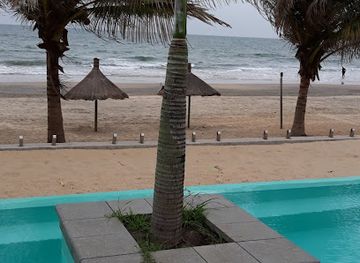


Best landmarks in Foni Bintang-Karenai
The Bintang Bolong is Foni Bintang-Karenai's principal natural landmark, a tidal waterway whose mangrove-lined channels express the close relationship between the district's villages, fishing grounds and agricultural landscape. Its appearance changes with the tide: broad reflective water can give way to exposed mudflats and narrow channels bordered by roots and salt-tolerant vegetation. The river and creek environment is also a geographical marker of the wider Senegambian borderland, where waterways have long supported movement and exchange. The district's village landscapes are less monumental but still significant, with compounds, wells, cultivated fields and footpaths revealing how rural settlement is organised around farming, kinship and access to water. Local mosques and community buildings may be visually prominent in villages, although they should be treated as working religious or civic places rather than photo props. No single palace, fortress or cathedral defines the area; its landmark character comes from the Bintang Bolong, the agricultural plain and the meeting of wetland and village life. Historic sites elsewhere in The Gambia should not be presented as landmarks of this district.
-
Hotel
Senegambia Beach Hotel
Experience the beauty and tranquility of Senegambia Beach Hotel, your perfect getaway in the heart of Banjul, Gambia.
-
Tourist attraction
Kachikally Crocodile Pool
Encounter the fascinating Nile crocodiles and immerse yourself in the cultural heritage at Bakau's Kachikally Crocodile Pool in Gambia.
-
Tourist attraction
Senegambia Craft Market
Discover the vibrant Senegambia Craft Market, a cultural gem in The Gambia showcasing authentic local crafts and artisanal treasures.
-
National park
Bijilo National Park
Explore the tranquil Bijilo National Park in Gambia, a paradise for nature lovers with diverse wildlife, lush landscapes, and serene walking trails.

Explore Foni Bintang-Karenai on the map
Plan your trip on one map. See where the top cities, national parks and sights are, and book hotels and experiences in a few clicks.
Best hotels in Foni Bintang-Karenai
Best restaurants in Foni Bintang-Karenai
Dining in Foni Bintang-Karenai is generally connected to rural accommodation, family kitchens, village food stalls and small local eateries rather than a formal restaurant scene. Meals may include rice with fish, chicken or meat, peanut-based sauces, seasonal vegetables and locally prepared stews, reflecting the wider culinary traditions of The Gambia. Fresh or smoked fish is especially relevant in communities linked to the Bintang Bolong, while rice farming, groundnuts and horticulture shape the region's agricultural food culture. Visitors staying at a riverside lodge or guesthouse should often arrange meals in advance, particularly outside the busiest travel periods. Breakfast may be simple, with bread, eggs, fruit or porridge, and local markets or roadside sellers can provide snacks when available. Bottled or treated water is advisable. Vegetarian meals are often possible when requested clearly, though choices may be more limited than in coastal resort areas. Eating locally is best approached with curiosity, patience and respect for the household or provider preparing the food.
-
Restaurant
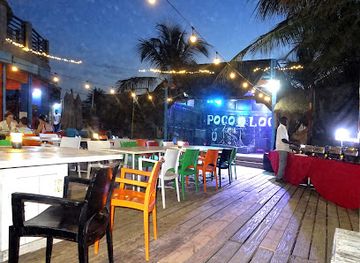
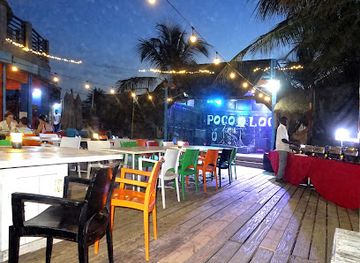
Poco Loco Beachbar Gambia
Experience the vibrant atmosphere at Poco Loco Beachbar in Gambia - where delicious food meets stunning ocean views.
-
Restaurant
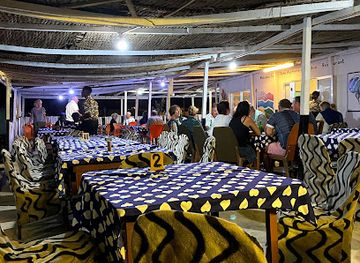
John Raymond'S Beach Bar And Restaurant
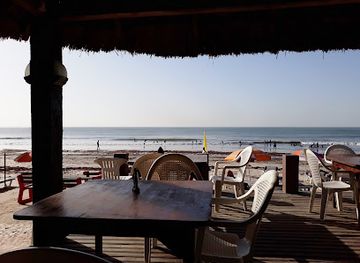
Discover culinary delights with stunning ocean views at John Raymond's Beach Bar & Restaurant in Serrekunda.
-
Restaurant
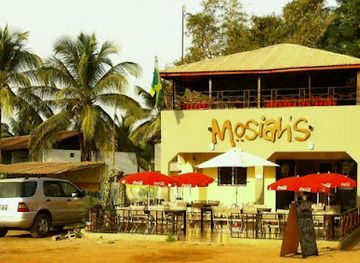
Mo2 Jamaican Bar & Restaurant Gambia (Mosiah's)
Experience authentic Jamaican cuisine at Mo2 Jamaican Bar & Restaurant in Gambia—where every dish tells a story.
-
Restaurant
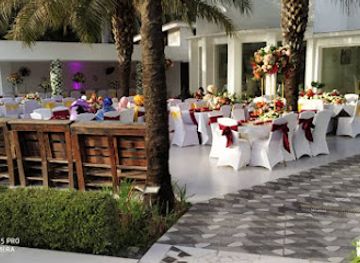
Villa Roula
Discover Villa Roula in Serrekunda - where local flavors meet global cuisine in a warm and inviting atmosphere.
Best bars in Foni Bintang-Karenai
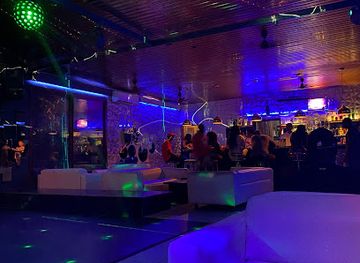
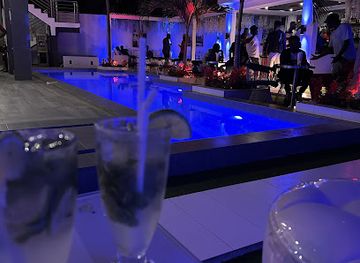
Foni Bintang-Karenai does not have a major nightclub circuit, and evening life is centred on guesthouse dining areas, informal local spots, community gatherings and conversation rather than late-night entertainment. Some accommodation providers may serve beer, soft drinks or spirits, but availability and licensing vary, so visitors should not assume that a rural lodge operates as a bar. The most rewarding evenings often involve an early meal, a riverside sunset, quiet bird sounds and conversation with hosts or guides. Music and social events may occur locally, but they are not fixed tourist spectacles and should be approached through community contacts. In villages, keep noise low after dark and respect religious observance and household routines. Travellers wanting a wider choice of bars, live music and clubs will generally need to travel towards The Gambia's coastal tourism zone, which lies outside Foni Bintang-Karenai.
-
Restaurant
Poco Loco Beachbar Gambia
Discover the vibrant atmosphere of Poco Loco Beachbar in Gambia, where stunning views meet delicious drinks and lively entertainment.
-
Bar
Solomon’s Beach Bar & Restaurant
Experience the vibrant atmosphere and delicious local cuisine at Solomon's Beach Bar & Restaurant in Serrekunda, Gambia, perfect for a relaxing getaway.
-
Bar
Calypso bar & restaurant
Discover the vibrant flavors and lively ambiance of Calypso Bar & Restaurant in Bakau, where local culture meets delightful cuisine.
-
Bar
Reo's Bar and Restaurant
Immerse yourself in the vibrant nightlife of Serrekunda at Reo's Bar and Restaurant, where local flavors and lively entertainment meet.
Best nightclubs in Foni Bintang-Karenai
Foni Bintang-Karenai does not have a major nightclub circuit, and evening life is centred on guesthouse dining areas, informal local spots, community gatherings and conversation rather than late-night entertainment. Some accommodation providers may serve beer, soft drinks or spirits, but availability and licensing vary, so visitors should not assume that a rural lodge operates as a bar. The most rewarding evenings often involve an early meal, a riverside sunset, quiet bird sounds and conversation with hosts or guides. Music and social events may occur locally, but they are not fixed tourist spectacles and should be approached through community contacts. In villages, keep noise low after dark and respect religious observance and household routines. Travellers wanting a wider choice of bars, live music and clubs will generally need to travel towards The Gambia's coastal tourism zone, which lies outside Foni Bintang-Karenai.
-
Night club
Envy Night Club
Discover the pulsing heart of Serrekunda's nightlife at Envy Night Club, where unforgettable nights unfold with music, dancing, and vibrant energy.
-
Night club
Aquarius Nightclub
Experience the vibrant nightlife of The Gambia at Aquarius Nightclub, where music, dancing, and unforgettable memories await you.
-
Night club
Ningki Nangka Bar & Night Club
Experience the vibrant nightlife at Ningki Nangka Bar & Night Club in Serrekunda, where music, dance, and local culture come alive for an unforgettable evening.
-
Night club
ONYX
Experience the vibrant nightlife at ONYX in Serrekunda, a leading nightclub with electrifying music and a lively atmosphere.

Best shops in Foni Bintang-Karenai
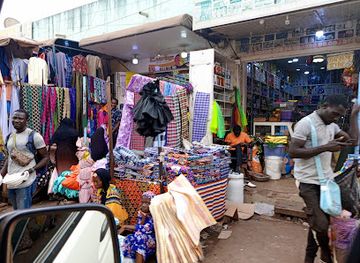
Shopping in Foni Bintang-Karenai is modest and locally focused. Small village shops and roadside stalls provide basic provisions, while occasional markets and trading points are useful for fruit, vegetables, grains, prepared snacks and household goods. Visitors may find locally made baskets, woven items, carved objects or other crafts through accommodation providers and community contacts, though availability is seasonal and should not be assumed. Regional food products such as groundnuts, dried fish, rice and small quantities of local produce may be available, but travellers should check packaging and transport rules before taking food across an international border. Bargaining can be appropriate in informal craft settings, but agree prices courteously and pay fairly for labour. The district is not a destination for department stores or designer retail; distinctive purchases are more likely to be practical crafts, small artworks, textiles or produce bought directly from local makers. For a broader selection of shops, galleries and supermarkets, visitors generally need to travel outside the district towards larger Gambian population and tourism centres.
-
Market
Serekunda Market
Explore Serekunda Market: A vibrant tapestry of local crafts, fresh produce, and authentic Gambian flavors await you in The Gambia's largest market.
-
Market
Albert Market
Discover the rich culture and vibrant atmosphere of Banjul at Albert Market, where local goods and delicious Gambian cuisine await.
-
Souvenir store
TOP-SHOP
Explore a vibrant collection of Gambian crafts, art, and unique souvenirs at TOP-SHOP, your gateway to local culture in Senegambia.
-
Grocery store
Halabaid Trading Enterprises paradise supermarket
Explore the vibrant aisles of Halabaid Trading Enterprises for an authentic taste of Gambian groceries and local delicacies.


Get your free copy of our complete guide to Foni Bintang-Karenai, delivered straight to you.
Everything on this page, from attractions and restaurants to essentials and local phrases, in one PDF you can read offline, print or share.
Already have an account? Sign in
Your Foni Bintang-Karenai guide is ready.
We'll send it to · Not you? Sign out

Getting your guide ready…
We are putting together a fresh copy of the Foni Bintang-Karenai guide. This can take up to a minute.
This can take a few moments. If your browser asks, choose Allow so the download can start. You'll find the guide in your Downloads folder.
Nothing happened? Download it again
Sorry, the guide is taking longer than usual. Please try again in a minute, or get it by email instead.
Foni Bintang-Karenai essentials
Currency and Payment
Safety
Emergency Situations
Do's and Don'ts
Local Tips
From Eve
Local phrases worth knowing
You don't need to get them perfect. A few words go a long way, and locals appreciate the effort.
Basics
| English | Local | Say it |
|---|---|---|
| Hello | Nanga def? | [Nahngah deh?] |
| Goodbye | Ba bene? | [Bah beh-neh?] |
| Yes | Waaw | [Wah-wah] |
| No | Ayi | [Ah-yee] |
| Please/You're welcome | Njaay | [Njah-ee] |
| Thank you | Jerejef | [Je-reh-jef] |
| Excuse me/Sorry | Jamm rekk | [Jahm rehkk] |
| How are you? | Nanga def? | [Nahngah deh?] |
| Fine. And you? | Jamm. Naka? | [Jahm. Nah-kah?] |
| Do you speak English? | Naka mën a jàng English? | [Nah-kah men ah jahng English?] |
| I don't understand | Mëngayi jàng | [Men-gah-yee jahng] |
Eating & Drinking
| English | Local | Say it |
|---|---|---|
| I'd like to see the menu, please | Njàngale menu, njaay | [Njahng-ah-lay men-oo, njah-ee] |
| I don't eat meat | Mëngayi njaay gëj | [Men-gah-yee njah-ee geh] |
| Cheers! | Njaay! | [Njah-ee!] |
| I would like to pay, please | Njaay am na pay, njaay | [Njah-ee am nah pay, njah-ee] |
Emergencies
| English | Local | Say it |
|---|---|---|
| Help! | Sama! | [Sah-ma!] |
| Go away! | Dëgë na! | [Deh-geh nah!] |
| Call the Police! | Njaay police! | [Njah-ee poh-lees!] |
| Call a doctor! | Njaay doctor! | [Njah-ee dok-tor!] |
| I'm lost | Mëngayi fong | [Men-gah-yee fong] |
| I'm ill | Mëngayi jëf | [Men-gah-yee jehf] |
Shopping
| English | Local | Say it |
|---|---|---|
| I'd like to buy... | Njaay am na buy... | [Njah-ee am nah buy...] |
| I'm just looking | Mën njaay jàng | [Men njah-ee jahng] |
| How much is it? | Naka lakk? | [Nah-kah lahk?] |
| That's too expensive | Lakk gëj | [Lahk geh] |
| Can you lower the price? | Mën naa denc lakk? | [Men nah dench lahk?] |
Time & Numbers
| English | Local | Say it |
|---|---|---|
| What time is it? | Naka waqt? | [Nah-kah wahkt?] |
| It's one o'clock | Dëkk jékk | [Dehk jehk] |
| Half past (10) | Jàmm jékk (10) | [Jahm jehk (10)] |
| Morning | Suba | [Soo-bah] |
| Afternoon | Njaari | [Njah-ree] |
| Evening | Wakht | [Wahkt] |
| Yesterday | Lënd | [Lehnd] |
| Today | Bok | [Bok] |
| Tomorrow | Njaari | [Njah-ree] |
| 1 | Benn | [Ben] |
| 2 | Ñaar | [Nahr] |
| 3 | Taal | [Tahl] |
| 4 | Ñett | [Nett] |
| 5 | Juroom | [Joo-room] |
| 6 | Juroom benn | [Joo-room ben] |
| 7 | Juroom ñaar | [Joo-room nahr] |
| 8 | Juroom taal | [Joo-room tahl] |
| 9 | Juroom ñett | [Joo-room nett] |
| 10 | Juroom fukk | [Joo-room fook] |
Transport & Directions
| English | Local | Say it |
|---|---|---|
| Where's a/the...? | Naka...? | [Nah-kah...?] |
| What's the address? | Naka addresse? | [Nah-kah ahd-ress?] |
| Can you show me (on the map)? | Mën naa seet na (ci carte)? | [Men nah seet nah (chee kar-tay)?] |
| When's the next (bus)? | Naka bus bi gëna? | [Nah-kah bus bee geh-nah?] |
| A ticket (to ....) | Bokki (to ...) | [Bok-ee (to ...)] |
History of Foni Bintang-Karenai
Early Settlement and Riverine Trade
The waterways of southern The Gambia encouraged settlement, fishing and exchange long before modern administrative boundaries were created. Communities in the Foni area developed relationships with tidal creeks, mangrove wetlands and cultivable uplands, using waterways as routes for local movement and trade. Mandinka and Jola societies became particularly important in the wider region, with agriculture, fishing and village networks shaping a cultural landscape that remains visible in settlement patterns and local livelihoods.
Mandinka and Jola Cultural Landscapes
Foni has long been a meeting ground for Mandinka and Jola communities, alongside other groups who have settled or traded in the region. Their histories are expressed through languages, family networks, farming practices, music, spiritual traditions and forms of village organisation. Jola communities are especially associated across the Casamance and Foni borderlands with rice cultivation and close knowledge of wetland environments, while Mandinka influence is evident in regional political, commercial and cultural history.
The Era of European River Trade
European activity along the Gambia River and its tributaries expanded from the fifteenth century onwards, first through maritime exploration and commerce and later through more formal colonial control. Although the main colonial settlements and forts lay elsewhere along the river, southern districts such as Foni were drawn into wider trading systems involving groundnuts, wax, hides, food crops and labour. River access and proximity to Senegal made the area part of a broader Senegambian economic zone.
The Colonial Protectorate and Southern Gambia
During the nineteenth and early twentieth centuries, British authority gradually extended over the territory that became The Gambia, while neighbouring Senegal was administered by France. The boundary divided closely connected communities and trading routes but did not erase cultural links across the frontier. In the Foni districts, colonial administration operated through rural authorities and taxation, while agriculture and local commerce continued to shape everyday life more powerfully than the distant colonial capital.
Groundnut Agriculture and Rural Change
Groundnuts became central to The Gambia's colonial and post-colonial economy, linking rural producers to export markets and transport routes. In Foni, groundnuts were grown alongside rice, millet, vegetables and other subsistence crops, with seasonal labour patterns influencing households and villages. Later pressures, including changing commodity prices, irregular rainfall and population growth, encouraged greater attention to horticulture, diversified farming, fishing and small-scale trade.
Independence and Contemporary Foni
The Gambia became independent from Britain in 1965, and the modern administrative framework has continued to organise local services and development in districts such as Foni Bintang-Karenai. Contemporary life combines long-established village economies with mobile phones, improved roads in some areas, tourism initiatives and cross-border connections. The district's growing appeal to birdwatchers and responsible rural travellers reflects a wider effort to value wetlands, community knowledge and nature-based livelihoods without reducing local life to a tourist display.
Neighbouring regions of Foni Bintang-Karenai
The closest regions to Foni Bintang-Karenai, if you have time for more than one.
-

-

-

-
-


Swipe for more regions
Explore more

Explore more of The Gambia
Discover The Gambia: a treasure trove of cultural richness, stunning beaches, and diverse wildlife. An unforgettable journey awaits you in Africa's Smiling Coast.
Explore The Gambia