

Free Fulladu West Travel Guide & Mobile App
Explore Fulladu West with free travel guides. Discover regional history, expert tips, proposed trips, and audio guides on web or mobile app.


Fulladu West offers Bansang, river landscapes, rural markets and Fula heritage in the agricultural heart of The Gambia.
Read more about Fulladu West
When is the best time to visit Fulladu West?
Best: December–February · 31–33°C| Month | High (°C) | Rainfall (mm) |
|---|---|---|
| January (best) | 31 | 0 |
| February (best) | 33 | 1 |
| March | 36 | 1 |
| April | 39 | 1 |
| May | 40 | 4 |
| June | 37 | 30 |
| July | 34 | 80 |
| August | 33 | 120 |
| September | 33 | 80 |
| October | 34 | 40 |
| November | 34 | 1 |
| December (best) | 32 | 0 |
Getting to and around Fulladu West
How to get there
Transportation
Top city travel guides in Fulladu West
The cities of Fulladu West, and the easiest places to base yourself.

Swipe for more cities
Destinations in Fulladu West
Resorts, valleys and scenic spots worth a trip of their own.
-
-


Swipe for more destinations
Best attractions in Fulladu West
Fulladu West’s attractions are primarily rural and cultural rather than a formal collection of ticketed sights. Bansang provides the region’s main market-town experience, with streets, trading activity and connections to surrounding farming communities. The broader landscape offers opportunities for birdwatching, photography and quiet observation along the Gambia River corridor, seasonal wetlands, cultivated fields and wooded savannah. Wildlife encounters are likely to be incidental rather than guaranteed, and a local guide is valuable for identifying habitats and arranging respectful visits to villages. Travellers interested in history can explore the region through its Fula and Mandinka heritage, oral traditions, Islamic learning and the role of river and road routes in local commerce. Fulladu West is also suitable for visitors seeking an overland view of inland The Gambia, where agriculture, livestock and everyday transport form part of the experience. The celebrated Wassu stone circles and Janjanbureh’s historic attractions are in other parts of the Central River Region, not in Fulladu West, so they should be planned as separate stops rather than assumed to lie nearby.
-
Island
Maccarthy Island
Discover the natural beauty and rich culture of Maccarthy Island, a tranquil escape in The Gambia's wild paradise.
-
Historical landmark
Slave House
Discover the profound history of the Slave House in Janjanbureh, a poignant landmark that educates visitors about the legacy of the slave trade in The Gambia.
-
 Park
Kunkilling Forest Park
Experience the tranquility of Kunkilling Forest Park in Janjanbureh, a haven for nature lovers and adventure seekers in Gambia.
-
Tourist attraction
Freedom Tree Monument
Discover the Freedom Tree Monument in Janjanbureh, a historical landmark that symbolizes The Gambia's journey to independence amidst stunning natural beauty.


Best landmarks in Fulladu West
Bansang is Fulladu West’s most recognisable built landmark in practical terms: a long-established market settlement whose identity is tied to trade, farming and movement along the south-bank corridor. Its importance lies in the way streets, commercial spaces and transport links connect rural communities rather than in a single monumental building. The Gambia River and its associated riverine vegetation provide the region’s principal geographical landmark, shaping settlement, farming, fishing and travel across central Gambia. Seasonal wetlands, laterite roads and open savannah around Bansang offer a visual record of the region’s environment and agricultural economy. The broader name of Fulladu is itself a historical landmark, recalling the nineteenth-century Fula state associated with Alfa Molo Balde and the political history of the Upper Gambia. Travellers should not confuse Fulladu West with nearby parts of the Central River Region that contain the Wassu stone circles or Janjanbureh’s colonial-era heritage; those are significant regional landmarks, but they lie outside this administrative area.
-
National park
Bijilo National Park
Explore the lush landscapes and diverse wildlife of Bijilo National Park, a serene retreat in The Gambia perfect for nature lovers and adventurers.
-
International airport
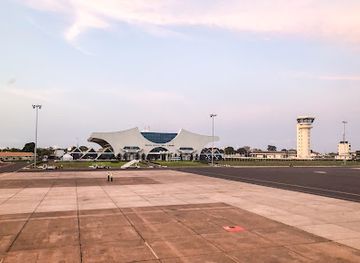
Banjul International Airport
Experience seamless travel at Banjul International Airport, the main gateway to The Gambia, offering comfort and convenience for all travelers.
-
Market
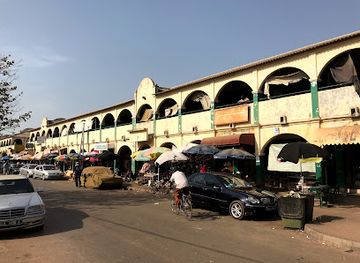
Albert Market
Experience the vibrant culture and local flavors at Albert Market in Banjul, a must-visit destination for every traveler.
-
River
River Gambie
Explore River Gambie: A tranquil escape immersed in nature's beauty, perfect for adventurers and relaxation seekers alike.


Explore Fulladu West on the map
Plan your trip on one map. See where the top cities, national parks and sights are, and book hotels and experiences in a few clicks.
Best hotels in Fulladu West
Best restaurants in Fulladu West
Dining in Fulladu West is centred on home cooking, modest local eateries, market stalls and food served through guesthouses rather than a developed restaurant scene. A visitor may encounter dishes based on rice, millet, maize, groundnuts, beans, vegetables, fish or meat, often accompanied by sauces and adapted to what is seasonally available. Bissap, wonjo and ginger drinks are common Gambian refreshments, while sweet tea is part of everyday social hospitality. Bansang offers the broadest choice of simple meals and provisions, but travellers heading into rural areas should not expect regular cafés or reliable evening service. Food markets reveal the region’s agricultural character through grains, groundnuts, vegetables, fruit and livestock products. Ask about ingredients when necessary, drink treated or bottled water and allow time for meals, as preparation is often done to order. Visitors should distinguish local dishes from the wider West African food traditions also found across The Gambia.
-
Restaurant
Poco Loco Beachbar Gambia
Experience vibrant flavors and breathtaking ocean views at Poco Loco Beachbar in Serrekunda, Gambia.
-
Restaurant
John Raymond'S Beach Bar And Restaurant
Experience authentic Gambian flavors at John Raymond's Beach Bar and Restaurant with stunning ocean views and lively atmosphere.
-
Restaurant
Mo2 Jamaican Bar & Restaurant Gambia (Mosiah's)
Discover the authentic taste of Jamaica at Mo2 Jamaican Bar & Restaurant in Gambia - where every dish tells a story.
-
Italian
Gusto Italian Resto &bar
Discover Gusto Italian Resto & Bar in Serrekunda – where authentic Italian cuisine meets vibrant nightlife in The Gambia.


Best bars in Fulladu West
Fulladu West does not have a major nightclub or late-night entertainment district. Evening social life is more likely to centre on family compounds, tea gatherings, local eateries and modest bars in Bansang and other larger settlements. Music may be heard at community celebrations or occasional private events, but schedules and venues are not dependable enough to plan an itinerary around them. Alcohol is less prominent in many Muslim communities, and visitors should follow local expectations about where and how it is consumed. After dark, the region is generally better suited to quiet conversation, an early meal or observing the night sky than to organised nightlife. Arrange transport before going out, as taxis and shared vehicles may be limited later in the evening, and avoid assuming that rural settlements have illuminated streets or entertainment facilities.
-
Restaurant
Poco Loco Beachbar Gambia
Experience the vibrant atmosphere and stunning views at Poco Loco Beachbar in Serrekunda, Gambia, where relaxation meets local culture.
-
Restaurant
Mo2 Jamaican Bar & Restaurant Gambia (Mosiah's)
Savor the essence of Jamaica at Mo2 Jamaican Bar & Restaurant, where every bite is a celebration of flavor and culture in the heart of Gambia.
-
Bar
Solomon’s Beach Bar & Restaurant
Experience the perfect blend of relaxation and vibrant culinary delight at Solomon’s Beach Bar & Restaurant in Serrekunda, Gambia.
-
Restaurant
Justice Bar & Restaurant
Experience the vibrant flavors of Gambian cuisine at Justice Bar & Restaurant in Serrekunda, where every meal is a celebration of taste.


Best nightclubs in Fulladu West
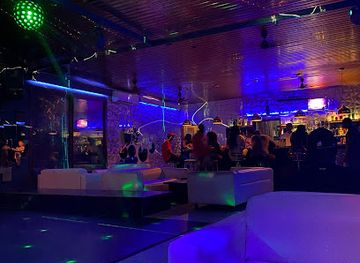
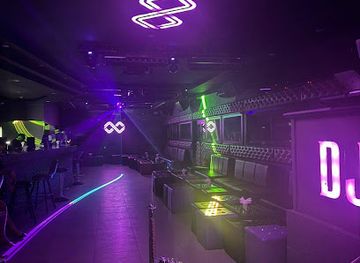
Fulladu West does not have a major nightclub or late-night entertainment district. Evening social life is more likely to centre on family compounds, tea gatherings, local eateries and modest bars in Bansang and other larger settlements. Music may be heard at community celebrations or occasional private events, but schedules and venues are not dependable enough to plan an itinerary around them. Alcohol is less prominent in many Muslim communities, and visitors should follow local expectations about where and how it is consumed. After dark, the region is generally better suited to quiet conversation, an early meal or observing the night sky than to organised nightlife. Arrange transport before going out, as taxis and shared vehicles may be limited later in the evening, and avoid assuming that rural settlements have illuminated streets or entertainment facilities.
-
Night club
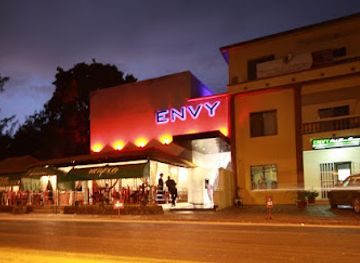
Envy Night Club
Experience the vibrant nightlife at Envy Night Club in Serrekunda, Gambia, where every night is a celebration filled with music, dancing, and unforgettable moments.
-
Night club
Aquarius Nightclub
Dive into the energetic nightlife at Aquarius Nightclub, where music, dance, and unforgettable moments come alive in Serrekunda, Gambia.
-
Night club
Ningki Nangka Bar & Night Club
Experience the vibrant nightlife at Ningki Nangka Bar & Night Club in Serrekunda, where music, dance, and culture collide for an unforgettable night.
-
Night club
Club Infinity
Unleash your party spirit at Club Infinity, the ultimate night club in Serrekunda, where unforgettable nights and vibrant music await.

Best shops in Fulladu West
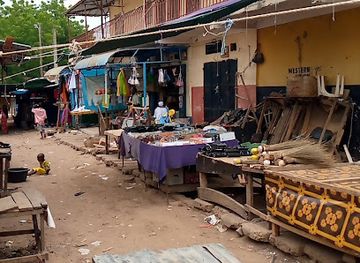
Shopping in Fulladu West is mainly practical and market-based. Bansang is the principal place to buy food, household goods, clothing, mobile-phone credit and travel provisions, while smaller villages have more limited informal shops. Market activity reflects the agricultural economy, with grains, groundnuts, vegetables, fruit, livestock and locally prepared foods appearing according to season. Visitors may find simple woven goods, fabrics, baskets or handmade items through local traders, but the region is not a dedicated craft-shopping destination and stock changes regularly. Small purchases from individual makers can support local livelihoods when prices are agreed respectfully and quality is assessed fairly. Carry sufficient dalasi for rural shopping, as card payments are unlikely outside better-equipped businesses. For a wider selection of souvenirs, clothing, crafts and packaged regional products, plan to shop in larger Gambian towns rather than expecting Fulladu West’s markets to resemble a resort retail area.
-
Shopping mall
Tropic Shopping Centre
Discover a vibrant shopping experience at Tropic Shopping Centre, where local culture meets modern retail in the heart of Serrekunda.
-
Souvenir store
TOP-SHOP
Explore the vibrant world of Gambian art and handicrafts at TOP-SHOP, where every purchase supports local artisans and tells a unique story.
-
Grocery store
Halabaid Trading Enterprises paradise supermarket
Explore Halabaid Trading Enterprises in Farafenni, a vibrant grocery store offering local and international products along the Trans-Gambia Highway.
-
Shopping mall
Bansang Market
Discover the essence of Gambian culture at Bansang Market, where vibrant stalls and friendly faces await your visit.


Get your free copy of our complete guide to Fulladu West, delivered straight to you.
Everything on this page, from attractions and restaurants to essentials and local phrases, in one PDF you can read offline, print or share.
Already have an account? Sign in
Your Fulladu West guide is ready.
We'll send it to · Not you? Sign out

Getting your guide ready…
We are putting together a fresh copy of the Fulladu West guide. This can take up to a minute.
This can take a few moments. If your browser asks, choose Allow so the download can start. You'll find the guide in your Downloads folder.
Nothing happened? Download it again
Sorry, the guide is taking longer than usual. Please try again in a minute, or get it by email instead.
Fulladu West essentials
Currency and Payment
Safety
Emergency Situations
Do's and Don'ts
Local Tips
From Eve
Local phrases worth knowing
You don't need to get them perfect. A few words go a long way, and locals appreciate the effort.
Basics
| English | Local | Say it |
|---|---|---|
| Hello | Nanga def? | [Nang-a deff?] |
| Goodbye | Ba bene? | [Bah beh-nay?] |
| Yes | Aye | [Eye] |
| No | Naa | [Nah] |
| Please/You're welcome | Jërëjëf | [Jer-eh-jeff] |
| Thank you | Jërëjëf | [Jer-eh-jeff] |
| Excuse me/Sorry | Sama fo | [Sah-mah fo] |
| How are you? | Nanga def? | [Nang-a deff?] |
| Fine. And you? | Maangi fi, nanga def? | [Man-gee fee, nang-a deff?] |
| Do you speak English? | Ndax jàngaleen Anglë? | [N-dahk jahn-gah-len Ang-lay?] |
| I don't understand | Maa laa jàpp | [Mah lah jahp] |
Eating & Drinking
| English | Local | Say it |
|---|---|---|
| I'd like to see the menu, please | Nungi fiy menu, jërëjëf | [Nung-ee fee menu, jer-eh-jeff] |
| I don't eat meat | Maa laa nañu | [Mah lah nahn-yoo] |
| Cheers! | Nugnu jëm | [Nug-nu jem] |
| I would like to pay, please | Nungi jox, jërëjëf | [Nung-ee jox, jer-eh-jeff] |
Emergencies
| English | Local | Say it |
|---|---|---|
| Help! | Naka! | [Nah-kah!] |
| Go away! | Dëggal! | [Deh-gahl!] |
| Call the Police! | Dañu jox Police! | [Dah-nyu jox Police!] |
| Call a doctor! | Dañu jox doftoor! | [Dah-nyu jox doff-tor!] |
| I'm lost | Maa ngi yàq | [Mah ngee yahq] |
| I'm ill | Maa ngi xew | [Mah ngee shev] |
Shopping
| English | Local | Say it |
|---|---|---|
| I'd like to buy... | Nungi yow... | [Nung-ee yow] |
| I'm just looking | Maa ngi gàtt | [Mah ngee gaht] |
| How much is it? | Naka la? | [Nah-kah lah?] |
| That's too expensive | Lii jeexal | [Lee jeh-xal] |
| Can you lower the price? | Ndax nga joxal bopp? | [N-dahk ngah jox-al bop?] |
Time & Numbers
| English | Local | Say it |
|---|---|---|
| What time is it? | Naka at? | [Nah-kah at?] |
| It's one o'clock | Maa ngi fi at | [Mah ngee fee at] |
| Half past (10) | Dugu njaay (10) | [Doo-goo n-jah-ee (10)] |
| Morning | Suba | [Soo-bah] |
| Afternoon | Goor | [Go-or] |
| Evening | Gëj | [Gehj] |
| Yesterday | Benn | [Ben] |
| Today | Jëf | [Jef] |
| Tomorrow | Kooni | [Koo-nee] |
| 1 | Benn | [Ben] |
| 2 | Nuy | [Nuy] |
| 3 | Naat | [Naht] |
| 4 | Ñaar | [N-yar] |
| 5 | Juroom | [Joo-room] |
| 6 | Juroom-benn | [Joo-room-ben] |
| 7 | Juroom-nuy | [Joo-room-nuy] |
| 8 | Juroom-naat | [Joo-room-naht] |
| 9 | Juroom-ñaar | [Joo-room-n-yar] |
| 10 | Juroom-ñu | [Joo-room-nyoo] |
Transport & Directions
| English | Local | Say it |
|---|---|---|
| Where's a/the...? | Fii la...? | [Fee lah...?] |
| What's the address? | Naka adresse? | [Nah-kah ah-dress?] |
| Can you show me (on the map)? | Ndax nga jëf? | [N-dahk ngah jef?] |
| When's the next (bus)? | Naka bus bi ët? | [Nah-kah boos bee eht?] |
| A ticket (to ....) | Bokk (to....) | [Bok] |
History of Fulladu West
Early Settlement and the Upper Gambia Landscape
The land now associated with Fulladu West formed part of the wider Upper Gambia cultural zone, where communities settled along the river, seasonal streams and productive soils. Farming, fishing, livestock keeping and regional exchange developed around these environmental advantages. Archaeological evidence elsewhere in the central river corridor demonstrates a long history of settlement, although the most famous prehistoric monuments, including the Wassu stone circles, lie outside Fulladu West. The region’s earlier history is therefore best understood through its connection to the wider river system and through oral traditions preserved by Mandinka, Fula and other communities.
The Rise of Fuladu in the Nineteenth Century
Fulladu takes its name from the nineteenth-century Fula state commonly known as Fuladu, which emerged in the Upper Gambia and neighbouring Casamance during a period of political competition, Islamic reform and shifting alliances. Alfa Molo Balde is traditionally associated with the foundation and expansion of the state. Fuladu was not confined to the boundaries of the modern Gambian administrative area, but its history remains central to the region’s identity. The period left a legacy of Fula political traditions, Islamic institutions and memories of changing authority across the inland river country.
Trade, Islam and River Communities
Before and during the colonial period, the Gambia River served as a corridor for movement and exchange. Inland communities traded agricultural produce, livestock and forest products through market settlements linked to river crossings and overland routes. Islam had already become influential in the region, with clerics, teachers and family networks shaping education and public life. Bansang developed as one of the local market centres serving the south bank, although its importance should be viewed within a wider network of Gambian and Senegalese trading relationships rather than as an isolated town.
Colonial Rule and the Protectorate Economy
British colonial authority in The Gambia operated differently in the small urbanised Colony around Bathurst and in the much larger Protectorate, which included the inland areas corresponding to Fulladu West. Colonial administration increasingly relied on chiefs, rural taxation, roads and commercial agriculture. Groundnuts became the dominant export crop across much of The Gambia, drawing farming communities into an economy shaped by seasonal production, trading posts and river transport. The period also strengthened the importance of market towns and transport routes, while leaving local systems of authority and land use under continuing pressure.
Independence and Rural Development
The Gambia became independent from Britain in 1965, and Fulladu West thereafter formed part of the country’s continuing effort to improve rural roads, schools, health services, agricultural production and access to markets. Bansang and surrounding settlements remained closely tied to farming, with groundnuts, cereals, rice, livestock and petty trade providing livelihoods. Development has been uneven, particularly where seasonal rains affect roads and transport. The region’s post-independence history is therefore reflected less in monumental buildings than in changing access to services, migration patterns and the gradual expansion of local infrastructure.
Contemporary Fulladu West
Today Fulladu West remains a largely agricultural area within the Central River Region. Its communities participate in national markets while maintaining strong links with neighbouring parts of The Gambia and Senegal through family, religious and commercial networks. Rural livelihoods continue to depend on rainfall, soil conditions, livestock and access to reliable transport. The region’s contemporary character combines long-established Fula and Mandinka cultural influences with modern schooling, mobile communications, motor transport and international migration. Visitors encounter a living rural society rather than a preserved historical zone, and should understand local customs in that present-day context.
Fulladu West in Photos
Browse through our photo collection highlighting the charm and character of the destination.
Neighbouring regions of Fulladu West
The closest regions to Fulladu West, if you have time for more than one.
-

-

-

-

-


Swipe for more regions
Explore more

Explore more of The Gambia
Discover The Gambia: a treasure trove of cultural richness, stunning beaches, and diverse wildlife. An unforgettable journey awaits you in Africa's Smiling Coast.
Explore The Gambia