

Free Sandu Travel Guide & Mobile App
Explore Sandu with free travel guides. Discover regional history, expert tips, proposed trips, and audio guides on web or mobile app.


Sandu in eastern Gambia offers rural landscapes, village culture and agricultural traditions for travellers seeking a quieter Upper River experience.
Read more about Sandu
When is the best time to visit Sandu?
Best: December–February · 31–32°C| Month | High (°C) | Rainfall (mm) |
|---|---|---|
| January (best) | 31 | 1 |
| February (best) | 32 | 1 |
| March | 34 | 2 |
| April | 36 | 4 |
| May | 37 | 8 |
| June | 33 | 40 |
| July | 31 | 80 |
| August | 30 | 120 |
| September | 32 | 80 |
| October | 33 | 40 |
| November | 32 | 8 |
| December (best) | 31 | 1 |
Getting to and around Sandu
How to get there
Transportation
Best attractions in Sandu
Sandu’s attractions are primarily landscape-based and community-oriented rather than built around ticketed monuments. Rural roads reveal changing views of cultivated fields, woodland, village compounds and seasonal grasslands, with the character of the countryside shifting markedly between the rainy and dry seasons. Birdwatchers may find interest in the district’s farmland and wooded habitats, although sightings are best approached with a knowledgeable local guide and without assuming the facilities of a formal wildlife reserve. Village walks, conversations about farming and visits arranged through community contacts offer more meaningful insight than unannounced visits. The district can also serve as a base for understanding the wider Upper River Region, including its agricultural economy, cross-border cultural connections and relationship with the Gambia River corridor, but nearby attractions should not be confused with sites within Sandu itself. Travellers seeking museums, developed heritage sites or a broad choice of organised excursions will find more services in larger regional centres outside the district. In Sandu, the principal attraction is the opportunity to observe an eastern Gambian rural environment at an unhurried pace, with local permission and interpretation central to the experience.
-
Seafood
Bakau fish market
Explore the bustling Bakau Fish Market, where fresh seafood and vibrant local culture meet in the heart of The Gambia.
-
Lodging
Chimp rehabilitation center
Experience the joy of connecting with rescued chimpanzees at the Chimp Rehabilitation Center in Misira, a leader in wildlife conservation.
-
Beach club
Banjul beach
Experience the serene beauty and vibrant culture at Banjul Beach, where relaxation meets adventure in The Gambia's coastal paradise.
-
 Tourist attraction
Le Guib
Explore the serene beauty and rich culture at Le Guib, a must-visit tourist attraction in Alimaka, perfect for a peaceful getaway.

Best landmarks in Sandu
Sandu’s most significant landmarks are often environmental and social rather than monumental. The district’s broad agricultural landscapes, wooded areas and village settlement patterns express the relationship between rural communities, seasonal rainfall and the cultivation of groundnuts, millet, maize and other crops. Traditional compounds, mosques, wells and community meeting places may be locally important, but they are living spaces rather than open-air museum exhibits and should be approached through permission and local introduction. The district’s position within the Upper River Region also gives it historical significance as part of an eastern Senegambian zone shaped by Mandinka political traditions, Islamic scholarship, trade and colonial administration. There is no single famous castle, cathedral or monumental ruin defining Sandu’s identity. Instead, its visual character lies in the contrast between dry-season earth and rainy-season vegetation, the alignment of settlements along rural roads and the continuing presence of farming in everyday life. Larger civic and historic landmarks are found in regional centres outside Sandu, so visitors should not attribute those sites to the district itself.
-
Tourist attraction
Kachikally Crocodile Pool
Explore the Kachikally Crocodile Pool in Bakau, Gambia – a cultural gem where nature and adventure meet, offering unforgettable experiences with crocodiles.
-
National park
Bijilo National Park
Discover the natural charm and diverse wildlife of Bijilo National Park, a hidden gem in Gambia perfect for nature lovers and adventure seekers.
-
Market
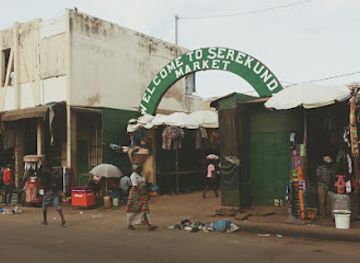
Serekunda Market
Explore the vibrant Serekunda Market in The Gambia, where local culture, authentic cuisine, and unique handicrafts come together in a bustling atmosphere.
-
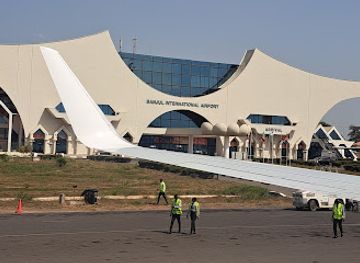
International airport
Banjul International Airport
Explore The Gambia through Banjul International Airport, your first step into a world of vibrant culture and stunning natural beauty.

Explore Sandu on the map
Plan your trip on one map. See where the top cities, national parks and sights are, and book hotels and experiences in a few clicks.
Best hotels in Sandu
Best restaurants in Sandu
Sandu has no established restaurant district, and dining is generally tied to household cooking, small local eateries and provisions purchased in village shops or markets. Meals may draw on rice, millet, maize, seasonal vegetables, beans, chicken, fish where available and sauces prepared with local ingredients. Groundnuts are important to Gambian food culture and may appear in sauces or snacks, while sweet tea and other simple refreshments are commonly encountered. Visitors staying with a community or using locally arranged accommodation should agree meal arrangements in advance and explain dietary restrictions clearly. Basse Santa Su, outside Sandu, offers a broader choice of informal eateries and supplies, making it sensible to stock up before travelling into the district. Food hygiene and refrigeration standards can vary, so choose freshly prepared meals, drink treated or sealed water and carry suitable snacks for long road journeys. The most distinctive dining experience is likely to be a respectfully arranged home-cooked meal rather than formal fine dining.
-
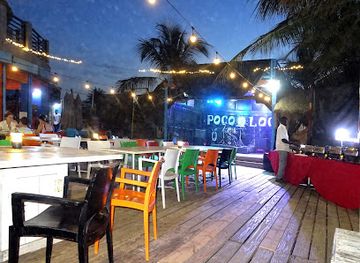
Restaurant
Poco Loco Beachbar Gambia
Experience vibrant coastal life at Poco Loco Beachbar in Gambia - enjoy delicious food and stunning ocean views.
-
Restaurant
John Raymond'S Beach Bar And Restaurant
Discover culinary bliss at John Raymond's Beach Bar and Restaurant in Serrekunda—where fresh seafood meets stunning ocean views.
-
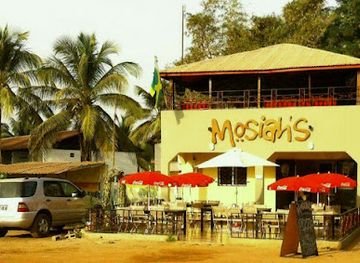
Restaurant
Mo2 Jamaican Bar & Restaurant Gambia (Mosiah's)
Discover authentic Jamaican cuisine at Mo2 Jamaican Bar & Restaurant in Serrekunda - where vibrant flavors meet warm hospitality.
-
Italian
Gusto Italian Resto &bar
Savor authentic Italian cuisine at Gusto Italian Resto & Bar in Senegambia – your perfect culinary escape while exploring The Gambia.
Best bars in Sandu
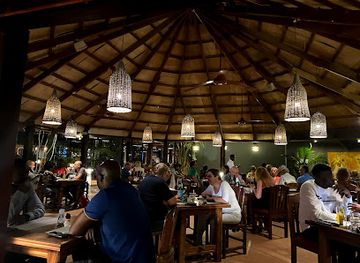
Sandu does not have a significant nightclub scene, and evening activity is generally centred on family compounds, conversation, tea, community life and occasional informal social gatherings rather than late-night entertainment. Small local refreshment points may exist in some settlements, but their presence and opening arrangements are changeable and should not be assumed. Alcohol is not central to public life in many communities, and visitors should behave discreetly and follow local expectations, particularly near mosques and during religious occasions. For a wider selection of restaurants, hotel bars or organised evening venues, travellers will need to look outside the district, especially in larger Upper River centres. Nights in Sandu are often quiet, with darkness arriving quickly in rural areas; carry a torch, arrange transport in advance and avoid walking unfamiliar roads after dark.
-
Restaurant
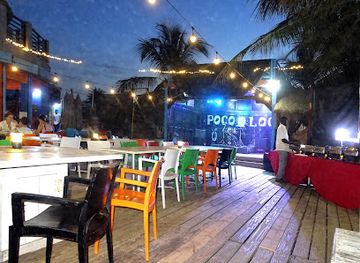
Poco Loco Beachbar Gambia
Experience vibrant beachfront dining at Poco Loco Beachbar, where delightful cuisine meets stunning ocean views in Gambia.
-
Restaurant
John Raymond'S Beach Bar And Restaurant
Experience the best of Gambian cuisine with stunning ocean views at John Raymond's Beach Bar and Restaurant in Serrekunda.
-
Restaurant
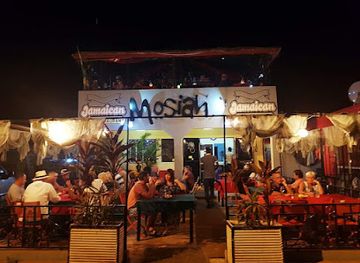
Mo2 Jamaican Bar & Restaurant Gambia (Mosiah's)
Savor the authentic taste of Jamaica at Mo2 Jamaican Bar & Restaurant in Serrekunda, Gambia - a vibrant dining experience awaits.
-
Bar
Solomon’s Beach Bar & Restaurant
Experience the vibrant atmosphere and delicious local flavors at Solomon’s Beach Bar & Restaurant in Serrekunda, Gambia.
Best nightclubs in Sandu
Sandu does not have a significant nightclub scene, and evening activity is generally centred on family compounds, conversation, tea, community life and occasional informal social gatherings rather than late-night entertainment. Small local refreshment points may exist in some settlements, but their presence and opening arrangements are changeable and should not be assumed. Alcohol is not central to public life in many communities, and visitors should behave discreetly and follow local expectations, particularly near mosques and during religious occasions. For a wider selection of restaurants, hotel bars or organised evening venues, travellers will need to look outside the district, especially in larger Upper River centres. Nights in Sandu are often quiet, with darkness arriving quickly in rural areas; carry a torch, arrange transport in advance and avoid walking unfamiliar roads after dark.
-
Night club
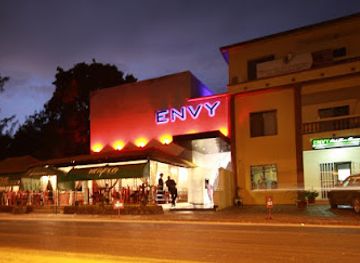
Envy Night Club
Discover the vibrant nightlife of Serrekunda at Envy Night Club, where music, dance, and unforgettable moments await.
-
Night club
Aquarius Nightclub
Dive into the dynamic nightlife of Gambia at Aquarius Nightclub, where music, dancing, and excitement await every visitor.
-
Night club
Ningki Nangka Bar & Night Club
Experience the vibrant nightlife of Serrekunda at Ningki Nangka Bar & Night Club, where music, dance, and culture collide for an unforgettable evening.
-
Night club
ONYX
Discover the vibrant nightlife at ONYX, Serrekunda's premier nightclub with electrifying music and a lively atmosphere.

Best shops in Sandu
Shopping in Sandu is local and practical, with village shops and periodic trading points supplying basic food, household goods, clothing and agricultural necessities rather than a formal souvenir sector. Visitors may encounter groundnuts, seasonal produce, woven items or locally made household goods, but availability varies and purchases should be made respectfully without treating everyday objects as museum pieces. Basse Santa Su, outside Sandu, is the more useful place for a wider selection of provisions, clothing, mobile-phone services and locally traded goods before heading into the district. Small denominations of Gambian dalasi are helpful, and bargaining should remain courteous and proportionate. Travellers wishing to support local households can buy produce or agreed crafts directly through a guide or community contact, ensuring that prices and arrangements are clear. Do not remove archaeological objects, plants or cultural materials from rural areas, and remember that market activity is seasonal and can change with harvests, rainfall and transport conditions.
-
Tourist attraction
Senegambia Craft Market
Discover the vibrant Senegambia Craft Market, a cultural treasure trove for unique Gambian handicrafts and souvenirs.
-
Hotel
Tamala Beach Resort
Discover the serene beauty and vibrant culture at Tamala Beach Resort in Serrekunda, Gambia, your ultimate tropical getaway.
-
Market
Serekunda Market
Experience the vibrant culture and local flavors at Serekunda Market, the heart of Gambian commerce and community.
-
Restaurant
Poco Loco Beachbar Gambia
Experience the vibrant atmosphere of Poco Loco Beachbar in Gambia, where delicious cuisine meets stunning beach views for a perfect getaway.
Get your free copy of our complete guide to Sandu, delivered straight to you.
Everything on this page, from attractions and restaurants to essentials and local phrases, in one PDF you can read offline, print or share.
Already have an account? Sign in
Your Sandu guide is ready.
We'll send it to · Not you? Sign out

Getting your guide ready…
We are putting together a fresh copy of the Sandu guide. This can take up to a minute.
This can take a few moments. If your browser asks, choose Allow so the download can start. You'll find the guide in your Downloads folder.
Nothing happened? Download it again
Sorry, the guide is taking longer than usual. Please try again in a minute, or get it by email instead.
Sandu essentials
Currency and Payment
Safety
Emergency Situations
Do's and Don'ts
Local Tips
From Eve
Local phrases worth knowing
You don't need to get them perfect. A few words go a long way, and locals appreciate the effort.
Basics
| English | Local | Say it |
|---|---|---|
| Hello | Naka | [Nah-kah] |
| Goodbye | Naka sañ | [Nah-kah sahn] |
| Yes | Aye | [Aye] |
| No | Naa | [Nah] |
| Please/You're welcome | Ballo | [Bah-loh] |
| Thank you | Jerejef | [Je-reh-jeff] |
| Excuse me/Sorry | Bismillah | [Biss-millah] |
| How are you? | Naka bu? | [Nah-kah boo] |
| Fine. And you? | Maalama. A wo? | [Mah-lah-mah. Ah woh] |
| Do you speak English? | A fota English? | [Ah fo-tah English] |
| I don't understand | Naa fota | [Nah fo-tah] |
Eating & Drinking
| English | Local | Say it |
|---|---|---|
| I'd like to see the menu, please | Naka joma menu, ballo | [Nah-kah jo-mah menu, bah-loh] |
| I don't eat meat | Naa fota nyam | [Nah fo-tah nyam] |
| Cheers! | Jaama! | [Jah-mah] |
| I would like to pay, please | Naka joma pay, ballo | [Nah-kah jo-mah pay, bah-loh] |
Emergencies
| English | Local | Say it |
|---|---|---|
| Help! | Jomba! | [Jom-bah] |
| Go away! | Balla! | [Bah-lah] |
| Call the Police! | Balla polisi! | [Bah-lah poh-lee-see] |
| Call a doctor! | Balla doktor! | [Bah-lah dok-tor] |
| I'm lost | Naa fota hoto | [Nah fo-tah ho-toh] |
| I'm ill | Naa fota njaam | [Nah fo-tah n-jahm] |
Shopping
| English | Local | Say it |
|---|---|---|
| I'd like to buy... | Naka joma buy... | [Nah-kah jo-mah buy] |
| I'm just looking | Naka juma | [Nah-kah joo-mah] |
| How much is it? | Naka yaa? | [Nah-kah yah] |
| That's too expensive | Oto dege | [Oh-toh deh-geh] |
| Can you lower the price? | A fota dege wo? | [Ah fo-tah deh-geh woh] |
Time & Numbers
| English | Local | Say it |
|---|---|---|
| What time is it? | Kasa jaama? | [Kah-sah jah-mah] |
| It's one o'clock | Oto jaama | [Oh-toh jah-mah] |
| Half past (10) | Nta jaama (10) | [N-tah jah-mah (10)] |
| Morning | Ndeye | [En-day] |
| Afternoon | Ndeye bu | [En-day boo] |
| Evening | Ndeye poy | [En-day poy] |
| Yesterday | Jabaa | [Jah-bah] |
| Today | Ndey | [En-day] |
| Tomorrow | Ndey bu | [En-day boo] |
| 1 | Koto | [Koh-toh] |
| 2 | Nge | [N-geh] |
| 3 | Tati | [Tah-tee] |
| 4 | Nje | [N-jeh] |
| 5 | Jowi | [Joh-wee] |
| 6 | Juro | [Joo-roh] |
| 7 | Nja | [N-jah] |
| 8 | Nge jow | [N-geh joh-w] |
| 9 | Nge tati | [N-geh tah-tee] |
| 10 | Nge jowi | [N-geh joh-wee] |
Transport & Directions
| English | Local | Say it |
|---|---|---|
| Where's a/the...? | Naka a...? | [Nah-kah ah] |
| What's the address? | Kasa address? | [Kah-sah address] |
| Can you show me (on the map)? | A fota joma (on the map)? | [Ah fo-tah jo-mah (on the map)] |
| When's the next (bus)? | Kasa next (bus)? | [Kah-sah next (bus)] |
| A ticket (to ....) | A ticket (to ....) | [Ah ticket (to ....)] |
History of Sandu
Early settlement and Senegambian traditions
Sandu belongs to the wider Senegambian cultural zone, where communities have farmed, traded and moved across an area that long predates the modern boundary between The Gambia and Senegal. Oral traditions, family histories and settlement patterns preserve memories of migration, alliance and changing political authority. Archaeological evidence from the broader Upper River landscape indicates long occupation, although individual sites in Sandu are not generally developed for public tourism. The district’s present villages and agricultural practices should therefore be understood as part of a much older regional history rather than as isolated modern settlements.
Kaabu and Mandinka political influence
For centuries, much of the eastern Senegambian interior was influenced by Mandinka-speaking states associated with Kaabu, a major political and trading power whose influence extended across areas now divided between The Gambia, Senegal and Guinea-Bissau. Authority was exercised through rulers, local leaders, kinship networks and relationships with farming communities. Sandu’s cultural setting reflects this wider Mandinka history, although political boundaries and local affiliations changed over time. Stories of migration, leadership and warfare remain important elements of historical memory throughout the Upper River Region.
Islam, trade and changing communities
Islam spread gradually through Senegambian trade routes, scholarly networks and local conversion rather than through one single event. In the eastern interior, Muslim teachers, traders and families helped connect villages with wider centres of commerce and learning. These developments existed alongside older social institutions and customary practices, producing the layered religious and cultural landscape visible in the region today. Trade in agricultural produce, livestock and household goods linked rural settlements with larger market centres, including places beyond the present-day Gambian border.
British colonial rule and the Protectorate
The Gambia’s colonial administration developed around the river and coastal settlements, while much of the interior was governed through the Protectorate system and local authorities. In the Upper River area, colonial rule affected taxation, farming, trade, labour and the organisation of chiefly administration. Roads and administrative links were developed unevenly, and rural communities retained considerable importance in managing land and local affairs. The modern district framework should not be projected backwards unchanged, since earlier communities were organised through different political and territorial relationships.
Groundnuts and the rural economy
Groundnut cultivation became central to the economy of The Gambia during the colonial period and remained significant after independence. The crop connected rural farmers to merchants, transport routes and export markets, while millet, maize, rice, livestock and household gardens supported local food systems. Sandu’s landscape still reflects this agricultural history in its fields, storage practices and seasonal movement between farms and settlements. Rainfall variability, soil conditions and access to markets continue to shape rural livelihoods in the district.
Independence and regional development
The Gambia became independent from Britain in 1965, and Sandu subsequently developed within the administrative and economic framework of the Upper River Region. Public services, roads, schools, health facilities and telecommunications have expanded unevenly, with rural communities continuing to depend on larger centres for specialised services and trade. Contemporary Sandu is consequently best understood as a living agricultural district rather than a conventional tourism zone. Its current character reflects both long-standing community structures and the gradual modernisation of eastern Gambia.
Sandu in Photos
Browse through our photo collection highlighting the charm and character of the destination.
Neighbouring regions of Sandu
The closest regions to Sandu, if you have time for more than one.
-

-

-

-

-


Swipe for more regions
Explore more

Explore more of The Gambia
Discover The Gambia: a treasure trove of cultural richness, stunning beaches, and diverse wildlife. An unforgettable journey awaits you in Africa's Smiling Coast.
Explore The Gambia