

Free Jokadu Travel Guide & Mobile App
Explore Jokadu with free travel guides. Discover regional history, expert tips, proposed trips, and audio guides on web or mobile app.


Jokadu offers a quiet North Bank journey through Gambian villages, farmland, seasonal wetlands and the living traditions of rural Senegambia.
Read more about Jokadu
When is the best time to visit Jokadu?
Best: December–February · 30–32°C| Month | High (°C) | Rainfall (mm) |
|---|---|---|
| January (best) | 30 | 2 |
| February (best) | 32 | 1 |
| March | 34 | 2 |
| April | 35 | 4 |
| May | 36 | 10 |
| June | 33 | 50 |
| July | 31 | 150 |
| August | 31 | 250 |
| September | 31 | 150 |
| October | 32 | 40 |
| November | 32 | 5 |
| December (best) | 30 | 2 |
Getting to and around Jokadu
How to get there
Transportation
Best attractions in Jokadu
Jokadu’s attractions are chiefly environmental and cultural rather than purpose-built. Rural roads and footpaths pass through groundnut fields, cereal plots, village gardens and bush landscapes whose appearance changes markedly between the dry and rainy seasons. With local permission, visitors can learn about farming, livestock keeping, food preparation and the organisation of village compounds. Seasonal pools, low-lying farmland and wooded areas may also provide opportunities for patient birdwatching, although Jokadu does not offer the formal visitor facilities found at major wetland reserves elsewhere in The Gambia. Community introductions are more useful than independent wandering, particularly when visiting religious or residential spaces. The district can also form part of a wider North Bank itinerary, linking rural experiences with larger market settlements and river crossings outside Jokadu. Travellers should not expect a concentration of museums, monuments, guided excursions or family attractions; the value lies in landscape, conversation, observation and the slower pace of an agricultural district. Transport and guidance should be arranged in advance, and visitors should verify local access conditions before setting out.
-
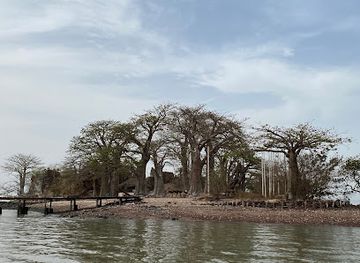
Island
Kunta Kinteh Island
Explore Kunta Kinteh Island, a UNESCO World Heritage site with rich history and breathtaking landscapes in the heart of The Gambia.
-
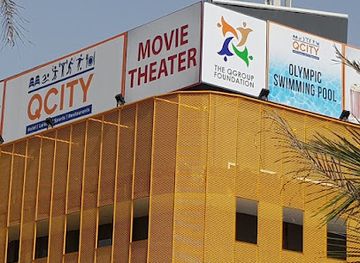
Tourist attraction
QCITY LEISURE COMPLEX
Discover the joy of fun and excitement at Qcity Leisure Complex, a premier amusement park in Bijilo, The Gambia, perfect for all ages.
-
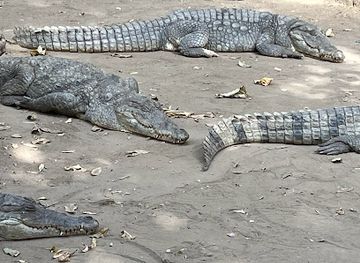
Park
Crocodile Pool
Explore the thrilling Crocodile Pool in Bakau, where adventure meets education in a stunning natural park filled with wildlife.
-
Tourist attraction
Tanje Village Museum
Explore the heart of Gambian culture at Tanje Village Museum, where history, tradition, and community come alive in immersive exhibits.

Best landmarks in Jokadu
Jokadu’s most meaningful landmarks are often modest and community-based rather than monumental. Village mosques, mature trees, wells, market spaces and traditional compounds help define settlement centres and reveal how religious, domestic and economic life is organised. Agricultural fields and seasonal lowlands are also important geographical markers, particularly where tracks rise above wetter ground or pass between cultivated plots. The district’s position north of the River Gambia gives its broader landscape a distinct inland character, but the river itself is not within every part of Jokadu and should not be treated as a single local landmark. Historic significance is carried largely through oral memory, family connections and the continuity of village life rather than through preserved castles or grand colonial buildings. Visitors should regard a village’s mosque, cemetery, compound or ceremonial space as a place of community importance, not automatically as a sightseeing object, and should seek permission before approaching or photographing it.
-
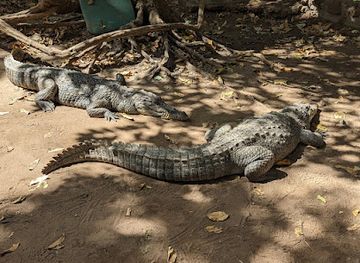
Tourist attraction
Kachikally Crocodile Pool
Explore the Kachikally Crocodile Pool: A unique blend of adventure and Gambian culture awaits at this iconic wildlife sanctuary.
-
Tourist attraction
Senegambia Craft Market
Explore the vibrant Senegambia Craft Market for authentic Gambian crafts, delicious local food, and a taste of rich cultural heritage.
-
National park
Bijilo National Park
Discover the enchanting Bijilo National Park, a lush sanctuary teeming with wildlife and scenic beauty, perfect for nature lovers and adventure seekers.
-
Resort hotel
Kairaba Beach Hotel
Experience luxury and tranquility at Kairaba Beach Hotel, a premier resort in The Gambia, where stunning ocean views meet exceptional hospitality.
Explore Jokadu on the map
Plan your trip on one map. See where the top cities, national parks and sights are, and book hotels and experiences in a few clicks.
Best hotels in Jokadu
Best restaurants in Jokadu
Jokadu has a limited formal restaurant scene, so food is more likely to be found through local households, small roadside eateries, market stalls or accommodation arranged in advance. Everyday meals across rural The Gambia commonly draw on rice, millet, maize, vegetables, groundnuts, fish and meat, with sauces providing much of the character. Benachin, a one-pot rice dish, and domoda, a groundnut-based sauce often served with rice, are widely associated with Gambian cooking, although recipes differ between households and communities. Fresh produce is most seasonal during and after the rains, while groundnuts remain an important agricultural product. Visitors should ask about ingredients and preparation when accepting a home-cooked meal, particularly if they have allergies or dietary restrictions. Carry snacks and drinking water for longer journeys, as dependable food outlets may be widely spaced. In Jokadu, eating is often part of a social introduction rather than a conventional restaurant experience, so patience, courtesy and advance arrangements are important.
-
Restaurant
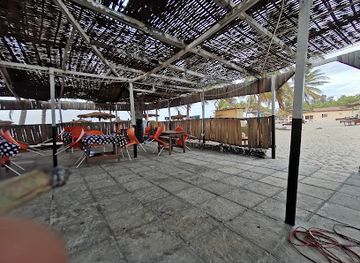
Poco Loco Beachbar Gambia
Discover vibrant dining at Poco Loco Beachbar in Gambia – where delicious food meets stunning ocean views.
-
Restaurant
John Raymond'S Beach Bar And Restaurant
Discover culinary delights at John Raymond's Beach Bar & Restaurant in Serrekunda – where local flavors meet stunning beach views.
-
Restaurant
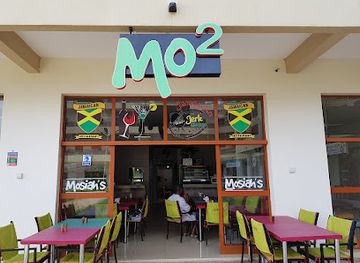
Mo2 Jamaican Bar & Restaurant Gambia (Mosiah's)
Experience authentic Jamaican cuisine at Mo2 Jamaican Bar & Restaurant in Serrekunda - where flavor meets Caribbean hospitality.
-
Restaurant
Villa Roula
Discover authentic Gambian cuisine at Villa Roula in Serrekunda—where every dish tells a story.
Best bars in Jokadu
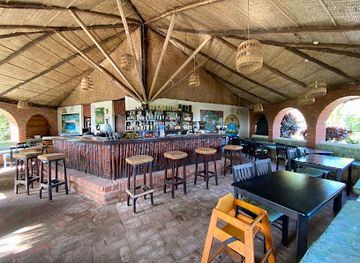
Jokadu does not have a significant nightclub or late-night entertainment scene. Evening life is more likely to centre on family compounds, small local meeting places, modest eateries, religious and community activities, or conversation in larger settlements. Alcohol is not central to public life in many communities, and visitors should not assume that a rural village will have a bar or organised nightlife. Where drinks are available, follow local guidance and behave discreetly. The district’s limited lighting and dispersed settlements also make night travel impractical, so arrange transport before dark and avoid setting out on unfamiliar tracks after sunset. Visitors seeking a broader choice of music venues, bars or restaurants will generally need to travel outside Jokadu towards larger towns or the coastal urban area, rather than expecting a concentrated entertainment district within the district itself.
-
Restaurant
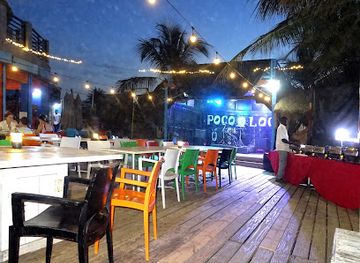
Poco Loco Beachbar Gambia
Experience the vibrant atmosphere and delicious cuisine at Poco Loco Beachbar, the perfect tropical getaway in Serrekunda, Gambia.
-
Restaurant
Mo2 Jamaican Bar & Restaurant Gambia (Mosiah's)
Experience the best of Jamaican cuisine at Mo2 Jamaican Bar & Restaurant in Gambia, where vibrant flavors and lively ambiance await every visitor.
-
Bar
Solomon’s Beach Bar & Restaurant
Discover the vibrant atmosphere and exquisite local flavors at Solomon’s Beach Bar & Restaurant in Serrekunda, where relaxation meets the beauty of the Gambian coast.
-
Bar
Calypso bar & restaurant
Experience the vibrant flavors and laid-back atmosphere at Calypso Bar & Restaurant in Bakau, where delicious cuisine meets stunning tropical views.


Best nightclubs in Jokadu
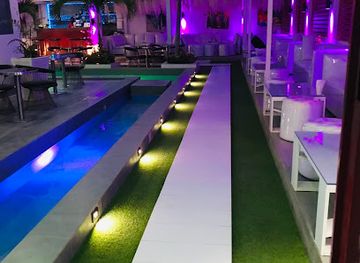
Jokadu does not have a significant nightclub or late-night entertainment scene. Evening life is more likely to centre on family compounds, small local meeting places, modest eateries, religious and community activities, or conversation in larger settlements. Alcohol is not central to public life in many communities, and visitors should not assume that a rural village will have a bar or organised nightlife. Where drinks are available, follow local guidance and behave discreetly. The district’s limited lighting and dispersed settlements also make night travel impractical, so arrange transport before dark and avoid setting out on unfamiliar tracks after sunset. Visitors seeking a broader choice of music venues, bars or restaurants will generally need to travel outside Jokadu towards larger towns or the coastal urban area, rather than expecting a concentrated entertainment district within the district itself.
-
Night club
Envy Night Club
Discover an electrifying nightlife experience at Envy Night Club, Serrekunda's premier destination for dancing, socializing, and unforgettable events.
-
Night club
Aquarius Nightclub
Dive into the vibrant nightlife of Serrekunda at Aquarius Nightclub, where music, dancing, and unforgettable memories await you.
-
Night club
Ningki Nangka Bar & Night Club
Experience the vibrant nightlife at Ningki Nangka Bar & Night Club in Serrekunda, where music, dance, and good vibes come together.
-
Night club
ONYX
Discover the vibrant nightlife at ONYX, Serrekunda's premier night club, where music and excitement meet for an unforgettable experience.


Best shops in Jokadu
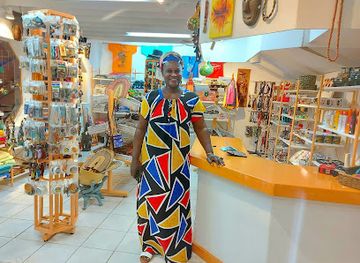
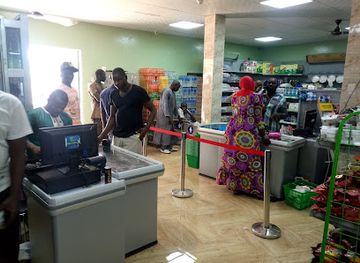
Shopping in Jokadu is primarily local and practical. Small shops and periodic markets serve village needs with food staples, household goods, clothing and farm-related supplies, while seasonal produce may include groundnuts, cereals, vegetables and other locally grown items. Visitors may find opportunities to buy simple woven goods, prepared foods or locally produced ingredients, but the selection and market days vary between settlements and should be confirmed locally. Jokadu is not a destination for major shopping centres, established craft quarters or luxury retail. Bring sufficient dalasi in small denominations and bargain courteously only where negotiation is clearly part of the exchange. Purchases made directly from local producers can support household incomes, but ask before entering work areas or photographing goods being made. For a wider range of souvenirs, crafts, textiles and packaged regional products, travellers will normally need to shop in larger Gambian towns outside the district.
-
Market
Serekunda Market
Discover the vibrant culture of The Gambia at Serekunda Market, a bustling hub of local goods, food, and crafts in Serrekunda.
-
Souvenir store
TOP-SHOP
Explore Gambian culture through unique souvenirs, handicrafts, and artwork at TOP-SHOP, a hidden gem in Serrekunda.
-
Grocery store
Halabaid Trading Enterprises paradise supermarket
Discover the vibrant flavors of Gambia at Halabaid Trading Enterprises, your go-to supermarket in Farafenni for local produce and essentials.
-
Building materials store
Shortcut Gambia
Explore Shortcut Gambia: Your gateway to high-quality building materials in Serrekunda, blending local craftsmanship with exceptional service.


Get your free copy of our complete guide to Jokadu, delivered straight to you.
Everything on this page, from attractions and restaurants to essentials and local phrases, in one PDF you can read offline, print or share.
Already have an account? Sign in
Your Jokadu guide is ready.
We'll send it to · Not you? Sign out

Getting your guide ready…
We are putting together a fresh copy of the Jokadu guide. This can take up to a minute.
This can take a few moments. If your browser asks, choose Allow so the download can start. You'll find the guide in your Downloads folder.
Nothing happened? Download it again
Sorry, the guide is taking longer than usual. Please try again in a minute, or get it by email instead.
Jokadu essentials
Currency and Payment
Safety
Emergency Situations
Do's and Don'ts
Local Tips
From Eve
Local phrases worth knowing
You don't need to get them perfect. A few words go a long way, and locals appreciate the effort.
Basics
| English | Local | Say it |
|---|---|---|
| Hello | Naka | [Nah-kah] |
| Goodbye | Taw | [Tah-w] |
| Yes | Aye | [Eye] |
| No | Nda | [N-dah] |
| Please/You're welcome | Barku | [Bar-koo] |
| Thank you | Jerejef | [Jeh-reh-jef] |
| Excuse me/Sorry | Nda ne | [N-dah neh] |
| How are you? | Naka jeng? | [Nah-kah jeng] |
| Fine. And you? | Naka, ngaa? | [Nah-kah, ngah?] |
| Do you speak English? | Nyaama English? | [Nya-mah English?] |
| I don't understand | Nda nyamaa | [N-dah nya-mah] |
Eating & Drinking
| English | Local | Say it |
|---|---|---|
| I'd like to see the menu, please | Alaa mi yew menu, barku | [Ah-lah mee yew menu, bar-koo] |
| I don't eat meat | Nda warti nyamu | [N-dah war-tee nyah-moo] |
| Cheers! | Barka! | [Bar-kah!] |
| I would like to pay, please | Alaa mi yew pay, barku | [Ah-lah mee yew pay, bar-koo] |
Emergencies
| English | Local | Say it |
|---|---|---|
| Help! | Saa! | [Sah!] |
| Go away! | Saa fow! | [Sah foh!] |
| Call the Police! | Nyaama police! | [Nya-mah po-lees!] |
| Call a doctor! | Nyaama doctor! | [Nya-mah doc-tor!] |
| I'm lost | Mi jeng | [Mee jeng] |
| I'm ill | Mi warti | [Mee war-tee] |
Shopping
| English | Local | Say it |
|---|---|---|
| I'd like to buy... | Alaa mi yew buy... | [Ah-lah mee yew buy...] |
| I'm just looking | Mi jeng | [Mee jeng] |
| How much is it? | Nyaama laa? | [Nya-mah lah?] |
| That's too expensive | Nda jeng too expensive | [N-dah jeng too ex-pen-sive] |
| Can you lower the price? | Nda tew warta price? | [N-dah tew war-tah price?] |
Time & Numbers
| English | Local | Say it |
|---|---|---|
| What time is it? | Nyaama jeng? | [Nya-mah jeng?] |
| It's one o'clock | Jeng koto | [Jeng koh-toh] |
| Half past (10) | Njaam koto | [N-jahm koh-toh] |
| Morning | Bai | [Bye] |
| Afternoon | Jeng koto | [Jeng koh-toh] |
| Evening | Nyaama koto | [Nya-mah koh-toh] |
| Yesterday | Njaam | [N-jahm] |
| Today | Jeng | [Jeng] |
| Tomorrow | Fow | [Foh] |
| 1 | Koto | [Koh-toh] |
| 2 | Duo | [Doo-oh] |
| 3 | Tatu | [Tah-too] |
| 4 | Nyi | [N-yee] |
| 5 | Jango | [Jahn-go] |
| 6 | Jeng | [Jeng] |
| 7 | Nyi jeng | [N-yee jeng] |
| 8 | Nyi jeng | [N-yee jeng] |
| 9 | Nyi jeng | [N-yee jeng] |
| 10 | Nyi jeng | [N-yee jeng] |
Transport & Directions
| English | Local | Say it |
|---|---|---|
| Where's a/the...? | Nda jeng ...? | [N-dah jeng ...?] |
| What's the address? | Nda address? | [N-dah ad-dress?] |
| Can you show me (on the map)? | Nda tew show mi (on the map)? | [N-dah tew show mee (on the map)?] |
| When's the next (bus)? | Nda next (bus)? | [N-dah next (bus)?] |
| A ticket (to ....) | A ticket (to ....) | [A ticket (to ....)] |
History of Jokadu
Early Senegambian settlement and trade
Jokadu forms part of the wider Senegambian cultural zone, where communities have lived through combinations of farming, livestock keeping, fishing and regional exchange for many centuries. The area’s history is better understood through connected river and overland networks than through isolated modern administrative boundaries. Languages, family relationships and trading links have long crossed the present frontier with Senegal. Seasonal access to fertile lowlands and water shaped settlement patterns, while local authority traditionally rested with village leaders, religious figures and wider political communities.
The wider Kaabu and Mandinka political world
Before European colonial rule, much of the inland Senegambian region was influenced by Mandinka-speaking political traditions associated with Kaabu and related states. The precise reach of these powers varied over time, but their legacy survives in oral histories, names, social relationships and cultural practices across The Gambia. Jokadu’s modern boundaries should not be projected backwards onto this earlier landscape. Political authority was often negotiated through tributary relationships, kinship, religious influence and control of routes rather than through the fixed district lines used today.
Islamic scholarship and community life
Islam spread gradually through Senegambia through trade, clerical networks, scholarship and the work of religious teachers. By the modern period, Muslim institutions and practices had become central to social life in many Gambian communities, including the North Bank. Mosques, Quranic education and religious festivals remain important points of community connection. This history is visible less through grand monuments than through village institutions, daily observance and the continuing authority of local religious families and teachers.
European river trade and colonial influence
European commercial activity along the River Gambia expanded from the early modern period, linking the river to Atlantic trade and, tragically, to the transatlantic slave trade. Later British colonial rule established a more formal administrative system and strengthened the importance of river transport, taxation and agricultural production. Rural districts such as Jokadu were affected by these changes even when they remained physically distant from the principal colonial settlements. Colonial boundaries divided a region whose communities continued to share cultural and economic ties with neighbouring Senegal.
Groundnuts and the colonial agricultural economy
Groundnut cultivation became a major element of The Gambia’s export economy during the nineteenth and twentieth centuries. The crop was particularly important because it could be produced by rural households and transported towards river ports for overseas trade. Its importance influenced land use, labour patterns, market relationships and colonial taxation across the North Bank. Groundnuts remain part of the agricultural landscape around Jokadu, although farming households now commonly combine them with cereals, vegetables, livestock and other income sources.
Independence and the modern administrative district
The Gambia became independent from Britain in 1965, and subsequent governments developed regional administrative structures to extend public services beyond the capital and the urbanised coastal area. Jokadu is now one of the districts of the North Bank Region. Roads, schools, health facilities, mobile communications and local government have gradually altered access to the area, but the district remains predominantly rural. Its contemporary identity therefore reflects both national development and the persistence of village-based agriculture and cross-border Senegambian connections.
Jokadu in Photos
Browse through our photo collection highlighting the charm and character of the destination.
Neighbouring regions of Jokadu
The closest regions to Jokadu, if you have time for more than one.
-

-

-

-

-


Swipe for more regions
Explore more

Explore more of The Gambia
Discover The Gambia: a treasure trove of cultural richness, stunning beaches, and diverse wildlife. An unforgettable journey awaits you in Africa's Smiling Coast.
Explore The Gambia