

Free Lower Baddibu Travel Guide & Mobile App
Explore Lower Baddibu with free travel guides. Discover regional history, expert tips, proposed trips, and audio guides on web or mobile app.




Explore Lower Baddibu in The Gambia for riverine landscapes, village life, agricultural traditions and a quieter North Bank journey.
Read more about Lower Baddibu
When is the best time to visit Lower Baddibu?
Best: December–February · 28–30°C| Month | High (°C) | Rainfall (mm) |
|---|---|---|
| January (best) | 28 | 0 |
| February (best) | 30 | 0 |
| March | 33 | 0 |
| April | 35 | 0 |
| May | 36 | 1 |
| June | 36 | 5 |
| July | 34 | 20 |
| August | 34 | 30 |
| September | 34 | 20 |
| October | 34 | 10 |
| November | 31 | 0 |
| December (best) | 29 | 0 |
Getting to and around Lower Baddibu
How to get there
Transportation
Best attractions in Lower Baddibu
Lower Baddibu’s attractions are primarily rural, cultural and environmental rather than built for mass tourism. The district’s villages and agricultural landscapes offer insight into everyday Gambian life, with compounds, mosques, gardens, market activity and seasonal farming shaping the scenery. Kerewan provides the main administrative and commercial focus, while roads beyond the town pass through cultivated areas and settlements linked to the wider North Bank economy. The Gambia River and its associated wetlands are important for understanding local fishing, farming and transport traditions, although access to river margins should be arranged with local advice. Birdwatching can be rewarding around wetlands, fields and mangrove-influenced habitats, particularly for visitors travelling with someone familiar with local species and access routes. The district also suits slow journeys by vehicle or bicycle, with opportunities to observe changing landscapes rather than visit a sequence of formal monuments. Visitors should not expect a dense programme of museums, ticketed heritage sites or organised excursions; the experience depends on careful planning, respectful encounters and an appreciation of the region’s agricultural and riverine character.
-
Market
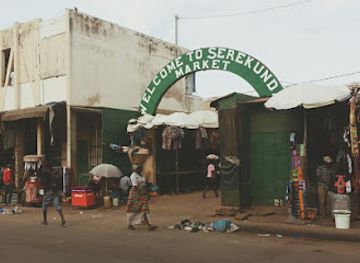
Serekunda Market
Explore the vibrant Serekunda Market, the heartbeat of Gambian culture, where local crafts, fresh produce, and authentic cuisine await every traveler.
-
Tourist attraction
GAMBINO WATERSPORTS
Experience the thrill of water sports at Gambino Watersports in Serrekunda, where adventure meets the stunning Gambian coast.
-
Tourist attraction
Senegambia Beach
Explore the beauty and culture of Senegambia Beach, a vibrant tourist attraction in Serrekunda, Gambia, perfect for relaxation and adventure.
-
Tourist attraction
Banjul Central Mosque
Explore Banjul Central Mosque, a beautiful blend of spirituality and culture in The Gambia's capital city, offering a peaceful retreat for all visitors.


Best landmarks in Lower Baddibu
The most significant landmarks of Lower Baddibu are connected to administration, settlement, religion and landscape rather than monumental architecture. Kerewan is the district’s principal civic reference point and an important North Bank centre, with public buildings, roads and everyday commercial activity reflecting its administrative role. The wider Baddibu name is itself a geographical and historical marker, linking modern Lower Baddibu to an older political region of Senegambia. Village mosques and established settlement compounds form distinctive local focal points, although they should be regarded as working religious and community spaces rather than tourist monuments. The riverine environment, seasonal wetlands and cultivated floodplain are equally important landmarks: they explain where communities farm, fish and travel, and give the district its visual identity. No single castle, cathedral or museum defines Lower Baddibu, so visitors should approach its landmarks as a connected cultural landscape. Local guidance is essential when visiting religious buildings, private compounds or river access points.
-
Tourist attraction
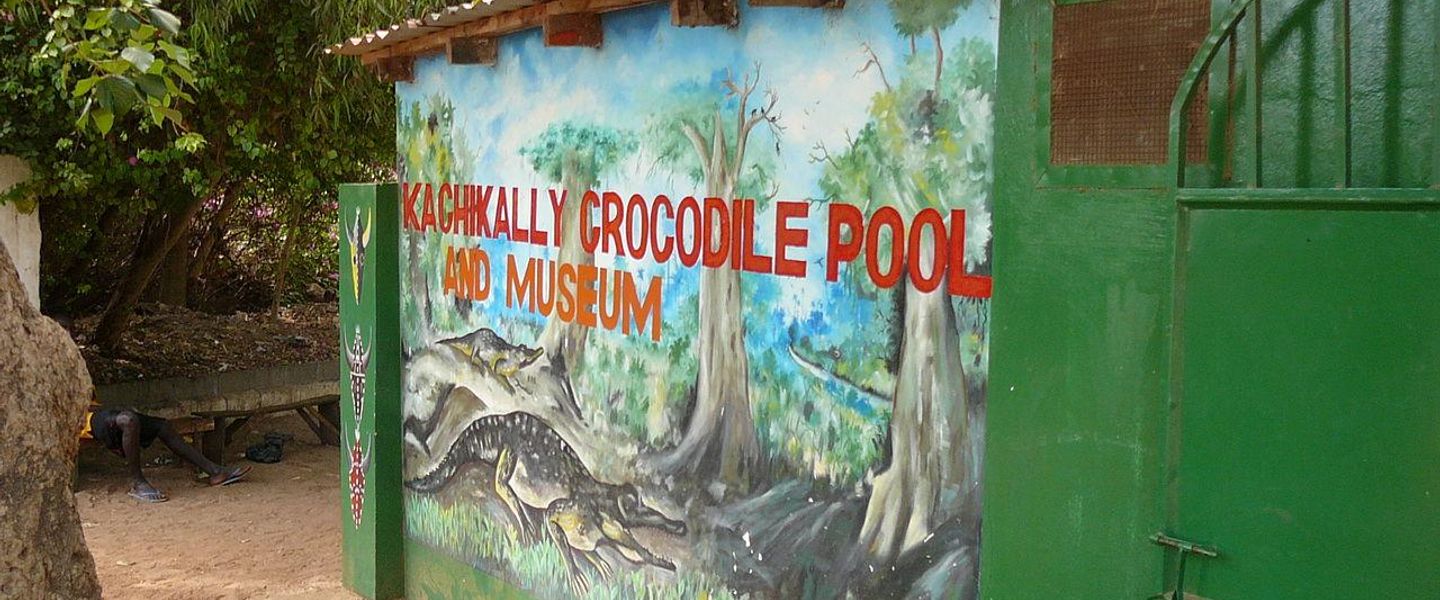
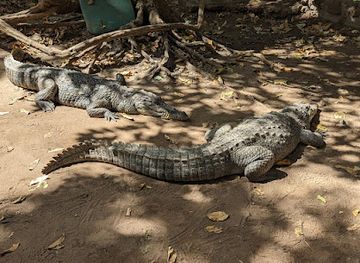
Kachikally Crocodile Pool
Explore the enchanting Kachikally Crocodile Pool in Bakau, Gambia, a unique blend of wildlife and culture in a serene setting.
-
 Resort hotel
Coco Ocean Resort & Spa Hotel
Discover luxury and tranquility at Coco Ocean Resort & Spa in Bijilo, where stunning ocean views and top-notch amenities await your visit.
-
Tourist attraction
Senegambia Craft Market
Explore the vibrant Senegambia Craft Market, a treasure trove of authentic Gambian handicrafts and a lively atmosphere that celebrates local culture.
-
National park
Bijilo National Park
Experience the rich biodiversity and serene beauty of Bijilo National Park, a natural gem perfect for nature lovers and adventure seekers in Gambia.
Explore Lower Baddibu on the map
Plan your trip on one map. See where the top cities, national parks and sights are, and book hotels and experiences in a few clicks.
Best hotels in Lower Baddibu
Best restaurants in Lower Baddibu
Dining in Lower Baddibu is centred on household cooking, small local eateries, market stalls and roadside refreshment points rather than a formal restaurant scene. Common Gambian meals may include rice served with vegetable, fish, meat or groundnut-based sauces, while locally available produce can include millet, sorghum, cassava, sweet potato, mangoes and seasonal vegetables. Fish is more prominent near river communities, although availability varies with season and supply. Attaya, the strong green tea prepared and shared socially, is an important part of everyday hospitality, and visitors may also encounter sweet tea, bread and simple breakfast dishes. Kerewan is the most practical place to look for basic provisions and prepared food, but choices are limited compared with the coastal tourist areas. Travellers should carry water and snacks for longer journeys, eat food that is freshly cooked where possible, and ask about ingredients when dietary requirements are important.
-
Restaurant
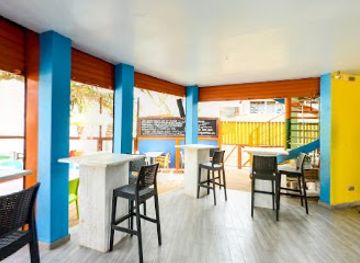
Poco Loco Beachbar Gambia
Experience the vibrant flavors and stunning views at Poco Loco Beachbar in Serrekunda, Gambia – where relaxation meets culture by the sea.
-
Restaurant
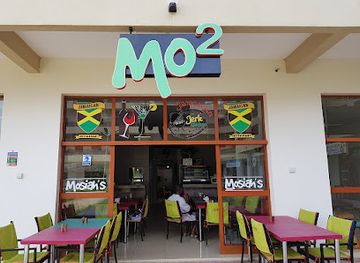
Mo2 Jamaican Bar & Restaurant Gambia (Mosiah's)
Savor the vibrant tastes of Jamaica at Mo2 Jamaican Bar & Restaurant in Serrekunda - an unmissable culinary adventure in The Gambia.
-
Restaurant
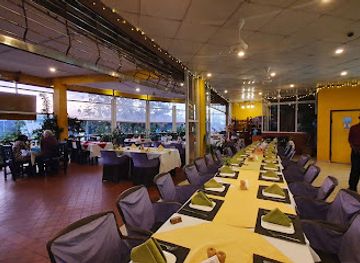
Vineyard Restaurant
Experience the flavors of The Gambia at Vineyard Restaurant in Serrekunda - where local ingredients meet international flair.
-
Restaurant
Paradise Beach Club Gambia
Experience authentic Gambian cuisine at Paradise Beach Club Gambia with breathtaking ocean views and vibrant atmosphere.
Best bars in Lower Baddibu
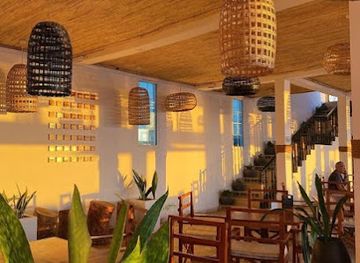
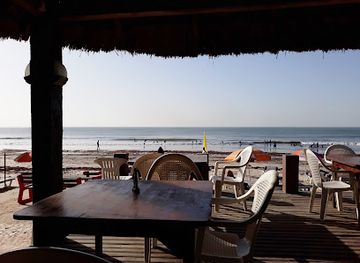
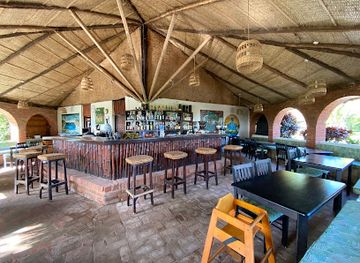
Lower Baddibu does not have a major nightclub or late-night entertainment scene. Evening life is more likely to centre on family compounds, local gatherings, small cafés, tea preparation and modest eateries, with social activity following the rhythms of work, prayer and daylight. In larger settlements, a few informal venues may serve drinks or provide conversation, but opening arrangements and facilities are not designed primarily for international nightlife. Visitors should not assume that alcohol is widely available, particularly near religious settings or in smaller villages. Those seeking live music, bars or a broader evening scene will generally find more choice in the Greater Banjul area or coastal resorts, outside the district. In Lower Baddibu, the more meaningful evening experience is often a quiet conversation, a shared glass of attaya or observing the settlement settle after sunset, always with respect for local privacy.
-
Bar
Solomon’s Beach Bar & Restaurant
Discover Solomon’s Beach Bar & Restaurant, where stunning ocean views, delicious cuisine, and a vibrant atmosphere await every tourist.
-
Bar
Calypso bar & restaurant
Experience the vibrant atmosphere of Calypso Bar & Restaurant in Bakau, where delicious food meets refreshing drinks in a lively setting.
-
Bar
Reo's Bar and Restaurant
Experience the vibrant flavors and lively atmosphere at Reo's Bar and Restaurant in Serrekunda, where local Gambian culture meets culinary delight.
-
Restaurant
Paradise Beach Club Gambia
Experience the essence of Gambian cuisine at Paradise Beach Club, where culinary delights meet stunning beach views in Serrekunda.
Best nightclubs in Lower Baddibu
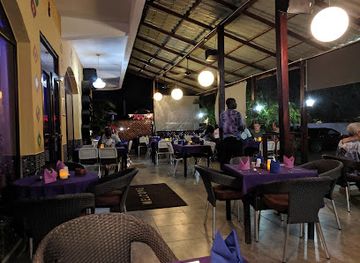
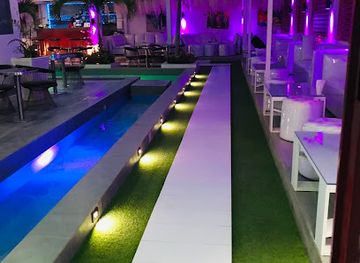
Lower Baddibu does not have a major nightclub or late-night entertainment scene. Evening life is more likely to centre on family compounds, local gatherings, small cafés, tea preparation and modest eateries, with social activity following the rhythms of work, prayer and daylight. In larger settlements, a few informal venues may serve drinks or provide conversation, but opening arrangements and facilities are not designed primarily for international nightlife. Visitors should not assume that alcohol is widely available, particularly near religious settings or in smaller villages. Those seeking live music, bars or a broader evening scene will generally find more choice in the Greater Banjul area or coastal resorts, outside the district. In Lower Baddibu, the more meaningful evening experience is often a quiet conversation, a shared glass of attaya or observing the settlement settle after sunset, always with respect for local privacy.
-
Night club
Envy Night Club
Discover the electrifying atmosphere of Envy Night Club, a top nightlife destination in Serrekunda, perfect for music lovers and party-goers alike.
-
Night club
Aquarius Nightclub
Dive into the heart of Gambian nightlife at Aquarius Nightclub, where vibrant music and an electric atmosphere create unforgettable nights.
-
Night club
Ningki Nangka Bar & Night Club
Experience the vibrant nightlife at Ningki Nangka Bar & Night Club in Serrekunda, where music, dancing, and local culture come together for an unforgettable evening.
-
Night club
ONYX
Discover the pulsating nightlife of ONYX in Serrekunda, where vibrant music, delicious drinks, and unforgettable experiences await you every night.
Best shops in Lower Baddibu
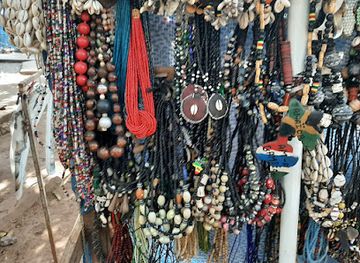
Shopping in Lower Baddibu is practical and local, with small shops, roadside stalls and market activity serving community needs rather than a dedicated visitor retail sector. Kerewan is the most useful place to seek basic provisions, while village markets and trading points may offer rice, groundnuts, fruit, vegetables, bread, tea, household goods and seasonal farm produce. Travellers may find locally made baskets, woven items or small craft products, but availability is variable and should not be assumed. Regional produce such as groundnuts and dried or packaged foods can make useful gifts when bought responsibly and transported within regulations. There are few reasons to expect extensive branded retail, galleries or shopping centres in the district. Carry sufficient cash in dalasi, ask permission before photographing vendors or goods, and buy directly from small-scale sellers where possible without treating bargaining as an adversarial contest.
-
Shopping mall
Tropic Shopping Centre
Experience the vibrant shopping scene at Tropic Shopping Centre, where local culture and international brands meet in Serrekunda.
-
Book store
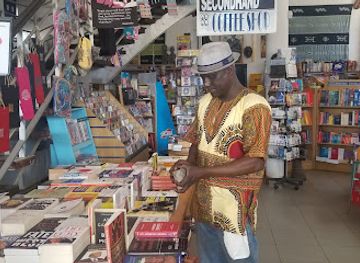
Timbooktoo Bookstore
Discover the enchanting world of literature at Timbooktoo Bookstore in Serrekunda, Gambia - a true gem for book lovers and cultural enthusiasts.
-
Shopping mall
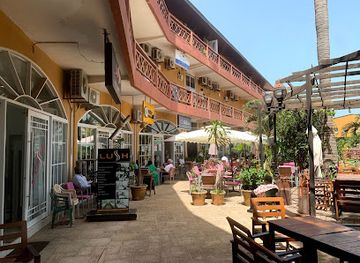
The Village Shopping and Dining Centre
Discover culture, shopping, and delicious Gambian cuisine at The Village Shopping and Dining Centre in Serrekunda.
-
Souvenir store
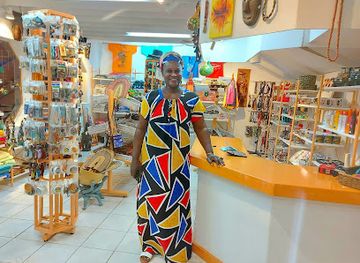
TOP-SHOP
Discover authentic Gambian crafts and unique souvenirs at TOP-SHOP, an artistic hub blending culture and shopping in the heart of Serrekunda.

Get your free copy of our complete guide to Lower Baddibu, delivered straight to you.
Everything on this page, from attractions and restaurants to essentials and local phrases, in one PDF you can read offline, print or share.
Already have an account? Sign in
Your Lower Baddibu guide is ready.
We'll send it to · Not you? Sign out

Getting your guide ready…
We are putting together a fresh copy of the Lower Baddibu guide. This can take up to a minute.
This can take a few moments. If your browser asks, choose Allow so the download can start. You'll find the guide in your Downloads folder.
Nothing happened? Download it again
Sorry, the guide is taking longer than usual. Please try again in a minute, or get it by email instead.
Lower Baddibu essentials
Currency and Payment
Safety
Emergency Situations
Do's and Don'ts
Local Tips
From Eve
Local phrases worth knowing
You don't need to get them perfect. A few words go a long way, and locals appreciate the effort.
Basics
| English | Local | Say it |
|---|---|---|
| Hello | Naka | [Nah-kah] |
| Goodbye | Naka si | [Nah-kah see] |
| Yes | Aye | [Eye] |
| No | Nda | [N-dah] |
| Please/You're welcome | Nanga def? | [Nang-ah def?] |
| Thank you | Jerejef | [Jereh-jef] |
| Excuse me/Sorry | Mafala | [Mah-fah-lah] |
| How are you? | Nanga def? | [Nang-ah def?] |
| Fine. And you? | Nanga def? Ndey? | [Nang-ah def? N-dey?] |
| Do you speak English? | Ndey jangi English? | [N-dey jan-gee English?] |
| I don't understand | Nda jangi | [N-dah jan-gee] |
Eating & Drinking
| English | Local | Say it |
|---|---|---|
| I'd like to see the menu, please | Nanga jangi menu, nanga def? | [Nang-ah jan-gee menu, nang-ah def?] |
| I don't eat meat | Nda jangi nyam | [N-dah jan-gee nyam] |
| Cheers! | Alaa! | [Ah-lah!] |
| I would like to pay, please | Nanga jangi pay, nanga def? | [Nang-ah jan-gee pay, nang-ah def?] |
Emergencies
| English | Local | Say it |
|---|---|---|
| Help! | Jelp! | [Jelp!] |
| Go away! | Fota! | [Fo-tah!] |
| Call the Police! | Nanga jangi Police! | [Nang-ah jan-gee Police!] |
| Call a doctor! | Nanga jangi doctor! | [Nang-ah jan-gee doctor!] |
| I'm lost | Nda jangi fota | [N-dah jan-gee fo-tah] |
| I'm ill | Nda jangi su | [N-dah jan-gee soo] |
Shopping
| English | Local | Say it |
|---|---|---|
| I'd like to buy... | Nanga jangi buy... | [Nang-ah jan-gee buy...] |
| I'm just looking | Nda jangi jeng | [N-dah jan-gee jeng] |
| How much is it? | Nda jangi sa? | [N-dah jan-gee sah?] |
| That's too expensive | Ginna waaw | [Gee-nah wah-w] |
| Can you lower the price? | Nanga fota sa? | [Nang-ah fo-tah sah?] |
Time & Numbers
| English | Local | Say it |
|---|---|---|
| What time is it? | Nda jangi ta? | [N-dah jan-gee tah?] |
| It's one o'clock | Na fula | [Nah foo-lah] |
| Half past (10) | Nda fula du? | [N-dah foo-lah doo?] |
| Morning | Gambaa | [Gahm-bah] |
| Afternoon | Taalibaa | [Tah-lee-bah] |
| Evening | Dingaa | [Deen-gah] |
| Yesterday | Boor | [Boor] |
| Today | Nda jangi | [N-dah jan-gee] |
| Tomorrow | Juba | [Joo-bah] |
| 1 | Keen | [Keen] |
| 2 | Duo | [Doo-oh] |
| 3 | Taal | [Taal] |
| 4 | Jang | [Jang] |
| 5 | Jumo | [Joo-mo] |
| 6 | Jolo | [Jo-lo] |
| 7 | Jumbe | [Jum-be] |
| 8 | Jutaa | [Joo-tah] |
| 9 | Jumbo | [Jum-bo] |
| 10 | Jango | [Jan-go] |
Transport & Directions
| English | Local | Say it |
|---|---|---|
| Where's a/the...? | Nda yahi...? | [N-dah yah-hee...?] |
| What's the address? | Nda jangi address? | [N-dah jan-gee address?] |
| Can you show me (on the map)? | Nanga jangi (map)? | [Nang-ah jan-gee (map)?] |
| When's the next (bus)? | Nda jangi next bus? | [N-dah jan-gee next bus?] |
| A ticket (to ....) | Nda jangi ticket (to ...) | [N-dah jan-gee ticket (to ...)] |
History of Lower Baddibu
Early Riverine Settlement and Agriculture
The Lower Baddibu area developed within the wider riverine world of Senegambia, where communities settled near dependable water sources, fertile floodplain soils and routes linking the river with the northern interior. Farming, fishing and seasonal movement shaped life long before the arrival of European traders. Archaeological evidence across the wider Gambia region demonstrates long-standing settlement and cultivation, although many individual sites in Lower Baddibu are not formally developed for visitors. The district’s present-day fields, wetlands and village patterns remain connected to these deeper relationships between land, water and food production.
The Baddibu Political Region
Baddibu was historically one of the political areas of the central and northern Senegambia region. Its position along the Gambia River and near routes across the north bank gave it influence in local exchange and diplomacy. Power was exercised through rulers, village authorities, kinship networks and relationships with neighbouring states rather than through a single modern-style territorial administration. The name survives in contemporary districts such as Lower Baddibu and Upper Baddibu, providing a link between today’s administrative geography and an older regional identity.
Islamic Scholarship and Community Life
Islam spread gradually through Senegambia through trade, clerical networks, family connections and the work of Muslim scholars. In Baddibu, as elsewhere in The Gambia, Islamic practice became closely interwoven with village life, education, authority and social customs. Mosques and Quranic learning contributed to the cultural landscape, while local traditions continued to shape community organisation. The religious identity of Lower Baddibu is therefore best understood as part of the long history of Islam in the Senegambia region rather than as a recent development.
Trade Along the Gambia River
The Gambia River functioned as a major transport and commercial corridor, connecting inland production with river ports and Atlantic trade. Goods, people and ideas moved along its navigable stretches, while market settlements on both banks served surrounding farming communities. European involvement intensified from the early modern period, bringing commercial competition and eventually colonial control, but local producers and traders remained central to regional exchange. Lower Baddibu’s location near the river preserves the geographical logic of this older trading landscape even where modern roads have replaced much river travel.
Colonial Administration and the Protectorate
Britain gradually consolidated control over The Gambia during the nineteenth and early twentieth centuries, administering the river colony and its surrounding protectorate through a network of government stations, courts and local authorities. Rural districts such as Baddibu were drawn into this system while retaining important traditional and religious structures. Colonial rule affected taxation, labour, agricultural production and trade, and encouraged the development of administrative centres and road connections. Kerewan’s contemporary civic role reflects the continuing importance of organised administration in the North Bank.
Groundnuts, Rural Production and Independence
Groundnuts became one of The Gambia’s most important commercial crops during the colonial era and remained central to the national economy after independence in 1965. The crop influenced household incomes, market networks and transport routes across the North Bank, including Baddibu. Alongside groundnuts, communities maintained food crops, livestock keeping, vegetable production and fishing. The district’s modern rural economy is consequently a combination of inherited cash-crop systems and long-established subsistence and seasonal practices.
Contemporary North Bank Development
Since independence, Lower Baddibu has been part of The Gambia’s continuing effort to improve rural roads, education, healthcare, agricultural productivity and access to markets. Development has been uneven, and many communities remain dependent on seasonal conditions and local networks. The construction and improvement of transport links across the North Bank have made movement easier than in earlier decades, while also changing patterns of trade and migration. Today, Lower Baddibu combines older village institutions and farming traditions with the pressures and opportunities of a more connected Gambian economy.
Lower Baddibu in Photos
Browse through our photo collection highlighting the charm and character of the destination.
Neighbouring regions of Lower Baddibu
The closest regions to Lower Baddibu, if you have time for more than one.
-

-

-

-

-


Swipe for more regions
Explore more

Explore more of The Gambia
Discover The Gambia: a treasure trove of cultural richness, stunning beaches, and diverse wildlife. An unforgettable journey awaits you in Africa's Smiling Coast.
Explore The Gambia