

North Bank Region, The Gambia Travel Guide
Explore the North Bank Region in The Gambia: A blend of natural beauty, rich history, and vibrant culture along the serene Gambia River.
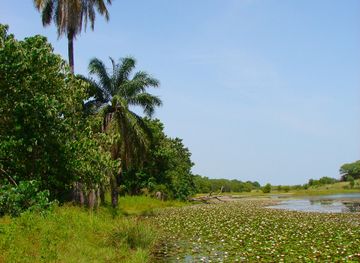
The North Bank Region in The Gambia is a hidden gem waiting to be discovered. This region offers a unique blend of natural beauty, rich history, and vibrant culture. From the lush landscapes and scenic river views to the charming villages and bustling markets, North Bank Region provides a truly authentic Gambian experience. One of the highlights of the North Bank Region is its stunning riverfront. The Gambia River flows majestically through the area, providing a picturesque backdrop for your adventures. You can take a boat ride along the river, spotting diverse wildlife and enjoying the serene environment. The riverbank is also dotted with traditional fishing villages where you can observe local life and even try your hand at fishing. In addition to its natural attractions, the North Bank Region is steeped in history. Visit the historic town of Jufureh, famously known as the ancestral home of Kunta Kinte from Alex Haley's novel 'Roots'. Explore the heritage sites and museums to learn about the region's role in the transatlantic slave trade and its rich cultural heritage. The friendly locals are always eager to share their stories and traditions with visitors, making your trip even more memorable. Don't miss the vibrant markets and local cuisine in the North Bank Region. The bustling markets are filled with colorful stalls selling everything from fresh produce to handmade crafts. Sample the delicious Gambian dishes, such as domoda (peanut stew) and benachin (rice and fish), and experience the flavors of the region. The hospitality and warmth of the Gambian people will make you feel right at home.

Know before you go
Hi, I'm Eve. Here are a few practical things to know before exploring North Bank Region.
- Visit the North Bank Region during the dry season (November to May) for the best weather and easier travel conditions.
- Take a local guide to explore the historical sites of Jufureh and learn about the area's rich heritage.
- Bring binoculars for birdwatching along the Gambia River, where you can spot many native and migratory species.
- Carry cash, as many local markets and smaller establishments do not accept credit cards.
Top City Travel Guides in North Bank Region
The cities of North Bank Region, and the easiest places to base yourself.


Destinations in North Bank Region
Resorts, valleys and scenic spots worth a trip of their own.


Explore North Bank Region: Things to Do, Places to Eat, Hotels & More
Handpicked recommendations for top attractions, local dining, accommodations, and more

Top Attractions & Sightseeing in North Bank Region
Top-rated picks
Best Attractions

Fathala Wildlife Reserve
Discover the beauty of wildlife at Fathala Wildlife Reserve, where adventure meets luxury in the heart of Senegal's natural wonders.

Banni Farms
Experience the serene beauty of Banni Farms, a lush garden sanctuary showcasing vibrant flora and rich biodiversity in the heart of Banni.
Banni swamp area
Explore the serene Banni Swamp Area, a biodiverse wetland in Gambia, perfect for nature lovers and adventure seekers seeking tranquility.
Dobo Forest Park
Discover the natural beauty and tranquility of Dobo Forest Park in Nduren, Gambia - a perfect getaway for nature lovers and adventurers alike.

Best landmarks in North Bank Region
Top-rated picks
Best Landmarks

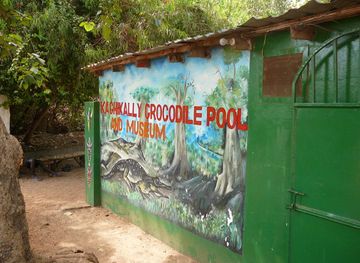
Kachikally Crocodile Pool
Explore the Kachikally Crocodile Pool in Bakau, a mesmerizing blend of wildlife and cultural heritage that captivates every traveler.

Senegambia Craft Market
Explore the vibrant artistry and local culture at Senegambia Craft Market, a hub of handcrafted treasures in the heart of Serrekunda, The Gambia.

Bijilo National Park
Explore the enchanting Bijilo National Park, where lush forests and vibrant wildlife await you in The Gambia's natural paradise.

Serekunda Market
Experience the vibrant heart of The Gambia at Serekunda Market, where local culture, delicious food, and unique crafts come alive in a bustling atmosphere.

Best restaurants in North Bank Region
Top-rated picks
Best Restaurants

Mo2 Jamaican Bar & Restaurant Gambia (Mosiah's)
Indulge in authentic Jamaican cuisine at Mo2 Jamaican Bar & Restaurant in Gambia – where every meal is a celebration of Caribbean culture.

Sambas Kitchen
Experience authentic Gambian cuisine at Sambas Kitchen in Serrekunda - a culinary journey through local flavors.

King Of Shawarma
Experience the best shawarmas in Banjul at King Of Shawarma - where flavor meets culture!

The Fajara Garden Restaurant
Discover delightful Gambian cuisine in a tranquil garden setting at The Fajara Garden Restaurant, perfect for family gatherings or casual dining.

Best bars in North Bank Region
Top-rated picks
Best Bars

Poco Loco Beachbar Gambia
Experience the vibrant atmosphere and delicious cuisine at Poco Loco Beachbar in Serrekunda, Gambia's tropical paradise.

John Raymond'S Beach Bar And Restaurant
Discover the vibrant atmosphere of John Raymond's Beach Bar and Restaurant in Serrekunda, where delicious food meets breathtaking ocean views.

Solomon’s Beach Bar & Restaurant
Discover the charm of Solomon’s Beach Bar & Restaurant, where local flavors meet breathtaking ocean views in a vibrant beachside setting.

Mo2 Jamaican Bar & Restaurant Gambia (Mosiah's)
Discover the authentic taste of Jamaica at Mo2 Jamaican Bar & Restaurant in Gambia, where every dish is a journey to the Caribbean.

Best nightclubs in North Bank Region
Top-rated picks
Best Nightclubs

Envy Night Club
Discover the pulsating nightlife of Envy Night Club in Serrekunda, where music, dance, and unforgettable experiences await you.

Aquarius Nightclub
Discover the heart of Gambian nightlife at Aquarius Nightclub, where music, dance, and culture unite for an unforgettable experience.

ONYX
Discover the pulse of Serrekunda's nightlife at ONYX, the ultimate night club for an unforgettable evening filled with music, dance, and great drinks.

Ningki Nangka Bar & Night Club
Discover Ningki Nangka Bar & Night Club, the ultimate nightlife destination in Serrekunda, where music, dancing, and unforgettable nights await.

Best shops in North Bank Region
Top-rated picks
Best Shops

Albert Market
Discover the vibrant culture and local flavors at Albert Market in Banjul, a must-visit destination for authentic Gambian experiences.

TOP-SHOP
Explore TOP-SHOP in Senegambia for authentic Gambian handicrafts, art, and unique souvenirs that capture the spirit of your travels.

Halabaid Trading Enterprises paradise supermarket
Explore the culinary delights of Gambia at Halabaid Trading Enterprises, your go-to supermarket in Farafenni for local and international groceries.

Emporium Banjul
Explore the vibrant textile culture of Banjul at Emporium Banjul, where authentic fabrics and local craftsmanship come together.

Explore North Bank Region on the Map
A handpicked selection of must-see spots in North Bank Region, mapped for you.
North Bank Region Essentials
-
North Bank Region in The Gambia is accessible via Banjul International Airport, located approximately 35 kilometers from the region. From the airport, you can take a taxi or arrange for a private transfer to cross the Gambia River via the ferry from Banjul to Barra. The ferry operates regularly and the journey takes about 30-45 minutes. Alternatively, you can take a road trip from Banjul using the Senegambia Bridge, which connects directly to the North Bank Region.
-
Once in North Bank Region, you can get around using local taxis, which are readily available and relatively inexpensive. For exploring more remote areas, it’s advisable to rent a car. There are also local minibuses known as 'gele-geles' that operate between towns and villages, providing a more authentic travel experience. Bicycles can also be rented for short distances and are a great way to explore local areas.
-
The official currency in The Gambia is the Gambian Dalasi (GMD). Credit cards are not widely accepted, especially in rural areas and small establishments, so it’s advisable to carry enough cash. ATMs are available in larger towns such as Farafenni, but they can be scarce in smaller villages. It’s a good idea to exchange your money in Banjul before heading to the North Bank Region.
-
The North Bank Region is generally safe for tourists, but it is important to take standard precautions. Avoid walking alone at night, especially in unfamiliar areas, and be cautious of pickpockets in crowded places like markets. Areas around the ferry terminals and some parts of larger towns like Farafenni have higher crime rates targeting tourists, so stay vigilant. Always keep your valuables secure and out of sight.
-
In case of emergency, dial 117 for police assistance and 116 for medical emergencies. The main hospital in the region is located in Farafenni, and there are smaller clinics in other towns. It’s highly recommended to have travel insurance that covers medical emergencies. For minor health issues, pharmacies are available in larger towns where you can purchase over-the-counter medications.
-
Fashion: Do dress modestly, especially in rural areas and when visiting religious sites. Avoid wearing revealing clothing. Religion: Do respect local customs and traditions. Remove your shoes before entering a mosque. Public Transport: Do be courteous and offer your seat to elderly passengers. Don’t eat or drink on public transport. Greetings: Do greet locals with a handshake. It's polite to inquire about someone's well-being before starting a conversation. Eating & Drinking: Do try local dishes and accept food offerings graciously. Don't use your left hand to eat or give items, as it is considered impolite.
-
To experience the North Bank Region like a local, visit the local markets such as the Farafenni Market where you can buy fresh produce and traditional Gambian goods. Interact with locals, as they are friendly and willing to share insights about their culture and history. Don't miss visiting historical sites like Fort Bullen in Barra and the Wassu Stone Circles. For a unique experience, take a boat trip along the Gambia River to observe wildlife and local fishing communities.
When is the best time to visit North Bank Region?
Useful Local Phrases for North Bank Region
You don't need to speak the language perfectly. Even learning a few simple words can make conversations warmer—and locals usually appreciate the effort.
— Eve

Here are the phrases I use most often in North Bank Region. Try a few—you'll be surprised how far they go! 😊
❤️
-
- HelloNaka
[Nah-kah] - GoodbyeNaka tigi
[Nah-kah tee-gee] - YesAye
[Eye] - NoNaa
[Nah] - Please/You're welcomeJerejef
[Jeh-reh-jef] - Thank youJerejef
[Jeh-reh-jef] - Excuse me/SorryBoo faw
[Boo fah] - How are you?Naka tigi?
[Nah-kah tee-gee?] - Fine. And you?Naka jeng. Naka tigi?
[Nah-kah jeng. Nah-kah tee-gee?] - Do you speak English?Kotoo njaang English?
[Koh-toh n-jang English?] - I don't understandNya faw koto
[Nya fah koh-to]
- HelloNaka
-
- I'd like to see the menu, pleaseNja faw koto menu, jerejef
[Nja fah koh-to meh-noo, jeh-reh-jef] - I don't eat meatNya faw koto nyam
[Nya fah koh-to nyam] - Cheers!Naka nja
[Nah-kah n-jah] - I would like to pay, pleaseNja faw koto pay, jerejef
[Nja fah koh-to pay, jeh-reh-jef]
- I'd like to see the menu, pleaseNja faw koto menu, jerejef
-
- Help!Boo faw!
[Boo fah!] - Go away!Faw banta!
[Fah ban-tah!] - Call the Police!Ding police!
[Ding poh-lees!] - Call a doctor!Ding doktor!
[Ding dok-tor!] - I'm lostNya faw koto nja
[Nya fah koh-to n-jah] - I'm illNya faw koto banta
[Nya fah koh-to ban-tah]
- Help!Boo faw!
-
- I'd like to buy...Nja faw koto buy...
[Nja fah koh-to buy...] - I'm just lookingNya jeng faw
[Nya jeng fah] - How much is it?Naka faw kono?
[Nah-kah fah koh-no?] - That's too expensiveKono yaa faw gung
[Koh-no yah fah goong] - Can you lower the price?Kotoo faw koto kono doo?
[Koh-toh fah koh-to koh-no doh?]
- I'd like to buy...Nja faw koto buy...
-
- What time is it?Naka faw koto time?
[Nah-kah fah koh-to tahym?] - It's one o'clockNaka faw koto one o'clock
[Nah-kah fah koh-to one o'clock] - Half past (10)Half past (10)
[Half past (10)] - MorningJam
[Jahm] - AfternoonDiyam
[Dee-yahm] - EveningBanjul
[Ban-jool] - YesterdayNaka faw koto jeng
[Nah-kah fah koh-to jeng] - TodayNaka faw koto jeng
[Nah-kah fah koh-to jeng] - TomorrowNaka faw koto banta
[Nah-kah fah koh-to ban-tah] - 1Kono
[Koh-no] - 2Doo
[Doo] - 3Tee
[Tee] - 4Nje
[Njeh] - 5Jeng
[Jeng] - 6Jeng doo
[Jeng doo] - 7Jeng tee
[Jeng tee] - 8Jeng nje
[Jeng njeh] - 9Jeng jeng
[Jeng jeng] - 10Jeng doo jeng
[Jeng doo jeng]
- What time is it?Naka faw koto time?
-
- Where's a/the...?Naka faw koto...?
[Nah-kah fah koh-to...?] - What's the address?Naka faw koto address?
[Nah-kah fah koh-to ah-dress?] - Can you show me (on the map)?Kotoo faw koto show (on the map)?
[Koh-toh fah koh-to show (on the map)?] - When's the next (bus)?Naka faw koto next (bus)?
[Nah-kah fah koh-to next (bus)?] - A ticket (to ....)Kono ticket (to ...)
[Koh-no tee-ket (to ...)]
- Where's a/the...?Naka faw koto...?
History of North Bank Region
-
The North Bank Region of The Gambia has a long history of human habitation, dating back thousands of years. Archaeological evidence suggests that the area was home to ancient communities who engaged in farming, fishing, and trading. These early inhabitants left behind numerous artifacts, including pottery, tools, and remnants of their dwellings, which provide a fascinating glimpse into the lives of the region's first settlers.
-
During the height of the Mali Empire in the 13th and 14th centuries, the North Bank Region became an important part of this vast West African empire. The Mandinka people, who were central to the Mali Empire, migrated into the region, bringing with them new cultural practices, agricultural techniques, and social structures. The Mandinka's influence is still evident today in the region's language, traditions, and community organization.
-
In the 15th century, European explorers, including the Portuguese and later the British and French, arrived in the North Bank Region. This period marked the beginning of the transatlantic slave trade, which had a profound impact on the region. The North Bank became a significant area for the capture and transportation of enslaved Africans. Forts and trading posts were established along the riverbanks, playing a crucial role in the inhumane trade that lasted for centuries.
-
The North Bank Region was heavily influenced by colonial powers during the 19th and early 20th centuries. The British established control over The Gambia, including the North Bank, in the late 19th century. This period saw the imposition of colonial rule and the exploitation of local resources. However, the region also witnessed significant resistance movements, as local leaders and communities fought against colonial oppression and sought to preserve their autonomy and cultural heritage.
-
The Gambia gained independence from British colonial rule in 1965, and the North Bank Region has since undergone various economic and social changes. Post-independence, the region has seen efforts to improve infrastructure, education, and healthcare. The North Bank's rich cultural heritage continues to thrive, with traditional music, dance, and festivals playing a vital role in community life. Additionally, the region's agricultural sector remains a cornerstone of its economy, with crops like groundnuts, millet, and rice being cultivated by local farmers.
Neighbouring Regions of North Bank Region
The closest regions to North Bank Region, if you have time for more than one.


Your all‑in‑one travel companion app
Explore expert travel guides, compare and book tours, experiences, hotels, and more—all from the palm of your hand. Download now for seamless trip planning wherever your wanderlust takes you.


Explore More of The Gambia

Looking beyond North Bank Region? Discover The Gambia for broader travel guides, local hot-spots, and regional highlights.
Explore The GambiaNorth Bank Region in Photos
Browse through our photo collection highlighting the charm and character of the destination.


Discover the Untouched Beauty of North Bank Region, The Gambia
The North Bank Region in The Gambia is a hidden gem waiting to be discovered. This region offers a unique blend of natural beauty, rich history, and vibrant culture. From the lush landscapes and scenic river views to the charming villages and bustling markets, North Bank Region provides a truly authentic Gambian experience. One of the highlights of the North Bank Region is its stunning riverfront. The Gambia River flows majestically through the area, providing a picturesque backdrop for your adventures. You can take a boat ride along the river, spotting diverse wildlife and enjoying the serene environment. The riverbank is also dotted with traditional fishing villages where you can observe local life and even try your hand at fishing. In addition to its natural attractions, the North Bank Region is steeped in history. Visit the historic town of Jufureh, famously known as the ancestral home of Kunta Kinte from Alex Haley's novel 'Roots'. Explore the heritage sites and museums to learn about the region's role in the transatlantic slave trade and its rich cultural heritage. The friendly locals are always eager to share their stories and traditions with visitors, making your trip even more memorable. Don't miss the vibrant markets and local cuisine in the North Bank Region. The bustling markets are filled with colorful stalls selling everything from fresh produce to handmade crafts. Sample the delicious Gambian dishes, such as domoda (peanut stew) and benachin (rice and fish), and experience the flavors of the region. The hospitality and warmth of the Gambian people will make you feel right at home.