

Free Wuli West Travel Guide & Mobile App
Explore Wuli West with free travel guides. Discover regional history, expert tips, proposed trips, and audio guides on web or mobile app.


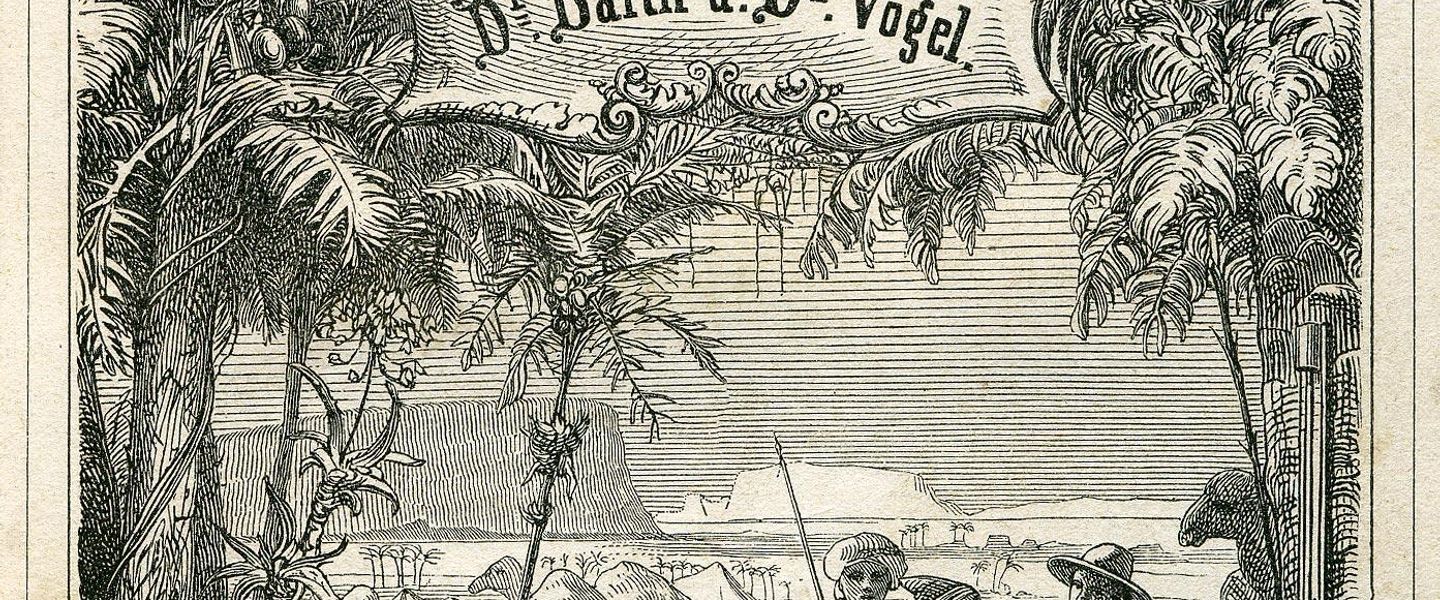
Wuli West reveals inland Gambia through savannah landscapes, village life, cross-border heritage and quiet journeys across the Upper River Region.
Read more about Wuli West
When is the best time to visit Wuli West?
Best: December–February · 30–32°C| Month | High (°C) | Rainfall (mm) |
|---|---|---|
| January (best) | 30 | 0 |
| February (best) | 32 | 0 |
| March | 34 | 0 |
| April | 35 | 1 |
| May | 37 | 2 |
| June | 35 | 5 |
| July | 33 | 10 |
| August | 32 | 12 |
| September | 33 | 10 |
| October | 34 | 7 |
| November | 33 | 2 |
| December (best) | 31 | 0 |
Getting to and around Wuli West
How to get there
Transportation
Best attractions in Wuli West
Wuli West’s attractions are primarily landscapes, communities and cultural encounters rather than a collection of formal ticketed sites. Rural roads pass through open savannah, cultivated fields, seasonal wetlands and villages where traditional compounds, livestock and small-scale farming reveal the everyday character of inland Gambia. With permission and a local guide, visitors can learn about crop cycles, food preparation, building traditions and the social importance of extended families. Birdwatching is possible in the wider Upper River countryside, particularly where seasonal water and woodland create varied habitats, although conditions and sightings depend on the time of year. The district also suits travellers interested in cross-border history, Islamic traditions and the long relationship between settlement and trade in the Wuli area. More developed historical attractions, markets and accommodation are concentrated in larger centres outside the district, so Wuli West is best experienced as part of a carefully arranged eastern Gambia journey rather than as a conventional sightseeing circuit.
-
Tourist attraction
Senegambia Craft Market
Explore the vibrant Senegambia Craft Market for authentic Gambian crafts, local culture, and delicious cuisine in the heart of The Gambia.

Best landmarks in Wuli West
Wuli West’s most significant landmarks are often vernacular and geographical rather than monumental. Village mosques, old shade trees, established compounds and traditional meeting spaces express the social history of communities whose identity has developed through farming, Islamic scholarship and extended family networks. The open savannah and seasonal watercourses also form a defining natural landmark, changing sharply between the green rainy months and the dry season’s muted grasslands. Across the wider Wuli area, the distinctive combination of Soninke and Mandinka heritage gives settlements cultural importance even where there is no formal monument or museum. The district should not be confused with the better-known archaeological and historic sites elsewhere in the Upper River Region, which lie outside Wuli West. A local guide is therefore essential for interpreting places that may appear ordinary to an unfamiliar visitor but carry significance through lineage, settlement history, religious practice or community memory.
-
National park
Bijilo National Park
Explore Bijilo National Park: A tropical haven in Serrekunda, brimming with lush greenery, vibrant wildlife, and serene walking trails that captivate nature lovers.
-
Market
Albert Market
Experience the vibrant atmosphere of Albert Market in Banjul, Gambia, where local culture, fresh produce, and unique handicrafts await every visitor.
-
River
River Gambie
Discover the tranquil beauty of River Gambie, where nature meets adventure in a stunning riverside paradise.
-
Historical landmark
Arch 22
Discover the historical significance and breathtaking views at Arch 22, a must-visit landmark in Banjul, The Gambia, showcasing the nation's rich heritage.


Explore Wuli West on the map
Plan your trip on one map. See where the top cities, national parks and sights are, and book hotels and experiences in a few clicks.
Best hotels in Wuli West
Best restaurants in Wuli West
Dining in Wuli West is simple, local and closely connected to household agriculture. Meals may include rice with vegetable or peanut-based sauces, millet or maize preparations, beans, seasonal greens, chicken, goat and, where available, fish brought through regional trading networks. Groundnuts are an important crop in the wider Upper River economy and appear in sauces and snacks, while mangoes and other seasonal fruit are available when in season. Small eateries and village food stalls provide more realistic options than formal restaurants, and menus can be limited outside larger settlements. Visitors should carry water and a few provisions for long journeys, while buying meals from local cooks can support households directly when done respectfully. Dietary requirements should be explained clearly in advance, particularly on rural excursions. Regional dining is less about restaurant variety than about understanding how farming, rainfall, markets and family kitchens shape what is eaten.
-
Restaurant
Poco Loco Beachbar Gambia
Experience Gambia's vibrant culture at Poco Loco Beachbar – where delicious food meets breathtaking ocean views.
-
Restaurant
John Raymond'S Beach Bar And Restaurant
Experience authentic Gambian cuisine with ocean views at John Raymond's Beach Bar and Restaurant in Serrekunda.
-
Restaurant
Mo2 Jamaican Bar & Restaurant Gambia (Mosiah's)
Experience authentic Jamaican cuisine at Mo2 Jamaican Bar & Restaurant in Serrekunda, Gambia - where every dish tells a story.
-
Restaurant
Mango Indian Global Kitchen, Bar and Restaurant
Experience authentic Indian flavors at Mango Indian Global Kitchen on Senegambia Strip - a culinary delight for every tourist!


Best bars in Wuli West
Wuli West does not have a major nightclub or late-night entertainment scene. Evening social life is more likely to centre on local tea gatherings, small eateries, community conversations and modest drinking places in larger settlements, while many villages become quiet after dark. Visitors should not expect the bar districts found in coastal tourism areas or urban Gambia. Alcohol is not central to all communities, and religious and local customs should be respected when choosing where and when to drink. For safety and practical reasons, return to accommodation before late evening when travelling on rural roads, as lighting, traffic and mobile coverage are limited. Live music and larger evening venues are more likely to be found in regional towns outside Wuli West than in the district itself.
-
Restaurant
Poco Loco Beachbar Gambia
Discover the vibrant charm of Poco Loco Beachbar in Gambia, where delicious cuisine meets stunning ocean views for an unforgettable experience.
-
Restaurant
Mo2 Jamaican Bar & Restaurant Gambia (Mosiah's)
Experience the vibrant tastes of Jamaica at Mo2 Jamaican Bar & Restaurant in Gambia, where authentic flavors meet a lively atmosphere.
-
Bar
Solomon’s Beach Bar & Restaurant
Discover the vibrant beachside atmosphere at Solomon’s Beach Bar & Restaurant, where delicious food and refreshing drinks meet the stunning Gambian coast.
-
Steak
Rendezvous Grill Steak house and Cafe
Experience the best of Gambian dining at Rendezvous Grill Steak House and Cafe, where savory steaks and vibrant hospitality create unforgettable moments.


Best nightclubs in Wuli West
Wuli West does not have a major nightclub or late-night entertainment scene. Evening social life is more likely to centre on local tea gatherings, small eateries, community conversations and modest drinking places in larger settlements, while many villages become quiet after dark. Visitors should not expect the bar districts found in coastal tourism areas or urban Gambia. Alcohol is not central to all communities, and religious and local customs should be respected when choosing where and when to drink. For safety and practical reasons, return to accommodation before late evening when travelling on rural roads, as lighting, traffic and mobile coverage are limited. Live music and larger evening venues are more likely to be found in regional towns outside Wuli West than in the district itself.
-
Night club
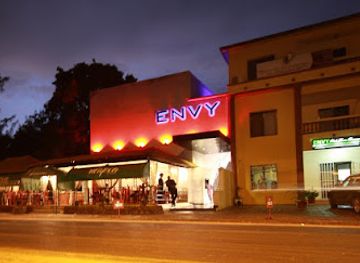
Envy Night Club
Experience the vibrant nightlife of Serrekunda at Envy Night Club, where music, dance, and good vibes come together for an unforgettable evening.
-
Night club
Aquarius Nightclub
Discover the vibrant nightlife at Aquarius Nightclub in Serrekunda, where great music, cocktails, and unforgettable moments await.
-
Night club
Ningki Nangka Bar & Night Club
Discover the vibrant nightlife of Serrekunda at Ningki Nangka Bar & Night Club, where music, dance, and great drinks come together for unforgettable nights.
-
Night club
ONYX
Experience the vibrant nightlife at ONYX, Serrekunda's premier night club, where the music, drinks, and atmosphere create unforgettable memories.

Best shops in Wuli West
Shopping in Wuli West is predominantly local and practical, with small village stalls and market points supplying food, household goods, clothing and agricultural necessities. Visitors may find groundnuts, seasonal fruit, grains, woven items or handmade household objects, although availability varies by settlement and season. More substantial market shopping is generally easier in larger towns outside the district, where travellers can stock up before undertaking rural journeys. Bargaining should be friendly and proportionate, and visitors should ask before photographing stalls or craftspeople at work. Useful souvenirs include locally produced foods and modest handmade items bought directly from sellers, rather than imported goods presented as regional crafts. Carrying small dalasi notes is important, since electronic payment is unlikely to be available in village markets.
-
Souvenir store
TOP-SHOP
Discover the essence of Gambian culture at TOP-SHOP, a unique souvenir store and art gallery in Senegambia, offering authentic handicrafts and gifts.
-
Shopping mall
Bansang Market
Discover the vibrant culture and unique offerings at Bansang Market, a must-visit shopping destination in Gambia.
-
 Shopping mall
Omar Sow Shop
Explore the vibrant Omar Sow Shop in Basse Santa Su for a unique Gambian shopping experience with local crafts, fashion, and culture.
-
Home goods store
Sare Kokeh
Explore Sare Kokeh, a charming home goods store in Domel Jawo showcasing local craftsmanship and unique treasures for every traveler.


Get your free copy of our complete guide to Wuli West, delivered straight to you.
Everything on this page, from attractions and restaurants to essentials and local phrases, in one PDF you can read offline, print or share.
Already have an account? Sign in
Your Wuli West guide is ready.
We'll send it to · Not you? Sign out

Getting your guide ready…
We are putting together a fresh copy of the Wuli West guide. This can take up to a minute.
This can take a few moments. If your browser asks, choose Allow so the download can start. You'll find the guide in your Downloads folder.
Nothing happened? Download it again
Sorry, the guide is taking longer than usual. Please try again in a minute, or get it by email instead.
Wuli West essentials
Currency and Payment
Safety
Emergency Situations
Do's and Don'ts
Local Tips
From Eve
Local phrases worth knowing
You don't need to get them perfect. A few words go a long way, and locals appreciate the effort.
Basics
| English | Local | Say it |
|---|---|---|
| Hello | Naka | [Nah-kah] |
| Goodbye | Naka bu | [Nah-kah boo] |
| Yes | Aye | [Eye] |
| No | Nay | [Nay] |
| Please/You're welcome | Jerejef | [Jer-ay-jeff] |
| Thank you | Jerejef | [Jer-ay-jeff] |
| Excuse me/Sorry | Balla | [Bah-lah] |
| How are you? | Naka sa? | [Nah-kah sah?] |
| Fine. And you? | Jama. I na? | [Jah-ma. Ee nah?] |
| Do you speak English? | Aye, jango English? | [Eye, jahng-oh English?] |
| I don't understand | Mbaal sa | [M-bahl sah] |
Eating & Drinking
| English | Local | Say it |
|---|---|---|
| I'd like to see the menu, please | Mbaayi fota menu, jerejef | [M-bah-ee fo-tah men-oo, jer-ay-jeff] |
| I don't eat meat | Mbaayi fota njaay | [M-bah-ee fo-tah n-jai] |
| Cheers! | Njaay | [N-jai] |
| I would like to pay, please | Mbaayi fota pay, jerejef | [M-bah-ee fo-tah pay, jer-ay-jeff] |
Emergencies
| English | Local | Say it |
|---|---|---|
| Help! | Naka janga! | [Nah-kah jahn-gah!] |
| Go away! | Naka bu sa! | [Nah-kah boo sah!] |
| Call the Police! | Aye, jang Police! | [Eye, jahng Police!] |
| Call a doctor! | Aye, jang doctor! | [Eye, jahng doctor!] |
| I'm lost | Mbaayi fota loya | [M-bah-ee fo-tah loy-ah] |
| I'm ill | Mbaayi fota jeng | [M-bah-ee fo-tah jeng] |
Shopping
| English | Local | Say it |
|---|---|---|
| I'd like to buy... | Mbaayi fota buy... | [M-bah-ee fo-tah buy...] |
| I'm just looking | Mbaayi fota jango | [M-bah-ee fo-tah jahn-go] |
| How much is it? | Naka kela? | [Nah-kah keh-lah?] |
| That's too expensive | Naka tii jengo | [Nah-kah tee jeng-oh] |
| Can you lower the price? | Aye, jang sa price? | [Eye, jahng sah price?] |
Time & Numbers
| English | Local | Say it |
|---|---|---|
| What time is it? | Naka sa jam? | [Nah-kah sah jahm?] |
| It's one o'clock | Naka lan jam | [Nah-kah lan jahm] |
| Half past (10) | Naka jango (10) | [Nah-kah jahng-oh (10)] |
| Morning | Baatu | [Bah-too] |
| Afternoon | Fula | [Foo-lah] |
| Evening | Daru | [Dah-roo] |
| Yesterday | Naka kela | [Nah-kah keh-lah] |
| Today | Naka jango | [Nah-kah jahng-oh] |
| Tomorrow | Naka fota | [Nah-kah fo-tah] |
| 1 | Kono | [Koh-noh] |
| 2 | Dui | [Dwee] |
| 3 | Jai | [Jah-ee] |
| 4 | Nai | [Nye] |
| 5 | Jango | [Jahng-oh] |
| 6 | Je | [Jee] |
| 7 | Deng | [Deng] |
| 8 | Deng jango | [Deng jahng-oh] |
| 9 | Deng nai | [Deng nye] |
| 10 | Deng kono | [Deng koh-noh] |
Transport & Directions
| English | Local | Say it |
|---|---|---|
| Where's a/the...? | Naka sa ...? | [Nah-kah sah ...?] |
| What's the address? | Naka sa address? | [Nah-kah sah address?] |
| Can you show me (on the map)? | Aye, jang sa (map)? | [Eye, jahng sah (map)?] |
| When's the next (bus)? | Naka sa next (bus)? | [Nah-kah sah next (bus)?] |
| A ticket (to ....) | Baatu (to ....) | [Bah-too (to ....)] |
History of Wuli West
Early settlement and Wuli’s Soninke heritage
The wider Wuli area forms part of the ancient cultural zone of the western Sahel, where Soninke-speaking communities established settlements, cultivated land and maintained regional trading links. Wuli’s history cannot be separated from the movement of people and goods between the Upper Senegal, the Gambia River basin and the interior. Archaeological evidence across the wider region points to long-established occupation, although individual sites within Wuli West are not always formally interpreted for visitors. The district’s present-day villages therefore stand within a much older landscape of farming, migration and exchange.
The medieval trade networks of the Upper Gambia
From the medieval period, the Upper Gambia and neighbouring Senegalese regions were connected to wider West African trade routes. Gold, livestock, agricultural produce, leather, salt and other commodities moved through networks linking inland settlements with river ports and markets farther west. Wuli’s position in the eastern interior gave it importance within these regional connections, even though trade routes shifted over time. Islam also spread through commercial and scholarly relationships, gradually influencing religious life, education and social institutions among communities in the area.
Mandinka and Soninke political traditions
Wuli developed through overlapping political and cultural traditions rather than a single uninterrupted state. Soninke communities were especially influential in the eastern interior, while Mandinka-speaking peoples also shaped settlement, authority and commerce across the Gambia basin. Local rulers, village elders, Islamic scholars and extended family networks all played roles in organising society. These historic relationships remain relevant in the distribution of languages, names, religious practice and customary authority found across the Upper River Region.
The expansion of European influence
European involvement in the Gambia initially centred on the river and its commercial settlements, but colonial influence gradually extended inland during the nineteenth century. Britain established control over the Gambia Colony and Protectorate through treaties, administration and military pressure, while neighbouring French territories surrounded much of the country. The eastern interior was consequently drawn into a colonial system that introduced new administrative boundaries, taxation and commercial priorities without erasing older local connections across what later became an international frontier.
Agriculture, groundnuts and the colonial economy
During the colonial period and after independence, groundnuts became one of The Gambia’s most important cash crops, linking rural producers to export markets and transport routes leading west along the river. Food crops, livestock and seasonal farming remained essential to household survival, while rainfall continued to determine the security of harvests. In Wuli West, as in much of the Upper River Region, the agricultural economy has been shaped by changing prices, variable weather, labour migration and the continuing importance of family land and village-based production.
Independence and the modern Upper River Region
The Gambia became independent from Britain in 1965, and the eastern districts thereafter remained part of a nationally administered but geographically remote region. Roads, schools, health services and telecommunications have expanded unevenly, while rural communities continue to maintain strong social and economic ties with Senegal. Modern Wuli West reflects this combination of continuity and change: traditional farming and community structures coexist with migration, mobile communication, formal education and growing interest in environmentally responsible rural tourism.
Wuli West in Photos
Browse through our photo collection highlighting the charm and character of the destination.
Neighbouring regions of Wuli West
The closest regions to Wuli West, if you have time for more than one.
-

-

-

-
 Kantora
 in eastern The Gambia offers river landscapes, savannah, birdlife and a thoughtful introduction to rural Upper River culture.
-


Swipe for more regions
Explore more

Explore more of The Gambia
Discover The Gambia: a treasure trove of cultural richness, stunning beaches, and diverse wildlife. An unforgettable journey awaits you in Africa's Smiling Coast.
Explore The Gambia