

Free Wuli East Travel Guide & Mobile App
Explore Wuli East with free travel guides. Discover regional history, expert tips, proposed trips, and audio guides on web or mobile app.


Explore Wuli East in The Gambia for rural landscapes, river-country scenery, village life and a quieter journey through the eastern interior.
Read more about Wuli East
When is the best time to visit Wuli East?
Best: December–February · 26–28°C| Month | High (°C) | Rainfall (mm) |
|---|---|---|
| January (best) | 26 | 1 |
| February (best) | 27 | 1 |
| March | 29 | 1 |
| April | 31 | 1 |
| May | 34 | 3 |
| June | 34 | 10 |
| July | 33 | 20 |
| August | 32 | 25 |
| September | 32 | 20 |
| October | 32 | 10 |
| November | 30 | 1 |
| December (best) | 28 | 1 |
Getting to and around Wuli East
How to get there
Transportation
Best attractions in Wuli East
Wuli East’s attractions are chiefly rural and landscape-based rather than concentrated in a formal tourism circuit. Overland journeys through the district reveal seasonal farmland, wooded savannah, village compounds and the changing vegetation associated with the Gambia River and its tributaries. Birdwatchers may find opportunities to observe species around cultivated areas, trees and wetter riverine habitats, although sightings are dependent on season and local conditions. Fatoto provides a useful setting for experiencing everyday market-town activity and arranging local introductions, while smaller settlements offer insight into farming, crafts, Islamic community life and cross-border connections when visits are properly arranged. Nature walks, cycling on quiet tracks and short riverside excursions can be rewarding, but guides, water and realistic planning are important because facilities are sparse. Wuli East is best understood as part of an overland exploration of the Upper River interior, with the journey itself forming much of the experience. Visitors should not expect the concentrated wildlife infrastructure, major museums or extensive organised excursions found in more established Gambian tourism areas.
-
River
River Gambie
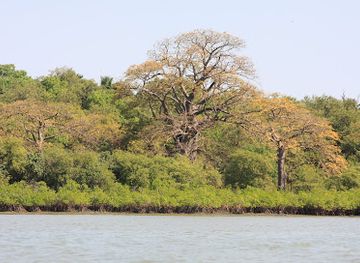
Discover the tranquility and natural splendor of River Gambie, a hidden gem in Gambia perfect for adventure and relaxation.
-
Boat rental service
Lamin Lodge
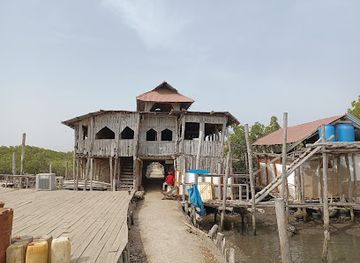
Experience the beauty of Gambia at Lamin Lodge, your ultimate destination for boat rentals, dining, and relaxation amidst stunning natural landscapes.
-
Bridge
Kotu Bridge
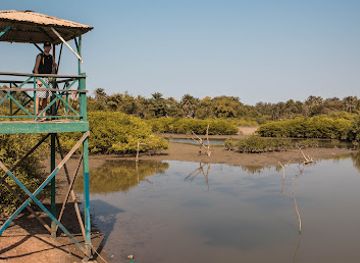
Discover the natural charm of Kotu Bridge in Serrekunda, where stunning views and local culture create an unforgettable travel experience.
-
Farmers' market
Wassu Market
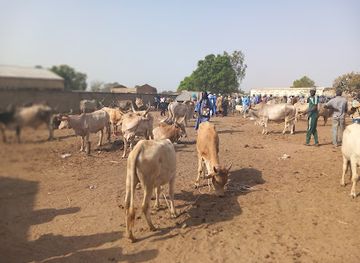
Discover the authentic essence of Gambian culture at Wassu Market, where vibrant flavors and local craftsmanship come together in a lively farmers' market.
Best landmarks in Wuli East
The most significant landmarks in Wuli East are connected to landscape, settlement and community life rather than monumental architecture. The Gambia River and its associated waterways provide the district’s principal geographical reference, shaping cultivation, movement and pockets of denser vegetation across the eastern interior. Fatoto’s settlement core, market activity and mosques express the role of a local rural centre, although these are working community spaces rather than preserved museum complexes. Traditional compounds, cultivated fields, large shade trees and roadside routes also form an important visual record of how people have adapted settlement to heat, rainfall and agriculture. The wider Senegalese frontier gives the district an additional historical dimension, reflecting long-standing movement and exchange across a boundary that is more recent than many local cultural connections. Visitors should approach these places respectfully: their importance lies in continuing use and local meaning, not in dramatic ruins or heavily interpreted monuments.
-
Tourist attraction
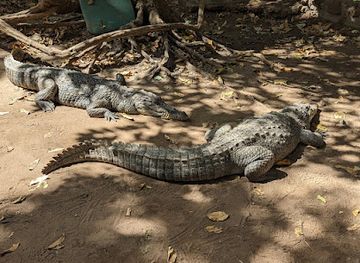
Kachikally Crocodile Pool
Discover the enchanting Kachikally Crocodile Pool in Bakau, Gambia—a unique attraction where you can observe and interact with Nile crocodiles in their natural habitat.
-
Tourist attraction
Senegambia Craft Market
Discover authentic Gambian craftsmanship at Senegambia Craft Market, where every piece tells a story and every visit is a cultural adventure.
-
National park
Bijilo National Park
Experience the natural beauty and wildlife of Bijilo National Park, a must-visit destination for nature lovers in Gambia.
-
Market
Albert Market
Explore the vibrant Albert Market in Banjul, a cultural gem where local crafts, fresh produce, and unique Gambian experiences await every traveler.

Explore Wuli East on the map
Plan your trip on one map. See where the top cities, national parks and sights are, and book hotels and experiences in a few clicks.
Best hotels in Wuli East
Best restaurants in Wuli East
Dining in Wuli East is centred on home cooking, modest local eateries, market stalls and small roadside establishments rather than a formal restaurant scene. Common Gambian meals may include rice served with fish, meat or vegetable sauces, domoda made with groundnuts, benachin, yassa and dishes based on seasonal produce. Fresh ingredients vary by season and location, while the availability of river fish depends on local supply and preparation. Breakfast may be simple, with bread, porridge or tea, and sweet drinks are widely encountered. In rural areas, meals often need to be arranged ahead through accommodation, a guide or a local contact, and visitors should not expect menus or late-night service. Ask about ingredients if you have allergies, carry snacks for long road journeys and drink treated or sealed water. Sharing food is an important part of hospitality, but visitors should follow local cues and use the right hand when eating communally.
-
Restaurant
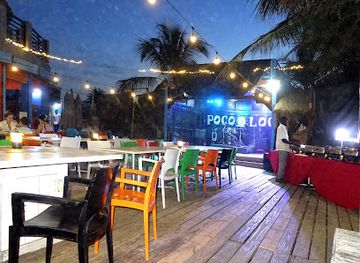
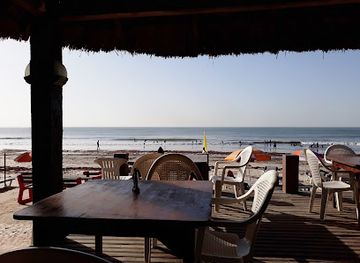
Poco Loco Beachbar Gambia
Experience the best of Gambian beach life at Poco Loco Beachbar - where delicious food meets breathtaking ocean views.
-
Restaurant
John Raymond'S Beach Bar And Restaurant
Experience Gambian hospitality at John Raymond's Beach Bar and Restaurant - where delicious cuisine meets stunning ocean views.
-
Restaurant
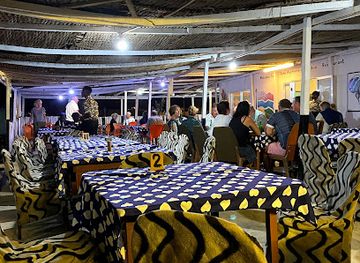
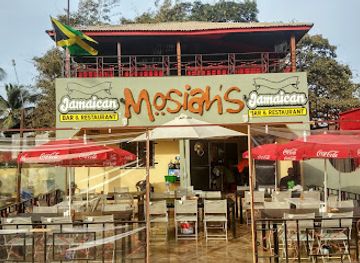
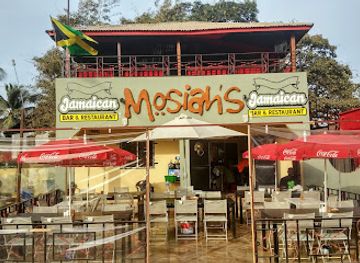
Mo2 Jamaican Bar & Restaurant Gambia (Mosiah's)
Experience authentic Jamaican cuisine in Gambia at Mo2 Jamaican Bar & Restaurant – a vibrant dining spot filled with flavor and culture.
-
Italian
Gusto Italian Resto &bar
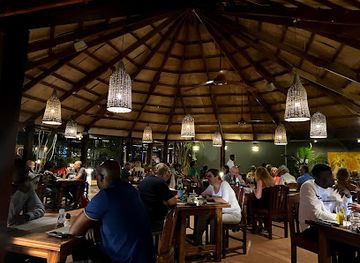
Experience authentic Italian cuisine at Gusto Italian Resto & Bar in The Gambia, where every meal is a celebration of flavor and hospitality.
Best bars in Wuli East
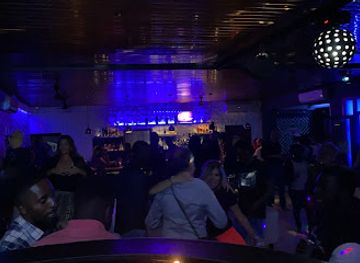
Wuli East does not have a major nightclub or late-night entertainment scene. Evening social life generally centres on family compounds, tea gatherings, local restaurants, small shops and community events, with activity often winding down earlier than in coastal tourist areas. In larger settlements, modest bars or drinks outlets may operate, but their presence, hours and atmosphere can change and should not be assumed. Alcohol is not central to public life, particularly in predominantly Muslim communities, so visitors should drink discreetly and respect local expectations around religious occasions and village settings. The most distinctive evening experiences are usually quiet conversations, roadside tea, stargazing and listening to local music when a community event is taking place with appropriate permission. Arrange transport before dark, as rural roads have limited lighting and few reliable late-night options.
-
Restaurant
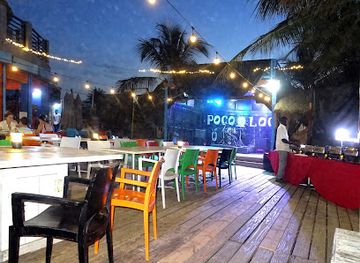
Poco Loco Beachbar Gambia
Discover the vibrant culture and flavors of Gambia at Poco Loco Beachbar, the ultimate beachside dining experience.
-
Restaurant
Mo2 Jamaican Bar & Restaurant Gambia (Mosiah's)
Experience authentic Jamaican cuisine at Mo2 Jamaican Bar & Restaurant in Gambia, where vibrant flavors meet a lively atmosphere.
-
Bar
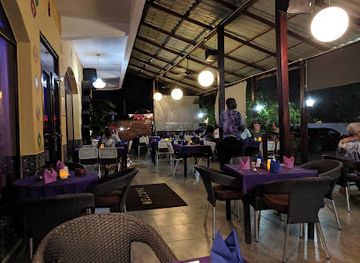
Solomon’s Beach Bar & Restaurant
Discover the vibrant atmosphere, stunning ocean views, and delicious local cuisine at Solomon’s Beach Bar & Restaurant in Serrekunda.
-
Bar
Reo's Bar and Restaurant
Discover the lively atmosphere of Reo's Bar and Restaurant in Serrekunda, where local flavors and sports unite for an unforgettable night out.
Best nightclubs in Wuli East
Wuli East does not have a major nightclub or late-night entertainment scene. Evening social life generally centres on family compounds, tea gatherings, local restaurants, small shops and community events, with activity often winding down earlier than in coastal tourist areas. In larger settlements, modest bars or drinks outlets may operate, but their presence, hours and atmosphere can change and should not be assumed. Alcohol is not central to public life, particularly in predominantly Muslim communities, so visitors should drink discreetly and respect local expectations around religious occasions and village settings. The most distinctive evening experiences are usually quiet conversations, roadside tea, stargazing and listening to local music when a community event is taking place with appropriate permission. Arrange transport before dark, as rural roads have limited lighting and few reliable late-night options.
-
 Lodging
Holiday Beach Club
Experience the serene beauty of Gambia at Holiday Beach Club, your perfect lodging choice for relaxation and adventure.
-
Night club
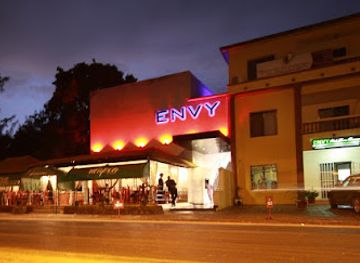
Envy Night Club
Discover nightlife in Gambia at Envy Night Club, where electrifying music meets an unforgettable party atmosphere. Dance the night away in style!
-
Night club
Aquarius Nightclub
Discover the heart of Gambian nightlife at Aquarius Nightclub, where vibrant music and energetic crowds create unforgettable nights.
-
Night club
Ningki Nangka Bar & Night Club
Experience the pulse of Serrekunda at Ningki Nangka Bar & Night Club, where vibrant nightlife, great music, and fun await every visitor.
Best shops in Wuli East
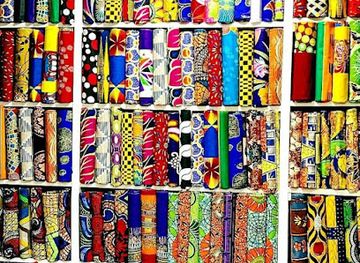
Shopping in Wuli East is practical and locally oriented, with small market areas, roadside stalls and independent traders supplying food, household goods, clothing and everyday necessities. Fatoto is the most useful place to look for the activity associated with a local market centre, though the range and timing of goods vary by season and supply. Visitors may find locally grown produce, grains, groundnuts, woven items, simple garments and small craft products, but should not expect a large dedicated souvenir industry or extensive retail district. Purchases from local traders can support rural livelihoods, provided bargaining remains courteous and prices are not treated as entertainment. Regional food products are generally more practical souvenirs than fragile objects, and travellers should check customs rules before exporting plants, animal products or significant cultural items. Carry dalasi in small notes, as many traders do not accept cards or foreign currency.
-
Souvenir store
TOP-SHOP
Explore the vibrant world of Gambian art and handicrafts at TOP-SHOP, your one-stop souvenir store in Senegambia.
-
Shopping mall
Omar Sow Shop
Explore the vibrant Omar Sow Shop in Basse Santa Su, where local goods, fresh produce, and unique finds await every traveler.
-
Fabric store
Emporium Banjul
Discover the vibrant world of Gambian textiles at Emporium Banjul, where tradition meets artistry in every fabric.
-
Clothing store
Yaws Creations
Explore Yaws Creations in Bakau for unique fashion that embodies the spirit of The Gambia, blending traditional styles with modern flair.


Get your free copy of our complete guide to Wuli East, delivered straight to you.
Everything on this page, from attractions and restaurants to essentials and local phrases, in one PDF you can read offline, print or share.
Already have an account? Sign in
Your Wuli East guide is ready.
We'll send it to · Not you? Sign out

Getting your guide ready…
We are putting together a fresh copy of the Wuli East guide. This can take up to a minute.
This can take a few moments. If your browser asks, choose Allow so the download can start. You'll find the guide in your Downloads folder.
Nothing happened? Download it again
Sorry, the guide is taking longer than usual. Please try again in a minute, or get it by email instead.
Wuli East essentials
Currency and Payment
Safety
Emergency Situations
Do's and Don'ts
Local Tips
From Eve
Local phrases worth knowing
You don't need to get them perfect. A few words go a long way, and locals appreciate the effort.
Basics
| English | Local | Say it |
|---|---|---|
| Hello | Naka | [nah-kah] |
| Goodbye | Jaama | [jah-mah] |
| Yes | Aye | [ah-yeh] |
| No | Ala | [ah-lah] |
| Please/You're welcome | Njaam | [njahm] |
| Thank you | Jerejef | [jeh-reh-jehf] |
| Excuse me/Sorry | Mafal | [mah-fahl] |
| How are you? | Nangadef? | [nahn-gah-def] |
| Fine. And you? | Nanga def. Na fi? | [nahn-gah deh-f. nah fee?] |
| Do you speak English? | Danga jango English? | [dahn-gah jahn-goh en-glish] |
| I don't understand | Ndaama fanka | [ndah-mah fahn-kah] |
Eating & Drinking
| English | Local | Say it |
|---|---|---|
| I'd like to see the menu, please | Tan njaam menu, please | [tahn njahm meh-nu, pleez] |
| I don't eat meat | Ndaama nyaa meat | [ndah-mah nyah meat] |
| Cheers! | Njaam njaam! | [njahm njahm] |
| I would like to pay, please | Tan njaam pay, please | [tahn njahm pay, pleez] |
Emergencies
| English | Local | Say it |
|---|---|---|
| Help! | Saa! | [sah] |
| Go away! | Daa joo! | [dah joo] |
| Call the Police! | Njaam Police! | [njahm poh-lees] |
| Call a doctor! | Njaam doctor! | [njahm dok-tor] |
| I'm lost | Maa yeng | [mah yeng] |
| I'm ill | Maa yeng fanka | [mah yeng fahn-kah] |
Shopping
| English | Local | Say it |
|---|---|---|
| I'd like to buy... | Tan njaam buy... | [tahn njahm buy] |
| I'm just looking | Maa joo tuur | [mah joo toor] |
| How much is it? | Nang joo? | [nahng joo] |
| That's too expensive | Ouy joo waaw | [oh-ee joo wah-w] |
| Can you lower the price? | Danga waaw joo price? | [dahn-gah wah-w joo price] |
Time & Numbers
| English | Local | Say it |
|---|---|---|
| What time is it? | Nanga time? | [nahng-ah time] |
| It's one o'clock | Ouy joo one | [oh-ee joo one] |
| Half past (10) | Half past (10) | [half past (ten)] |
| Morning | Bokk | [bok] |
| Afternoon | Nyaam | [nyahm] |
| Evening | Wuro | [woo-roh] |
| Yesterday | Bokk ginna | [bok ginna] |
| Today | Bokk joo | [bok joo] |
| Tomorrow | Bokk ginna joo | [bok ginna joo] |
| 1 | Kaw | [kaw] |
| 2 | Ndaw | [ndaw] |
| 3 | Taw | [taw] |
| 4 | Nji | [ngee] |
| 5 | Jah | [jah] |
| 6 | Jin | [jeen] |
| 7 | Jow | [jow] |
| 8 | Joo | [joo] |
| 9 | Jin | [jeen] |
| 10 | Kaw joo | [kaw joo] |
Transport & Directions
| English | Local | Say it |
|---|---|---|
| Where's a/the...? | Nanga a/the...? | [nahng-ah a/the] |
| What's the address? | Nanga address? | [nahng-ah address] |
| Can you show me (on the map)? | Danga show me (on the map)? | [dahn-gah show me (on the map)] |
| When's the next (bus)? | Nanga next (bus)? | [nahng-ah next (bus)] |
| A ticket (to ....) | One ticket (to ....) | [one ticket (to ....)] |
History of Wuli East
Early Settlement and Riverine Exchange
The eastern interior of The Gambia has long been shaped by settlement along the Gambia River and its tributaries. Farming communities developed around access to water, fertile soils and seasonal grazing, while the river connected inland settlements with wider trading networks. Archaeological knowledge for individual sites in Wuli East is less developed for visitors than in some other parts of the country, but the region forms part of the historic cultural landscape of the Upper River basin, where movement, agriculture and exchange predate the modern boundaries of The Gambia and Senegal.
Mandinka States and Soninke Influence
Wuli East lies within a wider eastern Gambian cultural zone influenced by Mandinka political traditions and older Soninke networks. From the medieval period onwards, states and local chiefly authorities in the Senegambian interior were connected through trade, kinship, Islamic scholarship and control of agricultural and river routes. Political authority was often layered rather than concentrated in a single permanent capital. The continued importance of Mandinka language, family networks, Islamic practice and compound-based settlement reflects this long historical inheritance.
Islamic Scholarship and Community Life
Islam spread through Senegambia over many centuries through merchants, scholars, clerics and ruling families rather than through one single event. In the Upper River area, Islamic learning became closely associated with community leadership, education and dispute settlement. Mosques and Muslim festivals remain important features of local life in Wuli East, alongside customary social practices and diverse local traditions. Visitors should understand religious buildings and ceremonies as active community institutions rather than simply as monuments for sightseeing.
European Trade and the Gambia River
European involvement in the Gambia River began on the coast but gradually affected inland commerce and political relationships. From the early modern period, Portuguese, British and other European traders participated in river trade, while local rulers and merchants retained substantial influence over access to the interior. The river became a route for the movement of goods, people and ideas, although the eastern districts remained geographically remote from the main coastal centres. This history helps explain the lasting importance of river corridors and cross-border connections in the Upper River region.
Colonial Rule and the Eastern Interior
British colonial administration consolidated control over The Gambia during the nineteenth and early twentieth centuries, establishing new administrative arrangements and expanding the authority of colonial officials beyond the river settlements. In rural eastern districts, colonial rule affected taxation, courts, agricultural regulation and transport while leaving many local social structures in place. Roads and administrative centres developed unevenly, reinforcing the contrast between the coastal colony and the more remote interior. Wuli East’s present-day settlement pattern and limited infrastructure partly reflect this history of gradual administrative incorporation.
Independence and Contemporary Rural Change
The Gambia became independent in 1965, and Wuli East has since remained part of the country’s eastern Upper River administration. Contemporary life combines subsistence and commercial agriculture, seasonal labour, schooling, Islamic institutions, migration and cross-border trade. Improved roads and mobile communications have increased connections with Basse, other Gambian centres and Senegal, but distance and infrastructure constraints continue to influence access to markets and public services. The district’s current identity is therefore shaped by both continuity in rural life and gradual integration with national and regional systems.
Neighbouring regions of Wuli East
The closest regions to Wuli East, if you have time for more than one.
-
 Kantora
 in eastern The Gambia offers river landscapes, savannah, birdlife and a thoughtful introduction to rural Upper River culture.
Kantora
Kantora in eastern The Gambia offers river landscapes, savannah, birdlife and a thoughtful introduction to rural Upper River culture.
-

-

-

-


Swipe for more regions
Explore more

Explore more of The Gambia
Discover The Gambia: a treasure trove of cultural richness, stunning beaches, and diverse wildlife. An unforgettable journey awaits you in Africa's Smiling Coast.
Explore The Gambia