

Free Upper River Region Travel Guide & Mobile App
Explore Upper River Region with free travel guides. Discover regional history, expert tips, proposed trips, and audio guides on web or mobile app.


Explore The Gambia’s Upper River Region for Basse markets, river landscapes, rural communities, birdwatching and a quieter inland journey.
Read more about Upper River Region
When is the best time to visit Upper River Region?
Best: November–January · 32°C| Month | High (°C) | Rainfall (mm) |
|---|---|---|
| January (best) | 32 | 1 |
| February | 34 | 1 |
| March | 37 | 1 |
| April | 37 | 1 |
| May | 39 | 2 |
| June | 38 | 4 |
| July | 34 | 9 |
| August | 34 | 13 |
| September | 33 | 8 |
| October | 34 | 2 |
| November (best) | 32 | 1 |
| December (best) | 32 | 1 |
Getting to and around Upper River Region
How to get there
Transportation
Best landmarks in Upper River Region
The Gambia River is Upper River’s defining natural landmark, forming the region’s geographical spine and giving Basse Santa Su its historic commercial importance. The town’s riverfront and market area are not a single monumental complex, but together they express the relationship between waterborne movement, trade and settlement that has shaped eastern Gambia for centuries. Basse’s urban landscape also reflects the layered character of a regional centre, where mosques, commercial streets, residential compounds and transport activity stand alongside the river. Farther east, the broad river corridor and its greener margins provide the region’s most recognisable rural scenery, contrasting with drier savannah and cultivated land away from the water. Smaller towns and villages are marked more by mosques, market spaces, shade trees and compounds than by formally conserved monuments. Travellers should be cautious about assigning heritage status to individual buildings unless local authorities or guides confirm it, since many places of cultural importance remain living community spaces rather than designated tourist landmarks.
-
National park
Bijilo National Park
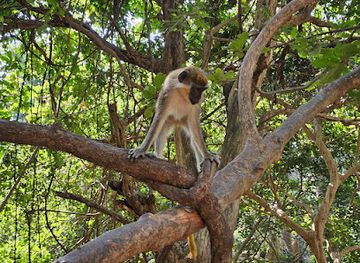
Discover the stunning wildlife and lush landscapes of Bijilo National Park, a must-visit destination for nature lovers in The Gambia.
-
Market
Albert Market
Discover the vibrant culture and local crafts at Albert Market, Banjul's bustling marketplace filled with Gambian treasures.
-
River
River Gambie
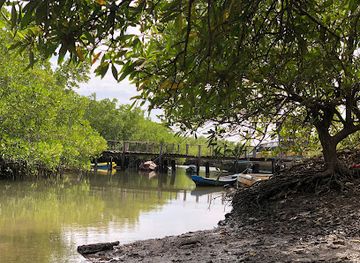
Experience the tranquility and natural beauty of River Gambie, a serene destination perfect for outdoor adventures and relaxation amidst stunning landscapes.
-
Boat rental service
Lamin Lodge
Experience the best of The Gambia at Lamin Lodge, where adventure meets relaxation in a picturesque marina setting.

Explore Upper River Region on the map
Plan your trip on one map. See where the top cities, national parks and sights are, and book hotels and experiences in a few clicks.
Best hotels in Upper River Region
Best restaurants in Upper River Region
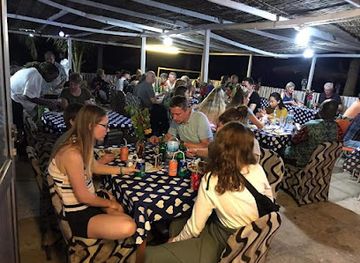
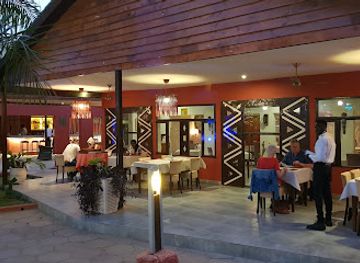
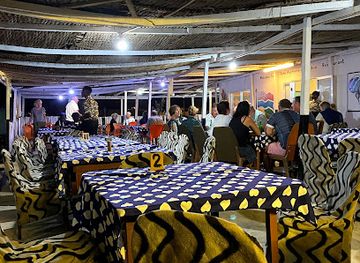
Dining in Upper River is generally informal and locally focused, with the strongest choices found in Basse Santa Su and along the principal road rather than in a specialised restaurant district. Common meals draw on Gambian and wider West African traditions: rice served with fish, chicken or meat, peanut-based sauces, vegetable stews, beans and seasonal produce. River fish may feature where supplies are available, while fresh fruit, bread and simple rice dishes are useful choices for travellers on the move. Small restaurants and food stalls can provide inexpensive meals, but menus may be limited and ingredients depend on seasonal supply. Visitors should expect slower service, modest surroundings and changing availability rather than a fixed dining scene. Bottled water is widely preferred by visitors, and food should be chosen from busy, well-kept establishments. Markets offer an opportunity to see local produce and snacks, although unfamiliar foods should be introduced cautiously if travelling far from medical facilities.
-
Restaurant
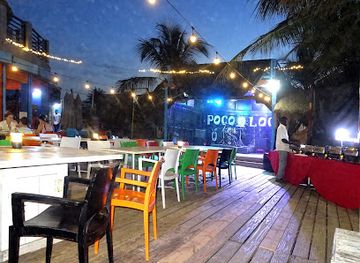
Poco Loco Beachbar Gambia
Experience the vibrant atmosphere at Poco Loco Beachbar in Gambia – where delicious food meets stunning ocean views.
-
Restaurant
John Raymond'S Beach Bar And Restaurant
Discover coastal dining at John Raymond's Beach Bar and Restaurant in Serrekunda—where delicious flavors meet stunning beachfront views.
-
Restaurant
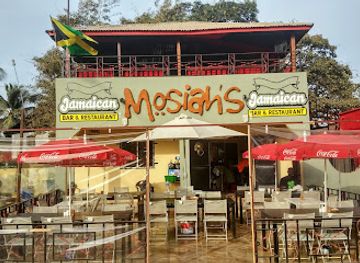
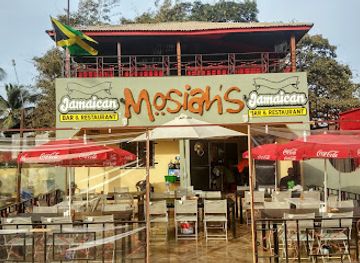
Mo2 Jamaican Bar & Restaurant Gambia (Mosiah's)
Discover authentic Jamaican cuisine at Mo2 Jamaican Bar & Restaurant in Gambia – where vibrant flavors meet a lively atmosphere.
-
Restaurant
El Sol
Discover exquisite Mexican cuisine and succulent steaks at El Sol in Senegambia – where flavor meets ambiance for an unforgettable dining experience.
Best bars in Upper River Region
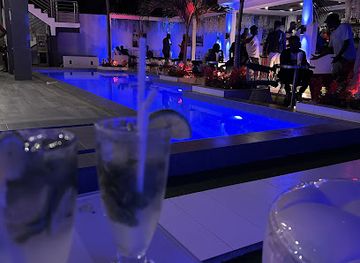
Upper River has a low-key evening culture rather than a large nightclub scene. In Basse Santa Su, evenings may centre on modest bars, restaurants, guesthouse courtyards and informal social spaces, with music varying according to the day and occasion. Smaller settlements generally offer few dedicated entertainment venues, and nightlife can be limited by transport, electricity, season and local custom. Visitors should not expect the beach-club atmosphere associated with parts of coastal Gambia. Tea, conversation, football broadcasts and community gatherings are often as important to the evening rhythm as alcohol. Anyone visiting a bar should remain respectful of predominantly Muslim social settings, drink moderately and arrange a safe way back to accommodation. Live music and celebrations may occur locally, but they are not reliably scheduled attractions, so ask trusted residents or accommodation staff about appropriate events rather than assuming a venue or performance will be operating.
-
Restaurant
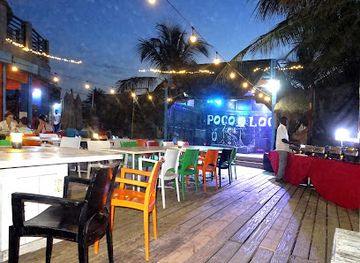
Poco Loco Beachbar Gambia
Discover the vibrant atmosphere and delicious offerings at Poco Loco Beachbar in Serrekunda, Gambia's top beachside destination.
-
Hotel
Kunta Kinteh Beach Complex
Experience the vibrant culture and stunning beaches at Kunta Kinteh Beach Complex, the perfect resort hotel for your Gambian getaway.
-
Restaurant
John Raymond'S Beach Bar And Restaurant
Discover the flavors of The Gambia at John Raymond's Beach Bar, where the ocean meets delicious cuisine in Serrekunda.
-
Restaurant
Mo2 Jamaican Bar & Restaurant Gambia (Mosiah's)
Experience the vibrant flavors of Jamaica at Mo2 Jamaican Bar & Restaurant in Gambia, where every dish is a celebration of Caribbean culture.
Best nightclubs in Upper River Region
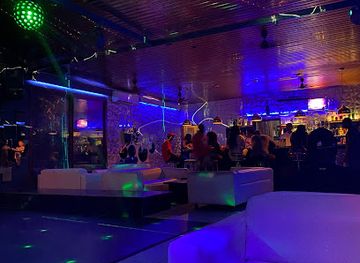
Upper River has a low-key evening culture rather than a large nightclub scene. In Basse Santa Su, evenings may centre on modest bars, restaurants, guesthouse courtyards and informal social spaces, with music varying according to the day and occasion. Smaller settlements generally offer few dedicated entertainment venues, and nightlife can be limited by transport, electricity, season and local custom. Visitors should not expect the beach-club atmosphere associated with parts of coastal Gambia. Tea, conversation, football broadcasts and community gatherings are often as important to the evening rhythm as alcohol. Anyone visiting a bar should remain respectful of predominantly Muslim social settings, drink moderately and arrange a safe way back to accommodation. Live music and celebrations may occur locally, but they are not reliably scheduled attractions, so ask trusted residents or accommodation staff about appropriate events rather than assuming a venue or performance will be operating.
-
Night club
Envy Night Club
Experience the vibrant nightlife of Serrekunda at Envy Night Club, where music, dance, and unforgettable moments await you.
-
Night club
Aquarius Nightclub
Experience the vibrant nightlife at Aquarius Nightclub in Serrekunda, where music, dance, and fun come together for an unforgettable evening.
-
Night club
Ningki Nangka Bar & Night Club
Discover the lively nightlife at Ningki Nangka Bar & Night Club in Serrekunda, where music, dance, and cocktails create unforgettable experiences.
-
Night club
ONYX
Experience the vibrant nightlife of Serrekunda at ONYX, Gambia's premier night club with electrifying music and an unforgettable atmosphere.


Best shops in Upper River Region
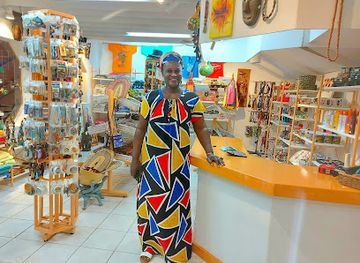
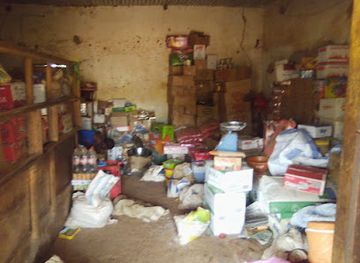
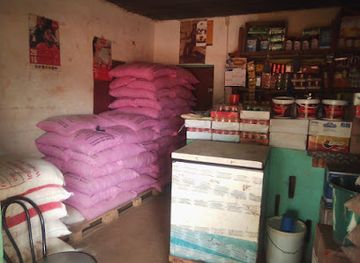
Shopping in Upper River is centred on markets, roadside stalls and small independent traders, with Basse Santa Su offering the broadest selection. Visitors can find fresh produce, grains, clothing, household goods, woven items and practical supplies, while smaller settlements provide a more limited range shaped by local demand. Regional purchases may include dried foods, peanuts, spices, textiles and handmade baskets, although stock and quality vary by season and seller. Market visits are as much a way to observe the region’s trading culture as to buy souvenirs. Bargaining can be appropriate, but polite negotiation is expected rather than aggressive haggling. Travellers should inspect handcrafted goods carefully, pack fragile items securely and avoid purchasing protected wildlife products or goods of uncertain origin. Artisans and community-based sellers may offer more meaningful purchases than mass-produced souvenirs, but availability is not guaranteed, so leave time for shopping before travelling onward from Basse.
-
Souvenir store
TOP-SHOP
Explore the vibrant world of Gambian culture through unique handicrafts and art at TOP-SHOP, your ultimate souvenir destination in Serrekunda, Gambia.
-
 Shopping mall
Omar Sow Shop
Explore the vibrant Omar Sow Shop in Basse Santa Su, a shopping haven showcasing local culture, crafts, and cuisine for an enriching experience.
-
Grocery store
Juwey
Explore the flavors of Gambia at Juwey, your go-to grocery store in Suduwol for local and international products.
-
Grocery store
Hagie Kancholle Shop
Explore local flavors and fresh produce at Hagie Kancholle Shop, the heart of Suduwol's grocery scene.
Get your free copy of our complete guide to Upper River Region, delivered straight to you.
Everything on this page, from attractions and restaurants to essentials and local phrases, in one PDF you can read offline, print or share.
Already have an account? Sign in
Your Upper River Region guide is ready.
We'll send it to · Not you? Sign out

Getting your guide ready…
We are putting together a fresh copy of the Upper River Region guide. This can take up to a minute.
This can take a few moments. If your browser asks, choose Allow so the download can start. You'll find the guide in your Downloads folder.
Nothing happened? Download it again
Sorry, the guide is taking longer than usual. Please try again in a minute, or get it by email instead.
Upper River Region essentials
Currency and Payment
Safety
Emergency Situations
Do's and Don'ts
Local Tips
From Eve
Local phrases worth knowing
You don't need to get them perfect. A few words go a long way, and locals appreciate the effort.
Basics
| English | Local | Say it |
|---|---|---|
| Hello | Naka | [Nah-kah] |
| Goodbye | Tengba | [Teng-bah] |
| Yes | Waaw | [Wah-w] |
| No | Alaa | [Ah-lah] |
| Please/You're welcome | Jaaɓa | [Jah-bah] |
| Thank you | Jerejef | [Jeh-reh-jef] |
| Excuse me/Sorry | Njaattoo | [Njah-toh] |
| How are you? | Naka nyin? | [Nah-kah nyin?] |
| Fine. And you? | Nyoɓo. Naka nyin? | [Nyo-boh. Nah-kah nyin?] |
| Do you speak English? | A njaattoo Inglis? | [Ah njah-toh In-glis?] |
| I don't understand | Mi alaa njaattoo | [Mee ah-lah njah-toh] |
Eating & Drinking
| English | Local | Say it |
|---|---|---|
| I'd like to see the menu, please | Mi yidi see menu, jaaɓa | [Mee yee-dee see men-oo, jah-bah] |
| I don't eat meat | Mi alaa njaattoo nyiiri | [Mee ah-lah njah-toh nyee-ree] |
| Cheers! | Njaal! | [Njah-l] |
| I would like to pay, please | Mi yidi pay, jaaɓa | [Mee yee-dee pay, jah-bah] |
Emergencies
| English | Local | Say it |
|---|---|---|
| Help! | Jaama! | [Jah-mah] |
| Go away! | Jooɗi! | [Joh-dee!] |
| Call the Police! | Njaattoo Police! | [Njah-toh Po-lees!] |
| Call a doctor! | Njaattoo doktor! | [Njah-toh dok-tor!] |
| I'm lost | Mi yeddi | [Mee yeh-dee] |
| I'm ill | Mi yidi njahdu | [Mee yee-dee njah-doo] |
Shopping
| English | Local | Say it |
|---|---|---|
| I'd like to buy... | Mi yidi buy... | [Mee yee-dee buy...] |
| I'm just looking | Mi jooɗi naange | [Mee joh-dee nahn-geh] |
| How much is it? | Naka leydi? | [Nah-kah lay-dee?] |
| That's too expensive | O walda leydi | [Oh wahl-dah lay-dee] |
| Can you lower the price? | A njaattoo nder leydi? | [Ah njah-toh nder lay-dee?] |
Time & Numbers
| English | Local | Say it |
|---|---|---|
| What time is it? | Naka jaati? | [Nah-kah jah-tee?] |
| It's one o'clock | O jeeti ɗiɗi | [Oh jee-tee dee-dee] |
| Half past (10) | Nder (10) | [Nder (10)] |
| Morning | Njaare | [Njah-reh] |
| Afternoon | Njaare njahi | [Njah-reh njah-hee] |
| Evening | Njaare wuro | [Njah-reh woo-roh] |
| Yesterday | Jaaɓa | [Jah-bah] |
| Today | Njaare | [Njah-reh] |
| Tomorrow | Njaare furɗo | [Njah-reh foor-doh] |
| 1 | Go'o | [Goh-oh] |
| 2 | Diyam | [Dee-yam] |
| 3 | Tati | [Tah-tee] |
| 4 | Nayi | [Nigh-ee] |
| 5 | Jowi | [Joh-wee] |
| 6 | Jeego | [Jee-go] |
| 7 | Jowu | [Joh-woo] |
| 8 | Sey | [Say] |
| 9 | Jiyu | [Jee-yoo] |
| 10 | Seyɗi | [Say-dee] |
Transport & Directions
| English | Local | Say it |
|---|---|---|
| Where's a/the...? | Naka ...? | [Nah-kah ...?] |
| What's the address? | Naka address? | [Nah-kah ad-dress?] |
| Can you show me (on the map)? | A njaattoo mi (nang map)? | [Ah njah-toh mee (nahng map)?] |
| When's the next (bus)? | Naka jooni (bus)? | [Nah-kah joh-nee (bus)?] |
| A ticket (to ....) | Yay ticket (to ....) | [Yay tick-et (to ....)] |
History of Upper River Region
Early Settlement and Senegambian Networks
The Upper River landscape has long been shaped by movement along the Gambia River and across the wider Senegambian interior. Farming, fishing and local exchange supported settled communities, while river routes connected people to neighbouring regions. The archaeological record for the wider Gambia basin includes evidence of long-term occupation and changing settlement patterns, although many sites are not developed for tourism. The region’s historical importance comes less from a single monumental centre than from its position within networks linking the upper river, inland savannah and the Atlantic-facing parts of Senegambia.
Mandinka States and Inland Commerce
From the medieval period onwards, Mandinka-speaking political and commercial networks became influential across the Gambia River basin. The river served as a route through which goods, information and people moved between inland communities and trading centres farther west. Gold, hides, agricultural produce and other commodities circulated through wider West African systems, while Islam gradually became an important influence in political and social life. The precise boundaries of historic states changed over time, but the Upper River area remained part of a connected inland world rather than an isolated frontier.
Fula and Soninke Influences
Upper River history also reflects the presence and movement of Fula and Soninke communities, alongside Mandinka and other peoples. Pastoralism, farming, scholarship, trade and religious networks all contributed to the region’s social development. These communities were not separated from one another by fixed cultural borders; interaction, intermarriage, commerce and changes in political authority shaped local identities over generations. Contemporary languages, settlement patterns, foodways and religious traditions retain elements of this layered history.
Atlantic Trade and the Gambia River
From the fifteenth century, European maritime powers became involved in commerce along the Gambia River, linking Atlantic trade with existing African trading systems. The river carried legitimate goods as well as people subjected to the transatlantic slave trade, whose violence affected communities throughout the basin. European forts and trading posts were concentrated in particular locations and not every historic structure survives in Upper River, but the region was connected to these wider developments through river commerce, political pressure and the movement of captives and goods.
British Protectorate and Colonial Administration
During the late nineteenth and early twentieth centuries, Britain consolidated control over The Gambia, establishing a colonial administration that distinguished the small colony around Bathurst from the wider Protectorate. The Upper River area was administered through this protectorate system, which altered taxation, authority, transport and the regulation of trade while leaving many local institutions in place. Roads, river transport and market centres became increasingly important to colonial governance, and Basse Santa Su continued to serve as a significant commercial and administrative point.
Independence and the Modern Eastern Region
The Gambia achieved independence in 1965 and later became a republic, with the eastern regions remaining closely connected to agriculture, river commerce and cross-border exchange. Administrative structures have developed since independence, but many residents continue to rely on small-scale farming, fishing, livestock and trading. Modern roads and communications have improved links with western Gambia, while economic opportunities remain more limited than in the coastal urban belt. Upper River’s contemporary character is therefore shaped by both long-standing rural livelihoods and the practical demands of regional mobility.
Upper River Region in Photos
Browse through our photo collection highlighting the charm and character of the destination.
Neighbouring regions of Upper River Region
The closest regions to Upper River Region, if you have time for more than one.
-

-

-

-
 Kantora
 in eastern The Gambia offers river landscapes, savannah, birdlife and a thoughtful introduction to rural Upper River culture.
Kantora
Kantora in eastern The Gambia offers river landscapes, savannah, birdlife and a thoughtful introduction to rural Upper River culture.
-


Swipe for more regions
Explore more

Explore more of The Gambia
Discover The Gambia: a treasure trove of cultural richness, stunning beaches, and diverse wildlife. An unforgettable journey awaits you in Africa's Smiling Coast.
Explore The Gambia