

Tendaba Camp Travel Guide - Free Web & App
Your ultimate guide to Tendaba Camp. Discover top landmarks, proposed trips, and local tips. Free on the web or via the Evendo companion app.


Tendaba Camp in The Gambia combines Gambia River boat trips, mangrove creeks, Kiang West wildlife and rewarding birdwatching in a quiet rural setting.
A Rural Gambia River Retreat
Tendaba Camp lies beside the broad Gambia River in The Gambia's Lower River Region, near the village of Tendaba and the mangrove-lined creeks known locally as bolongs. This is a small, remote destination rather than a town or resort: its appeal comes from river scenery, abundant birdlife, quiet evenings and access to one of the country's most rewarding wildlife landscapes. The camp is used as a base for river excursions and for exploring the surrounding countryside, although facilities, boat trips and operating arrangements should be confirmed before travelling.Read more about Tendaba Camp
Wetlands, Wildlife and Kiang West
Life Along the River
When is the best time to visit Tendaba Camp?
Best: December–February · 28–29°C| Month | High (°C) | Rainfall (mm) |
|---|---|---|
| January (best) | 28 | 0 |
| February (best) | 29 | 0 |
| March | 30 | 0 |
| April | 32 | 0 |
| May | 33 | 0 |
| June | 35 | 0 |
| July | 35 | 0 |
| August | 35 | 0 |
| September | 34 | 0 |
| October | 33 | 0 |
| November | 30 | 0 |
| December (best) | 28 | 0 |
Getting to and around Tendaba Camp
How to get there
Transportation
Best attractions in Tendaba Camp
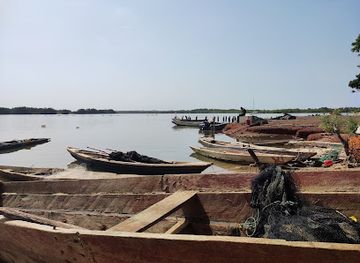
Tendaba's principal attraction is the Gambia River and the network of tidal bolongs that branch from it into mangrove and wetland habitat. Locally arranged boat excursions provide access to narrow channels, mudflats and river margins where visitors may observe herons, egrets, kingfishers, raptors and other West African birdlife. Nearby Kiang West National Park adds a contrasting landscape of dry woodland, savannah and seasonal wetlands, with guided visits offering opportunities to look for antelope, monkeys and other wildlife when conditions are favourable. The village of Tendaba and the surrounding rural landscape provide insight into river-based livelihoods, farming and local travel. The attraction is not a collection of monuments or commercial amusements but the relationship between water, wildlife and countryside, experienced at a slower pace. Facilities and excursions can vary, so current access should be checked with the camp or an established local guide.
-
Tourist attraction
Bintang Bay
Experience the tranquil beauty and cultural richness of Bintang Bay, a hidden gem on the coast perfect for relaxation and adventure.
-
 Nature preserve
Pakala Forest Park
Discover the serene beauty of Pakala Forest Park, a lush nature preserve in Macca Farafenni, perfect for nature lovers and tranquil getaways.
-
Garden
Banni Farms
Explore Banni Farms, a tranquil garden in Gambia, where nature's beauty meets serene landscapes for a peaceful escape.
-
Botanical garden
Botanical Garden Kerr Sering
Discover the enchanting beauty of the Botanical Garden Kerr Sering in The Gambia, a tranquil escape filled with vibrant flora and diverse wildlife.
Best landmarks in Tendaba Camp
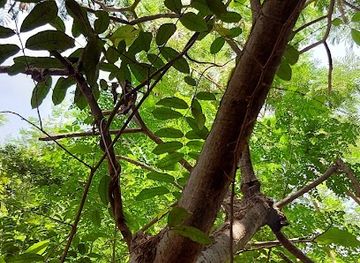
The Gambia River is Tendaba's defining natural landmark, a broad tidal waterway whose creeks and mudflats create the setting for river excursions and birdwatching. The surrounding bolongs, with their mangrove edges and shifting channels, are significant wetland features as well as working waters used by local communities. Kiang West National Park is the area's principal protected landscape, contrasting riverine habitat with dry woodland, grassland and seasonal wetland environments. Tendaba Camp itself is a recognised tourism base rather than a historic monument, while Tendaba village represents the human continuity of the river corridor. The importance of these landmarks lies in their combined ecological and cultural character: water, wildlife, conservation and rural livelihoods occupy the same landscape.
-
Hotel
Tendaba camp
Discover the natural beauty and cultural richness of Tendaba Camp in The Gambia, where adventure meets tranquility in a unique wilderness experience.
-
Restaurant
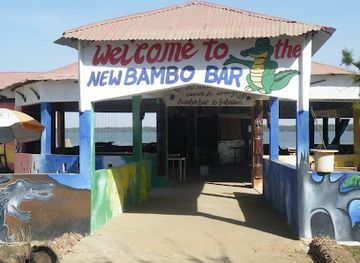
Bambo Bar
Experience authentic Gambian cuisine and stunning riverside views at Bambo Bar in Tendaba, a must-visit for every traveler.
Explore Tendaba Camp on the map
Plan your trip on one map. See where the top attractions, landmarks, restaurants and hotels are, and book hotels and experiences in a few clicks.
Best hotels in Tendaba Camp
Best restaurants in Tendaba Camp
Dining at Tendaba is centred on the camp and should be arranged as part of the accommodation plan rather than treated as an independent restaurant scene. Meals in this part of The Gambia commonly draw on rice, vegetables, fish, chicken and locally available produce, reflecting the riverine and agricultural setting; dishes may be prepared in straightforward local or international styles depending on the camp's current arrangements. Tendaba village and nearby settlements have limited formal provision for visitors, while larger towns along the route offer more opportunity to buy provisions before arrival. Travellers with dietary requirements should communicate them in advance and carry suitable snacks for the road. The most useful food experience here is the connection between rural supply, local cooking and the river landscape, rather than a concentration of named dining venues.
Best bars in Tendaba Camp
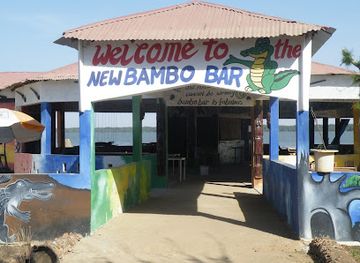
Tendaba has no developed nightlife district and should not be approached as an evening entertainment destination. The social setting is generally limited to the camp's own hospitality arrangements, where guests may share a drink, conversation and views of the river after a day on the water or in the park. Evening activity is shaped by darkness, rural quiet and the natural environment rather than clubs, live-music venues or late-opening bars. Visitors seeking a wider choice of pubs, hotel bars and entertainment will find it in the coastal resort area or larger Gambian towns, several hours away by road. At Tendaba, respect the quiet of the village and avoid loud music or unnecessary disturbance around accommodation and wildlife habitats.
-
Restaurant
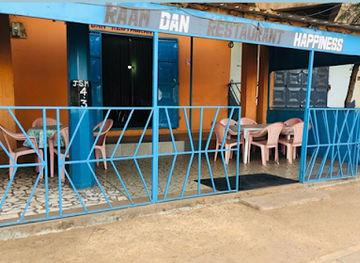
Raamdaan Restaurant and Catering Services
Discover authentic Gambian cuisine at Raamdaan Restaurant, a must-visit dining spot in Soma with a warm atmosphere and delicious menu options.
-
Bar
Whorf town
Unwind at Whorf Town, the lively bar in Farafenni offering local drinks and a vibrant atmosphere for tourists and locals alike.
-
Restaurant
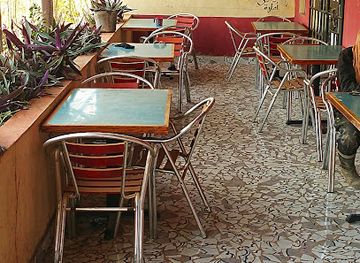
Guava Moto Cafe
Discover the vibrant flavors of Gambian cuisine at Guava Moto Cafe, where every meal is a cultural experience.
-
Meat
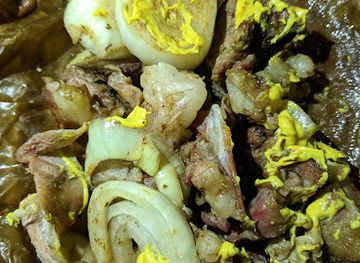
Afra GNPC
Experience the flavors of Gambian cuisine at Afra GNPC, where succulent grilled meats and warm hospitality await every visitor.
Best nightclubs in Tendaba Camp
Tendaba has no developed nightlife district and should not be approached as an evening entertainment destination. The social setting is generally limited to the camp's own hospitality arrangements, where guests may share a drink, conversation and views of the river after a day on the water or in the park. Evening activity is shaped by darkness, rural quiet and the natural environment rather than clubs, live-music venues or late-opening bars. Visitors seeking a wider choice of pubs, hotel bars and entertainment will find it in the coastal resort area or larger Gambian towns, several hours away by road. At Tendaba, respect the quiet of the village and avoid loud music or unnecessary disturbance around accommodation and wildlife habitats.
Best shops in Tendaba Camp
Shopping at Tendaba is limited and practical rather than extensive. The camp or local residents may occasionally provide small-scale souvenirs or locally made items, but availability should not be assumed, and there is no substantial shopping district in the village. Visitors who wish to buy Gambian textiles, carved objects, baskets, jewellery, artwork or packaged regional foods will find a broader selection in the coastal tourist areas and larger towns, where artisan stalls and established shops are more common. It is sensible to purchase medicines, specialist supplies, snacks and other essentials before travelling inland. Any local purchase should be made respectfully, with fair bargaining and care not to buy objects made from protected wildlife or environmentally sensitive materials.
-
Hotel
Tendaba camp
Discover the essence of The Gambia at Tendaba Camp, where adventure meets authentic cultural experiences in a stunning natural setting.
-
Grocery store
Halabaid Trading Enterprises paradise supermarket
Explore the vibrant Halabaid Trading Enterprises supermarket in Farafenni, where local flavors meet international products for an unforgettable shopping experience.
-
Grocery store
Costa road
Discover the heart of Bureng at Costa Road, where fresh local produce meets authentic Gambian culture in a charming grocery store experience.
-
Grocery store
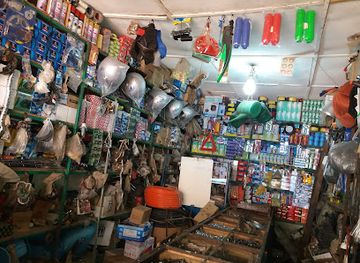
Soma Gassama Shop
Discover the local flavors and vibrant culture of Gambia at Soma Gassama Shop, your gateway to fresh produce and authentic ingredients.
Get your free copy of our complete guide to Tendaba Camp, delivered straight to you.
Everything on this page, from attractions and restaurants to essentials and local phrases, in one PDF you can read offline, print or share.
Already have an account? Sign in
Your Tendaba Camp guide is ready.
We'll send it to · Not you? Sign out

Getting your guide ready…
We are putting together a fresh copy of the Tendaba Camp guide. This can take up to a minute.
This can take a few moments. If your browser asks, choose Allow so the download can start. You'll find the guide in your Downloads folder.
Nothing happened? Download it again
Sorry, the guide is taking longer than usual. Please try again in a minute, or get it by email instead.
Tendaba Camp essentials
Currency and Payment
Safety
Emergency Situations
Do's and Don'ts
Local Tips
From Eve
Local phrases worth knowing
You don't need to get them perfect. A few words go a long way, and locals appreciate the effort.
Basics
| English | Local | Say it |
|---|---|---|
| Hello | Salam alaikum | [sa-lam a-lai-kum] |
| Goodbye | Jaarama | [ja-ra-ma] |
| Yes | Eewo | [ee-wo] |
| No | Alaa | [a-laa] |
| Please/You're welcome | Noy jarr | [noy jar] |
| Thank you | Jerejef | [je-re-jef] |
| Excuse me/Sorry | Nanga def | [nan-ga def] |
| How are you? | Meen laa la? | [meen laa la] |
| Fine. And you? | Nopp. Ñaa ngi la? | [nop. nyaa ngi la] |
| Do you speak English? | Noppa ñu def Angalee? | [nop-pa nu def an-ga-lee] |
| I don't understand | Ganaa ko | [ga-naa ko] |
Eating & Drinking
| English | Local | Say it |
|---|---|---|
| I'd like to see the menu, please | Maangi menu jeeguma, ñaata | [maan-gi me-nu jee-gu-ma nyaa-ta] |
| I don't eat meat | A mëtu jëm rag ga | [a me-tu jem rag ga] |
| Cheers! | Bissimila | [bis-si-mi-la] |
| I would like to pay, please | Maangi yaram, ñaata | [maan-gi ya-ram nyaa-ta] |
Emergencies
| English | Local | Say it |
|---|---|---|
| Help! | Ndank | [n-dank] |
| Go away! | Jafe | [ja-fe] |
| Call the Police! | Woye Polis! | [wo-ye polis] |
| Call a doctor! | Woye dokteer! | [wo-ye dok-tee-er] |
| I'm lost | Naa fëkk | [naa fekk] |
| I'm ill | Naa jëm | [naa jem] |
Shopping
| English | Local | Say it |
|---|---|---|
| I'd like to buy... | Maangi jëf... | [maan-gi jef] |
| I'm just looking | Dama ko fi | [da-ma ko fi] |
| How much is it? | Ñaari laa la? | [nyaa-ri laa la] |
| That's too expensive | Mangal naa laa | [man-gal naa laa] |
| Can you lower the price? | Ñaari naa def? | [nyaa-ri naa def] |
Time & Numbers
| English | Local | Say it |
|---|---|---|
| What time is it? | Ñaari bi laa? | [nyaa-ri bi laa] |
| It's one o'clock | Ñaari bi dem | [nyaa-ri bi dem] |
| Half past (10) | Jonkandik (10) | [jon-kan-dik] |
| Morning | Suba | [su-ba] |
| Afternoon | Nëbë | [ne-be] |
| Evening | Kër | [ker] |
| Yesterday | Ngoon | [ngoon] |
| Today | Hõore | [ho-o-re] |
| Tomorrow | Bukaar | [bu-kaar] |
| 1 | Bi | [bi] |
| 2 | Ñaar | [nyaar] |
| 3 | Tàttu | [tat-tu] |
| 4 | Nègg | [negg] |
| 5 | Juroom | [ju-room] |
| 6 | Jookkoo | [jook-koo] |
| 7 | Jete | [je-te] |
| 8 | Ñett | [nyett] |
| 9 | Nawett | [na-wett] |
| 10 | Fukk | [fukk] |
Transport & Directions
| English | Local | Say it |
|---|---|---|
| Where's a/the...? | Kó waajale...? | [ko wa-ja-le] |
| What's the address? | Adreesu ko la? | [a-dree-su ko la] |
| Can you show me (on the map)? | Ñaata yombul mi (ngir map)? | [nyaa-ta yom-bul mi ngir map] |
| When's the next (bus)? | Ñaata joxe (bus)? | [nyaa-ta jok-se bus] |
| A ticket (to ....) | Billet (to ....) | [bil-let] |
History of Tendaba Camp
The River as the Original Highway
Long before Tendaba became associated with nature tourism, the Gambia River was the principal route through the region. Its navigable channels linked communities on the coast with settlements farther inland, supporting fishing, farming, movement and trade. The river's tidal creeks also shaped where people could cultivate land, gather natural resources and travel between the north and south banks. Tendaba's modern identity remains inseparable from this geography: the same waterways that now carry wildlife excursions continue to define local livelihoods and the relationship between settlement and wetland.
Rural Communities and Colonial Change
The area around Tendaba developed within the wider history of communities along the lower and middle Gambia River, where agriculture, fishing and river commerce remained central. British colonial rule formalised administrative control over The Gambia and its river corridor, but did not erase the importance of local villages or established land-use patterns. Tendaba is not primarily a monument-filled historic settlement; its heritage is more clearly expressed through the continuing use of the river, the surrounding villages and the practical knowledge required to live beside tidal wetlands and seasonal drylands.
Kiang West and the Conservation Era
The creation of Kiang West National Park in 1987 marked an important shift in the region's official relationship with wildlife and habitat protection. The park safeguards a substantial area of dry woodland, grassland and wetland landscape in the Lower River Region, while the river and its bolongs provide complementary habitats for birds and aquatic species. Conservation has not replaced local activity: farming, fishing and village life remain part of the wider setting. The park's presence has instead helped establish Tendaba as a base for guided nature observation and environmentally focused tourism.
Tourism Along the Gambia River
Tendaba Camp emerged as part of The Gambia's river-based tourism, offering visitors an alternative to the country's coastal hotels and concentrating on boat excursions, birdwatching and access to Kiang West. Its appeal rests on location rather than urban entertainment or dense tourism infrastructure. As travel patterns and ownership arrangements can change, the availability of accommodation, meals and excursions should be checked locally before departure. The wider historical story is one of gradual adaptation: a working river landscape has also become a destination for visitors seeking wildlife and a closer view of rural Gambia.
Tendaba Camp in Photos
Browse through our photo collection highlighting the charm and character of the destination.
Cities in Tendaba Camp
The towns and cities of Tendaba Camp, and the easiest places to base yourself.
-

-


Swipe for more cities
Neighbouring destination travel guides
The closest destinations to Tendaba Camp, if you have time for more than one.
-

-

-

-

-


Swipe for more destinations
Explore more

Explore more of Kiang Central
Kiang Central reveals rural Gambia through riverine landscapes, farming communities, seasonal wetlands and carefully guided village experiences.
Explore Kiang Central
Explore more of The Gambia
Discover The Gambia: a treasure trove of cultural richness, stunning beaches, and diverse wildlife. An unforgettable journey awaits you in Africa's Smiling Coast.
Explore The Gambia