

Free Bakau Travel Guide & Mobile App
Plan your Bakau trip with Evendo. Get free guides to top attractions, restaurants, hotels, and bars. Web access or download the mobile app.


Bakau, The Gambia, pairs Atlantic beaches with Kachikally Crocodile Pool, fishing life, botanical gardens and easy access to coastal culture and history.
Atlantic Setting
Bakau occupies a narrow stretch of The Gambia’s Atlantic coast, just west of the capital area and close to the resort settlements of Fajara and Kololi. Its identity is shaped by the meeting of ocean, lagoon and town: fishing boats gather along the shore, sandy roads lead towards beaches, and local life continues around markets, workshops and modest family-run businesses. The waterfront is more working town than polished resort, giving visitors a clearer sense of coastal Gambian life.Read more about Bakau
Heritage and Living Traditions
Exploring the Coast
When is the best time to visit Bakau?
Best: December–February · 29–30°C| Month | High (°C) | Rainfall (mm) |
|---|---|---|
| January (best) | 29 | 0 |
| February (best) | 29 | 0 |
| March | 30 | 0 |
| April | 30 | 0 |
| May | 31 | 0 |
| June | 31 | 0 |
| July | 31 | 0 |
| August | 31 | 0 |
| September | 31 | 0 |
| October | 31 | 0 |
| November | 30 | 0 |
| December (best) | 30 | 0 |
Getting to and around Bakau
How to get there
Transportation
Best attractions in Bakau
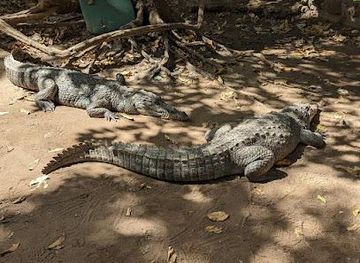
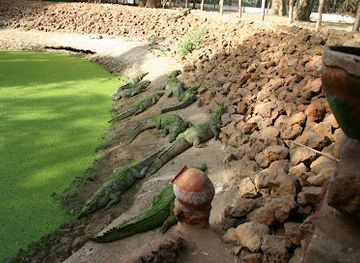
Bakau’s principal sights reveal several sides of coastal Gambian life. Kachikally Crocodile Pool is the town’s best-known attraction, a sacred pool where visitors can learn about local fertility traditions and see crocodiles in a carefully managed setting; the adjoining museum provides cultural context. The Bakau Botanical Gardens offer a shaded change of pace, with tropical plants and paths close to the town centre. At the fishing beach, colourful pirogues, nets and daily activity show the continuing importance of the sea, although visitors should give fishermen room to work. Bakau Craft Market is a useful place to browse locally made carvings, textiles and souvenirs while witnessing the social rhythm of a small coastal marketplace. Nearby Fajara adds a more open shoreline and leisure-oriented atmosphere, while the wider coastal road connects Bakau with other urban beaches and cultural stops without making them part of Bakau itself.
-
Tourist attraction
Kachikally Crocodile Pool
Explore Kachikally Crocodile Pool in Bakau, Gambia, where nature meets tradition and adventure awaits with sacred crocodiles.
4 min walk · 0.3 km from city centre
-
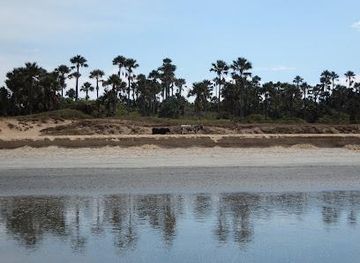
Bijilo National Park
Explore the lush landscapes and vibrant wildlife of Bijilo National Park, the perfect tropical escape in Serrekunda, Gambia.
-
Market
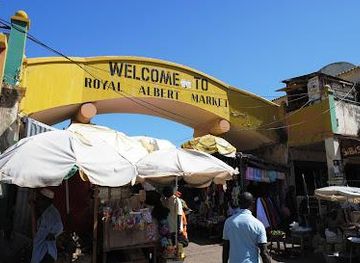
Albert Market
Explore the vibrant Albert Market in Banjul, where local culture meets commerce and an array of Gambian treasures await.
31 min drive · 11 km from city centre
-
Museum
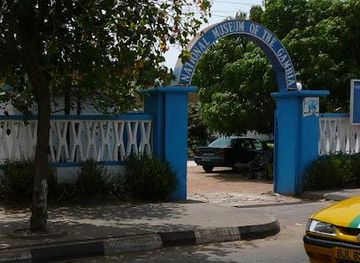
National Museum Of The Gambia
Discover the rich cultural heritage of Gambia at the National Museum, a must-visit attraction for every traveler in Banjul.
31 min drive · 11 km from city centre
Best landmarks in Bakau
Kachikally Crocodile Pool is Bakau’s defining cultural landmark: its sacred water, custodianship and association with fertility give it significance beyond its wildlife interest. The Kachikally Museum helps place the pool within local tradition and Gambian cultural history. Bakau’s fishing beach is a living landmark rather than a formal monument, marked by brightly painted boats, working nets and the daily movement of a coastal community. The town’s botanical gardens represent another important local space, preserving a planted landscape within a rapidly developing urban corridor. Nearby Cape Point, at the western edge of Bakau, is recognised by its coastal position and broad views towards the Atlantic, while the shoreline’s low-rise hotels and public roads reflect the area’s transition from local settlement to international tourism centre. Together these places express Bakau’s religious, environmental, maritime and contemporary identities.
-
Tourist attraction
Kachikally Crocodile Pool
Discover the enchanting Kachikally Crocodile Pool in Bakau, where nature, culture, and adventure unite for an unforgettable experience.
4 min walk · 0.3 km from city centre
-
Tourist attraction
Senegambia Craft Market
Discover unique handicrafts, immerse in local culture, and experience the vibrant atmosphere at Senegambia Craft Market in Serrekunda.
20 min drive · 6.6 km from city centre
-
National park
Bijilo National Park
Explore the lush landscapes and vibrant wildlife of Bijilo National Park, a must-visit natural haven near Serrekunda, The Gambia.
25 min drive · 8.4 km from city centre
-
Market
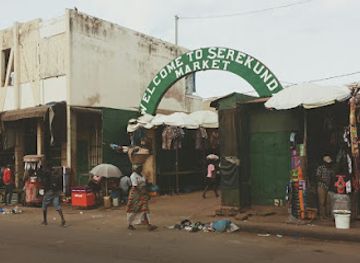
Serekunda Market
Experience the vibrant culture and local flavors of Gambia at Serekunda Market, the largest market in the country, filled with crafts, cuisine, and community spirit.
14 min drive · 4.6 km from city centre
Explore Bakau on the map
Plan your Bakau trip on one map. See where the top attractions, landmarks, restaurants, bars and hotels are, find what's near where you're staying, and book hotels and experiences in a few clicks.
Best hotels in Bakau
Best restaurants in Bakau
Bakau’s dining scene combines Gambian home-style cooking with the international influence brought by the Atlantic coastal tourism belt. Local meals commonly feature rice served with aromatic fish, meat or vegetable sauces, alongside dishes such as benechin, a one-pot rice preparation, and yassa, whose onion-based sauce is often paired with chicken or fish. Domoda, made with a groundnut sauce, is another familiar Gambian speciality. Small eateries and informal food stalls provide inexpensive plates, while cafés and hotel restaurants around Bakau and nearby Fajara offer seafood, breakfast dishes and a broader range of international food. Fresh fish is particularly appropriate in a town with a working fishing beach, though menus vary by season and supply. The best culinary encounters often come through asking local residents about the day’s dishes rather than expecting a formal restaurant district.
-
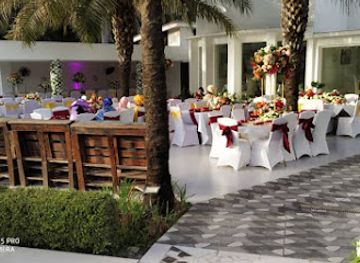
Restaurant
Villa Roula
Experience the authentic flavors of Gambian cuisine at Villa Roula in Serrekunda – where every meal tells a story.
7 min drive · 2.4 km from city centre
-
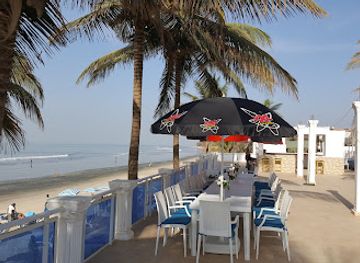
Restaurant
Paradise Beach Club Gambia
Experience authentic Gambian cuisine with breathtaking ocean views at Paradise Beach Club Gambia in Serrekunda.
10 min drive · 3.4 km from city centre
-
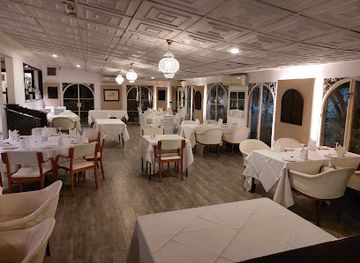
Restaurant
The Clay Oven
Experience authentic Gambian flavors at The Clay Oven in Serrekunda – a must-visit destination for food lovers.
6 min drive · 2.1 km from city centre
-
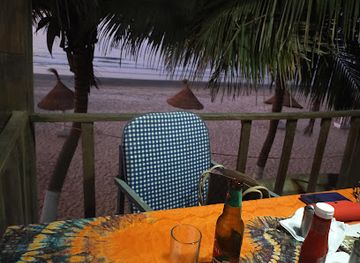
Restaurant
Sailor Beach Bar & Restaurant
Discover delicious coastal cuisine at Sailor Beach Bar & Restaurant in Kotubeach - where every meal is accompanied by stunning ocean views.
10 min drive · 3.4 km from city centre
Best bars in Bakau
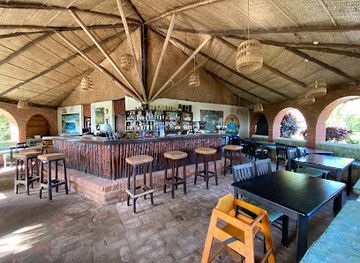
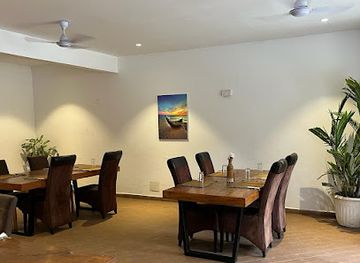
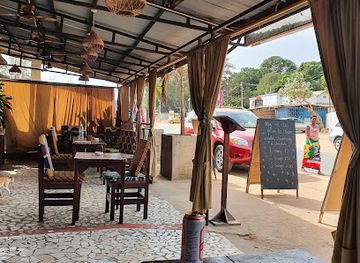
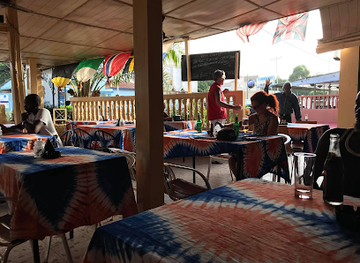
Bakau’s evenings are generally more relaxed than those in the main nightlife areas of Kololi and the Senegambia strip. Hotel bars, small local drinking spots and restaurants around the coastal road provide places for a quiet drink, conversation and occasional live music, while nearby Fajara adds further hotel-based evening options. The town’s nightlife is not concentrated in a single historic quarter, and activity can be subdued outside the main tourist season. Cultural evenings may include drumming, dancing or performances arranged through hotels and tourism venues, offering a more locally rooted alternative to clubbing. Visitors should use taxis after dark, keep valuables discreet and remember that music, dress and public behaviour should respect the surrounding residential community. Those seeking late-night clubs usually travel east towards Kololi rather than expecting Bakau itself to function as a major club district.
-
Bar
Calypso bar & restaurant
Experience the vibrant flavors and lively atmosphere at Calypso Bar & Restaurant, a top destination for food and fun in Bakau, Gambia.
14 min walk · 1.1 km from city centre
-
Family-friendly
House of Flavour
Discover the vibrant flavors of The Gambia at House of Flavour, a family-friendly restaurant offering a taste of authentic local cuisine.
13 min walk · 1.0 km from city centre
-
Restaurant
Solomelo's Music Venue
Discover the pulsing heart of Bakau's nightlife at Solomelo's Music Venue, a blend of live music and local flavors awaiting your visit.
5 min walk · 0.4 km from city centre
-
Restaurant
Friends Bar & Restaurant
Discover delectable local and international cuisine at Friends Bar & Restaurant in Bakau, where unforgettable flavors meet warm hospitality.
7 min walk · 0.5 km from city centre
Best nightclubs in Bakau
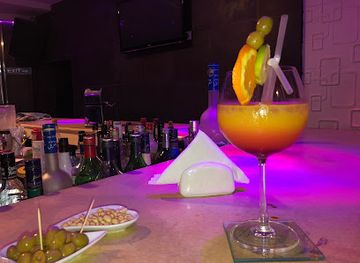
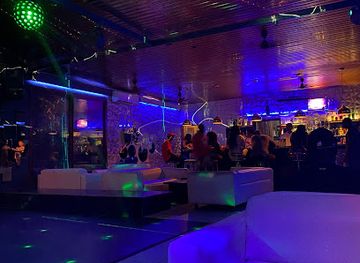
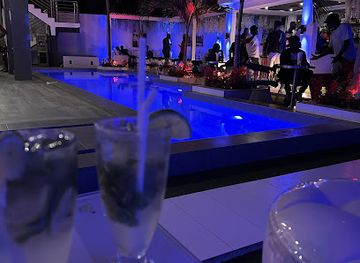
Bakau’s evenings are generally more relaxed than those in the main nightlife areas of Kololi and the Senegambia strip. Hotel bars, small local drinking spots and restaurants around the coastal road provide places for a quiet drink, conversation and occasional live music, while nearby Fajara adds further hotel-based evening options. The town’s nightlife is not concentrated in a single historic quarter, and activity can be subdued outside the main tourist season. Cultural evenings may include drumming, dancing or performances arranged through hotels and tourism venues, offering a more locally rooted alternative to clubbing. Visitors should use taxis after dark, keep valuables discreet and remember that music, dress and public behaviour should respect the surrounding residential community. Those seeking late-night clubs usually travel east towards Kololi rather than expecting Bakau itself to function as a major club district.
-
Night club
Envy Night Club
Discover the lively nightlife of Serrekunda at Envy Night Club, where music, dance, and unforgettable experiences await you.
7 min drive · 2.4 km from city centre
-
Night club
Aquarius Nightclub
Dive into the vibrant nightlife of Serrekunda at Aquarius Nightclub, where great music and a lively atmosphere await every visitor.
20 min drive · 6.8 km from city centre
-
Night club
Ningki Nangka Bar & Night Club
Discover the vibrant nightlife at Ningki Nangka Bar & Night Club in Serrekunda, where great music and unforgettable memories await you.
10 min drive · 3.5 km from city centre
-
Night club
ONYX
Experience the vibrant nightlife of Serrekunda at ONYX, a premier night club with electrifying music and unforgettable atmosphere.
16 min drive · 5.3 km from city centre
Best shops in Bakau
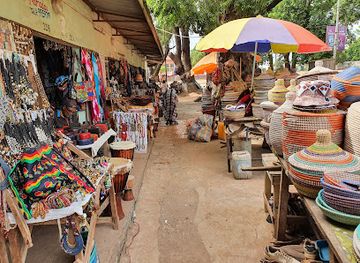
Shopping in Bakau is informal, sociable and closely connected to the wider coastal economy. Bakau Craft Market is the principal place to browse carved wooden objects, woven goods, batik fabrics, jewellery and decorative souvenirs, with bargaining forming part of the usual market exchange. Small roadside stalls and local shops sell clothing, snacks, household goods and everyday necessities rather than presenting a formal retail district. Visitors may also find Gambian fabrics and craftwork through sellers near hotels and along the coastal road, although designs, quality and prices vary. Regional food products such as groundnuts and dried ingredients can be more authentic purchases than mass-produced souvenirs, provided they are packaged suitably for travel. Ask about the origin and appropriate use of handmade or culturally significant items, and photograph market activity only with permission.
-
Tourist attraction
Bakau craft market
Discover the heart of Gambian culture at Bakau Craft Market, where vibrant handicrafts and local hospitality create an unforgettable shopping experience.
5 min walk · 0.4 km from city centre
-
Book store
Timbooktoo Bookstore
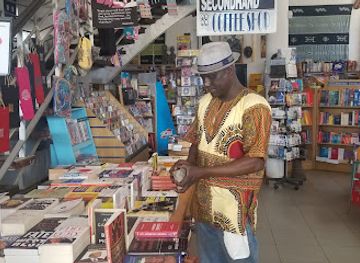
Explore the enchanting world of literature at Timbooktoo Bookstore, Serrekunda's premier destination for book lovers and cultural enthusiasts.
7 min drive · 2.2 km from city centre
-
Shopping mall
The Village Shopping and Dining Centre
Experience shopping and dining like never before at The Village Shopping and Dining Centre in Serrekunda, where every visit is a delightful adventure.
19 min drive · 6.2 km from city centre
-
Supermarket
RightChoice Supermarket
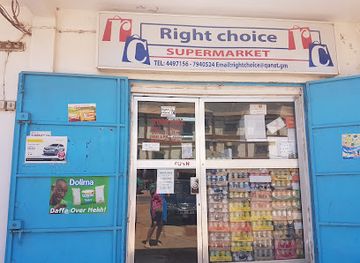
Explore Bakau's vibrant market scene while enjoying the convenience of RightChoice Supermarket for all your shopping needs.
4 min walk · 0.3 km from city centre
Get your free copy of our complete guide to Bakau, delivered straight to you.
Everything on this page, from attractions and restaurants to essentials and local phrases, in one PDF you can read offline, print or share.
Already have an account? Sign in
Your Bakau guide is ready.
We'll send it to · Not you? Sign out

Getting your guide ready…
We are putting together a fresh copy of the Bakau guide. This can take up to a minute.
This can take a few moments. If your browser asks, choose Allow so the download can start. You'll find the guide in your Downloads folder.
Nothing happened? Download it again
Sorry, the guide is taking longer than usual. Please try again in a minute, or get it by email instead.
Bakau essentials
Currency and Payment
Safety
Emergency Situations
Do's and Don'ts
Local Tips
From Eve
Local phrases worth knowing
You don't need to get them perfect. A few words go a long way, and locals appreciate the effort.
Basics
| English | Local | Say it |
|---|---|---|
| Hello | Salam aleikum | [sa-lam ah-lay-kum] |
| Goodbye | Tawfi | [taw-fee] |
| Yes | Eey | [ee] |
| No | Ala | [ah-la] |
| Please/You're welcome | Nanga def | [nan-gah deff] |
| Thank you | Jerejef | [je-reh-jef] |
| Excuse me/Sorry | Njuutu | [n-joo-too] |
| How are you? | Nanga def? | [nan-gah deff?] |
| Fine. And you? | Jam rekk. Nopp? | [jam wreck. nop?] |
| Do you speak English? | Am nga tudd Angale? | [am ngah tood ahn-gah-lay?] |
| I don't understand | Nopp la | [nop la] |
Eating & Drinking
| English | Local | Say it |
|---|---|---|
| I'd like to see the menu, please | Nopp defal menu, jerejef | [nop deh-fall meh-noo, je-reh-jef] |
| I don't eat meat | Nopp la yaram bu ñebbe | [nop la yah-rahm boo nyehb-beh] |
| Cheers! | Sante | [san-tay] |
| I would like to pay, please | Nopp defal settal, jerejef | [nop deh-fall set-tall, je-reh-jef] |
Emergencies
| English | Local | Say it |
|---|---|---|
| Help! | Nyaata! | [nyah-tah] |
| Go away! | Wax! | [wah] |
| Call the Police! | Nopp dafa yallaa polis! | [nop dah-fah yah-lah poh-lees] |
| Call a doctor! | Nopp dafa yallaa dokteer! | [nop dah-fah yah-lah dohk-tehr] |
| I'm lost | Nopp mi fëkk | [nop mee fehk] |
| I'm ill | Nopp jar | [nop jar] |
Shopping
| English | Local | Say it |
|---|---|---|
| I'd like to buy... | Nopp defal jàpp... | [nop deh-fall jahp] |
| I'm just looking | Nopp dafa xamul | [nop dah-fah ha-mool] |
| How much is it? | Senega ci? | [seh-neh-gah chee] |
| That's too expensive | Samaa loolu | [sa-mah loo-loo] |
| Can you lower the price? | Am nga defoon sa prix? | [ahm ngah deh-foon sah pree] |
Time & Numbers
| English | Local | Say it |
|---|---|---|
| What time is it? | Ku mel ni? | [koo mel nee] |
| It's one o'clock | Waxtu juub | [wahk-too joo-buh] |
| Half past (10) | Nopp ci kanam (10) | [nop chee kah-nahm (10)] |
| Morning | Subaa | [soo-bah] |
| Afternoon | Nërëël | [neh-reh-ehl] |
| Evening | Kërës | [keh-rehs] |
| Yesterday | Teere | [teh-reh] |
| Today | Gëstu | [geh-stoo] |
| Tomorrow | Fàttu | [fah-too] |
| 1 | Benn | [ben] |
| 2 | Ñaar | [nyar] |
| 3 | Talata | [tah-lah-tah] |
| 4 | Nènèt | [neh-neh-t] |
| 5 | Juul | [jool] |
| 6 | Waxtat | [wahk-taht] |
| 7 | Jàmm | [jahm] |
| 8 | Tew | [tew] |
| 9 | Kur | [koor] |
| 10 | Fukk | [fook] |
Transport & Directions
| English | Local | Say it |
|---|---|---|
| Where's a/the...? | Yow laaj... | [yow lahj] |
| What's the address? | Ndax dafa? | [ndahk dah-fah] |
| Can you show me (on the map)? | Am nga defoon (sago lekka)? | [ahm ngah deh-foon (sah-goh lek-kah)] |
| When's the next (bus)? | Nopp ci kanam (bus)? | [nop chee kah-nahm (boos)] |
| A ticket (to ....) | Billet (ci ....) | [bee-yet (chee)] |
History of Bakau
Kombo’s Earlier Coastal Communities
Bakau developed within the wider Kombo region, a historic area of settlements on the southern side of the Gambia River’s lower reaches. Long before modern tourism, communities in this part of the coast relied on fishing, farming, trade and well-established social and religious traditions. The region’s history reflects the movement and interaction of Mandinka, Jola, Wolof, Fula and other communities found across The Gambia. Rather than emerging as a single planned colonial foundation, Bakau grew from local settlement patterns and its relationship with the coast, wetlands and neighbouring villages.
Sacred Water and Community Memory
Kachikally became one of Bakau’s most important places of cultural memory. The pool is regarded locally as a sacred site and is associated particularly with fertility, blessings and traditional healing. Its custodianship has remained tied to the community, allowing the site to continue as a living religious and cultural institution rather than merely an archaeological attraction. The crocodiles connected with Kachikally are treated with respect, and visitors encounter a tradition that reflects the continuing importance of sacred groves and water places in Gambian society.
Colonial Rule and the Gambia Colony
During the period of British colonial rule, Bakau lay within the network of settlements surrounding Bathurst, the colonial capital now known as Banjul. Roads, administrative structures and commercial links gradually connected the coastal communities more closely to the capital and to one another. The wider colony depended on river commerce, groundnut exports and coastal exchange, while local residents continued to maintain their own livelihoods and institutions. Bakau’s later position as a coastal leisure area was shaped partly by this growing connection to the colonial capital, although its roots remained local.
Independence and Urban Expansion
The Gambia became independent from Britain in 1965, and Bakau subsequently developed as part of the expanding urban and coastal corridor west of Banjul. Improved roads and population growth strengthened links with Fajara, Serrekunda and the airport route, while fishing, small commerce and public services remained important to daily life. The town’s built environment became more mixed, combining long-established neighbourhoods with guesthouses, businesses and visitor facilities. This period also saw the coastal strip increasingly recognised as a centre for tourism and international contact.
Tourism and a Living Coastal Identity
From the later twentieth century onwards, The Gambia’s Atlantic coast attracted visitors seeking winter sun, beaches and access to West African culture. Bakau became part of this tourism geography, but it did not lose its character as a working community with a significant fishing beach and active local institutions. Kachikally, the botanical gardens and the craft market give visitors access to different layers of the town’s identity. Contemporary Bakau therefore reflects both the pressures and opportunities of coastal tourism while retaining traditions that predate the visitor economy.
Travel experiences inspired by this city
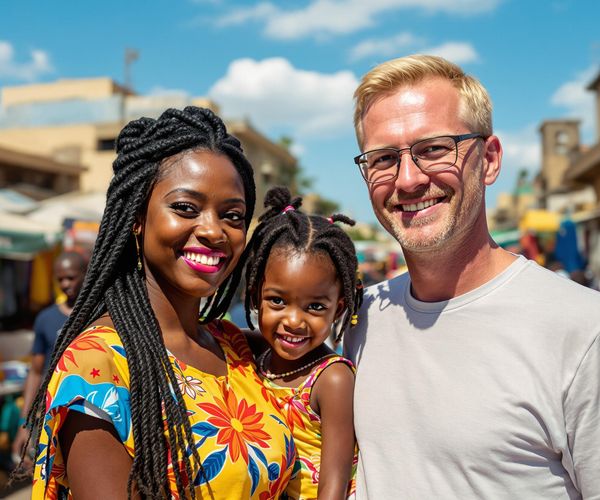

Swipe for more travel diaries
Bakau in Photos
Browse through our photo collection highlighting the charm and character of the destination.
Cities near Bakau
The closest cities to Bakau, if you have time for more than one stop.
-
-

-

-

-


Swipe for more cities
Explore more

Explore more of The Gambia
Discover The Gambia: a treasure trove of cultural richness, stunning beaches, and diverse wildlife. An unforgettable journey awaits you in Africa's Smiling Coast.
Explore The Gambia