

Free Thiès Travel Guide & Mobile App
Plan your Thiès trip with Evendo. Get free guides to top attractions, restaurants, hotels, and bars. Web access or download the mobile app.


Thiès, Senegal’s railway city, combines regional history, decorative arts, lively markets and easy access to the country’s western plateau and coast.
A City Shaped by Movement
Thiès lies on the western Senegalese plateau, around 70 kilometres east of Dakar and close to the country's principal airport. Its position at the meeting point of routes towards Dakar, Saint-Louis and the interior helped it develop as a transport and commercial centre, while its broad streets and lower-rise urban form offer a quieter contrast to the capital. The city is often associated with the railway, whose legacy remains visible in its station, workshops and civic districts.Read more about Thiès
Arts, Markets and Everyday Life
The Plateau and Its Surroundings
When is the best time to visit Thiès?
Best: December–February · 27–28°C| Month | High (°C) | Rainfall (mm) |
|---|---|---|
| January (best) | 27 | 0 |
| February (best) | 28 | 0 |
| March | 28 | 0 |
| April | 29 | 0 |
| May | 30 | 0 |
| June | 31 | 0 |
| July | 31 | 34 |
| August | 31 | 191 |
| September | 31 | 328 |
| October | 30 | 186 |
| November | 29 | 10 |
| December (best) | 28 | 0 |
Getting to and around Thiès
How to get there
Transportation
Best attractions in Thiès
Thiès rewards visitors who explore its working cityscape rather than expecting a compact circuit of monumental sights. The Musée régional de Thiès introduces local and national history through exhibitions that help place the city within Senegal's wider story, while the Manufacture Sénégalaise des Arts Décoratifs reflects the city's important tradition of tapestry and contemporary decorative art. The railway station and surrounding railway quarter offer a glimpse of the infrastructure that turned Thiès into a major transport centre, even when access to operational areas is restricted. Central markets provide a more immediate encounter with daily life, from fabrics and household goods to produce and prepared food. Walking through the older streets reveals civic buildings, workshops and broad avenues shaped by the city's colonial and post-independence growth. For a different atmosphere, the edges of town lead towards the rural plateau and communities around Fandène, though these are excursions beyond Thiès rather than city attractions.
-
Park
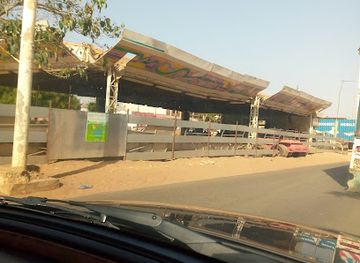
Parc d' attraction Sofraco
Experience the thrill of fun and adventure at Parc d'attraction Sofraco in Thiès, Senegal, a perfect amusement park for families and friends!
10 min drive · 3.2 km from city centre
Best landmarks in Thiès
Thiès's landmarks are closely tied to transport, civic life and Senegal's modern cultural history. The railway station and associated railway quarter recall the colonial network that made the city a crucial junction between Dakar, Saint-Louis and the interior, while surviving railway buildings and workshops express the importance of skilled labour to its growth. The Manufacture Sénégalaise des Arts Décoratifs is a cultural landmark rather than a conventional monument, representing the post-independence development of large-scale Senegalese tapestry. The Musée régional de Thiès provides an institutional landmark for regional memory and interpretation. Central public spaces, market structures and religious buildings add texture to the urban landscape, although their significance is often best understood through local explanation. Together these places show a city shaped less by royal palaces or ancient ruins than by railways, administration, craftsmanship and regional exchange.
-
Indoor lodging
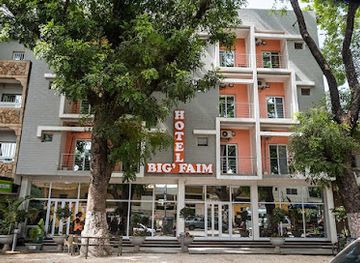
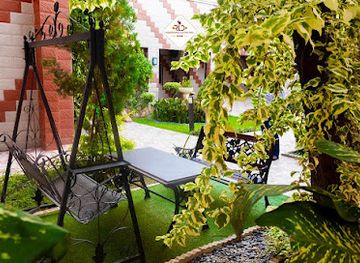
Hôtel-Restaurant Big Faim
Discover the warmth of Senegalese hospitality at Hôtel-Restaurant Big Faim, where comfort meets authentic local cuisine in the heart of Thiès Nord.
5 min walk · 0.4 km from city centre
-
Hotel
Hôtel Résidence Lat Dior
Unwind in comfort at Hôtel Résidence Lat Dior, your gateway to the vibrant culture and history of Thiès, Senegal.
10 min drive · 3.3 km from city centre
-
Museum
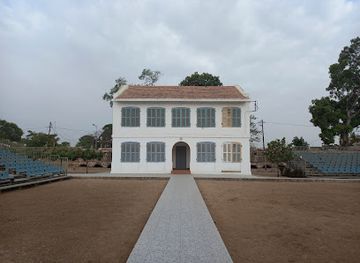
Musée Régional de Thiès
Explore the vibrant culture and rich history of Senegal at the Musée Régional de Thiès, a must-visit destination for art and history lovers.
12 min walk · 1.0 km from city centre
-
 Hotel
HotelLe Grand Hôtel de Thiés
Discover the charm of Le Grand Hôtel de Thiés, where luxury meets the vibrant culture of Senegal in the heart of Thiés.
6 min walk · 0.5 km from city centre
Explore Thiès on the map
Plan your Thiès trip on one map. See where the top attractions, landmarks, restaurants, bars and hotels are, find what's near where you're staying, and book hotels and experiences in a few clicks.
Best hotels in Thiès
Best restaurants in Thiès
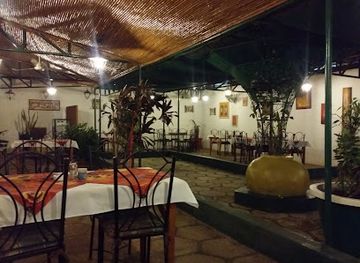
Thiès has a practical, locally rooted food scene shaped by Senegalese home cooking, regional produce and the movement of people through a railway and road town. Rice dishes such as ceebujën, usually served with fish and vegetables, are widely associated with Senegalese dining, while chicken, grilled meat, soups and savoury snacks appear in modest restaurants and neighbourhood eateries. Cafés and street stalls provide coffee, tea, bread, omelettes and simple lunchtime plates, and market areas are useful for observing the everyday food trade. Meals may be accompanied by bissap, a hibiscus drink, or ginger juice. Dining is generally more about family-run establishments and informal food counters than destination gastronomy; hygiene, turnover and local custom are useful considerations when choosing where to eat. French and Wolof influence menus and ordering, while shared meals often carry an important social dimension.
-
Restaurant
LE CAFÉ DU RAIL
Experience the perfect blend of culinary delights and local gifts at Le Café du Rail in Thiès - your go-to destination for relaxation and shopping.
7 min walk · 0.6 km from city centre
-
Restaurant
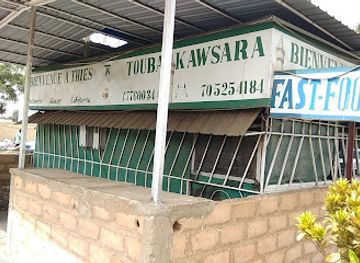
Restaurant Touba Kawsara
Experience authentic Senegalese flavors at Restaurant Touba Kawsara in Thies, where every dish tells a story of rich culinary heritage.
6 min drive · 2.1 km from city centre
-
Restaurant
Le Massa Massa
Discover authentic Senegalese flavors at Le Massa Massa, where culinary delights meet cozy accommodations in the heart of Thiès.
6 min drive · 2.0 km from city centre
-
Restaurant
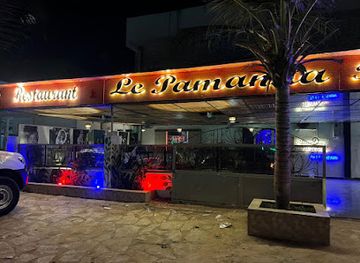
Pamanda
Discover Pamanda in Thies: A delightful restaurant offering authentic Senegalese cuisine in a warm and inviting atmosphere.
11 min walk · 0.9 km from city centre

Best bars in Thiès
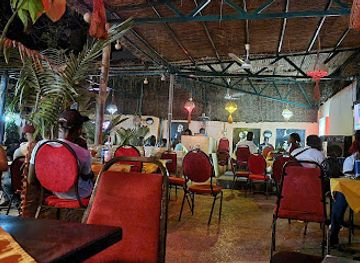
Thiès has a quieter evening scene than Dakar, with nightlife concentrated in hotel lounges, neighbourhood bars, cafés and informal social spaces rather than a large club circuit. After sunset, residents gather for conversation, tea, televised sport and music, while restaurants and modest bars may remain active in central areas. Live mbalax and other Senegalese popular music can be heard at occasional performances or celebrations, although programmes and venues are not always publicised widely online. Visitors should expect a relaxed, locally oriented night out rather than a continuous entertainment district. Alcohol is available in some licensed establishments, but Senegal is predominantly Muslim, so respectful behaviour and modest public conduct are important. For late returns, use accommodation-arranged transport or a trusted taxi and confirm the route before departure.
-
Restaurant
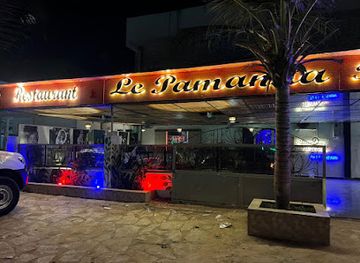
Pamanda
Discover Pamanda in Thies, where authentic Senegalese flavors meet international cuisine in a vibrant atmosphere.
11 min walk · 0.9 km from city centre
-
African
Ile De Gorée
Explore the vibrant culture and poignant history of Ile De Gorée, a UNESCO World Heritage Site in Senegal, rich with beautiful architecture and local artistry.
4 min walk · 0.4 km from city centre
-
Bar
Jéricho Bar Casa
Discover the lively ambiance of Jéricho Bar Casa in Thiès, Senegal - where local culture meets refreshing drinks and great music.
7 min drive · 2.4 km from city centre
-
Bar
La Paillotte Noire Bar / Bar
Discover the charm of La Paillotte Noire, an inviting bar in Thiès that offers a taste of local culture and refreshing drinks in a cozy atmosphere.
7 min drive · 2.4 km from city centre
Best nightclubs in Thiès
Thiès has a quieter evening scene than Dakar, with nightlife concentrated in hotel lounges, neighbourhood bars, cafés and informal social spaces rather than a large club circuit. After sunset, residents gather for conversation, tea, televised sport and music, while restaurants and modest bars may remain active in central areas. Live mbalax and other Senegalese popular music can be heard at occasional performances or celebrations, although programmes and venues are not always publicised widely online. Visitors should expect a relaxed, locally oriented night out rather than a continuous entertainment district. Alcohol is available in some licensed establishments, but Senegal is predominantly Muslim, so respectful behaviour and modest public conduct are important. For late returns, use accommodation-arranged transport or a trusted taxi and confirm the route before departure.
-
Disco club
Dosso Complexe
Unleash your spirit at Dosso Complexe, the premier disco club in Thiès offering vibrant nightlife, local culture, and unforgettable experiences.
6 min walk · 0.5 km from city centre
-
Night club
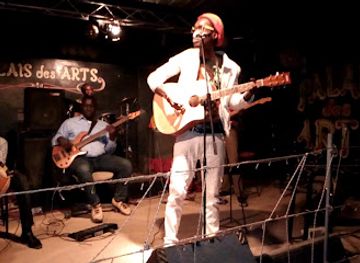
Palais des Arts
Discover the energetic nightlife of Palais des Arts in Thiès, a must-visit night club blending local culture with vibrant entertainment.
17 min walk · 1.4 km from city centre
-
Night club
Résidence borom Khaïra
Immerse yourself in the lively ambiance of Résidence Borom Khaïra, Thies' top night club offering unforgettable entertainment and local culture.
17 min walk · 1.4 km from city centre
-
Night club
TECnO
Discover the electrifying nightlife of Thiès at TECnO, the premier destination for music and dancing in Senegal's vibrant club scene.
6 min drive · 2.0 km from city centre


Best shops in Thiès
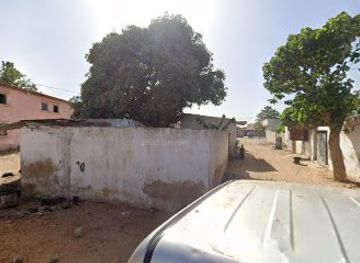
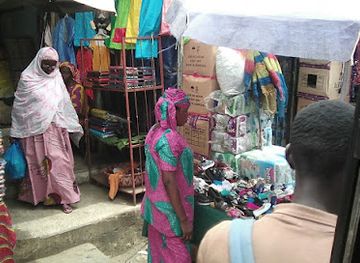
Shopping in Thiès centres on markets, fabric sellers, small boutiques and artisan activity rather than large international retail complexes. Central market areas offer clothing, colourful wax-print textiles, household goods, fresh produce and the practical merchandise of a regional commercial centre. Visitors interested in Senegalese design can look for woven or printed fabrics, baskets, leather goods and decorative pieces, while the city's association with tapestry makes locally produced art especially relevant. The Manufacture Sénégalaise des Arts Décoratifs is primarily a cultural and artistic institution, so arrangements for viewing or purchasing work should be checked locally rather than assumed. Bargaining is common in informal markets, but a polite exchange is part of the process. Ask about materials, origin and production methods when buying crafts, and carry cash because smaller traders may not accept cards.
-
Supermarket
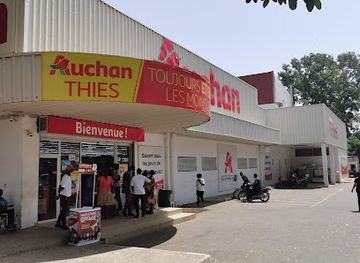
Auchan Thiès 1
Experience the vibrant shopping scene at Auchan Thiès, where local flavors and everyday essentials come together in a welcoming atmosphere.
11 min walk · 0.9 km from city centre
-
Shopping mall
Central Market Thies
Experience the vibrant culture and commerce of Central Market Thies, a must-visit shopping destination in Thiès, Senegal.
15 min walk · 1.2 km from city centre
-
General store
Edk Thies
Discover the heart of Thies at Edk Thies, your go-to general store for local goods and a taste of Senegalese culture.
9 min drive · 3.1 km from city centre
-
Electronics store
Sénégalaise de l'Electroménager Thiès
Discover the latest technology and appliances at Sénégalaise de l'Electroménager, the leading electronics store in Thiès, Senegal.
10 min walk · 0.8 km from city centre
Get your free copy of our complete guide to Thiès, delivered straight to you.
Everything on this page, from attractions and restaurants to essentials and local phrases, in one PDF you can read offline, print or share.
Already have an account? Sign in
Your Thiès guide is ready.
We'll send it to · Not you? Sign out

Getting your guide ready…
We are putting together a fresh copy of the Thiès guide. This can take up to a minute.
This can take a few moments. If your browser asks, choose Allow so the download can start. You'll find the guide in your Downloads folder.
Nothing happened? Download it again
Sorry, the guide is taking longer than usual. Please try again in a minute, or get it by email instead.
Thiès essentials
Currency and Payment
Safety
Emergency Situations
Do's and Don'ts
Local Tips
From Eve
Local phrases worth knowing
You don't need to get them perfect. A few words go a long way, and locals appreciate the effort.
Basics
| English | Local | Say it |
|---|---|---|
| Hello | Salam | [sa-lam] |
| Goodbye | Ba beneen | [ba be-neen] |
| Yes | Waaw | [waaw] |
| No | Déedéet | [dee-deet] |
| Please/You're welcome | Jërejëf | [je-re-jef] |
| Thank you | Jërëjëf | [je-re-jef] |
| Excuse me/Sorry | Njaaf | [njaaf] |
| How are you? | Nopp naa la? | [nop-na-la] |
| Fine. And you? | Jaay. E tudd? | [jaay. e tud] |
| Do you speak English? | Dafa bëgg naa Angalees? | [da-fa begg naa an-ga-lees] |
| I don't understand | Duma ma laa | [duma ma laa] |
Eating & Drinking
| English | Local | Say it |
|---|---|---|
| I'd like to see the menu, please | Nuy def seenegaal bi, dafa tudd | [nu-ye def see-neg-gaal bi. da-fa tud] |
| I don't eat meat | Duma nga tere bët | [duma nga te-re bet] |
| Cheers! | Boul kène | [boul ke-ne] |
| I would like to pay, please | Dafa féébar, dafa tudd | [da-fa fe-bar, da-fa tud] |
Emergencies
| English | Local | Say it |
|---|---|---|
| Help! | Ndoumbél | [ndoom-bel] |
| Go away! | Deff léén | [deff leen] |
| Call the Police! | Noppaliss | [nop-pa-liss] |
| Call a doctor! | Nopp ndiabe | [nop-pa ndi-a-be] |
| I'm lost | Noppalal | [nop-pa-lal] |
| I'm ill | Noppaliko | [nop-pa-li-koo] |
Shopping
| English | Local | Say it |
|---|---|---|
| I'd like to buy... | Dafa am xool... | [da-fa am xool] |
| I'm just looking | Noppaliku | [nop-pa-li-koo] |
| How much is it? | Ki lañu? | [ki lanu] |
| That's too expensive | Yàppaliku | [yap-pa-li-koo] |
| Can you lower the price? | Am naa defal lañu? | [am naa de-fal la-nu] |
Time & Numbers
| English | Local | Say it |
|---|---|---|
| What time is it? | Làkk naa la? | [lak na la] |
| It's one o'clock | Waxtu benn | [wakh-too benn] |
| Half past (10) | Noppalik | [nop-pa-lik] |
| Morning | Suba | [su-ba] |
| Afternoon | Kër | [ker] |
| Evening | Kër gi | [ker gee] |
| Yesterday | Njàmm | [nyam] |
| Today | Nopp | [nop] |
| Tomorrow | Fàttalikoo | [fat-ta-li-koo] |
| 1 | Benn | [benn] |
| 2 | Ñaar | [nyar] |
| 3 | Xët | [khet] |
| 4 | Nèg | [neg] |
| 5 | Juroom | [ju-room] |
| 6 | Waxtu juroom | [wakh-too ju-room] |
| 7 | Waxtu ñaar | [wakh-too nyar] |
| 8 | Waxtu xët | [wakh-too khet] |
| 9 | Waxtu nèg | [wakh-too neg] |
| 10 | Fukk | [fukk] |
Transport & Directions
| English | Local | Say it |
|---|---|---|
| Where's a/the...? | Nopp la... | [nop la] |
| What's the address? | Aduna bi la? | [a-doo-na bi la] |
| Can you show me (on the map)? | Am naa defal ma (soppi xer) | [am naa de-fal ma (sop-pi xer)] |
| When's the next (bus)? | Xool bi mu taxaw? | [xool bi mu ta-khaw] |
| A ticket (to ....) | Biléet (cii...) | [bi-leet (chee)] |
History of Thiès
The Plateau Before Urban Thiès
The area around Thiès formed part of the western Senegalese plateau, a landscape occupied by established communities before the emergence of the modern town. Serer communities were particularly important in the surrounding region, while Wolof-speaking populations and political structures also shaped local commerce and settlement. The plateau's position between the coast and the interior encouraged movement of people, livestock and goods. Thiès was not founded as an ancient imperial capital in the manner of some West African cities; its later importance arose from its location within networks that pre-dated colonial urban planning. Nearby villages and rural territories continued to influence the city's social and economic life as Thiès expanded.
Colonial Rule and the Railway
Thiès grew substantially under French colonial rule because of railway construction in Senegal. The Dakar–Saint-Louis railway, opened in stages during the late nineteenth century, connected the port capital with the Senegal River valley, while later lines and branches linked Thiès with the interior. The town became a railway centre with workshops, administrative buildings and housing associated with the service. Rail transport supported the movement of groundnuts and other commodities, tying Thiès to the export economy of French West Africa. The station and railway precinct remain among the clearest reminders of the city's colonial-era transformation from a regional settlement into a strategically placed urban centre.
A Labour and Commercial Centre
During the twentieth century, Thiès developed as a workplace for railway employees, artisans, traders and public servants. The railway created a substantial skilled workforce and encouraged social networks that extended across Senegal and the wider federation of French West Africa. Commercial activity grew around transport links, markets and agricultural production from the surrounding region. As in other Senegalese towns, colonial economic structures brought both new opportunities and unequal systems of labour and administration. The city's identity therefore became associated not only with railway infrastructure but also with organised workers, craft skills and a mobile population whose livelihoods connected urban Thiès with the countryside.
Independence and Cultural Production
Senegal became independent in 1960, and Thiès retained an important role as a regional administrative and economic centre. The post-independence state also invested in cultural production, helping establish the Manufacture Sénégalaise des Arts Décoratifs in the city in the 1960s. Its tapestry tradition gave Thiès a prominent place in Senegal's modern artistic history, translating designs by Senegalese artists into large woven works. This institution complemented the city's older industrial and railway identity with a cultural one. The resulting combination of workshops, civic institutions and markets remains central to how Thiès is understood within Senegal.
Thiès in Contemporary Senegal
Today Thiès is one of Senegal's major inland cities and the capital of Thiès Region. Its growth reflects continuing movement between Dakar, the airport area, the coast and the interior, although the city retains a more spacious and locally focused character than the capital. Railway heritage remains visible even as road transport dominates everyday travel. The regional museum and decorative-arts institutions preserve parts of the city's historical and cultural story, while markets and expanding neighbourhoods express its present life. Thiès consequently stands at the intersection of Senegal's colonial transport history, post-independence cultural policy and contemporary regional commerce.
Thiès in Photos
Browse through our photo collection highlighting the charm and character of the destination.
Cities near Thiès
The closest cities to Thiès, if you have time for more than one stop.
-

-

-

-


Swipe for more cities
Explore more

Explore more of Senegal
Discover Senegal: A West African gem offering rich cultural experiences, vibrant music, stunning natural landscapes, and a warm, welcoming atmosphere.
Explore Senegal