

Free Serrekunda Travel Guide & Mobile App
Plan your Serrekunda trip with Evendo. Get free guides to top attractions, restaurants, hotels, and bars. Web access or download the mobile app.


Serrekunda, The Gambia’s largest urban centre, brings together lively markets, Mandinka culture, Atlantic beaches, wildlife and easy access to the coast.
Markets and Everyday Gambia
Serrekunda is The Gambia’s largest urban centre and the commercial heart of the densely settled area south of the River Gambia. Rather than a city of grand monuments, it is a place understood through movement, trade and neighbourhood life. The broad market area fills with fabrics, household goods, fresh produce, spices and informal stalls, while minibuses and shared taxis connect the town with Bakau, Fajara, Kotu, Kololi and the capital, Banjul. Its streets offer an immediate introduction to contemporary Gambian life, where Mandinka, Wolof, Fula, Jola and other communities meet in a busy urban setting.Read more about Serrekunda
Coast, Culture and the Greater Urban Area
When is the best time to visit Serrekunda?
Best: December–February · 29–30°C| Month | High (°C) | Rainfall (mm) |
|---|---|---|
| January (best) | 30 | 0 |
| February (best) | 30 | 0 |
| March | 31 | 0 |
| April | 32 | 0 |
| May | 32 | 0 |
| June | 32 | 0 |
| July | 32 | 0 |
| August | 32 | 0 |
| September | 31 | 0 |
| October | 31 | 0 |
| November | 30 | 0 |
| December (best) | 29 | 0 |
Getting to and around Serrekunda
How to get there
Transportation
Best attractions in Serrekunda
Serrekunda’s principal attraction is its market, a busy commercial landscape where visitors can browse fabrics, clothing, produce, household goods and everyday Gambian merchandise while observing the rhythms of local trade. For a broader sense of the region, nearby Bakau offers the atmospheric Kachikally Crocodile Pool and a working fishing centre, while Bijilo Forest Park, between the urban districts and the Atlantic, provides shaded paths and chances to see green monkeys and abundant birdlife. Kotu and Kololi bring the coast within easy reach, with beaches, estuary scenery and informal seaside activity, although they are neighbouring areas rather than central Serrekunda. The Senegambia district adds craft stalls, restaurants and evening activity, and the Tanji fishing village farther along the coast provides a vivid view of landing boats and fish trading. Together these places reveal the markets, wildlife, coastal economy and visitor culture surrounding The Gambia’s largest urban centre.
-
Tourist attraction
Kachikally Crocodile Pool
Explore the Kachikally Crocodile Pool in Bakau for an unforgettable encounter with sacred crocodiles and a glimpse into Gambian culture.
13 min drive · 4.2 km from city centre
-
National park
Bijilo National Park
Explore the lush landscapes and vibrant wildlife of Bijilo National Park, a stunning natural retreat in Serrekunda, Gambia, perfect for nature enthusiasts.
18 min drive · 6.0 km from city centre
-
Market
Albert Market
Experience the vibrant culture of Banjul at Albert Market, where local life and authentic Gambian goods come together in a colorful atmosphere.
31 min drive · 11 km from city centre
-
Museum
National Museum Of The Gambia
Explore the vibrant culture and rich history of The Gambia at the National Museum, a must-visit attraction in Banjul showcasing the nation's heritage.
31 min drive · 11 km from city centre


Best landmarks in Serrekunda
Serrekunda has few monumental landmarks in the manner of Banjul; its identity is expressed through commercial and community places. Serrekunda Market is the most significant urban landmark, representing the town’s role as the western region’s principal trading centre. The nearby Independence Stadium in Bakau is an important national sports venue and a visible reminder of the area’s civic scale, although it is outside Serrekunda proper. In neighbouring Bakau, Kachikally Crocodile Pool is a culturally significant site associated with local beliefs and pilgrimage, while Bakau’s fishing harbour provides a direct connection with the coastal economy. The later urban districts of Dippa Kunda, Latrikunda and Bundung are landmarks of another kind: their roads, mosques, shops and dense residential fabric show how village settlements expanded into the country’s largest urban area. The surrounding coast adds beaches and fishing sites rather than formal historic architecture.
-
 Resort hotel
Coco Ocean Resort & Spa Hotel
Experience unparalleled luxury and rejuvenation at Coco Ocean Resort & Spa, a coastal paradise in Bijilo, The Gambia, blending culture and comfort.
19 min drive · 6.3 km from city centre
-
Tourist attraction
Senegambia Craft Market
Discover the essence of Gambian culture at Senegambia Craft Market, where vibrant crafts and local artistry await every tourist.
14 min drive · 4.7 km from city centre
-
National park
Bijilo National Park
Explore the picturesque Bijilo National Park, a wildlife sanctuary offering stunning landscapes and a diverse array of flora and fauna in The Gambia.
18 min drive · 6.0 km from city centre
-
Resort hotel
Kairaba Beach Hotel
Discover tropical luxury at Kairaba Beach Hotel in Serrekunda, Gambia, where pristine beaches meet exceptional service for an unforgettable getaway.
15 min drive · 5.1 km from city centre


Explore Serrekunda on the map
Plan your Serrekunda trip on one map. See where the top attractions, landmarks, restaurants, bars and hotels are, find what's near where you're staying, and book hotels and experiences in a few clicks.
Best hotels in Serrekunda
Best restaurants in Serrekunda
Dining around Serrekunda reflects the foodways of The Gambia and the wider Senegambian region. Local kitchens serve benachin, rice cooked with fish or meat and vegetables, domoda with a rich groundnut sauce, chicken or fish yassa with onion and citrus, and grilled seafood influenced by the Atlantic coast. Small eateries and roadside grills offer afra, seasoned meat cooked over charcoal, while cafés and bakeries cater to the busy urban population. The market area is useful for seeing produce, spices and ingredients, though visitors should choose busy stalls with good food turnover and take care with untreated water. In neighbouring Kotu, Kololi and Senegambia, the dining scene broadens into beach restaurants, international menus and contemporary Gambian cooking. Meals are often communal, and eating with the right hand is customary where shared dishes are served; washing facilities are normally provided.
-
Restaurant
Poco Loco Beachbar Gambia
Experience the vibrant atmosphere of Poco Loco Beachbar in Serrekunda, Gambia - where delicious food meets stunning beach views.
15 min drive · 5.1 km from city centre
-
Restaurant
John Raymond'S Beach Bar And Restaurant
Experience authentic Gambian cuisine at John Raymond's Beach Bar and Restaurant, where stunning beach views meet delightful flavors.
13 min drive · 4.3 km from city centre
-
Restaurant
Scala Restaurant
Discover the flavors of Gambia at Scala Restaurant in Serrekunda - where local meets international cuisine.
15 min drive · 4.9 km from city centre
-
Restaurant
Mo2 Jamaican Bar & Restaurant Gambia (Mosiah's)
Discover authentic Jamaican cuisine at Mo2 Jamaican Bar & Restaurant in Serrekunda - a vibrant spot for food lovers seeking unique flavors.
14 min drive · 4.6 km from city centre


Best bars in Serrekunda
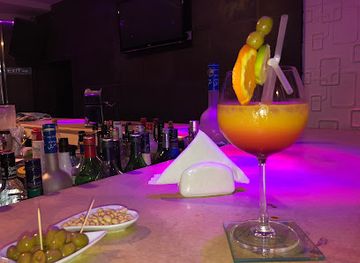
Serrekunda itself is more associated with markets, commerce and residential life than with a concentrated nightlife quarter. After dark, activity extends towards Kololi and the Senegambia strip, where bars, restaurants, live-music venues and clubs serve residents and visitors. Bakau and Fajara offer a more relaxed evening atmosphere, including hotel entertainment, music and coastal venues, while smaller local bars can be found along busy roads and neighbourhood centres. Gambian music styles, including mbalax and other West African sounds, are often part of the evening scene, alongside visiting bands and recorded dance music. Nightlife varies considerably by season and venue, and travellers should arrange a reliable taxi for the return journey, keep valuables discreet and respect local dress and behaviour expectations away from resort settings.
-
Bar
Solomon’s Beach Bar & Restaurant
Experience the vibrant flavors and coastal charm of Solomon’s Beach Bar & Restaurant, a must-visit destination in Serrekunda.
14 min drive · 4.7 km from city centre
-
Bar
Reo's Bar and Restaurant
Experience vibrant nightlife and delicious cuisine at Reo's Bar and Restaurant in Serrekunda, Gambia - a must-visit for every tourist.
15 min drive · 4.9 km from city centre
-
Bar
GT's Bar & Restaurant
Discover the vibrant nightlife of Serrekunda at GT's Bar & Restaurant, where great food and drinks meet a lively atmosphere.
15 min drive · 4.9 km from city centre
-
Bar
Time-Inn
Discover the lively ambiance of Time-Inn, a premier bar in Serrekunda, where you can enjoy refreshing drinks and local culture.
14 min drive · 4.7 km from city centre


Best nightclubs in Serrekunda
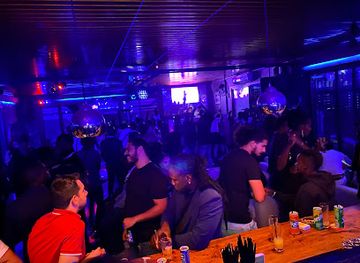
Serrekunda itself is more associated with markets, commerce and residential life than with a concentrated nightlife quarter. After dark, activity extends towards Kololi and the Senegambia strip, where bars, restaurants, live-music venues and clubs serve residents and visitors. Bakau and Fajara offer a more relaxed evening atmosphere, including hotel entertainment, music and coastal venues, while smaller local bars can be found along busy roads and neighbourhood centres. Gambian music styles, including mbalax and other West African sounds, are often part of the evening scene, alongside visiting bands and recorded dance music. Nightlife varies considerably by season and venue, and travellers should arrange a reliable taxi for the return journey, keep valuables discreet and respect local dress and behaviour expectations away from resort settings.
-
Night club
Envy Night Club
Immerse yourself in the vibrant nightlife at Envy Night Club, the premier destination for unforgettable evenings in Serrekunda, The Gambia.
12 min drive · 4.0 km from city centre
-
Night club
Aquarius Nightclub
Dive into the vibrant nightlife at Aquarius Nightclub in Serrekunda, where music, dance, and culture come alive under the Gambian stars.
15 min drive · 4.9 km from city centre
-
Night club
Ningki Nangka Bar & Night Club
Experience the vibrant nightlife at Ningki Nangka Bar & Night Club in Serrekunda, where lively music and delicious drinks await every night.
12 min drive · 4.1 km from city centre
-
Night club
ONYX
Experience the electrifying nightlife at ONYX, Serrekunda's top night club with vibrant music, stylish ambiance, and unforgettable moments.
13 min drive · 4.4 km from city centre


Best shops in Serrekunda
Shopping in Serrekunda centres on the market and the many independent stalls and small shops spread through its neighbourhoods. Visitors can find colourful wax-print fabrics, ready-made clothing, sandals, household goods, spices, fruit and locally traded food products, while bargaining is common for many market items but should be conducted courteously. The market is primarily a place used by residents, making it more practical and less curated than the craft stalls of the coastal tourist districts. For souvenirs and handmade goods, the Senegambia craft market and beach-area stalls in Kololi, Bakau and nearby resorts offer wood carvings, jewellery, woven items, paintings and textiles, though quality and prices vary. Food products should be properly packaged for travel, and wildlife products or items made from protected species should be avoided. Small boutiques and supermarket-style shops provide a more fixed-price alternative.
-
Shopping mall
Tropic Shopping Centre
Experience the vibrant shopping and dining scene at Tropic Shopping Centre, Serrekunda – a perfect blend of local culture and modern retail.
14 min drive · 4.6 km from city centre
-
Shopping mall
The Village Shopping and Dining Centre
Discover shopping and dining at The Village Shopping and Dining Centre in Serrekunda, where vibrant local culture meets modern retail experiences.
14 min drive · 4.5 km from city centre
-
Shopping mall
Mall of Gambia
Experience the vibrant shopping culture at Mall of Gambia, where local flavor meets international brands in a modern setting.
5 min drive · 1.7 km from city centre
-
Souvenir store
TOP-SHOP
Explore authentic Gambian handicrafts and art at TOP-SHOP, the premier souvenir store in Serrekunda.
15 min drive · 5.0 km from city centre


Get your free copy of our complete guide to Serrekunda, delivered straight to you.
Everything on this page, from attractions and restaurants to essentials and local phrases, in one PDF you can read offline, print or share.
Already have an account? Sign in
Your Serrekunda guide is ready.
We'll send it to · Not you? Sign out

Getting your guide ready…
We are putting together a fresh copy of the Serrekunda guide. This can take up to a minute.
This can take a few moments. If your browser asks, choose Allow so the download can start. You'll find the guide in your Downloads folder.
Nothing happened? Download it again
Sorry, the guide is taking longer than usual. Please try again in a minute, or get it by email instead.
Serrekunda essentials
Currency and Payment
Safety
Emergency Situations
Do's and Don'ts
Local Tips
From Eve
Local phrases worth knowing
You don't need to get them perfect. A few words go a long way, and locals appreciate the effort.
Basics
| English | Local | Say it |
|---|---|---|
| Hello | Salam | [sa-lam] |
| Goodbye | Ba beneen | [ba be-neen] |
| Yes | Eewa | [ee-wa] |
| No | Ala | [a-la] |
| Please/You're welcome | Nanga def | [nan-ga def] |
| Thank you | Jerejef | [je-re-jef] |
| Excuse me/Sorry | Sunu borom | [su-nu bo-rom] |
| How are you? | Nanga def? | [nan-ga def?] |
| Fine. And you? | Dama laaj. E jerejef? | [da-ma laaj. e je-re-jef?] |
| Do you speak English? | Nopp dafa Angalees? | [nop dafa an-ga-lees?] |
| I don't understand | Nopp laa japp | [nop laa jap] |
Eating & Drinking
| English | Local | Say it |
|---|---|---|
| I'd like to see the menu, please | Nopp bari menu, nga def | [nop ba-ri me-nu, nga def] |
| I don't eat meat | Noppu dafa neex | [nop-pu dafa neex] |
| Cheers! | Noppi | [nop-pi] |
| I would like to pay, please | Nopp bari la xalis, nga def | [nop ba-ri la xa-lis, nga def] |
Emergencies
| English | Local | Say it |
|---|---|---|
| Help! | Ndank | [n-dank] |
| Go away! | Waxal | [wa-xal] |
| Call the Police! | Dafa nopp Polis | [da-fa nop po-lis] |
| Call a doctor! | Dafa nopp dokter | [da-fa nop dok-ter] |
| I'm lost | Dinaa ko | [di-naa ko] |
| I'm ill | Dinaa yombul | [di-naa yom-bul] |
Shopping
| English | Local | Say it |
|---|---|---|
| I'd like to buy... | Nopp bari jox... | [nop ba-ri jox...] |
| I'm just looking | Noppu laa jox | [nop-pu laa jox] |
| How much is it? | Senega laa? | [se-ne-ga laa?] |
| That's too expensive | Yaa laa def | [yaa laa def] |
| Can you lower the price? | Dafa dem yoon laa? | [da-fa dem yoon laa?] |
Time & Numbers
| English | Local | Say it |
|---|---|---|
| What time is it? | Kii dem la? | [ki dem la?] |
| It's one o'clock | Waa laa wett | [wa la wet] |
| Half past (10) | Noppu baax (10) | [nop-pu bax (10)] |
| Morning | Suba | [su-ba] |
| Afternoon | Waxtan | [wa-xtan] |
| Evening | Leegal | [lee-gal] |
| Yesterday | Naarel | [naa-rel] |
| Today | Noppu juro | [nop-pu ju-ro] |
| Tomorrow | Noppu def | [nop-pu def] |
| 1 | Benn | [ben] |
| 2 | Juj | [juj] |
| 3 | Saaba | [sa-a-ba] |
| 4 | Ndee | [n-dee] |
| 5 | Juroom | [ju-room] |
| 6 | Wet | [wet] |
| 7 | Wook | [wook] |
| 8 | Jolon | [jo-lon] |
| 9 | Jokk | [jokk] |
| 10 | Fukk | [fukk] |
Transport & Directions
| English | Local | Say it |
|---|---|---|
| Where's a/the...? | Suka... | [su-ka...] |
| What's the address? | Suka saa la? | [su-ka saa la?] |
| Can you show me (on the map)? | Dafa nopp jox (sosofol)? | [da-fa nop jox (so-so-fol)?] |
| When's the next (bus)? | Noppu dema (bus)? | [nop-pu de-ma (bus)?] |
| A ticket (to ....) | Jox (to ....) | [jox (to ....)] |
History of Serrekunda
Settlements Along the Kombo Coast
The area now associated with Serrekunda developed from a landscape of villages and farming settlements in Kombo, the coastal region south of the River Gambia. Mandinka communities were especially influential in the region, alongside Wolof, Fula, Jola and other peoples whose movement and intermarriage shaped local society. Livelihoods traditionally combined cultivation, fishing, trade and household production. The settlement pattern was dispersed rather than built around a single monumental foundation, and this helps explain the scale and character of modern Serrekunda, where older village identities remain embedded within a much larger urban area.
Trade and Colonial Reorganisation
British colonial rule centred administrative and commercial power on Bathurst, now Banjul, at the mouth of the River Gambia. The mainland districts of Kombo developed in a different relationship with the colonial capital, supplying food and labour while maintaining their own communities and local trading networks. Roads and transport links gradually encouraged movement between the coast, inland settlements and Bathurst. Serrekunda’s later importance grew from this position outside the island capital: it was close enough to serve the expanding urban economy, yet had ample mainland space for settlement and commerce.
Urban Growth After Independence
Following Gambian independence in 1965, population growth accelerated across the western urban region. Employment, education, commerce and government services drew people towards the expanding settlements around Banjul, while rural-to-urban migration increased the importance of Serrekunda. Roads connecting the capital with the coastal districts reinforced its role as a transport and trading centre. New neighbourhoods spread across the former village landscape, producing the continuous built-up area now commonly described through places such as Dippa Kunda, Latrikunda and Bundung.
The Rise of the Coastal Visitor Economy
From the late twentieth century, tourism expanded along the Atlantic coast in districts including Bakau, Fajara, Kotu and Kololi. Hotels, restaurants, craft markets and entertainment venues created new employment and made Serrekunda an important service centre for visitors, even though many resort facilities lie outside the town itself. This development brought international influences into an already mobile region, while local food, music, textiles and trading practices remained central to everyday life. The resulting urban landscape is a mixture of residential districts, markets, transport corridors and coastal tourism.
A Contemporary Gambian Urban Centre
Today Serrekunda forms part of the Greater Banjul Area and is widely regarded as The Gambia’s largest and busiest urban settlement. Its significance is demographic and economic rather than monumental: the market, transport network, schools, workshops, religious institutions and small businesses serve communities across the western region. The town’s history is therefore visible less in a preserved old quarter than in its layered neighbourhoods, linguistic diversity and continuing role as the meeting point between inland communities, the capital and the Atlantic coast.
Travel experiences inspired by this city

Swipe for more travel diaries
Serrekunda in Photos
Browse through our photo collection highlighting the charm and character of the destination.
Cities near Serrekunda
The closest cities to Serrekunda, if you have time for more than one stop.
-

-

-

-

-


Swipe for more cities
Explore more

Explore more of The Gambia
Discover The Gambia: a treasure trove of cultural richness, stunning beaches, and diverse wildlife. An unforgettable journey awaits you in Africa's Smiling Coast.
Explore The Gambia