

Free Kantora Travel Guide & Mobile App
Explore Kantora with free travel guides. Discover regional history, expert tips, proposed trips, and audio guides on web or mobile app.


Kantora in eastern The Gambia offers river landscapes, savannah, birdlife and a thoughtful introduction to rural Upper River culture.
Read more about Kantora
When is the best time to visit Kantora?
Best: December–February · 30–32°C| Month | High (°C) | Rainfall (mm) |
|---|---|---|
| January (best) | 30 | 0 |
| February (best) | 32 | 0 |
| March | 34 | 0 |
| April | 36 | 1 |
| May | 37 | 5 |
| June | 33 | 13 |
| July | 31 | 50 |
| August | 31 | 70 |
| September | 32 | 50 |
| October | 33 | 20 |
| November | 32 | 5 |
| December (best) | 30 | 0 |
Getting to and around Kantora
How to get there
Transportation
Best attractions in Kantora
Kantora’s attractions are primarily environmental and cultural rather than built for mass tourism. The upper Gambia River landscape, seasonal wetlands, wooded savannah and cultivated fields provide opportunities for quiet observation, birdwatching, photography and guided walks. Wildlife encounters are more likely to involve birds, reptiles, livestock and smaller savannah species than the large mammals associated with major national parks elsewhere in West Africa. Village visits, when arranged through a trusted local contact, can offer insight into farming, food preparation, weaving, music and religious life without turning ordinary communities into staged displays. The district’s rural roads also reveal changing vegetation and settlement patterns between the rainy and dry seasons. Travellers interested in wider Upper River history can use Kantora as part of an overland route through eastern Gambia, while Basse Santa Su in neighbouring Fulladu East serves as a regional service centre rather than an attraction within Kantora. Because formal museums, marked trails and visitor infrastructure are limited, preparation and local interpretation are central to the experience.
-
Tourist attraction
Kachikally Crocodile Pool
Discover the enchanting Kachikally Crocodile Pool in Bakau, where wildlife encounters meet cultural significance in a serene environment.
-
Tourist attraction
Bijilo National Park
Explore the lush landscapes and vibrant wildlife of Bijilo National Park, a haven for nature lovers and adventure seekers in Gambia.
-
Animal park
Bijilo Monkey Park
Explore the vibrant Bijilo Monkey Park in The Gambia, a haven for wildlife enthusiasts and nature lovers, featuring playful monkeys and lush scenery.
-
Tourist attraction
Albert Market
Experience the essence of Gambian culture at Albert Market, a vibrant hub for local crafts, fresh produce, and authentic cuisine in Banjul.



Best landmarks in Kantora
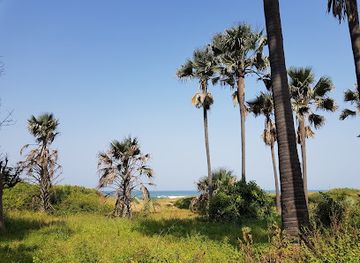
Kantora’s most meaningful landmarks are geographical and communal rather than monumental. The Gambia River system provides the district’s defining reference point, shaping settlement, agriculture, transport and seasonal movement across the Upper River landscape. Rural mosques, village compounds, market spaces and mature trees often serve as recognisable local centres, although their significance is best understood with permission and community interpretation. The district’s broad savannah horizons and wooded river margins are also important visual markers, changing from green and water-rich during the rains to dry grassland in the cool season. There is no concentration of grand colonial buildings, castles or monumental ruins comparable with better-known heritage destinations in The Gambia. Instead, Kantora’s landmarks express the continuity of everyday settlement: footpaths between fields, wells, cultivated river margins and places used for communal prayer or exchange. Visitors should treat these locations as living spaces, not open-air exhibits, and seek guidance before entering compounds, photographing religious buildings or approaching privately managed land.
-
National park
Bijilo National Park
Explore the lush landscapes and vibrant wildlife of Bijilo National Park, a hidden gem for nature lovers in Gambia.
-
River
River Gambie
Discover the tranquil beauty and adventure of River Gambie, a perfect getaway for nature lovers and outdoor enthusiasts seeking unforgettable experiences.
-
Historical landmark
Arch 22
Discover the iconic Arch 22 in Banjul, a stunning historical landmark celebrating Gambia's independence and showcasing breathtaking city views.
-
History museum
Stone Circles of Gambia
Discover the ancient mysteries of the Stone Circles of Gambia, where history and culture come alive in the heart of Wassu.


Explore Kantora on the map
Plan your trip on one map. See where the top cities, national parks and sights are, and book hotels and experiences in a few clicks.
Best hotels in Kantora
Best restaurants in Kantora
Dining in Kantora is centred on home cooking, small local eateries and meals prepared for travellers through accommodation or community contacts rather than a developed restaurant scene. Common Gambian staples include rice served with fish, meat or vegetable sauces, along with millet and maize dishes, beans, cassava, sweet potatoes and seasonal greens. Groundnuts are important in the national food culture and may appear in sauces, snacks and drinks. The Gambia River and inland waterways support regional fish consumption, although availability depends on location and season. Visitors may encounter domoda, a groundnut-based stew, benachin-style one-pot rice and fresh fruit such as mangoes when in season; these dishes belong to the wider Gambian and Senegambian culinary world rather than Kantora alone. Carrying sealed snacks and drinking water is sensible on longer journeys, as roadside food options may be widely spaced. Eat food that is freshly cooked and follow local advice about water.
-
Restaurant
Poco Loco Beachbar Gambia
Discover tropical bliss at Poco Loco Beachbar in Serrekunda - where delicious food meets stunning ocean views.
-
Restaurant
John Raymond'S Beach Bar And Restaurant
Discover culinary delights and stunning ocean views at John Raymond's Beach Bar & Restaurant in Serrekunda.
-
Restaurant
Scala Restaurant
Discover Scala Restaurant in Serrekunda – where Gambian flavors meet exceptional service in a vibrant dining atmosphere.
-
Restaurant
Mo2 Jamaican Bar & Restaurant Gambia (Mosiah's)
Experience authentic Jamaican cuisine at Mo2 Jamaican Bar & Restaurant in Serrekunda - where every dish tells a story.


Best bars in Kantora
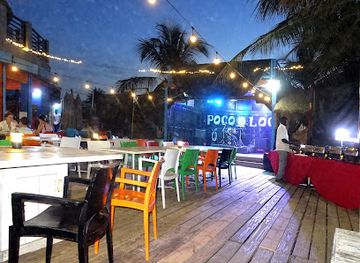
Kantora does not have a large clubbing scene, and evening life is generally organised around family compounds, conversation, community gatherings and small local refreshment places rather than dedicated nightlife venues. In rural settlements, evenings may include tea, music or social visits, while larger service centres elsewhere in Upper River offer a broader choice of informal restaurants and bars. Alcohol is not central to every community’s social life, particularly in predominantly Muslim settings, so visitors should follow local sensitivities and avoid assuming that drinking is expected. Night travel on rural roads is best avoided because of limited lighting, animals, pedestrians and variable road surfaces. For organised music, cultural performances or festival events, rely on local contacts and confirm arrangements in advance rather than expecting a permanent entertainment programme.
-
Restaurant
Poco Loco Beachbar Gambia
Experience the vibrant beach culture of Gambia at Poco Loco Beachbar, where delicious cuisine meets stunning ocean views.
-
Bar
Reo's Bar and Restaurant
Discover the vibrant atmosphere and delectable cuisine at Reo's Bar and Restaurant in the heart of Serrekunda, a must-visit spot for every traveler.
-
Steak
Rendezvous Grill Steak house and Cafe
Experience the rich flavors of Gambia at Rendezvous Grill Steakhouse and Cafe, where every meal is a celebration of taste and hospitality.
-
Restaurant
Justice Bar & Restaurant
Experience the vibrant culinary scene at Justice Bar & Restaurant in Serrekunda, where local flavors meet international cuisine.


Best nightclubs in Kantora
Kantora does not have a large clubbing scene, and evening life is generally organised around family compounds, conversation, community gatherings and small local refreshment places rather than dedicated nightlife venues. In rural settlements, evenings may include tea, music or social visits, while larger service centres elsewhere in Upper River offer a broader choice of informal restaurants and bars. Alcohol is not central to every community’s social life, particularly in predominantly Muslim settings, so visitors should follow local sensitivities and avoid assuming that drinking is expected. Night travel on rural roads is best avoided because of limited lighting, animals, pedestrians and variable road surfaces. For organised music, cultural performances or festival events, rely on local contacts and confirm arrangements in advance rather than expecting a permanent entertainment programme.
-
Night club
Envy Night Club
Discover the electrifying nightlife at Envy Night Club in Serrekunda, where great music and vibrant atmosphere await every night.
-
Night club
Aquarius Nightclub
Dive into Serrekunda's nightlife at Aquarius Nightclub, where vibrant music and a lively atmosphere create unforgettable memories.
-
Night club
Ningki Nangka Bar & Night Club
Experience the vibrant nightlife of Serrekunda at Ningki Nangka Bar & Night Club, where captivating music and exciting ambiance await you.
-
Night club
ONYX
Discover the vibrant nightlife at ONYX Night Club in Serrekunda – a top spot for great drinks and unforgettable dance experiences.

Best shops in Kantora
Shopping in Kantora is local and practical, with small shops, roadside stalls and periodic markets supplying food, household goods, clothing and transport essentials. Visitors may find seasonal produce, groundnuts, millet, fruit, woven items and simple handmade goods, but stock and market days vary between settlements. The strongest souvenirs are usually regional rather than exclusive to Kantora: locally produced groundnuts, dried foods, fabric, baskets or modest craft items bought directly and fairly from makers. Carry cash in small dalasi denominations, as card payments are unlikely outside formal businesses. Bargaining may be part of informal market exchange, but it should remain courteous and proportionate, particularly where a craft represents substantial labour. Avoid buying archaeological objects, wildlife products or items made from protected species. Larger selections of clothing, medicines and specialist supplies are more likely in Basse Santa Su, outside Kantora, or in the western urban areas of The Gambia.
-
Grocery store
Juwey
Experience the authentic flavors of Suduwol at Juwey Grocery Store, your gateway to local produce and culinary treasures.
-
Grocery store
Hagie Kancholle Shop
Experience local flavors and unique products at Hagie Kancholle Shop in Suduwol, a must-visit grocery store for every traveler.
-
Home goods store
SANKAREH KUNDA
Discover unique home goods and local craftsmanship at Sankareh Kunda, a charming store in Garawoll, Gambia.
-
Bakery
Bollería de Clara
Experience the delightful tastes of Kambelleh at Bollería de Clara, a beloved bakery known for its fresh pastries and local specialties.


Get your free copy of our complete guide to Kantora, delivered straight to you.
Everything on this page, from attractions and restaurants to essentials and local phrases, in one PDF you can read offline, print or share.
Already have an account? Sign in
Your Kantora guide is ready.
We'll send it to · Not you? Sign out

Getting your guide ready…
We are putting together a fresh copy of the Kantora guide. This can take up to a minute.
This can take a few moments. If your browser asks, choose Allow so the download can start. You'll find the guide in your Downloads folder.
Nothing happened? Download it again
Sorry, the guide is taking longer than usual. Please try again in a minute, or get it by email instead.
Kantora essentials
Currency and Payment
Safety
Emergency Situations
Do's and Don'ts
Local Tips
From Eve
Local phrases worth knowing
You don't need to get them perfect. A few words go a long way, and locals appreciate the effort.
Basics
| English | Local | Say it |
|---|---|---|
| Hello | Naka | [Nah-kah] |
| Goodbye | Faatu | [Fah-too] |
| Yes | Aye | [Eye] |
| No | Naa | [Nah] |
| Please/You're welcome | Jaraama | [Jah-rah-mah] |
| Thank you | Jaraama | [Jah-rah-mah] |
| Excuse me/Sorry | Mbaa | [Mbah] |
| How are you? | Naka ne? | [Nah-kah nay?] |
| Fine. And you? | Maa, nane? | [Mah, nah-neh?] |
| Do you speak English? | Alaa jaang e English? | [Ah-lah jahng eh English?] |
| I don't understand | Mbaa jaang | [Mbah jahng] |
Eating & Drinking
| English | Local | Say it |
|---|---|---|
| I'd like to see the menu, please | Alaa jaraama, mi yidi see menu | [Ah-lah jah-rah-mah, mee yee-dee see menu] |
| I don't eat meat | Mbaa mi nyiiri nyama | [Mbah mee nyee-ree nyah-mah] |
| Cheers! | Faal! | [Fahl] |
| I would like to pay, please | Alaa jaraama, mi yidi pay | [Ah-lah jah-rah-mah, mee yee-dee pay] |
Emergencies
| English | Local | Say it |
|---|---|---|
| Help! | Naa jooɗi! | [Nah joo-dee!] |
| Go away! | Boori! | [Boh-ree!] |
| Call the Police! | Naatu Police! | [Nah-too Police!] |
| Call a doctor! | Naatu dookita! | [Nah-too doh-kee-tah!] |
| I'm lost | Mi jooɗi | [Mee joo-dee] |
| I'm ill | Mi nyaa | [Mee nyah] |
Shopping
| English | Local | Say it |
|---|---|---|
| I'd like to buy... | Alaa yidi buy... | [Ah-lah yee-dee buy...] |
| I'm just looking | Mi jooɗi | [Mee joo-dee] |
| How much is it? | Naka kadi? | [Nah-kah kah-dee?] |
| That's too expensive | Oye kadi jooɗi | [Oh-yeh kah-dee joo-dee] |
| Can you lower the price? | Alaa jooɗi kadi? | [Ah-lah joo-dee kah-dee?] |
Time & Numbers
| English | Local | Say it |
|---|---|---|
| What time is it? | Naka sa'a? | [Nah-kah sah-ah?] |
| It's one o'clock | Kadi sa'a koto | [Kah-dee sah-ah koh-toh] |
| Half past (10) | Sa'a gite (10) | [Sah-ah gee-tay (10)] |
| Morning | Jana | [Jah-nah] |
| Afternoon | Boori | [Boh-ree] |
| Evening | Dendi | [Den-dee] |
| Yesterday | Ndaana | [N-dah-nah] |
| Today | Naa | [Nah] |
| Tomorrow | Jana kadi | [Jah-nah kah-dee] |
| 1 | Koto | [Koh-toh] |
| 2 | Doo | [Doo] |
| 3 | Tati | [Tah-tee] |
| 4 | Nayi | [Nah-yee] |
| 5 | Jowi | [Joh-wee] |
| 6 | Nayi jowi | [Nah-yee joh-wee] |
| 7 | Nayi tati | [Nah-yee tah-tee] |
| 8 | Nayi doo | [Nah-yee doo] |
| 9 | Nayi koto | [Nah-yee koh-toh] |
| 10 | Nayi jowi | [Nah-yee joh-wee] |
Transport & Directions
| English | Local | Say it |
|---|---|---|
| Where's a/the...? | Naka ...? | [Nah-kah ...?] |
| What's the address? | Naka adrees? | [Nah-kah ah-drees?] |
| Can you show me (on the map)? | Alaa jooɗi mi (kon map)? | [Ah-lah joo-dee mee (kon map)?] |
| When's the next (bus)? | Naka sa'a (bus) kadi? | [Nah-kah sah-ah (bus) kah-dee?] |
| A ticket (to ....) | Kadi ticket (to ....) | [Kah-dee ticket (to ....)] |
History of Kantora
Early settlement and the Upper Gambia landscape
The Upper Gambia region has been occupied and cultivated for many centuries. Communities adapted to the river, seasonal wetlands, wooded savannah and fertile pockets of farmland, developing settlements connected by local exchange and movement along the waterway. Archaeological remains are less widely presented to visitors here than in some better-known parts of West Africa, but the region’s long history is visible in settlement patterns, farming traditions and the survival of oral accounts linking families and communities to older migrations.
Kaabu and Mandinka political influence
For much of the precolonial period, eastern Gambia formed part of a wider Mandinka-speaking political and commercial world associated with Kaabu, a successor state of the Mali imperial sphere. Authority was distributed through rulers, local leaders and lineage networks rather than through modern administrative borders. Trade, farming and the movement of people connected the upper river corridor with territories now lying in Senegal and Guinea-Bissau. Kantora’s contemporary cultural landscape retains elements of this Mandinka historical inheritance.
Islam, scholarship and regional exchange
Islam spread gradually through the Senegambian interior through merchants, scholars, clerics and established family networks. In Upper Gambia, Islamic practice developed alongside older social structures and agricultural traditions rather than replacing them overnight. Religious teachers and settlements helped connect rural communities with wider intellectual and commercial networks. Today, mosques, Quranic learning and Islamic festivals form an important part of social life across Kantora, although local traditions and community identities remain varied.
Nineteenth-century political change
The nineteenth century brought intensified political competition, population movement and religious change across the Upper Gambia region. States and local authorities negotiated, competed and sometimes fought over land, trade routes and allegiance, while the influence of Muslim reform movements grew in parts of the wider Senegambian interior. These developments affected communities on both sides of the modern border. The present district boundaries are much more recent than the cultural and trading relationships that shaped the region.
British colonial administration and the protectorate
Britain consolidated control over the Gambia River corridor during the colonial period, administering much of the interior as a protectorate while the river served as the principal route for officials, traders and goods. Colonial administration introduced new boundaries and systems of taxation, justice and labour, often overlaying older local authorities. Groundnut cultivation and river transport became increasingly important to the colonial economy, linking rural producers with trading centres downstream and overseas markets.
Independence and contemporary rural transformation
The Gambia became independent in 1965, and the Upper River region continued to be shaped by agriculture, migration, changing roads and improved connections to national markets. Groundnuts remain historically important, alongside millet, sorghum, maize, rice, livestock and small-scale trade. Seasonal rainfall, transport costs and access to services continue to influence rural livelihoods. Kantora’s modern identity therefore combines long-standing community structures with the practical pressures of a changing agricultural and national economy.
Neighbouring regions of Kantora
The closest regions to Kantora, if you have time for more than one.
-

-

-
-

-


Swipe for more regions
Explore more

Explore more of The Gambia
Discover The Gambia: a treasure trove of cultural richness, stunning beaches, and diverse wildlife. An unforgettable journey awaits you in Africa's Smiling Coast.
Explore The Gambia