

Free Liquiçá Travel Guide & Mobile App
Explore Liquiçá with free travel guides. Discover regional history, expert tips, proposed trips, and audio guides on web or mobile app.


Liquiçá, Timor-Leste, combines Ombai Strait coastlines, Maubara’s colonial heritage, rural villages and coffee-growing hills near Dili.
Read more about Liquiçá
When is the best time to visit Liquiçá?
Best: June–August · 29–30°C| Month | High (°C) | Rainfall (mm) |
|---|---|---|
| January | 31 | 150 |
| February | 31 | 150 |
| March | 31 | 150 |
| April | 31 | 150 |
| May | 30 | 100 |
| June (best) | 30 | 100 |
| July (best) | 29 | 100 |
| August (best) | 29 | 100 |
| September | 30 | 100 |
| October | 30 | 150 |
| November | 31 | 150 |
| December | 31 | 150 |
Getting to and around Liquiçá
How to get there
Transportation
Top city travel guides in Liquiçá
The cities of Liquiçá, and the easiest places to base yourself.
-

-


Swipe for more cities
Best attractions in Liquiçá
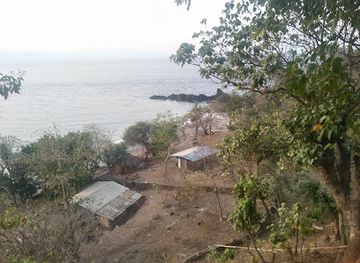
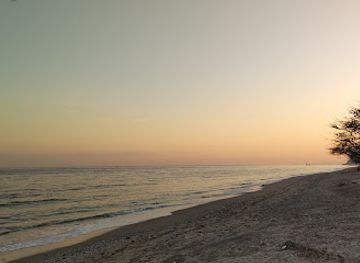
Liquiçá’s attractions are distributed across a coastal and rural landscape rather than concentrated in a formal tourism district. Maubara is the principal heritage stop, combining its old fort with a historic church, shoreline views and a lagoon environment that gives the settlement a distinct character. Liquiçá town provides further insight into the municipality’s colonial and post-independence history, while inland routes lead through farming villages, cultivated slopes and coffee-growing areas. The coast offers opportunities for quiet walks, landscape photography and observation of fishing activity, although facilities, shade and safety supervision are limited. Travellers interested in contemporary Timor-Leste should approach sites connected with the 1999 violence through local historical context and respectful interpretation. Rural excursions are most rewarding with a driver or guide who knows secondary roads and can introduce community perspectives. The municipality is not a conventional resort destination: its appeal comes from combining a historic road journey with changing views between the Ombai Strait, lowland settlements and the hills behind them.
-
National reserve
Tibalau Maubara
Experience the tranquility and natural beauty of Tibalau Maubara, a national reserve in Timor-Leste, perfect for nature lovers and cultural explorers.
-
Tourist attraction
Pousada de Maubara
Explore the serene beauty and rich culture of Pousada de Maubara—your gateway to East Timor's hidden treasures.
-
Tourist attraction
Sandy Bottom
Explore the stunning underwater wonders and tranquil beauty of Sandy Bottom, a must-visit tourist attraction in Mauluto, Timor-Leste.
-
Tourist attraction
Lalimlau (Highest Mountain in Ermera Municipality)
Discover the breathtaking heights of Lalimlau, the highest mountain in Ermera Municipality, where adventure meets stunning natural beauty in Timor-Leste.
Best landmarks in Liquiçá
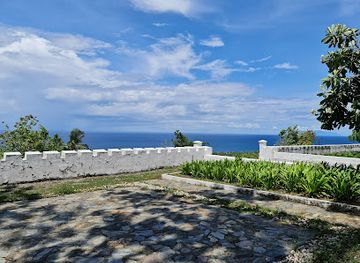
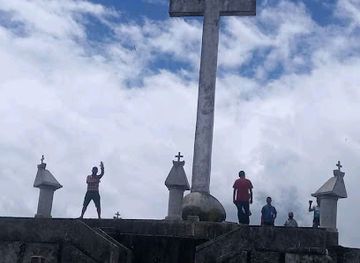
Maubara Fort is Liquiçá’s most recognisable built landmark, a weathered coastal defensive structure that reflects the rivalry among Portuguese, Dutch and Timorese powers and the strategic importance of the western approaches to Dili. The historic church at Maubara adds another layer of the Portuguese and Catholic presence, while the surrounding settlement shows how colonial buildings coexist with contemporary Timorese life. Liquiçá town’s churches, civic buildings and roadside memorial places are less monumental but important for understanding the municipality’s recent history. Along the coast, the Ombai Strait, tidal flats and the Maubara lagoon form natural landmarks whose appearance changes with light, season and tide. Inland hills and coffee-growing slopes provide the region’s broadest geographical markers, linking the coastal plain with the highland communities behind it. These places are best approached as a connected historical landscape rather than as isolated photo opportunities.
-
Sculpture
Cristo Rei of Dili
Explore the breathtaking Cristo Rei of Dili, a towering symbol of faith and freedom, offering stunning views and a deep connection to East Timor's culture.
-
History museum
Timorese Resistance Archive & Museum
Explore the Timorese Resistance Archive & Museum in Dili for an in-depth look at the history and resilience of Timor-Leste's struggle for independence.
-
Hotel
Balibo Fort Hotel
Explore Timor Leste's rich history at Balibo Fort Hotel, a unique blend of heritage, culture, and modern comfort in the heart of Balibo District.
-
Traditional market
Tais Market
Discover the heart of Dili at Tais Market, your gateway to Timorese culture, crafts, and culinary delights.

Explore Liquiçá on the map
Plan your trip on one map. See where the top cities, national parks and sights are, and book hotels and experiences in a few clicks.
Best hotels in Liquiçá
Best restaurants in Liquiçá
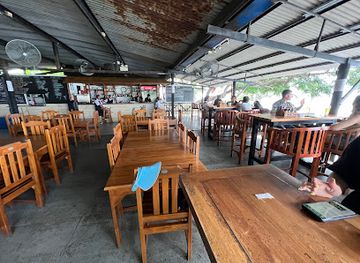
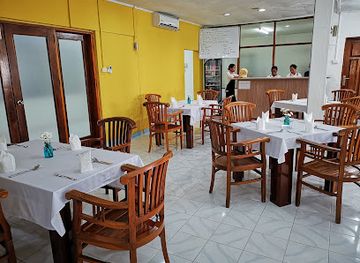
Dining in Liquiçá is predominantly informal and local, with small roadside eateries, market-style food stalls and family cooking rather than a large choice of dedicated tourist restaurants. Rice is a staple, commonly served with vegetables, beans, egg, chicken, pork or fish when available; grilled and fried preparations are practical choices on the coast. Seasonal fruit and locally grown vegetables may appear in markets and home kitchens, while coffee from Timor-Leste’s upland growing areas is widely appreciated. Maubara and Liquiçá town offer the best chance of finding simple meals, but travellers should not expect consistent menus or late opening. Carrying water and a modest snack supply is sensible for inland drives. Meals arranged through a guesthouse, community project or local guide can provide a more direct connection with regional produce and household cooking than a hurried roadside stop.
-
Restaurant
Caz Bar
Discover culinary excellence at Caz Bar in Dili - where local flavors meet international cuisine in a vibrant atmosphere.
-
Restaurant
Castaway Bar and Restaurant
Experience the best of Timorese cuisine at Castaway Bar and Restaurant in Dili - where flavor meets hospitality.
-
Restaurant
Pro-Ema Restaurant School
Discover authentic Timorese cuisine while supporting women's empowerment at Dili's Pro-Ema Restaurant School.
-
Restaurant
Dilicious Timor
Experience the vibrant flavors of Timor-Leste at Dilicious Timor in Dili, where local cuisine meets international flair.
Best bars in Liquiçá
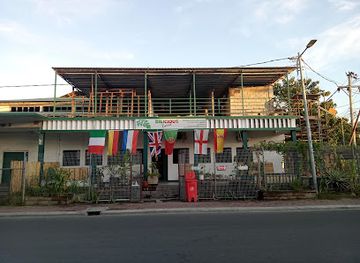
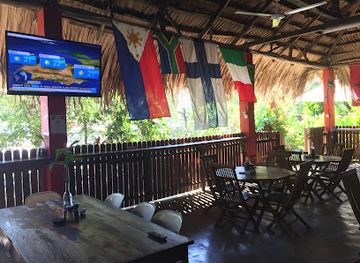
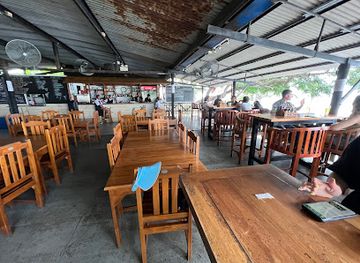
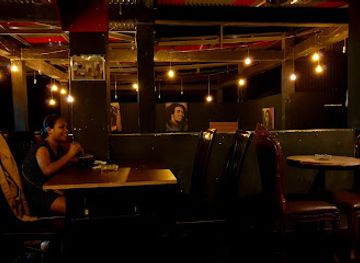
Liquiçá does not have a major nightclub district, and evening life is generally quieter and more community-based than in Dili. Small local bars, roadside kiosks and simple eateries provide places for conversation, while some accommodation venues may serve beer, soft drinks or coffee. In rural areas, people often return home after work and travel rather than gathering in a concentrated entertainment quarter. Visitors should avoid loud behaviour near churches, homes and memorial sites, and should arrange transport before drinking because late-night public transport is limited. The most rewarding evening experiences are often an early meal, a conversation with a local host or a sunset view along the coast rather than a formal nightlife itinerary.
-
Restaurant
Caz Bar
Discover the vibrant flavors of Dili at Caz Bar, a premier restaurant serving authentic Timorese cuisine and international delights.
-
Bar
Castaway Bar and Restaurant
Experience the vibrant atmosphere, delicious cuisine, and stunning ocean views at Castaway Bar and Restaurant in Dili, Timor-Leste.
-
 Bar
BarDaTerra hostel and snack bar
Experience the vibrant charm of DaTerra Hostel and Snack Bar in Dili, where local culture meets comfort and delicious cuisine.
-
Restaurant
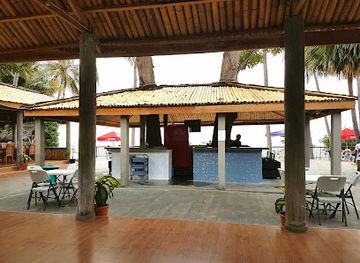
Lauhata Beach Escape
Experience the serene charm of Lauhata Beach Escape, where stunning ocean views and delightful local cuisine create unforgettable memories.
Best nightclubs in Liquiçá
Liquiçá does not have a major nightclub district, and evening life is generally quieter and more community-based than in Dili. Small local bars, roadside kiosks and simple eateries provide places for conversation, while some accommodation venues may serve beer, soft drinks or coffee. In rural areas, people often return home after work and travel rather than gathering in a concentrated entertainment quarter. Visitors should avoid loud behaviour near churches, homes and memorial sites, and should arrange transport before drinking because late-night public transport is limited. The most rewarding evening experiences are often an early meal, a conversation with a local host or a sunset view along the coast rather than a formal nightlife itinerary.
-
Restaurant
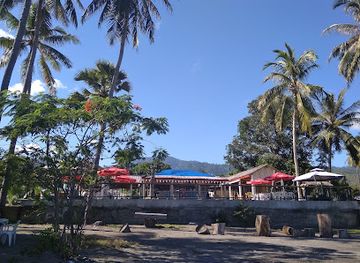
Lauhata Beach Escape
Experience the best of local flavors at Lauhata Beach Escape, a serene dining destination with stunning ocean views in Liquica.
-
Bar
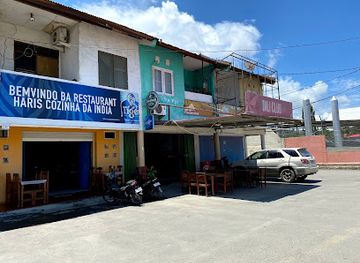
Dili Club and Pizza
Experience the vibrant atmosphere and delectable Italian cuisine at Dili Club and Pizza, the perfect spot for a memorable dining experience in Díli.
-
Bar
Black Box Cafe and Bar
Discover the vibrant atmosphere of Black Box Cafe and Bar in Dili, where locals and tourists come together for great drinks and unforgettable experiences.
-
Bar
Tower Cafe & Bar
Discover the vibrant atmosphere and stunning views at Tower Cafe & Bar in Dili, your gateway to relaxation and local culture.
Best shops in Liquiçá
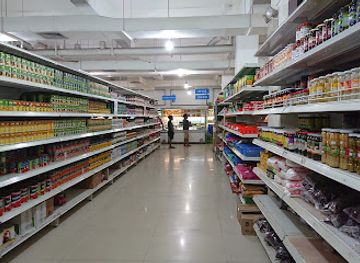
Shopping in Liquiçá is practical and local, centred on small shops, roadside stalls and markets rather than large retail centres. Visitors may find seasonal fruit, vegetables, rice, household goods and snacks in Liquiçá town and Maubara, while rural stalls often reflect what is locally available that day. Coffee is the most natural regional purchase, although quality, packaging and availability vary, so buy from a reputable producer or community initiative when possible. Timorese woven textiles, known as tais, are made across the country and may be available through local sellers, but designs and production should be discussed respectfully and prices agreed clearly before purchase. For a wider selection of crafts, books, imported goods and banking services, Dili is the more reliable shopping base. Carry small US dollar notes because rural sellers may not have change or card facilities.
-
Shopping mall
Timor Plaza
Experience Dili's premier shopping destination at Timor Plaza, where local culture meets modern retail in a vibrant atmosphere.
-
Gift shop
Oil Paintings For Sale
Explore stunning oil paintings and unique Timorese gifts at this vibrant art gallery in Dili, immersing yourself in local culture and creativity.
-
Supermarket
Lita Store
Explore Lita Store in Dili for a unique shopping experience filled with local flavors and essentials at affordable prices.
-
Grocery store
Qulina Supermarket
Discover local flavors and essentials at Qulina Supermarket, your gateway to East Timor's culinary delights.

Get your free copy of our complete guide to Liquiçá, delivered straight to you.
Everything on this page, from attractions and restaurants to essentials and local phrases, in one PDF you can read offline, print or share.
Already have an account? Sign in
Your Liquiçá guide is ready.
We'll send it to · Not you? Sign out

Getting your guide ready…
We are putting together a fresh copy of the Liquiçá guide. This can take up to a minute.
This can take a few moments. If your browser asks, choose Allow so the download can start. You'll find the guide in your Downloads folder.
Nothing happened? Download it again
Sorry, the guide is taking longer than usual. Please try again in a minute, or get it by email instead.
Liquiçá essentials
Currency and Payment
Safety
Emergency Situations
Do's and Don'ts
Local Tips
From Eve
Local phrases worth knowing
You don't need to get them perfect. A few words go a long way, and locals appreciate the effort.
Basics
| English | Local | Say it |
|---|---|---|
| Hello | Olá | [oh-lah] |
| Goodbye | Adeus | [ah-deh-oos] |
| Yes | Sim | [seem] |
| No | Não | [now] |
| Please/You’re welcome | Por favor | [por fah-vor] |
| Thank you | Obrigado | [oh-bree-gah-doo] |
| Excuse me/Sorry | Desculpe | [des-kool-peh] |
| How are you? | Como você está? | [koh-moo vo-seh es-tah] |
| Fine. And you? | Bem. E você? | [bang. eh vo-seh] |
| Do you speak English? | Você fala inglês? | [vo-seh fah-lah in-glez] |
| I don't understand | Eu não entendo | [eh-ooh now en-ten-doo] |
Eating & Drinking
| English | Local | Say it |
|---|---|---|
| I’d like to see the menu, please | Quero ver o menu, por favor | [keh-roh vehr o meh-noo, por fah-vor] |
| I don't eat meat | Eu não como carne | [eh-ooh now koh-moo kar-nee] |
| Cheers! | Saúde! | [sah-oo-deh] |
| I would like to pay, please | Quero pagar, por favor | [keh-roh pah-gar, por fah-vor] |
Emergencies
| English | Local | Say it |
|---|---|---|
| Help! | Ajuda! | [ah-zhoo-dah] |
| Go away! | Vá embora! | [vah em-boh-rah] |
| Call the Police! | Chame a polícia! | [sha-meh ah poh-lee-siah] |
| Call a doctor! | Chame um médico! | [sha-meh oom meh-jee-koh] |
| I’m lost | Estou perdido | [es-toh pair-dee-doo] |
| I’m ill | Estou doente | [es-toh do-ehn-teh] |
Shopping
| English | Local | Say it |
|---|---|---|
| I’d like to buy... | Quero comprar... | [keh-roh kom-prahr...] |
| I’m just looking | Estou apenas olhando | [es-toh ah-peh-nas oh-lhan-doo] |
| How much is it? | Quanto custa? | [kwahn-toh koos-tah] |
| That’s too expensive | Isso é muito caro | [ee-soo eh mwee-toh kah-roo] |
| Can you lower the price? | Você pode baixar o preço? | [vo-seh poh-jee bye-shar o preh-soo] |
Time & Numbers
| English | Local | Say it |
|---|---|---|
| What time is it? | Que horas são? | [keh oh-ras sow] |
| It’s one o'clock | É uma hora | [eh oo-mah oh-rah] |
| Half past (10) | Dez e meia | [dehz eh meh-yah] |
| Morning | Manhã | [mahn-yah] |
| Afternoon | Tarde | [tar-deh] |
| Evening | Noite | [noy-teh] |
| Yesterday | Ontem | [on-tem] |
| Today | Hoje | [oh-zheh] |
| Tomorrow | Amanhã | [ah-mahn-yah] |
| 1 | Um | [oom] |
| 2 | Dois | [doyz] |
| 3 | Três | [trehz] |
| 4 | Quatro | [kwah-troh] |
| 5 | Cinco | [seen-koh] |
| 6 | Seis | [sayz] |
| 7 | Sete | [seh-teh] |
| 8 | Oito | [oy-toh] |
| 9 | Nove | [noh-veh] |
| 10 | Dez | [dehz] |
Transport & Directions
| English | Local | Say it |
|---|---|---|
| Where's a/the...? | Onde fica um/a...? | [on-deh fee-kah oom/ah] |
| What’s the address? | Qual é o endereço? | [kwahl eh oo en-deh-reh-soo] |
| Can you show me (on the map)? | Você pode me mostrar (no mapa)? | [vo-seh poh-jee meh mohs-trar (noh mah-pah)] |
| When’s the next (bus)? | Quando é o próximo (ônibus)? | [kwahn-doo eh oo proh-see-mo (oh-nee-boos)] |
| A ticket (to ....) | Um bilhete (para....) | [oom bee-lyeh-chee (pah-rah....)] |
History of Liquiçá
Early Settlement and Timorese Communities
Long before European rule, the Liquiçá area was inhabited by Timorese communities organised through local customary authorities, cultivated fields and networks linking the coast with the highlands. Settlement patterns reflected access to water, fertile ground, forests and routes across the island’s steep terrain. As elsewhere in Timor, social and political life was shaped by customary obligations and relationships among local polities. These older structures did not disappear under colonial rule; they continued to influence land, authority and community identity.
Portuguese and Dutch Rivalry on the Coast
Liquiçá’s coastal position placed it within the long contest between Portuguese and Dutch influence in Timor. Maubara in particular became associated with shifting colonial alliances and Dutch involvement before being brought into the Portuguese sphere in the nineteenth century. The fort at Maubara remains the clearest physical reminder of this period. European control was never simply imposed over an empty landscape: it depended on negotiations, alliances and conflicts with Timorese rulers and communities.
Portuguese Colonial Administration
During the later Portuguese period, Liquiçá developed as a coastal administrative and agricultural area connected to Dili and settlements farther west. Catholic institutions, colonial offices, roads and plantations altered the landscape, while local communities continued farming and maintaining customary relationships. Coffee became increasingly important in Timor’s export economy, particularly in upland districts where altitude and climate suited cultivation. Surviving churches, administrative traces and colonial buildings should be read alongside the continuing Timorese character of local villages.
Japanese Occupation, 1942–1945
The Japanese occupation of Portuguese Timor during the Second World War brought military control, forced labour, shortages and severe disruption to civilian life. Liquiçá, like other parts of the territory, was affected by the conflict between Japanese forces and Allied-backed Australian commandos, as well as by reprisals and the movement of displaced communities. The occupation damaged the already limited colonial infrastructure and left memories that remain part of Timor-Leste’s twentieth-century history.
Indonesian Occupation, 1975–1999
After Indonesia invaded and incorporated East Timor in 1975, Liquiçá was administered within the Indonesian state for nearly a quarter of a century. The period brought military control, displacement, human-rights abuses and profound changes to political and social life. Roads, schools and administrative services were expanded in some areas, but development occurred under occupation and alongside coercion. The region’s later history cannot be understood without recognising the losses and divisions experienced by its communities.
The 1999 Referendum and Independence
The 1999 United Nations-sponsored consultation on independence was followed by widespread violence across East Timor, including serious attacks in Liquiçá. The violence displaced residents and destroyed homes and public buildings, leaving a lasting local memory. An international transitional administration followed, and Timor-Leste became independent in 2002. Since then, Liquiçá has been part of the independent republic’s effort to rebuild infrastructure, strengthen local government and develop agriculture, tourism and community-based livelihoods.
Liquiçá in Photos
Browse through our photo collection highlighting the charm and character of the destination.
Neighbouring regions of Liquiçá
The closest regions to Liquiçá, if you have time for more than one.
-

-

-

-

-


Swipe for more regions
Explore more

Explore more of Timor-Leste
Discover Timor-Leste, a captivating blend of history, culture, and natural beauty in Southeast Asia, boasting pristine beaches, vibrant marine life, and lush landscapes.
Explore Timor-Leste