

Free Oecusse Travel Guide & Mobile App
Explore Oecusse with free travel guides. Discover regional history, expert tips, proposed trips, and audio guides on web or mobile app.


Explore Oecusse in Timor-Leste for Portuguese history, quiet beaches, mountain roads, village life and the distinctive landscapes of an enclave.
Read more about Oecusse
When is the best time to visit Oecusse?
Best: June–August · 28°C| Month | High (°C) | Rainfall (mm) |
|---|---|---|
| January | 28 | 150 |
| February | 29 | 140 |
| March | 29 | 130 |
| April | 29 | 110 |
| May | 29 | 90 |
| June (best) | 28 | 70 |
| July (best) | 28 | 60 |
| August (best) | 28 | 60 |
| September | 28 | 70 |
| October | 29 | 90 |
| November | 29 | 110 |
| December | 29 | 130 |
Getting to and around Oecusse
How to get there
Transportation
Best attractions in Oecusse
Oecusse’s attractions are spread across a broad, mostly rural municipality rather than concentrated in a single visitor district. Pante Macassar provides the main base for exploring the coast, local markets and the surrounding lowlands, while Lifau offers the region’s most important historical association as the site of the early Portuguese foothold on Timor. The nearby coastline is suited to quiet beach visits, fishing-community encounters and long views across the Timor Sea, although facilities and formal visitor services are limited. Inland, journeys towards Tono reveal cultivated valleys, dry hills and the Tono Dam, a major piece of modern infrastructure connected with the region’s development plans. Oesilo and other upland areas provide a greener contrast to the hot coastal plain, with winding roads and village landscapes rather than a fully marked hiking network. Small churches, customary sites and rural settlements are significant cultural points of interest, but should be visited respectfully and, where appropriate, with local permission. Oecusse is not a destination built around numerous ticketed attractions; its appeal lies in combining history, coastal scenery, agricultural landscapes and the experience of travelling through a geographically unusual part of Timor-Leste.
-
Historical landmark
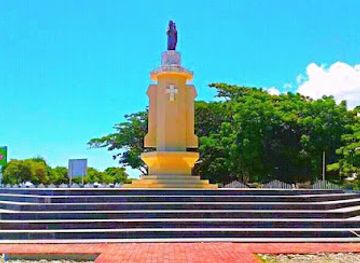
Statue of Our Lady
Explore the Statue of Our Lady in Pante Macassar, a historic landmark that offers stunning views and a glimpse into the rich cultural heritage of East Timor.
-
Tourist attraction
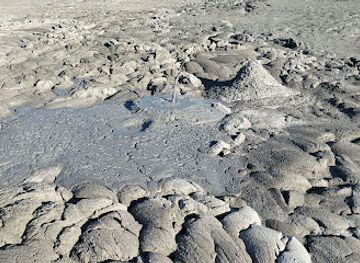
Poto Mud Vulcanoes
Experience the captivating Poto Mud Vulcanoes in Nitibe, Timor-Leste, where nature's geothermal wonders create a mesmerizing landscape.
-
Tourist attraction
Lifau Reef
Discover the breathtaking beauty of Lifau Reef in Pante Macassar, a top destination for snorkeling, diving, and enjoying serene coastal views.
-
Tourist attraction
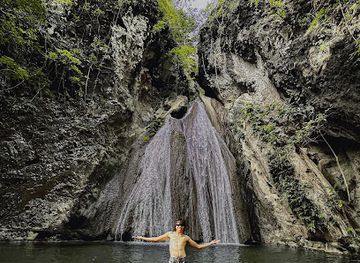
Nu Ba’u, Oecusse, Timor-Leste
Explore the natural beauty and rich cultural heritage of Nu Ba'u in Oecusse, Timor-Leste, a hidden gem for adventurous travelers seeking authentic experiences.

Best landmarks in Oecusse
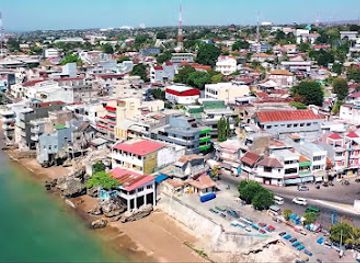
Lifau is Oecusse’s defining historical landmark, associated with the Portuguese arrival and the establishment of the first enduring Portuguese base on Timor. Its importance is political and historical as much as architectural, since relatively little remains of the original colonial settlement in a fully preserved form. Pante Macassar’s waterfront and civic centre provide the clearest built expression of the municipality’s contemporary role, combining administrative buildings, local commerce and access to the coast. Inland, the Tono Dam is a prominent modern landmark whose scale contrasts with the surrounding rural valleys and reflects the government’s long-term development ambitions for the enclave. The mountain and border landscapes around Oesilo are geographical landmarks rather than formal monuments, with dry slopes, cultivated land and winding roads illustrating Oecusse’s separation from the rest of Timor-Leste. Village churches and Catholic sites also punctuate the landscape, but their importance is often tied to local communities and worship rather than monumental architecture. Visitors should ask before entering or photographing religious and customary places.
-
Island
Timor
Explore Timor Island: A Hidden Gem in East Nusa Tenggara, Indonesia, with Stunning Landscapes, Rich Culture, and Warm Hospitality.
-
Sculpture
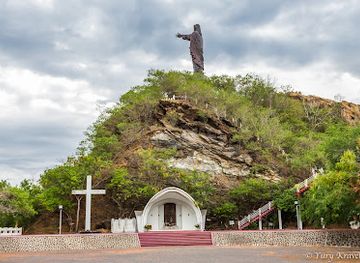
Cristo Rei of Dili
Experience the breathtaking views and profound history at Cristo Rei of Dili, a monumental statue of faith and freedom in Timor-Leste.
-
Hotel
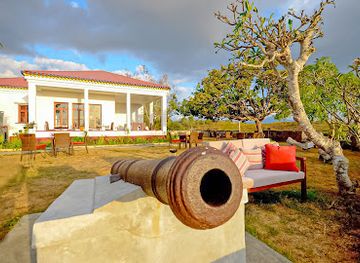
Balibo Fort Hotel
Experience the fusion of history and luxury at Balibo Fort Hotel, a cultural landmark in Timor-Leste inviting travelers to explore its rich heritage.
-
Traditional market
Tais Market
Explore Dili's Tais Market, a vibrant hub of culture, crafts, and flavors in Timor-Leste, where tradition meets a lively shopping experience.
Explore Oecusse on the map
Plan your trip on one map. See where the top cities, national parks and sights are, and book hotels and experiences in a few clicks.
Best hotels in Oecusse
Best restaurants in Oecusse
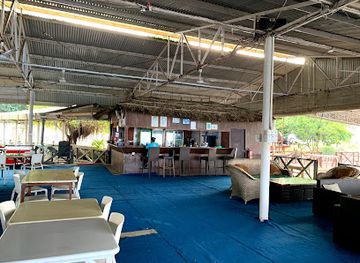
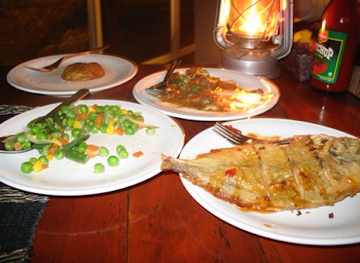
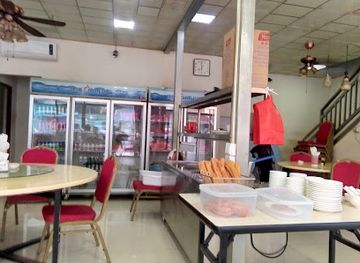
Dining in Oecusse is informal and closely connected to local markets, household cooking and small roadside stalls. In Pante Macassar, visitors can usually find simple meals based on rice, noodles, vegetables, eggs, chicken or fish, with availability changing according to supplies and the fishing catch. Timorese flavours commonly draw on chilli, garlic, shallots, tamarind and other locally available ingredients, while Indonesian culinary influence is also evident because of the region’s geography and history. Fresh seafood may be available near coastal communities, but it should not be assumed at every meal or in every season. Coffee, bananas, maize and other agricultural products reflect Timor-Leste’s wider food economy, although Oecusse’s hot, dry conditions shape what is locally abundant. Formal dining is limited compared with Dili, and visitors should not expect extensive menus, late service or reliable options for specialised diets. Carrying snacks and drinking water is sensible on excursions beyond the main town, and asking accommodation hosts where residents eat is often the most practical way to find current local food options.
-
Restaurant
Dilicious Timor
Experience authentic East Timorese cuisine at Dilicious Timor in Dili - where every dish tells a story!
-
Restaurant
Ocean View Restaurant
Experience exquisite dining at Ocean View Restaurant in Díli with breathtaking ocean views and delicious local cuisine.
-
Restaurant
Restaurante Lacmeta Oan
Discover authentic Timorese cuisine at Restaurante Lacmeta Oan in Pante Macassar – where every dish tells a story.
-
Restaurant
Temasek Restaurant
Discover Temasek Restaurant in Dili for an unforgettable dining experience blending local flavors with international cuisine.
Best bars in Oecusse
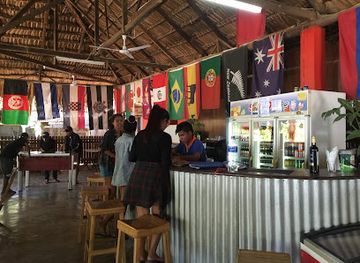
Oecusse does not have a substantial nightclub scene, and evening life is centred on family gatherings, small restaurants, local food stalls and modest bars in and around Pante Macassar. Beer and other drinks may be available in informal establishments, but opening arrangements, stock and atmosphere can vary considerably. In rural areas, evenings are generally quiet once shops close, with social activity taking place within homes and communities rather than in a dedicated nightlife district. Visitors should avoid assuming that coastal resorts or development projects provide a conventional entertainment programme. A walk through the town before dark, an early dinner and conversation with local hosts offer a more realistic sense of the region after sunset. Respect for residential areas, religious observances and local customs is important, particularly where accommodation is close to villages. Travellers seeking live music, a wide choice of bars or late-night venues will find a far broader range in Dili than in Oecusse.
-
Restaurant
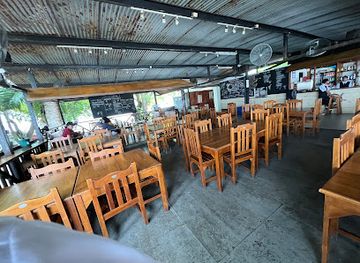
Caz Bar
Discover the vibrant flavors of local and international cuisine at Caz Bar in Dili - a must-visit for food lovers in Timor-Leste.
-
Bar
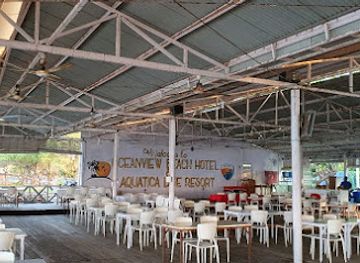
Castaway Bar and Restaurant
Discover the flavors of Timor-Leste at Castaway Bar and Restaurant, a vibrant culinary gem in Dili with stunning ocean views.
-
Restaurant
Ocean View Restaurant
Experience the best of Díli's culinary scene at Ocean View Restaurant, where stunning ocean views meet delectable local flavors.
-
Restaurant
Panorama Restaurant & Sky Bar
Discover exquisite dining and stunning vistas at Panorama Restaurant & Sky Bar in Dili, Timor-Leste, where every meal is a breathtaking experience.

Best nightclubs in Oecusse
Oecusse does not have a substantial nightclub scene, and evening life is centred on family gatherings, small restaurants, local food stalls and modest bars in and around Pante Macassar. Beer and other drinks may be available in informal establishments, but opening arrangements, stock and atmosphere can vary considerably. In rural areas, evenings are generally quiet once shops close, with social activity taking place within homes and communities rather than in a dedicated nightlife district. Visitors should avoid assuming that coastal resorts or development projects provide a conventional entertainment programme. A walk through the town before dark, an early dinner and conversation with local hosts offer a more realistic sense of the region after sunset. Respect for residential areas, religious observances and local customs is important, particularly where accommodation is close to villages. Travellers seeking live music, a wide choice of bars or late-night venues will find a far broader range in Dili than in Oecusse.
-
Night club
Symphoni Karaoke & Cafe
Experience the vibrant nightlife of Belu Regency at Symphoni Karaoke & Cafe, where music, food, and fun come together in perfect harmony.
-
Night club
Padimau
Discover the ultimate nightlife experience at Padimau, a vibrant night club in Pante Macassar, where music and fun come together in Timor-Leste.


Best shops in Oecusse
Shopping in Oecusse is practical and local rather than centred on large retail developments. Pante Macassar has the widest choice of small shops, market stalls and everyday supplies, while rural markets offer seasonal fruit, vegetables, rice, household goods and locally produced food. Visitors may encounter woven textiles, baskets or other handicrafts, but availability and quality vary and not every item is made in Oecusse. Timorese tais, the country’s handwoven textiles, are culturally important, although particular designs may come from other parts of Timor-Leste; ask sellers about provenance rather than assuming a product is locally produced. Coffee, dried foods and small handicrafts can make useful souvenirs when purchased responsibly. Bargaining should remain courteous and proportionate, and carrying cash is essential because electronic payment is uncommon. Travellers should avoid buying archaeological objects, wildlife products or cultural items that appear to have been removed from a sacred or historic place.
-
Shopping mall
Timor Plaza
Discover shopping, dining, and entertainment at Timor Plaza, the vibrant heart of Dili, Timor-Leste.
-
Store
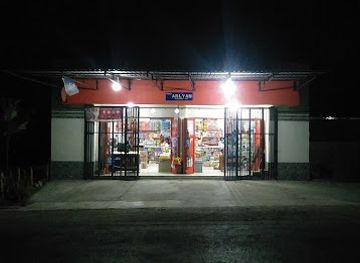
Toko ARLYAN
Discover the heart of North Central Timor at Toko ARLYAN, a unique store offering local goods and authentic experiences in a welcoming atmosphere.
-
 Grocery store
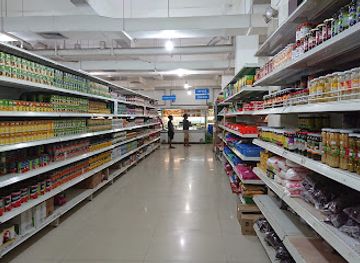
Sky Building Store
Explore Timorese culture through local flavors at Sky Building Store, your go-to grocery destination in Pante Macassar.
-
Home goods store
Things and Stories
Explore a treasure trove of unique home goods and handcrafted items at Things and Stories in Dili, the perfect place to find Timor-Leste souvenirs.
Get your free copy of our complete guide to Oecusse, delivered straight to you.
Everything on this page, from attractions and restaurants to essentials and local phrases, in one PDF you can read offline, print or share.
Already have an account? Sign in
Your Oecusse guide is ready.
We'll send it to · Not you? Sign out

Getting your guide ready…
We are putting together a fresh copy of the Oecusse guide. This can take up to a minute.
This can take a few moments. If your browser asks, choose Allow so the download can start. You'll find the guide in your Downloads folder.
Nothing happened? Download it again
Sorry, the guide is taking longer than usual. Please try again in a minute, or get it by email instead.
Oecusse essentials
Currency and Payment
Safety
Emergency Situations
Do's and Don'ts
Local Tips
From Eve
Local phrases worth knowing
You don't need to get them perfect. A few words go a long way, and locals appreciate the effort.
Basics
| English | Local | Say it |
|---|---|---|
| Hello | Olá | [oh-lah] |
| Goodbye | Adeus | [ah-deh-oos] |
| Yes | Sim | [seem] |
| No | Não | [now] |
| Please/You're welcome | Por favor | [poor fah-vor] |
| Thank you | Obrigado | [oh-bree-gah-doo] |
| Excuse me/Sorry | Desculpe | [des-kool-peh] |
| How are you? | Como você está? | [koh-moh voh-seh es-tah] |
| Fine. And you? | Bem. E você? | [bame. eh voh-seh] |
| Do you speak English? | Você fala inglês? | [voh-seh fah-lah een-glez] |
| I don't understand | Eu não entendo | [eh-oo now en-ten-doo] |
Eating & Drinking
| English | Local | Say it |
|---|---|---|
| I'd like to see the menu, please | Gostaria de ver o menu, por favor | [goh-stah-ree-ah jeh vehr oo meh-noo, poor fah-vor] |
| I don't eat meat | Eu não como carne | [eh-oo now koh-moo kar-nee] |
| Cheers! | Saúde! | [sah-oo-deh] |
| I would like to pay, please | Gostaria de pagar, por favor | [goh-stah-ree-ah jeh pah-gar, poor fah-vor] |
Emergencies
| English | Local | Say it |
|---|---|---|
| Help! | Ajuda! | [ah-zhoo-dah] |
| Go away! | Vá embora! | [vah em-boh-rah] |
| Call the Police! | Chame a polícia! | [sha-mee ah poh-lee-see-ah] |
| Call a doctor! | Chame um médico! | [sha-mee oom meh-dee-coo] |
| I'm lost | Estou perdido | [es-toh pear-dee-doo] |
| I'm ill | Estou doente | [es-toh do-ehn-chee] |
Shopping
| English | Local | Say it |
|---|---|---|
| I'd like to buy... | Gostaria de comprar... | [goh-stah-ree-ah jeh kom-prahr] |
| I'm just looking | Estou só olhando | [es-toh soh oh-lyan-doo] |
| How much is it? | Quanto custa? | [kwan-toh koos-tah] |
| That's too expensive | É muito caro | [eh mooin-too kah-roo] |
| Can you lower the price? | Você pode abaixar o preço? | [voh-seh poh-jee ah-bah-ee-shar oo pray-soo] |
Time & Numbers
| English | Local | Say it |
|---|---|---|
| What time is it? | Que horas são? | [keh oh-ras sow] |
| It's one o'clock | É uma hora | [eh oo-mah oh-rah] |
| Half past (10) | Meia hora (10) | [may-ah oh-rah (dez)] |
| Morning | Manhã | [mahn-yah] |
| Afternoon | Tarde | [tahr-deh] |
| Evening | Noite | [noy-teh] |
| Yesterday | Ontem | [on-tem] |
| Today | Hoje | [oh-zhee] |
| Tomorrow | Amanhã | [ah-mahn-yah] |
| 1 | Um | [oom] |
| 2 | Dois | [doyz] |
| 3 | Três | [trez] |
| 4 | Quatro | [kwah-tro] |
| 5 | Cinco | [seen-co] |
| 6 | Seis | [says] |
| 7 | Sete | [seh-chee] |
| 8 | Oito | [oy-toe] |
| 9 | Nove | [noh-vee] |
| 10 | Dez | [dez] |
Transport & Directions
| English | Local | Say it |
|---|---|---|
| Where's a/the...? | Onde está um/a...? | [on-deh es-tah oom/ah] |
| What's the address? | Qual é o endereço? | [kwal eh oo in-deh-reh-soo] |
| Can you show me (on the map)? | Você pode me mostrar (no mapa)? | [voh-seh poh-jee meh mohs-trar (no mah-pah)] |
| When's the next (bus)? | Quando é o próximo (ônibus)? | [kwan-doo eh oo proh-see-moo (oh-nee-boos)] |
| A ticket (to ....) | Um bilhete (para ....) | [oom bee-lyeh-chee (pah-rah)] |
History of Oecusse
Early settlement and Timorese kingdoms
Long before European involvement, Oecusse was inhabited by Timorese communities organised through customary authority, kinship networks and local realms. The region’s fertile valleys, coastal access and position between the north coast and the interior made it an important part of wider exchange across Timor. Traditional land relationships and ritual obligations continued to influence community life after external powers arrived. Although written records are limited for the earliest periods, oral traditions and surviving customary practices remain important for understanding Oecusse as more than a colonial outpost.
Portuguese arrival at Lifau in the sixteenth century
Lifau is associated with the first enduring Portuguese presence on Timor, established in the sixteenth century as Portuguese traders and missionaries sought influence in the island’s sandalwood economy. The settlement became the early centre of Portuguese authority in Timor and a base for Catholic missions and commercial activity. Portuguese power was never absolute: it depended on agreements and conflict involving Timorese rulers, while Dutch influence expanded elsewhere on the island. Lifau’s historical importance lies in its connection with the origins of Portuguese Timor.
The move from Lifau to Dili
During the eighteenth century, pressure from local resistance and rivalry with the Dutch contributed to the Portuguese decision to move the colonial centre from Lifau to Dili. The transfer reduced Oecusse’s role as the principal administrative base, but the enclave remained linked to Portuguese Timor through colonial authority, Catholic institutions and political relationships with neighbouring realms. Its separated position also helped give Oecusse a distinct administrative and social history within the territory that later became Timor-Leste.
Colonial administration and customary authority
Under Portuguese rule, Oecusse was administered through a combination of colonial officials, missions and relationships with traditional rulers. Agriculture, livestock, coastal exchange and small-scale trade shaped the local economy, while roads and public institutions developed unevenly. Portuguese influence left visible legacies in Catholic architecture, place names and language, but it did not erase local systems of authority or cultural practice. The enclave’s distance from Dili and its border with Dutch, later Indonesian, territory made administration and movement especially complex.
Indonesian occupation, 1975–1999
After Indonesia occupied Timor-Leste in 1975, Oecusse was incorporated into the Indonesian province of East Timor, despite being geographically separated from the rest of the territory. The period brought military control, political upheaval, displacement and conflict, as it did across Timor-Leste. Roads, schools and administrative structures were expanded within the Indonesian system, but development occurred alongside serious human-rights abuses and resistance. The violence surrounding the 1999 referendum also affected Oecusse and remains part of the living memory of many families.
Restoration of independence and the Oecusse special zone
Timor-Leste restored its independence in 2002, and Oecusse became one of its municipalities, retaining its unusual enclave position inside Indonesia. In the following decade, the government designated the region for special social and economic development through the Oecusse Special Economic and Social Market Zone, commonly known as ZEESM. Roads, public buildings, water infrastructure and the Tono Dam formed part of this development effort. The programme has reshaped parts of the landscape while the region continues to balance ambitious state investment with rural livelihoods and limited tourism infrastructure.
Oecusse in Photos
Browse through our photo collection highlighting the charm and character of the destination.
Neighbouring regions of Oecusse
The closest regions to Oecusse, if you have time for more than one.
-

-

-

-

-


Swipe for more regions
Explore more

Explore more of Timor-Leste
Discover Timor-Leste, a captivating blend of history, culture, and natural beauty in Southeast Asia, boasting pristine beaches, vibrant marine life, and lush landscapes.
Explore Timor-Leste