

Free Cova Lima Travel Guide & Mobile App
Explore Cova Lima with free travel guides. Discover regional history, expert tips, proposed trips, and audio guides on web or mobile app.


Explore Cova Lima in southern Timor-Leste for quiet beaches, rural landscapes, border culture, Catholic heritage and Suai’s recent history.
Read more about Cova Lima
When is the best time to visit Cova Lima?
Best: June–August · 29°C| Month | High (°C) | Rainfall (mm) |
|---|---|---|
| January | 31 | 150 |
| February | 31 | 120 |
| March | 31 | 100 |
| April | 31 | 80 |
| May | 30 | 40 |
| June (best) | 29 | 20 |
| July (best) | 29 | 20 |
| August (best) | 29 | 20 |
| September | 30 | 40 |
| October | 31 | 80 |
| November | 31 | 100 |
| December | 31 | 120 |
Getting to and around Cova Lima
How to get there
Transportation
Top city travel guides in Cova Lima
The cities of Cova Lima, and the easiest places to base yourself.
-

-


Swipe for more cities
Best attractions in Cova Lima
Cova Lima’s attractions are primarily outdoor, cultural and historical rather than built for mass tourism. Suai provides access to the municipality’s southern coast, where broad beaches and open sea views contrast with the hills and cultivated country inland. Coastal walks, birdwatching and quiet landscape photography are possible, but visitors should seek local advice about tides, currents, private land and seasonal conditions. The rural road network also reveals farms, rivers, village settlements and changing vegetation between the coast and the border hills. Suai’s churches and commemorative sites introduce the region’s Catholic traditions and the difficult history of 1999, while local markets offer a direct view of everyday trade. The Mota Masin border area is significant for travellers continuing to West Timor, although it is a functioning crossing rather than a conventional tourist attraction and should be treated with discretion. Village visits, craft encounters and food experiences are best arranged through local contacts so that community permissions and appropriate payments are clear. Cova Lima is suited to travellers interested in landscape, history and contemporary Timor-Leste, with expectations adjusted to limited signage, changing road conditions and relatively modest visitor facilities.
-
Tourist attraction
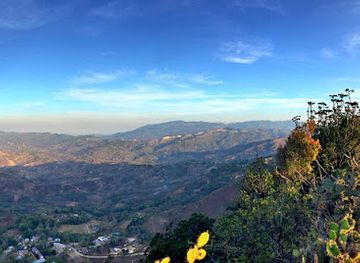
Fulan Fehan
Explore Fulan Fehan: A breathtaking blend of nature, culture, and unforgettable experiences in East Nusa Tenggara, Indonesia.
-
History museum
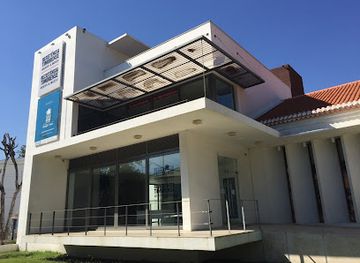
Timorese Resistance Archive & Museum
Explore the Timorese Resistance Archive & Museum in Dili, where history comes alive through powerful narratives and poignant exhibits.
-
Mountain peak
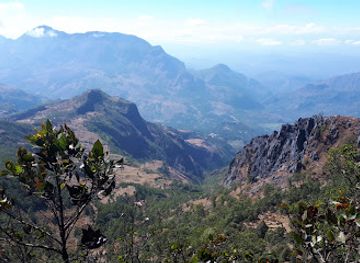
Tatamailau
Experience the breathtaking beauty of Tatamailau, the highest peak in Timor Leste, offering stunning views and unforgettable trekking adventures.
-
Hotel
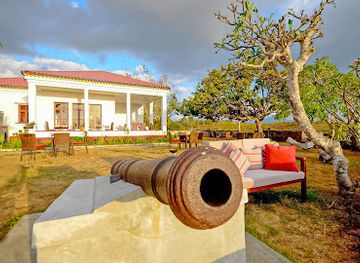
Balibo Fort Hotel
Balibo Fort Hotel: A historic retreat blending cultural heritage and modern comfort in the heart of Timor-Leste.
Best landmarks in Cova Lima
The most important landmark in Cova Lima is the Catholic church complex at Suai, a place of worship and remembrance associated with the massacre of civilians during the violence of September 1999. Its significance is historical and human as much as architectural, and visitors should approach it quietly and follow local guidance about photography. Suai’s civic and religious buildings also reflect the municipality’s role as an administrative centre in the southwest. Along the coast, the broad beaches near Suai form natural landmarks whose character changes with light, tide and season rather than through elaborate visitor infrastructure. The Mota Masin crossing is another recognisable feature of the region, marking Timor-Leste’s land connection with West Timor; it is a sensitive operational border facility, not a sightseeing viewpoint. Inland ridges, river valleys and the forested border landscape provide the setting for smaller villages and customary territories, but named natural sites are less developed and signposted than in established tourism regions. Local knowledge is therefore essential when identifying safe access points and understanding the meaning of particular places.
-
Tourist attraction
Marobo Hot Spring
Experience tranquility at Marobo Hot Spring in Bobonaro, Timor-Leste, where natural beauty meets soothing thermal waters for the ultimate relaxation.
-
 Community center
Centro Comunidade Covalima
Discover the vibrant culture of Suai at Centro Comunidade Covalima, a hub for community engagement and local traditions in Timor-Leste.
Explore Cova Lima on the map
Plan your trip on one map. See where the top cities, national parks and sights are, and book hotels and experiences in a few clicks.
Best hotels in Cova Lima
Best restaurants in Cova Lima
Eating in Cova Lima is centred on simple local cafés, market stalls, family kitchens and roadside establishments rather than a formal restaurant scene. Rice is a staple, commonly served with vegetables, beans, eggs, chicken or fish, while grilled meats and fresh produce appear in markets and small eateries when available. Timorese flavours often draw on chilli, shallots, garlic, coconut and aromatic leaves, with Indonesian and Portuguese influences also visible in ingredients and cooking habits. In Suai, visitors can usually find practical meals and drinks, but choices become more limited outside the municipal centre. Coffee from Timor-Leste’s upland growing areas may be available, while tea, bottled water and soft drinks are common refreshments. Market shopping is useful for fruit and snacks, although hygiene, refrigeration and water quality require sensible attention. Visitors should ask about ingredients when dietary restrictions matter and carry emergency provisions on long rural journeys.
-
Restaurant
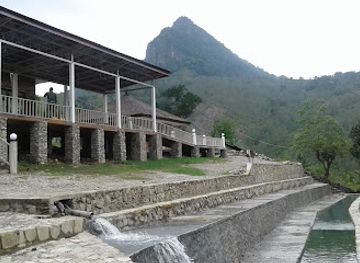
Projeto Montanha
Experience authentic Timorese cuisine at Projeto Montanha - where local flavors meet breathtaking views.
-
Restaurant
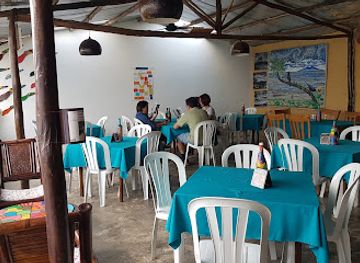
Restorante & Guest House de Sara
Discover authentic Timorese cuisine and hospitality at Restorante & Guest House de Sara in scenic Maubisse.
-
Brunch
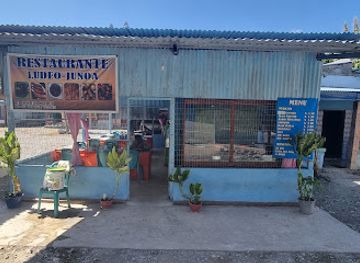
Restaurante Ludeo-Junoa
Experience authentic flavors at Restaurante Ludeo-Junoa - your go-to brunch destination in Batugade with delightful local dishes.
-
Asian
Grupu Auto Empregu MAIS GUREIS
Savor authentic Asian cuisine in Suai at Grupu Auto Empregu MAIS GUREIS - a culinary journey filled with flavor and culture.
Best bars in Cova Lima
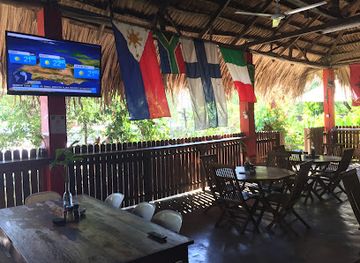
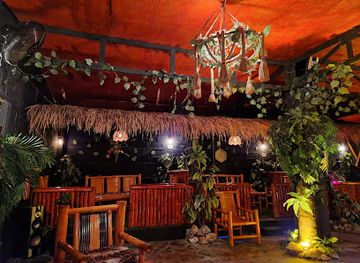
Cova Lima does not have a large nightclub circuit. Evening social life is concentrated in Suai, where small cafés, local eateries, modest bars and informal gathering places provide the main options after dark. In rural communities, the evening is more likely to centre on family, church or neighbourhood activities than on commercial nightlife. Alcohol is available in some settings, including beer and locally familiar spirits, but it should not be treated as essential to experiencing the region. Establishments may have limited hours, and music or activity can depend on local events rather than a fixed entertainment calendar. Visitors should return to their accommodation by arranged transport, particularly outside Suai, because street lighting, taxis and mobile coverage are limited. During religious observances or periods of mourning, public behaviour and opening arrangements may change.
-
Restaurant
Caz Bar
Discover the vibrant flavors of Timor-Leste at Caz Bar, a culinary treasure in Dili, perfect for travelers seeking authentic local dining.
-
Bar
Castaway Bar and Restaurant
Discover the vibrant flavors and stunning views at Castaway Bar and Restaurant in Dili, your ultimate tropical escape.
-
Bar
Tower Cafe & Bar
Experience the vibrant atmosphere and diverse menu at Tower Cafe & Bar, the perfect place to relax and enjoy local flavors in Dili.
-
Cocktail bar
Ponkys Cocktail Lounge
Ponkys Cocktail Lounge: Discover Dili's vibrant nightlife with expertly crafted cocktails in a chic and inviting atmosphere.


Best nightclubs in Cova Lima
Cova Lima does not have a large nightclub circuit. Evening social life is concentrated in Suai, where small cafés, local eateries, modest bars and informal gathering places provide the main options after dark. In rural communities, the evening is more likely to centre on family, church or neighbourhood activities than on commercial nightlife. Alcohol is available in some settings, including beer and locally familiar spirits, but it should not be treated as essential to experiencing the region. Establishments may have limited hours, and music or activity can depend on local events rather than a fixed entertainment calendar. Visitors should return to their accommodation by arranged transport, particularly outside Suai, because street lighting, taxis and mobile coverage are limited. During religious observances or periods of mourning, public behaviour and opening arrangements may change.
-
Night club
Symphoni Karaoke & Cafe
Experience the vibrant nightlife at Symphoni Karaoke & Cafe in Atambua, where you can sing, relax, and enjoy delicious refreshments.
-
Night club
Baura-ykun
Discover the vibrant nightlife at Baura-ykun, a premier night club in Beco, TL, where music, dance, and unforgettable experiences await.
-
Karaoke bar
Gombllo
Experience the vibrant nightlife of Maliana at Gombllo, the ultimate karaoke destination for fun, music, and unforgettable memories.
Best shops in Cova Lima
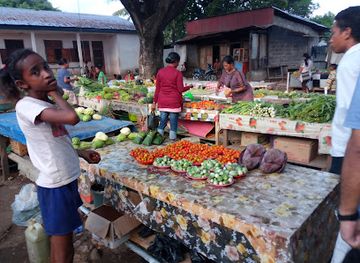
Shopping in Cova Lima is practical and local, with Suai’s markets and small shops supplying food, household goods, clothing, phone credit and travel necessities. Fresh produce, rice, spices and prepared snacks are more characteristic purchases than high-end retail, while rural markets provide a glimpse of exchange between farming communities and the municipal centre. Visitors may find woven goods, locally made crafts or small souvenirs through community contacts, although availability varies and not every item is produced in Cova Lima. Coffee and other Timorese agricultural products can make appropriate gifts when their origin and packaging are clear. Bargaining should be courteous and proportionate, and it is sensible to carry small US dollar notes. Outside Suai, retail choice is limited, so buy medicines, toiletries, batteries and other essentials before travelling into remote districts or towards the border.
-
Produce market
Mercado de Suai
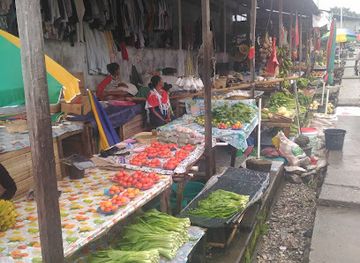
Explore the bustling Mercado de Suai for fresh produce, local crafts, and an authentic taste of Timor-Leste's vibrant culture.
-
Shopping mall
Centro Comercial Same
Experience shopping like never before at Centro Comercial Same, where local culture meets international flair in a vibrant mall atmosphere.
-
Stationery store
Rental Aisik
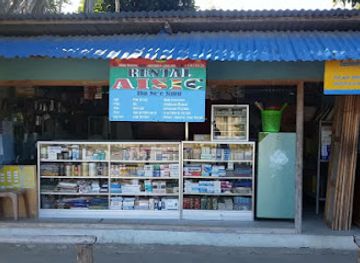
Discover Rental Aisik, the charming stationery store in Suai, offering unique supplies and a creative atmosphere for all your travel memories.
-
Home goods store
Things and Stories
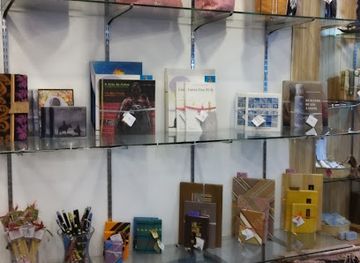
Explore the heart of Timor-Leste at Things and Stories, a home goods store filled with unique treasures and local craftsmanship.
Get your free copy of our complete guide to Cova Lima, delivered straight to you.
Everything on this page, from attractions and restaurants to essentials and local phrases, in one PDF you can read offline, print or share.
Already have an account? Sign in
Your Cova Lima guide is ready.
We'll send it to · Not you? Sign out

Getting your guide ready…
We are putting together a fresh copy of the Cova Lima guide. This can take up to a minute.
This can take a few moments. If your browser asks, choose Allow so the download can start. You'll find the guide in your Downloads folder.
Nothing happened? Download it again
Sorry, the guide is taking longer than usual. Please try again in a minute, or get it by email instead.
Cova Lima essentials
Currency and Payment
Safety
Emergency Situations
Do's and Don'ts
Local Tips
From Eve
Local phrases worth knowing
You don't need to get them perfect. A few words go a long way, and locals appreciate the effort.
Basics
| English | Local | Say it |
|---|---|---|
| Hello | Olá | [oh-lah] |
| Goodbye | Adeus | [ah-deh-oos] |
| Yes | Sim | [seem] |
| No | Não | [now] |
| Please/You're welcome | Por favor/De nada | [por fah-vor/deh nah-dah] |
| Thank you | Obrigado | [oh-bree-gah-doo] |
| Excuse me/Sorry | Desculpe | [des-kool-peh] |
| How are you? | Como você está? | [koh-moh voh-seh es-tah] |
| Fine. And you? | Bem. E você? | [behm. eh voh-seh] |
| Do you speak English? | Você fala inglês? | [voh-seh fah-lah een-glez] |
| I don't understand | Eu não entendo | [eh-oo now en-ten-doo] |
Eating & Drinking
| English | Local | Say it |
|---|---|---|
| I'd like to see the menu, please | Gostaria de ver o menu, por favor | [goh-stah-ree-ah jeh vehr oo meh-noo, por fah-vor] |
| I don't eat meat | Eu não como carne | [eh-oo now koh-moh kar-nee] |
| Cheers! | Saúde! | [sah-oo-deh] |
| I would like to pay, please | Eu gostaria de pagar, por favor | [eh-oo goh-stah-ree-ah jeh pah-gar, por fah-vor] |
Emergencies
| English | Local | Say it |
|---|---|---|
| Help! | Ajuda! | [ah-zhoo-dah] |
| Go away! | Vá embora! | [vah em-boh-rah] |
| Call the Police! | Chame a polícia! | [sha-mee ah poh-lee-see-ah] |
| Call a doctor! | Chame um médico! | [sha-mee oom meh-dee-ko] |
| I'm lost | Estou perdido | [es-toh pehr-jee-doo] |
| I'm ill | Estou doente | [es-toh do-en-chee] |
Shopping
| English | Local | Say it |
|---|---|---|
| I'd like to buy... | Gostaria de comprar... | [goh-stah-ree-ah jeh kom-prahr...] |
| I'm just looking | Estou apenas olhando | [es-toh ah-peh-nas oh-lyan-do] |
| How much is it? | Quanto custa? | [kwan-toh koos-tah] |
| That's too expensive | Isso é muito caro | [ee-soo eh moo-ee-toh kah-roo] |
| Can you lower the price? | Você pode baixar o preço? | [voh-seh poh-jee bye-shar oo preh-soo] |
Time & Numbers
| English | Local | Say it |
|---|---|---|
| What time is it? | Que horas são? | [keh oh-ras sah-o] |
| It's one o'clock | É uma hora | [eh oo-mah oh-rah] |
| Half past (10) | Dez e meia | [dehz eh may-ah] |
| Morning | Manhã | [mahn-yah] |
| Afternoon | Tarde | [tahr-deh] |
| Evening | Noite | [noy-teh] |
| Yesterday | Ontem | [on-tem] |
| Today | Hoje | [oh-zheh] |
| Tomorrow | Amanhã | [ah-mahn-yah] |
| 1 | Um | [oom] |
| 2 | Dois | [doyz] |
| 3 | Três | [trehz] |
| 4 | Quatro | [kwah-troh] |
| 5 | Cinco | [seen-koh] |
| 6 | Seis | [sehz] |
| 7 | Sete | [seh-teh] |
| 8 | Oito | [oy-toh] |
| 9 | Nove | [noh-veh] |
| 10 | Dez | [dehz] |
Transport & Directions
| English | Local | Say it |
|---|---|---|
| Where's a/the...? | Onde está um/a...? | [on-deh es-tah oom/ah...?] |
| What's the address? | Qual é o endereço? | [kwahl eh oo en-deh-reh-soo] |
| Can you show me (on the map)? | Você pode me mostrar (no mapa)? | [voh-seh poh-jee mee mos-trar (noh mah-pah)?] |
| When's the next (bus)? | Quando é o próximo (ônibus)? | [kwan-doo eh oo proh-see-moh (oh-nee-boos)?] |
| A ticket (to ....) | Um bilhete (para ...) | [oom bee-lyeh-tay (pah-rah ...)] |
History of Cova Lima
Ancient settlement and customary kingdoms
Long before European rule, the territory now administered as Cova Lima was organised through local communities, customary authorities and small political domains connected by exchange, marriage and competition. Linguistic and cultural patterns in the southwest reflect contact between Tetum-speaking communities and Bunak-speaking populations from the interior and borderlands. Traditional land relationships, ritual obligations and the authority of local elders continue to influence community life, even though they now operate alongside the institutions of the Timor-Leste state.
Portuguese colonial administration
Portuguese influence expanded gradually in Timor through Catholic missions, trading relationships and colonial administration rather than through uniform control of every settlement. The southwest became part of the Portuguese colonial system, with Suai developing as an administrative and religious centre. Catholic churches, schools and Portuguese-derived place names remain visible traces of this era, although local languages, customary practice and village authority were never displaced completely. Colonial rule also connected the region more closely to the wider political geography of Portuguese Timor.
Japanese occupation and wartime hardship, 1942–1945
During the Second World War, Japanese forces occupied Portuguese Timor, drawing the territory into the wider Pacific conflict. Communities across Timor faced requisitioning, forced labour, displacement and food insecurity, while Australian and Timorese resistance operated against the occupation in other parts of the island. Cova Lima’s southern and borderland position placed its communities within the wider wartime pressures affecting Timor. The period left a difficult memory of hardship and demonstrated the strategic importance of the island between Southeast Asia and Australia.
Indonesian rule and integration, 1975–1999
Indonesia invaded East Timor in 1975 and later incorporated it as a province, a status not accepted by the Timorese independence movement or by the United Nations for much of the occupation. Cova Lima experienced the military presence, displacement, restrictions and social disruption that characterised Indonesian rule elsewhere in the territory. Roads and administrative services expanded in some areas, but development took place within a system marked by conflict and coercion. Indonesian remains familiar to many adults, alongside Tetum, local languages and Portuguese.
The Suai Church massacre and the 1999 crisis
Suai became associated internationally with one of the gravest episodes surrounding Timor-Leste’s 1999 independence referendum. On 6 September 1999, pro-integration militia members and Indonesian security personnel attacked civilians who had sought refuge at the Catholic church and its compound; many people were killed, and others were forcibly taken across the border into West Timor. The event is remembered locally through religious and commemorative spaces. It forms an essential part of understanding Cova Lima’s recent history and should be approached with solemnity.
Independence and municipal development since 2002
Timor-Leste became fully independent in 2002 after a United Nations transitional administration. Cova Lima subsequently developed within the new national state, with Suai serving as the centre of local government, public services and commercial activity. The municipality’s border crossing and southern coastline have given it strategic importance, while investment discussions have focused on roads, energy, port facilities and the wider Tasi Mane development concept. Progress has been uneven, and agriculture, small trade and community networks remain central to everyday life.
Neighbouring regions of Cova Lima
The closest regions to Cova Lima, if you have time for more than one.
-

-

-

-

-


Swipe for more regions
Explore more

Explore more of Timor-Leste
Discover Timor-Leste, a captivating blend of history, culture, and natural beauty in Southeast Asia, boasting pristine beaches, vibrant marine life, and lush landscapes.
Explore Timor-Leste