

Free Manatuto Travel Guide & Mobile App
Explore Manatuto with free travel guides. Discover regional history, expert tips, proposed trips, and audio guides on web or mobile app.


Explore Manatuto in Timor-Leste for quiet north-coast beaches, Laclo River landscapes, mountain villages, pottery and living cultural traditions.
Read more about Manatuto
When is the best time to visit Manatuto?
Best: June–August · 29–30°C| Month | High (°C) | Rainfall (mm) |
|---|---|---|
| January | 30 | 150 |
| February | 30 | 130 |
| March | 30 | 110 |
| April | 30 | 90 |
| May | 30 | 70 |
| June (best) | 30 | 60 |
| July (best) | 29 | 50 |
| August (best) | 29 | 50 |
| September | 30 | 60 |
| October | 30 | 90 |
| November | 30 | 110 |
| December | 30 | 130 |
Getting to and around Manatuto
How to get there
Transportation
Best attractions in Manatuto
Manatuto’s attractions are dispersed across coast, river plain and upland country rather than concentrated in a single visitor complex. In and around Manatuto town, travellers can explore the local streetscape, Catholic heritage, coastal scenery and the broad landscapes around the Laclo River. Beaches and river-mouth areas are best approached with local advice, particularly where currents, tides or seasonal flooding affect access. The municipality’s traditional pottery and tais weaving provide cultural experiences rooted in working households and community skills, although visits usually need to be arranged respectfully rather than treated as walk-in tourism. Inland, Soibada is notable for its mission heritage, historic educational associations and mountain setting, while Laclubar offers a cooler rural landscape of steep hills, cultivated slopes and village roads. These areas suit visitors interested in walking, photography, cultural interpretation and slow travel more than those seeking a large programme of formal attractions. Facilities can be basic, and a driver or local guide is valuable for locating sites, translating and understanding customary expectations.
-
Park
Largo de Lecidere
Experience the tranquility and cultural richness of Largo de Lecidere, Dili's premier park and urban retreat for relaxation and exploration.
-
Tourist attraction
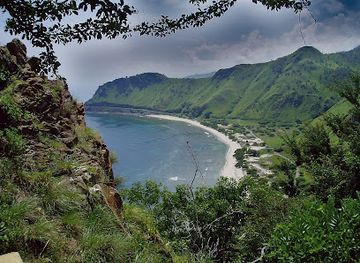
Dolok Oan (Cristo Rei Back Beach)
Discover the serene beauty of Dolok Oan, a hidden gem in Dili, Timor-Leste, perfect for relaxation, exploration, and unforgettable sunsets.
-
Tourist attraction
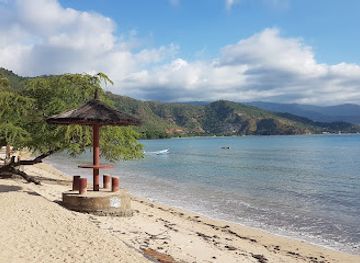
Areia Branca Beach
Discover the serene beauty of Areia Branca Beach in Dili, a tropical paradise perfect for relaxation and adventure amidst Timor-Leste's stunning coastline.
-
Tourist attraction
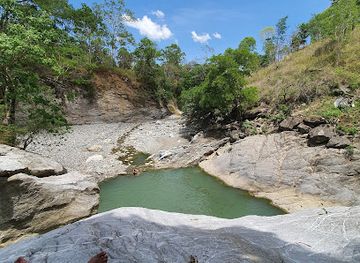
Cribas Waterfall
Experience the enchanting beauty of Cribas Waterfall in Crbas, where nature's tranquility meets vibrant landscapes for an unforgettable adventure.

Best landmarks in Manatuto
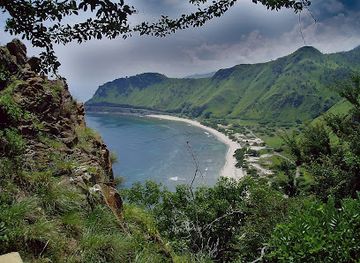
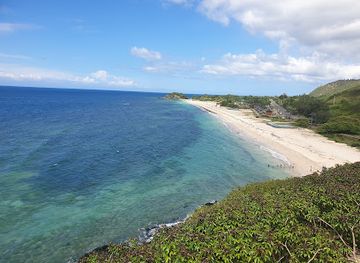
The Laclo River and its broad coastal plain are among Manatuto’s defining geographical landmarks, linking the municipality’s main town with the agricultural and mountain landscapes inland. Manatuto’s Catholic churches and older civic buildings provide visible reminders of Portuguese-era administration and the later importance of mission institutions, although the town’s significance lies as much in its living community as in monumental architecture. Soibada’s mission complex is the municipality’s most notable historic religious setting, associated with Catholic evangelisation, education and the changing relationship between Timorese communities and colonial institutions. The steep uplands around Laclubar form a contrasting natural landmark, with roads and settlements set among hills rather than the dry coastal plain. Along the coast, open beaches, salt-working areas and river-mouth scenery express Manatuto’s maritime and agricultural character. These places are best understood with local interpretation, since the meaning of a church, village or customary landscape may not be apparent from its appearance alone.
-
Sculpture
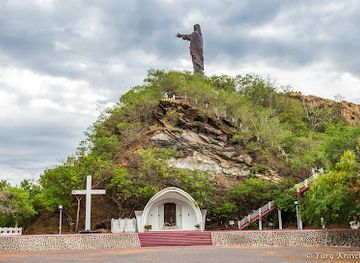
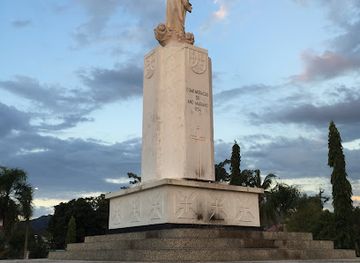
Cristo Rei of Dili
Explore the iconic Cristo Rei of Dili, a monumental statue symbolizing faith and hope, offering breathtaking views of East Timor's stunning coastline.
-
Park
Largo de Lecidere
Experience the tranquility of Largo de Lecidere, a scenic park in Dili, Timor-Leste, perfect for relaxation and cultural exploration.
-
Tourist attraction
Dolok Oan (Cristo Rei Back Beach)
Explore the tranquil beauty of Dolok Oan, Cristo Rei Back Beach, where stunning views and rich culture meet along the captivating Dili coastline.
-
Beach
One Dollar Beach
Discover the serene beauty of One Dollar Beach in Timor-Leste, a hidden paradise with soft sands and crystal-clear waters perfect for relaxation and exploration.
Explore Manatuto on the map
Plan your trip on one map. See where the top cities, national parks and sights are, and book hotels and experiences in a few clicks.
Best hotels in Manatuto
Best restaurants in Manatuto
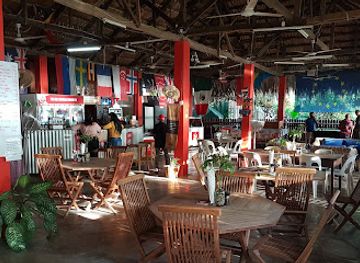
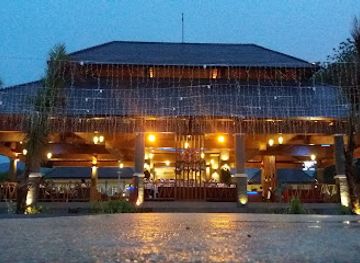
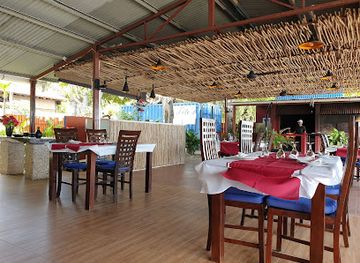
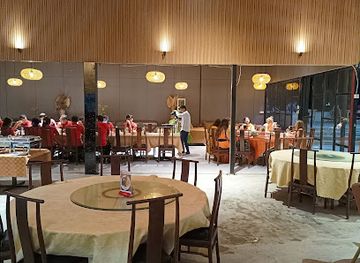
Dining in Manatuto is generally simple, local and closely tied to what households, small shops and roadside sellers can obtain. Rice, maize, vegetables, beans, eggs, chicken and locally caught fish form much of the everyday food, with chilli, garlic and other seasonings adding flavour. Along the coast, fish and other seafood may appear where daily catches and refrigeration allow, while inland meals reflect farming and seasonal availability. Small warungs and family-run eateries are more common than formal restaurants, and choices may be limited outside Manatuto town. Coffee from Timor-Leste is widely available, although it is not exclusive to this municipality; in rural areas it may be served simply rather than as a café-style drink. Travellers should carry drinking water and should not expect menus, fixed opening hours or extensive dietary alternatives in remote settlements. Local markets and roadside stalls can offer fruit and prepared snacks, but hygiene standards vary, so choose busy outlets and food that is freshly cooked and served hot.
-
Restaurant
Caz Bar
Experience the vibrant flavors of Timor-Leste at Caz Bar in Dili - your go-to spot for delicious local and international cuisine.
-
Restaurant
El Legendario
Discover authentic Timorese flavors at El Legendario in Dili - where every meal tells a story!
-
Portuguese
Tito's Restaurant
Discover authentic Portuguese cuisine at Tito's Restaurant in Dili - where flavor meets tradition in a warm atmosphere.
-
Asian
Early Sun Restaurant
Experience authentic Asian flavors at Early Sun Restaurant in Dili - where every dish tells a story.
Best bars in Manatuto
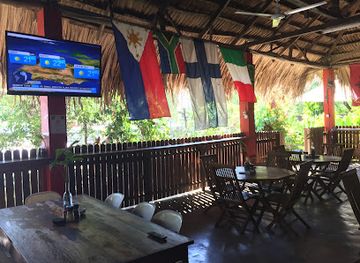
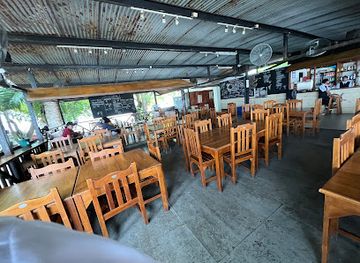
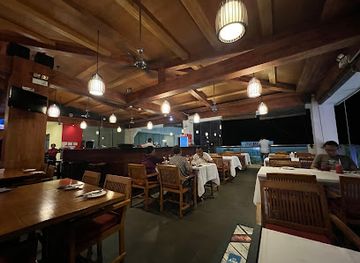
Manatuto has a quiet evening scene centred on small local bars, simple restaurants, roadside food, family gatherings and community social life rather than nightclubs. Manatuto town offers the greatest choice, while evenings in Laclubar, Soibada and smaller villages are likely to be subdued and shaped by local routines. Visitors may encounter music or informal gatherings, but these should not be assumed to be public events or entered without an invitation. Alcohol is available in Timor-Leste, yet it is not necessary for engaging with local culture; respectful conversation and an early start are more useful to travellers heading into the interior. Facilities can close early, lighting is limited outside the town and transport after dark is difficult, so arrange a return journey before going out and avoid isolated roads at night.
-
Restaurant
Caz Bar
Discover the flavors of Timor-Leste at Caz Bar in Dili, where local cuisine meets a vibrant dining atmosphere.
-
Bar
Castaway Bar and Restaurant
Experience the best of Dili's local and international flavors at Castaway Bar and Restaurant, a vibrant spot for food and drinks.
-
Restaurant
El Legendario
Experience the vibrant flavors of Timor-Leste at El Legendario, a top dining destination in Dili offering a fusion of local and international cuisine.
-
Restaurant
Panorama Restaurant & Sky Bar
Experience breathtaking views and exquisite dining at Panorama Restaurant & Sky Bar in Dili, the ultimate culinary destination in East Timor.

Best nightclubs in Manatuto
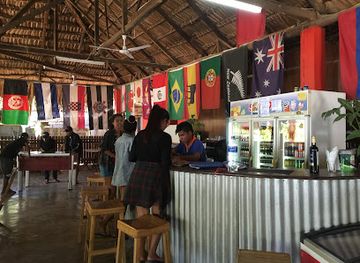
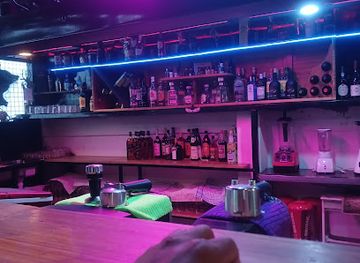
Manatuto has a quiet evening scene centred on small local bars, simple restaurants, roadside food, family gatherings and community social life rather than nightclubs. Manatuto town offers the greatest choice, while evenings in Laclubar, Soibada and smaller villages are likely to be subdued and shaped by local routines. Visitors may encounter music or informal gatherings, but these should not be assumed to be public events or entered without an invitation. Alcohol is available in Timor-Leste, yet it is not necessary for engaging with local culture; respectful conversation and an early start are more useful to travellers heading into the interior. Facilities can close early, lighting is limited outside the town and transport after dark is difficult, so arrange a return journey before going out and avoid isolated roads at night.
-
Restaurant
Caz Bar
Discover the vibrant flavors and nightlife at Caz Bar, Dili's premier destination for dining and entertainment, perfect for tourists seeking local experiences.
-
Family-friendly
La-Clu-Bar Lounge & Cafe
Experience the vibrant atmosphere of La-Clu-Bar Lounge & Cafe, where families can enjoy delicious meals and lively entertainment in a welcoming setting.
-
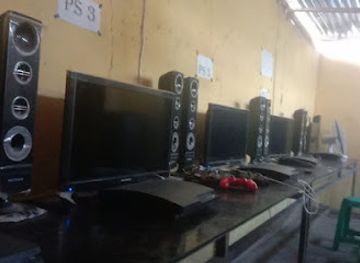
Sports bar
PONDOK FA
Experience the thrill of sports at Pondok FA, a vibrant sports bar in Manatuto, blending local charm with exciting game-day energy.
Best shops in Manatuto
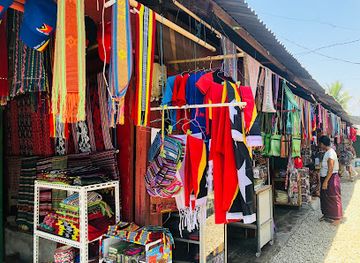
Shopping in Manatuto is modest and practical, with small town shops, market stalls and roadside sellers providing everyday goods rather than a large retail selection. The most meaningful purchases are locally made crafts, especially pottery where available and tais textiles produced by Timorese weavers. Tais patterns, colours and techniques vary between communities, and buyers should ask who made an item, how it was produced and whether the sale directly benefits the maker. Food products such as coffee, spices and seasonal produce may also be found, though availability changes with harvests and transport. Manatuto is not a destination for department stores or luxury shopping; Dili offers a broader choice of galleries, supermarkets and formal retail. Carry cash in small US-dollar denominations, inspect fragile ceramics before travelling, and avoid removing cultural objects, stones or archaeological material from villages or historic sites.
-
Shopping mall
Timor Plaza
Explore Timor Plaza in Dili for an unforgettable shopping and dining experience, blending local charm with international flair.
-
Traditional market
Tais Market
Explore Tais Market in Dili, a vibrant traditional market offering local crafts, fresh produce, and delicious street food for a true taste of Timor.
-
Tourist attraction
Largo de Lecidere
Discover the lush beauty and vibrant community atmosphere at Largo de Lecidere, a tranquil park in the heart of Dili, Timor-Leste.
-
Supermarket
Lita Store
Explore Lita Store in Dili for an amazing selection of local and international products at affordable prices.

Get your free copy of our complete guide to Manatuto, delivered straight to you.
Everything on this page, from attractions and restaurants to essentials and local phrases, in one PDF you can read offline, print or share.
Already have an account? Sign in
Your Manatuto guide is ready.
We'll send it to · Not you? Sign out

Getting your guide ready…
We are putting together a fresh copy of the Manatuto guide. This can take up to a minute.
This can take a few moments. If your browser asks, choose Allow so the download can start. You'll find the guide in your Downloads folder.
Nothing happened? Download it again
Sorry, the guide is taking longer than usual. Please try again in a minute, or get it by email instead.
Manatuto essentials
Currency and Payment
Safety
Emergency Situations
Do's and Don'ts
Local Tips
From Eve
Local phrases worth knowing
You don't need to get them perfect. A few words go a long way, and locals appreciate the effort.
Basics
| English | Local | Say it |
|---|---|---|
| Hello | Olá | [oh-lah] |
| Goodbye | Adeus | [ah-deh-oos] |
| Yes | Sim | [seem] |
| No | Não | [now] |
| Please/You're welcome | Por favor | [poor fah-vor] |
| Thank you | Obrigado | [oh-bree-gah-doo] |
| Excuse me/Sorry | Desculpe | [des-kool-peh] |
| How are you? | Como está? | [koh-moo es-tah] |
| Fine. And you? | Bem. E você? | [baym. eh voh-seh] |
| Do you speak English? | Você fala inglês? | [voh-seh fah-lah een-glez] |
| I don't understand | Eu não entendo | [eh-oo now en-ten-doo] |
Eating & Drinking
| English | Local | Say it |
|---|---|---|
| I'd like to see the menu, please | Gostaria de ver o menu, por favor | [goh-stah-ree-ah jeh vehr oo meh-noo, poor fah-vor] |
| I don't eat meat | Eu não como carne | [eh-oo now koh-moo kar-nee] |
| Cheers! | Saúde! | [sah-oo-deh] |
| I would like to pay, please | Gostaria de pagar, por favor | [goh-stah-ree-ah jeh pah-gar, poor fah-vor] |
Emergencies
| English | Local | Say it |
|---|---|---|
| Help! | Ajuda! | [ah-zhoo-dah] |
| Go away! | Vá embora! | [vah em-boh-rah] |
| Call the Police! | Chame a polícia! | [sha-meh ah poh-lee-siah] |
| Call a doctor! | Chame um médico! | [sha-meh oong meh-dee-koh] |
| I'm lost | Estou perdido | [es-toh per-dee-doo] |
| I'm ill | Estou doente | [es-toh do-ehn-teh] |
Shopping
| English | Local | Say it |
|---|---|---|
| I'd like to buy... | Gostaria de comprar... | [goh-stah-ree-ah jeh kohm-prahr...] |
| I'm just looking | Estou apenas a olhar | [es-toh ah-peh-nas ah oh-lahr] |
| How much is it? | Quanto custa? | [kwan-toh koos-tah] |
| That's too expensive | Isso é muito caro | [ee-soh eh moyn-too kah-roo] |
| Can you lower the price? | Você pode baixar o preço? | [voh-seh poh-jee bye-shar oo preh-soo] |
Time & Numbers
| English | Local | Say it |
|---|---|---|
| What time is it? | Que horas são? | [keh oh-ras sow] |
| It's one o'clock | É uma hora | [eh oo-mah oh-rah] |
| Half past (10) | Trinta e cinco | [trin-tah eh seen-koh] |
| Morning | Manhã | [mahn-yah] |
| Afternoon | Tarde | [tar-deh] |
| Evening | Noite | [noy-teh] |
| Yesterday | Ontem | [on-tem] |
| Today | Hoje | [oh-zheh] |
| Tomorrow | Amanhã | [ah-mahn-yah] |
| 1 | Um | [oom] |
| 2 | Dois | [doyz] |
| 3 | Três | [trehz] |
| 4 | Quatro | [kwah-tro] |
| 5 | Cinco | [seen-koh] |
| 6 | Seis | [sayz] |
| 7 | Sete | [seh-teh] |
| 8 | Oito | [oy-toh] |
| 9 | Nove | [noh-veh] |
| 10 | Dez | [dehz] |
Transport & Directions
| English | Local | Say it |
|---|---|---|
| Where's a/the...? | Onde está um/a...? | [on-deh es-tah oom/ah...?] |
| What's the address? | Qual é o endereço? | [kwahl eh oo en-deh-reh-soo] |
| Can you show me (on the map)? | Você pode me mostrar (no mapa)? | [voh-seh poh-jee meh mohs-trar (no mah-pah)?] |
| When's the next (bus)? | Quando é o próximo (ônibus)? | [kwan-do eh oo proh-see-mo (oh-nee-boos)?] |
| A ticket (to ....) | Um bilhete (para....) | [oom bee-lyeh-teh (pah-rah....)] |
History of Manatuto
Precolonial kingdoms and customary life
Before European rule, the area now known as Manatuto was organised through local kingdoms and communities linked by customary obligations, agriculture, exchange and ritual authority. Timorese societies cultivated upland and lowland crops, managed livestock and maintained relationships between coastal settlements and interior villages. Political influence was not defined by modern municipal borders, and authority could shift through alliances, marriage and conflict. The continuing importance of sacred places, clan relationships and customary ceremonies in Manatuto reflects this older social landscape, even though contemporary communities also belong to the modern Timor-Leste state.
Portuguese rule and Catholic missions
Portuguese influence expanded gradually in Timor through alliances, military campaigns, taxation and missionary activity rather than through uniform control of every settlement. Catholic missions later became especially important in places such as Soibada, where religious institutions were connected with education and administration. Churches, mission buildings and local Catholic traditions remain among the clearest visible legacies of this period. Portuguese rule also encouraged new patterns of trade and introduced crops, institutions and systems of authority that interacted with, but did not replace, Timorese customary structures.
Japanese occupation during the Second World War
Timor-Leste became a major theatre of conflict during the Japanese occupation from 1942 to 1945. Allied Australian troops operated with Timorese support against Japanese forces, while civilians across the territory endured forced labour, displacement, food shortages and violence. Manatuto’s position between the capital and eastern districts placed its communities within the wider wartime landscape of military movement and disruption. The occupation left deep memories throughout Timor-Leste and contributed to the territory’s later political and social history, even where physical wartime remains are limited.
Late Portuguese rule and social change
In the final decades of Portuguese administration, roads, mission schools, Catholic institutions and local administrative centres connected Manatuto more closely to Dili and neighbouring districts. Access remained uneven, and most communities continued to depend on farming, fishing and customary networks. The Carnation Revolution in Portugal in 1974 brought rapid political change and the prospect of decolonisation. Political competition and uncertainty soon affected Timor-Leste, creating conditions that led to Indonesia’s invasion and occupation the following year.
Indonesian occupation, 1975–1999
Indonesia occupied Timor-Leste from 1975 until the 1999 referendum. Manatuto, like other parts of the territory, experienced military control, displacement, restricted political freedoms and disruption to village life. Roads and administrative services were expanded in some areas, but development took place within an occupation marked by conflict and widespread human-rights abuses. The referendum, organised under United Nations auspices, produced a vote for independence. Violence and destruction followed, causing further displacement and damage before the arrival of the international peacekeeping force.
Independence and municipal reconstruction
Timor-Leste became fully independent in 2002 after a United Nations transitional period. Manatuto then entered a long process of rebuilding roads, schools, health services and local administration while communities restored livelihoods and customary institutions. The municipality’s contemporary identity reflects both continuity and change: Timorese languages, ritual practices, weaving, pottery and farming remain important, while younger residents increasingly connect rural communities with Dili and overseas opportunities. Tourism is still developing, so much of Manatuto’s character remains rooted in ordinary community life rather than a large visitor economy.
Manatuto in Photos
Browse through our photo collection highlighting the charm and character of the destination.
Neighbouring regions of Manatuto
The closest regions to Manatuto, if you have time for more than one.
-

-

-

-

-


Swipe for more regions
Explore more

Explore more of Timor-Leste
Discover Timor-Leste, a captivating blend of history, culture, and natural beauty in Southeast Asia, boasting pristine beaches, vibrant marine life, and lush landscapes.
Explore Timor-Leste