

Free Manufahi Travel Guide & Mobile App
Explore Manufahi with free travel guides. Discover regional history, expert tips, proposed trips, and audio guides on web or mobile app.


Explore Manufahi in Timor-Leste for mountain landscapes, Same’s history, traditional communities and the quiet southern coast.
Read more about Manufahi
When is the best time to visit Manufahi?
Best: July–September · 29°C| Month | High (°C) | Rainfall (mm) |
|---|---|---|
| January | 30 | 183 |
| February | 30 | 172 |
| March | 30 | 184 |
| April | 30 | 149 |
| May | 30 | 115 |
| June | 29 | 80 |
| July (best) | 29 | 62 |
| August (best) | 29 | 59 |
| September (best) | 29 | 55 |
| October | 30 | 104 |
| November | 30 | 150 |
| December | 30 | 174 |
Getting to and around Manufahi
How to get there
Transportation
Top city travel guides in Manufahi
The cities of Manufahi, and the easiest places to base yourself.
-

-

-

-

-


Swipe for more cities
Destinations in Manufahi
Resorts, valleys and scenic spots worth a trip of their own.

Swipe for more destinations
Best attractions in Manufahi
Manufahi’s attractions are primarily landscape- and history-based rather than a collection of formal visitor facilities. Same provides the clearest introduction to the municipality’s modern history and to the legacy of Dom Boaventura and the Manufahi rebellion. The routes north towards Turiscai and the Kablaki highlands pass through mountain scenery, cultivated slopes and traditional settlements, offering opportunities for walking and locally arranged visits where access is appropriate. The southern districts around Alas and Fatuberliu present a more rural landscape of farms, woodland and river valleys. Along the coast, Betano and neighbouring communities offer broad beaches, fishing life and Second World War associations, but visitors should expect minimal infrastructure. Churches, markets, village gathering places and customary houses can be culturally important, although access should always be arranged respectfully. Birdwatching, short hikes, scenic drives and conversations about local history are more realistic here than organised adventure tourism. The best experiences depend on local knowledge, suitable transport and flexible timing rather than fixed itineraries or a dense network of attractions.
-
Tourist attraction
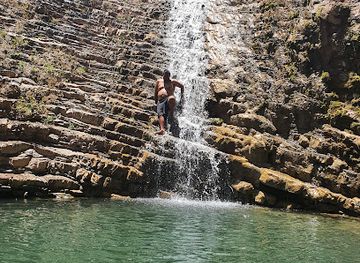
Hakmatek waterfall
Explore the breathtaking beauty of Hakmatek Waterfall in Maubisse, a serene escape surrounded by lush nature and stunning scenery.
-
Tourist attraction
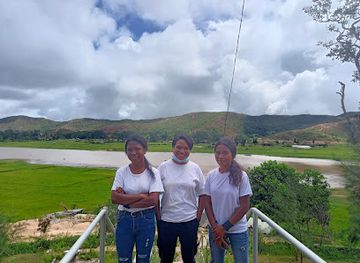
SELOI KRAIK
Explore Seloi Kraik: A Hidden Gem in Timor-Leste Offering Cultural Richness and Natural Beauty.
-
Tourist attraction
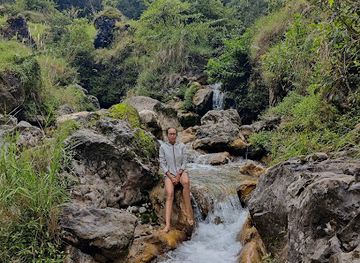
Be Tuda Aituto
Experience the natural beauty and cultural richness of Be Tuda Aituto, a hidden gem in Aituto, Timor-Leste, perfect for every traveler.
-
Tourist attraction
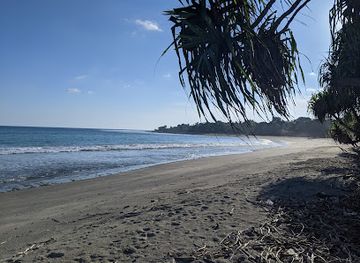
Selfie Hot Spot- Southern Coast
Discover the breathtaking views and vibrant atmosphere of Betano's Selfie Hot Spot, the perfect backdrop for unforgettable vacation memories.
Best landmarks in Manufahi
Same is the principal historical landmark of Manufahi because its name and surrounding landscape are inseparable from the 1911–12 rebellion led by Dom Boaventura. The municipality’s strongest landmarks are often not monumental buildings but places connected with customary authority, community memory and the routes through which colonial forces moved. The Kablaki highlands provide a major natural reference point, with ridges and forested slopes forming the backdrop to inland settlements and agricultural valleys. In the south, the open beaches and coastal setting around Betano mark a sharp geographical contrast with the mountains and recall the area’s role during the Second World War. Parish churches and village gathering spaces are prominent features of many settlements, reflecting the importance of Catholic institutions in contemporary Timorese life. Traditional houses and sacred sites may also have deep significance, but their status and accessibility are locally governed; they should not be approached as ordinary monuments. A knowledgeable local guide can explain these places more accurately than an independent visit based only on maps.
-
Island
Timor
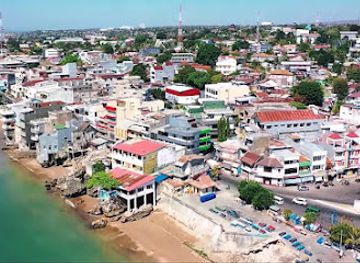
Explore Timor Island's breathtaking landscapes, rich culture, and warm hospitality, a hidden gem in East Nusa Tenggara, Indonesia.
-
Sculpture
Cristo Rei of Dili
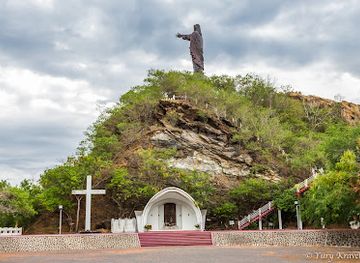
Experience the awe of Cristo Rei of Dili, a monumental statue offering stunning views and a deep cultural significance in Timor-Leste.
-
History museum
Timorese Resistance Archive & Museum
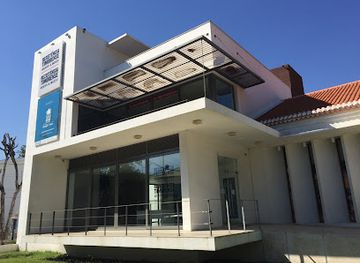
Explore the rich history of Timor-Leste at the Timorese Resistance Archive & Museum, a profound tribute to resilience and freedom.
-
Hotel
Balibo Fort Hotel
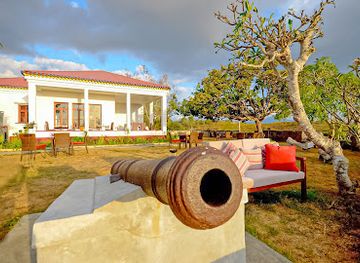
Discover the historical charm and cultural significance of Balibo Fort Hotel in East Timor, a unique blend of heritage and hospitality.
Explore Manufahi on the map
Plan your trip on one map. See where the top cities, national parks and sights are, and book hotels and experiences in a few clicks.
Best hotels in Manufahi
Best restaurants in Manufahi
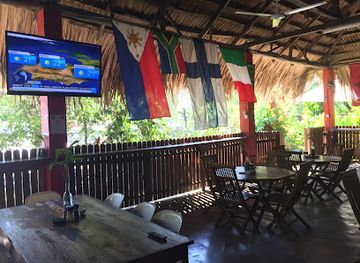
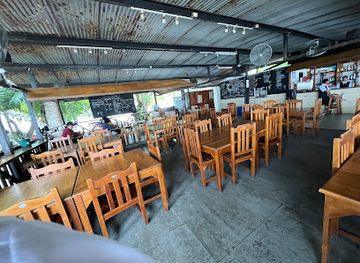
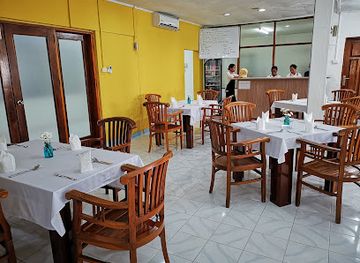
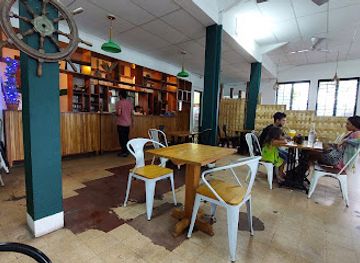
Dining in Manufahi is simple, local and closely tied to household agriculture and small market trade. In Same, visitors can usually find rice-based meals, noodles, grilled chicken or fish, vegetables, eggs and snacks influenced by Timorese, Indonesian and Portuguese culinary traditions. Rural households and roadside stalls may offer seasonal produce such as bananas, cassava, sweet potatoes, maize and leafy greens, while coffee from Timor-Leste is widely available as a drink rather than a formal tasting experience. Along the southern coast, fish may be available when catches and transport allow, but a dedicated seafood scene should not be assumed. Small warungs, market stalls and modest eateries are more typical than destination restaurants, and menus may be limited outside the main town. Carrying drinking water and a few provisions is sensible on longer journeys, particularly towards Turiscai or remote coastal settlements. Food is often prepared to order, so patience and basic Tetum phrases are useful.
-
Restaurant
Caz Bar
Experience the flavors of Timor-Leste at Caz Bar in Dili—where local meets global in a vibrant dining atmosphere.
-
Restaurant
Castaway Bar and Restaurant
Discover Timorese flavors at Castaway Bar and Restaurant in Dili - where great food meets stunning views.
-
Restaurant
Pro-Ema Restaurant School
Experience the fusion of education and flavor at Pro-Ema Restaurant School in Dili - where every meal supports women's empowerment.
-
Restaurant
Dilicious Timor
Experience authentic Timorese cuisine at Dilicious Timor – a culinary haven in Dili offering delightful local dishes in a vibrant setting.
Best bars in Manufahi
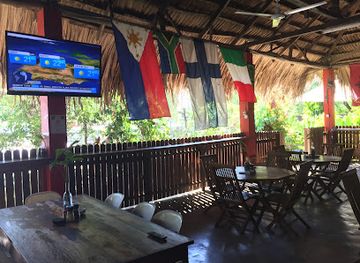
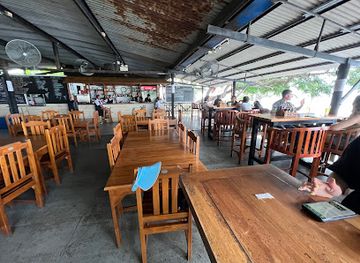
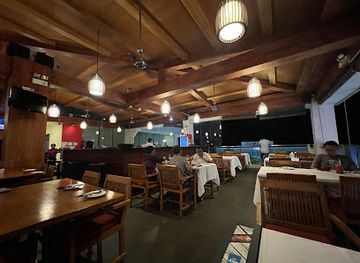
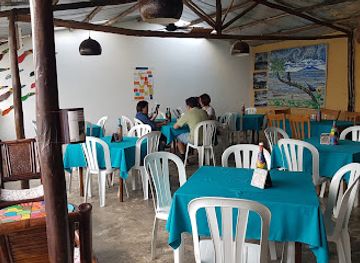
Manufahi does not have a substantial nightclub scene. Evening life is concentrated in Same and centres on modest restaurants, coffee shops, informal social gatherings and small bars rather than dedicated entertainment districts. Local establishments may serve beer, soft drinks and coffee, while music and conversation are more common than late-night dancing. In Alas, Fatuberliu, Turiscai and coastal communities, evenings are generally quiet, with activity shaped by family life, church calendars and community occasions. Visitors should not assume that venues keep fixed late hours or that alcohol is available in every rural settlement. Respectful behaviour is particularly important in small communities, where private and public social spaces overlap. Travellers looking for a drink should ask locally, avoid loud conduct near homes or churches and arrange a safe return rather than relying on late public transport.
-
Restaurant
Caz Bar
Discover the vibrant flavors of Dili at Caz Bar, where local cuisine meets a welcoming atmosphere in a culinary hotspot.
-
Bar
Castaway Bar and Restaurant
Experience vibrant dining and breathtaking views at Castaway Bar and Restaurant in Dili, the heart of Timor-Leste.
-
Restaurant
Panorama Restaurant & Sky Bar
Discover breathtaking views and exquisite cuisine at Panorama Restaurant & Sky Bar in Dili, Timor-Leste – an unforgettable dining experience awaits.
-
Restaurant
Projeto Montanha
Discover the authentic tastes of Timor-Leste at Projeto Montanha, where breathtaking views meet delicious local cuisine.
Best nightclubs in Manufahi
Manufahi does not have a substantial nightclub scene. Evening life is concentrated in Same and centres on modest restaurants, coffee shops, informal social gatherings and small bars rather than dedicated entertainment districts. Local establishments may serve beer, soft drinks and coffee, while music and conversation are more common than late-night dancing. In Alas, Fatuberliu, Turiscai and coastal communities, evenings are generally quiet, with activity shaped by family life, church calendars and community occasions. Visitors should not assume that venues keep fixed late hours or that alcohol is available in every rural settlement. Respectful behaviour is particularly important in small communities, where private and public social spaces overlap. Travellers looking for a drink should ask locally, avoid loud conduct near homes or churches and arrange a safe return rather than relying on late public transport.
-
Restaurant
Caz Bar
Experience the vibrant culinary culture of Dili at Caz Bar, where delicious Timorese dishes meet a lively atmosphere.
-
Bar
Spooners Bar and Grill
Discover the flavors of Dili at Spooners Bar and Grill, where local cuisine meets international flair in a lively, welcoming atmosphere.
-
Bar
Dili Club and Pizza
Experience the vibrant blend of Italian cuisine and local nightlife at Dili Club and Pizza - a must-visit spot in Timor-Leste.
-
Bar
Black Box Cafe and Bar
Discover the relaxing atmosphere and diverse menu at Black Box Cafe and Bar, Dili's top spot for drinks and snacks.



Best shops in Manufahi
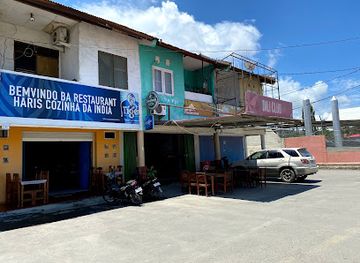
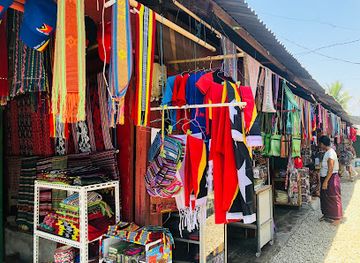
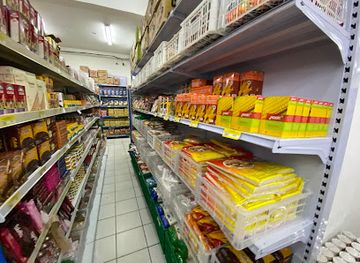
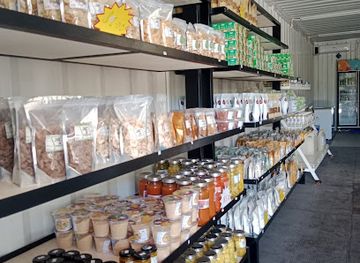
Shopping in Manufahi is focused on practical local markets rather than specialist retail. Same has the broadest selection of everyday goods, clothing, mobile-phone credit, snacks and household supplies, while smaller centres such as Alas, Fatuberliu and Turiscai have more limited trading activity. Visitors may find seasonal fruit, vegetables, maize, cassava and other farm produce, as well as locally made snacks and basic woven items. Timor-Leste coffee is a useful regional purchase when available, although packaging and quality vary between sellers. Traditional textiles and handicrafts may be obtained through community contacts rather than permanent craft shops, and visitors should ask about prices and the meaning of designs without treating ceremonial articles as souvenirs. Bargaining should be polite and moderate, especially in small markets where prices may already be close to the seller’s cost. Carry cash, as card payments are not generally available, and remember that Manufahi is not a destination for extensive fashion, luxury or commercial shopping.
-
Traditional market
Tais Market
Discover the vibrant Tais Market in Díli, where local culture meets unique shopping and delicious traditional cuisine.
-
Supermarket
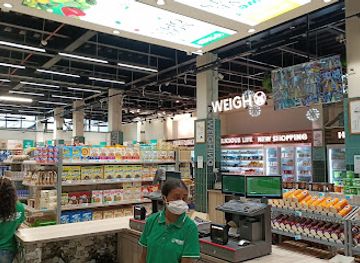
Lita Store
Explore the essence of Timor-Leste at Lita Store, Dili's vibrant supermarket featuring local delicacies and fresh produce.
-
Coffee shop
The Corner Store Network Timor Leste (Coffee shop, Resto, Local products & Souvenirs)
Experience the rich flavors of Timor Leste at The Corner Store Network, where local coffee and cuisine meet a cozy atmosphere.
-
Grocery store
Basic Home Mart
Discover the local flavors and fresh produce at Basic Home Mart, your go-to grocery store in Dili, Timor-Leste.
Get your free copy of our complete guide to Manufahi, delivered straight to you.
Everything on this page, from attractions and restaurants to essentials and local phrases, in one PDF you can read offline, print or share.
Already have an account? Sign in
Your Manufahi guide is ready.
We'll send it to · Not you? Sign out

Getting your guide ready…
We are putting together a fresh copy of the Manufahi guide. This can take up to a minute.
This can take a few moments. If your browser asks, choose Allow so the download can start. You'll find the guide in your Downloads folder.
Nothing happened? Download it again
Sorry, the guide is taking longer than usual. Please try again in a minute, or get it by email instead.
Manufahi essentials
Currency and Payment
Safety
Emergency Situations
Do's and Don'ts
Local Tips
From Eve
Local phrases worth knowing
You don't need to get them perfect. A few words go a long way, and locals appreciate the effort.
Basics
| English | Local | Say it |
|---|---|---|
| Hello | Olá | [oh-lah] |
| Goodbye | Adeus | [ah-deh-oos] |
| Yes | Sim | [seem] |
| No | Não | [now] |
| Please/You're welcome | Por favor | [poor fah-vor] |
| Thank you | Obrigado | [oh-bree-gah-doo] |
| Excuse me/Sorry | Desculpe | [des-kool-peh] |
| How are you? | Como você está? | [koh-moo voh-seh es-tah] |
| Fine. And you? | Bem. E você? | [bame. eh voh-seh] |
| Do you speak English? | Você fala inglês? | [voh-seh fah-lah een-glez] |
| I don't understand | Eu não entendo | [ay-oo now en-ten-doo] |
Eating & Drinking
| English | Local | Say it |
|---|---|---|
| I'd like to see the menu, please | Gostaria de ver o menu, por favor | [goh-stah-ree-ah djee vehr oo meh-noo, poor fah-vor] |
| I don't eat meat | Eu não como carne | [ay-oo now koh-moo kar-nee] |
| Cheers! | Saúde! | [sah-oo-dee] |
| I would like to pay, please | Gostaria de pagar, por favor | [goh-stah-ree-ah djee pah-gar, poor fah-vor] |
Emergencies
| English | Local | Say it |
|---|---|---|
| Help! | Ajuda! | [ah-zhoo-dah] |
| Go away! | Vá embora! | [vah em-boh-rah] |
| Call the Police! | Chame a polícia! | [sha-mee ah poh-lee-siah] |
| Call a doctor! | Chame um médico! | [sha-mee oom meh-dee-coo] |
| I'm lost | Estou perdido | [es-toh per-dee-doo] |
| I'm ill | Estou doente | [es-toh do-ehn-tay] |
Shopping
| English | Local | Say it |
|---|---|---|
| I'd like to buy... | Gostaria de comprar... | [goh-stah-ree-ah djee kom-prahr] |
| I'm just looking | Estou apenas olhando | [es-toh ah-peh-nas oh-yahn-doo] |
| How much is it? | Quanto custa? | [kwahn-toh koos-tah] |
| That's too expensive | É muito caro | [eh moo-ee-toh kah-roo] |
| Can you lower the price? | Você pode baixar o preço? | [voh-seh poh-jee bye-shar oo preh-soo] |
Time & Numbers
| English | Local | Say it |
|---|---|---|
| What time is it? | Que horas são? | [keh or-as sah-ooh] |
| It's one o'clock | É uma hora | [eh oo-mah or-ah] |
| Half past (10) | Dez e meia | [deh-ees eh may-ah] |
| Morning | Manhã | [mahn-yah] |
| Afternoon | Tarde | [tahr-deh] |
| Evening | Noite | [noy-teh] |
| Yesterday | Ontem | [on-tem] |
| Today | Hoje | [oh-zheh] |
| Tomorrow | Amanhã | [ah-mahn-yah] |
| 1 | Um | [oom] |
| 2 | Dois | [doyz] |
| 3 | Três | [trehz] |
| 4 | Quatro | [kwah-tro] |
| 5 | Cinco | [seen-koo] |
| 6 | Seis | [says] |
| 7 | Sete | [seh-tay] |
| 8 | Oito | [oy-toh] |
| 9 | Nove | [noh-veh] |
| 10 | Dez | [dehz] |
Transport & Directions
| English | Local | Say it |
|---|---|---|
| Where's a/the...? | Onde está um/a...? | [on-deh es-tah oom/ah] |
| What's the address? | Qual é o endereço? | [kwahl eh oo en-deh-reh-soo] |
| Can you show me (on the map)? | Você pode me mostrar (no mapa)? | [voh-seh poh-jee meh mohs-trar (no mah-pah)] |
| When's the next (bus)? | Quando é o próximo (ônibus)? | [kwahn-doo eh oo proh-see-mo (oh-nee-boos)] |
| A ticket (to ....) | Um bilhete (para ....) | [oom bee-lyeh-tay (pah-rah)] |
History of Manufahi
Early Austronesian and Timorese communities
Long before Portuguese rule, the valleys and uplands of present-day Manufahi were occupied by Timorese communities whose political and social organisation centred on customary authority, kinship and ritual obligations. Agriculture, livestock keeping and the exchange of forest and coastal products connected communities across the mountains and southern plain. Oral traditions remain important to local history, although written records from the early periods are limited. Sacred places, customary houses and ceremonial practices provide continuing evidence of older relationships between people, ancestors and the landscape.
Portuguese influence and traditional rulership
Portuguese colonial authority expanded unevenly across Timor and depended heavily on alliances with local liurai and other traditional rulers. In Manufahi, customary political structures remained influential even as colonial officials sought taxation, labour and administrative control. Catholic missions, trading relationships and military outposts gradually altered the region’s institutional landscape, but Portuguese authority was never simply imposed through towns and offices alone. The resulting tension between established local obligations and colonial demands shaped the most important episode in Manufahi’s modern history.
The Manufahi rebellion, 1911–1912
Manufahi became the centre of a major Timorese resistance movement led by Dom Boaventura, the region’s liurai. Opposition grew in response to Portuguese taxation, compulsory labour and attempts to tighten colonial control over local rulers and communities. Portuguese forces launched a large military campaign against the resistance in 1911 and 1912, using troops and allied Timorese auxiliaries. The rebellion was defeated, but Dom Boaventura and Manufahi retained a powerful place in Timor-Leste’s historical memory as symbols of resistance to colonial rule.
The Second World War in southern Timor
Japanese forces occupied Portuguese Timor from 1942, drawing the territory into the Pacific War. Australian commandos and Allied support networks operated in parts of the island, while Timorese communities faced requisitioning, violence, forced movement and severe food shortages. The southern coast, including the Betano area, was involved in Allied attempts to maintain links and evacuate personnel. The war left memories of hardship and divided loyalties across Timor, and its consequences were felt in rural communities as well as in the main settlements.
Late Portuguese rule and decolonisation
Following the war, Portugal restored its administration but continued to govern Timor-Leste as a colony. Roads, schools, Catholic institutions and local administrative structures developed gradually, although rural communities remained poorly served and political participation was restricted. The Carnation Revolution in Portugal in 1974 opened the way to decolonisation and political mobilisation in Timor. In Manufahi, as elsewhere, the transition was unsettled: competing political forces and local divisions were drawn into the wider crisis that followed the end of Portuguese rule.
Indonesian occupation, 1975–1999
Indonesia invaded East Timor in December 1975 and incorporated it as the province of Timor Timur. Manufahi experienced the military occupation, displacement and disruption that affected the territory as a whole, including restrictions on movement, armed resistance and severe pressure on rural communities. Indonesian administration expanded roads, schools and state services in some areas, but these developments took place within a coercive political system. The 1999 referendum and the violence surrounding it caused further destruction and displacement before the arrival of international forces.
Independence and contemporary Manufahi
Timor-Leste became an independent state in 2002 after a United Nations transitional administration. Manufahi was established as one of the country’s municipalities, with Same as its administrative centre and Alas, Fatuberliu and Turiscai as important local posts. Since independence, public institutions, roads, education and health services have developed, though access remains uneven in mountainous and coastal districts. Agriculture continues to provide much of the rural livelihood, while the municipality’s historic associations and landscapes offer growing scope for carefully managed cultural and nature-based travel.
Neighbouring regions of Manufahi
The closest regions to Manufahi, if you have time for more than one.
-

-

-

-

-


Swipe for more regions
Explore more

Explore more of Timor-Leste
Discover Timor-Leste, a captivating blend of history, culture, and natural beauty in Southeast Asia, boasting pristine beaches, vibrant marine life, and lush landscapes.
Explore Timor-Leste