

Free Viqueque Travel Guide & Mobile App
Explore Viqueque with free travel guides. Discover regional history, expert tips, proposed trips, and audio guides on web or mobile app.


Viqueque reveals Timor-Leste through southern coastlines, rice fields, forested hills, resistance history and rural community life.
Read more about Viqueque
When is the best time to visit Viqueque?
Best: June–August · 30°C| Month | High (°C) | Rainfall (mm) |
|---|---|---|
| January | 31 | 251 |
| February | 31 | 201 |
| March | 31 | 151 |
| April | 31 | 101 |
| May | 31 | 51 |
| June (best) | 30 | 26 |
| July (best) | 30 | 16 |
| August (best) | 30 | 16 |
| September | 30 | 26 |
| October | 31 | 51 |
| November | 31 | 101 |
| December | 31 | 151 |
Getting to and around Viqueque
How to get there
Transportation
Top city travel guides in Viqueque
The cities of Viqueque, and the easiest places to base yourself.

Swipe for more cities
Destinations in Viqueque
Resorts, valleys and scenic spots worth a trip of their own.
-

-


Swipe for more destinations
Best attractions in Viqueque
Viqueque’s attractions are dispersed across a largely rural municipality rather than concentrated in a formal tourism circuit. Viqueque town provides the clearest introduction to local administration, markets, churches and everyday life, while Uatolari and Uatucarbau offer bases for exploring agricultural districts and village landscapes. The southern lowlands contain rice-growing areas, coconut palms and broad river valleys, and the route towards the Timor Sea reveals coastal scenery with little visitor infrastructure. Inland roads lead towards forested hills, small settlements and countryside shaped by subsistence and smallholder farming. Historical interest is equally important: conversations with local guides and visits to community commemorative places can provide context on the Japanese occupation, Indonesian rule, resistance and independence, although such visits require sensitivity. Birdlife, tropical vegetation and quiet rural walks may appeal to experienced travellers, but marked trails, rescue services and reliable signage are limited. Caves and remote natural sites should be visited only with local guidance, as names, access and conditions can vary. Viqueque’s principal attraction is therefore the relationship between landscape, history and community life, experienced slowly and with realistic expectations about transport and facilities.
-
Tourist attraction
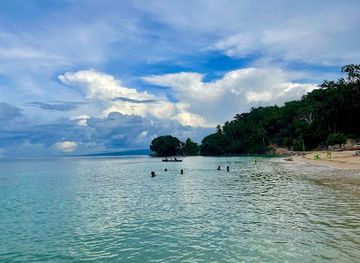
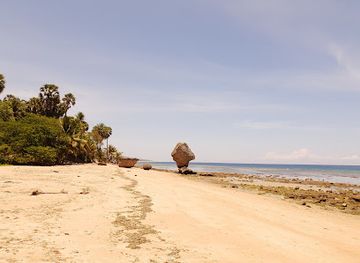
Watabo Beach
Experience the unspoiled beauty of Watabo Beach in Baucau, where tranquil sands and vibrant marine life create a perfect tropical getaway.
-
Tourist attraction
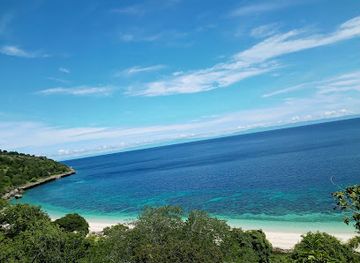
Caibada Beach
Experience the untouched beauty and tranquility of Caibada Beach in Baucau, a perfect getaway for relaxation and adventure in Timor-Leste.
-
Tourist attraction
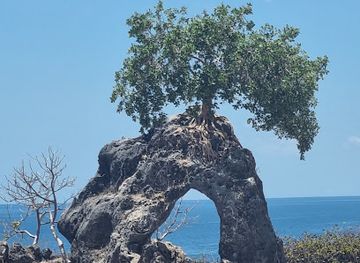
Aslae Ana Caisido
Explore the serene beauty and cultural richness of Aslae Ana Caisido, a hidden gem in Baucau, East Timor, perfect for nature lovers and cultural enthusiasts.
-
Tourist attraction
Lou-Huno Waterfall
Explore the captivating beauty of Lou-Huno Waterfall, a natural paradise in Timor-Leste offering adventure, tranquility, and stunning scenery.

Best landmarks in Viqueque
Viqueque’s most meaningful landmarks are tied to landscape, settlement and memory rather than monumental architecture. Viqueque town’s civic buildings, churches and market area express the municipality’s role as an administrative centre, while the settlements of Uatolari and Uatucarbau reflect the regional pattern of compact town centres surrounded by villages and farmland. The southern agricultural plains, with rice fields, palms and broad river corridors, provide a geographical landmark in their own right and contrast with the forested interior. Local churches and community memorials can carry significance for residents, but their meaning is best explained by a guide rather than reduced to photographic stops. Roads leading towards the Timor Sea reveal a lightly developed coastline whose importance is connected to fishing, transport and village life. In the uplands, ridges and wooded slopes mark the difficult terrain that shaped settlement, wartime movement and resistance during the twentieth century. Because many significant places are locally known rather than formally signposted, arrangements with municipal contacts or a knowledgeable driver are important for finding them respectfully and safely.
-
Cathedral
St. Anthony Cathedral
Explore the stunning St. Anthony Cathedral in Baucau, a historic landmark blending Gothic and Baroque architecture, surrounded by lush greenery and local culture.
-
Beach
Pantai Rekreasi Uatabo
Experience the serene beauty of Pantai Rekreasi Uatabo, a hidden beach paradise in Timor-Leste offering relaxation and stunning coastal views.
-
Tourist attraction
Lou-Huno Waterfall
Experience the breathtaking beauty of Lou-Huno Waterfall, a hidden gem in Loihuno, offering stunning views and tranquil surroundings perfect for nature lovers.
-
Historical landmark
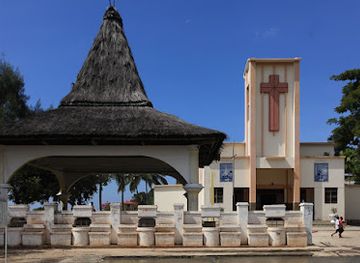
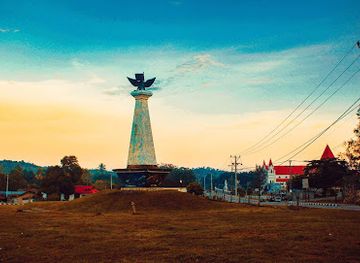
Monumento Pancasila
Discover the Monumento Pancasila, an emblem of East Timor's heritage in Viqueque, where history and nature intertwine beautifully.

Explore Viqueque on the map
Plan your trip on one map. See where the top cities, national parks and sights are, and book hotels and experiences in a few clicks.
Best hotels in Viqueque
Best restaurants in Viqueque
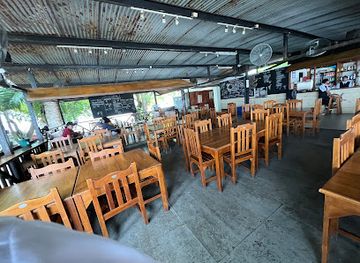
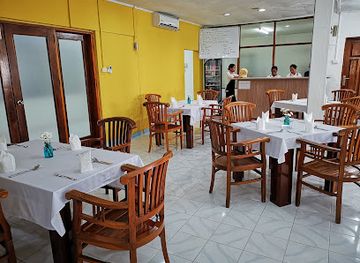
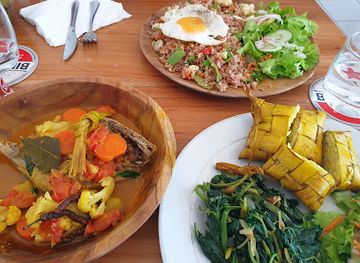
Viqueque has a modest dining scene centred on family-run eateries, market stalls, small shops and meals prepared through local guesthouse or community arrangements rather than a large choice of formal restaurants. Rice, maize, cassava, sweet potatoes, beans, leafy vegetables, eggs and grilled or stewed fish form the basis of everyday meals, with pork or chicken available according to household and local custom. Southern coastal communities may offer fish when catches and transport allow, while upland areas draw more heavily on garden produce and maize. Coffee is important to Timor-Leste’s wider agricultural identity, although the strongest coffee-growing areas are generally in the highlands elsewhere in the country. Visitors may encounter spicy sambal, simple broths and fried snacks alongside Portuguese and Indonesian influences. Markets are useful for seasonal fruit and basic provisions, but food availability can be limited outside the main settlements. Carrying snacks and treating drinking water is recommended on long road journeys.
-
Restaurant
Caz Bar
Experience the best of Dili at Caz Bar - where local flavors meet vibrant culture in a friendly atmosphere.
-
Restaurant
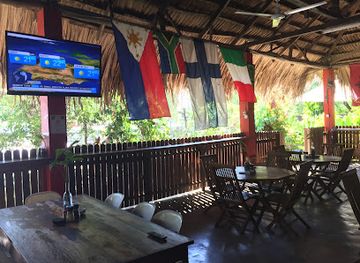
Castaway Bar and Restaurant
Experience delicious local cuisine with stunning views at Dili's favorite dining spot - Castaway Bar and Restaurant.
-
Restaurant
Pro-Ema Restaurant School
Experience authentic Timorese cuisine at Pro-Ema Restaurant School in Dili – where every meal supports local culinary education.
-
Restaurant
Dilicious Timor
Discover authentic Timorese cuisine at Dilicious Timor in Dili – where every meal tells a story through fresh local ingredients.
Best bars in Viqueque
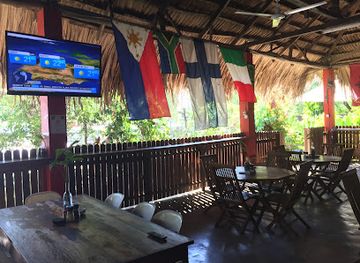
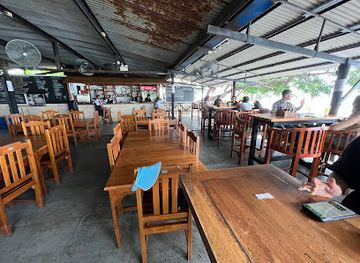
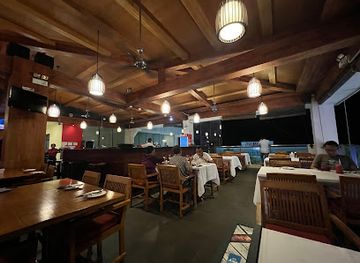
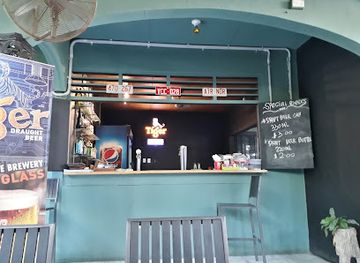
Viqueque does not have a major nightclub or late-night entertainment scene. Evening life is more likely to centre on family gatherings, small local eateries, informal roadside stalls, community events and modest cafés or bars in the larger settlements. In some places, locally available beer and other drinks can be found, but opening arrangements are informal and should not be assumed. Live music and celebrations may accompany community occasions, religious events or national festivals, although these are not a permanent nightlife programme. After dark, travellers generally spend the evening at their accommodation or with an arranged local host, and rural roads should not be used casually at night. The social character of Viqueque is best approached through respectful conversation and community contact rather than a search for a commercial entertainment district.
-
Restaurant
Caz Bar
Explore the flavors of Timor-Leste at Caz Bar, where local ingredients meet vibrant ambiance for an unforgettable dining experience.
-
Bar
Castaway Bar and Restaurant
Discover the vibrant charm of Castaway Bar and Restaurant in Dili, where local flavors meet refreshing drinks in a tropical paradise.
-
Restaurant
Panorama Restaurant & Sky Bar
Experience breathtaking views and exquisite dining at Panorama Restaurant & Sky Bar in Dili, where local flavors meet international cuisine.
-
Bar
Spooners Bar and Grill
Discover the vibrant atmosphere and delicious offerings of Spooners Bar and Grill, a must-visit spot for food lovers in Dili.
Best nightclubs in Viqueque
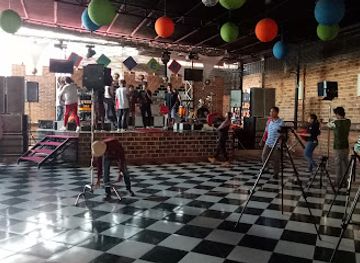
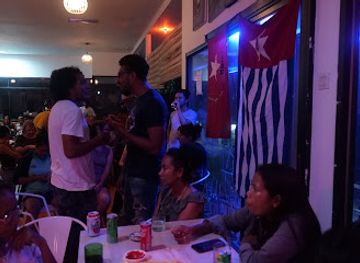
Viqueque does not have a major nightclub or late-night entertainment scene. Evening life is more likely to centre on family gatherings, small local eateries, informal roadside stalls, community events and modest cafés or bars in the larger settlements. In some places, locally available beer and other drinks can be found, but opening arrangements are informal and should not be assumed. Live music and celebrations may accompany community occasions, religious events or national festivals, although these are not a permanent nightlife programme. After dark, travellers generally spend the evening at their accommodation or with an arranged local host, and rural roads should not be used casually at night. The social character of Viqueque is best approached through respectful conversation and community contact rather than a search for a commercial entertainment district.
-
Bar
Black Box Cafe and Bar
Discover the lively atmosphere at Black Box Cafe and Bar, a perfect blend of great drinks, delicious food, and vibrant entertainment in Dili.
-
Bar
Tower Cafe & Bar
Experience the vibrant culture of Dili at Tower Cafe & Bar, where stunning views and delicious drinks await in the heart of Timor-Leste.
-
Cocktail bar
Ponkys Cocktail Lounge
Experience the vibrant nightlife at Ponkys Cocktail Lounge in Dili, where expertly crafted cocktails and a lively atmosphere await you.
-
Bar
Nova Jar
Experience the vibrant nightlife of Dili at Nova Jar, where live music and a welcoming atmosphere create unforgettable memories.


Best shops in Viqueque
Shopping in Viqueque is practical and local rather than centred on large retail areas. Markets and small roadside shops in Viqueque town, Uatolari and Uatucarbau sell rice, vegetables, fruit, household goods, clothing and basic travel supplies, with the selection varying according to delivery routes and harvest seasons. Visitors may find locally grown produce, maize, cassava, coconut products and coffee from Timor-Leste, although packaging and availability are not consistent. Handwoven tais, the country’s culturally important textiles, may be available through community contacts or local sellers, but designs, prices and production methods vary, so purchase directly and respectfully. Small craft items are more likely to be found through personal introductions than in dedicated souvenir shops. Carry cash in small US dollar notes and avoid assuming that card payments are possible. Viqueque is not a destination for extensive fashion, luxury or specialist shopping; its most appropriate purchases are useful provisions, locally made textiles and agricultural products obtained without exploiting community traditions.
-
Gift shop
Oil Paintings For Sale
Explore Dili's artistic side with exquisite oil paintings, a unique gift shop, and a cultural experience in one vibrant location.
-
Supermarket
Lita Store
Explore Lita Store in Dili for a diverse range of local and international products at competitive prices, perfect for tourists and locals alike.
-
Grocery store
Qulina Supermarket
Explore Timor-Leste's culinary delights at Qulina Supermarket, a vibrant hub for local and international products in Dili.
-
Coffee shop
The Corner Store Network Timor Leste (Coffee shop, Resto, Local products & Souvenirs)
Discover the flavors and crafts of Timor Leste at The Corner Store Network, where local coffee, meals, and souvenirs await.


Get your free copy of our complete guide to Viqueque, delivered straight to you.
Everything on this page, from attractions and restaurants to essentials and local phrases, in one PDF you can read offline, print or share.
Already have an account? Sign in
Your Viqueque guide is ready.
We'll send it to · Not you? Sign out

Getting your guide ready…
We are putting together a fresh copy of the Viqueque guide. This can take up to a minute.
This can take a few moments. If your browser asks, choose Allow so the download can start. You'll find the guide in your Downloads folder.
Nothing happened? Download it again
Sorry, the guide is taking longer than usual. Please try again in a minute, or get it by email instead.
Viqueque essentials
Currency and Payment
Safety
Emergency Situations
Do's and Don'ts
Local Tips
From Eve
Local phrases worth knowing
You don't need to get them perfect. A few words go a long way, and locals appreciate the effort.
Basics
| English | Local | Say it |
|---|---|---|
| Hello | Olá | [oh-lah] |
| Goodbye | Adeus | [ah-deh-oos] |
| Yes | Sim | [seem] |
| No | Não | [now] |
| Please/You're welcome | Por favor | [por fah-vor] |
| Thank you | Obrigado | [oh-bree-gah-doo] |
| Excuse me/Sorry | Desculpe | [des-kool-pay] |
| How are you? | Como você está? | [koh-moo voh-seh es-tah] |
| Fine. And you? | Estou bem. E você? | [es-toh beng. eh voh-seh] |
| Do you speak English? | Você fala inglês? | [voh-seh fah-lah een-glez] |
| I don't understand | Eu não entendo | [eh-oo now en-ten-doo] |
Eating & Drinking
| English | Local | Say it |
|---|---|---|
| I'd like to see the menu, please | Gostaria de ver o menu, por favor | [goh-stah-ree-ah jeh veh-rr oo meh-noo, por fah-vor] |
| I don't eat meat | Eu não como carne | [eh-oo now koh-moo kar-nee] |
| Cheers! | Saúde! | [sah-oo-deh] |
| I would like to pay, please | Gostaria de pagar, por favor | [goh-stah-ree-ah jeh pah-gar, por fah-vor] |
Emergencies
| English | Local | Say it |
|---|---|---|
| Help! | Ajuda! | [ah-zhoo-dah] |
| Go away! | Vá embora! | [vah em-boh-rah] |
| Call the Police! | Chame a polícia! | [sha-mee ah poh-lee-see-ah] |
| Call a doctor! | Chame um médico! | [sha-mee oom meh-dee-koh] |
| I'm lost | Estou perdido | [es-toh pear-dee-doo] |
| I'm ill | Estou doente | [es-toh do-ehn-chee] |
Shopping
| English | Local | Say it |
|---|---|---|
| I'd like to buy... | Gostaria de comprar... | [goh-stah-ree-ah jeh kom-prahr] |
| I'm just looking | Estou apenas olhando | [es-toh ah-peh-nas oh-lhan-doo] |
| How much is it? | Quanto custa? | [kwan-toh koos-tah] |
| That's too expensive | Isso é muito caro | [ee-soh eh mooi-toh kah-roo] |
| Can you lower the price? | Você pode baixar o preço? | [voh-seh poh-jee bye-shar oo pray-soo] |
Time & Numbers
| English | Local | Say it |
|---|---|---|
| What time is it? | Que horas são? | [keh oh-ras sah-oo] |
| It's one o'clock | É uma hora | [eh oo-mah oh-rah] |
| Half past (10) | Dez e meia | [dehz eh may-ah] |
| Morning | Manhã | [mahn-yah] |
| Afternoon | Tarde | [tar-deh] |
| Evening | Noite | [noy-teh] |
| Yesterday | Ontem | [on-tem] |
| Today | Hoje | [oh-zheh] |
| Tomorrow | Amanhã | [ah-mahn-yah] |
| 1 | Um | [oom] |
| 2 | Dois | [doy-ees] |
| 3 | Três | [trehz] |
| 4 | Quatro | [kwah-tro] |
| 5 | Cinco | [seen-ko] |
| 6 | Seis | [says] |
| 7 | Sete | [seh-teh] |
| 8 | Oito | [oy-toh] |
| 9 | Nove | [noh-veh] |
| 10 | Dez | [dehz] |
Transport & Directions
| English | Local | Say it |
|---|---|---|
| Where's a/the...? | Onde está um/a...? | [on-deh es-tah oom/ah] |
| What's the address? | Qual é o endereço? | [kwahl eh oo in-deh-ray-soo] |
| Can you show me (on the map)? | Você pode me mostrar (no mapa)? | [voh-seh poh-jee mee mos-trar (noh mah-pah)] |
| When's the next (bus)? | Quando é o próximo (ônibus)? | [kwan-doo eh oo proh-see-moo (oh-nee-boos)] |
| A ticket (to ....) | Um bilhete (para ....) | [oom bee-lyeh-chee (pah-rah)] |
History of Viqueque
Indigenous kingdoms and customary society
Before European rule, the area now administered as Viqueque was organised through local kingdoms, customary authorities and networks of exchange linking the mountains, agricultural plains and southern coast. Political relationships were shaped by ritual obligations, land, marriage alliances and access to labour and resources. Local languages and traditions remain important markers of identity, and customary authority continues to influence community life. The region’s settlement patterns and agricultural practices reflect this long history rather than a purely colonial administrative design.
Portuguese colonial rule
Portuguese influence expanded gradually in Timor through missions, trading relationships and military administration rather than through uniform control of every district. Viqueque became part of the colonial structure that connected local rulers to Portuguese authority, while Catholic institutions, taxation and administrative boundaries altered older political arrangements. Roads, schools and government services developed unevenly, leaving much of the municipality rural. Portuguese remains an official language of Timor-Leste, although Tetum and local languages are more commonly heard in daily life.
Japanese occupation, 1942–1945
Japanese forces occupied Portuguese Timor during the Second World War, bringing military requisitions, forced labour, displacement and violence. Timorese communities were drawn into a conflict that also involved Australian soldiers and local support networks. The mountainous interior and difficult communications shaped the movement of people and supplies, while the impacts reached rural districts such as Viqueque. The occupation caused lasting demographic and social disruption, and memories of wartime hardship form part of the broader historical context of Timor-Leste.
Indonesian occupation and resistance
Indonesia invaded East Timor in 1975 and formally incorporated it in 1976, beginning an occupation that lasted until 1999. Viqueque was integrated into the Indonesian administrative system, but many local people supported or were affected by the armed, clandestine and diplomatic resistance. Military operations, displacement, food insecurity and restrictions on movement left profound scars. The municipality’s remote terrain could provide shelter and routes for resistance networks, while villages also faced intense pressure from security forces and pro-integration groups.
The 1999 referendum and its aftermath
In the United Nations-sponsored 1999 consultation, a large majority of East Timorese voters chose independence from Indonesia. The result was followed by widespread violence, destruction and forced displacement across the territory, including Viqueque. International forces helped restore security, while the United Nations administered the territory during the transition to independence. Many public buildings and houses required reconstruction, and the period remains sensitive. Visitors should avoid treating sites of violence as casual sightseeing locations and should listen respectfully when residents discuss their experiences.
Independence and municipal development
Timor-Leste became independent in 2002, and Viqueque entered the new republic as a predominantly rural municipality facing major development challenges. Public investment has gradually expanded roads, schools, health services and administrative facilities, although access remains uneven across the uplands and coastal districts. Agriculture continues to support many households, with rice, maize, cassava, livestock and market gardening varying according to altitude and rainfall. Contemporary Viqueque is therefore shaped both by national state-building and by strong local community structures.
Viqueque in Photos
Browse through our photo collection highlighting the charm and character of the destination.
Neighbouring regions of Viqueque
The closest regions to Viqueque, if you have time for more than one.
-

-

-

-

-


Swipe for more regions
Explore more

Explore more of Timor-Leste
Discover Timor-Leste, a captivating blend of history, culture, and natural beauty in Southeast Asia, boasting pristine beaches, vibrant marine life, and lush landscapes.
Explore Timor-Leste