

Free Togo Mountains Travel Guide & Mobile App
Explore Togo Mountains with free travel guides. Discover regional history, expert tips, proposed trips, and audio guides on web or mobile app.


Explore Togo Mountains landscapes around Kpalimé, Atakpamé and Badou, with forest walks, waterfalls, craft traditions, coffee and cocoa country.
Read more about Togo Mountains
When is the best time to visit Togo Mountains?
Best: June–August · 22–25°C| Month | High (°C) | Rainfall (mm) |
|---|---|---|
| January | 1 | 30 |
| February | 3 | 25 |
| March | 8 | 35 |
| April | 13 | 40 |
| May | 18 | 45 |
| June (best) | 22 | 50 |
| July (best) | 25 | 55 |
| August (best) | 24 | 50 |
| September | 20 | 45 |
| October | 15 | 40 |
| November | 8 | 35 |
| December | 2 | 30 |
Getting to and around Togo Mountains
How to get there
Transportation
Top city travel guides in Togo Mountains
The cities of Togo Mountains, and the easiest places to base yourself.
-

-

-


Swipe for more cities
Best attractions in Togo Mountains
The Togo Mountains offer a landscape-led form of travel, with attractions spread across forested slopes, cultivated valleys and rugged central hills rather than concentrated in a single resort. Around Kpalimé, visitors can combine walks on the Kloto plateau with excursions to Womé and Kpimé waterfalls, Mount Agou and craft workshops producing woven goods, carved objects and batik. The countryside is especially rewarding for those interested in coffee and cocoa cultivation, birdlife, botany and village landscapes. Atakpamé provides access to a hill town and the central mountain belt, while Badou is a base for exploring escarpments and the Akloa waterfall area. Farther north, Fazao-Malfakassa National Park contains a much larger protected landscape of hills, woodland and savannah, although its remoteness means that guiding, transport and accommodation need careful planning. The region is better suited to walking, cultural encounters and nature outings than to a conventional collection of ticketed attractions.
-
Tourist attraction
Mount Afadja
Explore the breathtaking heights of Mount Afadja, Ghana's highest peak, where adventure meets stunning natural beauty amidst rich biodiversity.
-
Tourist attraction
visit Wli Waterfalls
Immerse yourself in the breathtaking beauty of Wli Waterfalls, Ghana's highest waterfall, where nature and adventure await.
-
 Mountain peak
Mont Touandjogo
Explore the breathtaking heights of Mont Touandjogo, where nature's beauty meets adventure in Togo's stunning landscape.


Best landmarks in Togo Mountains
Mount Agou is the defining natural landmark of the southern Togo Mountains and the country’s highest summit, rising above the agricultural country near Kpalimé. Its importance is geographical as well as visual, although reaching high viewpoints involves a guided rural walk rather than a developed mountain facility. The Kloto plateau provides another recognisable landscape, with forested ridges and steep-sided valleys overlooking the Kpalimé area. Around Badou, prominent escarpments frame the basin and help explain the town’s position as a gateway to the central-western highlands. The hills of Atakpamé form a distinctive urban and geographic setting, with roads and buildings climbing and threading between elevated ground. In the northern part of the mountain belt, Fazao-Malfakassa National Park is significant as a protected mountain and woodland landscape rather than as a single built monument. These landmarks are best understood through their relationship to farming, settlement, forest and regional travel routes.
-
Historical landmark
Colombe De La Paix
Explore the Colombe De La Paix in Lomé, a historical landmark symbolizing peace and harmony, set amidst vibrant culture and rich heritage.
-
Cultural landmark
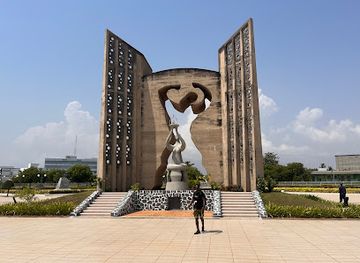
Monument de l'independance
Discover the Monument de l'Indépendance in Lomé, a powerful symbol of Togo's rich history and cultural heritage amidst beautiful gardens.
-
Historical landmark
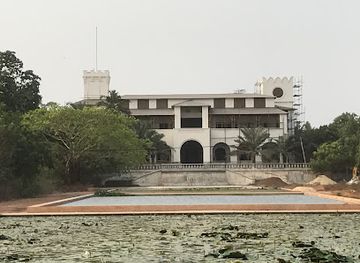
Palais de Lomé
Explore the rich history and stunning architecture of Palais de Lomé, a historical landmark that showcases Togo's cultural heritage.
-
Zoo
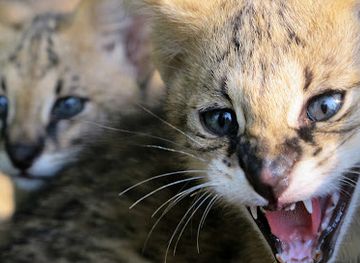
Fauna Cultura
Visit Fauna Cultura in Lomé, Togo, for an unforgettable encounter with diverse wildlife in a beautiful and educational setting.
Explore Togo Mountains on the map
Plan your trip on one map. See where the top cities, national parks and sights are, and book hotels and experiences in a few clicks.
Best hotels in Togo Mountains
Best restaurants in Togo Mountains
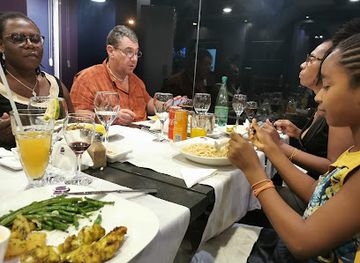
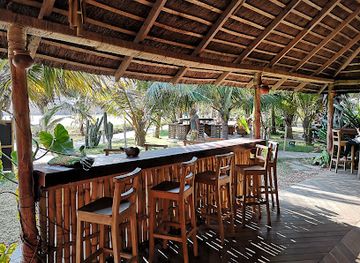
Eating in the Togo Mountains is closely linked to local agriculture and the markets of Kpalimé, Atakpamé and Badou. Everyday meals commonly draw on maize, cassava, yams, plantains, beans, rice, leafy vegetables and poultry, often served with sauces whose ingredients vary by season and community. Grilled meat, fried plantain and simple rice dishes are widely available in town eateries, while rural stops may offer a more limited choice. Around the wetter southern slopes, bananas, plantains, coffee and cocoa reflect the landscape, although local production does not mean that every café serves estate-grown drinks. Markets are useful for fruit and prepared snacks, and small restaurants and informal food stalls provide a more reliable introduction to ordinary regional cooking than formal dining. In Kpalimé, ask locally about current places serving food, since businesses and opening arrangements can change.
-
Restaurant
Le Phenicien
Discover Le Phenicien in Lomé: where fast food meets exquisite pastries and delicious pizzas in a warm and inviting atmosphere.
-
Restaurant
Blue Turtle Bay
Experience the best of Togolese cuisine with international flair at Blue Turtle Bay in Lomé – where every meal is a feast for the senses.
-
Restaurant
Le Beluga
Discover exquisite flavors at Le Beluga in Lomé – where culinary artistry meets enchanting ambiance.
-
Restaurant
Breakfast To Breakfast (B To B) Adidogomé
Experience authentic Togolese cuisine and international favorites at Breakfast To Breakfast (B To B) in Adidogomé.
Best bars in Togo Mountains
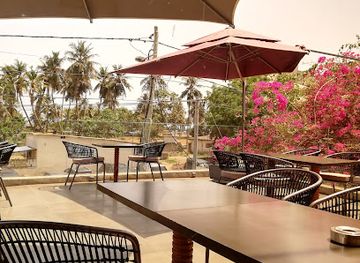
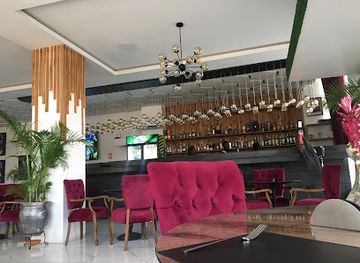
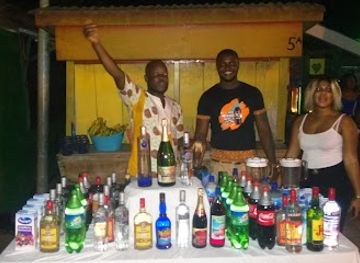
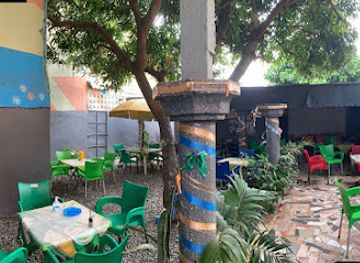
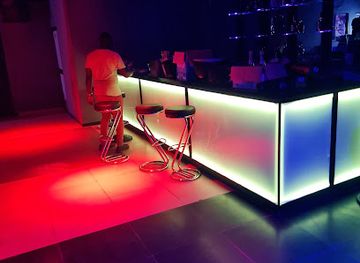
Nightlife in the Togo Mountains is generally low-key and town-centred. Kpalimé has the broadest choice of informal bars, beer gardens, cafés and restaurants, with music and social activity often becoming livelier at weekends or around special occasions. Atakpamé and Badou also have neighbourhood drinking spots and small eateries, but neither functions as a large clubbing destination. In villages and rural areas, evenings usually revolve around family compounds, local bars and community events rather than organised tourist nightlife. Togo’s locally brewed and widely available commercial beers may be encountered alongside soft drinks and palm-based beverages, but visitors should drink responsibly and arrange transport before travelling after dark. Establishments, music schedules and closing times are changeable, so accommodation hosts are the best source of current local information.
-
Bar
La Chunga bar restaurant
Experience the vibrant nightlife of Lomé at La Chunga, a bar restaurant offering a blend of local culture and delicious drinks.
-
Bar
Malezia Pub
Discover the heart of Hohoe at Malezia Pub, where vibrant atmosphere meets local flavors in a delightful bar experience.
-
Bar
Bar La Fierté
Experience the vibrant atmosphere and delectable cuisine at Bar La Fierté in Lomé, your perfect spot for relaxation and local flavors.
-
Wine bar
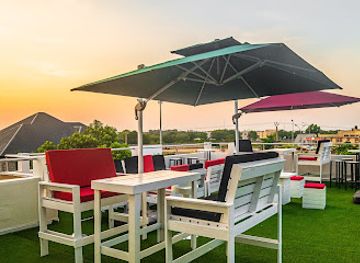
i'Top Rooftop Lounge
Discover the vibrant nightlife of Lomé at i'Top Rooftop Lounge, where exquisite cocktails and stunning views create the perfect evening escape.
Best nightclubs in Togo Mountains
Nightlife in the Togo Mountains is generally low-key and town-centred. Kpalimé has the broadest choice of informal bars, beer gardens, cafés and restaurants, with music and social activity often becoming livelier at weekends or around special occasions. Atakpamé and Badou also have neighbourhood drinking spots and small eateries, but neither functions as a large clubbing destination. In villages and rural areas, evenings usually revolve around family compounds, local bars and community events rather than organised tourist nightlife. Togo’s locally brewed and widely available commercial beers may be encountered alongside soft drinks and palm-based beverages, but visitors should drink responsibly and arrange transport before travelling after dark. Establishments, music schedules and closing times are changeable, so accommodation hosts are the best source of current local information.
-
Night club
Miami 228
Discover the electrifying nightlife and diverse dining at Miami 228, Lomé's premier destination for unforgettable evenings.
-
Bar
Before and after nightclub
Dive into the dynamic nightlife of Lomé at Before and After Nightclub, where music, drinks, and dancing come together for an unforgettable experience.
-
Lounge
XS LOUNGE LOME
Discover the vibrant nightlife of Lomé at XS Lounge, where relaxation meets entertainment in a lively atmosphere.
-
Lounge
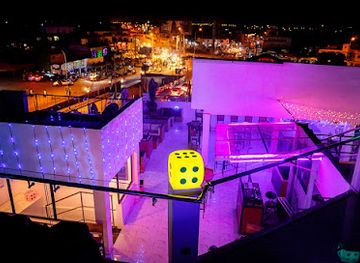
Rooftop Opium
Discover Rooftop Opium, Lomé's premier lounge offering breathtaking views, vibrant nightlife, and delicious cocktails for an unforgettable experience.


Best shops in Togo Mountains
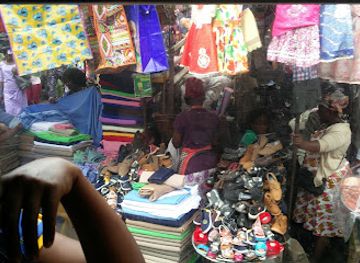
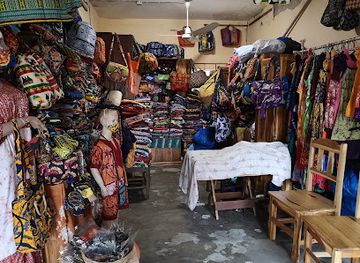
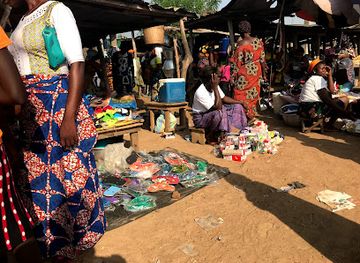
Shopping in the Togo Mountains is strongest in market towns and craft-producing communities rather than in large dedicated retail centres. Kpalimé is particularly associated with weaving, batik, woodcarving and other forms of decorative craft, with workshops and small sellers offering locally made items whose quality and provenance should be discussed directly with the maker. Markets in Kpalimé, Atakpamé and Badou sell fruit, vegetables, spices, household goods and prepared foods, while roadside stalls may offer plantains, cassava products, honey or other seasonal produce. Coffee and cocoa are natural regional souvenirs, but packaging and export rules vary, so buy from established sellers and check what can legally be carried across borders. Bargain politely where bargaining is customary, pay in CFA francs and remember that market purchases support different producers, traders and household enterprises rather than a single standardised regional brand.
-
Store
VAC TOGO (VLISCO, WOODIN, UNIWAX)
Explore the vibrant world of Togolese textiles at VAC TOGO, a premier destination for unique fabrics and cultural experiences in Lomé.
-
Shopping mall
Village artisanal de Lomé
Explore the Village Artisanal de Lomé, a vibrant shopping destination showcasing authentic Togolese crafts and rich cultural heritage.
-
Produce market
Marché d'Amou-Oblo
Experience the lively atmosphere of Marché d'Amou-Oblo, a vibrant produce market in Amou Oblo, where local flavors and culture come alive.
-
Gift shop
Africanou
Explore Africanou, a vibrant gift shop in Lomé, showcasing handcrafted treasures that embody the spirit of Togo's rich culture and artistry.
Get your free copy of our complete guide to Togo Mountains, delivered straight to you.
Everything on this page, from attractions and restaurants to essentials and local phrases, in one PDF you can read offline, print or share.
Already have an account? Sign in
Your Togo Mountains guide is ready.
We'll send it to · Not you? Sign out

Getting your guide ready…
We are putting together a fresh copy of the Togo Mountains guide. This can take up to a minute.
This can take a few moments. If your browser asks, choose Allow so the download can start. You'll find the guide in your Downloads folder.
Nothing happened? Download it again
Sorry, the guide is taking longer than usual. Please try again in a minute, or get it by email instead.
Togo Mountains essentials
Currency and Payment
Safety
Emergency Situations
Do's and Don'ts
Local Tips
From Eve
Local phrases worth knowing
You don't need to get them perfect. A few words go a long way, and locals appreciate the effort.
Basics
| English | Local | Say it |
|---|---|---|
| Hello | Bonjour | [Bon-zhoor] |
| Goodbye | Au revoir | [Oh ruh-vwahr] |
| Yes | Oui | [Wee] |
| No | Non | [Nohn] |
| Please/You're welcome | S'il vous plaît | [Seel voo pleh] |
| Thank you | Merci | [Mehr-see] |
| Excuse me/Sorry | Excusez-moi | [Ex-kew-zay mwah] |
| How are you? | Comment ça va? | [Koh-mohn sah vah] |
| Fine. And you? | Bien. Et vous? | [Byen. Eh voo] |
| Do you speak English? | Parlez-vous anglais? | [Par-lay voo ahn-glay] |
| I don't understand | Je ne comprends pas | [Zhuh nuh kohm-prahn pah] |
Eating & Drinking
| English | Local | Say it |
|---|---|---|
| I'd like to see the menu, please | Je voudrais voir le menu, s'il vous plaît | [Zhuh voo-dray vwar luh meh-nu, seel voo pleh] |
| I don't eat meat | Je ne mange pas de viande | [Zhuh nuh mahnj pah duh vyahnd] |
| Cheers! | Santé! | [Sahn-tay] |
| I would like to pay, please | Je voudrais payer, s'il vous plaît | [Zhuh voo-dray pay-ay, seel voo pleh] |
Emergencies
| English | Local | Say it |
|---|---|---|
| Help! | À l'aide! | [Ah lehd] |
| Go away! | Allez-vous-en! | [Ah-lay voo zahn] |
| Call the Police! | Appelez la police! | [Ah-peh-lay lah poh-leess] |
| Call a doctor! | Appelez un docteur! | [Ah-peh-lay uhn dok-teur] |
| I'm lost | Je suis perdu | [Zhuh swee pair-doo] |
| I'm ill | Je suis malade | [Zhuh swee mah-lahd] |
Shopping
| English | Local | Say it |
|---|---|---|
| I'd like to buy... | Je voudrais acheter... | [Zhuh voo-dray ah-she-tay] |
| I'm just looking | Je regarde juste | [Zhuh ruh-gard zhuhst] |
| How much is it? | Combien ça coûte? | [Kohm-byen sah koot] |
| That's too expensive | C'est trop cher | [Say troh shair] |
| Can you lower the price? | Pouvez-vous baisser le prix? | [Poo-vay voo beh-say luh pree] |
Time & Numbers
| English | Local | Say it |
|---|---|---|
| What time is it? | Quelle heure est-il? | [Kell uhr eh-teel] |
| It's one o'clock | Il est une heure | [Eel eh tün uhr] |
| Half past (10) | Dix heures et demie | [Deeze uhr eh duh-mee] |
| Morning | Matin | [Mah-tan] |
| Afternoon | Après-midi | [Ah-pray mee-dee] |
| Evening | Soir | [Swar] |
| Yesterday | Hier | [Yair] |
| Today | Aujourd'hui | [Oh-zhoor-dwee] |
| Tomorrow | Demain | [Duh-man] |
| 1 | Un | [Uhn] |
| 2 | Deux | [Duh] |
| 3 | Trois | [Twah] |
| 4 | Quatre | [Katr] |
| 5 | Cinq | [Sank] |
| 6 | Six | [Sees] |
| 7 | Sept | [Set] |
| 8 | Huit | [Wheet] |
| 9 | Neuf | [Nuhf] |
| 10 | Dix | [Deez] |
Transport & Directions
| English | Local | Say it |
|---|---|---|
| Where's a/the...? | Où est un/une...? | [Oo eh uhn/oon] |
| What's the address? | Quelle est l'adresse? | [Kell eh l'ah-dress] |
| Can you show me (on the map)? | Pouvez-vous me montrer (sur la carte)? | [Poo-vay voo muh mohn-tray (sir lah kart)] |
| When's the next (bus)? | Quand est le prochain (bus)? | [Kahn eh luh pro-shen (boos)] |
| A ticket (to ....) | Un billet (pour....) | [Uhn bee-yay (poor....)] |
History of Togo Mountains
Early Settlement and Mountain Agriculture
The Togo Mountains have long been a zone of movement, settlement and farming rather than an isolated wilderness. Communities including Ewe, Akposso and Ifè developed villages in valleys and on lower slopes, cultivating crops suited to the humid southern highlands and drier central elevations. Archaeological knowledge of the wider region remains less extensively presented to visitors than its living cultural heritage, but pottery, settlement patterns, oral traditions and agricultural landscapes reflect long histories of adaptation to the hills. The mountains also formed corridors linking the forested south with the interior savannah.
The Akposso and Ifè Cultural Landscapes
Different sections of the range became associated with distinct communities, languages and local political traditions. The Akposso heartland around the central-western mountains developed a cultural landscape of farming settlements, markets and forested hills, while Atakpamé and its surrounding country became associated with Ifè communities and wider regional exchange. These identities were never confined to modern administrative boundaries, and movement across the Ghanaian and Beninese borders has long connected related communities. Today, languages, foodways, craft practices and village organisation continue to show the mountain belt’s cultural diversity.
European Trade and German Colonial Rule
From the nineteenth century, European commercial and missionary activity increasingly affected the territory that became Togo. German colonial rule was established in the late nineteenth century, bringing new systems of taxation, administration, Christian missions and transport development. The mountain country was drawn more firmly into export agriculture and colonial trade, while older political authorities and local communities experienced major changes in land use and governance. Traces of this period are most visible through the layout of older towns, mission influence, road corridors and the agricultural economy rather than through a single monumental colonial site.
Coffee, Cocoa and Plantation Agriculture
The humid slopes around Kpalimé and other southern mountain districts became important for coffee and cocoa cultivation during the colonial and post-colonial periods. These crops prospered in the forested highland environment, alongside food crops such as plantains, cassava and maize. Production connected rural households to national and international markets, while fluctuations in prices, disease and changing agricultural policy shaped local livelihoods. Coffee and cocoa remain part of the region’s identity, although farms are generally small-scale and mixed rather than vast plantation estates. The agricultural landscape is one of the clearest historical legacies encountered by visitors.
Independence and the Modern Togolese State
Togo became independent in 1960, and the mountain districts were incorporated into the new republic’s administrative, educational and transport systems. Towns such as Kpalimé, Atakpamé and Badou expanded as market and service centres, linking surrounding villages with the national capital and coastal trade. Modern roads and communications have made the region more accessible, but many rural communities remain dependent on agriculture and seasonal market activity. The post-independence period is therefore visible less through a dramatic break in the landscape than through the growth of towns, schools, public institutions and regional commerce.
Conservation in the Mountain Belt
The creation and development of protected areas, particularly Fazao-Malfakassa National Park in central Togo, reflected growing efforts to conserve forests, wildlife habitats and mountainous terrain. Conservation has had to sit alongside farming, settlement and the needs of communities living near protected landscapes. The park’s hills, woodland and savannah differ from the wetter forest environment around Kpalimé, illustrating the ecological range of the Togo Mountains. Contemporary conservation work is consequently tied to access, local livelihoods, responsible guiding and the protection of natural areas from fire, hunting and unsustainable land clearance.
Togo Mountains in Photos
Browse through our photo collection highlighting the charm and character of the destination.
Neighbouring regions of Togo Mountains
The closest regions to Togo Mountains, if you have time for more than one.
-

-

-

-

-


Swipe for more regions
Explore more

Explore more of Togo
Discover Togo, a hidden gem in West Africa, offering vibrant culture, stunning landscapes, rich history, and diverse wildlife for an unforgettable travel experience.
Explore Togo