

Free Mono River Basin Travel Guide & Mobile App
Explore Mono River Basin with free travel guides. Discover regional history, expert tips, proposed trips, and audio guides on web or mobile app.


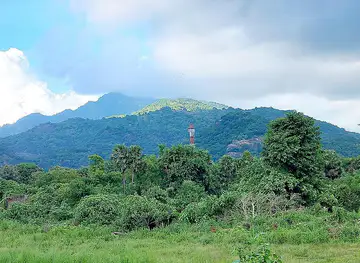
Explore Togo's Mono River Basin through Atakpamé, Notsé, wooded uplands, market towns, farming landscapes and the lower river near the coast.
Read more about Mono River Basin
When is the best time to visit Mono River Basin?
Best: December–February · 28–31°C| Month | High (°C) | Rainfall (mm) |
|---|---|---|
| January (best) | 29 | 21 |
| February (best) | 31 | 15 |
| March | 32 | 30 |
| April | 34 | 50 |
| May | 34 | 70 |
| June | 35 | 80 |
| July | 34 | 90 |
| August | 33 | 100 |
| September | 32 | 90 |
| October | 31 | 70 |
| November | 29 | 50 |
| December (best) | 28 | 30 |
Getting to and around Mono River Basin
How to get there
Transportation
Top city travel guides in Mono River Basin
The cities of Mono River Basin, and the easiest places to base yourself.
-
-

-


Swipe for more cities
Destinations in Mono River Basin
Resorts, valleys and scenic spots worth a trip of their own.

Swipe for more destinations
Best attractions in Mono River Basin
-
Tourist attraction
Oniru Private Beach
Discover the vibrant lifestyle of Lagos at Oniru Private Beach — a perfect blend of relaxation, adventure, and nightlife.
-
Tourist attraction
Johnson Jakande Tinubu (JJT) Park
Discover the serene beauty of Johnson Jakande Tinubu Park, a lush urban oasis in Ikeja, Nigeria, perfect for relaxation and cultural experiences.
-
Market
Dugbe market
Discover the vibrant atmosphere and local flavors at Dugbe Market, Ibadan's bustling marketplace filled with culture and commerce.
-
Recreation center
Rattray Park
Discover the beauty of nature at Rattray Park, a serene recreational center in Kumasi, Ghana, perfect for relaxation, family fun, and community events.


Best landmarks in Mono River Basin
-
Cultural landmark
Monument de l'independance
Discover the Monument de l'Indépendance in Lomé, Togo, a landmark celebrating the nation's rich history and cultural heritage.
-
Museum
Musee National
Explore Togo's rich cultural heritage at Musee National in Lomé, showcasing art, history, and the vibrant traditions of the Togolese people.
-
Stadium
Stade municipal de Sokodé
Experience the vibrant culture and sports enthusiasm at Stade Municipal de Sokodé, a must-visit landmark in Togo's heart.
-
 Hotel
Hôtel Luxembourg
Experience the perfect blend of comfort and local charm at Hôtel Luxembourg in Atakpamé, Togo's inviting retreat for travelers.


Explore Mono River Basin on the map
Plan your trip on one map. See where the top cities, national parks and sights are, and book hotels and experiences in a few clicks.
Best hotels in Mono River Basin
Best restaurants in Mono River Basin
Dining in the basin is based on the everyday cooking of southern and central Togo rather than a separate Mono Basin cuisine. Maize, cassava, yams, plantains, beans and rice appear frequently, accompanied by sauces made with vegetables, groundnuts or palm ingredients. Grilled chicken, goat and fish are common where supplies allow, while roadside stalls and market counters provide simple meals such as pâte with sauce, rice dishes, fried plantain and bean preparations. Atakpamé and Notsé offer the broadest choice of modest restaurants, cafés and street-food sellers; in smaller communities, meals may need to be arranged through accommodation or purchased in markets. Palm wine and locally produced soft drinks may be encountered, although availability varies. Visitors should choose busy food stalls with good turnover, carry water and remember that rural menus are shaped by season and supply. Vegetarian travellers can usually find beans, rice, plantain and vegetable sauces by explaining their requirements clearly.
-
African
Foufou bar
Savor the essence of African cuisine at Foufou Bar in Anié, where each dish tells a story of rich cultural heritage.
-
Snack bar
Le Mono
Discover authentic Togolese flavors at Le Mono, a charming snack bar nestled in Hôtel Sarakawa along Lomé's scenic Boulevard Du Mono.

Best bars in Mono River Basin
Evening life in the Mono River Basin is concentrated in Atakpamé, Notsé and larger roadside settlements, and is generally more social and low-key than club-oriented. Local bars and beer gardens may offer bottled drinks, music and conversation, while restaurants and small cafés provide places to eat after dark. In villages, evenings often finish early, with limited lighting and few formal entertainment venues. Occasional live music, celebrations or football screenings can create a busier atmosphere, but these are dependent on local calendars rather than a permanent nightlife programme. Travellers should arrange their return transport before going out, keep valuables secure and avoid isolated roads at night. The region's evening culture is best understood through relaxed social spaces and local hospitality, not through a major nightclub circuit.
-
Restaurant
Blue Turtle Bay
Experience the vibrant flavors of Togo at Blue Turtle Bay, a culinary hotspot in Lomé offering delicious local and international dishes.

Best nightclubs in Mono River Basin
Evening life in the Mono River Basin is concentrated in Atakpamé, Notsé and larger roadside settlements, and is generally more social and low-key than club-oriented. Local bars and beer gardens may offer bottled drinks, music and conversation, while restaurants and small cafés provide places to eat after dark. In villages, evenings often finish early, with limited lighting and few formal entertainment venues. Occasional live music, celebrations or football screenings can create a busier atmosphere, but these are dependent on local calendars rather than a permanent nightlife programme. Travellers should arrange their return transport before going out, keep valuables secure and avoid isolated roads at night. The region's evening culture is best understood through relaxed social spaces and local hospitality, not through a major nightclub circuit.
-
Night club
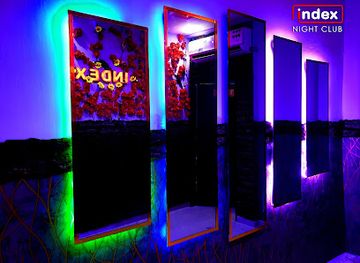
INDEX Lomé Night Club
Dive into the energetic nightlife of Lomé at INDEX Lomé Night Club, where music, dance, and culture collide for an unforgettable experience.
-
Night club
Le Sommet Night Club
Discover the heart of Lomé's nightlife at Le Sommet Night Club - a vibrant venue featuring top DJs and an electric atmosphere.
-
Night club
V8 Night Club
Discover the heart of Lomé's nightlife at V8 Night Club, where music and energy collide for an unforgettable experience.
Best shops in Mono River Basin
Shopping in the Mono River Basin centres on markets and independent traders rather than large retail complexes. Atakpamé and Notsé are the principal places to browse food markets, household goods, clothing, sandals, phone accessories and locally grown produce. Smaller market communities offer a more seasonal selection of maize, cassava, yams, plantains, beans, palm products and prepared foods, while roadside stalls may sell snacks for onward journeys. Useful regional purchases include woven goods, simple wooden objects, baskets and locally made textiles, although quality and provenance vary and visitors should ask whether an item was made locally. Bargaining can be appropriate in some markets but should be polite and proportionate. Carry small XOF notes, protect purchases from rain and dust, and avoid buying archaeological objects, wildlife products or cultural items whose export may be restricted. The most practical souvenirs are often food products, textiles or crafts acquired directly from established makers or traders.
-
River
Mono River
Experience the tranquility and adventure at Mono River, a picturesque destination perfect for nature lovers and outdoor enthusiasts alike.

Get your free copy of our complete guide to Mono River Basin, delivered straight to you.
Everything on this page, from attractions and restaurants to essentials and local phrases, in one PDF you can read offline, print or share.
Already have an account? Sign in
Your Mono River Basin guide is ready.
We'll send it to · Not you? Sign out

Getting your guide ready…
We are putting together a fresh copy of the Mono River Basin guide. This can take up to a minute.
This can take a few moments. If your browser asks, choose Allow so the download can start. You'll find the guide in your Downloads folder.
Nothing happened? Download it again
Sorry, the guide is taking longer than usual. Please try again in a minute, or get it by email instead.
Mono River Basin essentials
Currency and Payment
Safety
Emergency Situations
Do's and Don'ts
Local Tips
From Eve
Local phrases worth knowing
You don't need to get them perfect. A few words go a long way, and locals appreciate the effort.
Basics
| English | Local | Say it |
|---|---|---|
| Hello | Mèda | [Meh-dah] |
| Goodbye | Nà kɔ | [Nah kɔ] |
| Yes | Yé | [Yay] |
| No | Nɔ | [Noh] |
| Please/You're welcome | Bɛtɔ | [Beh-toh] |
| Thank you | Mɛtɔ | [Meh-toh] |
| Excuse me/Sorry | Sɔrɛ | [So-reh] |
| How are you? | Wɔ nɔ fɛ? | [Woh noh feh?] |
| Fine. And you? | Fɛ, nɔ nɔ? | [Feh, noh noh?] |
| Do you speak English? | Nɔ kpɛ English? | [Noh kpeh English?] |
| I don't understand | Mɛn nɔ kpɔ mɔ | [Men noh kpo moh] |
Eating & Drinking
| English | Local | Say it |
|---|---|---|
| I'd like to see the menu, please | Mɛtsɔ mɛnɛ, bɛtɔ | [Meh-tso meh-neh, beh-toh] |
| I don't eat meat | Mɛn nɔ yɔ kɔ | [Men noh yo koh] |
| Cheers! | Kɔlɛ! | [Koh-leh!] |
| I would like to pay, please | Mɛtsɔ pɛ, bɛtɔ | [Meh-tso peh, beh-toh] |
Emergencies
| English | Local | Say it |
|---|---|---|
| Help! | Bɔ ɔ! | [Boh oh!] |
| Go away! | Bɔ hɛn! | [Boh hen!] |
| Call the Police! | Bɔ pɔlɛ! | [Boh poh-leh!] |
| Call a doctor! | Bɔ dɔktɔ! | [Boh dok-toh!] |
| I'm lost | Mɛn nɔ sɔ | [Men noh soh] |
| I'm ill | Mɛn nɔ nɔpɔ | [Men noh noh-poh] |
Shopping
| English | Local | Say it |
|---|---|---|
| I'd like to buy... | Mɛtsɔ bɔ... | [Meh-tso boh...] |
| I'm just looking | Mɛn nɔ yɛ hɛn | [Men noh yeh hen] |
| How much is it? | Wɔ bɔ mɔ? | [Woh boh moh?] |
| That's too expensive | Yɛ nɔ kɔsɛm | [Yeh noh koh-sehm] |
| Can you lower the price? | Nɔ bɛtɔ kɔsɛm nɔ? | [Noh beh-toh koh-sehm noh?] |
Time & Numbers
| English | Local | Say it |
|---|---|---|
| What time is it? | Wɔ bɔ nɔ? | [Woh boh noh?] |
| It's one o'clock | Yɛ bɔ nɔ kɔlɔ | [Yeh boh noh koh-loh] |
| Half past (10) | Nɔ kɔ nɔ pɛtɛ | [Noh koh noh peh-teh] |
| Morning | Anɔ | [Ah-noh] |
| Afternoon | Ewe | [Eh-weh] |
| Evening | Dɔkɔ | [Doh-koh] |
| Yesterday | Fɛtɔ | [Feh-toh] |
| Today | Wɔbɔ | [Woh-boh] |
| Tomorrow | Bɔbɔ | [Boh-boh] |
| 1 | Yɛ | [Yay] |
| 2 | Dɔ | [Doh] |
| 3 | Tɛ | [Teh] |
| 4 | Nɛ | [Neh] |
| 5 | Bɛ | [Beh] |
| 6 | Sɛ | [Seh] |
| 7 | Sɔ | [Soh] |
| 8 | Yɛn | [Yehn] |
| 9 | Dɔtɔ | [Doh-toh] |
| 10 | Yɛlɛ | [Yeh-leh] |
Transport & Directions
| English | Local | Say it |
|---|---|---|
| Where's a/the...? | Wɔ bɔ nɔ...? | [Woh boh noh...?] |
| What's the address? | Wɔ bɔ nɔ pɔ? | [Woh boh noh poh?] |
| Can you show me (on the map)? | Nɔ bɛtɔ fɛ nɔ (nɔ mɛ)? | [Noh beh-toh feh noh (noh meh)?] |
| When's the next (bus)? | Nɔ bɔ nɔ pɛ nɔ (bɔs)? | [Noh boh noh peh noh (bos)?] |
| A ticket (to ....) | Nɔ kɔtɔ (kɔ ...) | [Noh koh-toh (koh ...)] |
History of Mono River Basin
Early settlement and the Mono drainage
The Mono drainage has supported farming, fishing, movement and exchange for centuries, although much of its early history is preserved through archaeology, oral traditions and the distribution of settlements rather than through large surviving monuments. Communities adapted to the contrast between wooded uplands, cultivated valleys and wetter southern lowlands. River corridors connected local societies with neighbouring areas in present-day Benin and Ghana, while seasonal agriculture shaped patterns of residence and trade. The basin should therefore be viewed as a zone of interaction rather than an isolated geographical unit.
Notsé and Ewe historical traditions
Notsé occupies an important place in the historical memory of Ewe-speaking communities. Oral traditions describe the town as a major early centre from which groups later dispersed towards different parts of southern Togo, southeastern Ghana and neighbouring Benin. These accounts combine history, genealogy and cultural memory, and their details vary between communities. The town's importance lies not only in physical remains but also in the continuing role of Notsé in discussions of identity, ancestry and migration across the southern Togo region.
Regional states and long-distance exchange
Before European colonial rule, the basin was connected to political and commercial networks extending between the interior, the coastal ports and the kingdoms of the Bight of Benin. Palm products, foodstuffs, textiles and other goods moved through markets and overland routes, while political influence varied between local authorities and stronger states farther east and west. The lower Mono's proximity to the coast and to present-day Benin encouraged cross-border contact. These older connections help explain why cultural and linguistic boundaries in the region do not coincide neatly with modern national borders.
German rule and the colonial reorganisation of Togo
Germany established colonial control over Togo from the late nineteenth century, reorganising administration, taxation, labour and trade routes across the territory. Mission stations, roads and commercial infrastructure altered existing relationships between inland communities and the coast. Atakpamé and other southern settlements gained importance within this new administrative geography, although colonial authority remained uneven outside principal routes. German rule also introduced coercive systems whose economic benefits were distributed unequally and whose effects are part of the region's wider colonial legacy.
French administration and transport corridors
After the First World War, Togo was administered under a French mandate and later a trusteeship. French authorities maintained and expanded administrative and transport systems, linking markets and inland towns more closely to Lomé and the coast. The railway and road network strengthened the position of places such as Atakpamé as intermediaries between southern ports and the interior. These changes encouraged the movement of agricultural goods and people, while also making the region more directly subject to colonial taxation, education and administrative control.
Independence and the modern basin
Togo became independent in 1960, and the Mono Basin subsequently developed within a national framework while retaining strong cross-border links with Benin. Rural livelihoods continue to depend on farming, trading and seasonal environmental conditions, while Atakpamé and Notsé function as regional service and market centres. River management, flooding, land use and infrastructure remain matters of practical importance in the lower basin. Modern travel through the region reveals both the persistence of older cultural connections and the effects of national borders, roads and changing economic patterns.
Mono River Basin in Photos
Browse through our photo collection highlighting the charm and character of the destination.
Neighbouring regions of Mono River Basin
The closest regions to Mono River Basin, if you have time for more than one.
-

-

-

-

-


Swipe for more regions
Explore more

Explore more of Togo
Discover Togo, a hidden gem in West Africa, offering vibrant culture, stunning landscapes, rich history, and diverse wildlife for an unforgettable travel experience.
Explore Togo