

Free Plateaux Region Travel Guide & Mobile App
Explore Plateaux Region with free travel guides. Discover regional history, expert tips, proposed trips, and audio guides on web or mobile app.


Explore Togo’s Plateaux Region for forested mountains, waterfalls, craft traditions, cocoa country and the contrasting towns of Kpalimé and Atakpamé.
Read more about Plateaux Region
When is the best time to visit Plateaux Region?
Best: November–January · 32–33°C| Month | High (°C) | Rainfall (mm) |
|---|---|---|
| January (best) | 33 | 10 |
| February | 34 | 15 |
| March | 35 | 25 |
| April | 34 | 40 |
| May | 33 | 80 |
| June | 30 | 100 |
| July | 30 | 110 |
| August | 30 | 100 |
| September | 30 | 90 |
| October | 31 | 50 |
| November (best) | 32 | 20 |
| December (best) | 32 | 10 |
Getting to and around Plateaux Region
How to get there
Transportation
Top city travel guides in Plateaux Region
The cities of Plateaux Region, and the easiest places to base yourself.
-

-

-


Swipe for more cities
Best attractions in Plateaux Region
The Plateaux Region’s attractions centre on its mountain environment and the communities that live within it. Around Kpalimé, excursions lead into the Kloto highlands, where forested slopes, cultivated valleys and waterfalls near places such as Kpimé and Womé provide opportunities for walking and nature observation. Mount Agou, in the southern part of the region, is another prominent landscape feature, although hiking arrangements and access should be organised locally. Kpalimé itself is important for craft workshops, with wood carving, pottery and textile arts offering cultural experiences alongside the town’s markets. Atakpamé presents a different kind of visit: its hillside setting, regional markets and surrounding farmland illustrate the Plateaux as an inland crossroads. Rural journeys reveal coffee and cocoa country, village life and changing vegetation, while short walks can often be arranged through local guides. The region is better suited to independent cultural exploration and modest outdoor excursions than to a concentrated circuit of large, formal visitor attractions.
-
Park
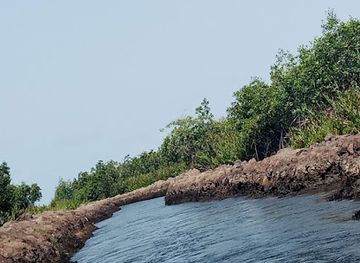
Keta Lagoon Protected Area
Explore Keta Lagoon Protected Area, a serene paradise in Ghana, renowned for its rich wildlife, stunning landscapes, and vibrant local culture.
-
Go-kart track
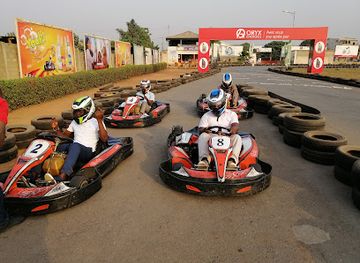
L'Afriklub
Experience the ultimate fun at L'Afriklub in Lomé, where go-karting thrills meet delicious dining and arcade games for the entire family.
-
Tourist attraction
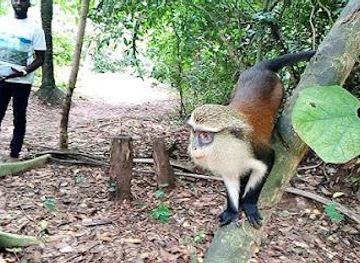
Tafi Atome Monkey Sanctuary And Cultural Village
Discover the enchanting Tafi Atome Monkey Sanctuary, where playful monkeys and rich Ghanaian culture come together in a captivating natural setting.
-
Tourist attraction
Wli Agumatsa Waterfalls
Experience the breathtaking beauty of Wli Agumatsa Waterfalls, Ghana's highest waterfall, surrounded by stunning nature and adventure.

Best landmarks in Plateaux Region
Mount Agou is among the Plateaux Region’s most recognisable natural landmarks, rising above the southern highlands and symbolising the region’s upland character. The Kloto range around Kpalimé forms another defining geographic landmark: its wooded ridges distinguish the town from Togo’s coastal plain and create the setting for nearby waterfalls and mountain paths. Atakpamé is itself notable for its hillside position, with the town spread across and around elevated ground rather than occupying a flat urban basin. The waterfalls associated with Kpimé and Womé are important local landmarks because they combine the region’s heavy-rainfall environment with accessible cultural excursions, although their appearance and access vary by season. Kpalimé’s craft workshops are less monumental but carry strong cultural significance, demonstrating how artistic production has become part of the town’s identity. Together, these places express the Plateaux through topography, water, settlement and living craft traditions rather than through a single monumental building.
-
Market
Marché Agoé Assiyéyé
Explore the vibrant Marché Agoé Assiyéyé in Lomé, Togo, where local culture, fresh produce, and handcrafted goods come alive in a bustling market atmosphere.
-
Historical landmark
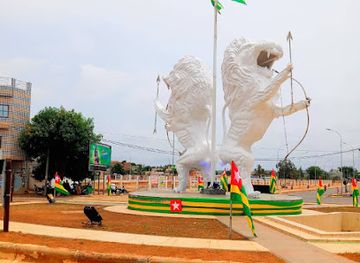
Crossroads of the Two Lions
Discover the Crossroads of the Two Lions, a historical landmark in Lomé that embodies Togo's rich cultural heritage and vibrant local life.
-
Historical landmark
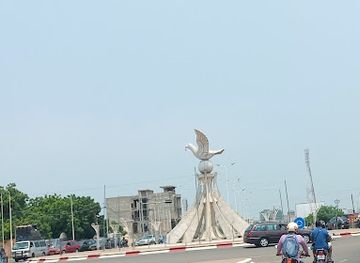
Colombe De La Paix
Discover the Colombe De La Paix in Lomé, a historical landmark symbolizing peace, culture, and the vibrant spirit of Togo.
-
Stadium
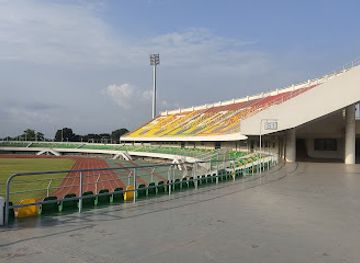
Kégué Stadium
Discover the vibrant atmosphere of Kégué Stadium in Lomé, Togo, a central hub for sports and cultural events that showcases the heart of Togolese pride.
Explore Plateaux Region on the map
Plan your trip on one map. See where the top cities, national parks and sights are, and book hotels and experiences in a few clicks.
Best hotels in Plateaux Region
Best restaurants in Plateaux Region
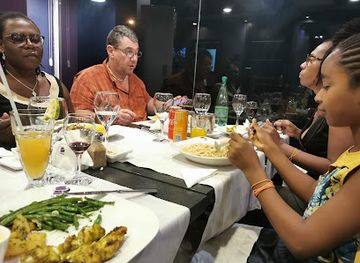
Dining in the Plateaux Region is closely linked to everyday Togolese cooking and the produce of its farms. In Kpalimé and Atakpamé, small restaurants and informal eateries commonly serve dishes such as pâte, a maize or cassava-based staple, with sauces, beans, vegetables, chicken or fish. Grilled meat and chicken are widely available, while rice dishes and fried plantain provide familiar choices for travellers. The wetter western highlands are associated with coffee and cocoa cultivation, and fresh fruit is often sold seasonally in markets and along roads. Local food is generally more about hearty, freshly prepared meals than elaborate restaurant presentation; larger hotels may offer broader menus. Visitors should expect variations in spice, portion size and availability, and should choose busy food stalls with good turnover where possible. Markets are useful for discovering regional produce, but they are not a substitute for a formal dining venue when hygiene, seating or dietary requirements are important.
-
Restaurant
Le Phenicien
Discover the flavors of Lomé at Le Phenicien - where fast food meets fine patisserie in a vibrant dining atmosphere.
-
Restaurant
Blue Turtle Bay
Discover Blue Turtle Bay: A seaside dining experience in Lomé offering local flavors and stunning ocean views.
-
Restaurant
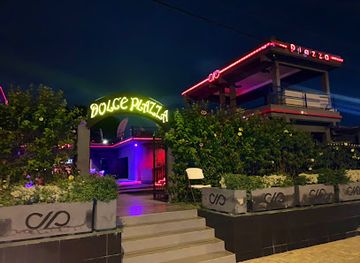
Dolce Plazza
Discover Lomé's culinary gem at Dolce Plazza - where delicious food meets an electrifying nightlife experience.
-
Restaurant
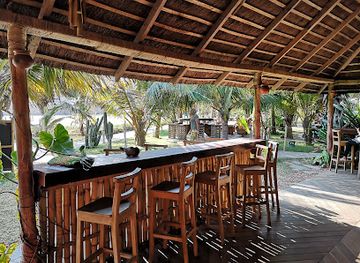
FOUFOU BAR
Experience authentic Togolese cuisine at FOUFOU BAR in Atakpame – where flavor meets vibrant culture!
Best bars in Plateaux Region
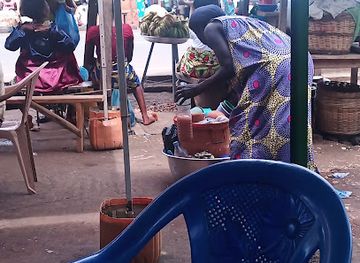
Evening life in the Plateaux Region is led by relaxed bars, small restaurants and informal social spaces rather than a large nightclub circuit. Kpalimé has the broadest visitor-oriented choice, with places to drink a beer, listen to music or meet after a day in the hills; Atakpamé’s nightlife is more closely tied to local neighbourhoods, cafés and roadside establishments. In smaller settlements, evenings tend to be quiet and may centre on food stalls, conversation and community life. Togo’s beer culture is visible in many towns, while soft drinks, coffee and non-alcoholic beverages are readily available. Opening arrangements and venue status can change, so accommodation staff are the best source of current recommendations. Visitors should keep valuables secure, arrange transport back to their accommodation in advance and avoid treating alcohol consumption as the main measure of local nightlife.
-
Restaurant
FOUFOU BAR
Discover the authentic flavors and vibrant atmosphere of Foufou Bar, a top spot in Atakpame for locals and tourists alike.
-
Bar
Bar CONNEXION
Experience the heart of Atakpame's nightlife at Bar CONNEXION, where great drinks and a friendly atmosphere await you.
-
Bar
Bar King of Kings
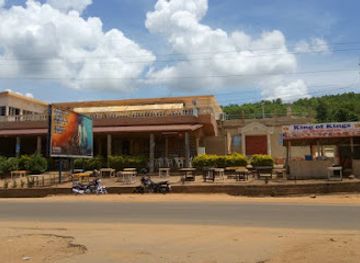
Experience the vibrant nightlife at Bar King of Kings in Atakpame, offering local drinks and a lively atmosphere for tourists and locals.
-
Restaurant
Bar restaurant Go Slow
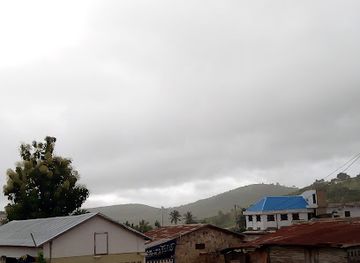
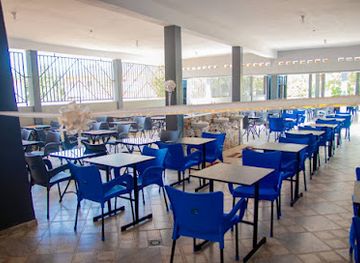
Experience the vibrant flavors of Atakpame at Bar Restaurant Go Slow, where local cuisine meets a warm, inviting atmosphere.
Best nightclubs in Plateaux Region
Evening life in the Plateaux Region is led by relaxed bars, small restaurants and informal social spaces rather than a large nightclub circuit. Kpalimé has the broadest visitor-oriented choice, with places to drink a beer, listen to music or meet after a day in the hills; Atakpamé’s nightlife is more closely tied to local neighbourhoods, cafés and roadside establishments. In smaller settlements, evenings tend to be quiet and may centre on food stalls, conversation and community life. Togo’s beer culture is visible in many towns, while soft drinks, coffee and non-alcoholic beverages are readily available. Opening arrangements and venue status can change, so accommodation staff are the best source of current recommendations. Visitors should keep valuables secure, arrange transport back to their accommodation in advance and avoid treating alcohol consumption as the main measure of local nightlife.
-
Bar
Before and after nightclub
Discover Lomé's nightlife at Before and After Nightclub, where music, dancing, and vibrant energy create unforgettable memories.
-
Bar
Bar CONNEXION
Experience the vibrant nightlife of Atakpame at Bar CONNEXION, where drinks flow and good times abound.
-
Bar
Bar King of Kings
Experience the vibrant nightlife at Bar King of Kings, a lively bar in Atakpame offering affordable drinks and a welcoming atmosphere.
-
Lounge
Rooftop Opium
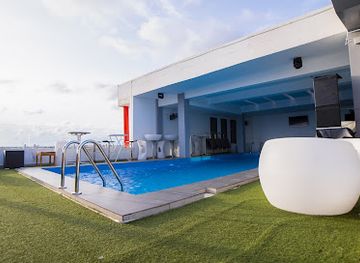
Experience the vibrant nightlife of Lomé at Rooftop Opium, a chic lounge offering stunning views and unforgettable entertainment.


Best shops in Plateaux Region
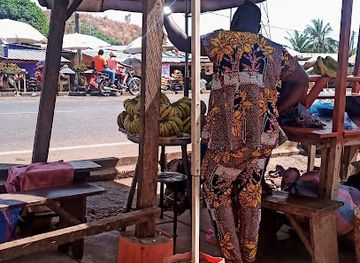
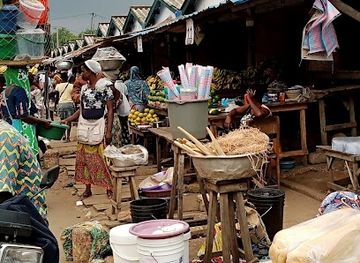
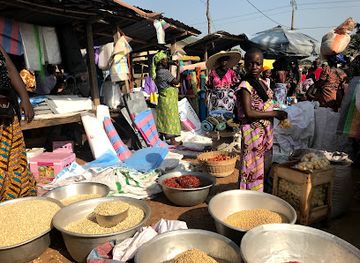
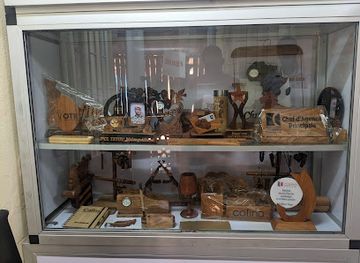
Shopping in the Plateaux Region is strongest in Kpalimé, whose craft tradition makes it the principal place to look for locally made woodwork, carved objects, pottery, batik and other textiles. Workshops and market stalls vary in quality and design, so visitors should compare pieces, ask about materials and agree prices courteously before buying. Atakpamé and other market towns offer practical goods, clothing, household items and seasonal agricultural produce rather than a specialised tourist retail scene. Coffee and cocoa are important regional products, although packaged quality and availability differ between sellers; sealed products are the safer choice if buying gifts for an international journey. Small markets are also useful for fruit, spices and snacks, while galleries or established craft centres may provide more context about production. Bargaining can be part of market shopping, but it should remain respectful and should not obscure the value of skilled handmade work.
-
Produce market
Market Fruit Agbonou ATAKPAME
Explore the vibrant Market Fruit Agbonou in Atakpame for an authentic taste of local produce and a cultural experience that delights the senses.
-
Produce market
Marché d'Amou-Oblo
Experience the vibrant culture of Togo at Marché d'Amou-Oblo, a lively produce market filled with local flavors and fresh ingredients.
-
Gift shop
Africanou
Explore the vibrant culture of Togo at Africanou, where unique gifts and local crafts await every traveler.
-
Gift shop
Aklala Batik du Togo
Discover the essence of Togolese culture at Aklala Batik du Togo – a vibrant gift shop filled with exquisite handmade batik fabrics and crafts.
Get your free copy of our complete guide to Plateaux Region, delivered straight to you.
Everything on this page, from attractions and restaurants to essentials and local phrases, in one PDF you can read offline, print or share.
Already have an account? Sign in
Your Plateaux Region guide is ready.
We'll send it to · Not you? Sign out

Getting your guide ready…
We are putting together a fresh copy of the Plateaux Region guide. This can take up to a minute.
This can take a few moments. If your browser asks, choose Allow so the download can start. You'll find the guide in your Downloads folder.
Nothing happened? Download it again
Sorry, the guide is taking longer than usual. Please try again in a minute, or get it by email instead.
Plateaux Region essentials
Currency and Payment
Safety
Emergency Situations
Do's and Don'ts
Local Tips
From Eve
Local phrases worth knowing
You don't need to get them perfect. A few words go a long way, and locals appreciate the effort.
Basics
| English | Local | Say it |
|---|---|---|
| Hello | Bonjour | [bɔ̃ʒuʁ] |
| Goodbye | Au revoir | [o ʁəvwaʁ] |
| Yes | Oui | [wi] |
| No | Non | [nɔ̃] |
| Please/You're welcome | S'il vous plaît | [sil vu plɛ] |
| Thank you | Merci | [mɛʁsi] |
| Excuse me/Sorry | Excusez-moi | [ɛkskyze mwa] |
| How are you? | Comment ça va? | [kɔmɑ̃ sa va] |
| Fine. And you? | Bien. Et vous? | [bjɛ̃ e vu] |
| Do you speak English? | Parlez-vous anglais? | [paʁle vu ɑ̃ɡlɛ] |
| I don't understand | Je ne comprends pas | [ʒə nə kɔ̃pʁɑ̃ pa] |
Eating & Drinking
| English | Local | Say it |
|---|---|---|
| I'd like to see the menu, please | Je voudrais voir le menu, s'il vous plaît | [ʒə vudʁɛ vwaʁ lə məny, sil vu plɛ] |
| I don't eat meat | Je ne mange pas de viande | [ʒə nə mɑ̃ʒ pa də vjɑ̃d] |
| Cheers! | Santé! | [sɑ̃te] |
| I would like to pay, please | Je voudrais payer, s'il vous plaît | [ʒə vudʁɛ peje, sil vu plɛ] |
Emergencies
| English | Local | Say it |
|---|---|---|
| Help! | Au secours! | [o səkuʁ] |
| Go away! | Allez-vous en! | [ale vu ɑ̃] |
| Call the Police! | Appelez la police! | [apəle la pɔlis] |
| Call a doctor! | Appelez un médecin! | [apəle ɛ̃ mɛdəsɛ̃] |
| I'm lost | Je suis perdu | [ʒə sɥi pɛʁdy] |
| I'm ill | Je suis malade | [ʒə sɥi malad] |
Shopping
| English | Local | Say it |
|---|---|---|
| I'd like to buy... | Je voudrais acheter... | [ʒə vudʁɛ aʃte] |
| I'm just looking | Je regarde juste | [ʒə ʁəɡaʁd ʒyst] |
| How much is it? | C'est combien? | [se kɔ̃bjɛ̃] |
| That's too expensive | C'est trop cher | [se tʁo ʃɛʁ] |
| Can you lower the price? | Pouvez-vous baisser le prix? | [puve vu besɛ le pʁi] |
Time & Numbers
| English | Local | Say it |
|---|---|---|
| What time is it? | Quelle heure est-il? | [kɛl œʁ e til] |
| It's one o'clock | Il est une heure | [il ɛt yn œʁ] |
| Half past (10) | Dix heures et demie | [dis œʁ e dəmi] |
| Morning | Matin | [matɛ̃] |
| Afternoon | Après-midi | [apʁɛ midi] |
| Evening | Soir | [swaʁ] |
| Yesterday | Hier | [jɛʁ] |
| Today | Aujourd'hui | [oʒuʁdʁi] |
| Tomorrow | Demain | [dəmɛ̃] |
| 1 | Un | [ɛ̃] |
| 2 | Deux | [dø] |
| 3 | Trois | [tʁwa] |
| 4 | Quatre | [katʁ] |
| 5 | Cinq | [sɛ̃k] |
| 6 | Six | [si] |
| 7 | Sept | [sɛt] |
| 8 | Huit | [ɥit] |
| 9 | Neuf | [nœf] |
| 10 | Dix | [dis] |
Transport & Directions
| English | Local | Say it |
|---|---|---|
| Where's a/the...? | Où est un/une...? | [u ɛ ɛ̃ yn/yn] |
| What's the address? | Quelle est l'adresse? | [kɛl ɛ ladʁɛs] |
| Can you show me (on the map)? | Pouvez-vous me montrer (sur la carte)? | [puve vu mə mɔ̃tʁe syʁ la kaʁt] |
| When's the next (bus)? | Quand est le prochain (bus)? | [kɑ̃ ɛ lə pʁɔʃɛ̃ bys] |
| A ticket (to ....) | Un billet (pour ....) | [ɛ̃ bijɛ pʊʁ] |
History of Plateaux Region
Early Settlement and Ewe-Akposso Heritage
The Plateaux landscape has long been occupied by communities whose histories are connected to migration, farming and trade across the Togo Mountains and the Volta region. Ewe-speaking communities are especially prominent around Kpalimé and the western hills, while Akposso communities have deep historical associations with the central Plateaux. Oral traditions, family histories and settlement patterns remain important ways of remembering movements and relationships that predate European colonial rule.
Mountain Agriculture and Regional Trade
The region’s hills and valleys supported farming systems adapted to differing soils, rainfall and elevation. Food crops were joined in the colonial and post-colonial periods by commercial production of coffee and cocoa, particularly in the more humid western districts. Market towns such as Kpalimé and Atakpamé developed through exchanges between upland producers, the coast and routes leading north. Agriculture and market trade continue to shape the region’s economy and settlement pattern.
German Colonial Rule and the Togo Hinterland
From the late nineteenth century until the First World War, the area formed part of German Togoland. German authorities expanded administrative control from the coast into the interior, while roads, trading arrangements and plantation interests altered existing patterns of movement. Kpalimé and Atakpamé became significant points within this colonial hinterland. The period also brought coercive labour practices and unequal economic structures, leaving a complicated legacy rather than a simple story of development.
The French Mandate and Colonial Infrastructure
After Germany’s defeat in the First World War, France administered the territory under a League of Nations mandate and later a United Nations trusteeship. French officials reorganised administration, taxation and agricultural production, while transport links tied inland districts more closely to Lomé and the coast. The Plateaux’s coffee and cocoa economy expanded within these structures. French remained the principal language of administration, a role it retains in independent Togo.
Independence and Regional Towns
Togo became independent in 1960, and the Plateaux Region continued to function as an agricultural and transport zone between the coast and the country’s interior. Atakpamé’s position on the main north-south corridor strengthened its role as a regional centre, while Kpalimé developed a distinct identity based on the mountain environment, farming and handicrafts. Public services, markets and roads have expanded unevenly, and many rural communities remain closely dependent on agriculture.
Craft Revival and Nature-Based Tourism
Since the late twentieth century, Kpalimé and the surrounding highlands have attracted attention for craft production, cultural visits and small-scale nature tourism. Workshops, waterfalls and mountain excursions have become part of the region’s visitor economy, alongside continuing coffee and cocoa production. This development has not replaced traditional livelihoods; instead, it offers additional income opportunities. Responsible tourism is particularly important where forest access, water resources and community land are involved.
Plateaux Region in Photos
Browse through our photo collection highlighting the charm and character of the destination.
Neighbouring regions of Plateaux Region
The closest regions to Plateaux Region, if you have time for more than one.
-

-

-

-

-


Swipe for more regions
Explore more

Explore more of Togo
Discover Togo, a hidden gem in West Africa, offering vibrant culture, stunning landscapes, rich history, and diverse wildlife for an unforgettable travel experience.
Explore Togo