

Free Central Region Travel Guide & Mobile App
Explore Central Region with free travel guides. Discover regional history, expert tips, proposed trips, and audio guides on web or mobile app.


Explore Central Region Togo for Sokodé's markets, Tem culture, Aledjo landscapes and the forests and savanna of Fazao-Malfakassa.
Read more about Central Region
When is the best time to visit Central Region?
Best: April–May, October · 23–28°C| Month | High (°C) | Rainfall (mm) |
|---|---|---|
| January | 10 | 45 |
| February | 12 | 38 |
| March | 17 | 56 |
| April (best) | 23 | 62 |
| May (best) | 28 | 68 |
| June | 33 | 75 |
| July | 36 | 71 |
| August | 35 | 63 |
| September | 30 | 55 |
| October (best) | 23 | 50 |
| November | 15 | 46 |
| December | 9 | 42 |
Getting to and around Central Region
How to get there
Transportation
Top city travel guides in Central Region
The cities of Central Region, and the easiest places to base yourself.

Swipe for more cities
Destinations in Central Region
Resorts, valleys and scenic spots worth a trip of their own.
-

-


Swipe for more destinations
Best attractions in Central Region
Central Region's attractions are spread across a large inland landscape rather than concentrated in one urban centre. Sokodé provides the clearest introduction to the region's commercial and cultural life, with markets, mosques, workshops and streets where northern and southern trading routes meet. Tchamba, Sotouboua and Blitta provide different perspectives on rural commerce and farming communities, although facilities for independent sightseeing are limited. The most significant natural attraction is the Central Region portion of Fazao-Malfakassa National Park, where forest, open savanna, rocky terrain and wildlife create opportunities for guided nature excursions. The Aledjo area adds elevated scenery and a striking transition between road corridor and escarpment landscape. Outdoor visits require preparation: transport, permissions, local guidance, water and weather planning are more important than a conventional ticket-and-opening-hours itinerary. Cultural exploration is similarly best arranged through respectful local introductions rather than approached as a series of formal monuments.
-
Tourist attraction
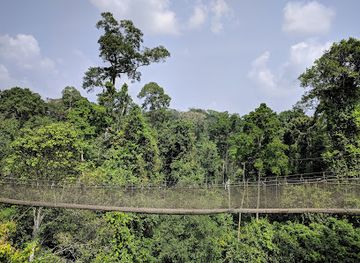
Kakum National Park
Discover the breathtaking beauty of Kakum National Park, Ghana's enchanting rainforest sanctuary with thrilling canopy walks and vibrant wildlife.
-
Tourist attraction
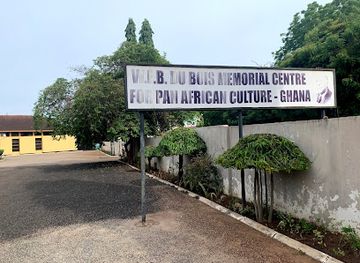
W.E.B Du Bois Memorial Centre for Panafrican Culture - Ghana.
Discover the legacy of W.E.B. Du Bois and explore the vibrant culture of Pan-Africanism at this iconic Accra landmark.
-
Tourist attraction
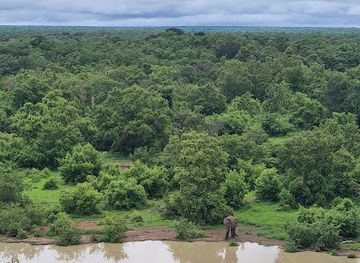
Mole National Park
Discover the enchanting wildlife and breathtaking landscapes of Mole National Park, a premier eco-tourism destination in Ghana.
-
Tourist attraction
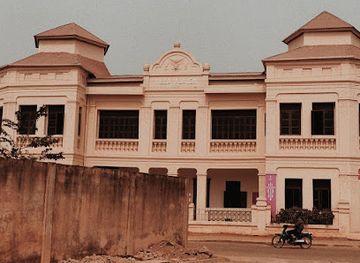
The Museum of the Zinsou Foundation
Explore contemporary African art at the Museum of the Zinsou Foundation in Ouidah, a vibrant hub of culture and creativity.
Best landmarks in Central Region
The Aledjo escarpment and pass form Central Region's most recognisable natural landmark, where the road crosses rugged rock and rising terrain associated with the Atakora range. The landscape is significant not only for its visual character but also for the way it marks the transition from central lowlands towards northern Togo. Fazao-Malfakassa's wooded hills and open valleys provide a larger, more environmentally important landmark system, although the protected area extends beyond Central Region and should be described according to the section actually visited. In Sokodé, mosques and the town's busy market environment are important expressions of the city's historic role as an inland commercial and Islamic centre, even though they are living places rather than preserved monuments. Town streets, roadside markets and the N1 itself also reveal the region's continuing function as a north–south meeting ground.
-
Hotel
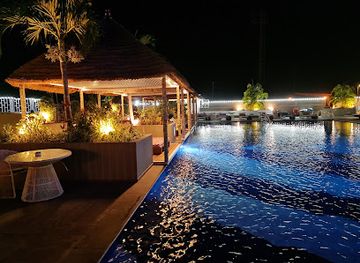
Hôtel 2 Février Lomé
Experience luxury and vibrant nightlife at Hôtel 2 Février Lomé, a premier hotel in Togo's capital offering modern amenities and stunning views.
-
Historical landmark
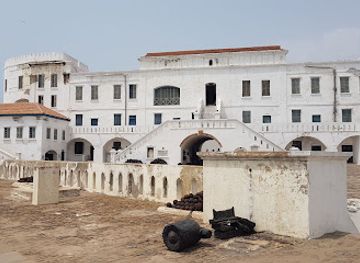
Cape Coast Castle
Explore the profound history of Cape Coast Castle, a UNESCO World Heritage Site and a poignant reminder of Ghana's role in the transatlantic slave trade.
-
Hotel
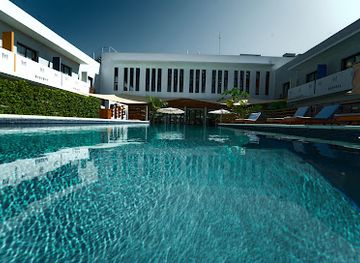
ONOMO Hotel Lomé
Discover the artful elegance of ONOMO Hotel Lomé, where comfort meets Togolese culture in the heart of the vibrant city.
-
 Hotel
HotelMercure Lome Sarakawa
Discover the perfect blend of comfort and culture at Mercure Lome Sarakawa, your ideal base in Lomé, Togo.
Explore Central Region on the map
Plan your trip on one map. See where the top cities, national parks and sights are, and book hotels and experiences in a few clicks.
Best hotels in Central Region
Best restaurants in Central Region
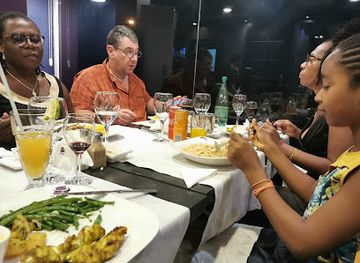
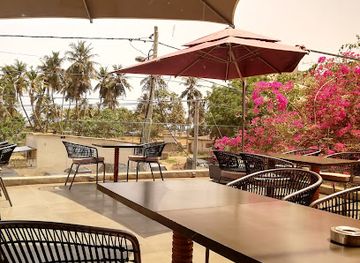
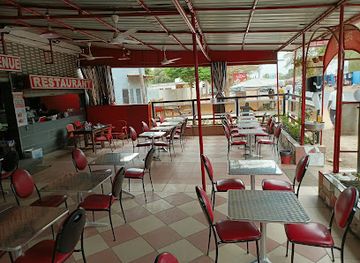
Dining in Central Region is predominantly informal and local, with Sokodé offering the widest choice of small restaurants, cafés, market stalls and hotel dining rooms. Common meals draw on maize, millet, sorghum, rice, beans, cassava and yams, served with vegetable, groundnut or meat-based sauces; grilled chicken, beef and fish are also widely encountered where supplies permit. Tô, a firm staple made from grains such as maize or millet, is eaten with sauces across much of Togo, while regional kitchens reflect the foodways of Tem, Tchamba and neighbouring communities rather than a single uniform cuisine. Markets are useful for fruit, roasted foods and provisions for road journeys. Outside the main towns, choice narrows quickly, and visitors should eat at busy establishments, carry drinking water and avoid expecting late-night service or extensive international menus.
-
Restaurant
Le Phenicien
Discover Le Phenicien in Lomé - where exquisite pastries meet delightful pizzas and fast food favorites in a welcoming atmosphere.
-
Restaurant
Blue Turtle Bay
Savor exquisite local and international cuisine at Blue Turtle Bay in Lomé - a culinary gem along Boulevard Du Mono.
-
Restaurant
Le Beluga
Experience the rich flavors of Togo at Le Beluga, where local cuisine meets international flair in a warm and inviting atmosphere.
-
Restaurant
Seven Days Restaurant
Experience authentic Togolese cuisine at Seven Days Restaurant in Lomé - where local flavors meet welcoming hospitality.

Best bars in Central Region
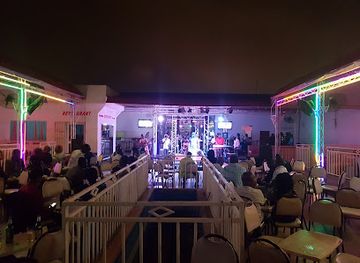
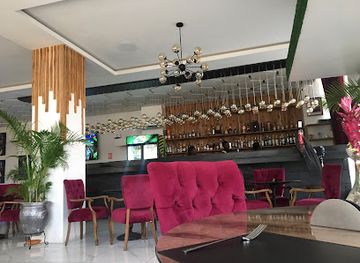
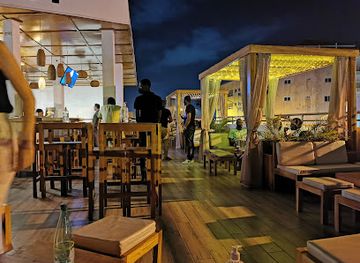
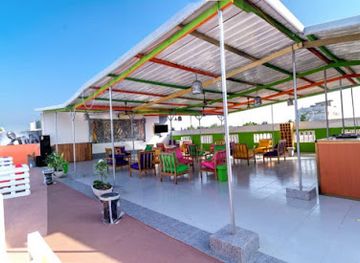
Evening life in Central Region is centred more on local bars, beer gardens, cafés and small restaurants than on a large nightclub circuit. Sokodé has the broadest selection, with social activity gathering around busy streets and neighbourhood drinking places where music may be played at modest volume or during special occasions. Tchamba, Sotouboua and Blitta have a quieter, more dispersed evening rhythm, while villages generally offer little organised nightlife for visitors. Bottled beer, soft drinks and locally available beverages are common, but alcohol is not necessary for engaging with the region's evening culture. Because transport becomes harder after dark and rural accommodation is limited, plan a return journey before going out and ask locally about appropriate places rather than wandering unfamiliar streets.
-
Bar
Bar le refuge
Discover the vibrant nightlife at Bar le Refuge in Lomé, where locals and tourists gather for drinks, music, and unforgettable experiences.
-
Bar
La Chunga bar restaurant
Discover La Chunga: A vibrant bar restaurant in Lomé offering a delightful mix of local flavors and international cuisine in a lively atmosphere.
-
Bar
Le ROOFTOP
Discover Lomé's nightlife at Le ROOFTOP, where breathtaking views and vibrant ambiance create the perfect bar experience.
-
Bar
Sky Bar - Restaurant R Plus
Discover the vibrant atmosphere and stunning views at Sky Bar - Restaurant R Plus in Lomé, where local flavors meet breathtaking cityscapes.
Best nightclubs in Central Region
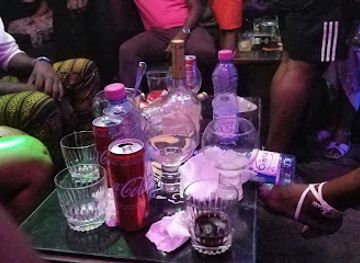
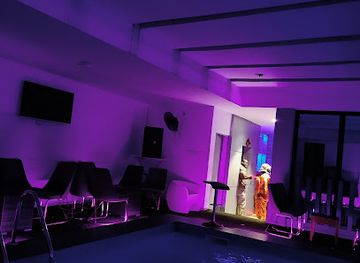
Evening life in Central Region is centred more on local bars, beer gardens, cafés and small restaurants than on a large nightclub circuit. Sokodé has the broadest selection, with social activity gathering around busy streets and neighbourhood drinking places where music may be played at modest volume or during special occasions. Tchamba, Sotouboua and Blitta have a quieter, more dispersed evening rhythm, while villages generally offer little organised nightlife for visitors. Bottled beer, soft drinks and locally available beverages are common, but alcohol is not necessary for engaging with the region's evening culture. Because transport becomes harder after dark and rural accommodation is limited, plan a return journey before going out and ask locally about appropriate places rather than wandering unfamiliar streets.
-
Night club
Miami 228
Experience the pulse of Lomé's nightlife at Miami 228, where vibrant music and exquisite cocktails create unforgettable nights.
-
Bar
Before and after nightclub
Discover the vibrant nightlife of Lomé at Before and After Nightclub, where local culture meets electrifying music and dance.
-
Lounge
Rooftop Opium
Discover the heart of Lomé's nightlife at Rooftop Opium – where unforgettable views meet vibrant atmosphere and local culture.
-
Disco club
MAD Complexe
Discover the vibrant nightlife of Lomé at MAD Complexe, a top disco club where music and culture unite for an unforgettable experience.


Best shops in Central Region
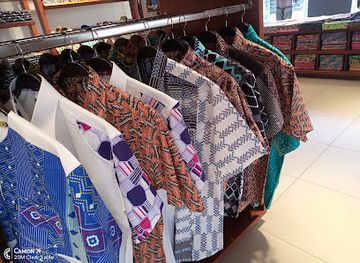
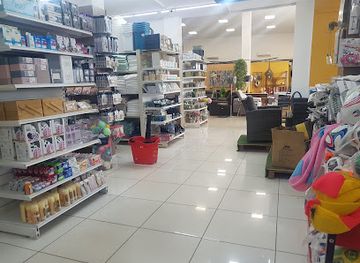
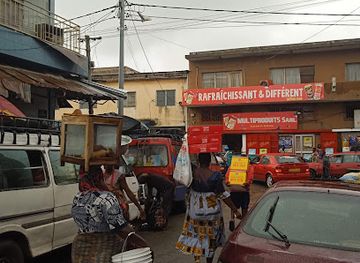
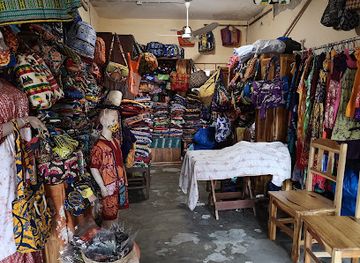
Shopping in Central Region is primarily practical and market-based. Sokodé has the region's broadest range of stalls and small shops, with food produce, household goods, clothing, fabrics, mobile-phone services and provisions for onward travel. Tchamba, Sotouboua and Blitta serve their surrounding farming areas and are useful for observing local trade rather than for dedicated souvenir shopping. Visitors may find woven goods, leather items, baskets, beads and locally produced foods, but availability and quality vary by town and season. Fresh produce, grains, groundnuts and prepared foods make more meaningful regional purchases than generic imported souvenirs. Bargaining may be customary in some market settings, while prices at established shops are usually less flexible; ask before photographing stalls, workshops or people, and pack fragile craft items carefully for the long road journey south.
-
Store
VAC TOGO (VLISCO, WOODIN, UNIWAX)
Immerse yourself in the vibrant textile culture of Togo at VAC Togo, where tradition meets contemporary design in every fabric.
-
Shopping mall
Orca
Explore Orca Shopping Mall in Lomé, Togo - a vibrant shopping and dining destination showcasing local culture and international brands.
-
Shopping mall
SK International
Explore SK International Shopping Mall in Lomé - a unique blend of local and international shopping experiences perfect for every tourist.
-
Shopping mall
Village artisanal de Lomé
Experience the vibrant culture and craftsmanship at the Village artisanal de Lomé, a must-visit for authentic Togolese art and souvenirs.
Get your free copy of our complete guide to Central Region, delivered straight to you.
Everything on this page, from attractions and restaurants to essentials and local phrases, in one PDF you can read offline, print or share.
Already have an account? Sign in
Your Central Region guide is ready.
We'll send it to · Not you? Sign out

Getting your guide ready…
We are putting together a fresh copy of the Central Region guide. This can take up to a minute.
This can take a few moments. If your browser asks, choose Allow so the download can start. You'll find the guide in your Downloads folder.
Nothing happened? Download it again
Sorry, the guide is taking longer than usual. Please try again in a minute, or get it by email instead.
Central Region essentials
Currency and Payment
Safety
Emergency Situations
Do's and Don'ts
Local Tips
From Eve
Local phrases worth knowing
You don't need to get them perfect. A few words go a long way, and locals appreciate the effort.
Basics
| English | Local | Say it |
|---|---|---|
| Hello | Bonjour | [bɔ̃ʒuʁ] |
| Goodbye | Au revoir | [o ʁəvwaʁ] |
| Yes | Oui | [wi] |
| No | Non | [nɔ̃] |
| Please/You're welcome | S'il vous plaît | [sil vu ple] |
| Thank you | Merci | [mɛʁsi] |
| Excuse me/Sorry | Excusez-moi | [ɛkskyze mwa] |
| How are you? | Comment ça va? | [kɔmɑ̃ sa va] |
| Fine. And you? | Bien. Et vous? | [bjɛ̃ e vu] |
| Do you speak English? | Parlez-vous anglais? | [paʁle vu ɑ̃ɡlɛ] |
| I don't understand | Je ne comprends pas | [ʒə nə kɔ̃pʁɑ̃ pa] |
Eating & Drinking
| English | Local | Say it |
|---|---|---|
| I'd like to see the menu, please | Je voudrais voir le menu, s'il vous plaît | [ʒə vudʁɛ vwaʁ lə məny, sil vu ple] |
| I don't eat meat | Je ne mange pas de viande | [ʒə nə mɑ̃ʒ pa də vjɑ̃d] |
| Cheers! | Santé! | [sɑ̃te] |
| I would like to pay, please | Je voudrais payer, s'il vous plaît | [ʒə vudʁɛ peje, sil vu ple] |
Emergencies
| English | Local | Say it |
|---|---|---|
| Help! | À l'aide! | [a lɛd] |
| Go away! | Allez-vous-en! | [ale vu zɑ̃] |
| Call the Police! | Appelez la police! | [aple la pɔlis] |
| Call a doctor! | Appelez un médecin! | [aple ɛ̃ mɛdɛsɛ̃] |
| I'm lost | Je suis perdu | [ʒə sɥi pɛʁdy] |
| I'm ill | Je suis malade | [ʒə sɥi malad] |
Shopping
| English | Local | Say it |
|---|---|---|
| I'd like to buy... | Je voudrais acheter... | [ʒə vudʁɛ aʃte] |
| I'm just looking | Je regarde juste | [ʒə ʁəɡaʁd ʒyst] |
| How much is it? | C'est combien? | [se kɔ̃bjɛ̃] |
| That's too expensive | C'est trop cher | [se tʁo ʃɛʁ] |
| Can you lower the price? | Pouvez-vous baisser le prix? | [puve vu besɛ le pʁi] |
Time & Numbers
| English | Local | Say it |
|---|---|---|
| What time is it? | Quelle heure est-il? | [kɛl œʁ ɛ til] |
| It's one o'clock | Il est une heure | [il ɛt yn œʁ] |
| Half past (10) | Dix heures et demie | [di zœʁ e dəmi] |
| Morning | Matin | [matɛ̃] |
| Afternoon | Après-midi | [apʁɛ midi] |
| Evening | Soir | [swaʁ] |
| Yesterday | Hier | [jɛʁ] |
| Today | Aujourd'hui | [oʒuʁdʁi] |
| Tomorrow | Demain | [dəmɛ̃] |
| 1 | Un | [ɛ̃] |
| 2 | Deux | [dø] |
| 3 | Trois | [tʁwa] |
| 4 | Quatre | [katʁ] |
| 5 | Cinq | [sɛ̃k] |
| 6 | Six | [sis] |
| 7 | Sept | [sɛt] |
| 8 | Huit | [ɥit] |
| 9 | Neuf | [nœf] |
| 10 | Dix | [di] |
Transport & Directions
| English | Local | Say it |
|---|---|---|
| Where's a/the...? | Où est un/le...? | [u ɛ ɛ̃ lə] |
| What's the address? | Quelle est l'adresse? | [kɛl ɛ l‿adʁɛs] |
| Can you show me (on the map)? | Pouvez-vous me montrer (sur la carte)? | [puve vu mə mɔ̃tʁe syʁ la kaʁt] |
| When's the next (bus)? | Quand est le prochain (bus)? | [kɑ̃ ɛ lə pʁɔʃɛ̃] |
| A ticket (to ....) | Un billet (pour....) | [ɛ̃ bijɛ (puʁ)] |
History of Central Region
Early settlements and regional exchange
Central Togo has long been occupied by farming communities whose livelihoods adapted to the region's woodland, savanna and riverine environments. Archaeological evidence across the wider interior indicates longstanding cultivation, ironworking and local exchange, although many individual sites are not arranged for tourism. The central position of the region encouraged movement between the forested south and the drier north. Goods, farming knowledge and cultural practices circulated along routes that later became associated with market towns such as Sokodé and Tchamba.
Tem and Tchamba societies
The region became an important homeland for Tem communities around Sokodé and for Tchamba communities farther east, alongside other peoples with longstanding links to neighbouring areas. Political authority was exercised through local chiefs, family networks and settlements rather than through a single state covering the whole modern region. Agriculture, craft production and trade shaped social life, while oral traditions preserved accounts of migration, leadership and relations between communities. These histories remain important to the cultural identity of Central Region today.
Islamic influence and inland commerce
Islam spread through networks connecting the interior of modern Togo with markets and learning centres farther north and west. Sokodé grew in importance as a commercial and religious centre, and Muslim traders helped connect local producers with wider regional exchange. Islam did not replace the region's other religious traditions; Christian churches and indigenous practices also became part of its subsequent religious landscape. The presence of mosques, Islamic festivals and market activity reflects this layered history rather than a single cultural tradition.
European colonial rule
German colonial rule was imposed over Togo from the late nineteenth century, followed after the First World War by French administration under a League of Nations mandate and later trusteeship. Colonial authorities reorganised taxation, labour and transport, linking inland communities more closely to the coast and to administrative centres. The modern boundaries of Central Region were created only much later, but the period helped establish the north–south road networks and administrative patterns that continue to influence movement through Sokodé and surrounding districts.
Agriculture, roads and the modern interior
During the twentieth century, agriculture remained central to the economy of Central Region, with households cultivating crops including maize, millet, sorghum, yams, cassava, cotton and groundnuts in different local environments. Roads increased the importance of towns positioned on the route between Lomé and northern Togo, while markets connected rural producers with national and cross-border commerce. This transformation brought greater mobility without erasing village-based livelihoods. Today, the region's towns still function as collection, trading and service centres for extensive rural districts.
Conservation and Fazao-Malfakassa
The establishment and management of protected areas marked a modern attempt to conserve the interior's forests, hills and wildlife amid pressure from farming, hunting and infrastructure development. Fazao-Malfakassa became Togo's most substantial protected landscape, extending across parts of Central and Kara regions. Its history reflects both the ecological value of the Atakora highlands and the practical challenges of conservation in inhabited rural surroundings. Visitors should understand the park as a managed natural area with access rules, rather than as an unrestricted wilderness.
Central Region in Photos
Browse through our photo collection highlighting the charm and character of the destination.
Neighbouring regions of Central Region
The closest regions to Central Region, if you have time for more than one.
-

-

-

-

-


Swipe for more regions
Explore more

Explore more of Togo
Discover Togo, a hidden gem in West Africa, offering vibrant culture, stunning landscapes, rich history, and diverse wildlife for an unforgettable travel experience.
Explore Togo