
Lake Togo Area, Togo Travel Guide
Discover the serene beauty and rich cultural heritage of the Lake Togo Area, where tranquil waters meet historic villages and lush wetlands teeming with wildlife.
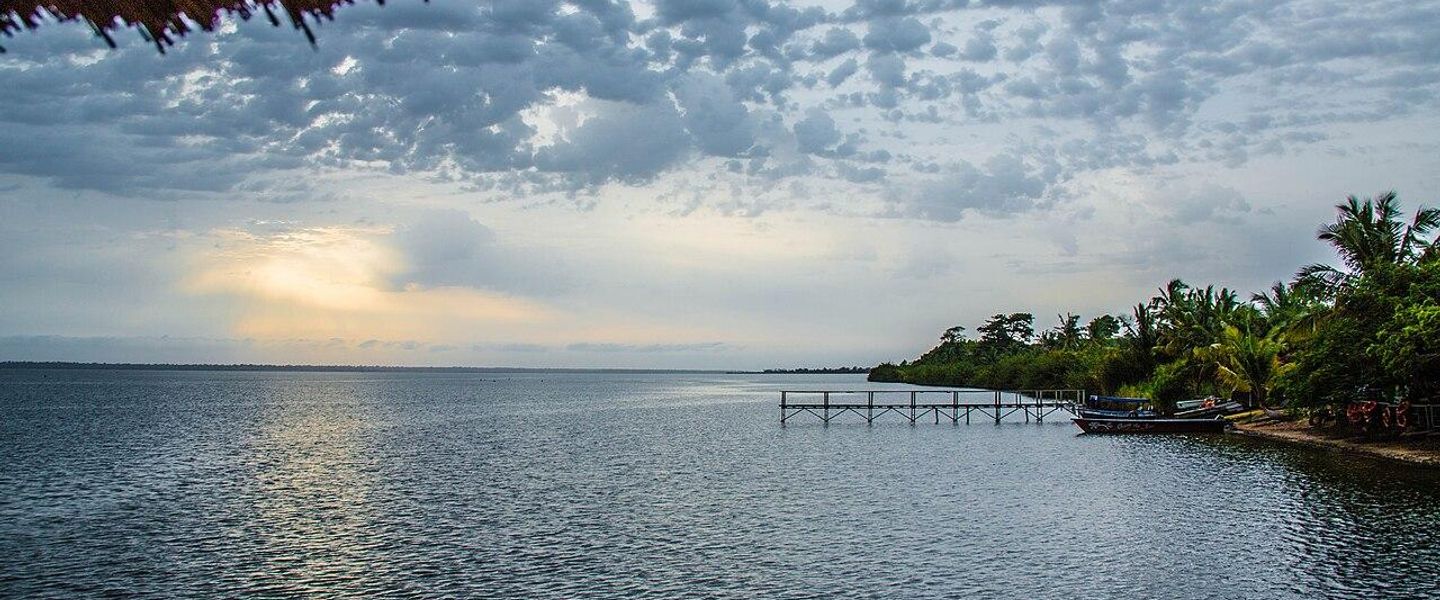
Nestled in the heart of West Africa, the Lake Togo Area offers a serene and picturesque escape for tourists. Lake Togo, a large lagoon separated from the Atlantic Ocean by a narrow strip of land, is a haven for nature lovers and adventure seekers alike. The calm waters are perfect for boating, fishing, and birdwatching, providing a peaceful retreat from the hustle and bustle of city life. The surrounding villages, such as Togoville and Agbodrafo, are steeped in rich history and culture. Togoville, in particular, is known for its traditional voodoo practices and historic German colonial buildings. A visit to this quaint village offers a unique glimpse into the local customs and traditions that have been preserved for generations. For those interested in exploring more, the nearby Mono River and its lush wetlands are home to diverse wildlife, including various bird species and crocodiles. The scenic beauty and tranquil atmosphere of the Lake Togo Area make it an ideal destination for relaxation and adventure, providing an unforgettable experience for all who visit.

Know before you go
Hi, I'm Eve. Here are a few practical things to know before exploring Lake Togo Area.
- Visit Togoville to experience traditional voodoo practices and historic German colonial architecture.
- Enjoy a boat ride on Lake Togo for a peaceful and scenic experience.
- Bring binoculars for birdwatching around the lake and wetlands.
- Explore the Mono River area for wildlife spotting, including birds and crocodiles.
- Stay hydrated and bring sun protection, as the region can get quite hot.
Destinations in Lake Togo Area
Resorts, valleys and scenic spots worth a trip of their own.

Explore Lake Togo Area: Things to Do, Places to Eat, Hotels & More
Handpicked recommendations for top attractions, local dining, accommodations, and more

Top Attractions & Sightseeing in Lake Togo Area
Top-rated picks
Best Attractions

Marché Agoé Assiyéyé
Experience the vibrant atmosphere of Lomé at Marché Agoé Assiyéyé, a local market bursting with colors, flavors, and authentic Togolese culture.

Kégué Stadium
Experience the vibrant atmosphere of Kégué Stadium in Lomé, Togo, where sports and local culture come alive for an unforgettable visit.

Lomé Grand Market
Discover the vibrant Lomé Grand Market, a bustling hub of local crafts, tantalizing spices, and authentic Togolese culture in the heart of Togo.

Akodessewa Fetish Market
Explore the colorful Akodessewa Fetish Market in Lomé, a cultural treasure trove of voodoo artifacts, traditional crafts, and vibrant local life.

Best landmarks in Lake Togo Area
Top-rated picks
Best Landmarks

Marché Agoé Assiyéyé
Explore the vibrant Marché Agoé Assiyéyé in Lomé, a bustling market filled with local crafts, delicious cuisine, and the rich culture of Togo.

Mercure Lome Sarakawa
Discover the perfect blend of comfort and local culture at Mercure Lome Sarakawa, your gateway to exploring the vibrant city of Lomé, Togo.

Crossroads of the Two Lions
Discover the Crossroads of the Two Lions in Lomé, a historical landmark that embodies Togo's rich culture and vibrant community life.

Kégué Stadium
Experience the energy and spirit of Togo at Kégué Stadium, the premier venue for sports and entertainment in Lomé.

Best restaurants in Lake Togo Area
Top-rated picks
Best Restaurants
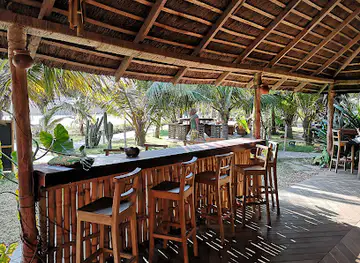
Blue Turtle Bay
Discover the vibrant flavors of Togo at Blue Turtle Bay – a culinary treasure in Lomé offering diverse dishes and exceptional service.

New Robinson Plage TOGO
Experience authentic Togolese cuisine at New Robinson Plage TOGO while soaking in stunning ocean views on Lomé's beautiful coast.

Miadjoe
Experience authentic Togolese cuisine at Miadjoe while enjoying breathtaking views of Lake Togo and the ocean in Aného.

Ci Gusta Italian restaurant
Experience authentic Italian flavors at Ci Gusta Italian restaurant in Lomé - a culinary haven for travelers seeking delicious meals.

Best bars in Lake Togo Area
Top-rated picks
Best Bars

Blue Turtle Bay
Experience the vibrant flavors of Togo at Blue Turtle Bay, a top restaurant in Lomé offering delicious cuisine and a warm atmosphere.

Dolce Plazza
Experience the vibrant culinary and nightlife scene at Dolce Plazza in Lomé, where barbecue, pizza, and cocktails come together in style.

Bar le refuge
Discover the vibrant nightlife at Bar Le Refuge in Lomé, where locals and tourists unite over drinks and lively conversations.

La Chunga bar restaurant
Experience the lively cultural scene at La Chunga Bar Restaurant in Lomé, serving delicious local and international cuisine in a vibrant atmosphere.

Best nightclubs in Lake Togo Area
Top-rated picks
Best Nightclubs

Before and after nightclub
Discover the lively atmosphere of Before and After Nightclub in Lomé, where vibrant music and unforgettable nights await every party enthusiast.

XS LOUNGE LOME
Experience the vibrant nightlife at XS Lounge Lomé, where great music, refreshing drinks, and a friendly atmosphere await you in Togo.

Rooftop Opium
Discover Lomé's vibrant nightlife at Rooftop Opium, where stunning views and electrifying ambiance create unforgettable evenings.

MAD Complexe
Discover the exhilarating nightlife of Lomé at MAD Complexe, where music, dancing, and vibrant energy create unforgettable nights.

Best shops in Lake Togo Area
Top-rated picks
Best Shops

Grand Marché de Vogan
Experience the heart of Vogan at Grand Marché de Vogan, a vibrant shopping mall filled with local crafts, fresh produce, and authentic Togolese cuisine.

Nadiaka Boutique
Explore the vibrant Nadiaka Boutique in Lomé for authentic Togolese fashion and handcrafted accessories that capture the spirit of Togo.

Marché de Kpomé Apeyémé
Experience the vibrant local culture and shopping at Marché de Kpomé Apeyémé, a bustling market in Tsamé featuring local goods and delicious street food.

kpogan wifi zone
Explore Kpogan while staying connected at the Kpogan WiFi Zone, your go-to spot for reliable internet and a friendly atmosphere.

Explore Lake Togo Area on the Map
A handpicked selection of must-see spots in Lake Togo Area, mapped for you.
Lake Togo Area Essentials
-
Lake Togo is located in the southern part of Togo, near the coast. The nearest international airport is Gnassingbé Eyadéma International Airport in Lomé, the capital city. From Lomé, you can hire a taxi or take a bus to the Lake Togo area. The journey by road typically takes around 1 to 1.5 hours. Alternatively, you can arrange for a private transfer through your hotel or a travel agency.
-
Within the Lake Togo area, taxis and motorbike taxis (zemidjans) are the most common forms of transportation. Taxis can be hired for point-to-point travel or for the entire day. Public buses and minibuses (bush taxis) also operate between Lomé and the Lake Togo area. If you prefer more flexibility, renting a car is an option, but be sure to have an international driving permit.
-
The official currency in Togo is the West African CFA franc (XOF). Credit cards are accepted in some hotels, restaurants, and shops in the Lake Togo area, but it is advisable to carry cash, especially for smaller establishments and local markets. ATMs are available in Lomé, but may be scarce in rural areas, so withdraw sufficient cash before heading to the Lake Togo area.
-
The Lake Togo area is generally safe for tourists. However, it is wise to take standard precautions. Avoid walking alone at night in unfamiliar areas and be cautious with your belongings in crowded places. While the area does not have specific high-crime neighborhoods targeting tourists, it is always best to stay vigilant. Petty theft can occur, so use hotel safes for valuables.
-
In case of an emergency, dial 117 for police assistance and 118 for medical emergencies. Major hospitals and clinics are located in Lomé, but there are smaller medical facilities in the Lake Togo area. Ensure you have travel insurance that covers medical emergencies. For minor health issues, pharmacies are available in the area where you can purchase over-the-counter medications.
-
Fashion: Do dress modestly, especially when visiting religious sites and local villages. Avoid wearing revealing clothing. Religion: Do respect local customs and traditions. Always ask for permission before taking photographs of people, particularly in religious settings. Public Transport: Do be respectful and greet the driver and passengers when boarding. Don't eat or drink on public transport. Greetings: Do greet people with a handshake and a smile. Use your right hand for greetings and exchanges, as the left hand is considered impolite. Eating & Drinking: Do try local delicacies and accept food and drink offerings graciously. Don't refuse hospitality, as it is considered rude.
-
To experience Lake Togo like a local, visit the traditional markets where you can buy fresh produce, handmade crafts, and local goods. Engage with the locals; they are often friendly and eager to share stories about their culture. Don't miss a boat tour on Lake Togo to explore the area's natural beauty and visit Togoville, a historic town with rich cultural heritage. For a unique experience, participate in local festivals if your visit coincides with one.
When is the best time to visit Lake Togo Area?
Useful Local Phrases for Lake Togo Area
You don't need to speak the language perfectly. Even learning a few simple words can make conversations warmer—and locals usually appreciate the effort.
— Eve

Here are the phrases I use most often in Lake Togo Area. Try a few—you'll be surprised how far they go! 😊
❤️
-
- HelloBonjour
[bɔ̃ʒuʁ] - GoodbyeAu revoir
[o ʁəvwaʁ] - YesOui
[wi] - NoNon
[nɔ̃] - Please/You're welcomeS'il vous plaît
[sil vu ple] - Thank youMerci
[mɛʁsi] - Excuse me/SorryExcusez-moi
[ɛkskyze mwa] - How are you?Comment ça va?
[kɔmɑ̃ sa va] - Fine. And you?Bien. Et vous?
[bjɛ̃ e vu] - Do you speak English?Parlez-vous anglais?
[paʁle vu ɑ̃ɡlɛ] - I don't understandJe ne comprends pas
[ʒə nə kɔ̃pʁɑ̃ pa]
- HelloBonjour
-
- I'd like to see the menu, pleaseJe voudrais voir le menu, s'il vous plaît
[ʒə vudʁɛ vwaʁ lə məny s'il vu ple] - I don't eat meatJe ne mange pas de viande
[ʒə nə mɑ̃ʒ pa də vjɑ̃d] - Cheers!Santé!
[sɑ̃te] - I would like to pay, pleaseJe voudrais payer, s'il vous plaît
[ʒə vudʁɛ peje s'il vu ple]
- I'd like to see the menu, pleaseJe voudrais voir le menu, s'il vous plaît
-
- Help!Au secours!
[o səkuʁ] - Go away!Allez-vous-en!
[ale vu zɑ̃] - Call the Police!Appelez la police!
[apəle la pɔlis] - Call a doctor!Appelez un docteur!
[apəle ɛ̃ dɔktœʁ] - I'm lostJe suis perdu
[ʒə sɥi pɛʁdy] - I'm illJe suis malade
[ʒə sɥi malad]
- Help!Au secours!
-
- I'd like to buy...Je voudrais acheter...
[ʒə vudʁɛ aʃəte] - I'm just lookingJe regarde juste
[ʒə ʁəɡaʁd ʒyst] - How much is it?C'est combien?
[se kɔ̃bjɛ̃] - That's too expensiveC'est trop cher
[se tʁo ʃɛʁ] - Can you lower the price?Pouvez-vous baisser le prix?
[puve vu besɛ le pʁi]
- I'd like to buy...Je voudrais acheter...
-
- What time is it?Quelle heure est-il?
[kɛl œʁ ɛt il] - It's one o'clockIl est une heure
[il ɛt yn œʁ] - Half past (10)Dix heures et demie
[dis œʁ e dəmi] - MorningMatin
[matɛ̃] - AfternoonAprès-midi
[apʁɛ midi] - EveningSoir
[swaʁ] - YesterdayHier
[jɛʁ] - TodayAujourd'hui
[oʒuʁdʁi] - TomorrowDemain
[dəmɛ̃] - 1Un
[ɛ̃] - 2Deux
[dø] - 3Trois
[tʁwa] - 4Quatre
[katʁ] - 5Cinq
[sɛ̃k] - 6Six
[sis] - 7Sept
[sɛt] - 8Huit
[ɥit] - 9Neuf
[nœf] - 10Dix
[dis]
- What time is it?Quelle heure est-il?
-
- Where's a/the...?Où est un/une...?
[u ɛ ɛ̃/yn] - What's the address?Quelle est l'adresse?
[kɛl ɛ l'adʁɛs] - Can you show me (on the map)?Pouvez-vous me montrer (sur la carte)?
[puve vu mə mɔ̃tʁe syʁ la kaʁt] - When's the next (bus)?Quand est le prochain (autobus)?
[kɑ̃ ɛ lə pʁɔʃɛ̃ o.tɔ.by] - A ticket (to ....)Un billet (pour ....)
[ɛ̃ bijɛ puʁ]
- Where's a/the...?Où est un/une...?
History of Lake Togo Area
-
The Lake Togo area is deeply rooted in the history of the Ewe people, who are believed to have migrated to this region from present-day Nigeria and Benin around the 13th century. This migration was driven by a combination of seeking fertile lands and escaping conflicts. The Ewe people established themselves around Lake Togo, utilizing the lake's resources for fishing, farming, and trade.
-
The 15th century marked the arrival of European explorers to the Gulf of Guinea, including the Lake Togo area. Portuguese sailors were among the first to explore these waters, followed by the Dutch, British, and French. These encounters began a new era of trade, with Lake Togo becoming a significant point in the trade routes for slaves, gold, and other goods.
-
During the 17th and 18th centuries, Lake Togo became infamously linked with the trans-Atlantic slave trade. Aného, a town near Lake Togo, was a major trading post where enslaved Africans were held before being transported across the Atlantic. This dark chapter has left a lasting impact on the area's history and culture, with many sites serving as painful reminders of this period.
-
In the late 19th century, the Lake Togo area fell under German colonial rule as part of Togoland. The Germans implemented infrastructure projects, including railways and roads, to facilitate the export of goods such as palm oil, cotton, and cocoa. The colonial period also saw the introduction of Western education and Christianity, which would have lasting effects on the region's cultural landscape.
-
Following World War I, Togoland was divided between the British and the French, with the Lake Togo area coming under French mandate. The French continued to develop the region's infrastructure and economy while also promoting French language and culture. Togo gained independence from France on April 27, 1960, leading to a new era of self-governance and national identity formation.
-
Today, Lake Togo is a vibrant area that showcases a rich blend of historical influences. The local population maintains traditional practices, such as the annual Hogbetsotso festival, which commemorates the Ewe people's migration. The area is also known for its voodoo practices, with numerous shrines and ceremonies that attract both locals and tourists. Modern developments have turned Lake Togo into a popular destination for eco-tourism, water sports, and cultural tours.
Neighbouring Regions of Lake Togo Area
The closest regions to Lake Togo Area, if you have time for more than one.


Your all‑in‑one travel companion app
Explore expert travel guides, compare and book tours, experiences, hotels, and more—all from the palm of your hand. Download now for seamless trip planning wherever your wanderlust takes you.


Explore More of Togo

Looking beyond Lake Togo Area? Discover Togo for broader travel guides, local hot-spots, and regional highlights.
Explore TogoLake Togo Area in Photos
Browse through our photo collection highlighting the charm and character of the destination.
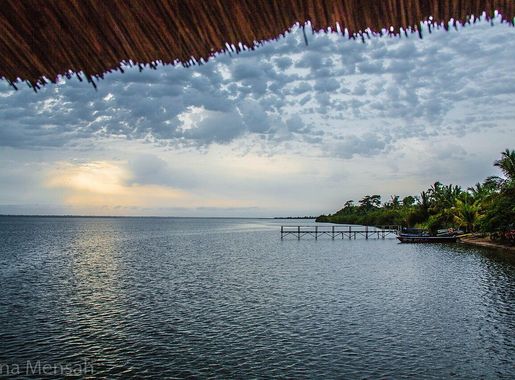


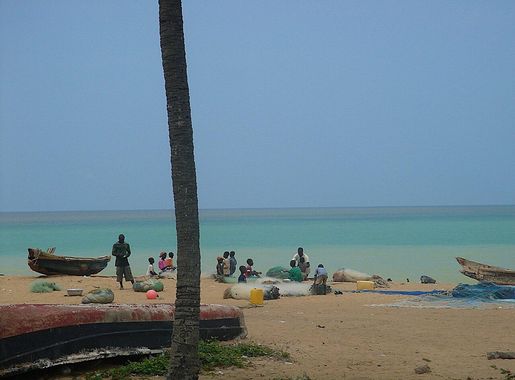
Tranquil Escapes by the Shores: The Lake Togo Area
Nestled in the heart of West Africa, the Lake Togo Area offers a serene and picturesque escape for tourists. Lake Togo, a large lagoon separated from the Atlantic Ocean by a narrow strip of land, is a haven for nature lovers and adventure seekers alike. The calm waters are perfect for boating, fishing, and birdwatching, providing a peaceful retreat from the hustle and bustle of city life. The surrounding villages, such as Togoville and Agbodrafo, are steeped in rich history and culture. Togoville, in particular, is known for its traditional voodoo practices and historic German colonial buildings. A visit to this quaint village offers a unique glimpse into the local customs and traditions that have been preserved for generations. For those interested in exploring more, the nearby Mono River and its lush wetlands are home to diverse wildlife, including various bird species and crocodiles. The scenic beauty and tranquil atmosphere of the Lake Togo Area make it an ideal destination for relaxation and adventure, providing an unforgettable experience for all who visit.