

Free Maritime Region Travel Guide & Mobile App
Explore Maritime Region with free travel guides. Discover regional history, expert tips, proposed trips, and audio guides on web or mobile app.


Explore Togo’s Maritime Region for Lake Togo, historic Aného, coastal villages, lagoon landscapes and southern West African heritage.
Read more about Maritime Region
When is the best time to visit Maritime Region?
Best: April–May, October · 24–27°C| Month | High (°C) | Rainfall (mm) |
|---|---|---|
| January | 18 | 60 |
| February | 19 | 50 |
| March | 21 | 55 |
| April (best) | 24 | 65 |
| May (best) | 27 | 70 |
| June | 29 | 80 |
| July | 30 | 85 |
| August | 30 | 80 |
| September | 28 | 75 |
| October (best) | 24 | 65 |
| November | 20 | 60 |
| December | 17 | 55 |
Getting to and around Maritime Region
How to get there
Transportation
Top city travel guides in Maritime Region
The cities of Maritime Region, and the easiest places to base yourself.
-

-

-

-


Swipe for more cities
Destinations in Maritime Region
Resorts, valleys and scenic spots worth a trip of their own.

Swipe for more destinations
Best attractions in Maritime Region
The Maritime Region’s attractions centre on water, history and living communities rather than a concentration of large purpose-built facilities. Lake Togo provides the region’s most distinctive setting, with opportunities for boat trips, birdwatching and visits to lakeside settlements. Togoville combines traditional authority, religious heritage and a historic relationship with the lake, while Aného offers a strong sense of the former coastal trading world through its churches, older houses and urban layout. Agbodrafo is important for understanding the Atlantic slave trade and the region’s links with wider commercial networks. Tsévié and Vogan provide a more everyday view of southern Togo through markets, road traffic and agricultural exchange. The Atlantic shoreline, lagoon edges and Mono-related wetlands suit photography and nature observation, although facilities are limited and swimming conditions can be hazardous. Visitors interested in culture should arrange respectful introductions rather than expecting a fixed programme of performances. The region is best explored through several linked excursions, with time for local guides, seasonal landscapes and the contrast between open coast, inland water and cultivated plain.
-
Historical landmark
Colombe De La Paix
Explore Colombe De La Paix in Lomé, Togo – a stunning historical landmark symbolizing peace, unity, and the rich cultural heritage of the region.
-
Memorial
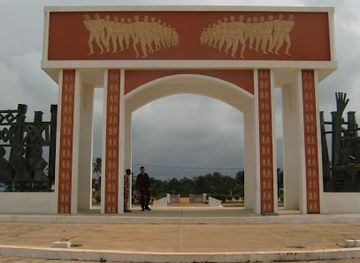
Door of Non Return of Benin
Explore the Door of No Return in Ouidah, Benin, a powerful memorial marking the tragic history of the Atlantic slave trade amidst stunning coastal scenery.
-
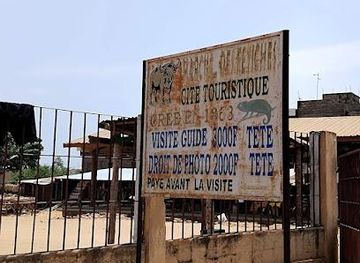
Akodessewa Fetish Market
Discover the rich cultural heritage of Togo at the Akodessewa Fetish Market in Lomé, a vibrant hub of traditional artifacts and local crafts.
-
Tourist attraction
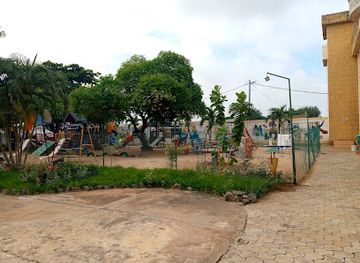
Fil'o Parc
Experience fun and excitement at Fil'o Parc, Agouenyive's premier amusement center for family-friendly adventures and unforgettable memories.

Best landmarks in Maritime Region
The Maritime Region’s most recognisable landmarks reflect its position between lake, coast and colonial-era commerce. Togoville, on the northern shore of Lake Togo, is significant for its traditional authority, religious landscape and association with the 1884 treaty that helped establish German influence in the territory. In Aného, historic churches, older Afro-Brazilian-influenced houses and the town’s coastal setting recall its former role as a major commercial centre and early colonial capital. Agbodrafo’s Maison des Esclaves, also known as the Woold Home, is a powerful surviving reminder of the Atlantic slave trade and should be approached as a site of painful history rather than a picturesque curiosity. Lake Togo itself is a geographical landmark, changing from open water to reed-fringed shore and village waterfront. The Atlantic coast and lagoon margins complete a landscape in which natural features and human history are closely connected.
-
Market
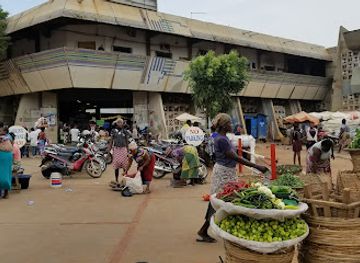
Hedzranawoe Market
Dive into the vibrant Hedzranawoe Market in Lomé for an authentic local experience filled with culture, flavors, and unique crafts.
-
Market
Marché Agoé Assiyéyé
Experience the heart of Lomé at Marché Agoè Assiyéyé, a vibrant market brimming with local crafts, delectable cuisine, and cultural richness.
-
Historical landmark
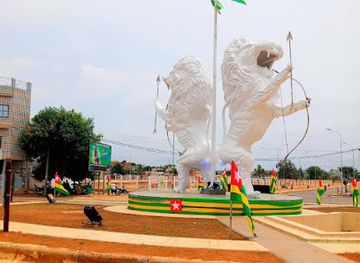
Crossroads of the Two Lions
Explore the Crossroads of the Two Lions in Lomé, a landmark that embodies Togo's rich culture and historical significance.
-
Historical landmark
Colombe De La Paix
Discover Colombe De La Paix, Lomé's iconic symbol of peace and a captivating historical landmark rich in cultural significance.

Explore Maritime Region on the map
Plan your trip on one map. See where the top cities, national parks and sights are, and book hotels and experiences in a few clicks.
Best hotels in Maritime Region
Best restaurants in Maritime Region
Food in the Maritime Region is based on maize, cassava, beans, plantain, rice, vegetables and the catch of the coast and lagoons. Akoumé, a firm maize preparation usually served with a sauce, is widely encountered in southern Togo, while ablo, grilled fish, fried fish and spicy pepper sauces reflect the region’s coastal and Ewe-influenced food culture. Roadside stalls and small eateries in Tsévié, Aného, Vogan and other towns are often the most direct places to encounter everyday meals, though standards of hygiene and availability vary. In Grand Lomé, just outside the region, visitors will find the broadest choice of Togolese, West African and international cooking. Markets and food stalls may also offer roasted maize, bean-based dishes, plantain and seasonal fruit. Palm wine and other locally produced drinks appear in rural settings, but visitors should choose clean water and take care with unfamiliar food during hot weather.
-
Restaurant
Le Phenicien
Discover Le Phenicien in Lomé: where delicious fast food meets exquisite pastries and inviting ambiance.
-
Restaurant
Blue Turtle Bay
Discover exquisite dining at Blue Turtle Bay in Lomé – where local flavors meet international cuisine in a breathtaking waterfront setting.
-
Restaurant
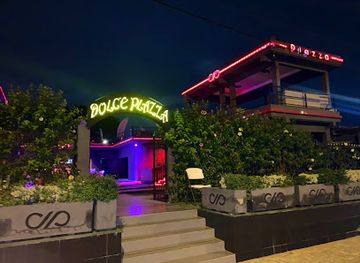
Dolce Plazza
Experience the best of Lomé at Dolce Plazza - where delicious food meets vibrant nightlife!
-
Restaurant
Le Beluga
Discover Le Beluga in Lomé – where exquisite cuisine meets warm Togolese hospitality in an elegant setting.

Best bars in Maritime Region
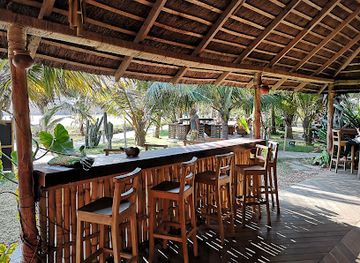
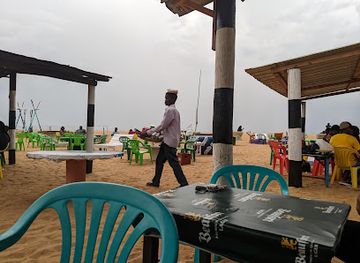
Evening life in the Maritime Region is quieter and more localised than in Grand Lomé, which lies immediately outside the region and has Togo’s widest selection of bars, clubs, live music and late-night restaurants. In Tsévié, Aného, Vogan and other larger settlements, nightlife generally centres on modest bars, open-air drinking spots, restaurants, football screenings and occasional music rather than a dense club scene. Coastal towns may become more active at weekends, but opening arrangements and entertainment change frequently. Traditional beer, soft drinks and locally available beverages are common in social settings, while some guesthouses provide a simple evening meal and seating area. Visitors should leave isolated lake and coastal locations before dark, use trusted transport and avoid assuming that a quiet village venue operates like a tourist nightlife district.
-
Restaurant
Blue Turtle Bay
Experience the flavors of Togo at Blue Turtle Bay, a restaurant blending local cuisine with stunning coastal views in Lomé.
-
Bar
Bar le refuge
Experience the vibrant nightlife of Lomé at Bar Le Refuge, where locals and tourists gather for drinks, music, and unforgettable evenings.
-
Bar
La Chunga bar restaurant
Discover the lively spirit of Lomé at La Chunga Bar Restaurant, where local cuisine meets a vibrant atmosphere.
-
Bar
Bar Resto Peace Beach
Discover the vibrant atmosphere at Bar Resto Peace Beach in Lomé, where local flavors meet coastal relaxation in a stunning seaside setting.
Best nightclubs in Maritime Region
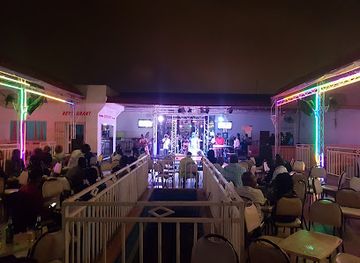
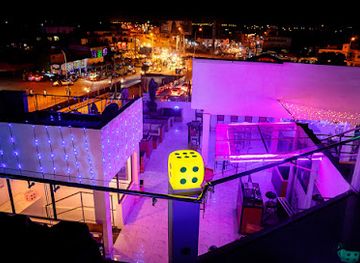
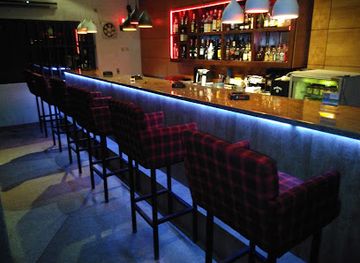
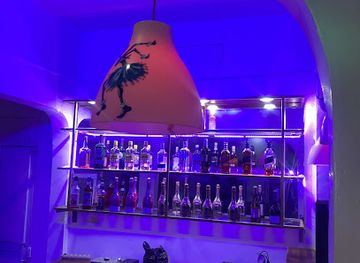
Evening life in the Maritime Region is quieter and more localised than in Grand Lomé, which lies immediately outside the region and has Togo’s widest selection of bars, clubs, live music and late-night restaurants. In Tsévié, Aného, Vogan and other larger settlements, nightlife generally centres on modest bars, open-air drinking spots, restaurants, football screenings and occasional music rather than a dense club scene. Coastal towns may become more active at weekends, but opening arrangements and entertainment change frequently. Traditional beer, soft drinks and locally available beverages are common in social settings, while some guesthouses provide a simple evening meal and seating area. Visitors should leave isolated lake and coastal locations before dark, use trusted transport and avoid assuming that a quiet village venue operates like a tourist nightlife district.
-
Night club
Miami 228
Discover the ultimate nightlife experience at Miami 228 in Lomé, where music, dancing, and exquisite dining come together under one roof.
-
Bar
Before and after nightclub
Unleash your night at Before and After Nightclub, Lomé's hotspot for vibrant music, dancing, and unforgettable nightlife experiences.
-
Bar
Cotton Club
Discover Lomé's nightlife at Cotton Club, a vibrant bar with live music, delicious drinks, and an atmosphere that invites you to dance the night away.
-
Lounge
Le MYTHE LOUNGE
Discover a lively nightlife at Le MYTHE LOUNGE in Lomé, where modern elegance meets vibrant atmosphere and unforgettable experiences await.

Best shops in Maritime Region
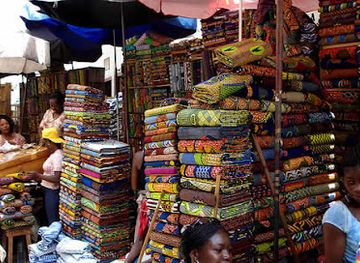
Shopping in the Maritime Region is primarily local and practical, with market activity concentrated in towns such as Tsévié, Vogan and Aného rather than in large formal retail centres. Visitors can look for fresh produce, smoked or dried fish, spices, woven goods, clothing, household items and small craft products, while roadside stalls sell seasonal fruit and prepared food. Vogan is known within southern Togo as an important trading centre, though market days and individual traders vary. Aného and communities around Lake Togo may offer locally made souvenirs, but selection is less predictable than in Grand Lomé. For a wider choice of textiles, carvings, jewellery, artworks and packaged regional products, the capital’s markets and shops are more suitable and lie just outside the region. Buy directly and courteously, check the quality of fragile goods, and avoid purchasing antiquities or ritual objects whose legal provenance is uncertain.
-
Market
Lomé Grand Market
Discover the essence of Togo at Lomé Grand Market—where vibrant culture, delicious food, and local crafts come together in a unique shopping experience.
-
Supermarket
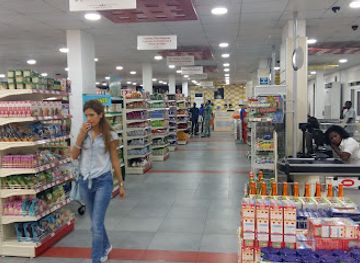
L'Epicerie Du Levant Boulevard
Discover local flavors and vibrant culture at L'Epicerie Du Levant, the heart of shopping in Lomé, Togo.
-
Market
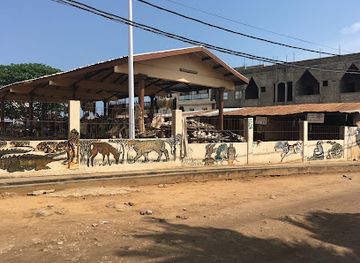
Akodessewa Fetish Market
Experience the unique culture and vibrant atmosphere of the Akodessewa Fetish Market in Lomé, Togo, a lively hub of traditional artifacts and local traditions.
-
Store
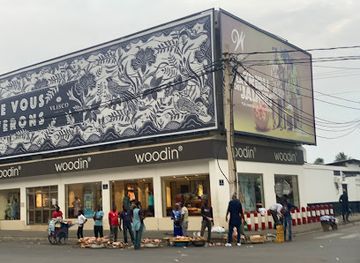
VAC TOGO (VLISCO, WOODIN, UNIWAX)
Explore the vibrant tapestry of Togolese culture at VAC Togo, where authentic textiles meet tradition and artistry.
Get your free copy of our complete guide to Maritime Region, delivered straight to you.
Everything on this page, from attractions and restaurants to essentials and local phrases, in one PDF you can read offline, print or share.
Already have an account? Sign in
Your Maritime Region guide is ready.
We'll send it to · Not you? Sign out

Getting your guide ready…
We are putting together a fresh copy of the Maritime Region guide. This can take up to a minute.
This can take a few moments. If your browser asks, choose Allow so the download can start. You'll find the guide in your Downloads folder.
Nothing happened? Download it again
Sorry, the guide is taking longer than usual. Please try again in a minute, or get it by email instead.
Maritime Region essentials
Currency and Payment
Safety
Emergency Situations
Do's and Don'ts
Local Tips
From Eve
Local phrases worth knowing
You don't need to get them perfect. A few words go a long way, and locals appreciate the effort.
Basics
| English | Local | Say it |
|---|---|---|
| Hello | Bonjour | [bawn-zhoor] |
| Goodbye | Au revoir | [oh ruh-vwahr] |
| Yes | Oui | [wee] |
| No | Non | [noh] |
| Please/You're welcome | S'il vous plaît | [seel voo pleh] |
| Thank you | Merci | [mair-see] |
| Excuse me/Sorry | Excusez-moi | [ex-kew-zay mwah] |
| How are you? | Comment ça va? | [koh-mohn sah vah] |
| Fine. And you? | Bien. Et vous? | [byan. eh voo] |
| Do you speak English? | Parlez-vous anglais? | [par-lay voo ahn-glay] |
| I don't understand | Je ne comprends pas | [zhuh nuh kohm-prahn pah] |
Eating & Drinking
| English | Local | Say it |
|---|---|---|
| I'd like to see the menu, please | Je voudrais voir le menu, s'il vous plaît | [zhuh voo-dray vwar luh meh-nyoo, seel voo pleh] |
| I don't eat meat | Je ne mange pas de viande | [zhuh nuh mahnj pah duh vyahnd] |
| Cheers! | Santé! | [sahn-tay] |
| I would like to pay, please | Je voudrais payer, s'il vous plaît | [zhuh voo-dray pay-ay, seel voo pleh] |
Emergencies
| English | Local | Say it |
|---|---|---|
| Help! | Au secours! | [oh suh-koor] |
| Go away! | Allez-vous en! | [ah-lay voo ahn] |
| Call the Police! | Appelez la police! | [ah-peh-lay lah poh-lees] |
| Call a doctor! | Appelez un médecin! | [ah-peh-lay uhn may-deh-sin] |
| I'm lost | Je suis perdu | [zhuh swee pair-doo] |
| I'm ill | Je suis malade | [zhuh swee mah-lahd] |
Shopping
| English | Local | Say it |
|---|---|---|
| I'd like to buy... | Je voudrais acheter... | [zhuh voo-dray ah-she-tay] |
| I'm just looking | Je regarde juste | [zhuh ruh-gard zhoost] |
| How much is it? | C'est combien? | [say kohm-byen] |
| That's too expensive | C'est trop cher | [say troh shair] |
| Can you lower the price? | Pouvez-vous baisser le prix? | [poo-vay voo bay-say luh pree] |
Time & Numbers
| English | Local | Say it |
|---|---|---|
| What time is it? | Quelle heure est-il? | [kel uhr eh-teel] |
| It's one o'clock | Il est une heure | [eel eh ewn uhr] |
| Half past (10) | Dix heures et demie | [dees uhr eh duh-mee] |
| Morning | Matin | [mah-tan] |
| Afternoon | Après-midi | [ah-pray mee-dee] |
| Evening | Soir | [swahr] |
| Yesterday | Hier | [ee-air] |
| Today | Aujourd'hui | [oh-zhoor-dwee] |
| Tomorrow | Demain | [duh-mahn] |
| 1 | Un | [uhn] |
| 2 | Deux | [duhr] |
| 3 | Trois | [trwah] |
| 4 | Quatre | [katr] |
| 5 | Cinq | [sank] |
| 6 | Six | [sees] |
| 7 | Sept | [set] |
| 8 | Huit | [weet] |
| 9 | Neuf | [nurf] |
| 10 | Dix | [dees] |
Transport & Directions
| English | Local | Say it |
|---|---|---|
| Where's a/the...? | Où est un/une...? | [oo eh uhn/ewn] |
| What's the address? | Quelle est l'adresse? | [kel eh la-dress] |
| Can you show me (on the map)? | Pouvez-vous me montrer (sur la carte)? | [poo-vay voo muh mohn-tray (sur lah kart)] |
| When's the next (bus)? | Quand est le prochain (bus)? | [kahn eh luh pro-shen (boos)] |
| A ticket (to ....) | Un billet (pour ...) | [uhn bee-yay (poor ...)] |
History of Maritime Region
Early settlement and Ewe-speaking communities
The southern Togolese lowlands have long been settled by farming and fishing communities linked by waterways, footpaths and coastal trade. Ewe-speaking populations became especially influential around the lagoons and southern plains, while other communities developed their own languages, institutions and trading relationships. Togoville, on the northern side of Lake Togo, became an important traditional centre. The region’s social history was never isolated: movements of people, marriage networks, commerce and religious exchange connected it with the wider Bight of Benin, including neighbouring areas of present-day Ghana and Benin.
Atlantic trade and the era of enslavement
From the early modern period, coastal settlements in the area participated in Atlantic commerce, including the trade in enslaved people, firearms, textiles, alcohol and other goods. Agbodrafo, formerly known as Porto Seguro, preserves architecture and memories associated with this period, while Aného grew as a port and commercial centre. These networks involved African rulers, merchants and European traders, but they were also marked by violence, displacement and forced transport. Surviving buildings and oral traditions form part of a difficult regional history that should be approached with care rather than romanticised as an era of simple cultural exchange.
German coastal expansion, 1884 onwards
German influence in the territory that became Togo was formalised in 1884 after agreements with local authorities. The treaty connected with the creation of German Togoland was signed at Baguida, now within the Grand Lomé urban area rather than the contemporary Maritime Region, while nearby coastal settlements became central to the new colonial administration. Aného served as the first capital of German Togoland before the administrative centre shifted to Lomé. German rule introduced new systems of taxation, administration and infrastructure, but also coercive labour practices and unequal political authority.
Missionary activity and changing coastal towns
Christian missions expanded in the coastal region during the nineteenth and early twentieth centuries, establishing schools, churches and new forms of literacy alongside existing religious institutions. Aného and surrounding settlements became important centres for Catholic and Protestant activity, while traditional religious practices continued to shape community life. Afro-Brazilian building styles, Christian architecture and older coastal compounds reflect the region’s layered connections with West Africa, Brazil and Europe. The resulting cultural landscape is neither exclusively colonial nor exclusively traditional, but a record of adaptation, negotiation and continuing local identity.
French mandate and colonial administration
After Germany’s defeat in the First World War, Togo was divided between French and British administrations, with the territory that includes present-day southern Togo placed under French mandate and later trusteeship. French authorities consolidated administration around Lomé and extended roads, schools and commercial administration into the surrounding region. The coast remained economically important, while inland market towns connected agricultural districts with the capital. Colonial development brought lasting infrastructure and institutional change, but did not erase local political structures, languages, religious worlds or the inequalities inherited from earlier trading and colonial systems.
Independence and the modern southern corridor
Togo became independent in 1960, and the Maritime Region developed within a national economy strongly oriented towards the southern urban corridor and the port of Lomé. Roads linking Grand Lomé with Tsévié and the north strengthened the role of inland market towns, while coastal and lagoon communities continued to depend on fishing, agriculture, small trade and seasonal mobility. Administrative boundaries have changed over time, particularly around the expanding capital. Today the region’s heritage is visible in Aného, Togoville, Agbodrafo and the lagoon landscapes, alongside growing settlements and modern transport routes.
Maritime Region in Photos
Browse through our photo collection highlighting the charm and character of the destination.
Neighbouring regions of Maritime Region
The closest regions to Maritime Region, if you have time for more than one.
-

-

-

-

-


Swipe for more regions
Explore more

Explore more of Togo
Discover Togo, a hidden gem in West Africa, offering vibrant culture, stunning landscapes, rich history, and diverse wildlife for an unforgettable travel experience.
Explore Togo