

Free Mount Agou Area Travel Guide & Mobile App
Explore Mount Agou Area with free travel guides. Discover regional history, expert tips, proposed trips, and audio guides on web or mobile app.


Explore Mount Agou near Kpalimé for Togo’s highest summit, forested hills, cocoa and coffee farms, village life and highland scenery.
Read more about Mount Agou Area
When is the best time to visit Mount Agou Area?
Best: December–February · 30°C| Month | High (°C) | Rainfall (mm) |
|---|---|---|
| January (best) | 30 | 20 |
| February (best) | 30 | 25 |
| March | 31 | 30 |
| April | 32 | 35 |
| May | 31 | 50 |
| June | 30 | 70 |
| July | 30 | 80 |
| August | 29 | 70 |
| September | 30 | 60 |
| October | 31 | 50 |
| November | 30 | 30 |
| December (best) | 30 | 25 |
Getting to and around Mount Agou Area
How to get there
Transportation
Top city travel guides in Mount Agou Area
The cities of Mount Agou Area, and the easiest places to base yourself.

Swipe for more cities
Best attractions in Mount Agou Area
The principal attraction is Mount Agou itself, where guided walks lead through a cultivated highland landscape of forest remnants, farms and village paths rather than a fully enclosed national park. The ascent and surrounding viewpoints provide the area’s strongest geographical experience, with changing perspectives across the Plateaux countryside. Around Kpalimé, visitors can combine the mountain with craft workshops, local markets and excursions into the wider forested highlands, though waterfalls and other sites should be checked individually because some lie outside the immediate Mount Agou area. Cocoa and coffee farms offer insight into the crops that shape local livelihoods, while bananas, plantains and other food plants are visible along rural routes. Birdwatching, landscape photography and short walks are more realistic than expecting a developed network of marked adventure facilities. The area’s appeal rests on contact with a living agricultural environment, local guiding and the contrast between the mountain’s wooded upper slopes and the settled valleys below. Visitors should arrange permission and transport for farm visits and should not assume that every attractive track is a public trail.
-
Tourist attraction
Cascade de Kpimé
Explore the breathtaking Cascade de Kpimé, a natural wonder in Togo surrounded by lush greenery and vibrant wildlife.
-
Tourist attraction
Wli Agumatsa Waterfalls
Experience the awe-inspiring Wli Agumatsa Waterfalls in Ghana, a breathtaking natural wonder surrounded by lush landscapes and rich biodiversity.
-
Mountain peak
Mount Afadja
Explore Mount Afadja, Ghana's highest peak, where breathtaking views, vibrant culture, and thrilling adventures await every traveler.
-
Market
Marché Château
Experience the vibrant atmosphere of Marché Château in Kpalimé, a bustling market showcasing local crafts, fresh produce, and delicious Togolese cuisine.


Best landmarks in Mount Agou Area
Mount Agou is the area’s dominant natural landmark and the highest summit in Togo, rising above the Plateaux landscape near Kpalimé. Its importance is geographical as well as visual: the mountain shapes local weather, farming patterns and the routes used between nearby communities. Unlike a fortified peak or monumental temple, it is experienced through trails, cultivated slopes and changing views rather than a single built viewpoint. The surrounding highland scenery, including wooded ridges, streams and valley farmland, forms a connected group of landscape landmarks whose appearance changes markedly between dry and rainy seasons. Kpalimé’s older streets, craft workshops and civic buildings provide the nearest urban visual context, although they are distinct from Mount Agou itself. Rural churches, village meeting places and farm compounds may also be prominent local reference points, but should be treated as working community spaces rather than attractions to enter freely. The area’s landmarks are consequently best understood through a guide who can explain names, land use and local significance while ensuring that visitors respect private property and sacred places.
-
Market
Marché Agoé Assiyéyé
Explore Marché Agoè Assiyéyé in Lomé for a vibrant blend of local produce, crafts, and rich Togolese culture.
-
Historical landmark
Crossroads of the Two Lions
Discover the Crossroads of the Two Lions in Lomé, a historical landmark embodying Togo's rich heritage and culture.
-
Historical landmark
Colombe De La Paix
Discover the Colombe De La Paix in Lomé, Togo – a symbol of unity and peace that captures the essence of Togolese culture.
-
Cultural landmark
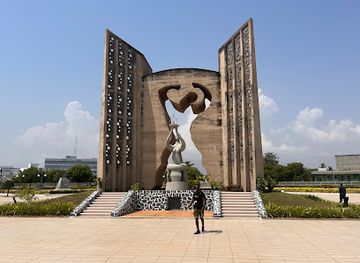
Monument de l'independance
Explore the Monument de l'Indépendance in Lomé, Togo—a cultural landmark celebrating the nation's journey to freedom and resilience.


Explore Mount Agou Area on the map
Plan your trip on one map. See where the top cities, national parks and sights are, and book hotels and experiences in a few clicks.
Best hotels in Mount Agou Area
Best restaurants in Mount Agou Area
Dining around Mount Agou is primarily local and informal, with the widest choice found in nearby Kpalimé rather than on the mountain itself. Small restaurants and food stalls commonly serve dishes based on maize, cassava, rice, beans, plantain and seasonal vegetables, often accompanied by sauces and grilled or stewed chicken, fish or other meats. In the surrounding farming country, bananas, plantains, cocoa and coffee reflect the Plateaux environment, although availability depends on harvests and supply. Visitors may encounter regional variations of Togolese home cooking rather than a fixed menu of Mount Agou specialities. Kpalimé’s cafés and guesthouses are the most practical places to arrange breakfast, packed lunches and drinks before a walk. Eat at busy, clean-looking establishments, carry drinking water for rural excursions and ask about ingredients if dietary requirements are important. A small tip is appreciated when service is provided, but tipping customs are not identical in every setting.
-
Restaurant
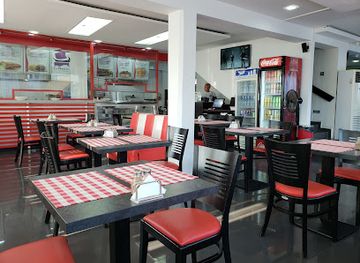
Le Phenicien
Experience the vibrant flavors of Togo at Le Phenicien – your go-to spot for fast food, pizza, and pastries in Lomé.
-
Restaurant
Blue Turtle Bay
Experience exquisite flavors at Blue Turtle Bay - where Togolese cuisine meets international flair in a stunning setting.
-
Restaurant
Dolce Plazza
Experience the best of Lomé's culinary scene at Dolce Plazza – where flavor meets nightlife in an unforgettable setting.
-
Restaurant
Le Beluga
Experience the vibrant flavors of Togo at Le Beluga, where local cuisine meets international flair in an inviting atmosphere.


Best bars in Mount Agou Area
Evening life in the Mount Agou area is modest and centred on local bars, informal drinking spots, guesthouse restaurants and social spaces in nearby Kpalimé rather than on a concentrated nightclub district. Beer and soft drinks are widely encountered, while music may be played at bars or during locally organised events, but schedules and opening arrangements are changeable. The most rewarding evening may be a relaxed meal or conversation in town rather than a late-night trip into the countryside. Visitors should arrange transport back to their accommodation before drinking, as rural roads are poorly suited to unfamiliar night driving and public options become less dependable after dark. Kpalimé may offer occasional live music or busier weekend activity, but it is best to ask locally rather than rely on a fixed entertainment calendar.
-
Restaurant
Dolce Plazza
Discover the ultimate dining and nightlife experience at Dolce Plazza in Lomé, where barbecue, cocktails, and dancing come together.
-
Bar
Bar MADIBA
Bar MADIBA in Lomé: Dive into an exhilarating nightlife experience with affordable drinks and vibrant local culture.
-
Bar
Bar Campus Nord
Experience the vibrant nightlife of Lomé at Bar Campus Nord, where good drinks and great company await you.
-
Bar
Bar Restaurant Festador
Experience the vibrant nightlife and delicious culinary offerings at Bar Restaurant Festador in Lomé, where locals and tourists come together.


Best nightclubs in Mount Agou Area
Evening life in the Mount Agou area is modest and centred on local bars, informal drinking spots, guesthouse restaurants and social spaces in nearby Kpalimé rather than on a concentrated nightclub district. Beer and soft drinks are widely encountered, while music may be played at bars or during locally organised events, but schedules and opening arrangements are changeable. The most rewarding evening may be a relaxed meal or conversation in town rather than a late-night trip into the countryside. Visitors should arrange transport back to their accommodation before drinking, as rural roads are poorly suited to unfamiliar night driving and public options become less dependable after dark. Kpalimé may offer occasional live music or busier weekend activity, but it is best to ask locally rather than rely on a fixed entertainment calendar.
-
Night club
Miami 228
Experience the vibrant nightlife of Lomé at Miami 228, a premier night club and lounge offering music, dining, and unforgettable moments.
-
Bar
Before and after nightclub
Discover the vibrant nightlife of Lomé at Before and After Nightclub, where music, dance, and culture come together in an unforgettable experience.
-
Lounge
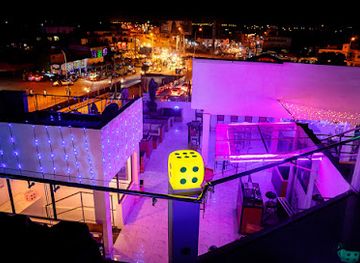
Rooftop Opium
Experience the vibrant nightlife of Lomé at Rooftop Opium, where stunning views meet exquisite drinks in a chic lounge setting.
-
Disco club
MAD Complexe
Discover the pulse of Lomé's nightlife at MAD Complexe, a vibrant disco club offering endless dancing and unforgettable moments.


Best shops in Mount Agou Area
Shopping in the Mount Agou area is oriented towards local produce, practical goods and crafts rather than conventional retail. Nearby Kpalimé is the main place to browse woodcarvings, woven items, textiles, paintings and other handmade products associated with the town’s strong craft culture. Small markets and roadside sellers may offer plantains, bananas, cassava, spices, coffee or cocoa products, depending on the season and location. Farm purchases should be made with permission, particularly when crops are being sold directly from private land. Craft workshops can provide a more informative buying experience than anonymous stalls, allowing visitors to ask about materials, production and fair prices. Carry cash in CFA francs, pack fragile purchases carefully and check customs restrictions before buying carved wood, plant material, animal products or large quantities of food. The selection is variable and practical, reflecting a rural highland economy rather than a permanent luxury-shopping scene.
-
Gift shop
Africanou
Explore Africanou in Lomé for unique Togolese crafts and souvenirs, embodying the rich cultural heritage of Togo.
-
Gift shop
Aklala Batik du Togo
Explore the vibrant world of Togolese craftsmanship at Aklala Batik du Togo, where each piece reflects the rich cultural heritage of Kpalime.
-
 Gift shop
SAMBA Design
Explore SAMBA Design in Lomé - your go-to gift shop for custom creations and unique souvenirs celebrating Togolese culture.
-
Cell phone store
APPLE STORE TOGO
Explore the latest in technology at Apple Store Togo, where innovation meets exceptional service in the heart of Lomé.


Get your free copy of our complete guide to Mount Agou Area, delivered straight to you.
Everything on this page, from attractions and restaurants to essentials and local phrases, in one PDF you can read offline, print or share.
Already have an account? Sign in
Your Mount Agou Area guide is ready.
We'll send it to · Not you? Sign out

Getting your guide ready…
We are putting together a fresh copy of the Mount Agou Area guide. This can take up to a minute.
This can take a few moments. If your browser asks, choose Allow so the download can start. You'll find the guide in your Downloads folder.
Nothing happened? Download it again
Sorry, the guide is taking longer than usual. Please try again in a minute, or get it by email instead.
Mount Agou Area essentials
Currency and Payment
Safety
Emergency Situations
Do's and Don'ts
Local Tips
From Eve
Local phrases worth knowing
You don't need to get them perfect. A few words go a long way, and locals appreciate the effort.
Basics
| English | Local | Say it |
|---|---|---|
| Hello | Bonjour | [bɔ̃ʒuʁ] |
| Goodbye | Au revoir | [o ʁə.vwaʁ] |
| Yes | Oui | [wi] |
| No | Non | [nɔ̃] |
| Please/You're welcome | S'il vous plaît | [sil vu plɛ] |
| Thank you | Merci | [mɛʁ.si] |
| Excuse me/Sorry | Excusez-moi | [ɛk.sky.ze mwa] |
| How are you? | Comment ça va? | [kɔ.mɑ̃ sa va] |
| Fine. And you? | Bien. Et vous? | [bjɛ̃ e vu] |
| Do you speak English? | Parlez-vous anglais? | [paʁ.le vu ɑ̃.ɡlɛ] |
| I don't understand | Je ne comprends pas | [ʒə nə kɔ̃.pʁɑ̃ pa] |
Eating & Drinking
| English | Local | Say it |
|---|---|---|
| I'd like to see the menu, please | Je voudrais voir le menu, s'il vous plaît | [ʒə vudʁɛ vwaʁ lə mə.ny sil vu plɛ] |
| I don't eat meat | Je ne mange pas de viande | [ʒə nə mɑ̃ʒ pa də vjɑ̃d] |
| Cheers! | Santé! | [sɑ̃.te] |
| I would like to pay, please | Je voudrais payer, s'il vous plaît | [ʒə vudʁɛ pe.je sil vu plɛ] |
Emergencies
| English | Local | Say it |
|---|---|---|
| Help! | Au secours! | [o sə.kur] |
| Go away! | Allez-vous-en! | [a.le vu zɑ̃] |
| Call the Police! | Appelez la police! | [a.pe.le la pɔ.lis] |
| Call a doctor! | Appelez un médecin! | [a.pe.le ɛ̃ mɛ.dɛ.sɛ̃] |
| I'm lost | Je suis perdu | [ʒə sɥi pɛʁ.dy] |
| I'm ill | Je suis malade | [ʒə sɥi ma.lad] |
Shopping
| English | Local | Say it |
|---|---|---|
| I'd like to buy... | Je voudrais acheter... | [ʒə vudʁɛ aʃ.te] |
| I'm just looking | Je regarde juste | [ʒə ʁə.ɡaʁd ʒyst] |
| How much is it? | Combien ça coûte? | [kɔ̃.bjɛ̃ sa kut] |
| That's too expensive | C'est trop cher | [sɛ tʁo ʃɛʁ] |
| Can you lower the price? | Pouvez-vous baisser le prix? | [pu.ve vu bɛ.se lə pʁi] |
Time & Numbers
| English | Local | Say it |
|---|---|---|
| What time is it? | Quelle heure est-il? | [kɛl œʁ ɛ.til] |
| It's one o'clock | Il est une heure | [il ɛt yn œʁ] |
| Half past (10) | Dix heures et demie | [dis œʁ e də.mi] |
| Morning | Matin | [ma.tɛ̃] |
| Afternoon | Après-midi | [a.pʁɛ.mi.di] |
| Evening | Soir | [swaʁ] |
| Yesterday | Hier | [jɛʁ] |
| Today | Aujourd'hui | [o.ʒuʁ dɥi] |
| Tomorrow | Demain | [də.mɛ̃] |
| 1 | Un | [ɛ̃] |
| 2 | Deux | [dø] |
| 3 | Trois | [tʁwa] |
| 4 | Quatre | [katʁ] |
| 5 | Cinq | [sɛ̃k] |
| 6 | Six | [si] |
| 7 | Sept | [sɛt] |
| 8 | Huit | [ɥit] |
| 9 | Neuf | [nœf] |
| 10 | Dix | [dis] |
Transport & Directions
| English | Local | Say it |
|---|---|---|
| Where's a/the...? | Où est un/une...? | [u ɛ ɛ̃/yn] |
| What's the address? | Quelle est l'adresse? | [kɛl ɛ l.a.dʁɛs] |
| Can you show me (on the map)? | Pouvez-vous me montrer (sur la carte)? | [pu.ve vu mə mɔ̃.tʁe syʁ la kaʁt] |
| When's the next (bus)? | Quand est le prochain (bus)? | [kɑ̃ ɛ lə pʁɔ.ʃɛ̃ bus] |
| A ticket (to ....) | Un ticket (pour ....) | [ɛ̃ ti.kɛ (puʁ)] |
History of Mount Agou Area
Ewe settlement and the forested highlands
The Mount Agou area forms part of the wider cultural landscape of southwestern Togo, where Ewe-speaking communities established settlements, farms and trading relationships across the hills and valleys. Local history is preserved through family traditions, place names, religious practices and patterns of land use rather than through a single monumental archaeological centre. The mountain’s slopes have long supported cultivation and movement between communities, while the surrounding forests and watercourses have influenced agriculture and settlement. Visitors should understand the area as a lived-in cultural landscape, not simply as a natural landmark.
Precolonial trade and regional networks
Before European colonial rule, communities in the Plateaux and adjoining areas participated in regional exchange linking the interior with the coast. Agricultural products, tools, cloth and other goods moved through networks connecting settlements around present-day Kpalimé, the Togo highlands and neighbouring parts of what is now Ghana. Political authority was distributed among local communities and chiefly institutions rather than organised under the modern borders of Togo. These older connections help explain why cultural and linguistic relationships in the region extend across today’s international frontier.
German Togoland and the colonial road system
From the late nineteenth century until the First World War, the area formed part of German Togoland. Colonial authorities developed administrative routes and commercial connections that tied the western highlands more closely to the coast and to neighbouring territories. German rule was brief but left a lasting framework of roads, plantations and administrative geography. After Germany’s defeat, Togoland was divided into mandates under British and French control; the territory around Mount Agou fell within the French-administered portion that later became the Republic of Togo.
Cocoa, coffee and plantation agriculture
During the colonial period and after independence, the humid Plateaux environment supported the expansion of cocoa and coffee cultivation, alongside food crops such as cassava, maize, bananas and plantains. Farming remains central to the economy and appearance of the Mount Agou area. Production has generally involved smallholders as well as larger historical plantation interests, with crops shaped by market prices, rainfall and changing agricultural practices. The coffee and cocoa landscapes encountered around the mountain are therefore part of a long economic history rather than a recent tourism invention.
The French mandate and the road to independence
Following the First World War, French administration reorganised the former German territory through taxation, labour systems, schooling and expanded administrative control. Roads and commercial agriculture connected the Plateaux more firmly with Lomé and other regional centres, while local communities retained their own social and cultural institutions. Togo became independent in 1960. The Mount Agou area subsequently remained part of the country’s Plateaux Region, where agricultural production, local trade and environmental tourism have developed alongside the continuing importance of rural communities.
Contemporary nature and craft tourism
In recent decades, Kpalimé and the surrounding highlands have become associated with nature-based travel, guided walks, waterfalls, traditional crafts and visits to farming communities. Mount Agou is the area’s most recognisable geographical symbol, but tourism remains relatively small-scale compared with coastal travel and Lomé’s urban attractions. Its contemporary identity depends on balancing visitor interest with forest protection, reliable local income and respect for communities whose homes and farms form the setting for excursions.
Mount Agou Area in Photos
Browse through our photo collection highlighting the charm and character of the destination.
Neighbouring regions of Mount Agou Area
The closest regions to Mount Agou Area, if you have time for more than one.
-

-
-

-

-


Swipe for more regions
Explore more

Explore more of Togo
Discover Togo, a hidden gem in West Africa, offering vibrant culture, stunning landscapes, rich history, and diverse wildlife for an unforgettable travel experience.
Explore Togo