

Hunga, Tonga Travel Guide
Discover Hunga in Tonga: A serene island paradise with vibrant marine life, welcoming locals, and breathtaking landscapes, perfect for an unforgettable getaway.
Hunga is a small island in Tonga that offers a unique and tranquil experience for visitors. Nestled in the vast Pacific Ocean, this picturesque island is perfect for those seeking a peaceful retreat away from the hustle and bustle of modern life. Surrounded by crystal-clear waters and vibrant coral reefs, Hunga is a paradise for snorkelers and divers. The rich marine life and pristine beaches make it an ideal spot for nature lovers. The island is also known for its friendly locals who warmly welcome visitors, making it easy to immerse yourself in the Tongan culture. Traditional Tongan feasts and dances are a must-see, providing a glimpse into the island's rich heritage. Hiking enthusiasts can explore the island's lush landscapes, offering breathtaking views of the ocean and neighboring islands. Accommodation on Hunga ranges from rustic beachfront bungalows to more luxurious options, ensuring that every traveler can find a place to suit their needs. The local cuisine, featuring fresh seafood and locally grown produce, is another highlight of a visit to Hunga. Whether you're looking to relax on the beach, explore the underwater world, or experience local culture, Hunga is a destination that promises a memorable and enriching experience.

Know before you go
Hi, I'm Eve. Here are a few practical things to know before exploring Hunga.
- Pack reef-safe sunscreen to protect the coral reefs while snorkeling or diving.
- Bring cash as there are limited ATMs and credit card facilities on the island.
- Respect local customs and traditions, especially when participating in community events or visiting sacred sites.
- Try the local seafood dishes for an authentic taste of the island's cuisine.
- Book accommodation in advance, especially during peak travel seasons, to ensure availability.
Explore Hunga: Things to Do, Places to Eat, Hotels & More
Handpicked recommendations for top attractions, local dining, accommodations, and more

Top Attractions & Sightseeing in Hunga
Top-rated picks
Best Attractions

Atata Island
Explore the serene Atata Island, where pristine beaches, vibrant marine life, and rich Tongan culture await to create unforgettable experiences.

Fefe Ho Loto Golden Sands
Experience the serene beauty of Fefe Ho Loto Golden Sands in Fua'amotu, Tonga, where golden beaches and crystal-clear waters await your arrival.

Makeke Lookout
Discover the awe-inspiring beauty of Makeke Lookout, a breathtaking vista point in Veitongo, Tonga, ideal for photography and nature lovers.

Best landmarks in Hunga
Top-rated picks
Best Landmarks

Mapu'a Vaea Blowholes
Discover the awe-inspiring Mapu'a Vaea Blowholes in Houma, Tonga, where nature's power meets breathtaking beauty along the Pacific coast.

Tongatapu
Experience the breathtaking beauty and rich cultural heritage of Tongatapu, the largest island in Tonga, a hidden gem in the South Pacific.

Anahulu Cave
Discover the enchanting Anahulu Cave in Tonga, a natural marvel with stunning rock formations and a refreshing swimming experience.

Royal Palace of Tonga
Discover the Royal Palace of Tonga, a stunning historical landmark in Nuku'alofa, rich in culture and royal heritage, perfect for every traveler.

Best restaurants in Hunga
Top-rated picks
Best Restaurants

Tanoa International Dateline Hotel
Experience the charm of Tonga at Tanoa International Dateline Hotel—where comfort meets convenience in Nuku'alofa.

Friends Cafe
Discover local flavors at Friends Cafe in Nuku'alofa – where delicious food meets warm Tongan hospitality.
Little Italy Hotel
Experience comfort and authentic Italian cuisine at Little Italy Hotel in Nuku'alofa—your perfect getaway in Tonga.

Chef Zero Restaurant
Discover Chef Zero Restaurant in Nuku'alofa - A culinary haven blending Tongan flavors with international cuisine for an unforgettable dining experience.

Best bars in Hunga
Top-rated picks
Best Bars

Cafe Escape
Discover the flavors of Tonga at Cafe Escape, a delightful restaurant in Nuku'alofa offering a diverse menu and warm hospitality.

Billfish Bar and Restaurant
Discover the vibrant flavors and inviting atmosphere of Billfish Bar and Restaurant in Nuku'alofa, the perfect spot for food lovers and social butterflies.

The TOP Restaurant and Lounge
Discover the finest Tongan cuisine at The TOP Restaurant and Lounge, where every meal is a celebration of local flavors and breathtaking views.

Young’s Kitchen
Experience the best of Nuku'alofa at Young's Kitchen, where fresh ingredients meet Tongan hospitality in a cozy setting.

Best nightclubs in Hunga
Top-rated picks
Best Nightclubs
Tanoa International Dateline Hotel
Experience the heart of Tonga at Tanoa International Dateline Hotel, where comfort meets traditional hospitality in a stunning oceanfront setting.

Friends Cafe
Experience the warm hospitality and delightful flavors at Friends Cafe in Nuku'alofa, where local delicacies meet international cuisine.
Waterfront Lodge
Discover tranquility and local charm at Waterfront Lodge in Nuku'alofa, Tonga, your perfect retreat for a memorable island getaway.

Billfish Bar and Restaurant
Experience the vibrant flavors of Tonga at Billfish Bar and Restaurant, where delicious cuisine meets lively entertainment in a tropical setting.

Best shops in Hunga
Top-rated picks
Best Shops

Hiki 'O Tonga
Discover the vibrant shopping experience at Hiki 'O Tonga in Nuku'alofa, where local culture meets modern retail.

Sunshine minimarket
Experience local Tongan shopping at Sunshine Minimarket, where fresh produce and community life blend seamlessly for an authentic market experience.

Friendly Island Bookshop
Explore the charm of Tonga’s literary scene at Friendly Island Bookshop, your go-to destination for local literature and cultural insights.

Value City (Tonga) Ltd.
Explore Value City Ltd. in Nuku'alofa for second-hand treasures that reflect the rich culture of Tonga and promote sustainable shopping practices.

Explore Hunga on the Map
A handpicked selection of must-see spots in Hunga, mapped for you.
Hunga Essentials
-
Hunga is located in the Ha'apai group of islands in Tonga. The nearest international airport is Fua'amotu International Airport on the main island of Tongatapu. From there, you can take a domestic flight to Lifuka Island in the Ha'apai group, which takes approximately 45 minutes. Once you arrive at Lifuka, you can catch a boat to Hunga. The boat ride typically takes around 1 to 2 hours, depending on sea conditions.
-
Hunga is a small island and most places are accessible by foot. For longer trips around the island, local boats can be hired. There are no rental cars available on Hunga, but bicycles can be rented for a small fee. If you need to travel to other islands in the Ha'apai group, there are inter-island ferries available, but schedules can be irregular, so plan accordingly.
-
The official currency in Tonga is the Tongan Paʻanga (TOP). Credit cards are accepted at some hotels and larger establishments, but it is advisable to carry cash, especially for smaller shops and local markets. There are no ATMs on Hunga, so make sure to withdraw sufficient cash before arriving on the island. The closest ATMs are on Lifuka Island.
-
Hunga is generally a safe destination for tourists. However, it is always advisable to take standard precautions such as avoiding walking alone at night in unfamiliar areas and keeping an eye on your belongings in crowded places. There are no specific high-crime areas targeting tourists, but it is always best to stay vigilant and aware of your surroundings.
-
In case of emergency, dial 911 for immediate assistance. Hunga has a local health clinic for minor medical needs, but for more serious conditions, you may need to be transported to the hospital on Lifuka Island. It is recommended to have travel insurance that covers medical emergencies. For minor health issues, there are pharmacies on Lifuka Island where you can purchase over-the-counter medications.
-
Fashion: Do dress modestly, especially when visiting religious and public sites. Avoid wearing revealing clothing. Religion: Do respect local customs and traditions. Always remove your shoes before entering someone's home. Public Transport: Do be respectful and patient, as transport schedules can be unpredictable. Don't expect the same punctuality as in Western countries. Greetings: Do greet people with a friendly 'Malo e lelei' (Hello) and a smile. A slight bow of the head is also a sign of respect. Eating & Drinking: Do try local delicacies and accept food offerings graciously. Don't refuse hospitality, as it is considered impolite.
-
To experience Hunga like a local, visit the community markets where you can buy fresh produce and traditional Tongan crafts. Engage with locals, as they are often friendly and willing to share stories about the island's history and culture. Don't miss the opportunity to participate in a traditional Tongan feast, or 'umu', which is a communal meal cooked in an underground oven. For a unique experience, join a local fishing trip or a guided tour of the island's natural attractions.
When is the best time to visit Hunga?
Useful Local Phrases for Hunga
You don't need to speak the language perfectly. Even learning a few simple words can make conversations warmer—and locals usually appreciate the effort.
— Eve

Here are the phrases I use most often in Hunga. Try a few—you'll be surprised how far they go! 😊
❤️
-
- HelloMālō
[Mah-loh] - GoodbyeNofo ā
[Noh-foh ah] - YesĀe
[Ah-eh] - NoTēnā
[Teh-nah] - Please/You're welcomeFakamolemole
[Fah-kah-moh-leh-moh-leh] - Thank youMālō
[Mah-loh] - Excuse me/SorryFakamolemole
[Fah-kah-moh-leh-moh-leh] - How are you?Ofa atu?
[Oh-fah ah-too] - Fine. And you?Sai. Ko e fehu'i?
[Sigh. Koh eh feh-hoo-ee?] - Do you speak English?Te ke lea faka-Pelengana?
[Teh keh leh-ah fah-kah-Peh-len-gah-nah?] - I don't understandTeu 'ikai ke ma'u
[Teh-oo ee-kai keh mah-oo]
- HelloMālō
-
- I'd like to see the menu, pleaseOfa atu, te u 'oatu e me'unga
[Oh-fah ah-too, teh oo oh-ah-too eh meh-oo-ngah] - I don't eat meatTeu 'ikai 'ai i he lafu
[Teh-oo ee-kai eye ee heh lah-foo] - Cheers!Mālō!
[Mah-loh] - I would like to pay, pleaseOfa atu, te u fie 'oatu e totongi
[Oh-fah ah-too, teh oo fee-eh oh-ah-too eh toh-ton-gee]
- I'd like to see the menu, pleaseOfa atu, te u 'oatu e me'unga
-
- Help!Tālofa!
[Tah-loh-fah] - Go away!Fakanofo!
[Fah-kah-noh-foh] - Call the Police!Faka'a e Polisia!
[Fah-kah-ah eh Poh-lee-see-ah] - Call a doctor!Faka'a e tokotaha!
[Fah-kah-ah eh toh-koh-tah-hah] - I'm lostTeu 'i ai
[Teh-oo ee eye] - I'm illTeu 'i he lahi
[Teh-oo ee heh lah-hee]
- Help!Tālofa!
-
- I'd like to buy...Teu 'oatu e hoko...
[Teh-oo oh-ah-too eh hoh-koh] - I'm just lookingTeu just looking
[Teh-oo just looking] - How much is it?E hā e totongi?
[Eh hah eh toh-ton-gee?] - That's too expensiveOku 'i ai e hā e totongi
[Oh-koo ee eye eh hah eh toh-ton-gee] - Can you lower the price?E mafai ke fa'alu e totongi?
[Eh mah-fai keh fah-ah-loo eh toh-ton-gee?]
- I'd like to buy...Teu 'oatu e hoko...
-
- What time is it?E hā e uo?
[Eh hah eh oo-oh?] - It's one o'clockE taha e uo
[Eh tah-hah eh oo-oh] - Half past (10)E hā e uo e tolu
[Eh hah eh oo-oh eh toh-loo] - MorningPule
[Poo-leh] - AfternoonPopo
[Poh-poh] - EveningPule lā
[Poo-leh lah] - YesterdayTaimi i ma'u
[Tah-ee-mee ee mah-oo] - TodayTaimi ni
[Tah-ee-mee nee] - TomorrowTaimi 'apongipongi
[Tah-ee-mee ah-pong-ee-pong-ee] - 1Taha
[Tah-hah] - 2Talu
[Tah-loo] - 3Tolu
[Toh-loo] - 4Fā
[Fah] - 5Nima
[Nee-mah] - 6Onu
[Oh-noo] - 7Fitu
[Fee-too] - 8Tahi
[Tah-hee] - 9Nau
[Nah-oo] - 10Tahi
[Tah-hee]
- What time is it?E hā e uo?
-
- Where's a/the...?Ko e fehu'i e...?
[Koh eh feh-hoo-ee eh...?] - What's the address?Ko e tohi e...?
[Koh eh toh-hee eh...?] - Can you show me (on the map)?E mafai ke faka'ali mai (i he mapa)?
[Eh mah-fai keh fah-kah-ah-lee my (ee heh mah-pah)?] - When's the next (bus)?Kae e hā e (bus) ko ia?
[Kah-eh eh hah eh (bus) koh ee-ah?] - A ticket (to ....)E tiketī (ki ....)
[Eh tee-keh-tee (kee....)]
- Where's a/the...?Ko e fehu'i e...?
History of Hunga
-
Hunga, a volcanic island in Tonga, has been inhabited by Polynesians for thousands of years. The early settlers were expert navigators who used the stars and ocean currents to travel across the Pacific. They brought with them their rich culture, including their language, traditions, and agricultural practices, which have shaped the island’s way of life to this day.
-
The first recorded European contact with Hunga came in the 17th century when Dutch explorers, led by Abel Tasman, arrived in Tonga. This initial contact was followed by visits from British explorer Captain James Cook in the late 18th century. These encounters introduced new technologies and ideas, but also brought diseases that impacted the local population.
-
In the early 19th century, Christian missionaries from the London Missionary Society arrived in Hunga. Their influence was profound, leading to the widespread conversion of the island’s inhabitants to Christianity. The missionaries established schools and churches, and their presence significantly transformed the social and cultural landscape of Hunga.
-
During the late 19th and early 20th centuries, Tonga, including Hunga, came under British protection. This period saw the introduction of Western-style governance and economic practices. While Tonga retained its monarchy, British influence was evident in the administration and development of the islands.
-
Tonga gained full independence from Britain in 1970, and Hunga has since been part of the sovereign Kingdom of Tonga. The island has seen gradual development, balancing modernization with the preservation of its traditional culture. Today, Hunga is known for its vibrant community life, traditional crafts, and beautiful natural landscapes.
-
Hunga is home to several unique cultural festivals and traditions. One of the most notable is the annual Heilala Festival, which celebrates Tonga's culture and heritage with traditional dances, music, and feasts. The island’s residents also continue to practice traditional crafts such as weaving and carving, which are passed down through generations.
-
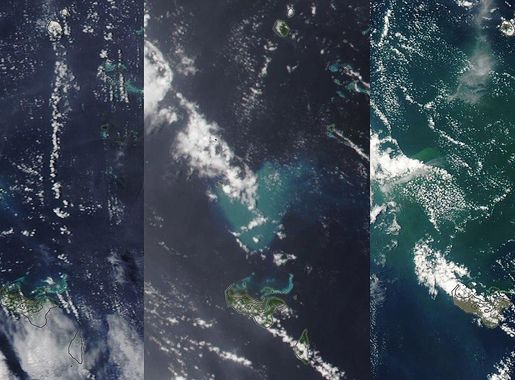
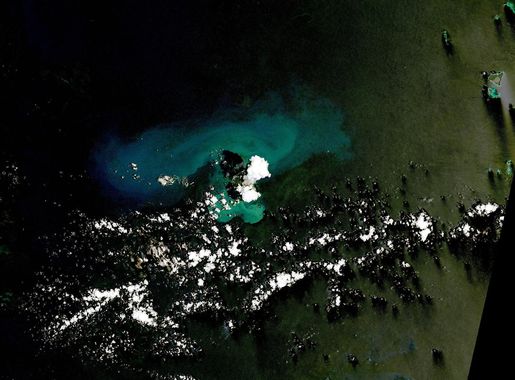
Hunga, like many Pacific islands, is vulnerable to natural disasters such as cyclones and volcanic eruptions. The most significant recent event was the eruption of the Hunga Tonga-Hunga Ha'apai volcano in 2015, which created a new island. The resilience and adaptability of Hunga’s residents in the face of such events are a testament to their strong community spirit.
Neighbouring Regions of Hunga
The closest regions to Hunga, if you have time for more than one.


Your all‑in‑one travel companion app
Explore expert travel guides, compare and book tours, experiences, hotels, and more—all from the palm of your hand. Download now for seamless trip planning wherever your wanderlust takes you.


Explore More of Tonga

Looking beyond Hunga? Discover Tonga for broader travel guides, local hot-spots, and regional highlights.
Explore TongaHunga in Photos
Browse through our photo collection highlighting the charm and character of the destination.




Hunga: Tonga's Hidden Gem
Hunga is a small island in Tonga that offers a unique and tranquil experience for visitors. Nestled in the vast Pacific Ocean, this picturesque island is perfect for those seeking a peaceful retreat away from the hustle and bustle of modern life. Surrounded by crystal-clear waters and vibrant coral reefs, Hunga is a paradise for snorkelers and divers. The rich marine life and pristine beaches make it an ideal spot for nature lovers. The island is also known for its friendly locals who warmly welcome visitors, making it easy to immerse yourself in the Tongan culture. Traditional Tongan feasts and dances are a must-see, providing a glimpse into the island's rich heritage. Hiking enthusiasts can explore the island's lush landscapes, offering breathtaking views of the ocean and neighboring islands. Accommodation on Hunga ranges from rustic beachfront bungalows to more luxurious options, ensuring that every traveler can find a place to suit their needs. The local cuisine, featuring fresh seafood and locally grown produce, is another highlight of a visit to Hunga. Whether you're looking to relax on the beach, explore the underwater world, or experience local culture, Hunga is a destination that promises a memorable and enriching experience.