

Free Lofanga Travel Guide & Mobile App
Explore Lofanga with free travel guides. Discover regional history, expert tips, proposed trips, and audio guides on web or mobile app.


Lofanga, Tonga, offers quiet Ha’apai island life, reef waters, village encounters and unhurried days away from developed resort centres.
Read more about Lofanga
When is the best time to visit Lofanga?
Best: June–August · 25–26°C| Month | High (°C) | Rainfall (mm) |
|---|---|---|
| January | 28 | 221 |
| February | 28 | 211 |
| March | 28 | 201 |
| April | 28 | 191 |
| May | 27 | 181 |
| June (best) | 26 | 170 |
| July (best) | 25 | 160 |
| August (best) | 26 | 170 |
| September | 26 | 180 |
| October | 27 | 190 |
| November | 28 | 201 |
| December | 28 | 211 |
Getting to and around Lofanga
How to get there
Transportation
Best attractions in Lofanga
Lofanga’s attractions are primarily natural and community-based rather than purpose-built. The island’s low shoreline, coconut landscape and surrounding reef provide the setting for swimming, snorkelling, kayaking, fishing and quiet coastal walks when sea and weather conditions permit. Reef exploration should be undertaken with local guidance, since channels, tides and exposed coral can be hazardous. On land, the village, gardens and shoreline reveal the everyday character of a small Ha’apai community more clearly than a formal museum could. Visitors may also arrange time on the water to view neighbouring islands and the changing colours of the lagoon, but boat routes and landing points depend on local conditions. There are no large theme parks, extensive galleries or established sightseeing circuits on Lofanga, and facilities for equipment hire may be absent. That simplicity is central to the experience: the island rewards observation, conversation and an unhurried relationship with the sea. Travellers should arrange any cultural encounter, fishing trip or guided marine activity through residents rather than arriving with fixed assumptions about access to private places or customary practices.
-
Tourist attraction
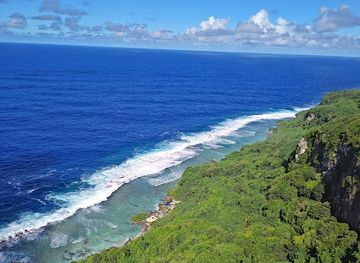
Fangatave Cliffs Lookout Platform
Experience the stunning vistas of the Pacific at Fangatave Cliffs Lookout Platform, a must-visit attraction in Ohonua, Tonga.
-
Tourist attraction
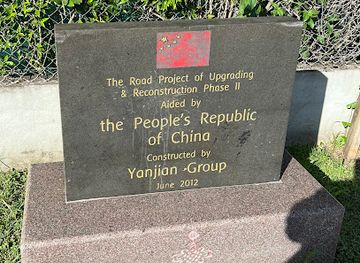
Monument
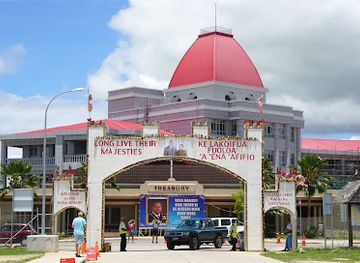
Explore the Monument in Nuku'alofa, a cultural tribute to China's contributions to Tonga's infrastructure and community development.
Best landmarks in Lofanga
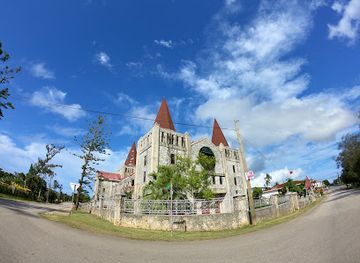
Lofanga’s principal landmarks are environmental and communal rather than monumental. The island itself, with its low coral profile, sandy edges, coconut trees and reef-fringed waters, is the defining geographical feature and appears very differently according to tide, weather and light. The village church and surrounding settlement are important expressions of contemporary Tongan community life, although visitors should treat them as living places of worship rather than simply photographic subjects. Shoreline paths, boat landings and reef passages also function as practical landmarks, linking domestic life with fishing, inter-island travel and the wider Ha’apai seascape. Lofanga does not possess a famous fortress, cathedral or grand colonial building comparable with major sites elsewhere in Tonga. Its significance lies in the relationship between a small inhabited island and the ocean that sustains and connects it. Visitors should ask permission before entering private areas, gardens or church premises, and should avoid presenting ordinary community spaces as staged attractions.
-
Historical place
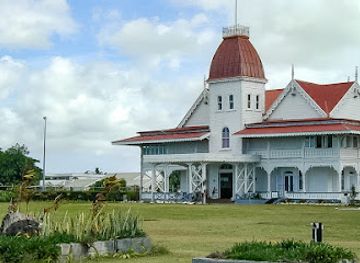
Royal Palace of Tonga
Explore the Royal Palace of Tonga, a stunning historical site in Nuku'alofa, offering a glimpse into Tongan culture and royal heritage.
-
Tourist attraction
Ancient Tonga
Explore the rich history and culture of the Kingdom of Tonga at Ancient Tonga, a captivating tourist attraction in Nuku'alofa.
-
Historical landmark
Royal Tombs
Explore the Royal Tombs of Nuku'alofa, a historical landmark that reveals the royal heritage and cultural richness of Tonga.
-
Historical landmark
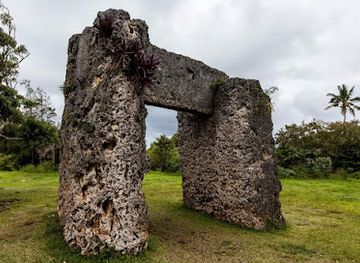
Ha'amonga 'a Maui Trilithon
Explore the ancient beauty of Ha'amonga 'a Maui Trilithon, a historical landmark that tells the story of Tonga's rich cultural heritage.
Explore Lofanga on the map
Plan your trip on one map. See where the top cities, national parks and sights are, and book hotels and experiences in a few clicks.
Best hotels in Lofanga
Best restaurants in Lofanga
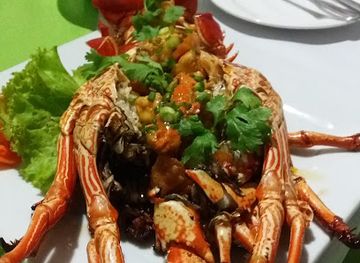
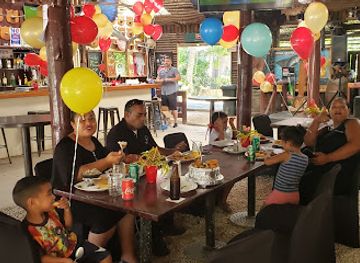
Lofanga does not have a developed restaurant scene, and visitors should normally arrange meals with their accommodation provider or local host. Food is likely to reflect ordinary Tongan island cooking, with staples such as root crops, coconut, seasonal fruit and freshly caught fish where available. Meat, imported groceries and packaged foods may be less predictable than on Tongatapu or Lifuka, so dietary requirements should be discussed before arrival and essential provisions carried from a larger service centre. Shared meals can offer a more meaningful introduction to Ha’apai food traditions than a formal dining room, but visitors should ask before assuming that fishing, gardening or household food is available to them. There is no need to expect modern café culture or formal fine dining; the emphasis is on simple, locally sourced meals and practical hospitality. Avoid wasting food and drinking water, and confirm whether meals, supplies and boat transfers are included in the accommodation arrangement or charged separately.
-
Restaurant
Chef Zero Restaurant
Discover authentic Tongan flavors at Chef Zero Restaurant in Nuku'alofa – where every meal is a celebration of local culinary traditions.
-
Bar
Billfish Bar and Restaurant
Experience authentic Tongan flavors at Billfish Bar and Restaurant in Nuku'alofa—where every meal is a celebration of Pacific culture.
-
Restaurant
The TOP Restaurant and Lounge
Experience fine dining at The TOP Restaurant and Lounge in Nuku'alofa, where Tongan flavors meet modern cuisine amidst a vibrant atmosphere.
-
Italian
Little Italy Pizzeria Restaurant
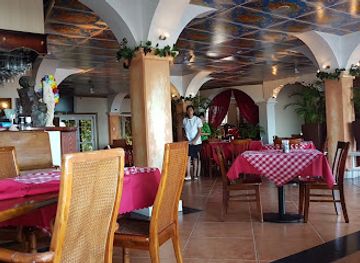
Experience authentic Italian cuisine at Little Italy Pizzeria in Nuku'alofa – where delicious flavors meet warm hospitality.

Best bars in Lofanga
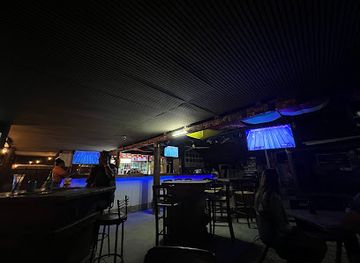
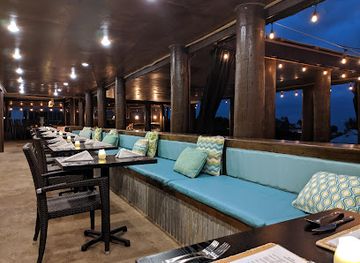
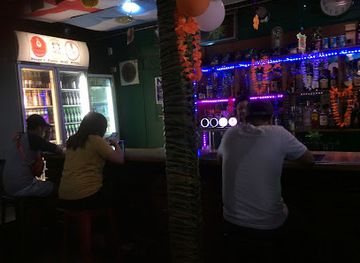
Lofanga has no established nightclub district and should not be treated as a late-night entertainment destination. Evenings are more likely to centre on family life, conversation, quiet time outdoors and the accommodation where a visitor is staying. Alcohol is not necessary for experiencing the island, and visitors should follow household and community expectations rather than assuming that drinking is appropriate in every setting. Tonga’s strong Christian observance also shapes the weekly rhythm, with Sunday generally quieter and focused on worship and rest. Bring a torch for walking after dark, remain respectful around homes and avoid creating noise in the village. For a wider choice of restaurants, pubs or evening activity, visitors would need to travel to a larger population centre elsewhere in Ha’apai, outside Lofanga, and should not assume that a return boat will be available at night.
-
Cafe
Friends Cafe
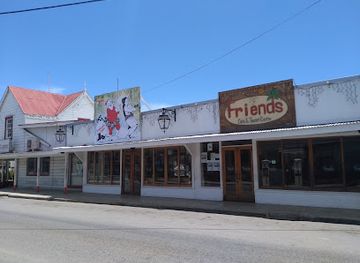
Discover the heart of Tongan culture at Friends Cafe in Nuku'alofa, where delicious food meets warm hospitality.
-
Bar
Billfish Bar and Restaurant
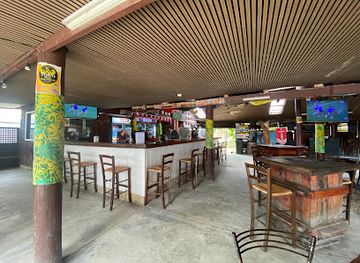
Experience the flavors of Tonga at Billfish Bar and Restaurant, where local cuisine meets vibrant atmosphere.
-
Restaurant
The TOP Restaurant and Lounge
Experience the best of Tongan and international flavors at The TOP Restaurant and Lounge in Nuku'alofa.
-
Bar
Nauti Ruby's Bar & Restaurant
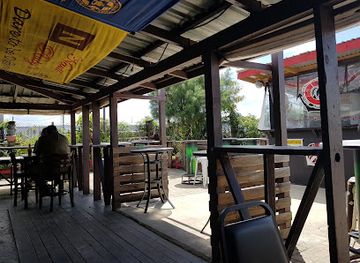
Discover the vibrant atmosphere and delectable cuisine at Nauti Ruby's Bar & Restaurant in Nuku'alofa, a true taste of Tongan hospitality.

Best nightclubs in Lofanga
Lofanga has no established nightclub district and should not be treated as a late-night entertainment destination. Evenings are more likely to centre on family life, conversation, quiet time outdoors and the accommodation where a visitor is staying. Alcohol is not necessary for experiencing the island, and visitors should follow household and community expectations rather than assuming that drinking is appropriate in every setting. Tonga’s strong Christian observance also shapes the weekly rhythm, with Sunday generally quieter and focused on worship and rest. Bring a torch for walking after dark, remain respectful around homes and avoid creating noise in the village. For a wider choice of restaurants, pubs or evening activity, visitors would need to travel to a larger population centre elsewhere in Ha’apai, outside Lofanga, and should not assume that a return boat will be available at night.
-
Bar
Billfish Bar and Restaurant
Experience the vibrant flavors of Tonga at Billfish Bar and Restaurant, where delicious local cuisine and a lively atmosphere await you.
-
Restaurant
The TOP Restaurant and Lounge
Experience the best of Tongan cuisine and stunning views at The TOP Restaurant and Lounge in Nuku'alofa, a true culinary gem.
-
Bar
Nauti Ruby's Bar & Restaurant
Experience the vibrant flavors and relaxed atmosphere of Nauti Ruby's Bar & Restaurant in Nuku'alofa, where island life comes alive.
-
Bar
Reload Bar
Experience the vibrant nightlife of Nuku'alofa at Reload Bar, where locals and travelers unite over drinks and good times.

Best shops in Lofanga
Shopping on Lofanga is extremely limited, with no substantial high street, shopping centre or dependable souvenir market. Visitors should buy fuel, medicines, specialist food, toiletries, cash and other essentials on Tongatapu or Lifuka before travelling onward. Small quantities of household produce or locally prepared food may sometimes be available through personal arrangements, but this should not be assumed. If residents offer woven items, handicrafts, produce or other local goods, purchase directly and agree the price respectfully; availability will depend on household production rather than a permanent retail outlet. Tonga’s wider shopping culture includes handicrafts, woven goods, carved items and local foods, but the main selection is found in larger settlements outside Lofanga. A practical souvenir from the island is therefore often a responsibly arranged local product or a contribution for a community service, rather than something removed from the beach or reef. Never collect shells, coral, sand or archaeological material.
-
 Hotel
HotelTanoa International Dateline Hotel
Experience the unique charm of Tonga at Tanoa International Dateline Hotel, where comfort meets the beauty of the Pacific.
-
Marina
Vuna Wharf
Experience the charm of Vuna Wharf, a picturesque marina in Nuku'alofa, offering stunning views, local flavors, and a taste of Tongan culture.
-
Shopping mall
Hiki 'O Tonga
Explore Hiki 'O Tonga: Your Gateway to Unique Tongan Crafts and Global Brands in Nuku'alofa.
-
E-commerce service
EZ TONGA ONLINE SHOPPING
Explore the essence of Tonga through EZ Tonga Online Shopping, your gateway to authentic local products and unique souvenirs.
Get your free copy of our complete guide to Lofanga, delivered straight to you.
Everything on this page, from attractions and restaurants to essentials and local phrases, in one PDF you can read offline, print or share.
Already have an account? Sign in
Your Lofanga guide is ready.
We'll send it to · Not you? Sign out

Getting your guide ready…
We are putting together a fresh copy of the Lofanga guide. This can take up to a minute.
This can take a few moments. If your browser asks, choose Allow so the download can start. You'll find the guide in your Downloads folder.
Nothing happened? Download it again
Sorry, the guide is taking longer than usual. Please try again in a minute, or get it by email instead.
Lofanga essentials
Currency and Payment
Safety
Emergency Situations
Do's and Don'ts
Local Tips
From Eve
Local phrases worth knowing
You don't need to get them perfect. A few words go a long way, and locals appreciate the effort.
Basics
| English | Local | Say it |
|---|---|---|
| Hello | Mālō | [Mah-loh] |
| Goodbye | Nū | [Noo] |
| Yes | Āe | [Ah-eh] |
| No | Ikai | [Ee-kai] |
| Please/You're welcome | Fakamolemole | [Fah-kah-moh-leh-moh-leh] |
| Thank you | Mālō | [Mah-loh] |
| Excuse me/Sorry | Fakamolemole | [Fah-kah-moh-leh-moh-leh] |
| How are you? | Ofa lahi atu? | [Oh-fah lah-hee ah-too] |
| Fine. And you? | Lahi. Ko e koe? | [Lah-hee. Koh eh koh-eh?] |
| Do you speak English? | Oe tokoni i he 'Ingilisi? | [Oh-eh toh-koh-nee ee heh 'Ing-ih-lis-ee?] |
| I don't understand | Te u 'ikai ke ma'u | [Teh oo ee-kai keh mah-oo] |
Eating & Drinking
| English | Local | Say it |
|---|---|---|
| I'd like to see the menu, please | Ofa atu ke sio ki he menu, fakamolemole | [Oh-fah ah-too keh see-oh kee heh meh-noo, fah-kah-moh-leh-moh-leh] |
| I don't eat meat | Te u 'ikai 'ai i he me'akai | [Teh oo ee-kai 'ai ee heh meh-ah-kai] |
| Cheers! | Mālō! | [Mah-loh!] |
| I would like to pay, please | Ofa atu ke hoko, fakamolemole | [Oh-fah ah-too keh hoh-koh, fah-kah-moh-leh-moh-leh] |
Emergencies
| English | Local | Say it |
|---|---|---|
| Help! | Tū'uta! | [Too-oo-tah!] |
| Go away! | Tū'aki! | [Too-ah-kee!] |
| Call the Police! | Fakakaukau ki he Polisia! | [Fah-kah-kow-kow kee heh Poh-lee-see-ah!] |
| Call a doctor! | Fakakaukau ki he tāngata foma'i! | [Fah-kah-kow-kow kee heh tah-ngah-tah fo-mah-ee!] |
| I'm lost | Te u nofo 'i he ngaahi | [Teh oo noh-fo ee heh ngah-ngai] |
| I'm ill | Te u ma'ama'a | [Teh oo mah-ah-mah] |
Shopping
| English | Local | Say it |
|---|---|---|
| I'd like to buy... | Ofa atu ke hoko... | [Oh-fah ah-too keh hoh-koh...] |
| I'm just looking | Ofa atu pehe | [Oh-fah ah-too peh-heh] |
| How much is it? | E hia e? | [Eh hee-ah eh?] |
| That's too expensive | Oka e hā e 'ili | [Oh-kah eh hah eh ee-lee] |
| Can you lower the price? | Oe hiki e tu'unga? | [Oh-eh hee-kee eh too-oo-nga?] |
Time & Numbers
| English | Local | Say it |
|---|---|---|
| What time is it? | Ko e hā 'a e uea? | [Koh eh hah ah eh weh-ah?] |
| It's one o'clock | E taha 'a e uea | [Eh tah-hah ah eh weh-ah] |
| Half past (10) | Hāfa 'i he (10) | [Hah-fah ee heh (10)] |
| Morning | Pule | [Poo-leh] |
| Afternoon | Māmanu | [Mah-mah-noo] |
| Evening | Pūputu | [Poo-poo-too] |
| Yesterday | Tāpuaki | [Tah-poo-ah-kee] |
| Today | Ongoongomai | [Ong-oo-ong-oh-my] |
| Tomorrow | Tāpuaki 'a e pō | [Tah-poo-ah-kee ah eh poh] |
| 1 | Taha | [Tah-hah] |
| 2 | Tu'a | [Too-ah] |
| 3 | Tolu | [Toh-loo] |
| 4 | Fā | [Fah] |
| 5 | Nekau | [Neh-kah-oo] |
| 6 | Nalu | [Nah-loo] |
| 7 | Fitu | [Fee-too] |
| 8 | Walu | [Wah-loo] |
| 9 | Nava | [Nah-vah] |
| 10 | Tahi | [Tah-hee] |
Transport & Directions
| English | Local | Say it |
|---|---|---|
| Where's a/the...? | Ko e hā 'a e...? | [Koh eh hah ah eh...?] |
| What's the address? | Ko e hā 'a e tu'unga? | [Koh eh hah ah eh too-oo-nga?] |
| Can you show me (on the map)? | Oe mafai ke fakahū mai (i he mapa)? | [Oh-eh mah-fah-ee keh fah-kah-hoo my (ee heh mah-pah)?] |
| When's the next (bus)? | Ko e hā 'a e bus ko ia? | [Koh eh hah ah eh boosh koh ee-ah?] |
| A ticket (to ....) | Tēkita (ki he....) | [Teh-kee-tah (kee he....)] |
History of Lofanga
Lapita settlement and early Polynesian voyaging
The Ha’apai islands form part of the wider Tongan archipelago settled during the expansion of Lapita and later Polynesian seafaring communities. These voyagers navigated between low islands using detailed knowledge of stars, currents, reefs and seasonal winds. Archaeological evidence across Tonga demonstrates a long history of ocean-based settlement, although Lofanga itself has not developed a large public archaeological visitor site. Its landscape should therefore be understood within the broader maritime history of Tonga rather than through a single monumental ruin.
Chiefly communities in the Ha’apai islands
Before European contact, Tonga was organised through ranked communities, chiefly authority, kinship and reciprocal obligations. Ha’apai’s islands were linked by canoe routes and political relationships, with food production and fishing supporting settled communities. Small islands such as Lofanga were not isolated in the modern sense: their residents belonged to wider networks of family, exchange and authority extending across the group. These relationships still help explain the importance of land, ancestry, village obligations and communal decision-making in contemporary island life.
European contact and changing ocean routes
European navigators reached Tonga in the seventeenth and eighteenth centuries, followed by missionaries, traders and other visitors. Contact brought new goods and religious ideas, but it also introduced disease, commercial pressures and outside political interests. The low islands of Ha’apai were encountered as part of a wider archipelago rather than as isolated destinations. Their position within inter-island voyaging routes remained important, even as sailing canoes gradually shared the sea with European ships and later motorised boats.
Christian conversion and the rise of modern Tonga
Christian missionaries became influential in Tonga during the nineteenth century, amid political struggles and the consolidation of the Tongan state. Conversion reshaped patterns of worship, education, Sunday observance and community organisation throughout the islands, including Ha’apai. Churches and village religious life remain visible parts of the cultural landscape today. Tonga’s political development eventually produced the modern kingdom, which preserved the monarchy while adopting constitutional institutions and a stronger relationship with international trade and administration.
The Ha’apai economy: subsistence, seafaring and migration
For generations, Ha’apai communities have combined fishing, gardening, coconut cultivation, household production and inter-island exchange. More recently, education, government employment, remittances and migration have become important to island livelihoods. Remote communities such as Lofanga experience the advantages and pressures of this change: mobile communications and modern transport connect residents more easily with the rest of Tonga, while fuel costs, weather disruptions and limited services can make everyday logistics difficult. Community resilience remains central to life on the island.
Cyclones, sea-level concerns and contemporary island life
Tonga’s low coral islands are shaped by tropical storms, coastal erosion, changing marine conditions and the practical effects of climate change. Cyclones can disrupt transport, damage homes and gardens, and interrupt access to supplies across Ha’apai. These environmental pressures are part of the region’s modern history, alongside improvements in communications, health provision and transport. On Lofanga, the relationship between village, reef and ocean remains both cultural and essential: the sea is a source of food, a route to neighbouring islands and a force that demands constant respect.
Neighbouring regions of Lofanga
The closest regions to Lofanga, if you have time for more than one.
-

-

-

-

-


Swipe for more regions
Explore more

Explore more of Tonga
Discover Tonga, the Friendly Islands of the South Pacific, where pristine beaches, vibrant coral reefs, and rich cultural heritage await your exploration.
Explore Tonga