

Uiha, Tonga Travel Guide
Discover Uiha, Tonga's tranquil island paradise with pristine beaches, rich cultural heritage, and vibrant marine life for an unforgettable escape.
Uiha is a small, enchanting island in the Ha'apai group of Tonga. It is known for its serene beaches, crystal-clear waters, and rich cultural heritage. The island offers an untouched beauty that is perfect for those seeking a tranquil escape from the hustle and bustle of city life. Visitors to Uiha can explore the island's lush landscapes, dotted with coconut palms and pandanus trees. The local community is warm and welcoming, providing tourists with an authentic taste of Tongan culture and traditions. Don't miss the chance to visit the ancient burial sites and learn about the island's fascinating history. Snorkeling and diving enthusiasts will find Uiha's coral reefs a paradise, teeming with vibrant marine life. The calm, shallow waters make it an ideal spot for both beginners and experienced divers. For those who prefer to stay on land, the island's pristine beaches are perfect for leisurely walks and sunbathing. Whether you're looking to immerse yourself in nature, learn about Tongan culture, or simply relax on a beautiful beach, Uiha offers a unique and unforgettable experience.

Know before you go
Hi, I'm Eve. Here are a few practical things to know before exploring Uiha.
- Respect local customs and traditions. Dress modestly, especially when visiting villages.
- Bring cash as there are no ATMs on the island and credit card facilities may be limited.
- Best time to visit is during the dry season from May to October for pleasant weather and calm seas.
- Pack reef-safe sunscreen to protect the coral reefs while snorkeling or diving.
- Carry a reusable water bottle to stay hydrated and reduce plastic waste.
Destinations in Uiha
Resorts, valleys and scenic spots worth a trip of their own.
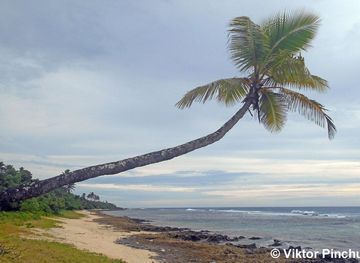

Best landmarks in Uiha
Top-rated picks
Best Landmarks

Mapu'a Vaea Blowholes
Discover the breathtaking Mapu'a Vaea Blowholes in Tonga, where nature's power creates stunning water eruptions against a backdrop of serene landscapes.
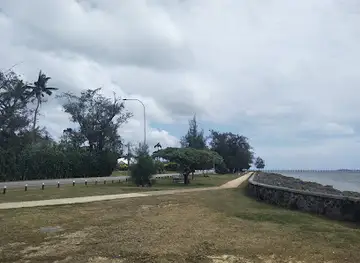
Royal Palace of Tonga
Discover the Royal Palace of Tonga, a historical gem that embodies the rich culture and heritage of the Tongan monarchy in Nuku'alofa.

Anahulu Cave
Explore Anahulu Cave in Haveluliku, Tonga, an enchanting natural attraction with crystal-clear waters and stunning geological formations.
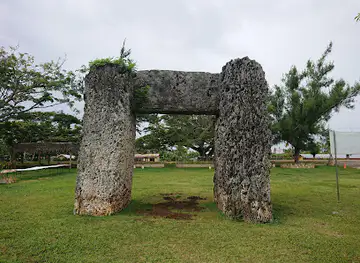
Royal Tombs
Explore the Royal Tombs of Tonga, a historical landmark that embodies the rich cultural legacy of the Tongan monarchy amidst serene landscapes.

Best restaurants in Uiha
Top-rated picks
Best Restaurants

Little Italy Hotel
Discover comfort and authentic Italian cuisine at Little Italy Hotel in Nuku'alofa – where every stay feels like home.

Friends Cafe
Discover authentic Tongan flavors at Friends Cafe in Nuku'alofa - where local culture meets delightful cuisine.

Billfish Bar and Restaurant
Discover authentic Tongan cuisine at Billfish Bar and Restaurant in Nuku'alofa – where local flavors meet vibrant atmosphere.

Chef Zero Restaurant
Experience the rich flavors of Tonga at Chef Zero Restaurant in Nuku'alofa – where culinary excellence meets warm hospitality.

Best bars in Uiha
Top-rated picks
Best Bars
Tanoa International Dateline Hotel
Discover the perfect blend of comfort and culture at Tanoa International Dateline Hotel in Nuku'alofa, Tonga, where hospitality meets breathtaking views.

Friends Cafe
Experience the warmth of Tongan hospitality and savor delicious local cuisine at Friends Cafe in Nuku'alofa, a must-visit for every traveler.
Little Italy Hotel
Experience the best of Italian cuisine in Tonga at Little Italy Hotel, where delicious food meets Tongan hospitality.

Billfish Bar and Restaurant
Discover the essence of Tongan cuisine at Billfish Bar and Restaurant, where fresh seafood meets vibrant culture, perfect for every traveler.

Best nightclubs in Uiha
Top-rated picks
Best Nightclubs

Billfish Bar and Restaurant
Discover the vibrant flavors of Tonga at Billfish Bar and Restaurant, where local cuisine meets a lively bar atmosphere in Nuku'alofa.

The TOP Restaurant and Lounge
Indulge in a unique dining experience at The TOP Restaurant and Lounge in Nuku'alofa, where local flavors meet international cuisine.

Nauti Ruby's Bar & Restaurant
Experience the vibrant flavors of Tonga at Nauti Ruby's Bar & Restaurant, where stunning views and delicious cuisine come together in perfect harmony.

Reload Bar
Reload Bar: Enjoy a lively blend of local culture and nightlife in Nuku'alofa, offering a diverse drink selection and friendly atmosphere.

Best shops in Uiha
Top-rated picks
Best Shops
Tanoa International Dateline Hotel
Discover Tanoa International Dateline Hotel: Your gateway to experiencing the beauty and culture of Tonga in comfort and style.

Vuna Wharf
Experience the vibrant culture and scenic beauty of Vuna Wharf, a charming marina in Nuku'alofa, Tonga, where local traditions come to life.

Hiki 'O Tonga
Experience the local culture and shop for unique treasures at Hiki 'O Tonga, Nuku'alofa's top shopping destination.
EZ TONGA ONLINE SHOPPING
Experience the best of Tongan shopping with EZ Tonga Online Shopping, your ultimate e-commerce destination for local products and unique souvenirs.

Explore Uiha on the Map
A handpicked selection of must-see spots in Uiha, mapped for you.
Uiha Essentials
-
Uiha is a small island in the Ha'apai group of islands in Tonga. To reach Uiha, you will first need to fly into Tongatapu, the main island, via Fua'amotu International Airport (TBU). From there, you can take a domestic flight to Lifuka Island in Ha'apai, which is serviced by Real Tonga Airlines. Once on Lifuka, you can reach Uiha by taking a ferry or a local boat, which typically takes around 45 minutes to an hour.
-
Uiha is a small island, and most of the attractions are within walking distance. There are no formal public transportation systems, but you can hire local boats for island hopping or rent bicycles to explore the island at your own pace. Taxis are rare, and it’s advisable to arrange transportation through your accommodation if needed.
-
The official currency in Tonga is the Tongan paʻanga (TOP). Credit cards are seldom accepted on Uiha, so it is crucial to carry enough cash. ATMs are not available on the island, so make sure to withdraw sufficient cash before leaving Tongatapu or Lifuka. Some local shops and accommodations may accept Tongan paʻanga as well as US dollars.
-
Uiha is generally a safe destination for tourists. However, it is always advisable to take standard precautions. Avoid walking alone at night and keep an eye on your belongings. There are no high-crime areas targeting tourists, but staying vigilant and aware of your surroundings is always recommended.
-
In case of emergency, contact the local authorities or your accommodation for assistance. There is a small medical facility on the island, but for serious medical emergencies, it may be necessary to travel to Lifuka or Tongatapu. It is highly recommended to have travel insurance that covers medical emergencies. The local emergency contact number is 911.
-
Fashion: Do dress modestly, especially when visiting villages. Avoid wearing revealing clothing. Religion: Do respect local customs and traditions. Sundays are considered sacred, and most activities cease for church services. Public Transport: There is no formal public transport, but do be respectful when using local boats or bicycles. Greetings: Do greet people with a friendly 'Malo e lelei' (Hello). A small gift when visiting a local home is appreciated. Eating & Drinking: Do try local Tongan dishes and accept food offerings graciously. Don’t refuse hospitality, as it is considered impolite.
-
To experience Uiha like a local, visit the local markets and interact with the residents, who are often eager to share stories about their culture and history. Participate in a traditional kava ceremony if invited, and don’t miss the chance to explore the island’s beautiful beaches and natural landscape. Engaging with the community during local events or church services can offer a unique insight into the island’s way of life.
When is the best time to visit Uiha?
Useful Local Phrases for Uiha
You don't need to speak the language perfectly. Even learning a few simple words can make conversations warmer—and locals usually appreciate the effort.
— Eve

Here are the phrases I use most often in Uiha. Try a few—you'll be surprised how far they go! 😊
❤️
-
- HelloMālō
[Mah-loh] - GoodbyeNofo ā
[Noh-foh ah] - YesĀe
[Ah-eh] - NoIkai
[Ee-kai] - Please/You're welcomeTūpā
[Too-pah] - Thank youMālo
[Mah-lo] - Excuse me/SorryFakamolemole
[Fah-kah-moh-leh-moh-leh] - How are you?Ofa atu
[Oh-fah ah-too] - Fine. And you?Sai. Kuo koe?
[Sigh. Koh-oh keh?] - Do you speak English?Uo e lea'aki 'i he 'Ingilisi?
[Oo-eh leh-ah-kee ee he In-gee-lee-see?] - I don't understandTe u 'ikai ke u mahino
[Teh oo ee-kai keh oo mah-hee-no]
- HelloMālō
-
- I'd like to see the menu, pleaseOfa mai ki he menu, please
[Oh-fah my kee he meh-noo, please] - I don't eat meatTe u 'ikai 'ai 'a e nifo
[Teh oo ee-kai ai ah eh nee-foh] - Cheers!Mālō e lelei!
[Mah-loh eh leh-leh-ee!] - I would like to pay, pleaseOfa mai ke u foaki, please
[Oh-fah my keh oo fo-ah-kee, please]
- I'd like to see the menu, pleaseOfa mai ki he menu, please
-
- Help!Fakamālō!
[Fah-kah-mah-loh!] - Go away!Mālo 'a e 'alu!
[Mah-loh ah eh ah-loo!] - Call the Police!Fakafononga ki he Polici!
[Fah-kah-foh-noh-ngah kee he Poh-lee-see!] - Call a doctor!Fakafononga ki he taote!
[Fah-kah-foh-noh-ngah kee he tau-teh!] - I'm lostTe u 'ikai ke u ma'u
[Teh oo ee-kai keh oo mah-oo] - I'm illTe u ma'i
[Teh oo mah-ee]
- Help!Fakamālō!
-
- I'd like to buy...Ofa mai ke u hoko...
[Oh-fah my keh oo hoh-koh...] - I'm just lookingTe u 'ikai 'aonga
[Teh oo ee-kai ah-oh-ngah] - How much is it?E hā e ngaahi?
[Eh hah eh ngah-hei?] - That's too expensiveKo ia e hāfehake
[Koh ee-ah eh hah-feh-hah-keh] - Can you lower the price?Koe 'o e faingata'a?
[Koh-eh oh eh fah-hee-ngah-tah?]
- I'd like to buy...Ofa mai ke u hoko...
-
- What time is it?E hā e taime?
[Eh hah eh tah-ee-meh?] - It's one o'clockO e taime 'e taha
[Oh eh tah-ee-meh eh tah-hah] - Half past (10)Hāfu 'i he (10)
[Hah-foo ee he (10)] - MorningPō
[Poh] - AfternoonPō 'au
[Poh ow] - EveningPō 'afi
[Poh ah-fee] - YesterdayMālō 'a e kolo
[Mah-loh ah eh koh-loh] - TodayTūhā
[Too-hah] - TomorrowMāmanu
[Mah-mah-noo] - 1Taha
[Tah-hah] - 2Uluaki
[Oo-loo-ah-kee] - 3Tolu
[Toh-loo] - 4Fa
[Fah] - 5Nima
[Nee-mah] - 6Ono
[Oh-noh] - 7Fitu
[Fee-too] - 8Walu
[Wah-loo] - 9Nau
[Nah-oo] - 10Tahi
[Tah-hee]
- What time is it?E hā e taime?
-
- Where's a/the...?O fe 'a e...?
[Oh feh ah eh...?] - What's the address?E hā e 'address'?
[Eh hah eh ah-dress?] - Can you show me (on the map)?Koe 'o e fakahā ki a'u (i he map)?
[Koh-eh oh eh fah-kah-hah kee ah-oo (ee he map)?] - When's the next (bus)?E hā e (bus) ko e 'next'?
[Eh hah eh bus koh eh next?] - A ticket (to ....)He tiketī (ki ....)
[Heh tee-keh-tee (kee ....)]
- Where's a/the...?O fe 'a e...?
History of Uiha
-
Uiha, one of the smaller islands in the Ha'apai group of Tonga, has a rich history dating back to ancient Polynesian settlers. The island was an essential part of the expansive Tongan maritime empire, known as the Tu'i Tonga Empire, which exerted influence across vast stretches of the Pacific Ocean. Archaeological evidence suggests that the island has been inhabited for over a thousand years, with early settlers relying on fishing, agriculture, and inter-island trade.
-
The first recorded European contact with Uiha occurred in the 18th century when British explorer Captain James Cook visited the island during his third Pacific voyage in 1777. Captain Cook's visit marked the beginning of increased European interest in the Tongan islands. Cook was greeted with traditional ceremonies and feasts, highlighting the islanders' hospitality and intricate social structures. His records provide valuable insights into the culture and daily life of the Uiha people during that period.
-
In the early 19th century, Christian missionaries arrived in Tonga, including Uiha. The London Missionary Society played a crucial role in the spread of Christianity throughout the islands. By the 1830s, many inhabitants of Uiha had converted to Christianity, leading to significant changes in their traditional practices and social norms. Churches were established, and the island became an important center for the dissemination of Christian teachings in the Ha'apai group.
-
Uiha has a long history of traditional leadership, with prominent chiefs playing central roles in the island's governance and social organization. The chiefly system, known as the 'Ha'a' in Tongan, has been an integral part of Uiha's culture. These chiefs were responsible for mediating conflicts, organizing communal activities, and maintaining the island's customs and traditions. The chiefly title of 'Tu'i Ha'angana' is particularly significant in Uiha's history and continues to hold cultural importance today.
-
During World War II, Tonga, including Uiha, played a strategic role in the Pacific theater. Although Uiha itself did not see direct combat, the island's location made it a point of interest for military logistics and communication. The presence of Allied forces in the region brought about economic changes and introduced new technologies and infrastructures to the islands, including Uiha. The war period also fostered increased interaction between Tongans and the outside world.
-
Today, Uiha remains a vibrant community that preserves its traditional culture while embracing modern influences. The island is known for its beautiful beaches, historical sites, and cultural festivals. One of the most notable events is the annual Heilala Festival, which celebrates Tongan culture with dance, music, and traditional crafts. Uiha's residents continue to practice traditional fishing, agriculture, and crafts, maintaining a connection to their ancestral heritage while adapting to contemporary life.
Neighbouring Regions of Uiha
The closest regions to Uiha, if you have time for more than one.


Your all‑in‑one travel companion app
Explore expert travel guides, compare and book tours, experiences, hotels, and more—all from the palm of your hand. Download now for seamless trip planning wherever your wanderlust takes you.


Explore More of Tonga

Looking beyond Uiha? Discover Tonga for broader travel guides, local hot-spots, and regional highlights.
Explore TongaUiha in Photos
Browse through our photo collection highlighting the charm and character of the destination.

Uiha: The Serene Jewel of Tonga
Uiha is a small, enchanting island in the Ha'apai group of Tonga. It is known for its serene beaches, crystal-clear waters, and rich cultural heritage. The island offers an untouched beauty that is perfect for those seeking a tranquil escape from the hustle and bustle of city life. Visitors to Uiha can explore the island's lush landscapes, dotted with coconut palms and pandanus trees. The local community is warm and welcoming, providing tourists with an authentic taste of Tongan culture and traditions. Don't miss the chance to visit the ancient burial sites and learn about the island's fascinating history. Snorkeling and diving enthusiasts will find Uiha's coral reefs a paradise, teeming with vibrant marine life. The calm, shallow waters make it an ideal spot for both beginners and experienced divers. For those who prefer to stay on land, the island's pristine beaches are perfect for leisurely walks and sunbathing. Whether you're looking to immerse yourself in nature, learn about Tongan culture, or simply relax on a beautiful beach, Uiha offers a unique and unforgettable experience.