

Free Lifuka Travel Guide & Mobile App
Explore Lifuka with free travel guides. Discover regional history, expert tips, proposed trips, and audio guides on web or mobile app.


Explore Lifuka in Tonga’s Ha'apai group for quiet villages, Tongan history, coral shores, island culture and seasonal whale encounters.
Read more about Lifuka
When is the best time to visit Lifuka?
Best: June–August · 25°C| Month | High (°C) | Rainfall (mm) |
|---|---|---|
| January | 29 | 192 |
| February | 29 | 186 |
| March | 29 | 173 |
| April | 28 | 157 |
| May | 27 | 140 |
| June (best) | 25 | 106 |
| July (best) | 25 | 102 |
| August (best) | 25 | 115 |
| September | 26 | 126 |
| October | 28 | 146 |
| November | 29 | 176 |
| December | 29 | 187 |
Getting to and around Lifuka
How to get there
Transportation
Best landmarks in Lifuka
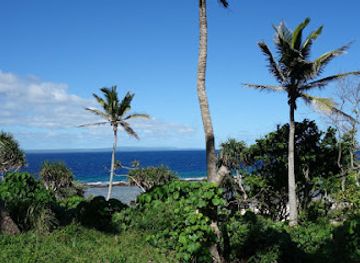
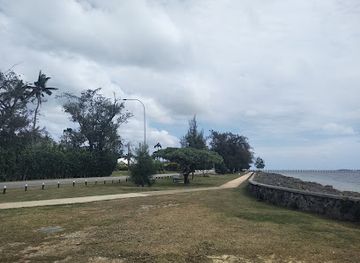
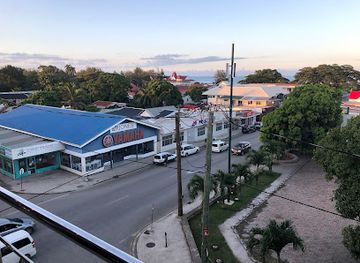
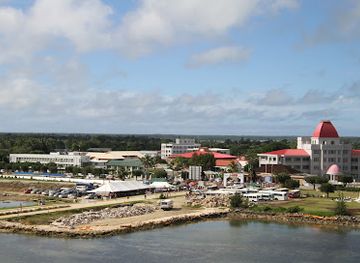
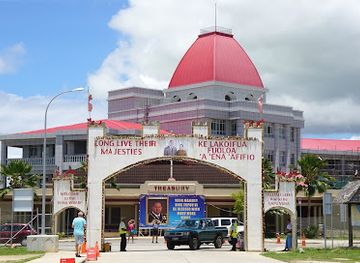
Pangai’s waterfront and low-rise administrative centre are Lifuka’s most recognisable civic landmarks, reflecting the island’s role as the centre of government and services for Ha'apai. The town’s churches are equally important visual and cultural markers, representing the nineteenth-century spread of Christianity and the continuing importance of worship in Tongan community life. Across Lifuka, village churches, family compounds, coconut-lined roads and shoreline landing places form a human landscape rather than a collection of monumental buildings. The island’s strongest historical association is with Taufa'ahau, later King George Tupou I, whose chiefly base in Ha'apai became central to the unification of Tonga. The causeway connecting Lifuka with Foa is a notable piece of practical island infrastructure, linking communities that remain geographically distinct despite their road connection. Beyond these built landmarks, the low coral coast, reef-fringed channels and open views towards the Ha'apai islands provide the defining natural setting. Their scale and exposure explain both the appeal of Lifuka and the need to respect tides, wind and changing sea conditions.
-
Nature preserve
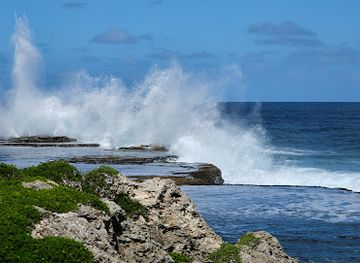
Mapu'a Vaea Blowholes
Discover the breathtaking Mapu'a Vaea Blowholes in Tonga, where ocean waves create spectacular geysers against a backdrop of stunning natural beauty.
-
Tourist attraction
Anahulu Cave
Discover the enchanting beauty of Anahulu Cave in Tonga, where crystal-clear waters meet stunning limestone formations, creating a serene adventure for all.
-
Historical place
Royal Palace of Tonga
Discover the Royal Palace of Tonga, a historical marvel showcasing the rich cultural heritage and royal traditions of the Tongan monarchy.
-
 Indoor lodging
Seaview Lodge
Discover the serene beauty of Tonga at Seaview Lodge, your perfect indoor lodging with breathtaking ocean views and local charm.
Explore Lifuka on the map
Plan your trip on one map. See where the top cities, national parks and sights are, and book hotels and experiences in a few clicks.
Best hotels in Lifuka
Best restaurants in Lifuka
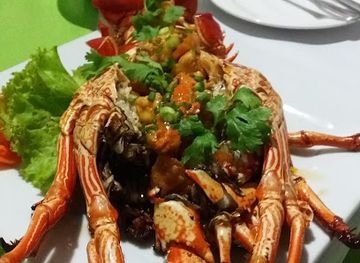
Dining on Lifuka is informal and locally oriented, with the greatest concentration of cafés, small eateries, accommodation kitchens and provisions shops in and around Pangai. Fresh fish and other seafood may appear alongside taro, cassava, sweet potato, breadfruit, coconut and tropical fruit, reflecting the island’s gardens and surrounding waters. Tongan meals can be communal and generous, while everyday options also include imported rice, noodles, bread and tinned goods. Local markets and small shops are useful for fruit, snacks and basic supplies, although selection and opening times can be limited. Some guesthouses and small lodgings offer meals by arrangement, which is valuable outside Pangai where independent dining choices are fewer. Visitors should not expect a dense restaurant scene or late-night service; confirming meals in advance is sensible, particularly on quieter parts of Lifuka and Foa. Respectful curiosity about ingredients and preparation is usually welcomed, especially when food is shared in a village or family setting.
-
Cafe
Coffee Post
Discover the heart of Tonga's coffee culture at Coffee Post in Nuku'alofa – where every cup tells a story.
-
Cafe
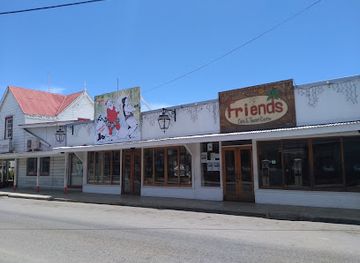
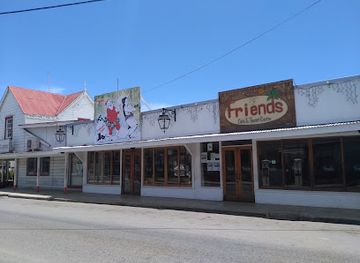
Friends Cafe
Discover Friends Cafe in Nuku'alofa - where delicious food meets friendly service in a cozy setting.
-
Hotel
Little Italy Hotel
Discover the charm of Little Italy Hotel in Nuku'alofa – where authentic Italian cuisine meets Tongan hospitality for an unforgettable experience.
-
Restaurant
Chef Zero Restaurant
Experience authentic Tongan cuisine at Chef Zero Restaurant in Nuku'alofa – a culinary gem showcasing fresh local flavors.
Best bars in Lifuka
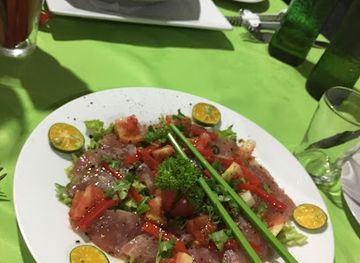
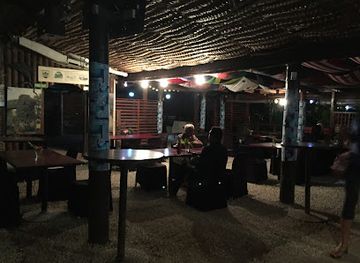
Lifuka does not have a major nightclub scene, and evening life is generally quiet and community-oriented. Pangai has the island’s most likely concentration of places for a drink or casual meal, while accommodation providers may offer simple evening refreshments or help arrange a gathering. Traditional social life, family visits, church activities and informal conversation are more characteristic than late-night entertainment. Visitors should remember that Tonga’s Christian observance strongly influences the weekly rhythm, with Sunday commonly treated as a day of rest and many businesses closed. Alcohol should be consumed discreetly and responsibly, particularly outside the main settlement, and visitors should not assume that every bar or restaurant operates daily. Evenings are often best spent enjoying a meal, watching the sunset, listening to local conversation or preparing for an early boat trip rather than searching for a fast-changing entertainment district.
-
Hotel
Tanoa International Dateline Hotel
Discover the perfect blend of comfort and Tongan culture at Tanoa International Dateline Hotel in Nuku'alofa.
-
Cafe
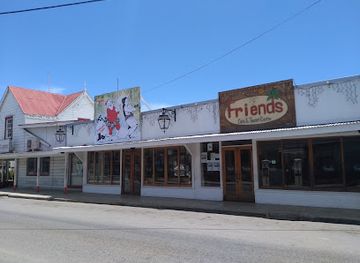
Friends Cafe
Experience the authentic flavors of Tonga at Friends Cafe in the heart of Nuku'alofa, where local ingredients meet a cozy atmosphere.
-
Restaurant
Little Italy Hotel
Discover the warmth of Tonga at Little Italy Hotel, where authentic Italian cuisine meets local hospitality in the heart of Nuku'alofa.
-
Restaurant
Chef Zero Restaurant
Experience the rich flavors of Tongan cuisine at Chef Zero Restaurant, a culinary gem in Nuku'alofa offering fresh and delicious local dishes.
Best nightclubs in Lifuka
Lifuka does not have a major nightclub scene, and evening life is generally quiet and community-oriented. Pangai has the island’s most likely concentration of places for a drink or casual meal, while accommodation providers may offer simple evening refreshments or help arrange a gathering. Traditional social life, family visits, church activities and informal conversation are more characteristic than late-night entertainment. Visitors should remember that Tonga’s Christian observance strongly influences the weekly rhythm, with Sunday commonly treated as a day of rest and many businesses closed. Alcohol should be consumed discreetly and responsibly, particularly outside the main settlement, and visitors should not assume that every bar or restaurant operates daily. Evenings are often best spent enjoying a meal, watching the sunset, listening to local conversation or preparing for an early boat trip rather than searching for a fast-changing entertainment district.
-
Cafe
Friends Cafe
Discover the flavors of Tonga at Friends Cafe, a cozy spot in Nuku'alofa offering an inviting atmosphere and a delicious menu.
-
Bar
Billfish Bar and Restaurant
Experience the vibrant flavors and warm hospitality of Tonga at Billfish Bar and Restaurant in Nuku'alofa.
-
Restaurant
The TOP Restaurant and Lounge
Experience fine dining at The TOP Restaurant and Lounge, where Tongan flavors meet gourmet cuisine in an elegant atmosphere.
-
Marina
Vuna Wharf
Discover the charm of Vuna Wharf in Nuku'alofa, where stunning ocean views and delicious local cuisine await.
Best shops in Lifuka
Shopping on Lifuka is practical and small-scale, with the main selection found in Pangai’s shops and market-style stalls rather than in dedicated retail districts. Visitors can look for fresh fruit, root crops, seafood, snacks and household provisions, while locally made handicrafts may include woven items, shell work, carvings or other products offered through informal outlets and community connections. Availability varies, so locally produced goods should be bought when seen rather than assumed to be stocked throughout the island. Small shops carry useful essentials, but imported goods, specialist equipment and a broad choice of clothing or electronics are limited. Travellers seeking souvenirs should favour responsibly made crafts and Tongan food products, and should never collect coral, shells or archaeological material from beaches or historic places. Carry cash in pa'anga for small purchases, particularly when shopping beyond Pangai, where card payment and reliable communications may not be available.
-
Hotel
Tanoa International Dateline Hotel
Discover comfort and cultural immersion at Tanoa International Dateline Hotel in beautiful Nuku'alofa, Tonga.
-
Marina
Vuna Wharf
Experience the picturesque Vuna Wharf in Nuku'alofa, a serene marina perfect for seafood lovers and those seeking stunning Pacific views.
-
Shopping mall
Hiki 'O Tonga
Experience the vibrant shopping and dining at Hiki 'O Tonga, Nuku'alofa's premier shopping mall, blending local culture with modern retail.
-
E-commerce service
EZ TONGA ONLINE SHOPPING
Experience the convenience of online shopping at EZ Tonga, where local flavor meets quality products in the heart of Nuku'alofa.
Get your free copy of our complete guide to Lifuka, delivered straight to you.
Everything on this page, from attractions and restaurants to essentials and local phrases, in one PDF you can read offline, print or share.
Already have an account? Sign in
Your Lifuka guide is ready.
We'll send it to · Not you? Sign out

Getting your guide ready…
We are putting together a fresh copy of the Lifuka guide. This can take up to a minute.
This can take a few moments. If your browser asks, choose Allow so the download can start. You'll find the guide in your Downloads folder.
Nothing happened? Download it again
Sorry, the guide is taking longer than usual. Please try again in a minute, or get it by email instead.
Lifuka essentials
Currency and Payment
Safety
Emergency Situations
Do's and Don'ts
Local Tips
From Eve
Local phrases worth knowing
You don't need to get them perfect. A few words go a long way, and locals appreciate the effort.
Basics
| English | Local | Say it |
|---|---|---|
| Hello | Mālō | [Mah-loh] |
| Goodbye | Nānā | [Nah-nah] |
| Yes | Āe | [Ah-eh] |
| No | Ikai | [Ee-kai] |
| Please/You're welcome | Fakamolemole | [Fah-kah-moh-leh-moh-leh] |
| Thank you | Mālo | [Mah-loh] |
| Excuse me/Sorry | Fakamālohi | [Fah-kah-mah-loh-hee] |
| How are you? | OFA atu? | [Oh-fah ah-too] |
| Fine. And you? | Faka'apa'apa. Ko e ke? | [Fah-kah-ah-pah-pah. Koh eh keh?] |
| Do you speak English? | O koe faka'apa'apa 'i he'english? | [Oh koh eh-fah-kah-ah-pah-pah ee heh-english?] |
| I don't understand | Te u 'ikai ke mu'a | [Teh oo ee-kai keh moo-ah] |
Eating & Drinking
| English | Local | Say it |
|---|---|---|
| I'd like to see the menu, please | Ofa mai keu 'alu 'o e menu, fakamolemole | [Oh-fah my keh-oo ah-loo oh eh meh-noo, fah-kah-moh-leh-moh-leh] |
| I don't eat meat | Te u 'ikai 'ai 'e 'uta | [Teh oo ee-kai eye eh oo-tah] |
| Cheers! | Mālō | [Mah-loh] |
| I would like to pay, please | Keu 'ai ke faka'atu, fakamolemole | [Keh-oo eye keh fah-kah-ah-too, fah-kah-moh-leh-moh-leh] |
Emergencies
| English | Local | Say it |
|---|---|---|
| Help! | Fakamālohi! | [Fah-kah-mah-loh-hee!] |
| Go away! | Tū 'i he feitu'u! | [Too ee heh feh-ee-too!] |
| Call the Police! | Faka'ū 'a e Polisia! | [Fah-kah-oo ah eh Poh-lee-see-ah!] |
| Call a doctor! | Faka'ū 'a e tāngata fakamā. | [Fah-kah-oo ah eh tah-ngah-tah fah-kah-mah.] |
| I'm lost | Keu 'alu 'i he feitu'u | [Keh-oo ah-loo ee heh feh-ee-too] |
| I'm ill | Keu 'i he ma'ua | [Keh-oo ee heh mah-oo-ah] |
Shopping
| English | Local | Say it |
|---|---|---|
| I'd like to buy... | Ofa mai ke u 'ai... | [Oh-fah my keh oo eye...] |
| I'm just looking | Keu 'alu 'i he kaha | [Keh-oo ah-loo ee heh kah-hah] |
| How much is it? | E hā na'e? | [Eh hah nah-eh?] |
| That's too expensive | Na'e hiki 'a e tau | [Nah-eh hee-kee ah eh tah-oo] |
| Can you lower the price? | O e ke faka'uka 'a e tau? | [Oh eh keh fah-kah-oo-kah ah eh tah-oo?] |
Time & Numbers
| English | Local | Say it |
|---|---|---|
| What time is it? | E hā e uike? | [Eh hah eh oo-ee-keh?] |
| It's one o'clock | E taha e uike | [Eh tah-hah eh oo-ee-keh] |
| Half past (10) | Tahi e uike e taha | [Tah-hee eh oo-ee-keh eh tah-hah] |
| Morning | Pule | [Poo-leh] |
| Afternoon | Tōnaga | [Toh-nah-gah] |
| Evening | Po'uli | [Poh-oo-lee] |
| Yesterday | Mālohi | [Mah-loh-hee] |
| Today | Kātoanga | [Kah-toh-ahng-ah] |
| Tomorrow | E 'aho 'o e ma'u | [Eh ah-hoh oh eh mah-oo] |
| 1 | Taha | [Tah-hah] |
| 2 | Tū | [Too] |
| 3 | Tolu | [Toh-loo] |
| 4 | Fa | [Fah] |
| 5 | Nima | [Nee-mah] |
| 6 | Ono | [Oh-no] |
| 7 | Fitu | [Fee-too] |
| 8 | Tahi | [Tah-hee] |
| 9 | Nau | [Nau] |
| 10 | Taha | [Tah-hah] |
Transport & Directions
| English | Local | Say it |
|---|---|---|
| Where's a/the...? | Uhi e...? | [Oo-hee eh...?] |
| What's the address? | E hā e tu'unga? | [Eh hah eh too-oo-ngah?] |
| Can you show me (on the map)? | O e ke faka'atu mai (i he mapu)? | [Oh eh keh fah-kah-ah-too my (ee heh mah-poo)?] |
| When's the next (bus)? | E hā e bus e toe? | [Eh hah eh boos eh toe?] |
| A ticket (to ....) | Ko e tiketi (ki ....) | [Koh eh tee-keh-tee (kee ....)] |
History of Lifuka
Early Polynesian Settlement and Lapita Heritage
The islands of Tonga were settled by seafaring Polynesian communities during the early phase of Austronesian expansion, and the wider Tongan archipelago contains important evidence associated with Lapita-era voyaging and settlement. Lifuka’s position among the central Ha'apai islands placed it within an active network of ocean travel, exchange and chiefly relationships. Archaeological remains across Tonga show that early communities cultivated crops, fished the surrounding waters and developed distinctive ceramic traditions before later Tongan society took its better-known political form.
The Tu'i Tonga Political World
For centuries, Tonga was organised through chiefly systems connected to the Tu'i Tonga dynasty, whose influence extended across much of the central Pacific through tribute, marriage alliances and voyaging relationships. Lifuka and the other Ha'apai islands formed part of this wider political and cultural world rather than existing as isolated communities. The legacy of chiefly authority remains visible in Tonga’s respect for rank, land, family obligations and ceremony, even though the political structure has changed substantially since the pre-European period.
European Voyages in the Eighteenth Century
European navigators reached Tonga during the seventeenth and eighteenth centuries, adding the islands to increasingly detailed charts of the Pacific. Abel Tasman visited Tonga in 1643, while later voyages associated with James Cook brought wider European attention to the archipelago. Cook’s encounters in Tonga contributed to the name ‘Friendly Islands’, although relations were shaped by complex misunderstandings and shifting local circumstances. These voyages did not mark the beginning of Lifuka’s history; they introduced a new layer of outside contact to an established Tongan society.
Christianity and Social Change in Ha'apai
Christian missionaries and Tongan converts transformed religious and political life during the nineteenth century. Methodist influence became particularly important in Ha'apai, where Taufa'ahau accepted Christianity in the early nineteenth century and used the new faith within a broader process of political consolidation. Churches, Sunday observance, literacy and new forms of authority altered village life while existing chiefly structures continued to shape land, family and community relationships. The churches visible on Lifuka today form part of this important period of cultural change.
Taufa'ahau and the Unification of Tonga
Taufa'ahau, the powerful chief of Ha'apai, emerged as the leading figure in the creation of a more unified Tongan kingdom. His conversion to Christianity, military success and political alliances helped him extend authority beyond his home islands. In 1845 he became King George Tupou I, and his reign laid the foundations of the modern Tongan state. Lifuka’s historical importance is therefore linked not only to local communities but also to Ha'apai’s central role in the career of the monarch who unified Tonga.
The Modern Kingdom and Island Administration
Tonga’s modern constitutional monarchy developed through nineteenth-century reforms, including the gradual centralisation of government, new legal structures and changing relationships between chiefs, land and the state. Lifuka became the administrative centre of Ha'apai, with Pangai serving the scattered islands around it. The island’s contemporary character reflects this combination of national institutions and local autonomy: government services, churches and schools are concentrated around the main settlement, while many communities continue to depend on fishing, small-scale agriculture, family networks and ocean transport.
Lifuka in Photos
Browse through our photo collection highlighting the charm and character of the destination.
Neighbouring regions of Lifuka
The closest regions to Lifuka, if you have time for more than one.
-

-

-

-

-


Swipe for more regions
Explore more

Explore more of Tonga
Discover Tonga, the Friendly Islands of the South Pacific, where pristine beaches, vibrant coral reefs, and rich cultural heritage await your exploration.
Explore Tonga