

Kotu, Tonga Travel Guide
Discover the serene beauty of Kotu Island in Tonga, a hidden paradise with pristine beaches, vibrant coral reefs, and rich cultural heritage.
Kotu Island, located in the Ha'apai group of islands in Tonga, is a hidden gem that offers a tranquil escape from the hustle and bustle of modern life. This small, unspoiled island is a paradise for nature lovers and those seeking a peaceful retreat. With its pristine beaches, clear blue waters, and lush vegetation, Kotu is the perfect destination to unwind and reconnect with nature. One of the main attractions of Kotu Island is its stunning coral reefs, which are home to a diverse array of marine life. Snorkeling and diving enthusiasts will be delighted by the vibrant underwater world, where they can spot colorful fish, sea turtles, and even the occasional dolphin. The island's crystal-clear waters also make it an ideal spot for kayaking and paddleboarding. Kotu Island is also rich in cultural heritage. Visitors can explore traditional Tongan villages and experience the local way of life. The island's friendly residents are known for their warm hospitality and will gladly share stories about their customs and traditions. Don't miss the chance to participate in a traditional Tongan feast, where you can sample delicious local dishes made from fresh, locally-sourced ingredients. For those who enjoy outdoor activities, Kotu Island offers plenty of opportunities for hiking and birdwatching. The island's lush interior is crisscrossed with trails that lead to scenic viewpoints and hidden beaches. Keep an eye out for the many species of birds that call Kotu home, including the rare Tongan whistler and the beautiful Pacific golden plover.

Know before you go
Hi, I'm Eve. Here are a few practical things to know before exploring Kotu.
- Bring reef-safe sunscreen to protect the coral reefs while snorkeling or diving.
- Visit during the dry season (May to October) for the best weather and calmest seas.
- Pack lightweight, breathable clothing to stay comfortable in the island's tropical climate.
- Bring cash, as there are limited ATMs and credit card facilities on the island.
- Respect local customs and dress modestly when visiting villages or attending cultural events.
Explore Kotu: Things to Do, Places to Eat, Hotels & More
Handpicked recommendations for top attractions, local dining, accommodations, and more

Top Attractions & Sightseeing in Kotu
Top-rated picks
Best Attractions

Mapu'a Vaea Blowholes
Discover the breathtaking Mapu'a Vaea Blowholes, where nature's power creates stunning geysers along Tonga's rugged coastline.

Royal Palace of Tonga
Explore the Royal Palace of Tonga, a historic site embodying the rich cultural heritage and royal legacy of the Tongan Kingdom.

Anahulu Cave
Discover the breathtaking beauty of Anahulu Cave in Tonga, where crystal-clear waters and stunning limestone formations create an unforgettable adventure.

Ancient Tonga
Explore the rich history of Ancient Tonga, an unmissable attraction that reveals the depths of Tongan culture and heritage.

Best landmarks in Kotu
Top-rated picks
Best Landmarks

Mapu'a Vaea Blowholes
Experience the awe-inspiring Mapu'a Vaea Blowholes in Tonga, where nature's power creates stunning geysers against a breathtaking coastal backdrop.

Tongatapu
Explore Tongatapu, Tonga's largest island, where stunning beaches and rich culture meet in a tropical paradise.

Royal Palace of Tonga
Explore the Royal Palace of Tonga, a historical landmark that showcases the rich heritage and royal traditions of the Tongan Kingdom.

Anahulu Cave
Discover the enchanting Anahulu Cave in Haveluliku, Tonga – a stunning natural wonder with captivating formations and serene swimming spots.

Best restaurants in Kotu
Top-rated picks
Best Restaurants

Little Italy Hotel
Experience authentic Italian cuisine and warm Tongan hospitality at Little Italy Hotel in Nuku'alofa.

Friends Cafe
Discover the authentic taste of Tonga at Friends Cafe in Nuku'alofa – where local flavors meet friendly service.

Billfish Bar and Restaurant
Experience vibrant Tongan cuisine at Billfish Bar and Restaurant – where fresh seafood meets lively island vibes.

Chef Zero Restaurant
Experience authentic Tongan cuisine at Chef Zero Restaurant in Nuku'alofa - where fresh ingredients meet exceptional taste.

Best bars in Kotu
Top-rated picks
Best Bars
Tanoa International Dateline Hotel
Experience the perfect blend of Polynesian charm and modern comfort at Tanoa International Dateline Hotel in Nuku'alofa, Tonga.

Friends Cafe
Discover the flavors of Tonga at Friends Cafe in Nuku'alofa—your perfect culinary retreat in the heart of the island.
Little Italy Hotel
Discover Little Italy Hotel, where Tongan hospitality meets delightful culinary experiences in the heart of Nuku'alofa.
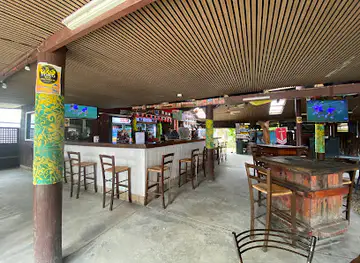
Billfish Bar and Restaurant
Experience the vibrant flavors of Tonga at Billfish Bar and Restaurant, where fresh seafood meets a lively atmosphere in Nuku'alofa.

Best nightclubs in Kotu
Top-rated picks
Best Nightclubs
Tanoa International Dateline Hotel
Experience the perfect blend of Tongan hospitality and comfort at Tanoa International Dateline Hotel, your ideal base for exploring the wonders of Tonga.

Friends Cafe
Discover the authentic flavors of Tonga at Friends Cafe, a cozy spot in Nuku'alofa offering a delightful menu and warm hospitality.

Billfish Bar and Restaurant
Experience the vibrant flavors of Tonga at Billfish Bar and Restaurant, where local cuisine meets a lively atmosphere in Nuku'alofa.

The TOP Restaurant and Lounge
Experience the rich flavors of Tonga at The TOP Restaurant and Lounge in Nuku'alofa, a culinary gem blending local and international cuisine.

Best shops in Kotu
Top-rated picks
Best Shops
Tanoa International Dateline Hotel
Discover the perfect blend of comfort and culture at Tanoa International Dateline Hotel in Nuku'alofa, Tonga's serene capital.

Vuna Wharf
Discover the tranquil beauty of Vuna Wharf in Nuku'alofa, a serene marina offering stunning views and a taste of authentic Tongan culture.

Hiki 'O Tonga
Explore Hiki 'O Tonga, Nuku'alofa's vibrant shopping mall filled with local crafts, delicious cuisine, and a taste of Tongan culture.
EZ TONGA ONLINE SHOPPING
Discover the essence of Tonga at EZ Tonga Online Shopping, where local culture meets convenience in Nuku'alofa.

Explore Kotu on the Map
A handpicked selection of must-see spots in Kotu, mapped for you.
Kotu Essentials
-
Kotu is part of the Ha'apai island group in Tonga. The nearest international airport is Fua'amotu International Airport on Tongatapu Island. From there, you can take a domestic flight to Lifuka Island in Ha'apai. Once in Lifuka, you can reach Kotu by boat. The boat journey can take a few hours, depending on the sea conditions. It is advisable to check the boat schedules in advance as they can be irregular.
-
Kotu is a small island, and most places can be reached on foot. For longer trips or if you're carrying heavy luggage, bicycles and small motorbikes can be rented from local providers. There are no public buses on the island, but locals often provide informal taxi services. Always agree on the fare before starting your journey.
-
The official currency in Tonga is the Tongan Paʻanga (TOP). Credit cards are not widely accepted on Kotu, so it is essential to carry enough cash. ATMs are not available on the island, so be sure to withdraw sufficient funds before leaving Tongatapu or Lifuka. Some local shops and guesthouses may accept foreign currency, but it is better to have local currency for daily expenses.
-
Kotu is generally a safe destination for tourists. However, like any travel destination, it is advisable to take standard precautions. Avoid leaving your belongings unattended on the beach and lock your accommodations when you are out. There are no specific high-crime areas targeting tourists, but it is always best to stay vigilant and aware of your surroundings.
-
In case of emergency, dial 911 for immediate assistance. The island has limited medical facilities, so it is advisable to have travel insurance that covers medical emergencies and evacuation. For minor health issues, there are local pharmacies where you can purchase over-the-counter medications. It is also wise to carry a basic first aid kit.
-
Fashion: Do dress modestly, especially when visiting villages and religious sites. Avoid wearing revealing clothing. Religion: Do respect local customs and traditions. Always remove your shoes when entering a home or church. Public Transport: Do be respectful and polite. There is no formal public transport, but if you share a boat or informal taxi, be considerate. Greetings: Do greet people with a smile and a nod. A slight bow of the head is also a sign of respect. Eating & Drinking: Do try local foods and accept food offerings graciously. Don't refuse hospitality, as it is considered impolite.
-
To experience Kotu like a local, participate in traditional Tongan feasts or 'umu', where food is cooked in an underground oven. Engage with locals, as they are often friendly and willing to share stories about their culture and traditions. Don't miss exploring the island's beaches and coral reefs, which offer excellent snorkeling opportunities. For a unique experience, join a local fishing trip or attend a traditional dance performance.
When is the best time to visit Kotu?
History of Kotu
-
Kotu, one of the islands in the Ha'apai group of Tonga, has a rich history that dates back thousands of years. The early settlers of Kotu were Polynesians who navigated the vast Pacific Ocean using sophisticated outrigger canoes. These settlers brought with them a complex culture that included intricate tattooing, traditional dances, and a deep spiritual connection to the land and sea. The indigenous culture is still evident today in the local customs, language, and traditional crafts.
-
European explorers first made contact with Tonga in the 17th century. However, it was not until the 19th century that missionary efforts intensified. The London Missionary Society and other Christian missionaries arrived in Kotu, bringing with them new religious beliefs and practices. The introduction of Christianity had a profound impact on the local culture, leading to the conversion of many inhabitants and the establishment of churches, some of which still stand today as historical landmarks.
-
The Kingdom of Tonga is the only remaining monarchy in the Pacific, and its history is closely tied to the islands, including Kotu. The Tongan monarchy was established in the mid-19th century under King George Tupou I, who unified the islands and implemented a constitutional monarchy. Kotu has played its part in the broader narrative of Tongan history, with local chiefs and leaders participating in the political and social changes that have shaped the nation.
-
In March 1982, Cyclone Isaac struck Tonga, causing widespread devastation across the islands, including Kotu. The cyclone left many residents homeless and destroyed vital infrastructure. The aftermath saw an outpouring of international aid and local efforts to rebuild. The resilience of Kotu's community was evident as they worked together to restore homes, schools, and community centers. This event remains a significant chapter in the island's recent history, highlighting both the vulnerabilities and strength of the Tongan people.
-
Today, Kotu is a vibrant community that balances modernity with the preservation of its rich cultural heritage. Efforts to maintain traditional practices, such as weaving, wood carving, and traditional Tongan feasts (known as 'umu'), are ongoing. The island also serves as a reminder of the importance of sustainable living, with initiatives aimed at protecting the natural environment and promoting eco-tourism. Visitors to Kotu can experience the warmth of Tongan hospitality while learning about the island's storied past and vibrant present.
Neighbouring Regions of Kotu
The closest regions to Kotu, if you have time for more than one.


Your all‑in‑one travel companion app
Explore expert travel guides, compare and book tours, experiences, hotels, and more—all from the palm of your hand. Download now for seamless trip planning wherever your wanderlust takes you.


Explore More of Tonga

Looking beyond Kotu? Discover Tonga for broader travel guides, local hot-spots, and regional highlights.
Explore TongaKotu in Photos
Browse through our photo collection highlighting the charm and character of the destination.

Kotu Island: The Hidden Gem of Tonga
Kotu Island, located in the Ha'apai group of islands in Tonga, is a hidden gem that offers a tranquil escape from the hustle and bustle of modern life. This small, unspoiled island is a paradise for nature lovers and those seeking a peaceful retreat. With its pristine beaches, clear blue waters, and lush vegetation, Kotu is the perfect destination to unwind and reconnect with nature. One of the main attractions of Kotu Island is its stunning coral reefs, which are home to a diverse array of marine life. Snorkeling and diving enthusiasts will be delighted by the vibrant underwater world, where they can spot colorful fish, sea turtles, and even the occasional dolphin. The island's crystal-clear waters also make it an ideal spot for kayaking and paddleboarding. Kotu Island is also rich in cultural heritage. Visitors can explore traditional Tongan villages and experience the local way of life. The island's friendly residents are known for their warm hospitality and will gladly share stories about their customs and traditions. Don't miss the chance to participate in a traditional Tongan feast, where you can sample delicious local dishes made from fresh, locally-sourced ingredients. For those who enjoy outdoor activities, Kotu Island offers plenty of opportunities for hiking and birdwatching. The island's lush interior is crisscrossed with trails that lead to scenic viewpoints and hidden beaches. Keep an eye out for the many species of birds that call Kotu home, including the rare Tongan whistler and the beautiful Pacific golden plover.