

Free Pangaimotu Travel Guide & Mobile App
Explore Pangaimotu with free travel guides. Discover regional history, expert tips, proposed trips, and audio guides on web or mobile app.


Pangaimotu, Tonga, offers an easy island escape from Nuku'alofa with coral reefs, swimming, snorkelling and relaxed lagoon days.
Read more about Pangaimotu
When is the best time to visit Pangaimotu?
Best: June–August · 23–24°C| Month | High (°C) | Rainfall (mm) |
|---|---|---|
| January | 28 | 250 |
| February | 28 | 250 |
| March | 27 | 250 |
| April | 26 | 200 |
| May | 25 | 150 |
| June (best) | 24 | 120 |
| July (best) | 23 | 120 |
| August (best) | 23 | 120 |
| September | 24 | 150 |
| October | 25 | 200 |
| November | 26 | 230 |
| December | 27 | 250 |
Getting to and around Pangaimotu
How to get there
Transportation
Destinations in Pangaimotu
Resorts, valleys and scenic spots worth a trip of their own.

Swipe for more destinations
Best attractions in Pangaimotu
Pangaimotu's attractions are concentrated in its shoreline, lagoon and surrounding reef rather than in museums or built heritage. A sandy beach provides the setting for swimming, sunbathing and quiet walks, while clear shallows can offer accessible snorkelling when visibility, tide and weather cooperate. The island is also suited to an unhurried picnic-style day, with time for a meal or drink at the visitor facilities if operating arrangements permit. The short boat journey is part of the experience, giving visitors a changing view of Nuku'alofa and Tongatapu's coastal waters. Marine activities should be approached with care: coral can be fragile, surfaces may be sharp, and conditions are not uniform around the island. Pangaimotu is best understood as a compact coastal excursion rather than as a large attraction complex, and there are no substantial galleries, historic monuments or inland walking network to fill a busy programme. For history, architecture and broader nature experiences, combine the island with Tongatapu's archaeological, cultural and coastal sites on the main island. This combination creates a more rounded impression of Tonga, balancing a few relaxed hours on a coral island with the historic and social setting of the kingdom's principal island.
-
Tourist attraction
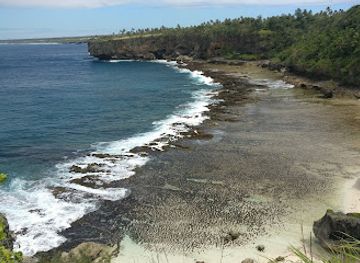
The Cliffs Overlook
Discover the beauty of Tonga at The Cliffs Overlook, where stunning ocean views meet serene natural landscapes for an unforgettable experience.
-
Island
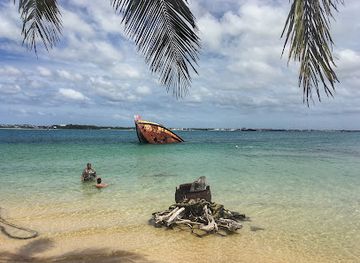
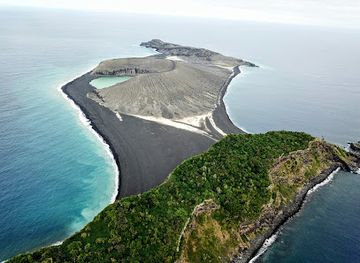
Pangaimotu Island
Explore the breathtaking beauty of Pangaimotu Island in Tonga, a tropical paradise perfect for relaxation, adventure, and unforgettable experiences.
-
Beach
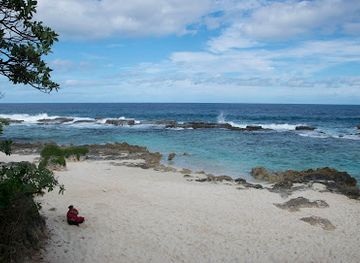
Veitongo Beach
Experience the tranquility of Veitongo Beach, Tonga's hidden paradise with soft sands and crystal-clear waters, perfect for relaxation and adventure.
-
Nature preserve
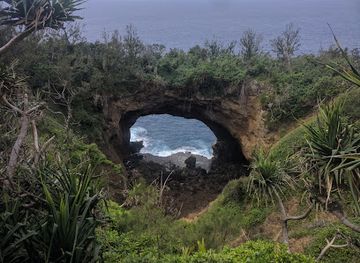
Li 'Anga Huo 'A Maui Natural Archway
Discover the breathtaking beauty of Li 'Anga Huo 'A Maui Natural Archway in Tonga, a serene escape into nature's artistry and coastal splendor.
Best landmarks in Pangaimotu
Pangaimotu's principal landmark is its low coral-island form, visible from the waters off Nuku'alofa as a small green and sandy interruption in the lagoon. Its significance is geographical rather than monumental: the island demonstrates the reef, shallow water and maritime setting that shape life around Tongatapu. The surrounding coral platform and lagoon provide the most recognisable natural features, with their appearance changing according to tide, weather and light. The boat approach is part of the landmark experience, placing the island within the wider seascape used by local communities and vessels. Pangaimotu has no cathedral, fortress or ancient stone monument comparable to Tongatapu's major historical sites, and it should not be presented as a substitute for them. Instead, visitors can regard its beach and reef as a modest coastal marker within the capital's maritime hinterland. To understand the island's deeper historical context, combine it with Mu'a's chiefly and burial monuments, churches and other heritage places on Tongatapu; those sites are on the main island, not on Pangaimotu itself.
-
Nature preserve
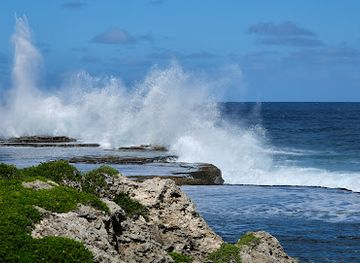
Mapu'a Vaea Blowholes
Experience the breathtaking spectacle of the Mapu'a Vaea Blowholes in Tonga, where the ocean's power creates stunning water plumes against a beautiful backdrop.
-
Historical place
Royal Palace of Tonga
Explore the Royal Palace of Tonga, a stunning historical landmark that embodies the rich culture and history of the Tongan monarchy.
-
Tourist attraction
Ancient Tonga
Explore Ancient Tonga, a captivating historical site in Nuku'alofa that reveals the rich cultural heritage of the Tongan Kingdom.
-
Historical landmark
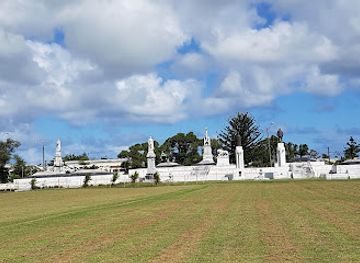
Royal Tombs
Discover the rich history of Tonga at the Royal Tombs, a serene landmark celebrating the legacy of the Tongan monarchy and its cultural significance.
Explore Pangaimotu on the map
Plan your trip on one map. See where the top cities, national parks and sights are, and book hotels and experiences in a few clicks.
Best hotels in Pangaimotu
Best restaurants in Pangaimotu
Dining on Pangaimotu is centred on the island's visitor facilities and should be treated as part of a day excursion rather than as a separate restaurant scene. Depending on current operating arrangements, visitors may find simple meals, snacks and drinks suited to a beach day, while the most dependable choice for provisions and a wider range of restaurants is Nuku'alofa on Tongatapu. Tongan food traditions commonly include taro, cassava, sweet potato, coconut, fresh fish and other seafood, with hearty dishes prepared for family and community gatherings. On the main island, cafés, hotel restaurants, local eateries and markets provide more opportunity to try these ingredients alongside familiar international food. Bring water and check whether food is included in an excursion booking, particularly outside the busiest periods. Tongan hospitality is often expressed through shared food, but visitors should avoid assuming that every meal or serving style is the same. If buying seafood or produce, choose established vendors and follow local advice about safe preparation.
-
Restaurant
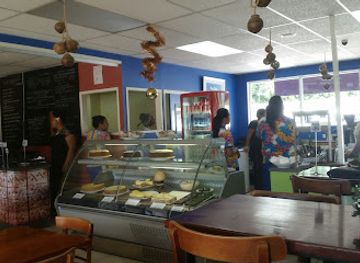
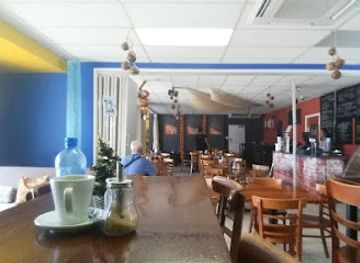
Cafe Escape
Discover authentic Tongan flavors at Cafe Escape - where exceptional coffee meets delightful cuisine in Nuku'alofa.
-
Restaurant
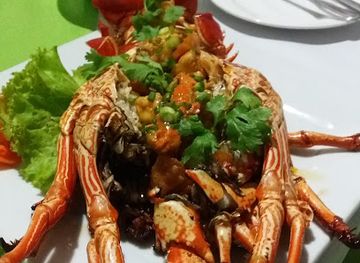
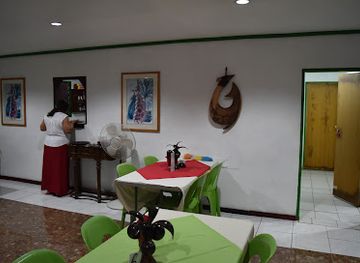
Chef Zero Restaurant
Discover authentic Tongan flavors at Chef Zero Restaurant in Nuku'alofa - a culinary haven for tourists seeking local delicacies.
-
Bar
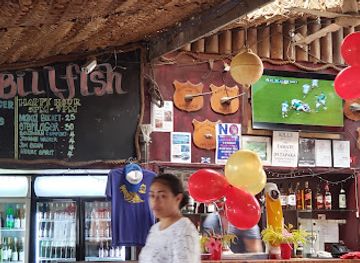
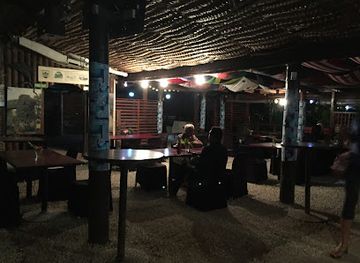
Billfish Bar and Restaurant
Experience the vibrant culture of Tonga at Billfish Bar and Restaurant—where great food meets breathtaking ocean views.
-
Restaurant
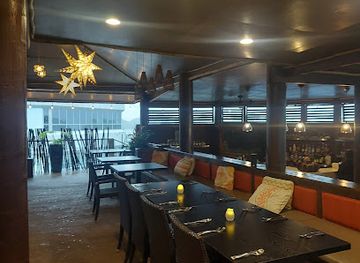
The TOP Restaurant and Lounge
Discover exquisite Tongan cuisine with breathtaking views at The TOP Restaurant and Lounge in Nuku'alofa.
Best bars in Pangaimotu
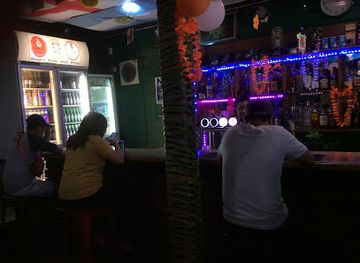
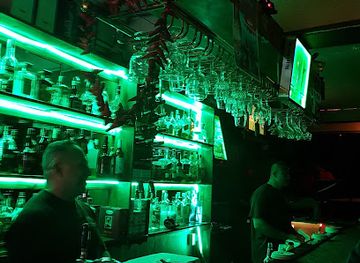
Pangaimotu is not a nightlife destination and normally functions as a daytime island escape from Nuku'alofa. Any bar service associated with the visitor facilities is best regarded as a casual place for a drink during the excursion, not as a late-night venue, and return boat times should be confirmed before consuming alcohol. Evening entertainment is more likely to be found in Nuku'alofa, where hotel bars, restaurants and a limited selection of local venues provide a quieter social scene than the major capitals of the Pacific. Tonga's nightlife varies by day, season and venue, while Sunday is generally more subdued because of the country's strong Christian observance. Visitors can also experience evening meals, live music or cultural performances when arranged locally, but should check current details rather than rely on permanent schedules. Drinking is not required to enjoy Pangaimotu; sunset views, conversation and the return crossing are the island's more characteristic evening-adjacent experiences.
-
Cafe
Friends Cafe
Discover the flavors of Tonga at Friends Cafe, a cozy dining spot in Nuku'alofa offering a delightful blend of local and international cuisine.
-
Restaurant
Cafe Escape
Experience the vibrant flavors of Tonga at Café Escape, a culinary gem in Nuku'alofa offering local and international dishes in a welcoming atmosphere.
-
Restaurant
Chef Zero Restaurant
Discover the essence of Tongan flavors at Chef Zero Restaurant in Nuku'alofa, where every meal celebrates local culinary traditions.
-
Bar
Billfish Bar and Restaurant
Experience the vibrant flavors of Tonga at Billfish Bar and Restaurant, where delicious cuisine meets stunning ocean views in Nuku'alofa.

Best nightclubs in Pangaimotu
Pangaimotu is not a nightlife destination and normally functions as a daytime island escape from Nuku'alofa. Any bar service associated with the visitor facilities is best regarded as a casual place for a drink during the excursion, not as a late-night venue, and return boat times should be confirmed before consuming alcohol. Evening entertainment is more likely to be found in Nuku'alofa, where hotel bars, restaurants and a limited selection of local venues provide a quieter social scene than the major capitals of the Pacific. Tonga's nightlife varies by day, season and venue, while Sunday is generally more subdued because of the country's strong Christian observance. Visitors can also experience evening meals, live music or cultural performances when arranged locally, but should check current details rather than rely on permanent schedules. Drinking is not required to enjoy Pangaimotu; sunset views, conversation and the return crossing are the island's more characteristic evening-adjacent experiences.
-
Bar
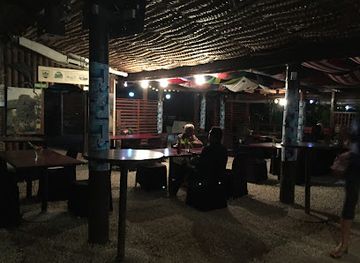
Billfish Bar and Restaurant
Discover the vibrant flavors and lively atmosphere at Billfish Bar and Restaurant in Nuku'alofa, a perfect blend of dining and nightlife.
-
Bar
Reload Bar
Discover the vibrant atmosphere of Reload Bar in Nuku'alofa, a perfect blend of local flavors and lively nightlife amidst Tongan culture.
-
Bar
Tali'eva Inn Bar
Discover Tali'eva Inn Bar, a charming blend of guest house comfort and vibrant bar scene in the heart of Nuku'alofa, Tonga.
-
Bar
Big Mama's Bar
Experience the tropical charm of Big Mama's Bar in Tonga - where refreshing drinks meet stunning ocean views and unforgettable sunsets.

Best shops in Pangaimotu
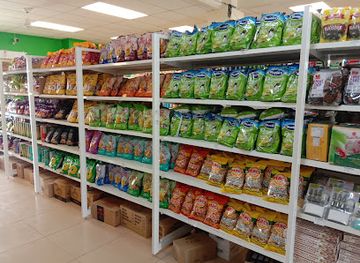
Pangaimotu offers little conventional shopping, and visitors should not expect a high street, craft market or staffed retail centre. Any small purchases available through the island's visitor facilities are likely to be limited to food, drinks or basic excursion needs, so buy sunscreen, water, reef footwear and other essentials in Nuku'alofa before departure. The capital and other communities on Tongatapu provide better opportunities for browsing local produce, woven goods, handicrafts, clothing and practical souvenirs, although market stock and opening arrangements vary. Tongan handicrafts can include woven items, carved objects and decorative work, but ask about materials and prices rather than assuming an item is locally made. Food products such as coconut-based goods or packaged produce may be convenient gifts, subject to airline and customs rules. Avoid buying coral, shells, archaeological objects or products made from protected wildlife, and leave natural material on the island where it belongs.
-
Supermarket
Molisi Supermarket
Explore the vibrant Molisi Supermarket in Nuku'alofa, offering local produce, unique snacks, and a taste of Tongan culture.
-
Shopping mall
Hiki 'O Tonga
Experience the vibrant shopping scene at Hiki 'O Tonga in Nuku'alofa, where local culture meets unique shopping.
-
 E-commerce service
EZ TONGA ONLINE SHOPPING
Discover authentic Tongan products and local goods from the comfort of your own home with EZ Tonga Online Shopping.
-
Art gallery
Langafonua Handicraft Centre and Gallery
Discover the rich artistic heritage of Tonga at Langafonua Handicraft Centre and Gallery, featuring unique handicrafts and local artistry.
Get your free copy of our complete guide to Pangaimotu, delivered straight to you.
Everything on this page, from attractions and restaurants to essentials and local phrases, in one PDF you can read offline, print or share.
Already have an account? Sign in
Your Pangaimotu guide is ready.
We'll send it to · Not you? Sign out

Getting your guide ready…
We are putting together a fresh copy of the Pangaimotu guide. This can take up to a minute.
This can take a few moments. If your browser asks, choose Allow so the download can start. You'll find the guide in your Downloads folder.
Nothing happened? Download it again
Sorry, the guide is taking longer than usual. Please try again in a minute, or get it by email instead.
Pangaimotu essentials
Currency and Payment
Safety
Emergency Situations
Do's and Don'ts
Local Tips
From Eve
Local phrases worth knowing
You don't need to get them perfect. A few words go a long way, and locals appreciate the effort.
Basics
| English | Local | Say it |
|---|---|---|
| Hello | Mālō | [mah-loh] |
| Goodbye | Nofo ā | [noh-foh ah] |
| Yes | Āe | [ah-eh] |
| No | Ikai | [ee-kai] |
| Please/You're welcome | Fakamolemole | [fah-kah-moh-leh-moh-leh] |
| Thank you | Mālō | [mah-loh] |
| Excuse me/Sorry | Fakamolemole | [fah-kah-moh-leh-moh-leh] |
| How are you? | Ofa atu? | [oh-fah ah-too] |
| Fine. And you? | Sai. Peh koe? | [sigh. peh koh-eh] |
| Do you speak English? | Teu talanoa faka-Pālangi? | [teh-oo tah-lah-noh-ah fah-kah-pah-lan-gee] |
| I don't understand | Tē u mahino | [teh oo mah-hee-noh] |
Eating & Drinking
| English | Local | Say it |
|---|---|---|
| I'd like to see the menu, please | Teu fie ma'u e ngaahi meʻu, fakamolemole | [teh-oo fee-eh mah-oo eh ngah-hah-ee meh-oo, fah-kah-moh-leh-moh-leh] |
| I don't eat meat | Tē u kai e hāngi | [teh oo kai eh hah-ng-ee] |
| Cheers! | Mālō! | [mah-loh] |
| I would like to pay, please | Teu fie faʻa'ī, fakamolemole | [teh-oo fee-eh fah-ah-ee, fah-kah-moh-leh-moh-leh] |
Emergencies
| English | Local | Say it |
|---|---|---|
| Help! | Tokoni! | [toh-koh-nee] |
| Go away! | Fakakakau! | [fah-kah-kah-oo] |
| Call the Police! | Fakamālohi e polis! | [fah-kah-mah-loh-hee eh poh-lees] |
| Call a doctor! | Fakamālohi e to'ota! | [fah-kah-mah-loh-hee eh toh-oh-tah] |
| I'm lost | Teu nofo 'i he feitu | [teh-oo noh-foh ee heh fei-too] |
| I'm ill | Teu ma'ulu | [teh-oo mah-oo-loo] |
Shopping
| English | Local | Say it |
|---|---|---|
| I'd like to buy... | Teu fie hoko... | [teh-oo fee-eh hoh-koh] |
| I'm just looking | Teu justi talanoa | [teh-oo jus-tee tah-lah-noh-ah] |
| How much is it? | Fēfē e hā? | [feh-feh eh hah] |
| That's too expensive | Ko ia e hāngēla | [koh ee-ah eh hah-ng-eh-lah] |
| Can you lower the price? | E mafai ke te uo e hā? | [eh mah-fah-ee keh teh oo-oh eh hah] |
Time & Numbers
| English | Local | Say it |
|---|---|---|
| What time is it? | Ko e taimi fē? | [koh eh tah-ee-mee feh] |
| It's one o'clock | Ko e tahi e uo | [koh eh tah-hee eh oo-oh] |
| Half past (10) | Hā e tolu | [hah eh toh-loo] |
| Morning | Pulelulu | [poo-leh-loo-loo] |
| Afternoon | Pulelulu | [poo-leh-loo-loo] |
| Evening | Pulelulu | [poo-leh-loo-loo] |
| Yesterday | Tūlō | [too-loh] |
| Today | Tūputu | [too-poo-too] |
| Tomorrow | Tūfakaholo | [too-fah-kah-hoh-loh] |
| 1 | Tahi | [tah-hee] |
| 2 | Tolu | [toh-loo] |
| 3 | Taha | [tah-hah] |
| 4 | Fā | [fah] |
| 5 | Nima | [nee-mah] |
| 6 | Ono | [oh-noh] |
| 7 | Fitu | [fee-too] |
| 8 | Valu | [vah-loo] |
| 9 | Nava | [nah-vah] |
| 10 | Tahi | [tah-hee] |
Transport & Directions
| English | Local | Say it |
|---|---|---|
| Where's a/the...? | Fēfē e ...? | [feh-feh eh ...?] |
| What's the address? | Ko e fakā'apa'apa? | [koh eh fah-kah-ah-pah-pah] |
| Can you show me (on the map)? | E mafai ke fakahā mai (i he mapi)? | [eh mah-fah-ee keh fah-kah-hah my (ee heh mah-pee)] |
| When's the next (bus)? | Fēfē e bus fakamālohi? | [feh-feh eh bus fah-kah-mah-loh-hee] |
| A ticket (to ....) | E tiketī (ki ....) | [eh tee-keh-tee (kee ....)] |
History of Pangaimotu
Lapita Settlement of Tongatapu, c. 900 BCE
Tongatapu was settled by Austronesian voyagers associated with the Lapita cultural tradition, whose pottery and seafaring networks mark an important early phase of Pacific history. The island's sheltered waters, reefs and productive coastal environments helped support communities that were skilled at navigation, fishing and exchange. Pangaimotu's present-day leisure landscape is therefore part of a much older maritime setting: the surrounding lagoon and islands have long been connected to travel, food gathering and movement across the south-western Pacific.
The Rise of the Tu'i Tonga
From roughly the first millennium CE, the Tu'i Tonga dynasty developed a powerful chiefly and religious centre on Tongatapu. Its influence extended across parts of western Polynesia through tribute, kinship and maritime connections. The ceremonial site of Mu'a, on Tongatapu's eastern side, preserves important evidence of this period, including monumental langi, or terraced burial mounds. Although Pangaimotu was not the political centre, the island's waters formed part of the wider seascape through which people, goods and authority moved.
European Contact and Charting, 1643–1770s
Dutch navigator Abel Tasman encountered the Tongan islands in 1643, and later voyages by British explorers, including James Cook, brought European descriptions and charts of the archipelago to a wider audience. These encounters took place within an already organised Tongan world rather than an uninhabited landscape. Accounts of Tongatapu and its neighbouring waters contributed to European knowledge of the Pacific, while also beginning a period of intensified contact, exchange and disruption for Tongan communities.
Christianity and Political Consolidation in the Nineteenth Century
Christian missionaries became increasingly influential in Tonga during the nineteenth century, and conversion reshaped religious practice, education and public life. Political consolidation under Taufa'ahau, who became King George Tupou I in 1875, helped establish the modern Tongan monarchy and state. The changes affected Tongatapu's settlements and coastal communities, including patterns of worship, landholding and social organisation. Visitors should remember that these historical transformations remain relevant to contemporary customs, especially Tonga's strong observance of Christianity and Sunday.
The Modern Kingdom of Tonga
Tonga retained its monarchy and avoided formal colonisation, although it operated under British protection from 1900 until independence in 1970. The modern kingdom is composed of several island groups, with Tongatapu containing Nuku'alofa, the main administrative and commercial centre. Improved maritime links, air travel and public infrastructure made nearshore islands such as Pangaimotu more accessible for recreation, while fishing, family networks and coastal resources continued to shape everyday life around Tongatapu.
Tourism and the Contemporary Island Economy
In recent decades, tourism has developed as one element of Tonga's economy alongside agriculture, fisheries, public services and income sent home by overseas workers. Pangaimotu became associated with short island excursions from Nuku'alofa, offering visitors swimming, reef activities and informal seaside dining. Its role illustrates the scale of tourism in Tongatapu: rather than a large resort coast, the island provides a compact marine outing dependent on weather, boat access, local management and careful stewardship of fragile coral environments.
Pangaimotu in Photos
Browse through our photo collection highlighting the charm and character of the destination.
Neighbouring regions of Pangaimotu
The closest regions to Pangaimotu, if you have time for more than one.
-

-

-

-

-


Swipe for more regions
Explore more

Explore more of Tonga
Discover Tonga, the Friendly Islands of the South Pacific, where pristine beaches, vibrant coral reefs, and rich cultural heritage await your exploration.
Explore Tonga